Empacho and Tripa Ida

The practice of curanderismo is the living cultural tradition of holistic healing practices of the peoples of “Latin” America. Although variations of this tradition exist within most of the Americas my focus is on the traditions of Mexico and the south-western United States of America. Curanderismo is a holistic healing system that treats the whole person—body, mind, and spirit—using a blend of herbs, rituals, and … Continue reading Empacho and Tripa Ida

A Short Discourse on the Aztec Soul.

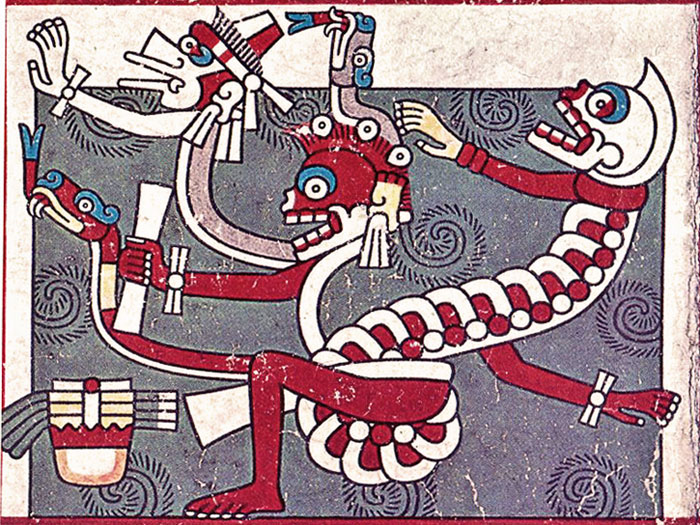
in another Post (1) several references note that the “seat of the soul” for the Aztecs was the intestines and as such gastrointestinal illnesses and conditions, specifically trip ida, are synonymous with another condition called susto (2). My research does not indicate this though. For the Mexica, the human body mirrored the cosmos, both being composed of heavy and light substances. The light substance within … Continue reading A Short Discourse on the Aztec Soul.

Tepache. Part Two. The Recipe.

There’s also some medicinal info at the bottom so check that out too. Brief recap. What is tepache? Tepache (from nahuatl “tépiatl” or “tepiatzin” (1), related to maize variety “téplit” (2) is a Mexican prehispanic fermented beverage originally prepared with maize (Pérez-Armendáriz and Cardoso-Ugarte, 2020). Ulloa and Herrera (1982) do (kind of) back this up though (the corn/water drink that is) by noting “Although this … Continue reading Tepache. Part Two. The Recipe.

Cempasúchil and Popocatepetl

It is that time of year again. The days are waning, the nights are cooling (well they would be if I was Northern hemispherical) and my feeds are filling up with the autumnal imagery of this season of spirits. The boundaries between the worlds of the living and the dead fluctuate and bleed into each other and we welcome the memories of those who have … Continue reading Cempasúchil and Popocatepetl

Quelite : Anis de Chucho : Tagetes micrantha

This plant is often called Tagetes filifolia. They are similarly flavoured and can be used interchangeably both culinarily and medicinally. Anís de chucho, anisillo (Central Mexico, San Luis Potosi, Durango, Chihuahua, Michoacan – more specifically Patzcuaro), anis de campo (Michoacan), anis de suelo (Guerrero), Tanix’ ch’ian (Motozintla, Chiapas), yuku anís (Mixtec), licorice marigold, Anise marigold (Southern Baja), putsut, putzuti (Lascurain-Rangel et al 2022) Tagetes micrantha … Continue reading Quelite : Anis de Chucho : Tagetes micrantha

Quelite : Anís de campo : Tagetes filifolia

Tagetes filifolia The Latin Tagētes is derived from the name of the Etruscan Tages, born from the plowing of the earth.The species epithet, filifolia, is derived from the Latin, filum “thread” and folium “leaf” and describes the plant as having thread-like leaves According to a legend, Tages was a wise child who sprung up from the freshly ploughed earth. Later he taught Etruscans divination.Cicero reports … Continue reading Quelite : Anís de campo : Tagetes filifolia

Acocoxochitl : The Dahlia

acocoxochitl : (Nahuatl) “flower of hollow stems with water” – atl (water), cocotli (tube) and xochitl (flower) also called Chichipatli : (Nahuatl) “bitter medicine” – chichic (bitter) and patli (medicine) (1) an alternative translation is “dog medicine” chi (dog) and patli (medicine/medicinal herb) (Bye 1986) (Simeon 1984). It is sometimes said that chichimeca people are called “dog” people (although it is likely closer in translation … Continue reading Acocoxochitl : The Dahlia

Quelite : Alache : Anoda cristata

from nahuatl alaztic (or alactic) meaning slippery. This no doubt refers to the mucilaginous baba (1) common to the Mallow (2) family. Synonyms. Anoda hastata Cav., Sida cristata L., Anoda triloba Cav., Anoda dilleniana Cav. Also calledCrested anoda, spurred anoda, malva, malvilla, malvarín, bimalva, malva de castilla, malva cimarrona, malva abrisca, malvavisco (marshmallow), panelita, quesitos, quesillo, amapolita azul (blue poppy), amapola silvestre (wild poppy), amapolita … Continue reading Quelite : Alache : Anoda cristata

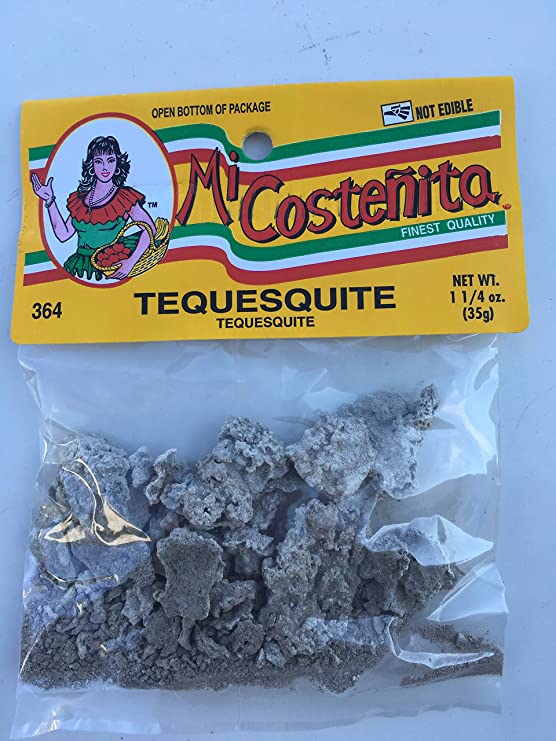
Tequesquite

or tequexquite (from Nahuatl tequixquitl) tetl: stone, and quix-quitl: sprout, sprouting stone. Quixquitl has also been said to translate as “foaming/efflorescent” (1) (Parsons 2001) or “something that comes out by itself, that floats” (algo que sale por sí mismo, que flota). Also called : sal de tierra (land/earth salt), sal de laguna (lagoon salt) Tequesquite is a natural mineral salt containing compounds of sodium chlorate, … Continue reading Tequesquite

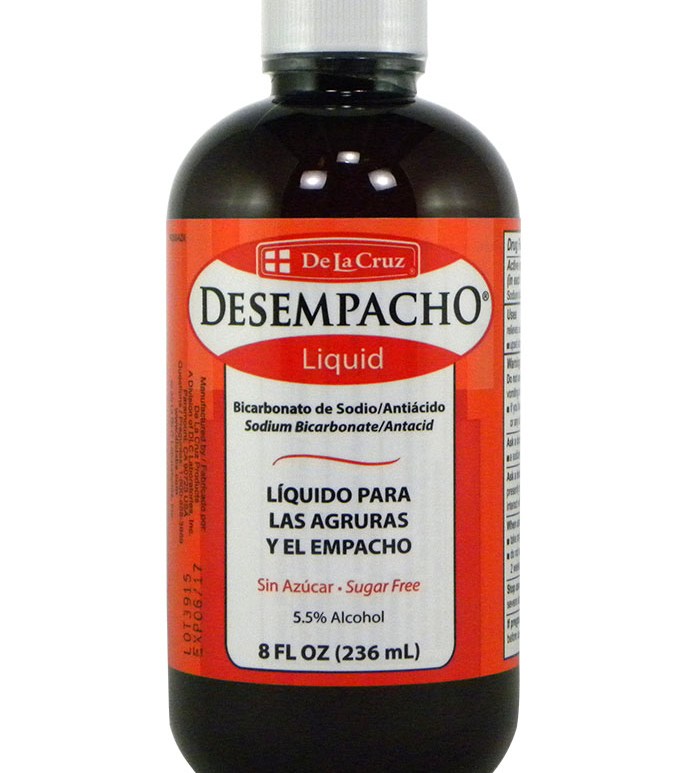
Empacho

Curanderismo and its practices are used to treat an illness of the gastrointestinal tract called empacho. It is considered to be a blockage or an infection in the intestines that can result from either physical or emotional/mental causes. Empacho can be indicated by any number of gastrointestinal symptoms such as stomach cramping, intestinal gas, loss of appetite, vomiting, diarrhoea and/or constipation. This illness can impact … Continue reading Empacho