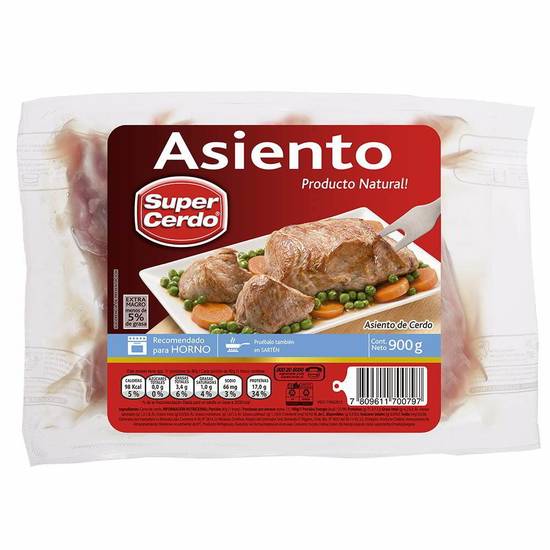
Ingredient : Asiento and a Brief History of Tlayudas, Doraditos and Huaraches.

When I was a child a snack that my father would sometimes eat was bread and dripping. Dripping was the fat left in the pan after roasting (usually) either beef or mutton (1). After the roast was removed from the pan the “juices” were allowed to settle and any excess oil rose to the surface. This fat is clear at first but as the contents … Continue reading Ingredient : Asiento and a Brief History of Tlayudas, Doraditos and Huaraches.

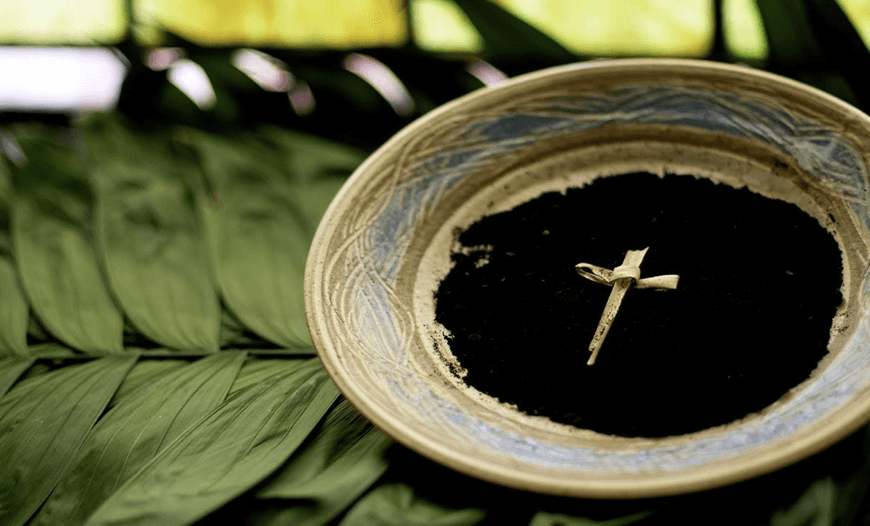
Medicinal Ash.

The tortilla is without a doubt a wonder food. It is produced from that quintessential of all Mexican grains maize (1). Maize is a highly nutritious plant (2) The figures below show the nutritional profile of nixtamalized corn tortillas (and some of their offspring such as totopos/corn chips) in comparison with that of white bread. The plain corn tortilla is nutritionally superior to white bread … Continue reading Medicinal Ash.

Nejayote

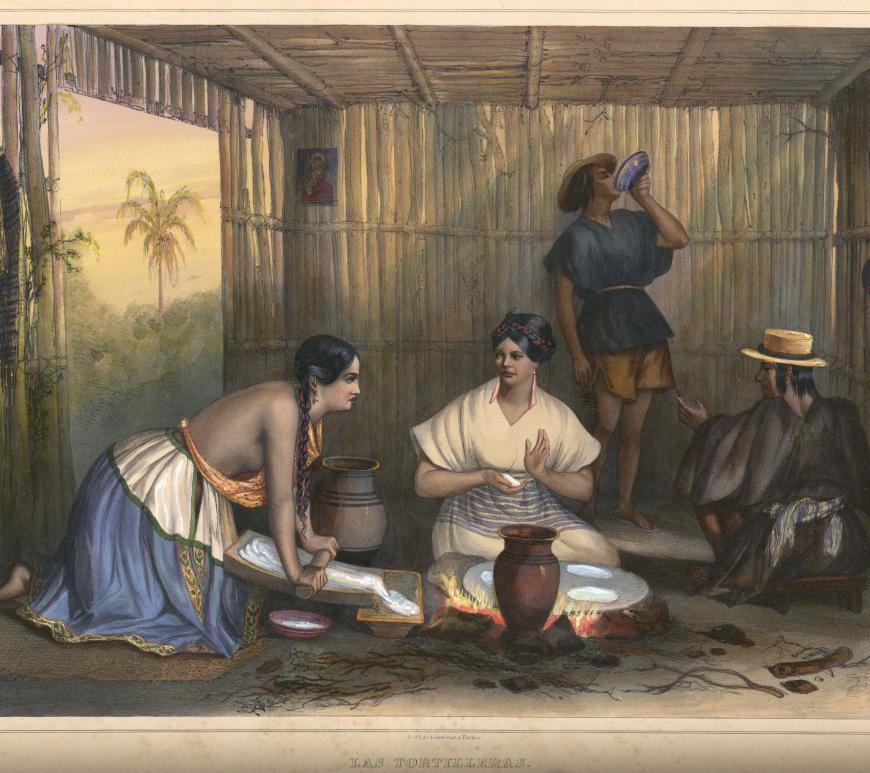
Cover Image by Carl Nebel – Voyage pittoresque et archéologique dans la partie la plus intéressante du Mexique par C. Nebel, Architecte. 50 Planches Lithographiées avec texte explicatif., Public Domain Nejayote Also nijayote : from Guerrero Nahuatl nexayotl, Tlamacazapa Nahuatl nexayotl Corn was traditionally processed by cooking and steeping the kernels with lime or wood ashes (1), discarding the cooking liquor or nejayotl (from tenextli … Continue reading Nejayote

Nixtamal

Until wheat was introduced to the Americas the primary grain was (and still is really) corn. Corn, botanically known as Zea mays, is native to Mexico and there are hundreds of species in a wide range of colours each with slightly different nutritional values. It is the nutritional value of corn that is the most interesting. Corn can be difficult to digest and a kernel of corn … Continue reading Nixtamal