

- or “coriander” to many (I’m specifically referring to the leafy herb and not the seed/spice)
- Blame your parents. Its likely their fault.

Do you hate the taste of cilantro?
Yes?
Well, that’s unfortunate but I’m here to tell you “You’re wrong”

The roots can also be used.
Cook the roots. Use the leaves fresh and add at the last minute, just before serving.
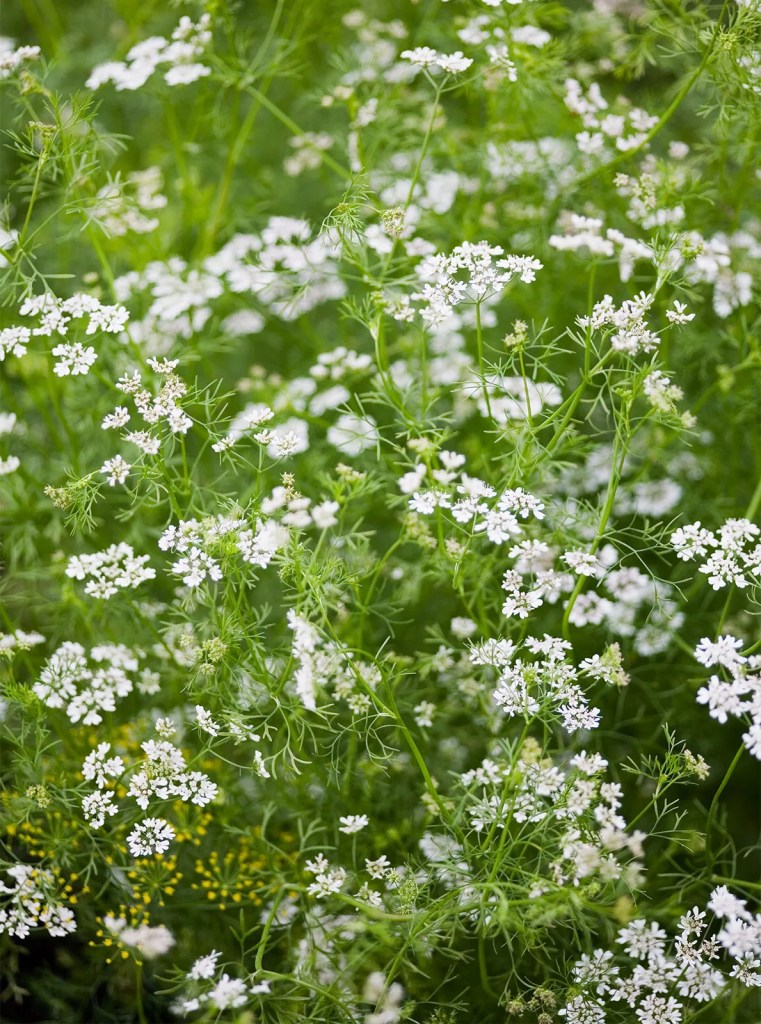
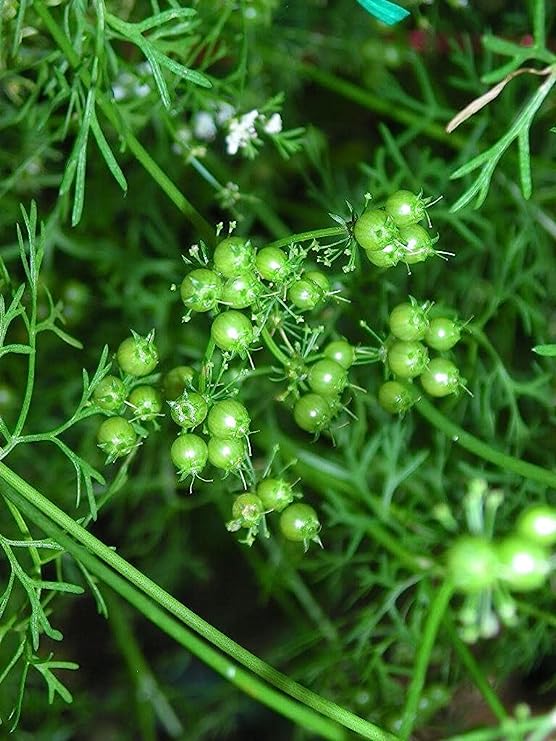
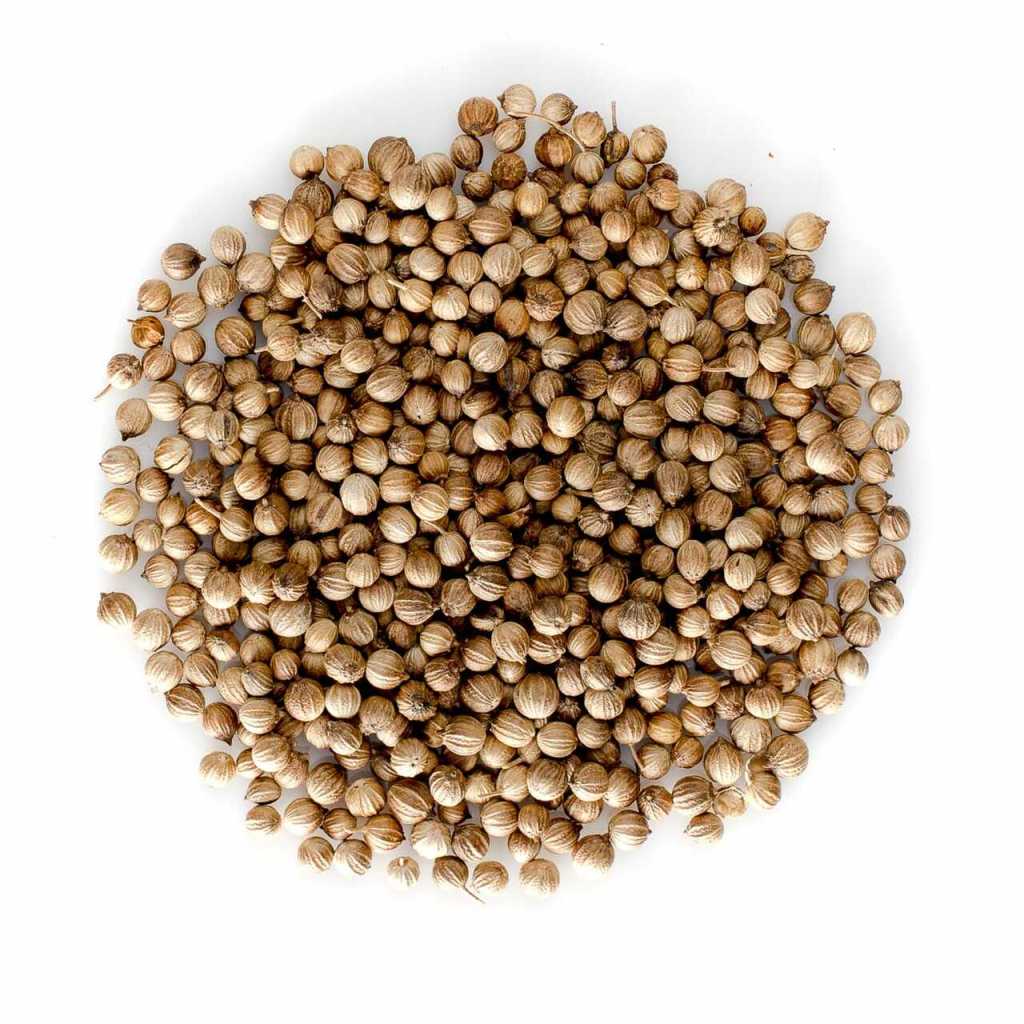
Now, in México, coriander leaf (hereafter known as cilantro) is an import. It entered the country via the Spanish who likely received it (through a somewhat laborious and historical process) via the Romans. It is waaaay older than that though. It is mentioned in the Ebers Papyrus, an Egyptian text dated around 1550 BC (Pickersgill 2005) and there are archaeological finds of the seeds in Neolithic cave dwellings that date back to over 6000 BC (Zohary etal 2012).

Eryngium foetidum
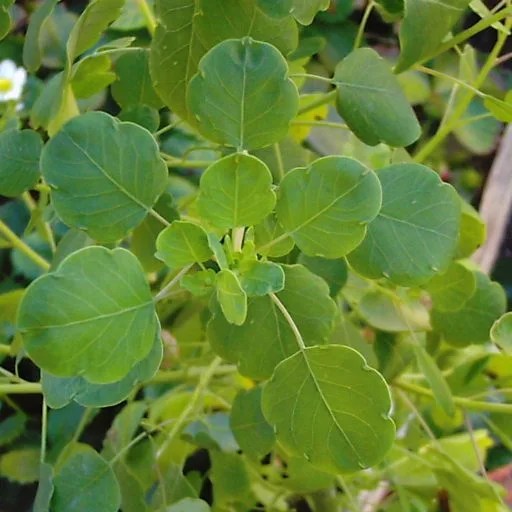
Porophyllum macrocephalum

Porophyllum tagetoides
The three herbs as shown above are native to the Americas and it is likely these that were used prior to the introduction of cilantro. Culantro is the closest in flavour profile to cilantro although its leaves are much stiffer and more sturdy than those of cilantro. They can withstand (and seem to prefer) being cooked. Papalo and Chepiche share the same delicate nature of cilantro leaves and are generally not cooked but added fresh just before consumption. They are further away from cilantro in regards to flavour than culantro is but they share the same (hard to describe) somewhat piercing scent and “high notes” of cilantro. They are still available (papalo and chepiche that is) in México but they are certainly not as ubiquitous as cilantro is. Papalo is popular in the CDMX (Mexico City) and can be found in some taquerias as a bouquet of herbs in a jar that you can pluck the leaves off and add as desired to your taco or in Puebla where it is a key ingredient in the “sandwich” known as a Cemita.

I first came across these herbs (well two of them anyway – the Porophyllums) in a book by the award winning chef Christian Teubner. I was looking for cilantro substitute plants that did not bolt (1) in hot weather whilst growing them in my herb garden.
- “bolting” is the process by which the cilantro plant will prematurely flower and set seed. Cilantro is a cool-weather plant that enjoys spring and autumn weather and it will rapidly bolt in hot weather as a survival mechanism. The plant senses the changing temperature so it sends up its flower stalk to try to reproduce before its lifecycle ends. This makes the plant useless if you are using its leaves for cooking. It does produce seeds though (which have their own uses).

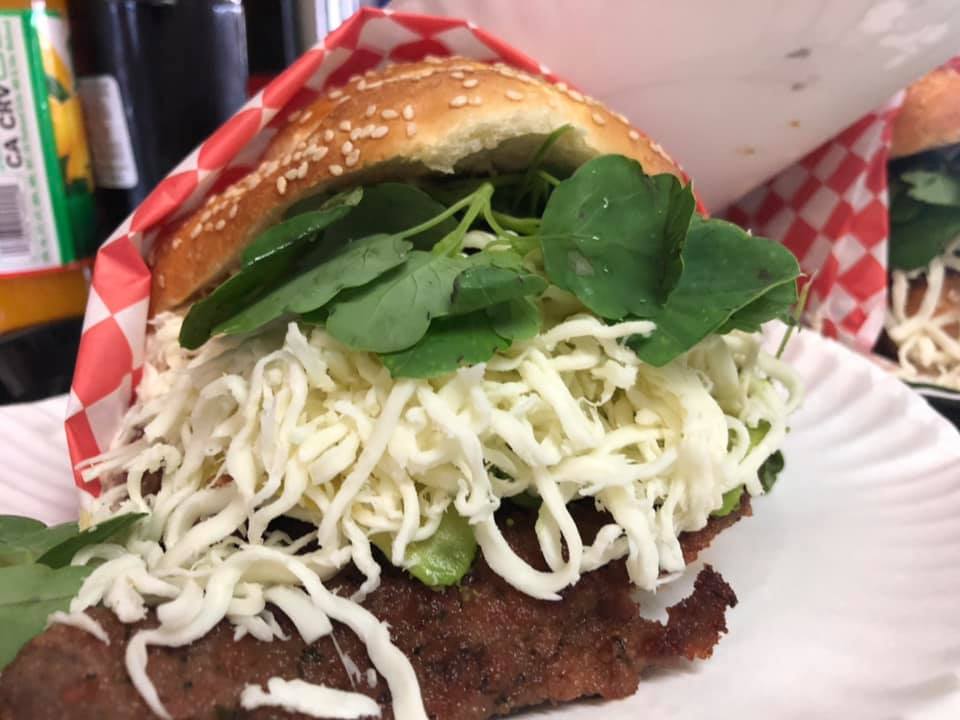
According to some sources cilantro is the most commonly used culinary herb in the World (and cumin seed the most commonly used spice) (1) and in Mexican food you’ll find cilantro in nearly every savoury dish, if not as an ingredient, then as a garnish or part of the salsa (2) added to your taco (or any of the Vitamina T family for that matter).
- Others say that mint (herb) and cinnamon (spice) are the top contenders
- For example – pico de gallo – one of many salsas mexicanas
Cilantro has a very unique flavour which is described by some as being “soapy” and draws criticism because of this. The Mandarin word for cilantro, 香菜 (Xiāngcài), literally means fragrant greens and it is (possibly) these same chemicals that create the herbs fragrance (and flavour) that are responsible for the polarising nature of reactions to the taste of this herb. This soapy or pungent aroma is largely attributed to several aldehydes present in cilantro (1).
- The unsaturated aldehydes (mostly decanal and dodecanal) in cilantro are described as fruity, green, and pungent; the (E)-2-alkenals (mostly (E)-2-decenal and (E)-2-dodecenal) as soapy, fatty, ‘like cilantro,’ or pungent. (Cadwallader etal 2005) (Eyres etal 2005)

Cilantro preference is suspected to have a genetic component, but as of yet nothing is known about specific mechanisms and no studies (so far) have found any specific genetic variants influencing cilantro taste preference. This genetic variance has been studied in twins (Knaapila etal 2012). Knaapila notes that there does seem to be a genetic factor involved here as in another study (Callaway 2012) it was found that about 80% of identical twins shared the same preference for the herb but fraternal twins (who only share about half their genome) agreed less than 50% of the time. Callaway posits that cilantro preference (whether for good or evil) is “heritable” so this does suggest genetics plays a role.
- In Biology : (a characteristic) transmissible from parent to offspring.
Most information you’ll find involves the OR6A2 gene. The OR6A2 gene encodes a protein in humans for the olfactory receptor 6A2. This olfactory (scent) receptor is said to be responsible for the receival and processing of the scent (and by association, the taste) of cilantro. Variations in the OR6A2 gene have been (tentatively?) identified as a “likely” cause of why some people enjoy the smell and taste of coriander (Eriksson etal 2012). The work of Knaapila (etal 2012) expands on this by noting the finding that it is likely there are three gene variants that are linked to the liking of the flavour of cilantro. These are TAS2R50, a bitter receptor; GNAT3 (gustducin), a signalling component for taste (common to both bitter and sweet perception); and TRPA1, a receptor for pungent chemicals found in foods. One assumes that variances in these genes are also responsible for not liking the flavour of this herb.
Disliking this herb can also be a matter of cultural preference and exposure to the herb from childhood as a part of sense memories created by ethnic dietary practices lessen the percentage of people who dislike this herb amongst various groups. Some cultures dislike this herb more than others and Mauer (etal 2012) notes that amongst different ethnocultural groups the prevalence of dislike for this herb ranged from 3 to 21% in different populations. The proportion of subjects classified as disliking cilantro was 21% for East Asians, 17% for Caucasians, 14% for those of African descent, 7% for South Asians, 4% for Hispanics, and 3% for Middle Eastern subjects. Mexico (and all Latin America) as well as our Middle eastern brethren are lovers of this delicate, fringe leaved herb. Nature vs nurture? Genetics vs experience?
For those of you who are on the fence about liking cilantro try this dish. The flavour of the cilantro is mollified by the addition of a hot (caliente, not picante…….well maybe a little picante) salsa and salty, crumbly cheese.
For those of you who don’t like cilantro.

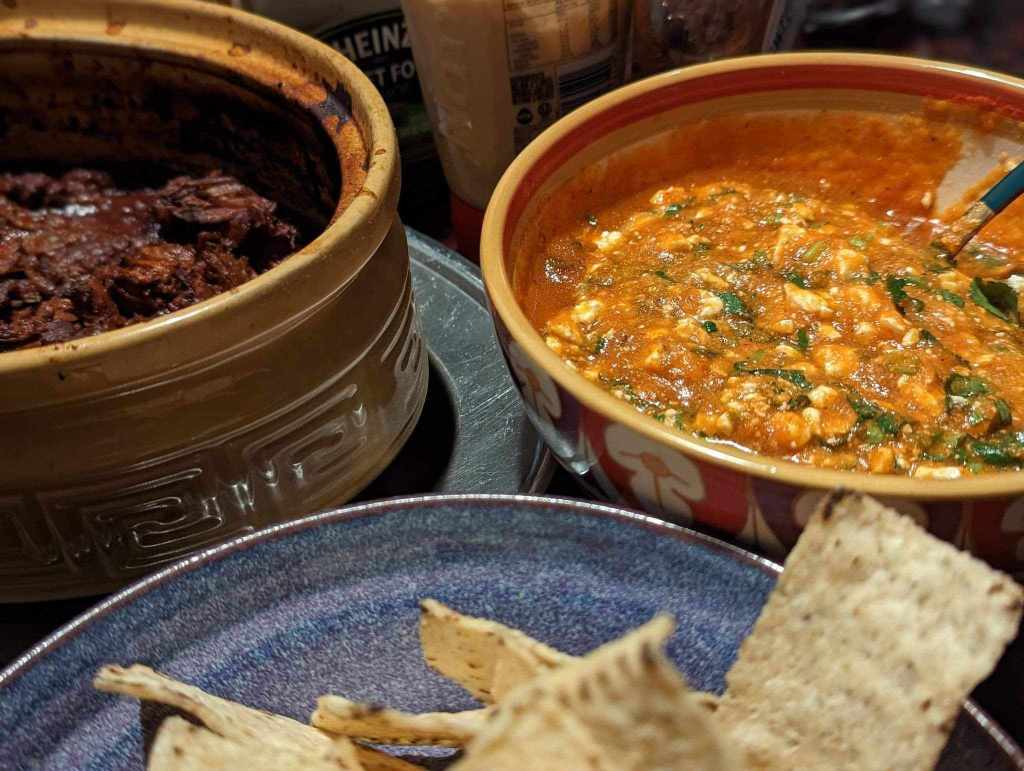
Salsa Borracha with Cotija Cheese (Queso Cotija)
This dish is my spiritual equivalent of a cob loaf. A warm cheesy filling to be consumed with gusto.
Ingredients
- 120g Cotija Cheese (substitute with Australian or Danish feta cheese)**See NOTES**
- 4 medium roma tomatoes
- 2 jalapeño peppers
- 1 large garlic clove, unpeeled
- ¼ white onion
- 1 ¼ tsp. salt **See NOTES**
- 1 x 12 oz. beer of your choice (this equates to 1 x stubbie of beer)**See NOTES**
- 1 Tbsp. olive oil
- ¼ to ½ bunch of cilantro, chopped
Method
- Crumble your cheese and set it aside. Don’t crumble it too finely, you want a combination of chunk sizes but nothing really bigger than sugar cubed size. Finely chop the cilantro stems (and roughly chop the leaves). Mix together the crumbled queso and chopped cilantro and place into the bowl you’re going to serve it in. The mix should fill the bowl a little over halfway (the salsa will fill the rest).
- Preheat your comal (or a heavy based fryingpan) then place the tomatoes, chiles, garlic, and onion on/in it and roast until well tatemado (**See NOTES**)(approx. 4-6 minutes or until completely charred and soft). Remove the onion and garlic first, then jalapeños and lastly the tomatoes as they take more time to char.
- Peel the garlic and place it and the roasted vegetables into a blender or food processor, add beer, and salt. Blend until smooth. Once the mixture is well blended set aside. You could also grind the roasted ingredients in a molcajete. This will give a different texture than using a blender will (as well as taste and spirit to the food)
- Add 1 Tbsp. olive oil to a pot and heat over medium high heat until hot. Pour in the blended salsa, you want it to sizzle when it hits the pan, bring to a boil and cook on high heat for 5-6 minutes. . Lower the heat to medium and cook until the salsa darkens and thickens. This may take about 10 minutes. You will need to stir it regularly so that it doesn’t stick to the bottom of the pan.
- Pour the hot, freshly cooked salsa into the bowl of queso y cilantro. Give it a gentle stir with a spoon so that the queso, cilantro and salsa are evenly distributed. You now have a thick, warm salsa that can be scooped with your favourite variety of totopos.
**NOTES**
- Queso cotija : Cotija cheese is Mexican cheese made from cows milk. It is a mild flavoured cheese that is white and crumbly. It will soften but does not melt and for this reason you can find it sprinkled on many dishes as a flavoursome garnish. Ricotta and Cottage cheeses are often recommended as a substitute for cotija but I find both inadequate. Dried ricotta may substitute as it crumbles well but it is less salty than both cotija and feta so you might need to take that into consideration when salting your dish.
- Salt might be an issue depending on the cheese you use. Some types of feta are extremely salty (and may in fact be stored in a bucket of brine). Taste your cheese before adding any salt to the dish and adjust quantities accordingly.
- Tatemado : Cooking Technique : Tatemar : “Chef, you realise you’re burning that?”*
- La cerveza : Stay in character and use a Mexican beer. Bohemia is nice here (and I’ve had good results with Modelo too)


(well in Australia anyway)

References
- Cadwallader K, Benitez D, Pojjanapimol S, Suriyaphan O, Singh T: Characteristic aroma components of the cilantro mimics. Natural Flavors and Fragrances. Volume 908. Edited by: Frey C, Rouseff RL. 2005, Washington: American Chemical Society, 117-128
- Callaway, Ewen (2012). Soapy taste of coriander linked to genetic variants. Nature, (), nature.2012.11398–. doi:10.1038/nature.2012.11398
- Eriksson, Nicholas; Wu, Shirley; Do, Chuong B; Kiefer, Amy K; Tung, Joyce Y; Mountain, Joanna L; Hinds, David A; Francke, Uta (2012). A genetic variant near olfactory receptor genes influences cilantro preference. Flavour, 1(1), 22–. doi:10.1186/2044-7248-1-22
- Eyres G, Dufour JP, Hallifax G, Sotheeswaran S, Marriott PJ: Identification of character-impact odorants in coriander and wild coriander leaves using gas chromatography-olfactometry (GCO) and comprehensive two-dimensional gas chromatography-time-of-flight mass spectrometry (GC x GC-TOFMS). J Sep Sci. 2005, 28 (9-10): 1061-1074. 10.1002/jssc.200500012
- Knaapila, A.; Hwang, L.-D.; Lysenko, A.; Duke, F. F.; Fesi, B.; Khoshnevisan, A.; James, R. S.; Wysocki, C. J.; Rhyu, M.; Tordoff, M. G.; Bachmanov, A. A.; Mura, E.; Nagai, H.; Reed, D. R. (2012). Genetic Analysis of Chemosensory Traits in Human Twins. Chemical Senses, (), bjs070–. doi:10.1093/chemse/bjs070
- Mauer, Lilli; El-Sohemy, Ahmed (2012). Prevalence of cilantro (Coriandrum sativum) disliking among different ethnocultural groups. Flavour, 1(1), 8–. doi:10.1186/2044-7248-1-8
- Pickersgill, Barbara (2005). Prance, Ghillean; Nesbitt, Mark (eds.). The Cultural History of Plants. Routledge. p. 161. ISBN 0415927463.
- Zohary, Daniel; Hopf, Maria (2000). Domestication of Plants in the Old World (Third ed.). Oxford: Oxford University Press. pp. 205–206. ISBN 0-19-850357-1.
- Zohary, Daniel; Hopf, Maria; Weiss, Ehud (2012). Domestication of Plants in the Old World : The origin and spread of domesticated plants in Southwest Asia, Europe, and the Mediterranean Basin. Oxford, England, UK. pp. xi+243+17 plates. ISBN 978-0-19-162425-4. OCLC 784886646.
 Masa Americana