
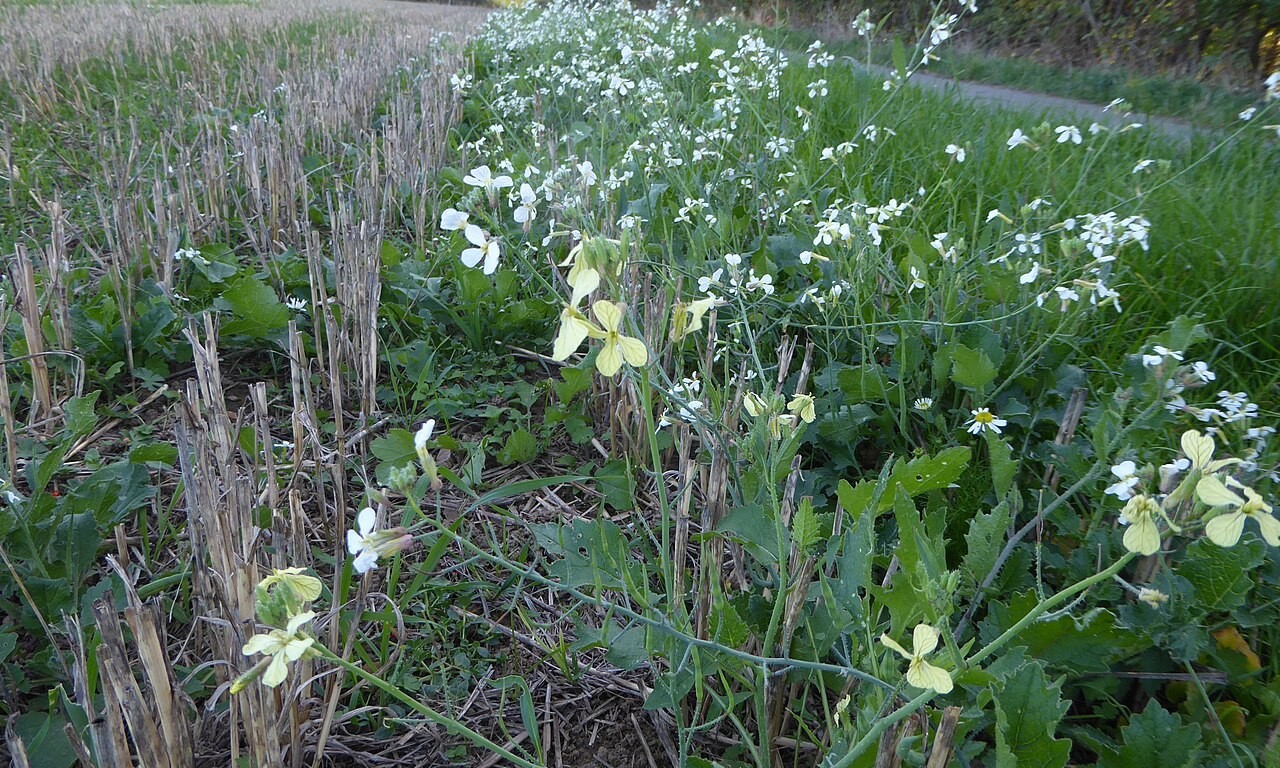
This quelite (1), Xilimago (2) is the perfect example of a wildcrafted/foraged ingredient that’s difficult to find in the mercados and is a perfect exemplification of this Mexican category of edible plants (1).
- See Quelites : Quilitl for a basic breakdown of these wildcrafted herbs and plants
- although this word, xilimago, is referenced as being Nahuatl in origin I cannot find it in any of my Nahuatl dictionaries or Prehispanic food books. Rabanillo will be the preferred moniker for this plant (more on this in a little bit)
Native to Europe, the Azores, the Madeira Islands, the Canary Islands, northern Africa (i.e. Algeria, Egypt, Libya, Morocco and Tunisia) and western Asia. Rabanillo is a rapidly spreading, invasive, frost hardy plant. This opportunistic plant is a common weed of disturbed sites, waste areas, roadsides, crops, pastures, waterways, floodplains and open woodlands in temperate, sub-tropical, semi-arid and sometimes also tropical regions. It is primarily a weed species (of cultivated fields) and can sometimes cover large areas as a dominant species. It is a widespread and troublesome weed of cereal and grain legume crops over a range of soil types. Its seeds are difficult to separate from grain and are a common contaminant of agricultural produce. (Hyde-Wyatt & Morris 1975) (Cousens et al. 1993) (Alemseged et al. 2001) (Parsons & Cuthbertson 2001) (Cheam & Lee 2006) (Newman et al. 2007)
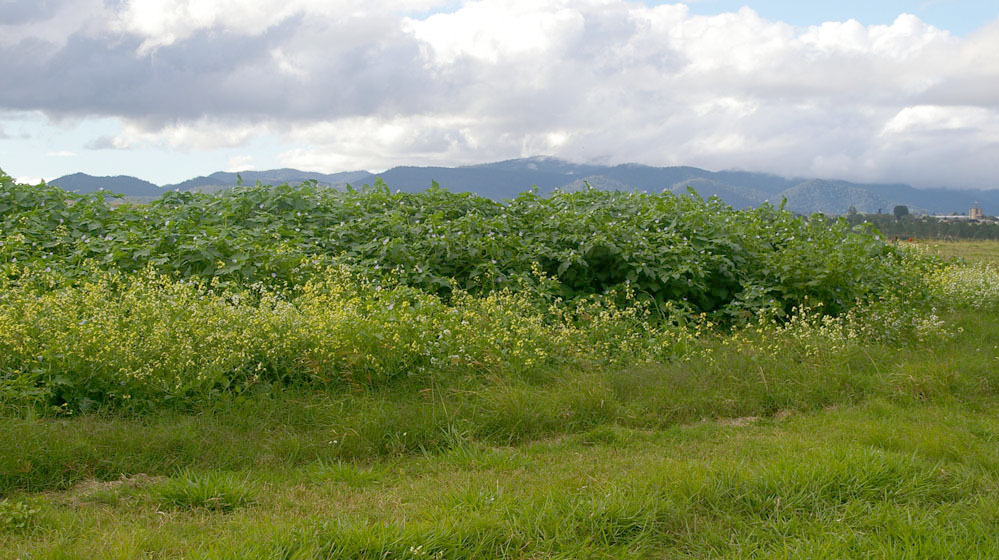
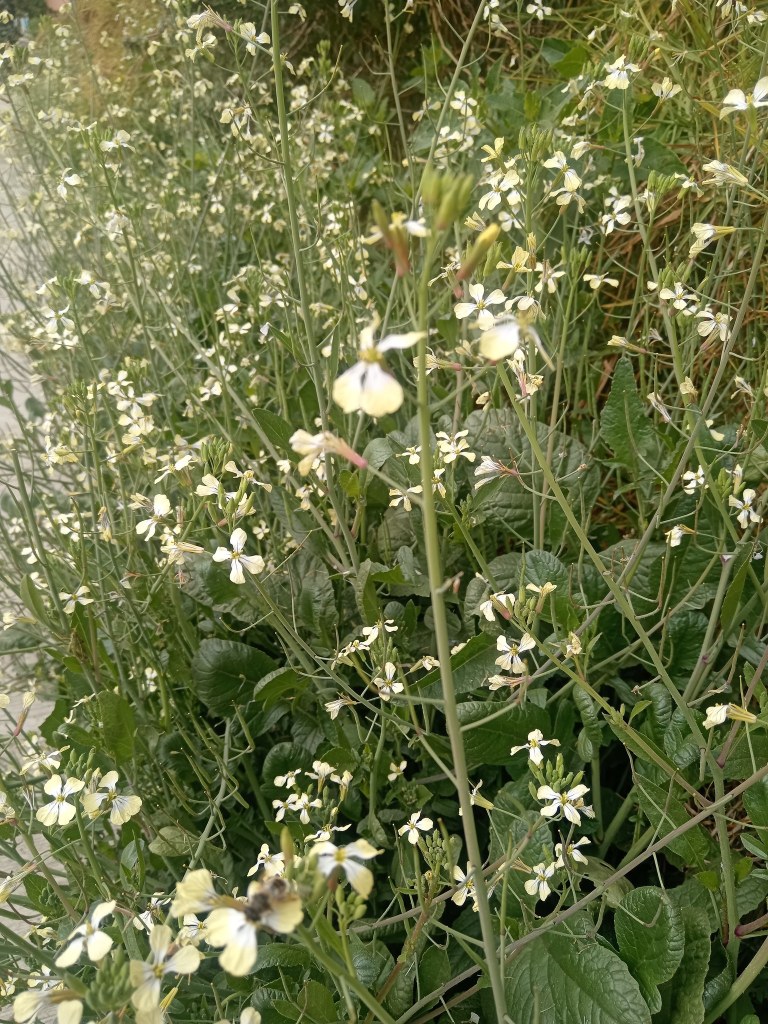
Also called : Rabanillo, and Jaramao or Jaramado in Spanish ,
Other common names in Spanish reported for Mexico are:
- nabo, nabo blanco (Rzedowski & Rzedowski 2001)
- rábano cimarrón and raíz fuerte (Martínez 1979)
- rábano silvestre and nabo cimarrón (Villarreal 1983).
- rábano, rábano forrajero, rábano morado, rábano silvestre, rabancá, rabanilla, rabaniza, labreto, lobrastos, erviana, flor de nabo, mostaza, ravenissa (Hafliger & Wolf 1988)
In Catalan: ravenissa grossa blanca, ravenissa grossa, ravenissa borda, ravenissa, ravenissa blanca, ravenisses
Another Common name for this plant is “charlock”, jointed charlock, pointed charlock, white charlock, wild charlock, wild radish
Lets get Linnaean
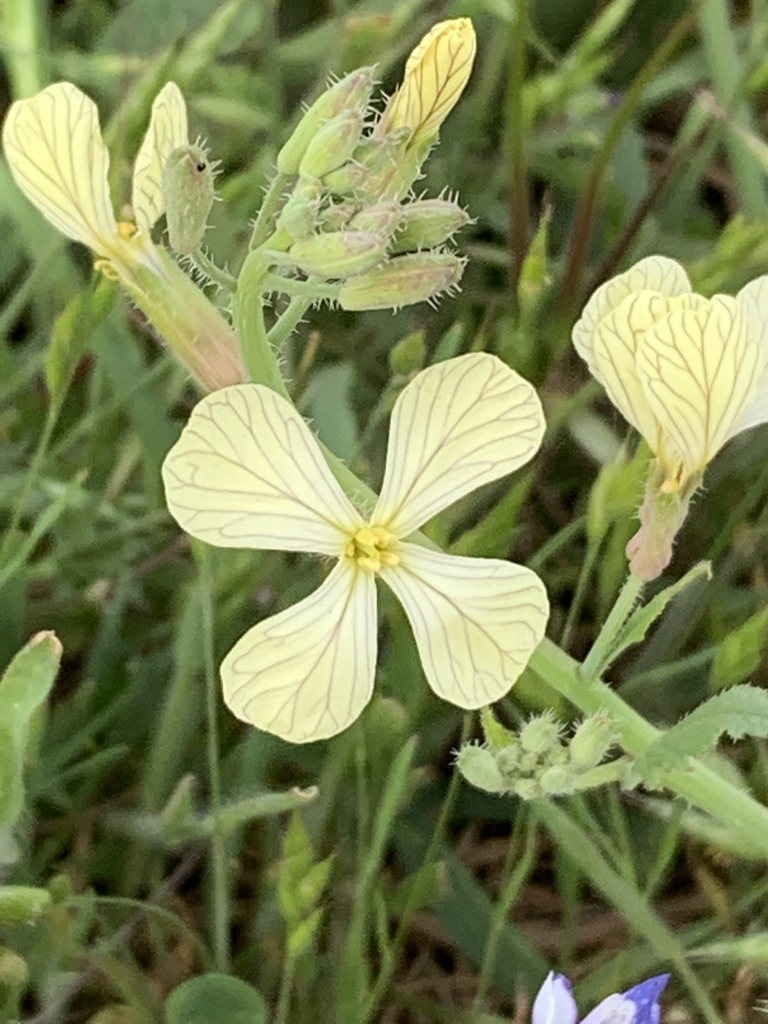
Raphanus raphanistrum L., a species closely related to the domesticated radish (1).
- See Rábano. The Radish. or more information on this vegetable
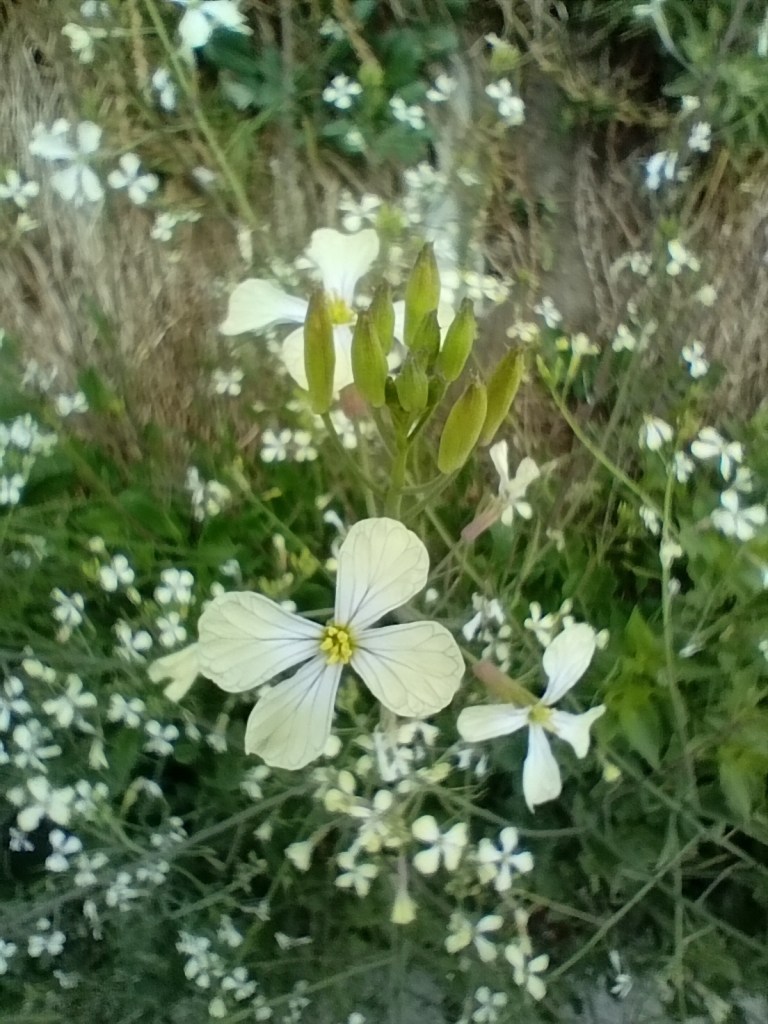
Raphanus comes from the Greek “ῥάφᾰνος” (ráphanos), Lat. “raphanus”, horseradish, radish, from “ῥα” (rha), contraction of “ῥίζα” (rhiza), root, and from the verb “φαίνω” (phaíno), to appear, alluding to the fast growth habit of the plant.
The specific epithet raphanistrum, comes in Latin from “raphanus” with suffix “istrum” (wild radish), which, in a somewhat derogatory way alludes to the “low class” nature of this plant in comparison to the Radish (Raphanus sativus).
This derogation of rabanillo is typical of most plants in the “quelite” category. Quelites were pushed aside in preference for imported European and Asian herbs due to quelites being associated (quite racistly) with the indigenous peoples. This is being turned around however by younger generations of Mexicanos becoming interested in, and increasingly more proud of, their Prehispanic roots.
Botanical Drawings
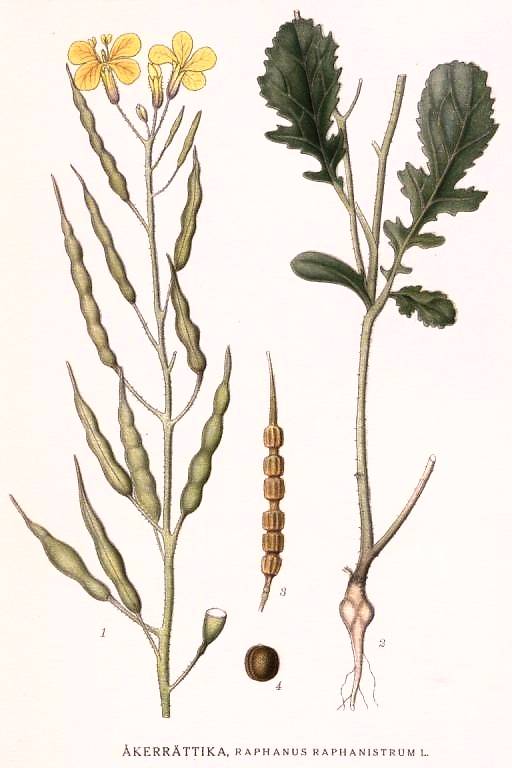
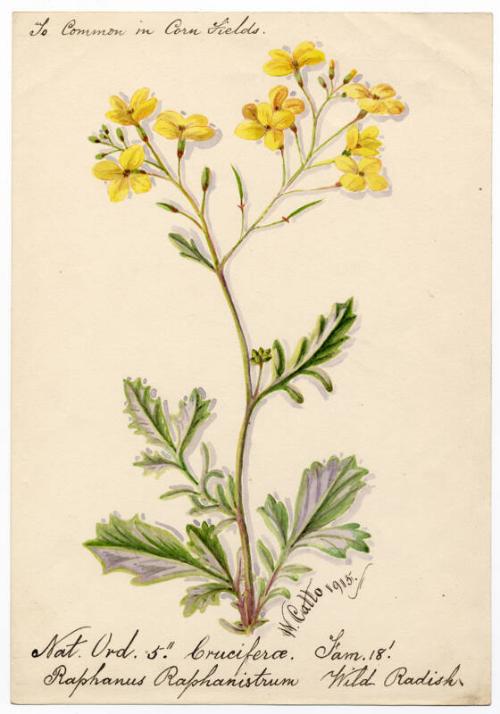
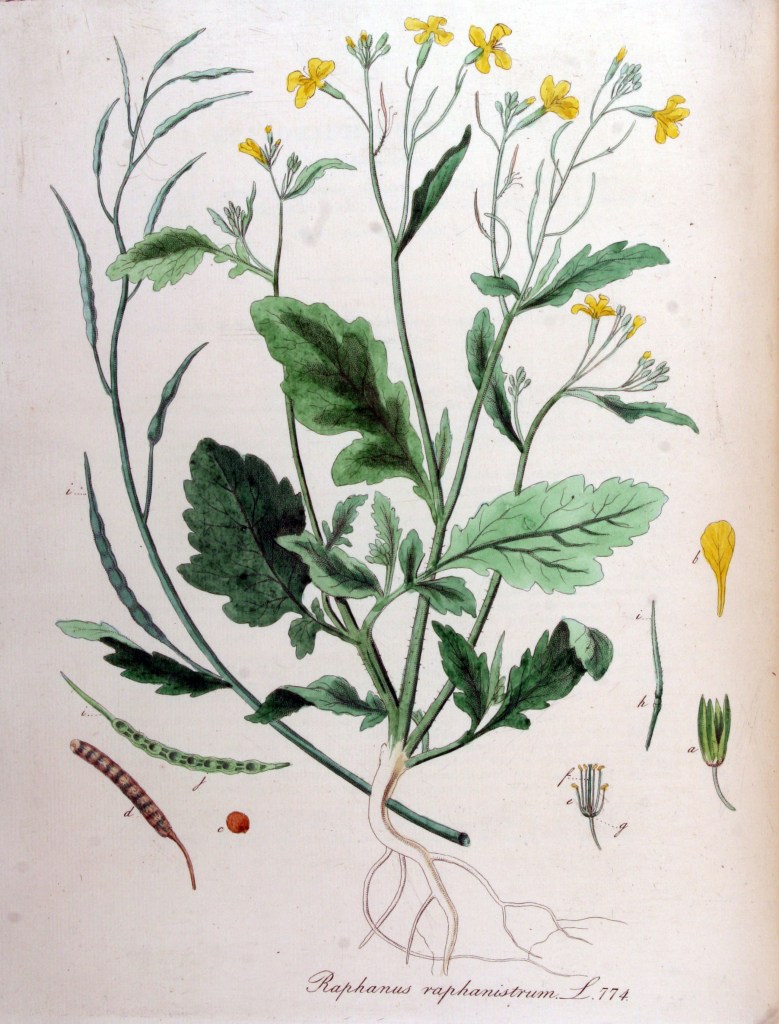
A common name for this species is jaramao or jaramado; however, this name is also applied to several other Brassicaceae species, including Eruca sativa , so the name rabanillo is recommended. This name alludes to this species’ closer relationship with the cultivated radish (Raphanus sativus) than Eruca’s (the salad herb rocket/arugula – Eruca sativa)
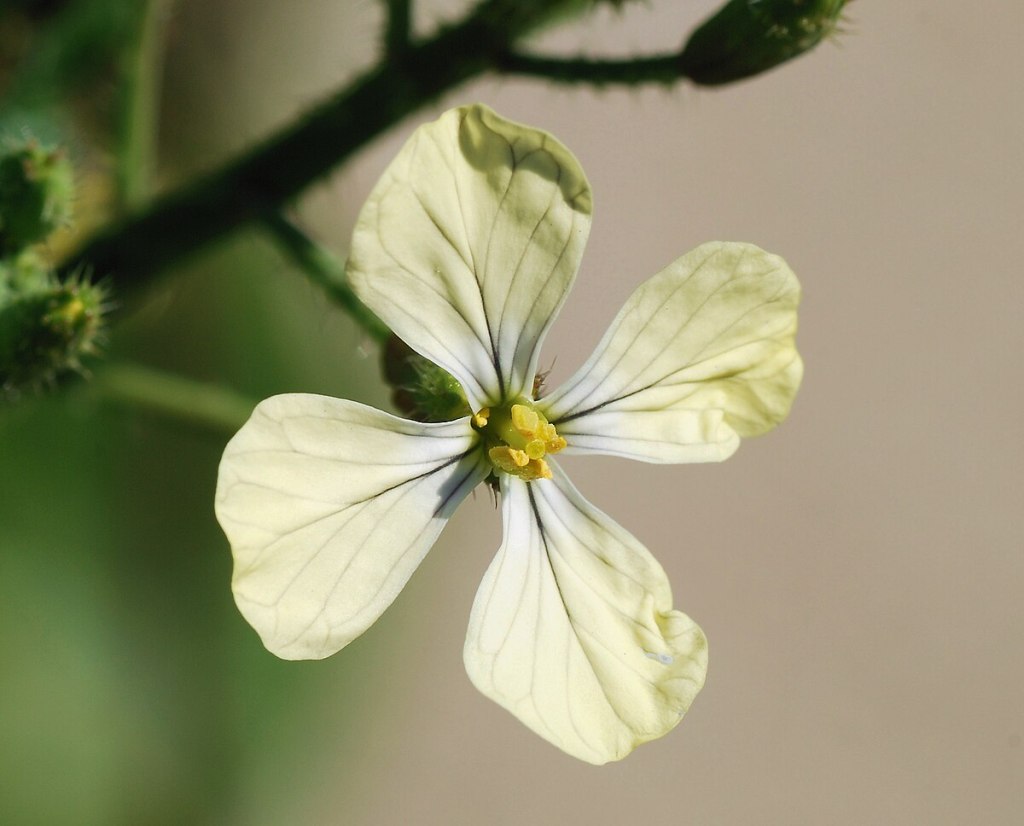
Jaramao
This Common Name can also refer to Sisymbrium officinale (Common Hedge Mustard)
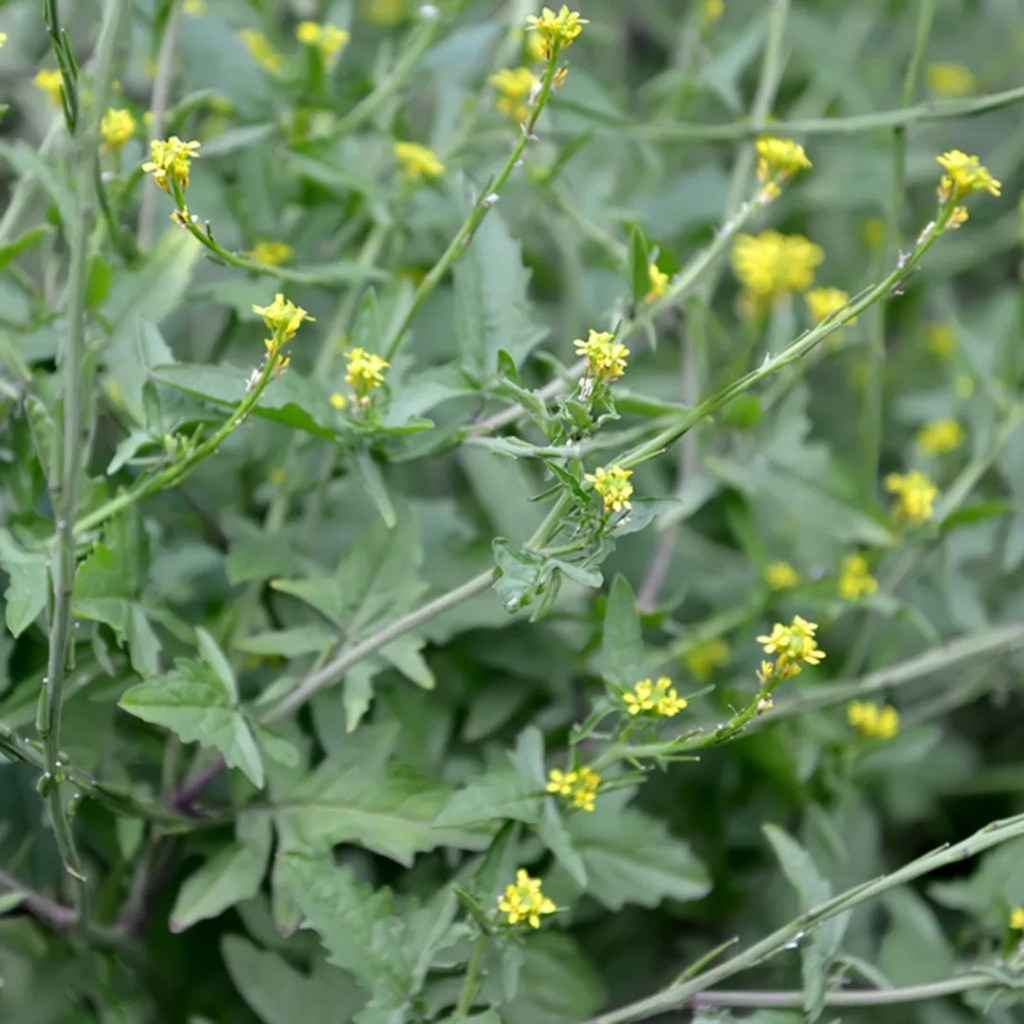
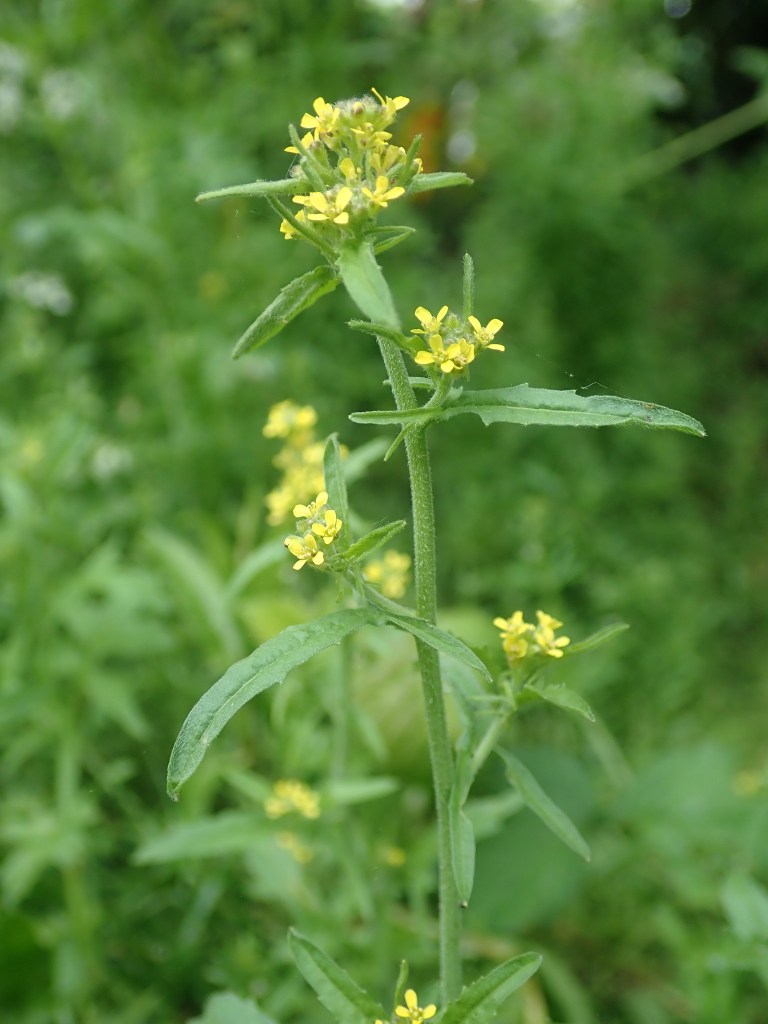
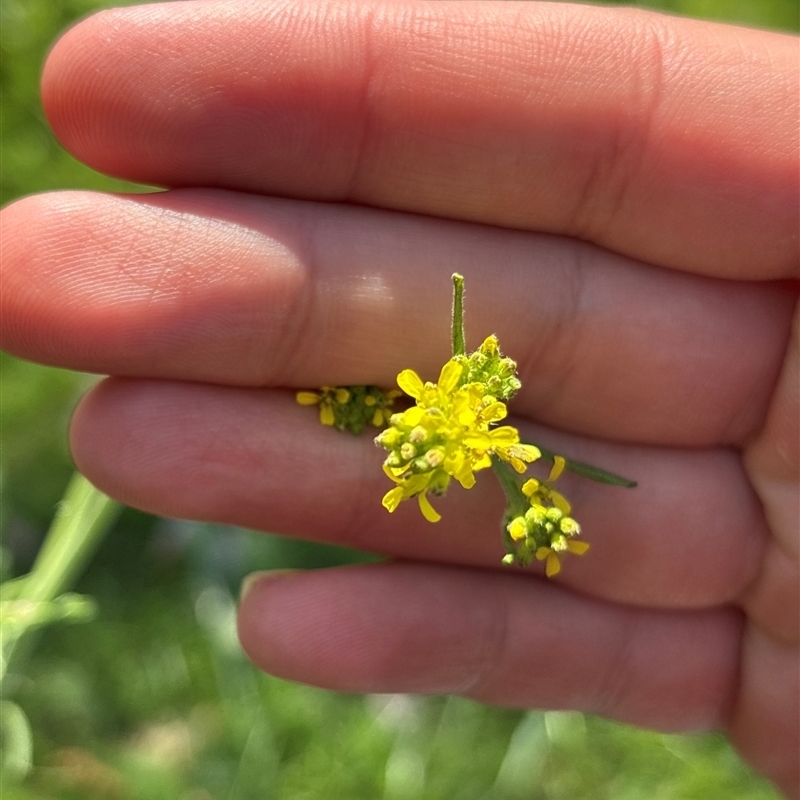
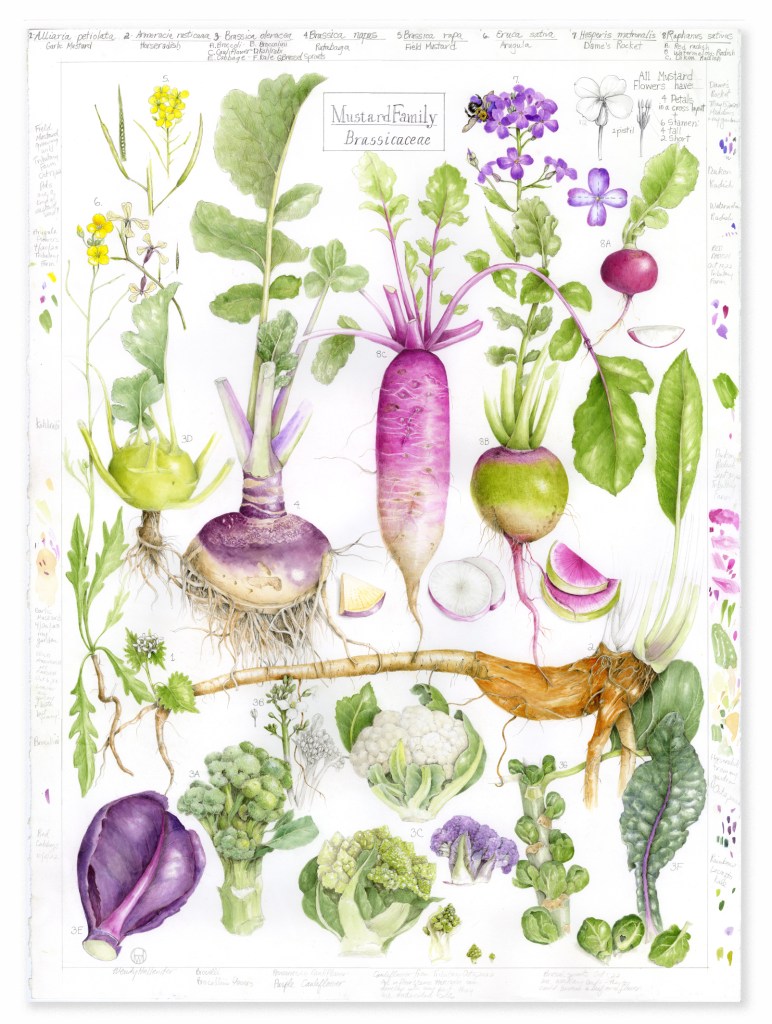
The Family name for both Eruca and Raphanus, Brassicaceae (the mustard/cabbage family) comes from Brassica, the genus name, derived from Classical Latin for “cabbage,” plus the standard plant family suffix -aceae. Its alternative, older name, Cruciferae (cruciferous vegetables), means “cross-bearing,” referring to the four-petaled flowers that look like a cross.
It’s a biggish clan……
Culinary use.
Only the roots and thickest stem are removed; the thinner stems, leaves, and flowers are used in cooking.
Xilimago with chicharitos asados, chayotito hervido, frijolitos frito, quesito y totopos, con su salsa de guajillo at the Restáurante Tlapanco in Hueyapan.
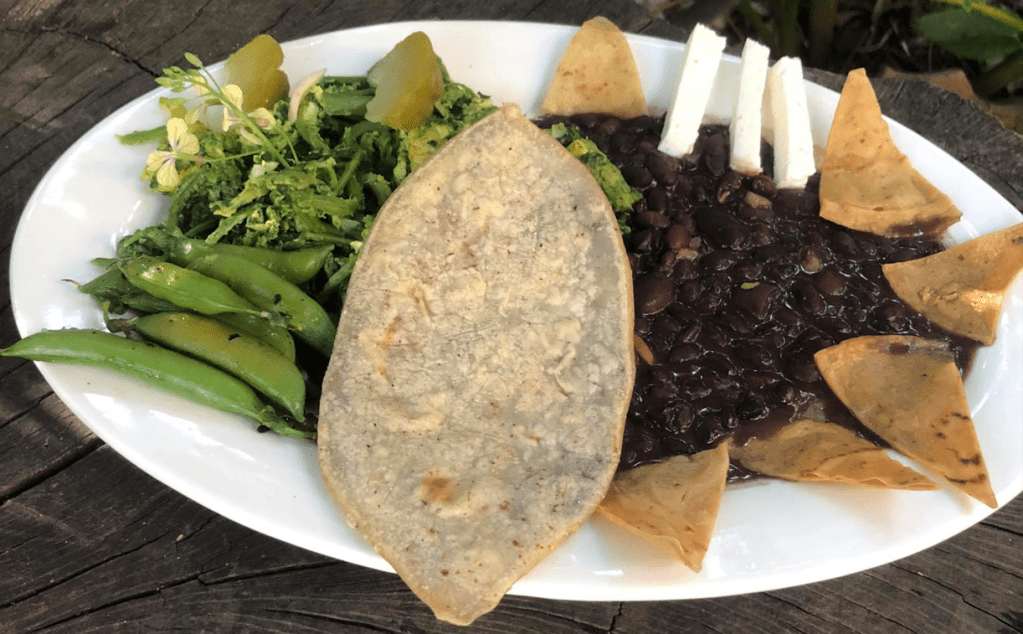
Here the rabanillo is being used like a true quelite by being quickly steamed (or fried) and used as an accompanying vegetable to this dish (although, in poor times, it might constitute a major part of the meal).
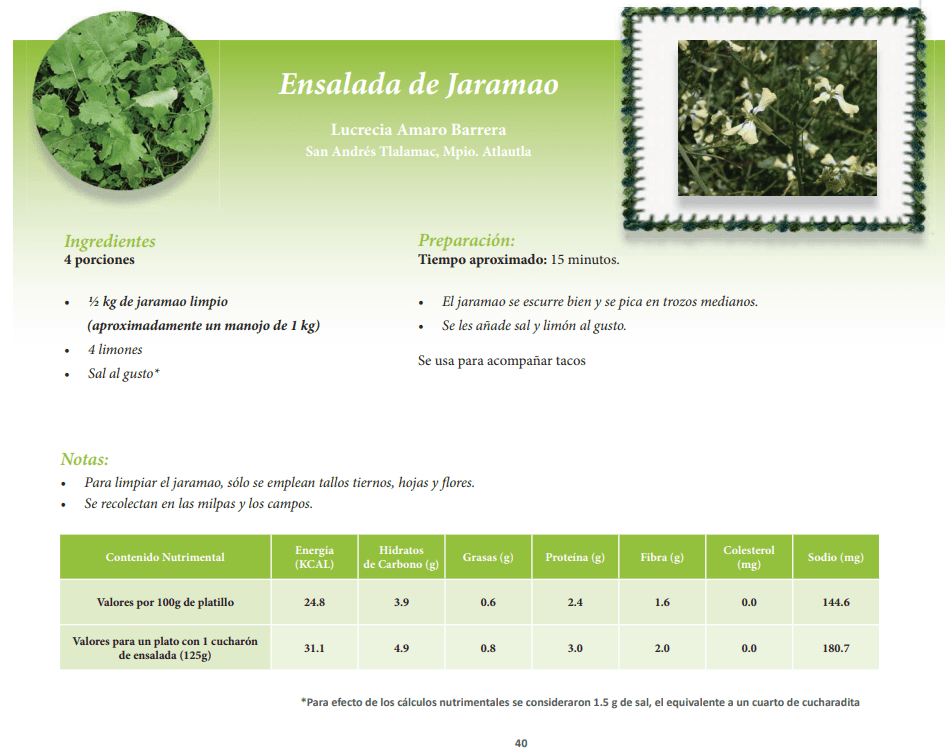
Here are a range of recipes, of increasing complexity, from the book Quelites: Sabores y Saberes del sureste del Estado de México (Linares et al 2017). Linares, and her compatriot Robert Bye, have done some excellent work on the research of Mexicos quelites. These are simple recipes for simple ingredients, and by that I mean no disrespect. These are the types of ingredients who are forgotten by all except those closest to the land. We need recipes like these, sourced from the people who use these plants if we are to have any hope of understanding and appreciating the ingredient.
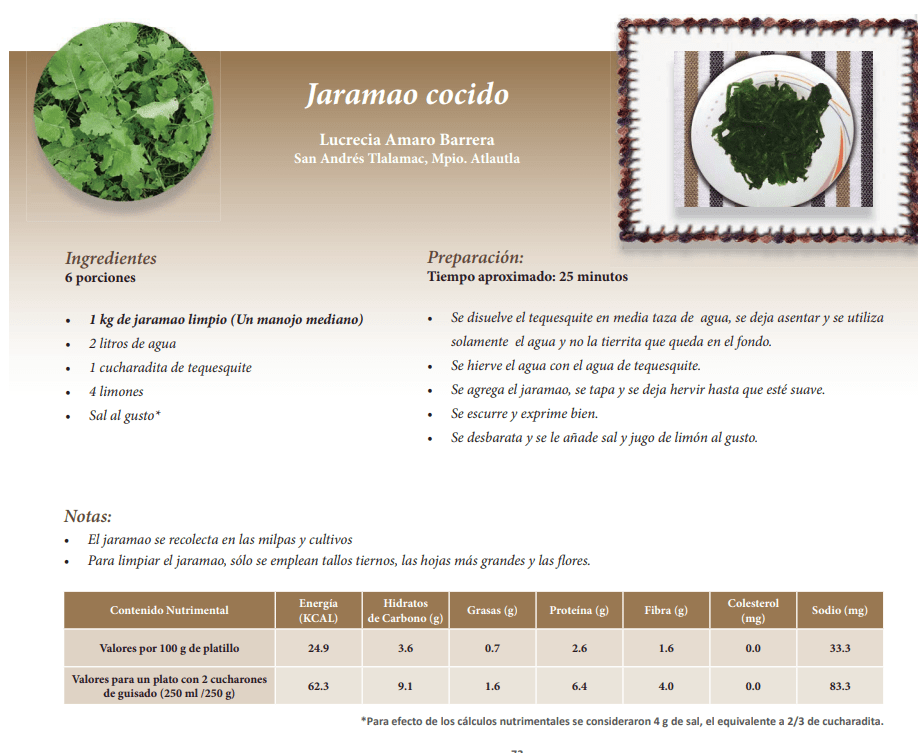
Jaramao cocido. This recipe uses tequesquite. Tequesquite to help boiled greens (such as in the image below) retain their green colour.
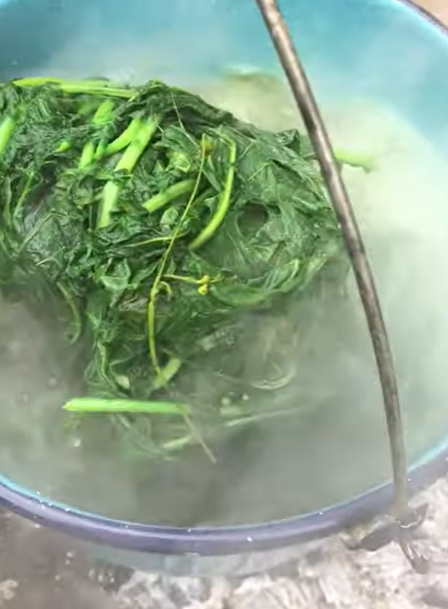
What is tequesquite I hear you ask? Well, ask no more, instead, read this…..Tequesquite
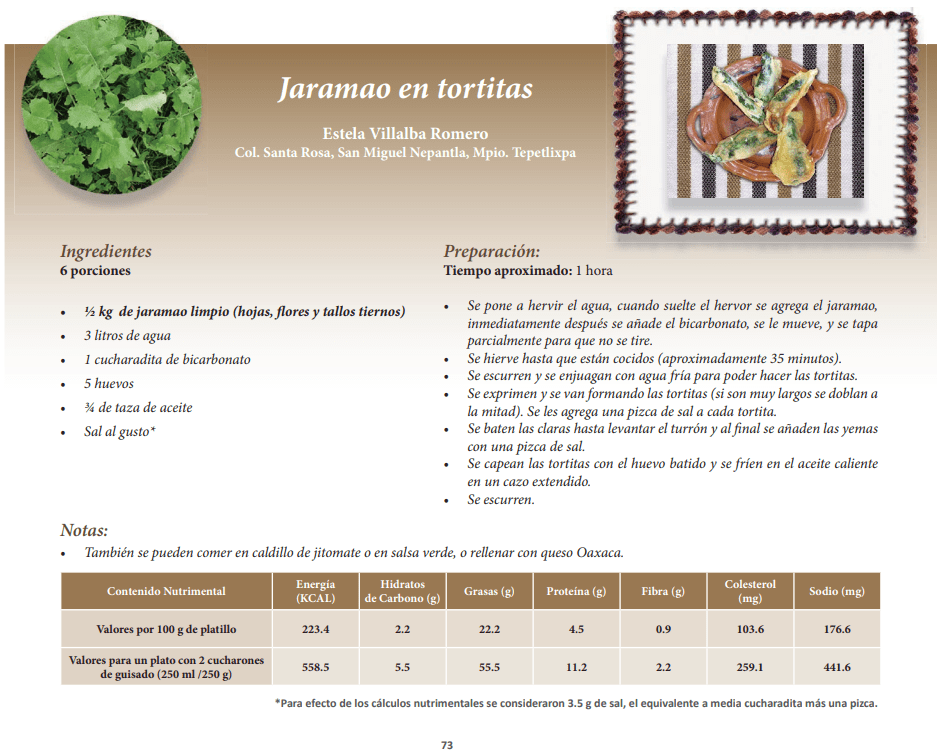
Now for a slightly more complicated dish.
Mole de estrellas or Xitlamole,
a recipe from Mtra. Reyna Pérez Vicuña, Traditional Cuisine of Hueyapan, Morelos.
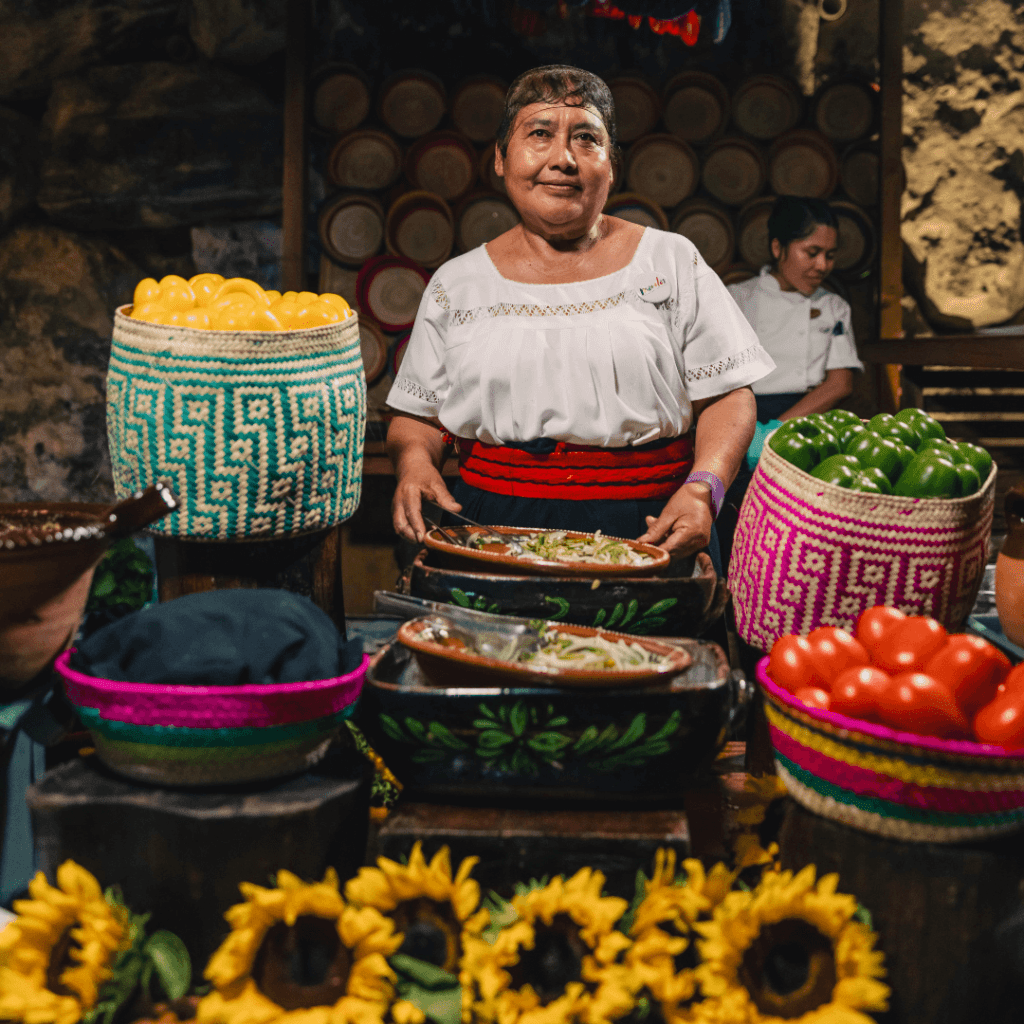
This dish won Reyna the First Prize at the 2016 Encuentro de cocineras tradicionales (Meeting of traditional cooks) in Tepoztlan.
Ingredients:
- 1 sack of Xilimago quelites
- ½ large onion (finely chopped)
- 1 ½ cloves of garlic
- 4 pasilla chiles
- 6 ancho chiles
- 400 grs of sesame seeds
- lard prepared with pork belly.
Procedure:
- clean all the quelites, removing the roots and thickest stems. Give them a quick rinse to remove any dirt and set them aside.
- In a large pot, bring plenty of salted water to a boil. Once boiling, add some of the quelites—not all at once, as they will turn yellow.
- Let them cook briefly – only a few seconds, long enough for them to wilt, then turn them over.
- Add another batch, cook for a bit longer, turn them over again, and repeat until all the quelites are in the pot. Once the quelites are cooked, drain well, refresh in cold water and set aside.
- clean the chiles, remove the seeds and toast them. Set the seeds aside for later. Dry roast the chiles on a comal (grill).
- Soak the chiles in boiling water for 10 – 15 minutes until soft and then blend with the garlic in a blender (or use your molcajete. Set this sauce aside for later.
- Grind the sesame seeds into a smooth-ish paste with a little water and set aside.
- In a large pot heat the lard and sauté the onion until translucent, then add the quelites, followed by the sesame seeds, and the ground chile. Stir until incorporated and simmer until sauce has thickened and dish is ready
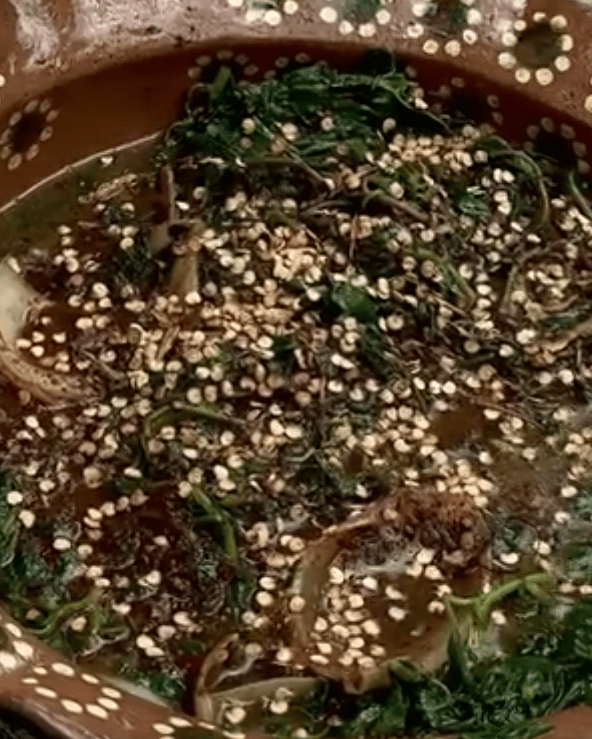
- Just prior to service the chile seeds are sprinkled over the top. This final sprinkling of chile seeds is what gives the dish its name, “mole de estrellas” (star mole), as the seeds resemble a galaxy of stars strewn across the night sky.
Medicinal Actions
For a breakdown of some of the terms that may be used in the following see Glossary of Terms used in Herbal Medicine. for more detail
The seeds are strongest in action followed by other parts: peel, leaves, and pulp, respectively. (Makbul et al 2022)
- roots are hot in the first degree and moist in the second degree.
- green leaves are hot and moist in the first degree
- seeds are hot and dry in the second degree.
Leaf
The fresh juice of leaves is diuretic, laxative.
Root
The root is antiscorbutic, antispasmodic, astringent, carminative, cholagogue, demulcent, digestive, diuretic, lithotropic, resolvent (1).
roots are used for urinary complaints, hemorrhoids, gastrodynic (2) pains, and various gastric ailments. The root extract has been reported to have anti-urolithiatic (3) properties and used for urinary complaints and syphilitic diseases (Se Santo et al 2016)
Extract of the dry root is given for hiccough, influenza, dysentery, colic, and urinary troubles.(Khare 2007)
Root is an effective medicine for hemorrhoids and gastrodynia and is also used in urinary and syphilitic complaints, as it relieves dysuria and strangury (4). (Lee et al 2012)
A decoction of dry radish is given orally in piles.
- A “resolvent medicine” (or simply resolvent) is a remedy designed to resolve, reduce, or disperse swelling, inflammation, tumors, or other abnormal bodily products, helping the body return to a normal state, often by promoting absorption or breaking down substances
- Gastrodynic is an adjective used primarily in historical or botanical/medicinal contexts to describe anything related to gastrodynia – another term for stomach pain.
- “Urolithiatic” refers to the study, prevention, or treatment of urolithiasis, a condition where hard mineral deposits (stones or calculi) form in the urinary system, commonly in the kidneys but also in the ureters, bladder, or urethra.
- a condition caused by blockage or irritation at the base of the bladder, resulting in severe pain and a strong desire to urinate.
Seed
The seeds are expectorant, digestive, diuretic, laxative and carminative, antitussive, and stomach tonic. It is also an excellent food remedy for stone, gravel, and scorbutic conditions (1). Seeds are believed to have emmenagogue properties.
- refers to Vitamin C deficiency illness called scurvy
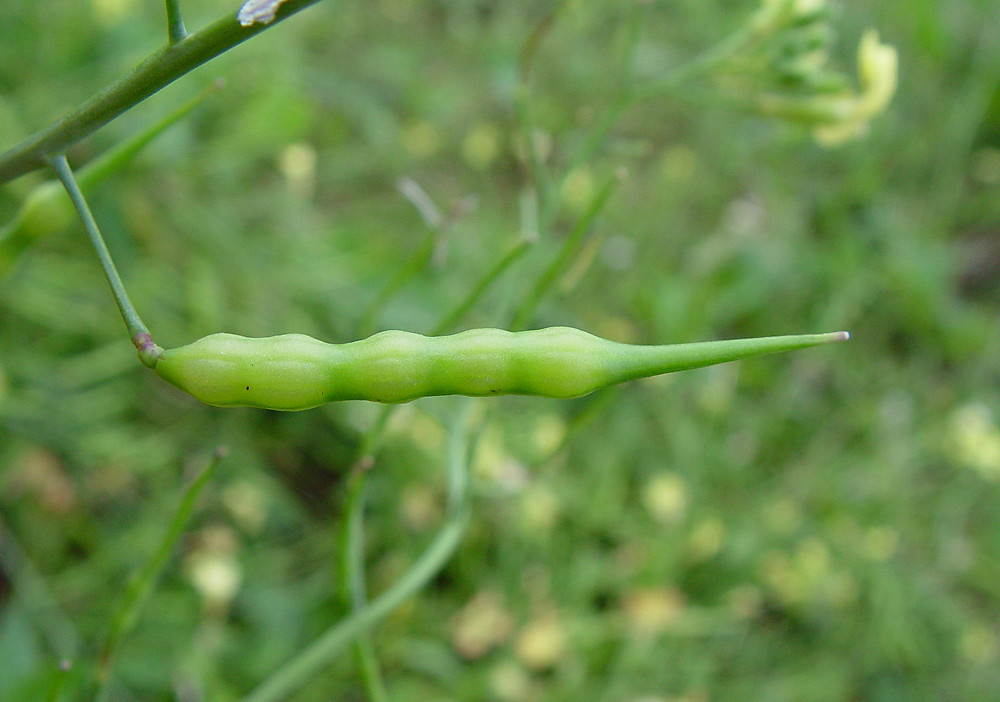
The seeds of cultivated and wild radish act as an emetic, diuretic and dissolve splenic inflammations.
Its seeds are anti-flatulent and purge-out undigested food. It also acts as an appetizer and relieves hepatic pain.
Seeds are being used as carminative, anti-inflammatory, aphrodisiac, diuretic, and emmenagogue.
Powder of seed along with hot water is useful in hoarseness of voice. (1)
- this may be correct or it may refer to jaramao, Sisymbrium officinale (Common Hedge Mustard) which, in Spanish, was known as erísimo, which comes from the Greek for “I save the song” – a reference to singers who used it to clear their voices. Also hierba de los cantores “plant of the singers”. King Louis XIV of France deemed the plant an infallible remedy for aphonia (2) and voice loss due to laryngitis.
- Aphonia is the complete loss of voice, where speech is reduced to a whisper or is impossible, differing from hoarseness (dysphonia) by the total inability to produce voiced sounds
Application of its seed with vinegar helps in healing gangrenous ulcers and ringworm. When applied with white hellebore (1) and vinegar, it removes pityriasis nigra (2).
- White hellebore refers to several plants, most commonly Helleborus hybrids with white flowers (Winter Rose/Lenten Rose), or Veratrum album, a highly poisonous plant used cautiously in traditional medicine
- Pityriasis nigra, more commonly called tinea nigra, is a harmless, superficial fungal skin infection causing dark brown to black, painless patches, usually on the palms or soles, due to the mould Hortaea werneckii
White Hellebore – Veratrum album
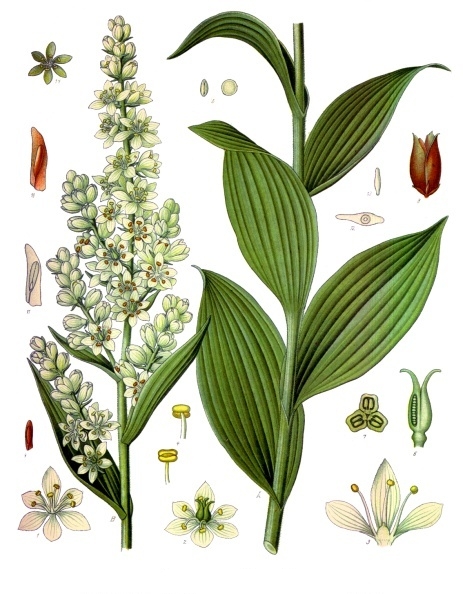
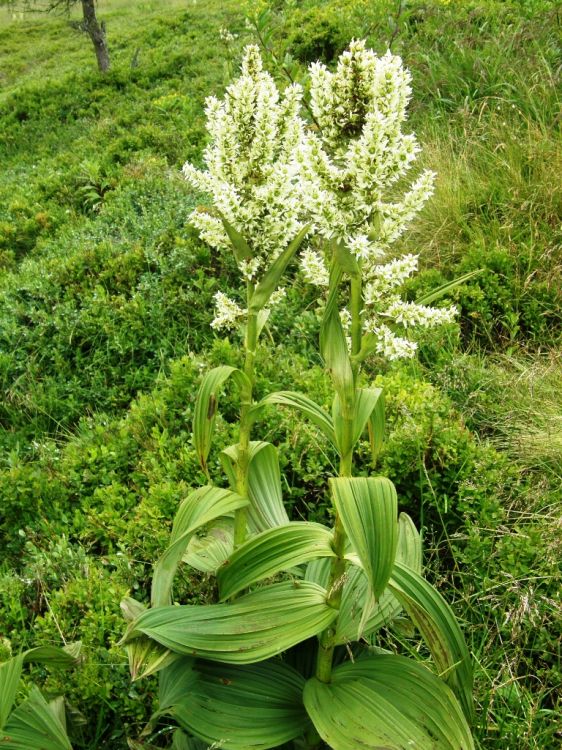
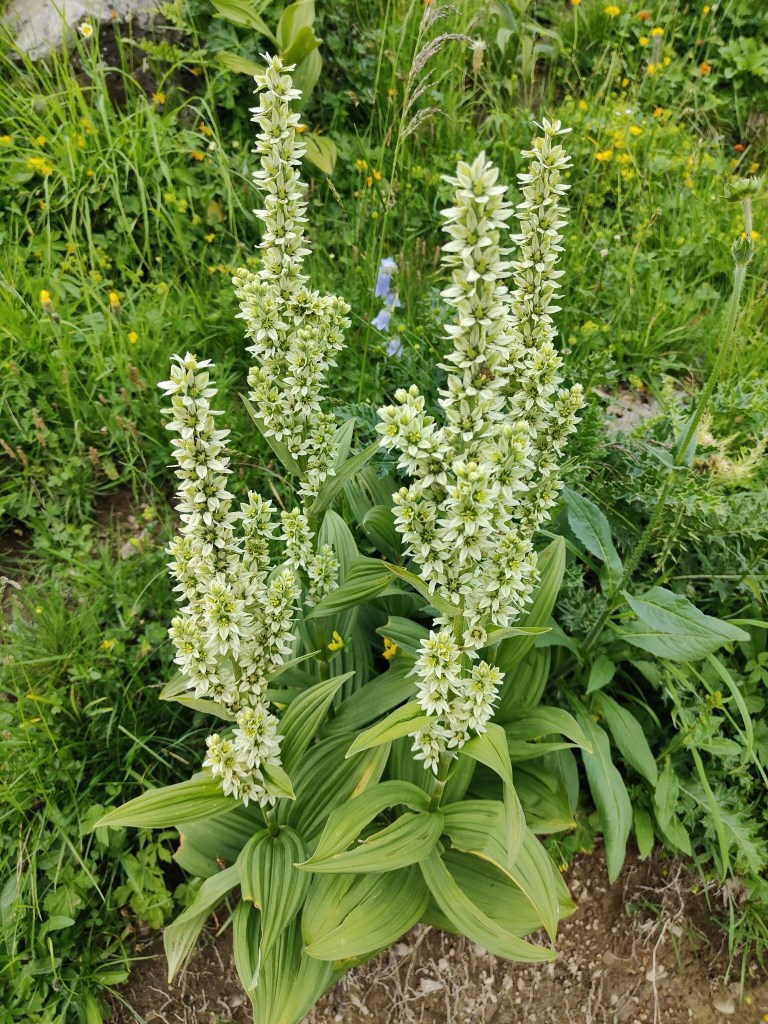
V.album, also called : false helleborine, white hellebore, European white hellebore, or white veratrum
Juice
If radish juice is mixed Rye flour and applied locally, it enables growth of hair in case of alopecia. Its seeds are useful in all kinds of hyperpigmentation, scars, and freckles. (Baghdadi 2005)
Juice of fresh roots is considered a powerful antiscorbutic.
Leaf juice removes hepatic obstructions and jaundice and is effective in dropsy (1).
- Dropsy, an outdated term for oedema, refers to fluid build-up in body tissues, causing swelling, often in legs, feet, or abdomen, and is historically linked to severe heart, kidney, or liver disease
Pharmacological Studies conducted on Raphanus have demonstrated that the plant has the following medicinal properties….
- Antifungal activity
- Anti-urolithiatic activity
- Gastroprotective activity (protective against Helicobacter)
- Antioxidant activity
- Diuretic activity
- Anti-cancer activity (decreased breast cancer cell proliferation)
- Antidiabetic activity
- Antibacterial activity
- Anti-inflammatory activity (leaf juice more effective than root juice)
- Laxative activity
- Hypoglycemic activity
- Hypo-cholesterolemic activity
- Hepatoprotective activity
- Cardiotoxic activity
References
- Akhlaq, M., Abid, H. M. U., Sajid, M., Haq, I. U., Akhtar, M. H., Zubair, G., Raza, S., Amjad, M., Raza, A., & Khan, M. S. (2024). Antioxidant, Immunomodulatory and Fungicidal Potential of Different Extracts of Raphanus Raphanistrum L. Var. Caudatus. Journal of Health and Rehabilitation Research, 4(1), 646–651. https://doi.org/10.61919/jhrr.v4i1.441
- Alemseged, Y., Jones, R. & Medd, R. (2001). A farmer survey of weed management and herbicide resistance problems of winter crops in Australia. Plant Protection Quarterly 16: 21-25
- Baghdadi IH Kitab al-Mukhtarat fil-Tib Part-2 1st ed. New Delhi: Central Council for Research in Unani Medicine; 2005.
- Cheam, A. & Lee, S. (2006). Why is wild radish the worst cruciferous weed? In Cheam, A.H. (Compiler) Wild Radish and other Cruciferous Weeds: Proceedings of a symposium held at The Department of Agriculture and Food Western Australia
- Cousens, R.D., Baweja, R., Vaths, J. & Schofield, M. (1993). Comparative biology of cruciferous weeds: a preliminary study. Proceedings of the Tenth Australian Weeds Conference, Brisbane.
- De Santo NG, Bisaccia C, Ricciardi B, Anastasio P, Aliotta G, Ongaro G Disease of the kidney and of the urinary tract in De Medicina Methodica (Padua, 1611) of Prospero Alpini (1563-1616). G Ital Nefrol 2016; 33 Suppl 66 33. S66.29.)Hafliger, Toni J. & Wolf, Matthias. 1988. Dicot weeds, vol. 1. CIBA-GEIGY Ltd., Basle, Switzerland. 335 pp.
- García-Ruíz I. 1999. Flora del Parque Nacional Pico de Tancítaro, Michoacán. Unidad Michoacan. Centro Interdisciplinario de Investigación para el Desarrollo Integral Regional. Instituto Politécnico Nacional. Bases de datos SNIB-CONABIO, proyecto H304. México, D. F
- Hyde-Wyatt, B.H & Morris, D.I. (1975). Tasmanian Weed Handbook: A Guide to the Identification of the Main Broad-leaf Weeds of Crops and Pastures in Tasmania. Tasmanian Department of Agriculture. Hobart.
- Iyda, Júlia Harumi; Fernandes, Ângela; Ferreira, Flávio Dias; Alves, Maria José; Pires, Tânia C.S.P.; Barros, Lillian; Amaral, Joana S.; Ferreira, Isabel C.F.R. . (2018). Chemical composition and bioactive properties of the wild edible plant Raphanus raphanistrum L. Food Research International, (), S0963996918309931–. doi:10.1016/j.foodres.2018.12.046
- Khare CP Indian Medicinal Plants: An Illustrated Dictionary (Google eBook) Springer-Verlag Berlin/Heidel: Springer Science and Business Media; 2007
- Lee SW, Yang KM, Kim JK, Nam BH, Lee CM, Jeong MH, et al. Effects of white radish (Raphanus sativus) enzyme extract on hepatotoxicity. Toxicol Res 2012; 28: 165–72.]
- Linares, Edelmira; Bye, Robert; Ortega, Noemi & Eloy Arce; Antonio (2017) Quelites: Sabores y Saberes del sureste del Estado de México. Universidad Nacional Autónoma de México. DOI. 10.22201/ib.9786073016667e.2019
- Makbul, Shaikh Ajij Ahmed; Jahan, Nasreen. (2022) Raphanus raphanistrum subsp. sativus (L.) Domin – A Food and Drug Used in the Unani System of Medicine. Hippocratic Journal of Unani Medicine 17(2):p 41-48, Apr–Jun 2022. | DOI: 10.4103/hjum.hjum_6_25
- Martínez, M., 1979. Catalogue of common and scientific names of Mexican plants. Fondo de Cultura Económica. Mexico City
- Newman, P., Peltzer, S., Hashem, A. & Cheam, A. (2007). Decimate a wild radish seed bank in five years. Department of Agriculture and Food Western Australia Crop Updates, Perth WA
- Parsons, W.T. & Cuthbertson, E.G. (2001). Noxious Weeds of Australia, 2nd edition. CSIRO Publishing, Collingwood.
- Rzedowski, GC de and J. Rzedowski, 2001. Phanerogamic flora of the Valley of Mexico. 2nd ed. Institute of Ecology and National Commission for the Knowledge and Use of Biodiversity. Pátzcuaro, Michoacán, Mexico.
- Velásquez-Valle, Rodolfo, Reveles-Torres, Luis Roberto, & Amador-Ramírez, Mario Domingo. (2013). Hortalizas y virosis en zacatecas: un patosistema complejo. Revista mexicana de ciencias agrícolas, 4(8), 1267-1277. Recuperado en 13 de enero de 2026, de http://www.scielo.org.mx/scielo.php?script=sci_arttext&pid=S2007-09342013000800012&lng=es&tlng=es.
- Villarreal-Q., JA, 1983. Weeds of Buenavista, Coahuila. Antonio Narro Autonomous Agrarian University. Buenavista, Saltillo, Coahuila.
Websites
- A comer quelites : La Jornada del campo : 18 de noviembre de 2017 : Número 122 – https://www.jornada.com.mx/2017/11/18/cam-comer.html
- Gospel Book: Jaramago (2026) – https://gospelestudios.es/blogs/stories/gospelario-jaramago
- Primer Encuentro de Cocineras Tradicionales de Morelos – https://foodandtravel.mx/sabores/mundo-gourmet/primer-encuentro-cocineras-tradicionales-morelos/
- Principales Plantas Nocivas del Valle del Mezquital, Hidalgo, México (2017) Universidad Politécnica de Francisco I. Madero : ISBN: 978-607-9260-21-7 – https://upfim.edu.mx/wp-content/investigacion/libros/PlantasNocivas.pdf?_t=1660859095
- Raphanus raphanistrum L. (Rabanillo) http://www.conabio.gob.mx/malezasdemexico/brassicaceae/raphanus-raphanistrum/fichas/ficha.htm
- Xitlamole, el mole de estrellas. Lynda C Balderas (2020) Feb 14 – https://www.launion.com.mx/morelos/sociedad/noticias/155476-xitlamole-el-mole-de-estrellas.html
Images
- Eruca sativa flower – By Alvesgaspar – Own work, CC BY-SA 3.0, https://commons.wikimedia.org/w/index.php?curid=3565598
- Hedge Mustard Sisymbrium officinale
- Quelite Xilimago Hueyapan Morelos : via Metlatl Cocina Con Rasgos Indigenas on Youtube : https://www.youtube.com/shorts/xlfu7BU6gYs?app=desktop
- Rabanillo at a fields edge : Russell Cumming : https://biocache.ala.org.au/occurrences/5d1be7f7-ff3f-4c6d-94cf-0f8cd2740a9b : http://creativecommons.org/licenses/by-nc/4.0/
- Raphanus raphanistrum (Botanical drawing) – Por Carl Axel Magnus Lindman – «Bilder ur Nordens Flora» Stockholm, Dominio público, https://commons.wikimedia.org/w/index.php?curid=5969406
- Raphanus raphanistrum (Rabanillo) flower – Wikipedia, some rights reserved (CC BY-SA), https://es.wikipedia.org/wiki/Raphanus_raphanistrum
- Raphanus raphanistrum seed pod – https://gobotany.nativeplanttrust.org/species/raphanus/raphanistrum/
- Reyna Pérez Vicuña : https://blog.xcaret.com/en/mexican-cooks-present-typical-dishes/
- Veratrum album
- By Franz Eugen Köhler, Köhler’s Medizinal-Pflanzen – List of Koehler Images, Public Domain, https://commons.wikimedia.org/w/index.php?curid=255639
- https://www.biolib.cz/en/image/id175591/
- By alpenhuhn – https://www.inaturalist.org/observations/125067813
 Masa Americana