
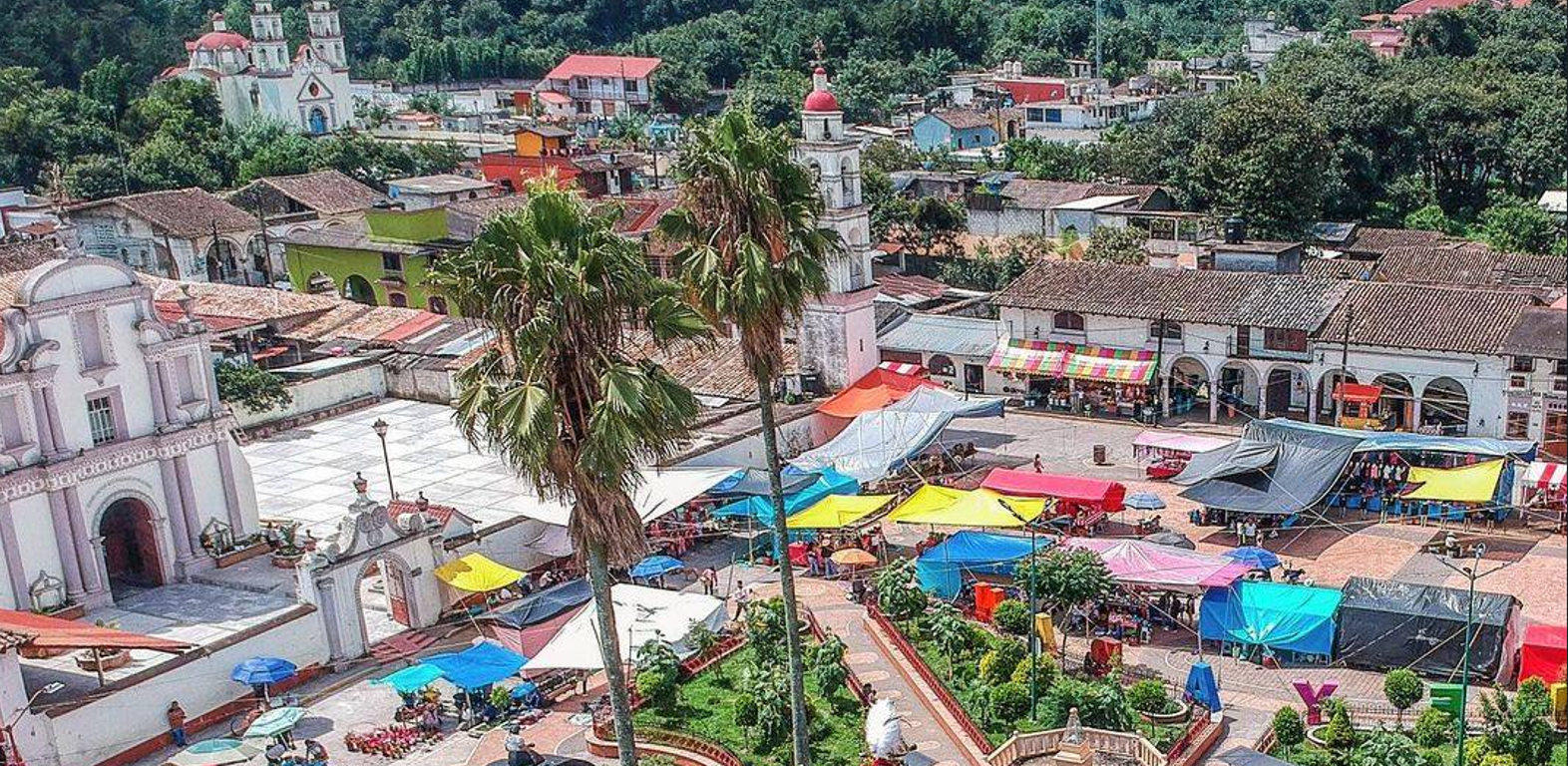
Cover Image : Hueyapan Centro
In my urban archaeological wanderings of my local second-hand/thrift stores I on occasion stumble across something that really catches my eye.
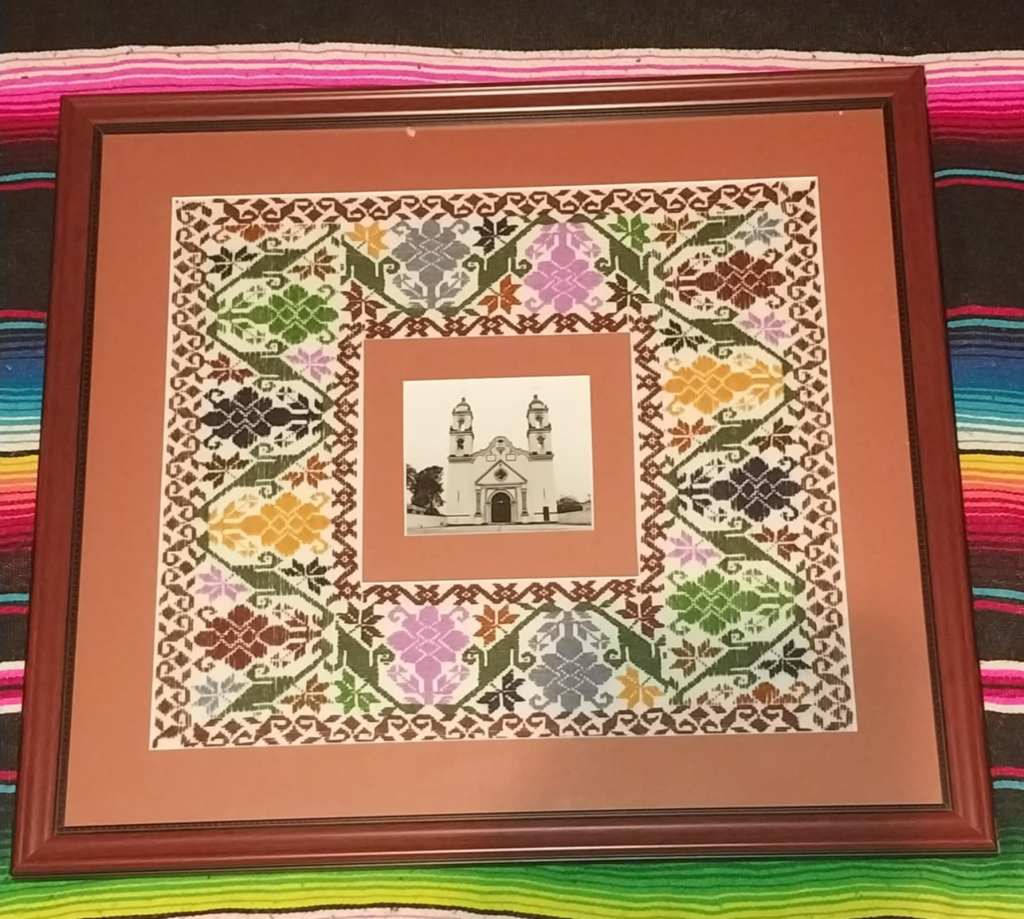
An unexpected Thrift store treasure. I couldn’t walk away from it. It cost me $15 (which I did consider a little steep) but it is a professionally framed, high quality photograph and is of a church that sung out to me as being Mexican (or perhaps Guatemalan).
A.I. (Google Chrome) had this to tell me……
This framed piece features a black and white photo of a church surrounded by a border of colorful cross-stitch embroidery in a traditional Mexican style. The church in the photograph appears to be the Parroquia de San Francisco de Asis in Valle de Bravo, Mexico
and that…..
The colourful border uses a cross-stitch or similar embroidery technique featuring geometric and floral patterns, characteristic of traditional Mexican textiles or folk art, such as designs seen on a huipil (a traditional blouse-like garment).
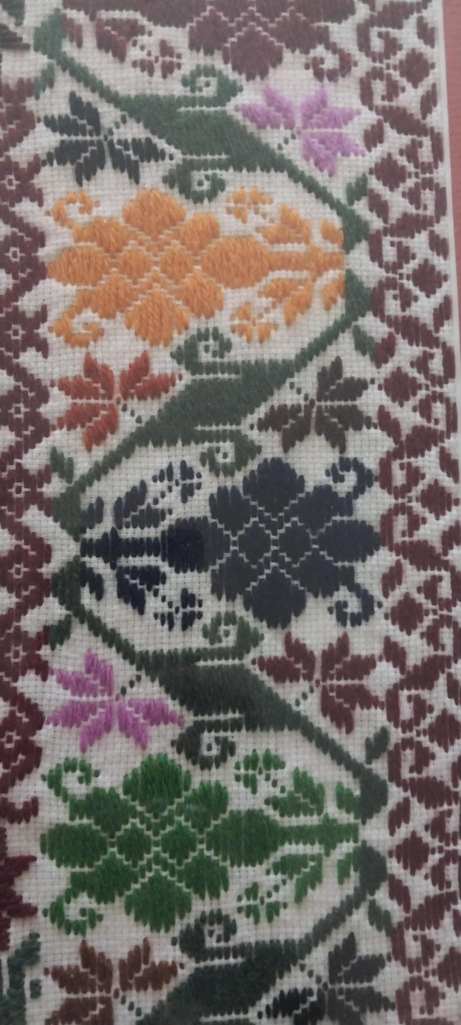
I freely confess that I am by no means an expert of Mexican embroidery but I am not convinced the embroidery in the frame is Mexican. Although it does bear some similarities to some Mexican designs it seems far removed from the intricacy of huipil embroidery but I dearly hope that it is Mexican and that it was made in Hueyapan or is based on local indigenous design.
Indigenous Mayan designs from Chiapas
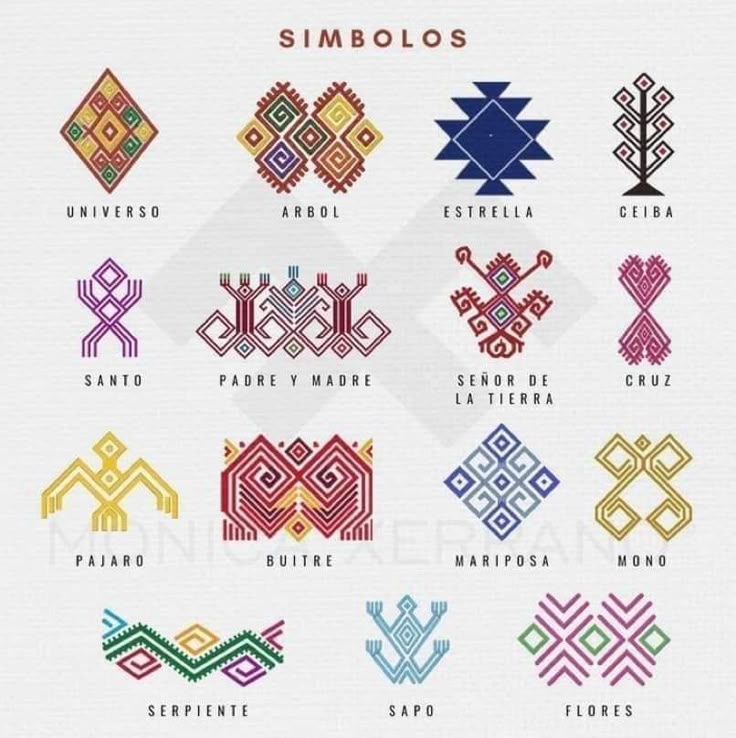
Various styles of huipil embroidery
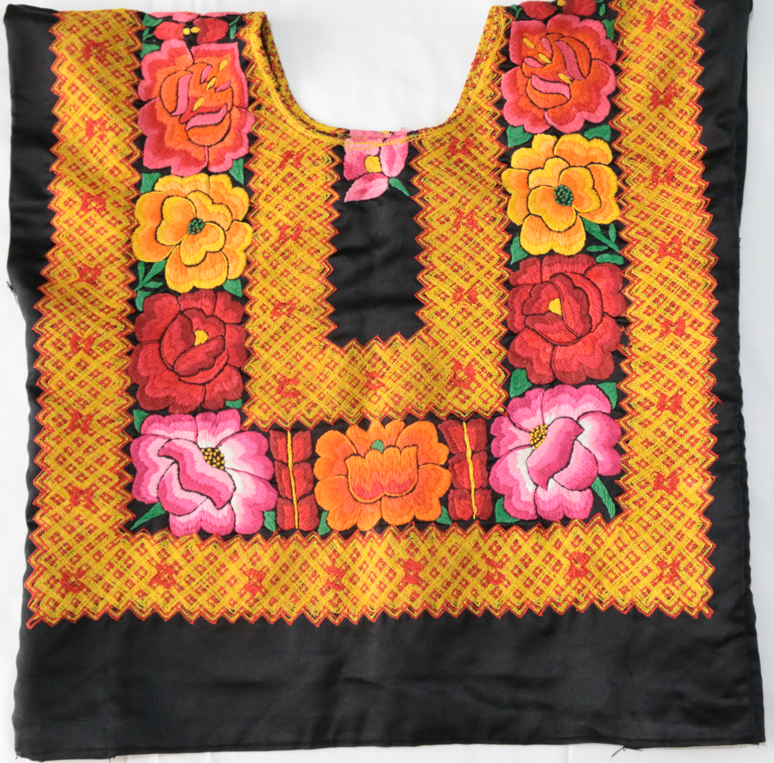
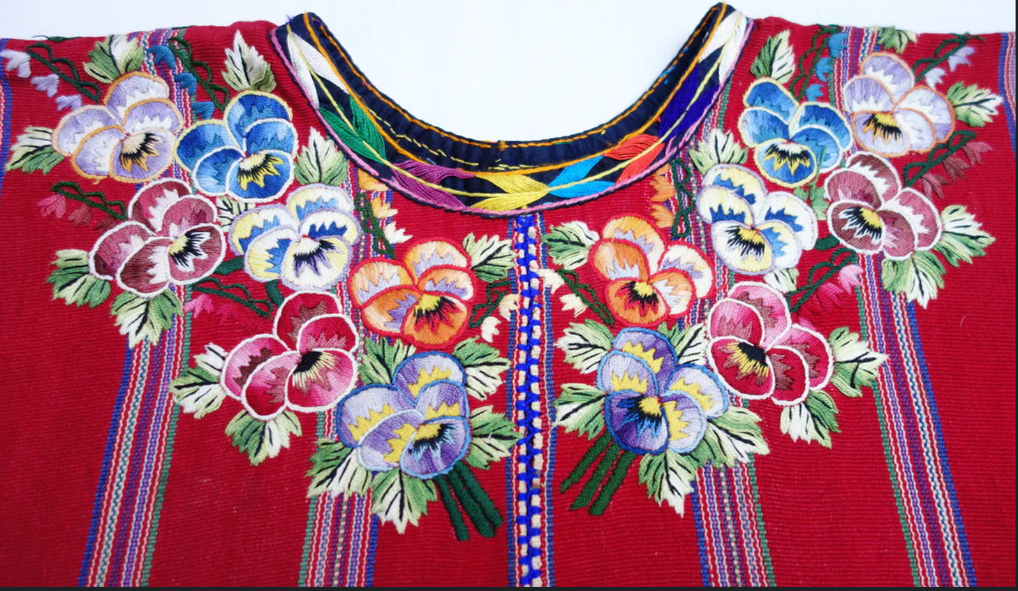
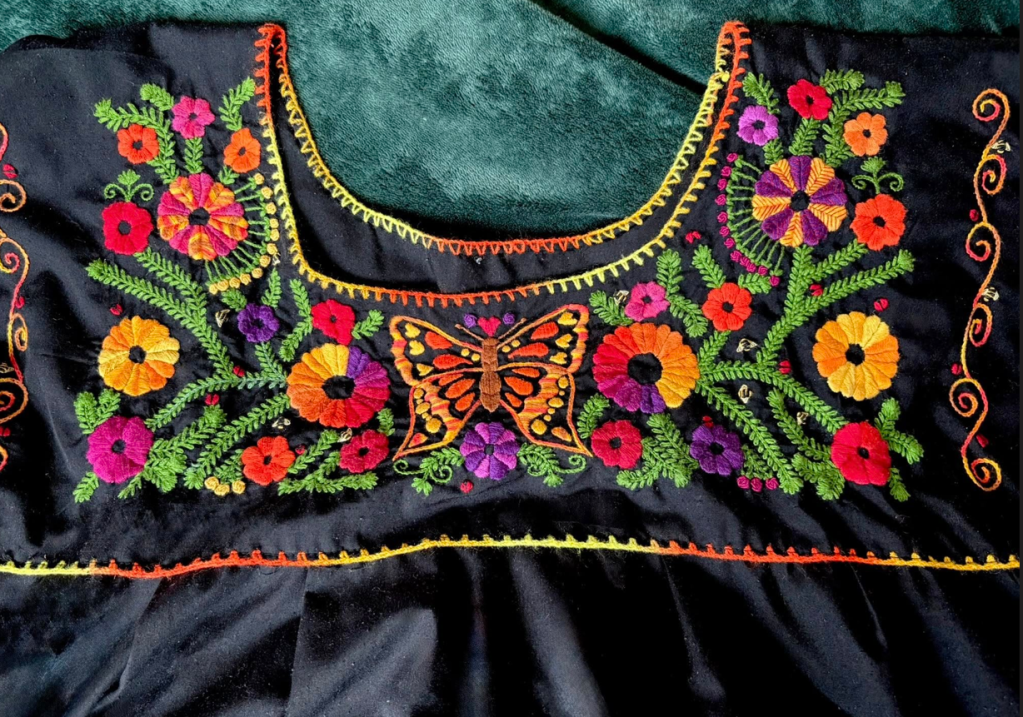
The Huipil is the most common traditional garment worn by indigenous women from central Mexico to Central America. It is a loose-fitting tunic, generally made from two or three rectangular pieces of fabric which are then joined together with stitching, ribbons or fabric strips, with an opening for the head and, if the sides are sewn, openings for the arms. Traditional huipils, especially ceremonial ones, are usually made with fabric woven on a backstrap loom and are heavily decorated with intricate designs, colours, and symbols that often identify the wearer’s village, social status, and beliefs, acting as a cultural “living book”
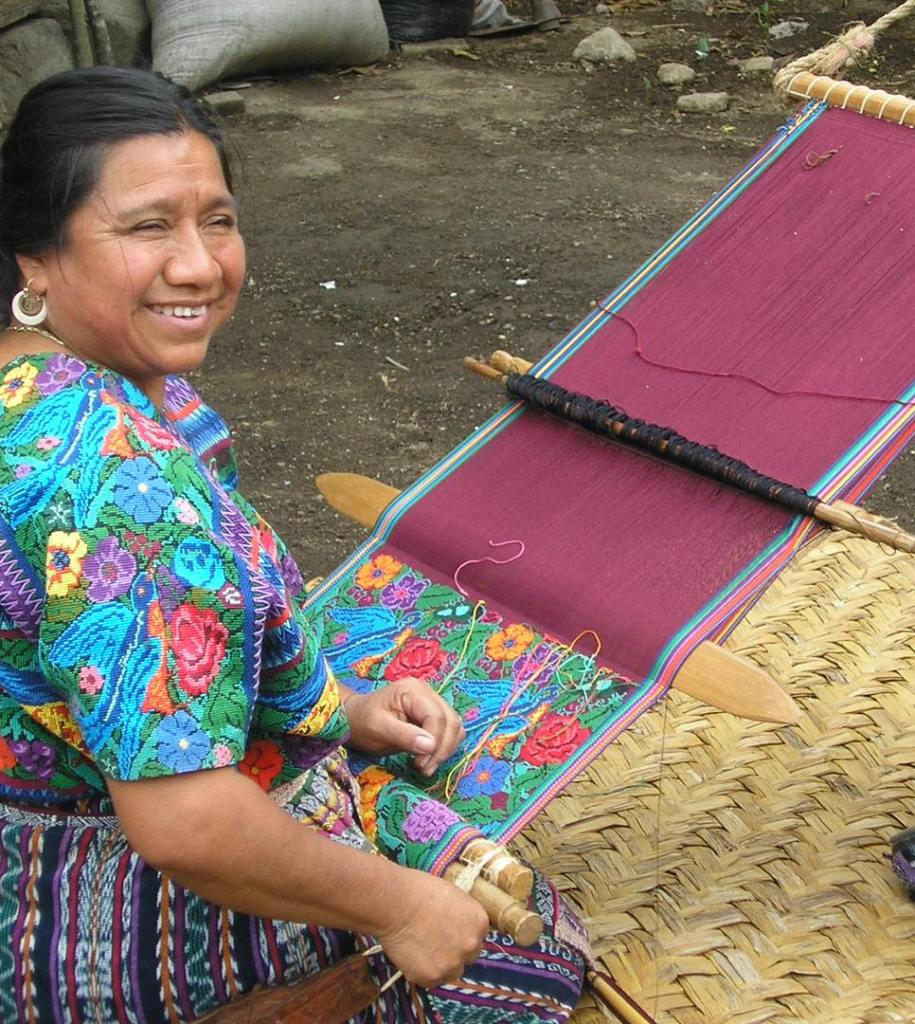
Photo courtesy of kakaw!, a women’s collaborative out of Guatemala.
The backstrap loom is traditional to Mayan culture. Strung up to a pole, the weaver “straps” into the loom through a band worn across her lower back, creating tension to weave her textiles.
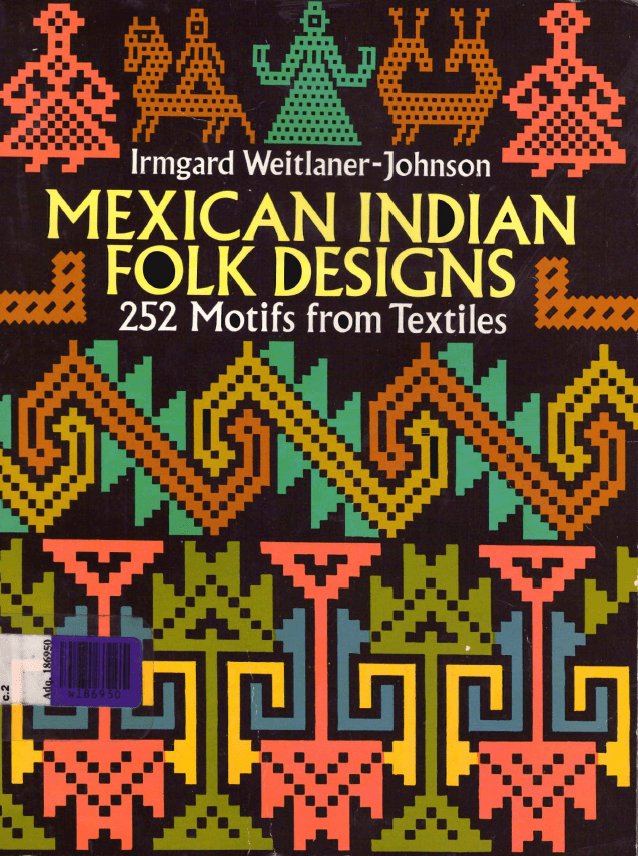
The embroidery does (kinda sorta) resemble designs found in my handy dandy) Folk Designs from Mexican Indian Textiles book though. Kinda sorta
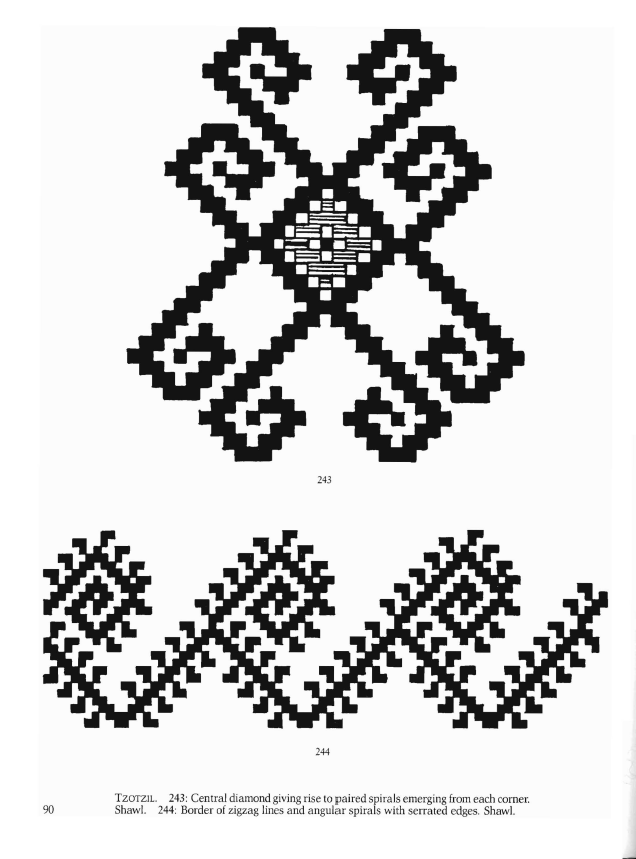
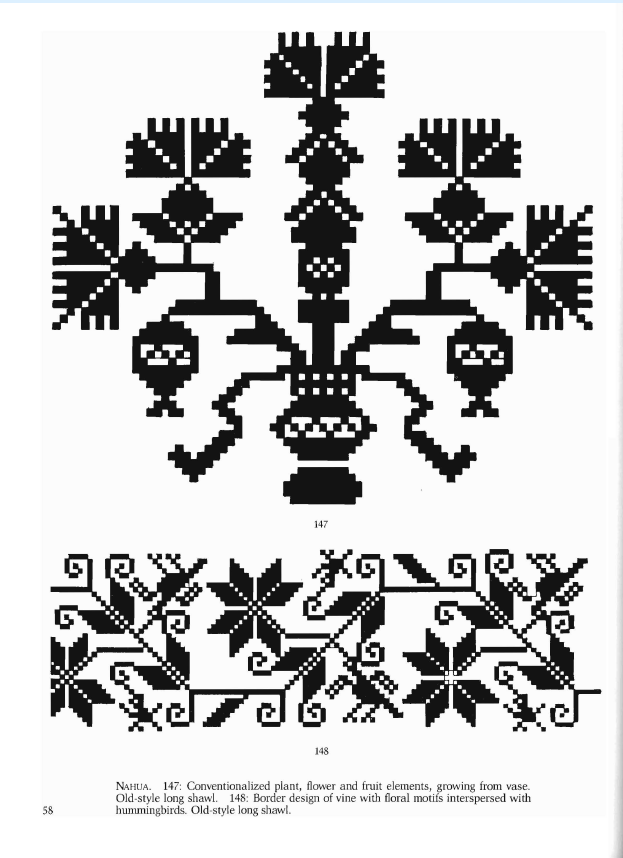
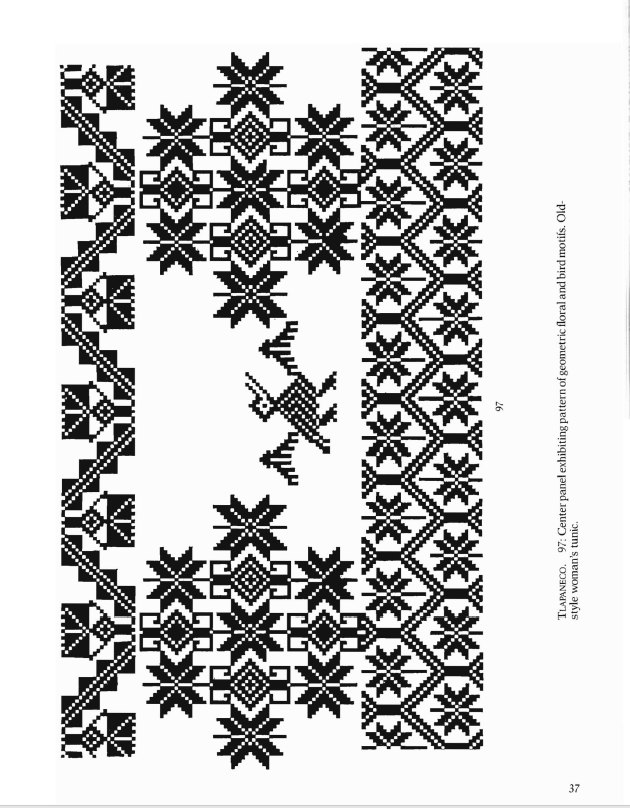
Next we examine the Church
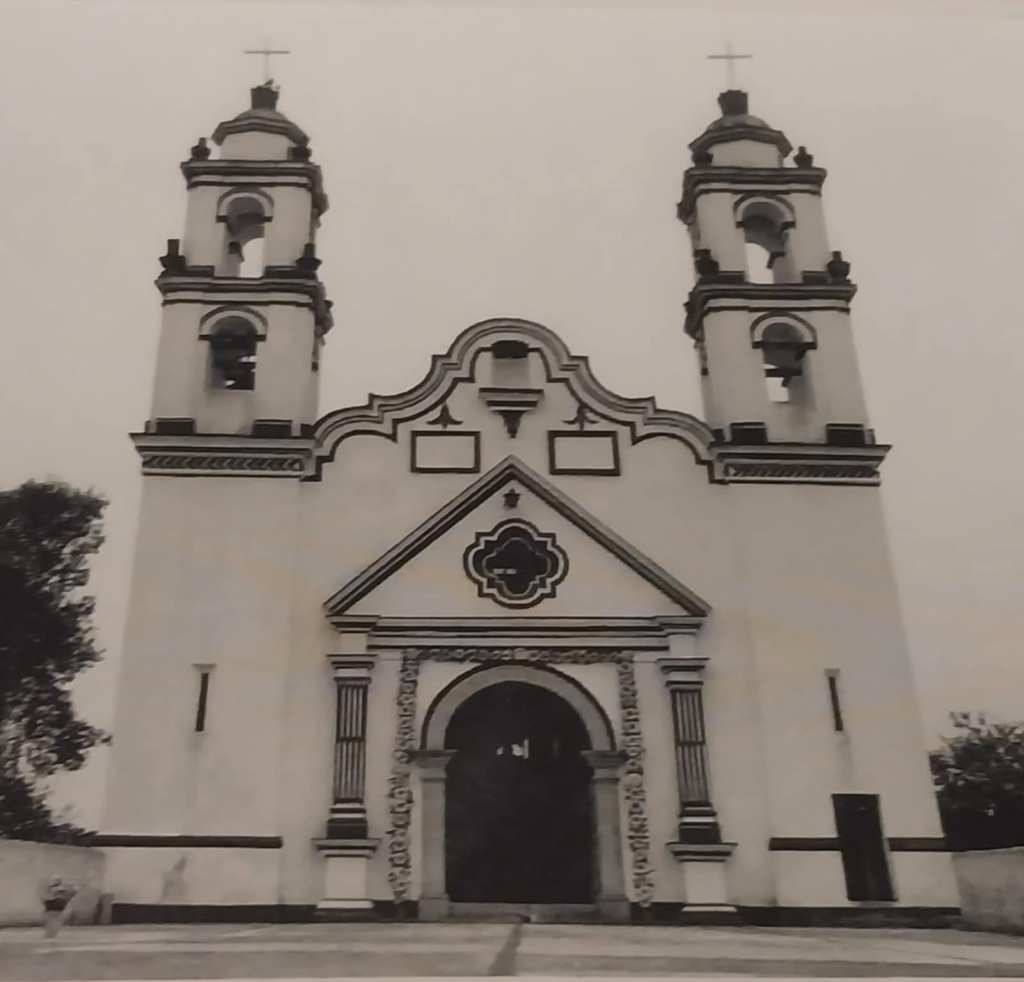
When looking at the picture as a whole (church and embroidery) A.I. identifies the church as being Parroquia de San Francisco de Asis in Valle de Bravo, Mexico.
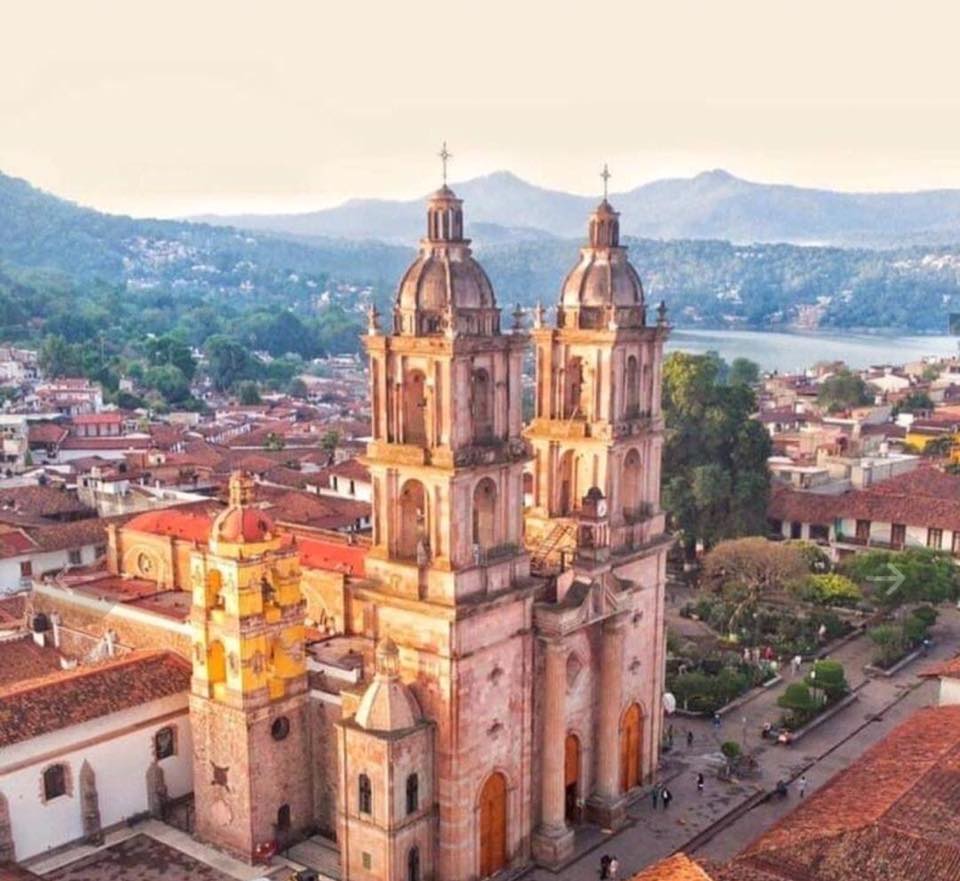
Nope. Not even close
When I uploaded just a picture of the church A.I. then proceeded to tell me……
The church shown in the photograph closely matches the architecture of the Parish of Saint Mary Magdalene (Parroquia de Santa María Magdalena) located in the town of La Magdalena Tlatlauquitepec, which is near Valle de Bravo in the State of Mexico, Mexico.
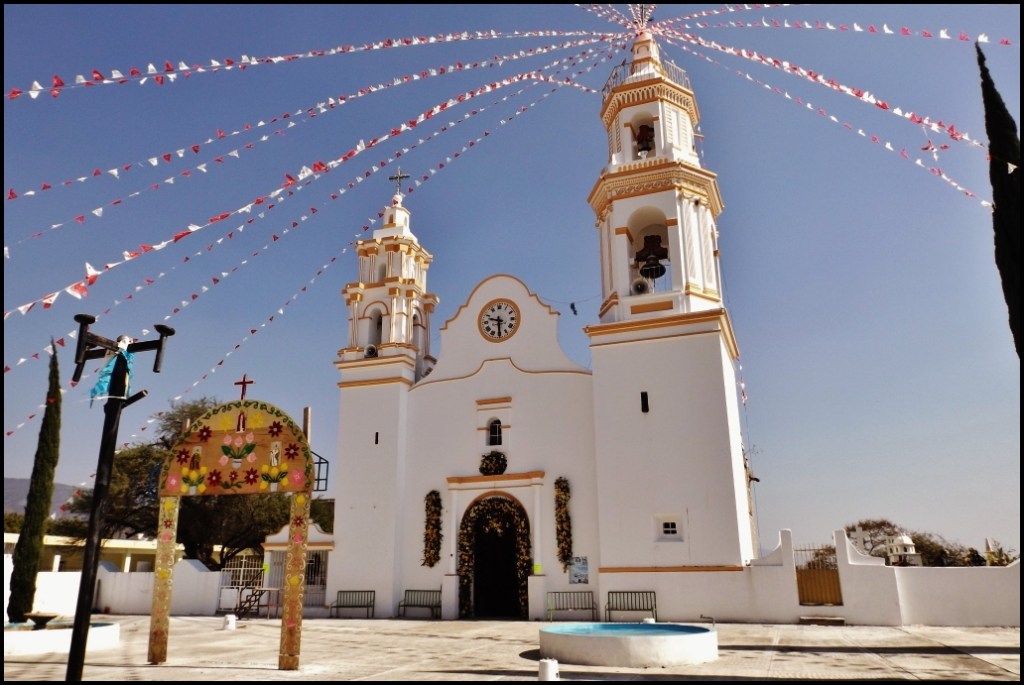
Not quite.
The Arquidiócesis de Puebla website did lead me to another church in their State and close examination of the photos below determines that I’ve found the right church.
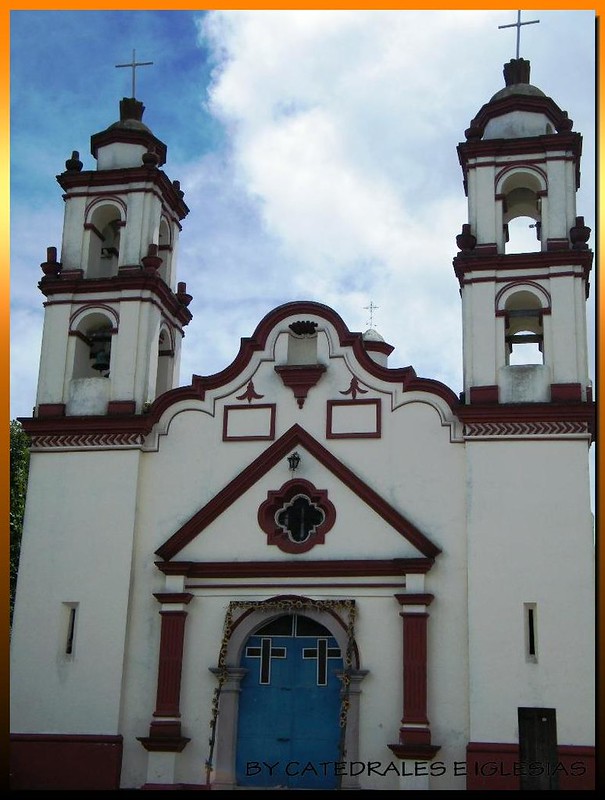
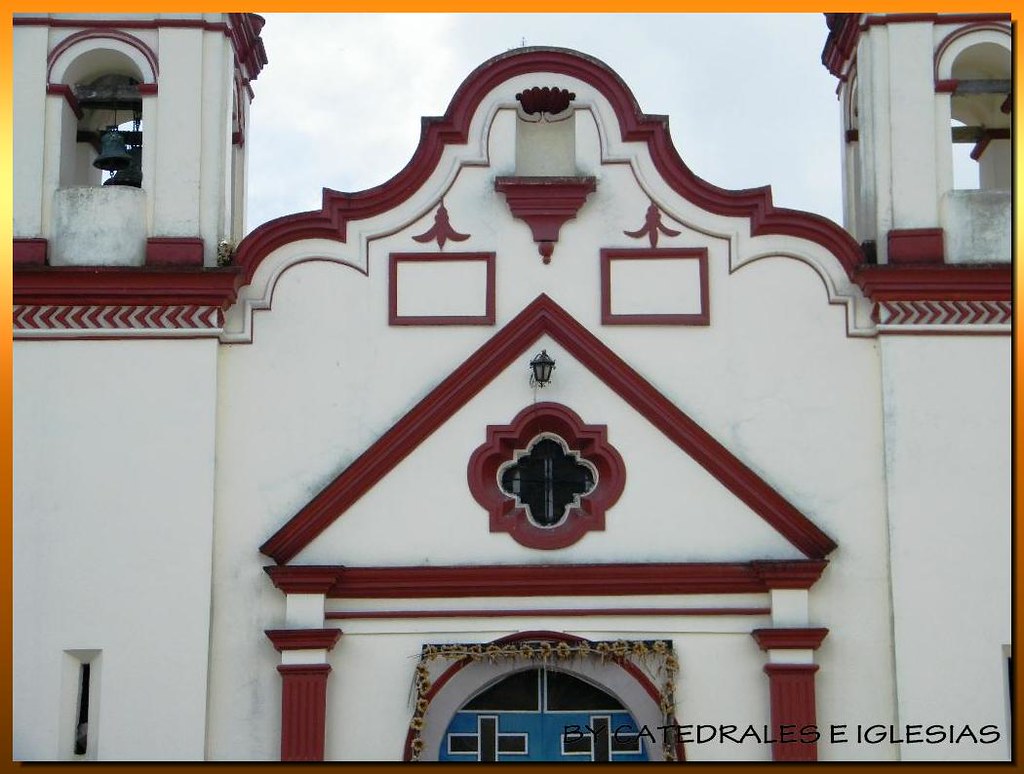
Capilla del Calvario (Hueyapan) Estado de Puebla, México
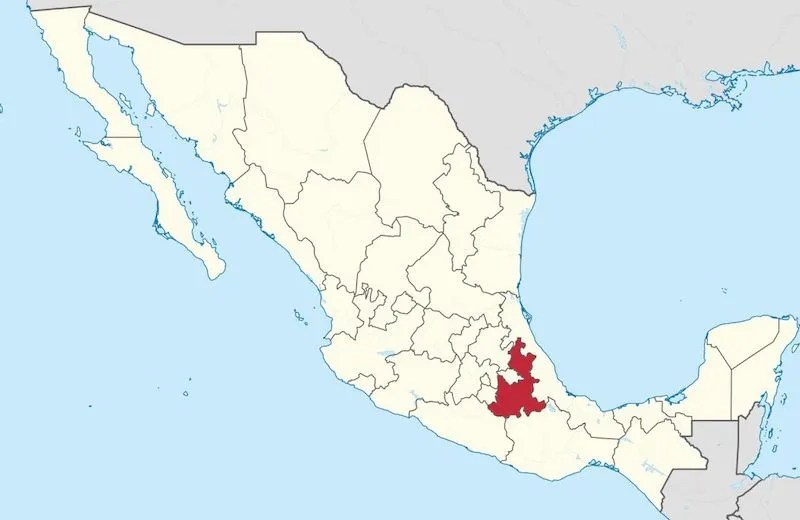
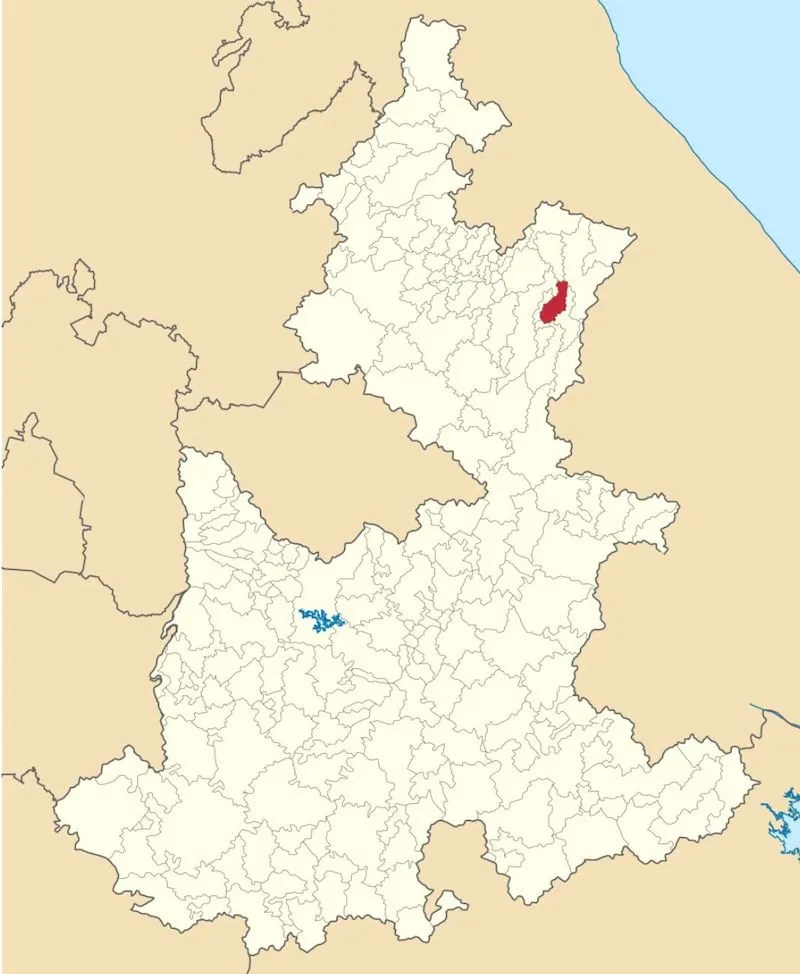
San Andrés Hueyapan is a small town in the rural northeastern part of the Mexican state of Morelos, formerly in the municipality of Tetela del Volcán. It lies at an elevation of ca 2000–2500 metres above sea level on the southern slopes of the active volcano Popocatépetl
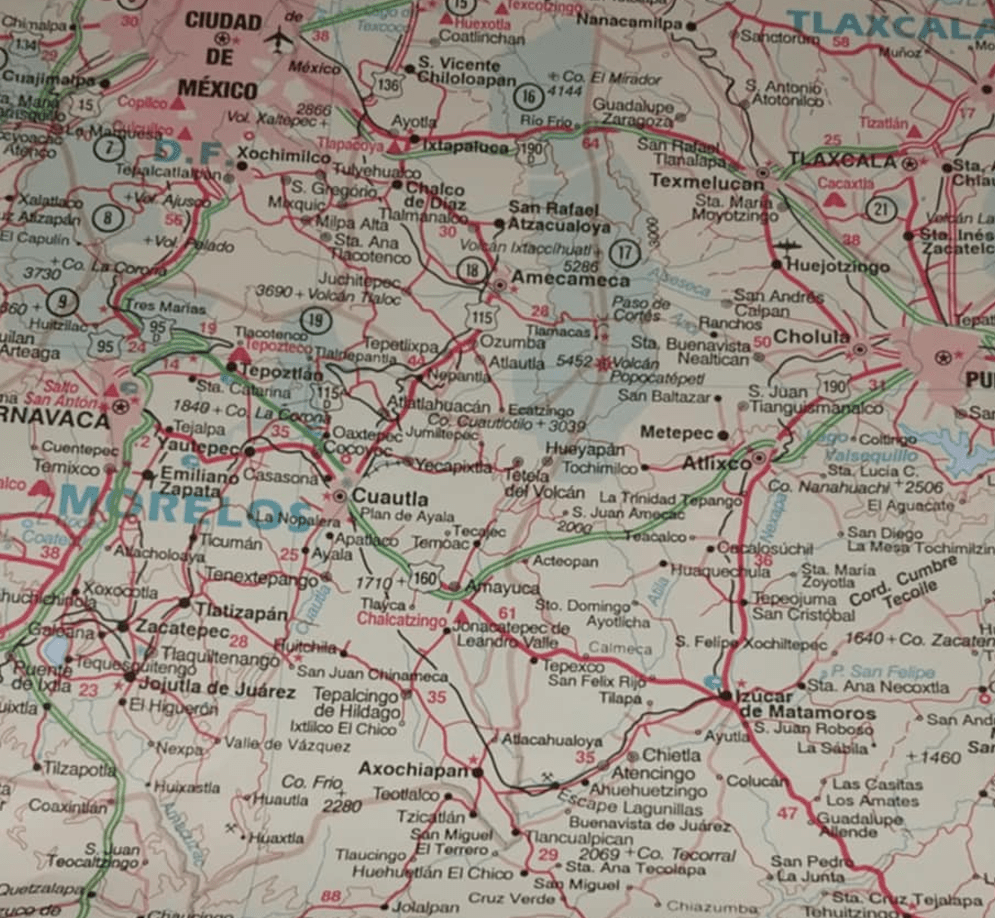
It recently became one of the 36 municipalities of the State of Morelos, created by Decree No. 5,561, published on December 19, 2017, in the Official Gazette Tierra y Libertad, separating it from the municipality of Tetela del Volcán.
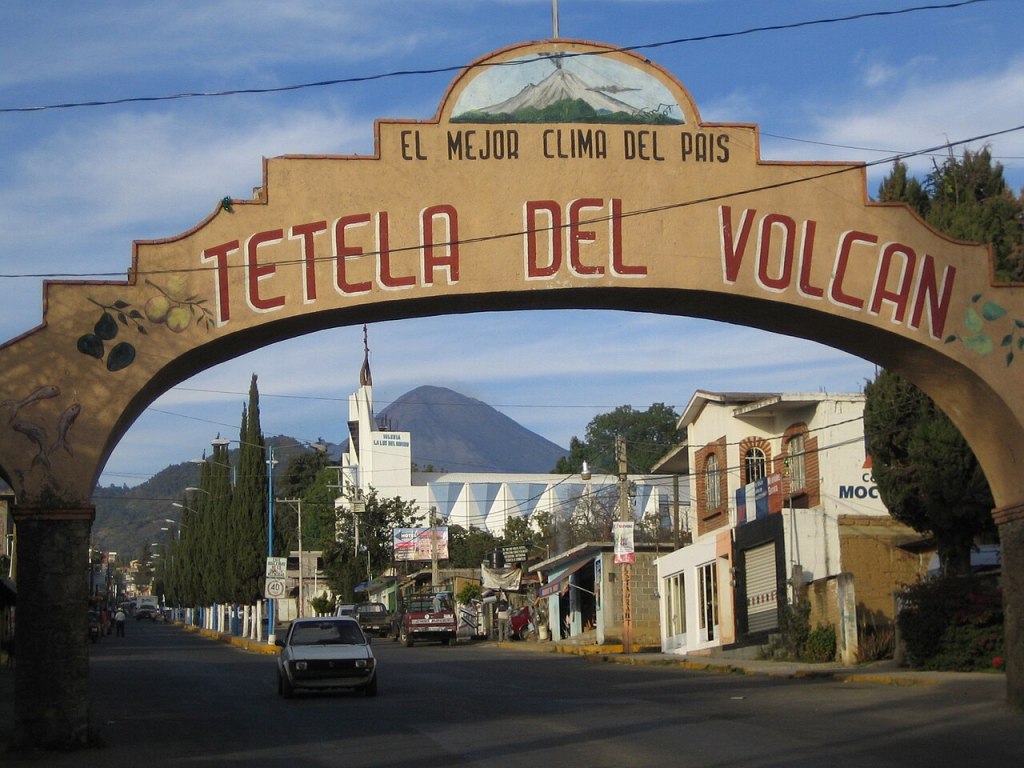
The name of the town Hueyapan comes from the Nahuatl language and means “on the great water” referring to the abundant water resources of the locality.
- huei. Principal English Translation: very, big, great, large
- -apan. Principal English Translation: on or at the waters of (a locative suffix found on place names where there is a canal, river)
- huei apan. Principal English Translation: on the sea, on the ocean (huey atl = a large body of water; plus -pan, on)
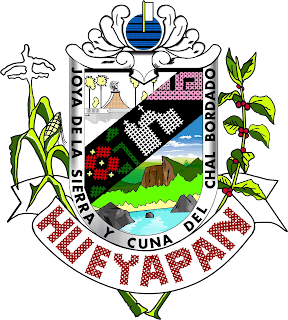
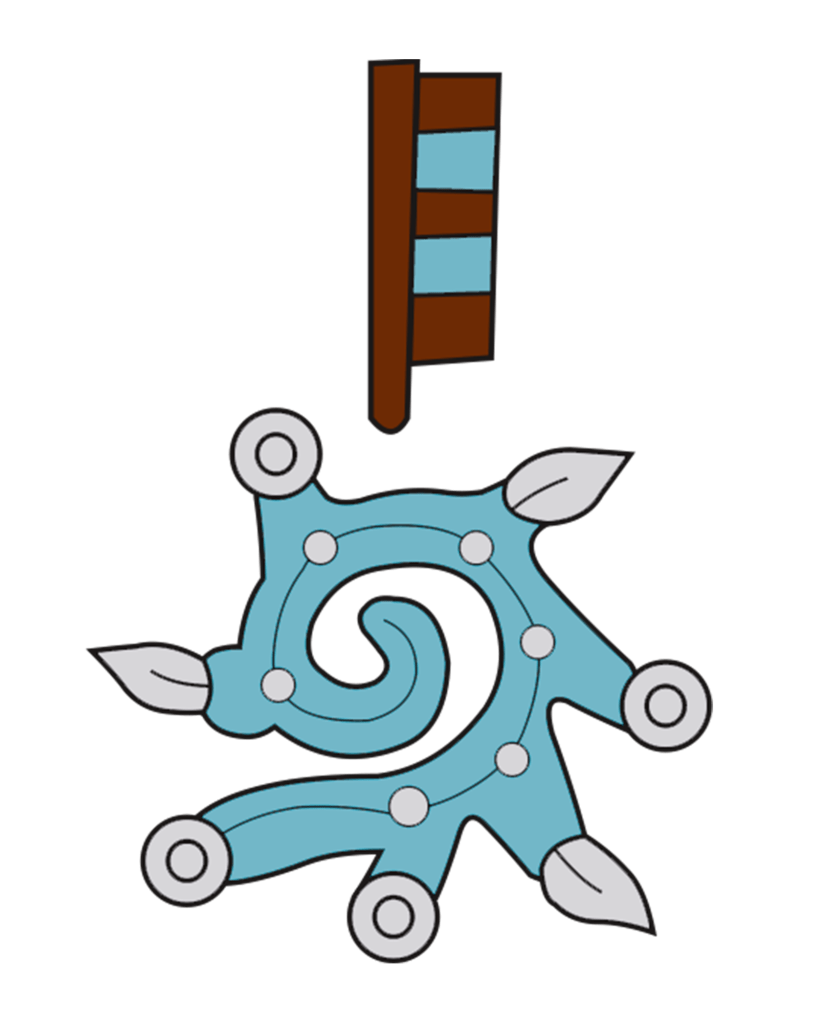
Hueyapan is also known as “Jewel of the Mountains” (Joya de la Sierra) and “Cradle of the Embroidered Shawl” (Cuna del Chal Bordado) and has an abundance of textile artists and craftswoman specialising in dyeing with natural dyes.
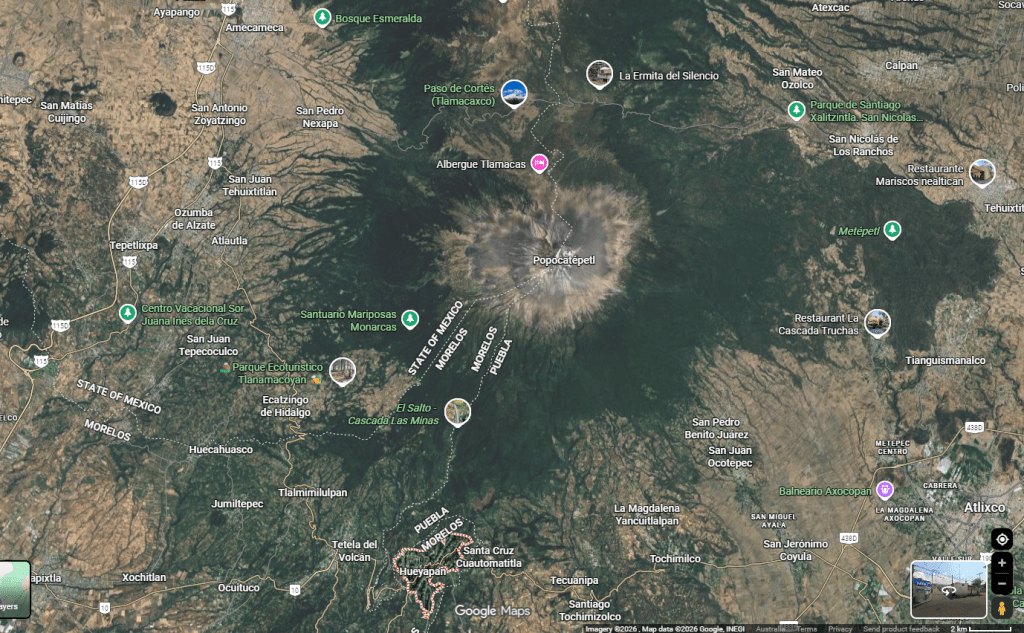
The municipality was founded between the 10th and 11th centuries by people from Chicontepec, belonging to the Totonac and Otomi groups. It was conquered by the Spanish in 1522 and named “San Andrés Hueyapan.”
It belonged to the former District of Tlatlauquitepec until it was established as a municipality in 1895.
Friedlander (2006) goes into greater detail.
According to famous 16th century chronicle of the Dominican friar Diego Durán (who lived in Hueyapan for a
couple of years) the history of Hueyapan traces back to 902 AD, when settlers from Xochimilco took up residence in the village and the surrounding area, introducing a higher level of civilization to the local population than the one that had previously existed in the region (1).
- At the beginning of the 13th century, between 1200 and 1220 CE, within the framework of the mythical Nahua migration from Aztlán Chicomoztoc, Tlahuica and Xochimilca groups reached territories south of the Sierra Chichinauhtzin, roughly coinciding with the borders of the present-day state of Morelos. The towns that received Nahua communities with a Tlahuica identity were Cuauhnáhuac, Yautepec, Huaxtepec, Yecapixtla, and Tlaquiltenango, while those that received Nahuas with a Xochimilca identity were Tochimilco, Tlalmimilulpan, Xumiltepec, Tlacotepec, Zacualpan, Temoac, Tlayacapan, Totolapan, Hueyapan and Tepoztlán
About 600 years later, the Aztecs arrived, probably in the early 1500s – Moctezuma II conquered the area in 1521; then the Spaniards took control sometime between 1522 and 1524. By 1526, the Crown had assigned the people and lands of Hueyapan and Tetela to one encomienda (land grant), awarding the two villages to María de Estrada’s husband (1), Pedro Sánchez Farfán.
- Maria was a horse riding, sword wielding, spear throwing conquistador in her own right. She is said to have been instrumental in the battle that subjugated Hueyapan. Tlaxcallan writer Diego Muñoz Camargo said she was “as good a warrior as any man.”
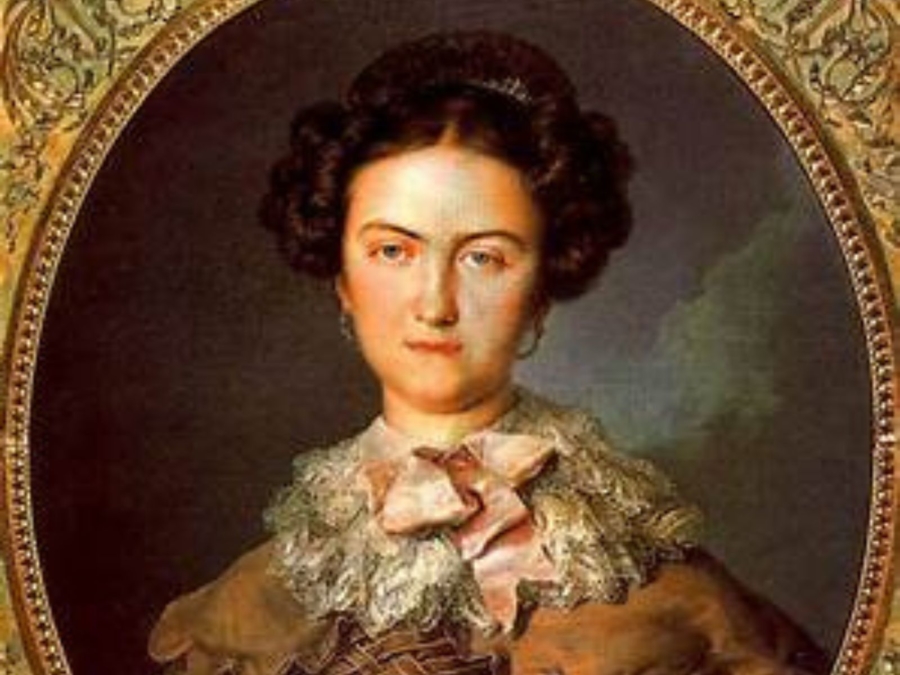
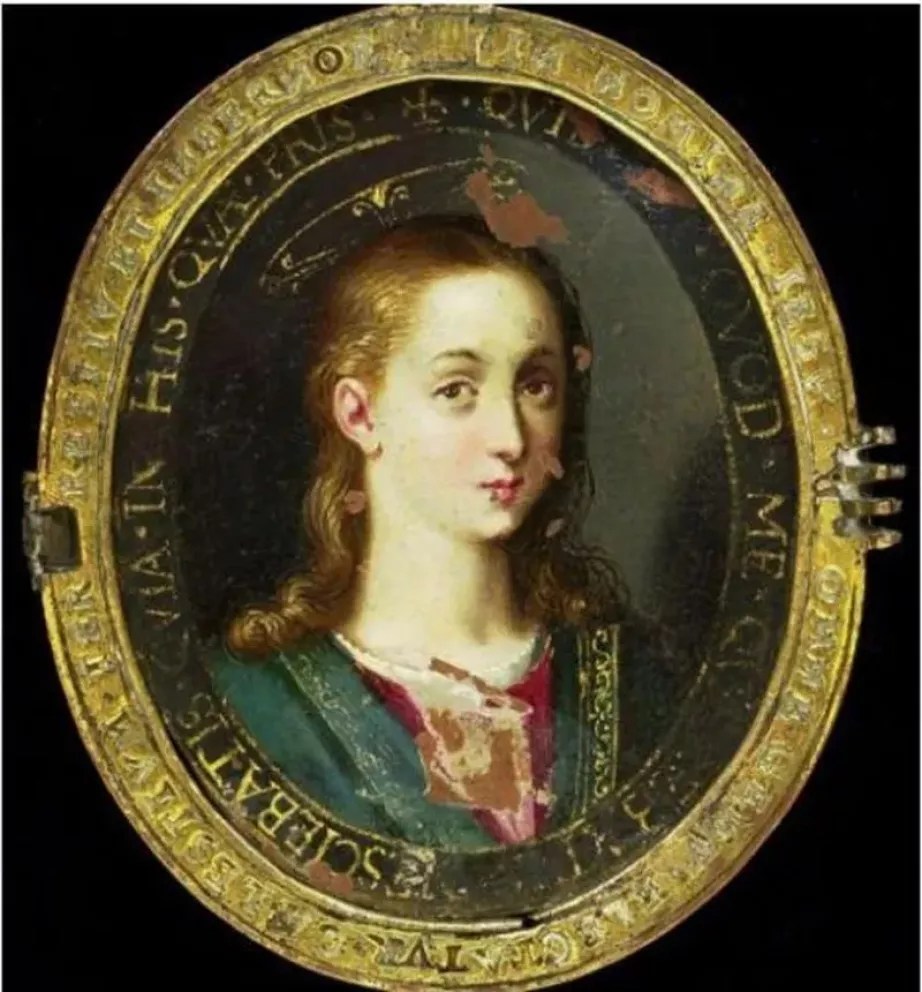
Depictions of Maria.
There is no certain information about her origin and date of birth. It is possible that she was born in Seville, although her father, Juan de Estrada, was from the north, either from Cantabria or from Asturias and la Real Academia de la Historia (Royal Academy of History) notes that she was the sister of Francisco de Estrada (1) , a Sevillian conquistador who travelled to America with Diego Columbus. Other theories posit a Jewish or even gypsy origin but these claims seem to lack any academic support (2).
- where she joined the service of Governor María Álvarez de Toledo, and later travelled to Cuba.
- one such story goes…….Miriam (Maria) lived in the Jewish quarter with her grandfather, a rabbi and ophthalmologist. In 1492, during the expulsion of the Jews from the Iberian Peninsula by the Catholic Monarchs, her grandfather was arrested and condemned to death. Miriam was left alone and abandoned on a road where she was found by an old Gypsy woman who took her in and adopted her. This was the moment when she had to renounce her Jewish past and also her name. She chose the name Maria. She was later arrested for participating in clan feuds and imprisoned in the Alcázar of Toledo after being denounced to the Inquisition by her adoptive mother, the daughter of the old gypsy woman. This led to her arrest and condemnation by an Inquisitor Judge who, abused his authority and mistreated her. As a result, Maria ended up killing him and escaped, but she was caught and imprisoned. Maria escaped her sentence of hanging thanks to an ordinance from the Catholic Monarchs who pardoned women who decided to travel to the Indies. Thus began her journey to America.
It is known that in Cuba, during a battle with the Taino Indians she was taken prisoner, along with other Castilians who were tortured and killed. It is said however that the Indian chief, admiring her beauty, spared her life and took her as a concubine. Maria spent the next two years of her life a prisoner until the Tainos were defeated and she was freed. In Cuba she met (and eventually married) a Spaniard named Pedro Sánchez Farfán.
Bernal Díaz del Castillo (1) first mentions her in La noche triste (The Sad Night), where she is said to have fought bravely with sword and buckler in her flight along the road to Tlacopan. He singled her out as an exceptional and valiant fighter. The chronicler Diego Muñoz Camargo wrote of her that she fought “with such fury and courage that she exceeded the effort of any man”.
- Bernal Díaz del Castillo was a Spanish conquistador and, later in life, an historian who wrote the detailed first-person narrative The True History of the Conquest of New Spain (Historia verdadera de la conquista de la Nueva España). His account is a primary source for much of what is known about the expedition and its participants
Father Juan de Torquemada refers to Maria in his Monarquía Indiana in 1615, when he refers to the Noche Triste (Night of Sorrows) in Tenochtitlan…..
“María de Estrada showed herself to be very courageous in this predicament and conflict, who with a sword and a shield in her hands performed marvellous deeds, and went into the enemy with such courage and spirit, as if she were one of the bravest men in the world, forgetting that she was a woman, and clothed in the valour that men of valour and honour usually have in such a case. And so many were the wonders and things that she did, that she filled with awe and wonder all who saw her.”
or alternatively (but much the same)
In this bloody action Maria de Estrada, eminently signalized her courage, performing wonders with her sword and target, bearing down the enemies ranks, as if she had been one of the brave and strongest men in the world; forgetful as it were, of her sex, and putting on all the valour, which only men of the greatest honour, display on such trying occasions; and the wonders she performed were such as struck the enemy with much terror, as they raised admiration in the Spaniards.
At the end of the conquest, Cortés was extremely generous with her (much more than with most of his soldiers), granting her encomiendas in three towns (Hueyapan, Nepupualco and Tetela) and making her a very rich woman. Cortés himself acknowledges, upon the death of her husband Sánchez Farfán, that “I am very much his wife’s friend…and I have her in place of a sister”.
In 1536, Pedro Sánchez Farfán died and the encomienda reverted to his wife—until she remarried in 1548, at which time the property was transferred to her second husband, Alonso Martín Partidor, a civilian settler in Puebla.
In 1558, after the death of Martín Partidor, interested parties (greedy relatives) disagreed about who had the rights to these encomienda lands and to the Indians living on them and by 1561 the encomienda was annexed to the royal domains of the king of Spain as it seems that neither María nor her first husband had any surviving descendants.
By 1643, the corregimiento (1) to which Hueyapan belonged came under the jurisdiction of the Cuautla Corregimiento, first informally, then officially. By 1784, the village had lost its independent status entirely.
- Corregimiento is a Spanish term used for country subdivisions for royal administrative purposes, ensuring districts were under crown control as opposed to local elites. A corregimiento was usually headed by a corregidor. The name comes from the word corregir, meaning “to correct”.
Hueyapan was established as a free municipality in 1895 by decree.
Legend of the Embroidered Chal from Hueyapan
Olinteutl, Lord of Tlatlaquitepec, sent his beautiful daughter Xochitlecualtzin, to deliver offerings to the conquistador that had conquered Hueyapan. Xochitlecualtzin had been educated in the school for Aztec nobility and bought to Hueyapan the loom and the knowledge of dying and embroidery. Legend states that the Hueyapan shawl was woven for the first time during the passage of a comet over Mexico.
Another local legend says the granddaughter of Moctezuma , fled to Hueyapan and was concealed in the town (from the Spanish one guesses), married a local person and has left her heritage of royal Aztec blood in the town.
- (“the II” I presume) Moctezuma Xocoyotzin. He reigned from 1502 (or 03) until 1520 at which time Spain had become a fatal thorn in the side of the Mexica
Currently there are more than a dozen groups of weavers who keep this tradition alive.
Examples of Hueyapan embroidery
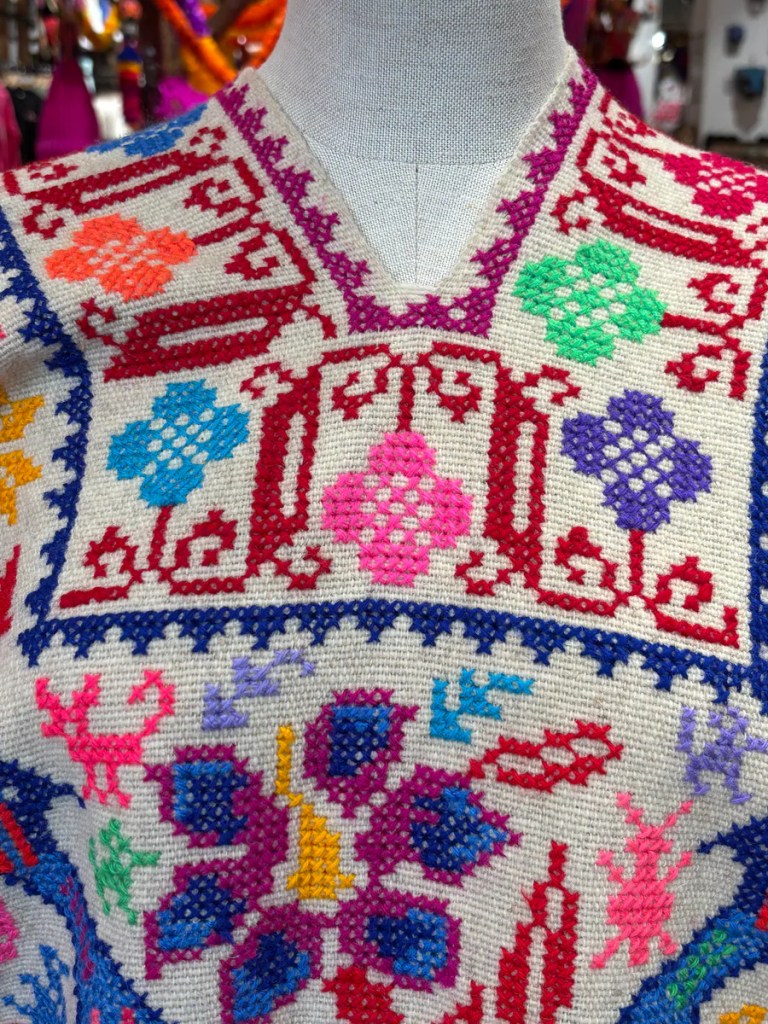
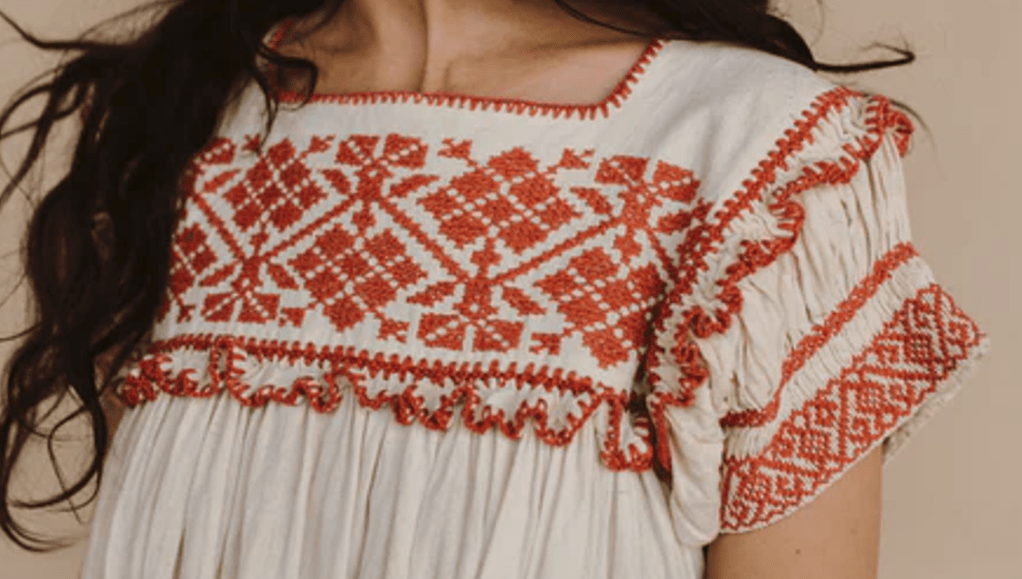
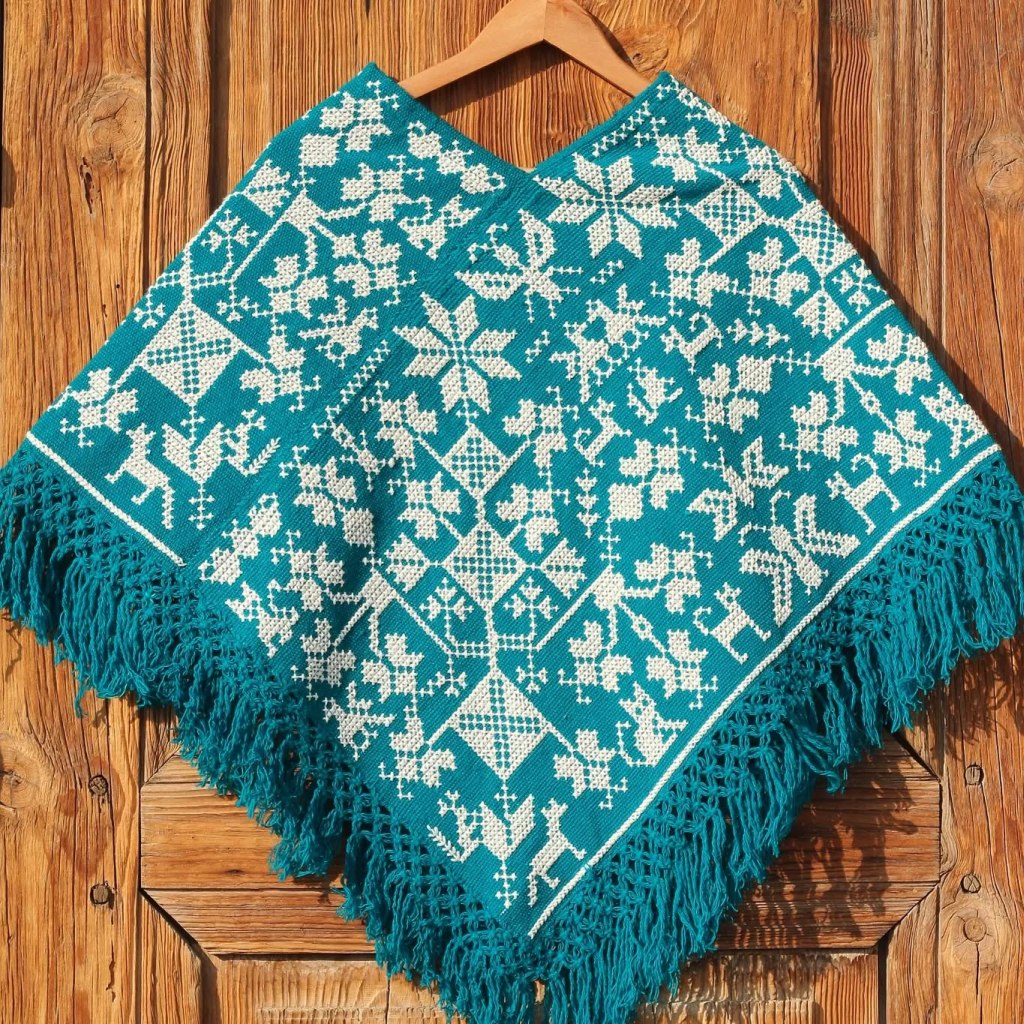
The clothmakers, weavers and embroiderers of Hueyapan honour the tradition of using herbs, plants and other natural dyes to colour their yarn and cloth.
Among the dyeing plants used are arnica (Arnica montana) and marigolds (Tagetes erecta) that give yellow tones; Green Teshuat (Miconia mexicana) and Brown Teshuat (Miconia sp.) provide brown tones; Cedar (Cupressus lusitánica) and Elderberry (Sambucus nigra) provide a green color.
Ancestral knowledge in the preparation of other shades such as chedron, pink, and black is in danger of disappearing
Artistic representations from the community of Hueyapan have been commercially abused. Both by craft galleries from Mexico and abroad. Dealers buy the textiles in the Hueyapan community at low prices, then resell in airport and commercial stores for many times over the price they paid.
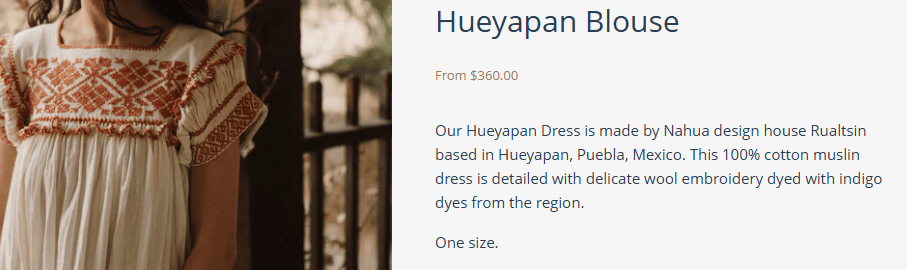
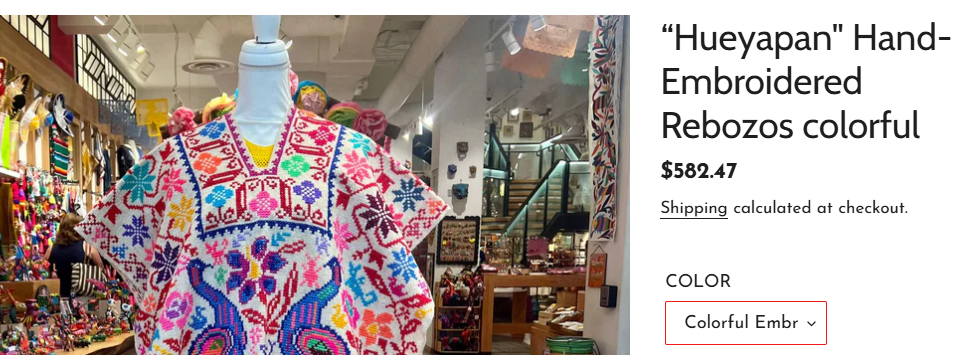
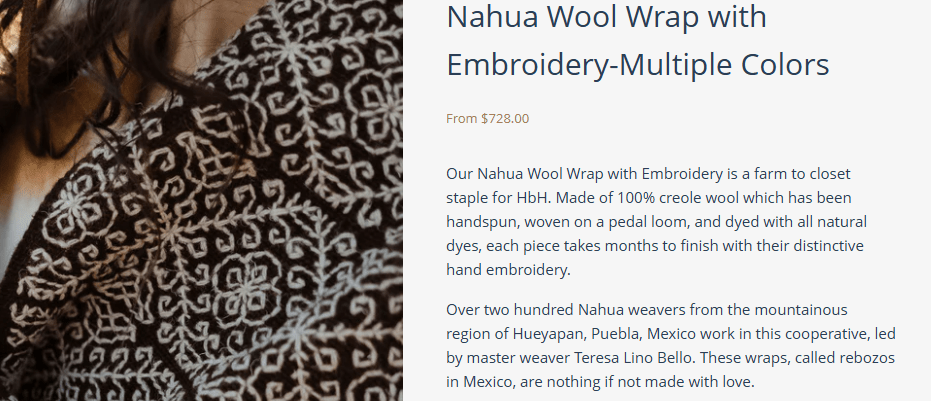
$728 US Dollars is the equivalent of over 13,000 Mexican pesos (as at 13.01.26)
Manuela Maximina Viñales, 53, a weaver from Hueyapan also explains that plagiarism and cultural appropriation have become commonplace. This situation has become so frequent that there are days when she returns home (from the mercado) without having sold a single piece.
Random articles referencing the cultural appropriation of indigenous designs by large fashion labels
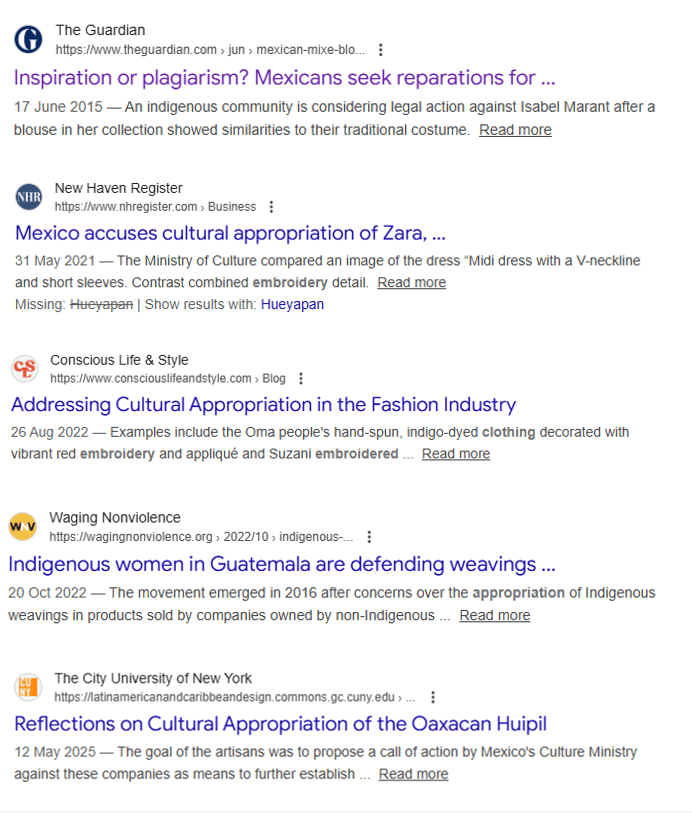
The artists of Hueyapan are seeking (and very close to getting) a denominación de Identidad Geográfica (Geographical Identity designation) from the Instituto Mexicano de la Propiedad Industrial (IMPI) to protect them from plagiarism, counterfeiting, devaluation and unfair competition.
Artistic Representations
Carlos Mérida’s illustrations of traditional dress from various regions of Mexico are part of a portfolio containing 25 bright and elegant serigraphs (1).
- A serigraph (or serigraphy print) is a fine art print made using the screen printing (or silkscreening) process, where ink is pushed through a mesh stencil onto a surface, creating vibrant, textured images often produced by hand in limited editions. The term distinguishes artistic prints from mass-produced commercial applications, deriving from Latin seri (silk) and Greek graphos (to write)
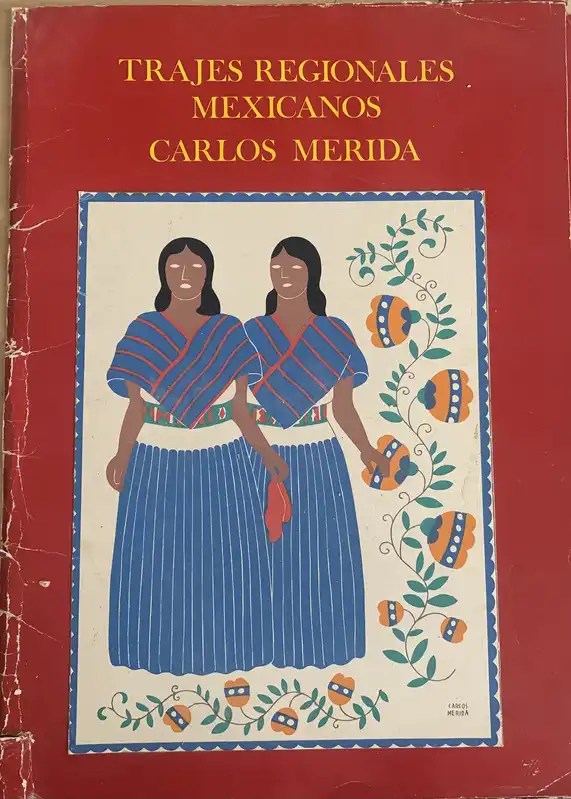
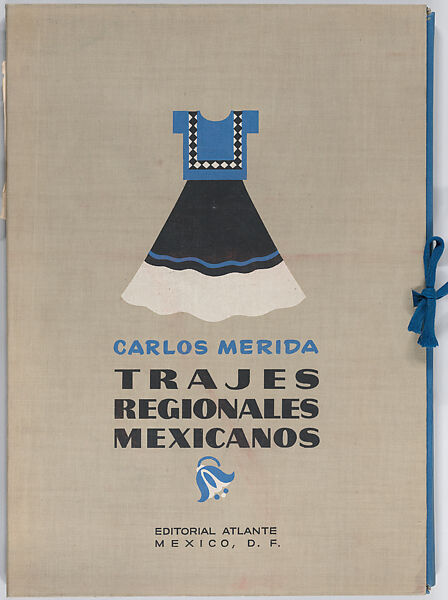
One thousand copies of Trajes Regionales Mexicanos (Mexican Regional Dress) circulated during the 1940s and helped to generate awareness of the many cultures within Mexico and their distinct clothing traditions. Mérida has documented and preserved culture through these colourful, detailed prints.
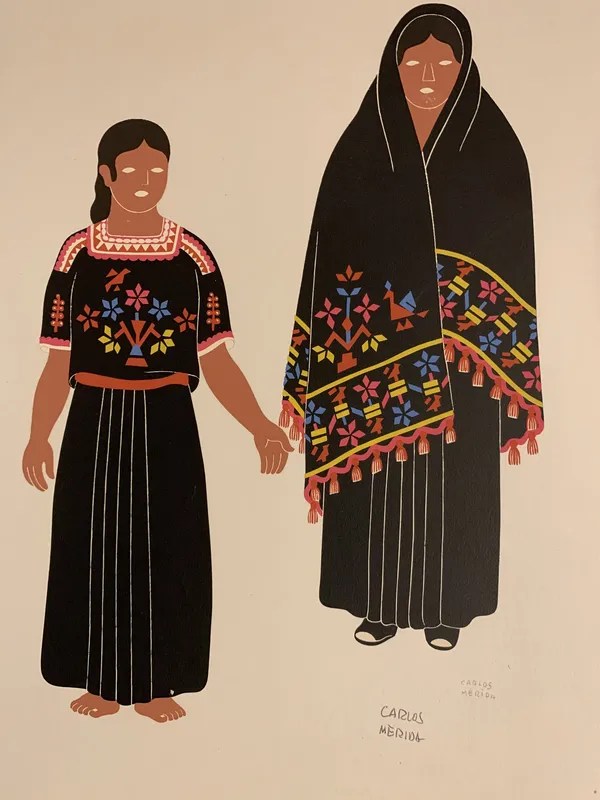
Carlos Mérida (born 1891 Guatemala City; died 1984-85? Mexico City)
From 1910–14 he lived in Paris, where he met leading avant-garde artists including Pablo Picasso, Piet Mondrian, and Amadeo Modigliani. In 1914 he returned to Guatemala where he worked with sculptor Rafael Yela Gunther and in 1919 moved to Mexico City where he became active among Mexican muralists like Diego Rivera and Rufino Tamayo, working as Rivera’s assistant on his murals for the Simón Bolivár Amphitheatre.
Some examples of Carlos Meridas work
Danzas
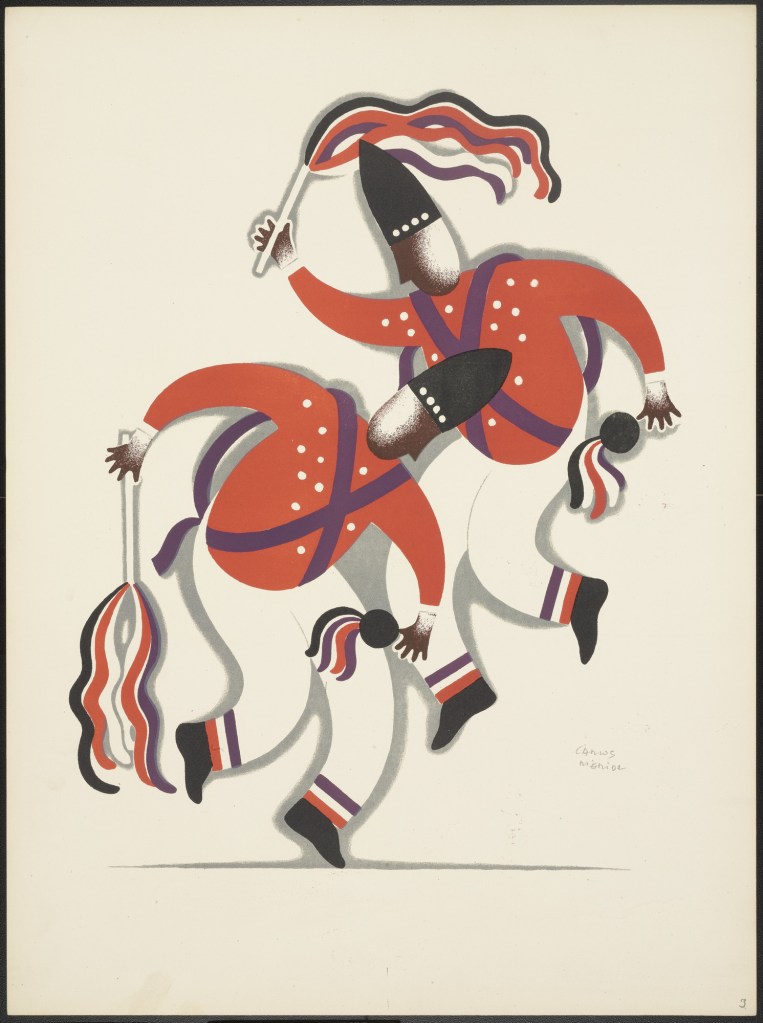
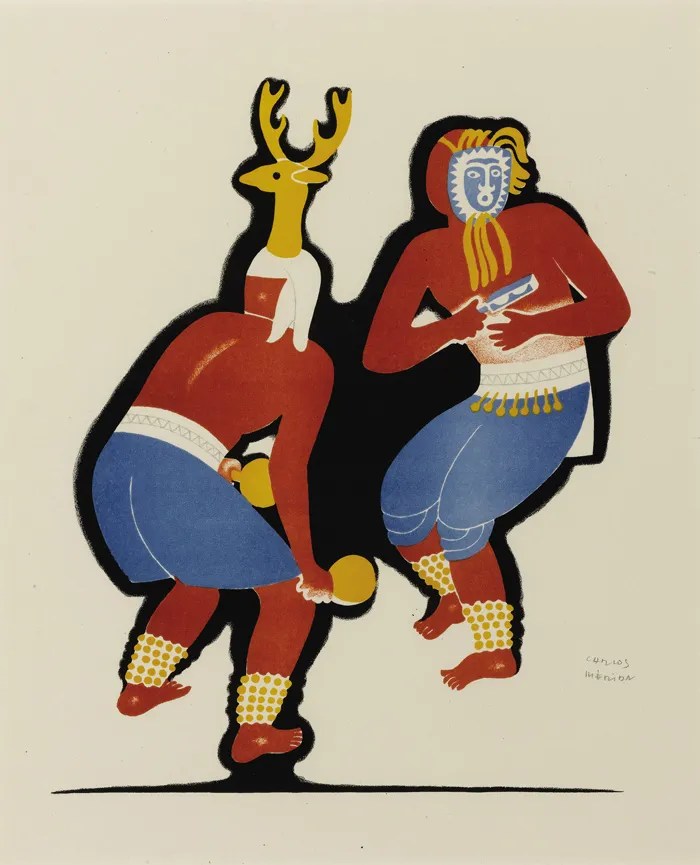
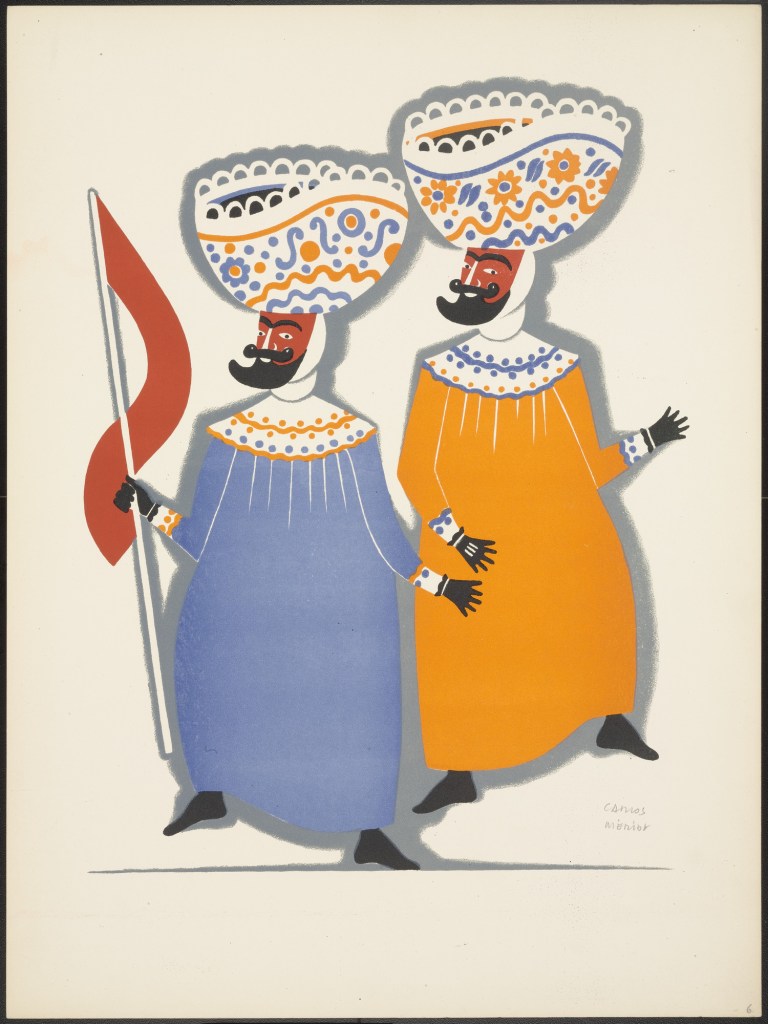
Unlike the muralists, Merida lacked interest in recreating historic events with meticulous details and heavy political overtones; instead he absorbed the aesthetics and themes of his native culture and let that influence his artwork.
Returning to Europe in the late 1920s, Mérida shifted away from figuration, instead developing an abstract style inspired by Paul Klee and Joan Miró as well as Mayan geometric forms.
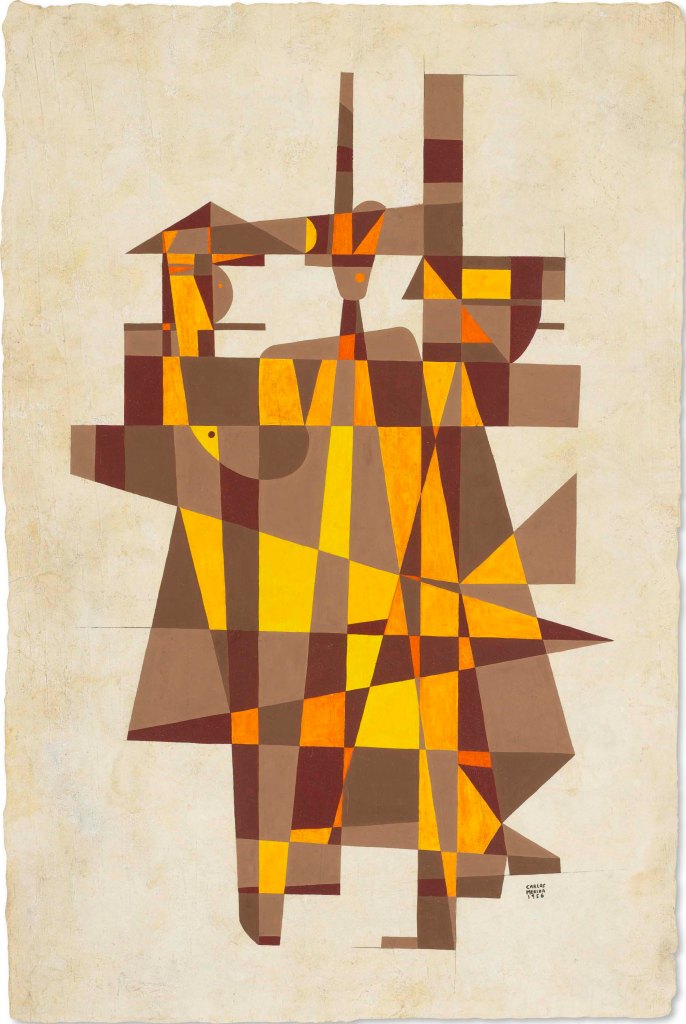
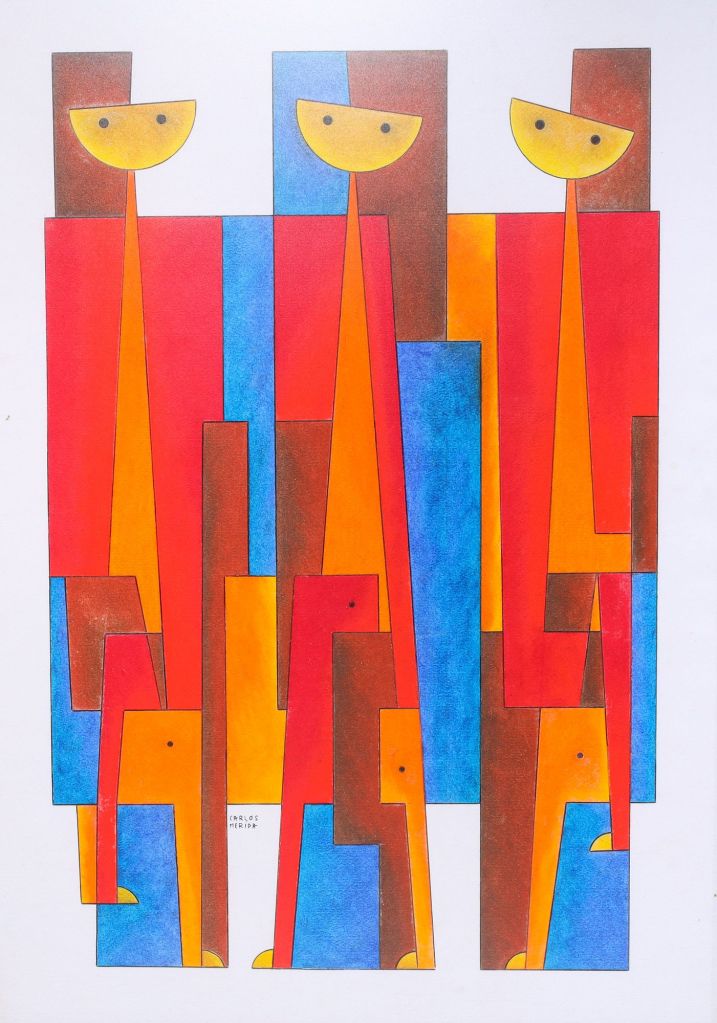
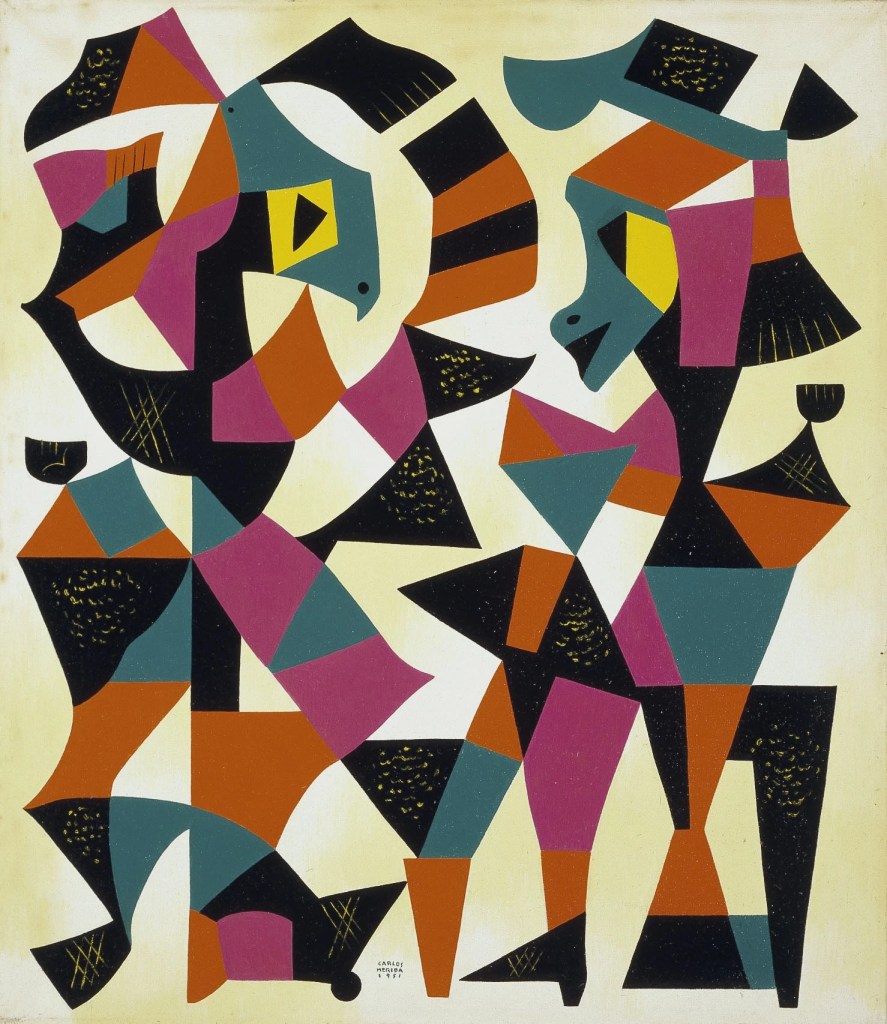
Mérida later became interested in the integration of art and architecture.
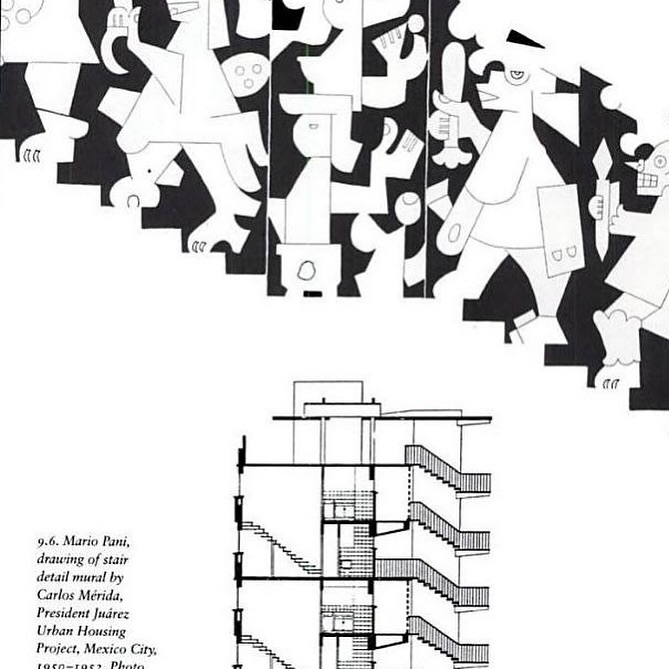
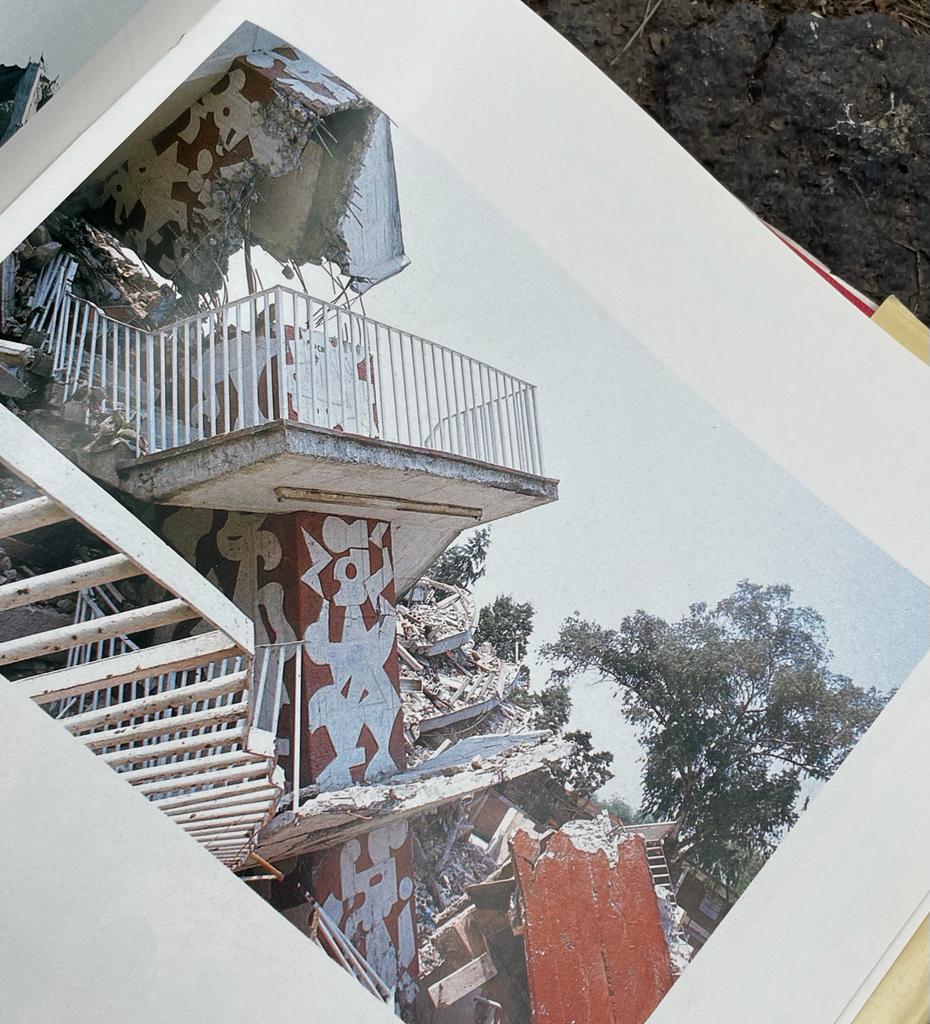
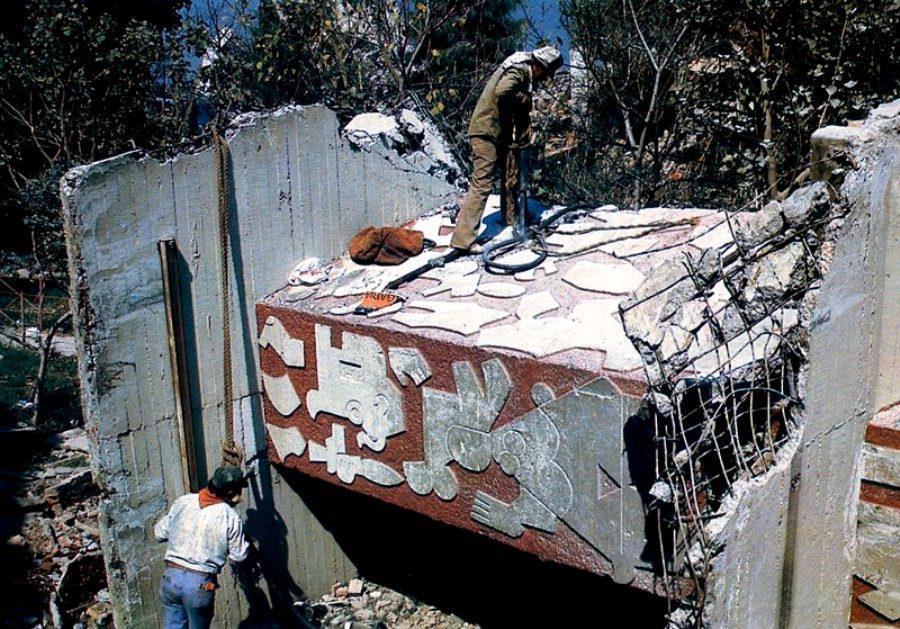
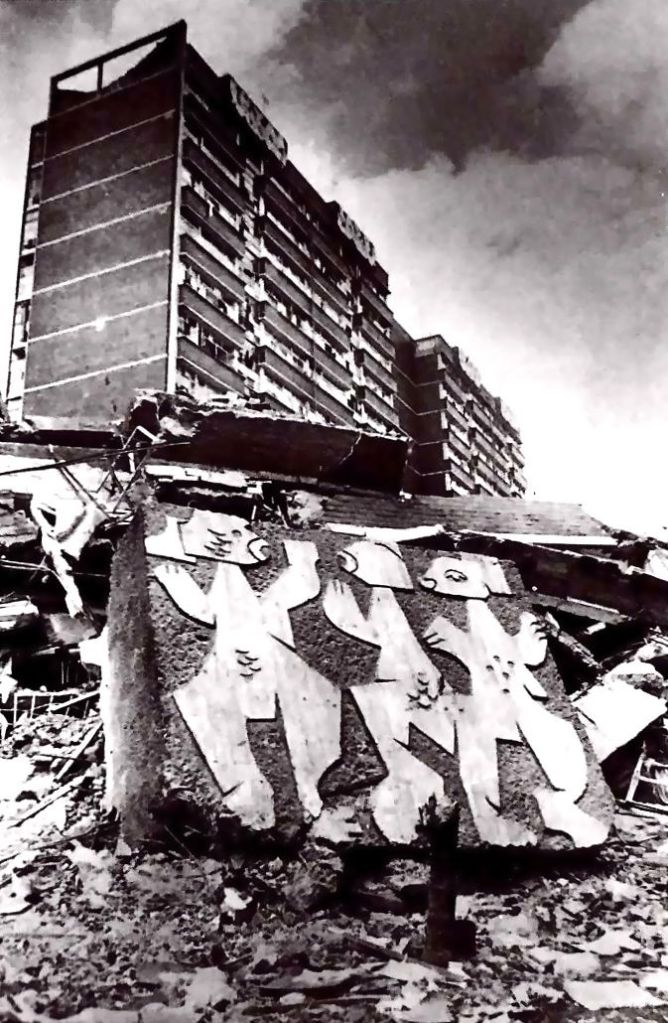
At over 4,000 square meters, Carols’ mural for the Benito Juárez housing project (1) was at that stage the world’s largest mural of this type.
- The term “Benito Juárez housing project” typically refers to the historic Centro Urbano Benito Juárez (Multifamiliar Juárez) in Mexico City, a large modernist complex built in the 1940s-50s by architect Mario Pani, known for its integrated services, green spaces, and Carlos Mérida murals. See This is Mexico : Building a Country : The Architecture of Mexico : Part 4 : Vecindades for more on this
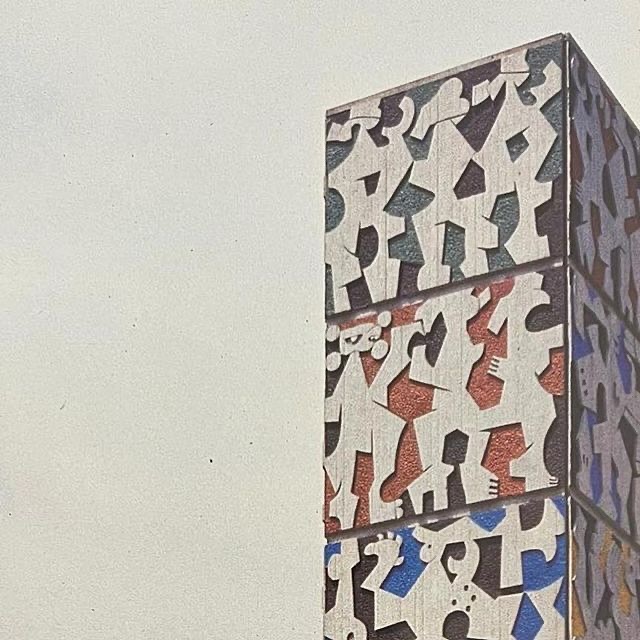
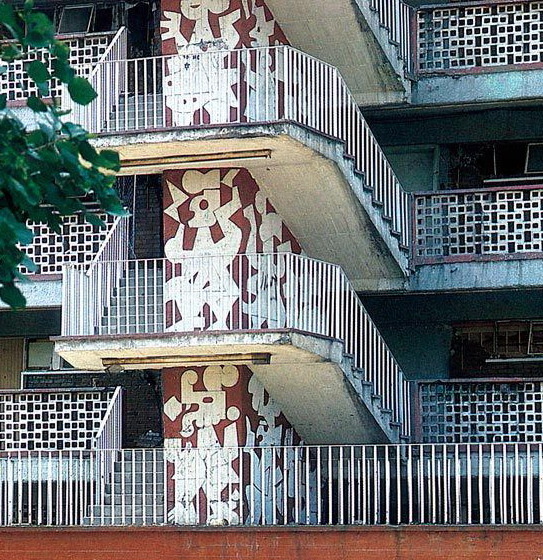
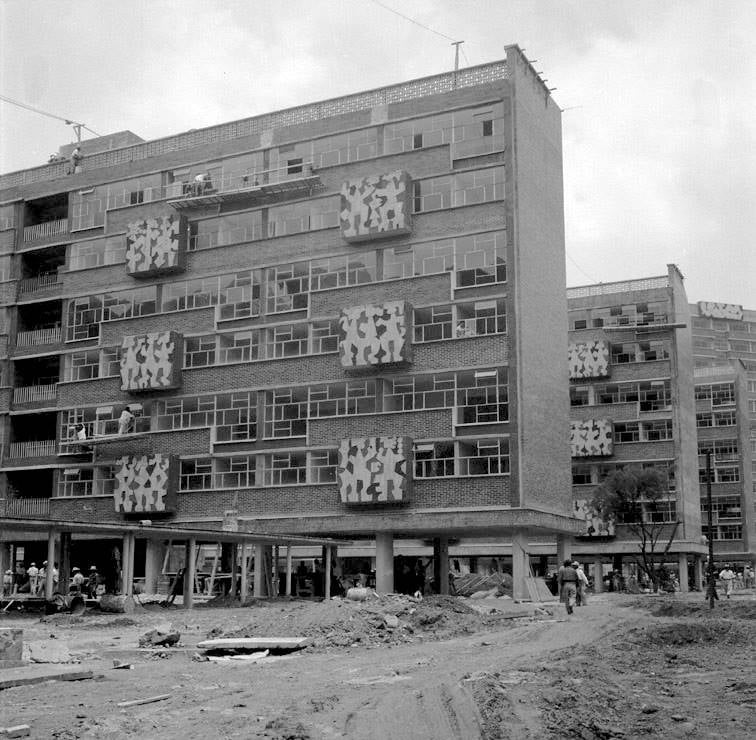
The majority of the work was destroyed in Mexico’s tragic 1985 earthquake.
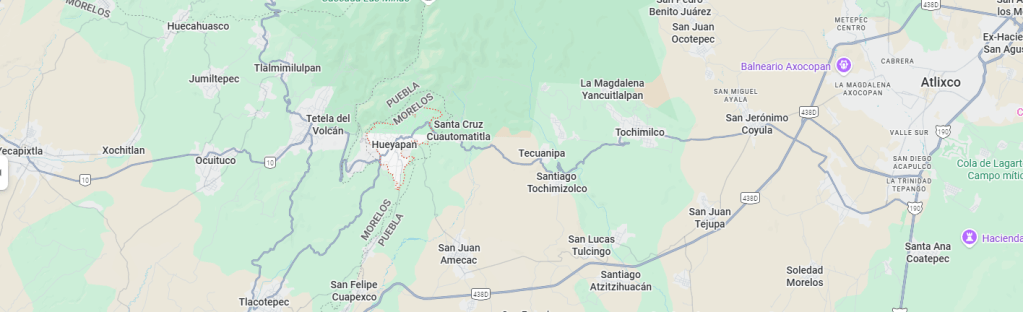
There was another name that jumped out at me. Jumiltepec (top left quadrant of map above). Jumile mountain?
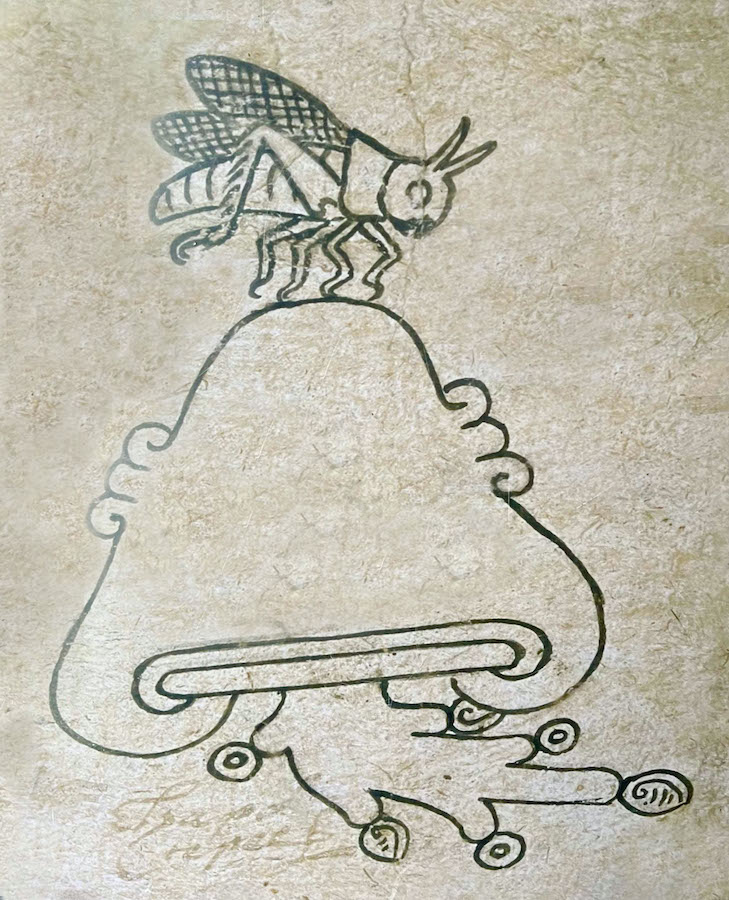
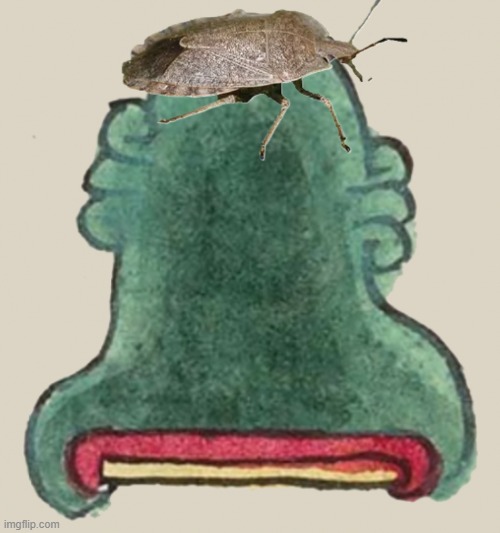
There is always more to find to love about Mexico and it brings my a great sense of excitement and joy to stumble upon a Mexican artifact in a place like Perth Western Australia which is about 16,300 kilometres from its creation source, Hueyapan Mexico. When you consider the fact that the circumference of the whole planet Earth is a little over 40,000 kilometres then you find that you have in your hands an artifact that has travelled almost to the opposite of the planet from where it was born. This fascinates me.
References
- Friedlander, Judith. (2006). Being Indian in Hueyapan: A revised and updated edition. 10.1057/9780230601659.
- Himmerich y Valencia, Robert (1996). The Encomenderos of New Spain, 1521-1555. Austin, TX: University of Texas Press.
- HLÚŠEK, Radoslav (2107) Hueyapan Life Under/With the Volcano. Ritual Landscape of a Nahua Community Axis Munsi axis1-2017-12-06_Layout 1 12. 6. 2018 11:38 Page 16https://fphil.uniba.sk/fileadmin/fif/katedry_pracoviska/kpr/axismundi/AxisMundi_2017___1_studia_Hlusek.pdf
- Lorenzo-Modia, María. (2017). Mary Hays’s Biography of María de Estrada, a Spanish Woman in the American Conquest. ES Review. Spanish Journal of English Studies. 11. 10.24197/ersjes.38.2017.11-25.
- Mérida, Carlos. Hueyapan of the State of Puebla. 17.5.8. 1941. Tulsa: Gilcrease Museum, https://live-gmcd.pantheonsite.io/object/1758 (09/23/2019).
- Torquemada, Juan de, approximately 1557-1664 & Barcia Carballido y Zuniga, Andres Gonzalez de, 1673-1743. (1943). Monarquia indiana, por fray Juan de Torquemada. Mexico, D.F : S. Chavez Hayhoe
Websites
- Artisan Textiles of Hueyapan, Morelos : October 8, 2025 : https://allmexico.store/textiles-of-mexico/artisan-textiles-of-hueyapan/
- Capilla del Calvario (Hueyapan) Estado de Puebla,México BY Catedrales e Iglesias Arquidiócesis de Puebla – http://www.arquidiocesisdepuebla.org.mx/
- Chapel of the Calvary of Hueyapan – https://en.paseopormexico.com/travel/441/capilla_del_calvario_de_hueyapan
- Descubre por qué los textiles de Hueyapan son el tesoro mejor guardado de Puebla (Discover why the textiles of Hueyapan are the best-kept treasure of Puebla) – https://www.mexicodesconocido.com.mx/textiles-hueyapan-puebla.html
- Enciclopedia de los Municipios de México : Puebla : HUEYAPAN – https://www.mexicantextiles.com/library/nahua/hueyapan.pdf
- Etymology Hueyapan
- Natural Dyeing in Hueyapan, Puebla – https://weavearealpeace.org/natural-dyeing-in-hueyapan-puebla/
- Plagio amenaza a bordados de Hueyapan; artesanas y artesanos demandan protección legal “Plagiarism threatens Hueyapan embroidery; artisans demand legal protection” : Friday, August 29, 2025 : https://oem.com.mx/elsoldepuebla/cultura/plagio-amenaza-a-bordados-de-hueyapan-artesanas-y-artesanos-demandan-proteccion-legal-25459907
Images
- Chapultepec Glyph – https://aztecglyphs.wired-humanities.org/content/chapoltepec-mxnus35
- Hueyapan (About page) https://www.hueyapanmorelos.gob.mx/acercade.html
- Hueyapan Embroidery
- María Estrada: Hernán Cortés’ best female soldier – https://webhispania.info/maria-estrada-hernan-cortes-best-female-soldier/
- Templo Santa Maria Magdalena,La Magdalena Tlatlauitepec,Estado de Puebla,México : Catedrales e Iglesias/Cathedrals and Churches – https://www.flickr.com/photos/eltb/23986545293/in/album-72157663250436749
- Tetela de Volcan – By Wasquewhat – Own work, CC BY-SA 4.0, https://commons.wikimedia.org/w/index.php?curid=36661154
- Hueyapan Centro (taken from) Voladores : via Puebla on Facebook – https://www.facebook.com/photo/?fbid=10159597793675956&set=a.10150124389820956

