Ecologically friendly alternative to leather from the Nopal cactus

This October two inventors from Guadalajara in Mexico will travel to Milan in Italy to showcase a new product made from the nopal cactus at Lineapelle. Lineapelle is a prestigious international trade exhibition of leather goods which is held twice a year and exhibits “New trends in leather, textiles and synthetics for shoes, handbags, leather goods and leatherwear”. In the upcoming October fair Adrián López … Continue reading Ecologically friendly alternative to leather from the Nopal cactus

Quelite : Epazote

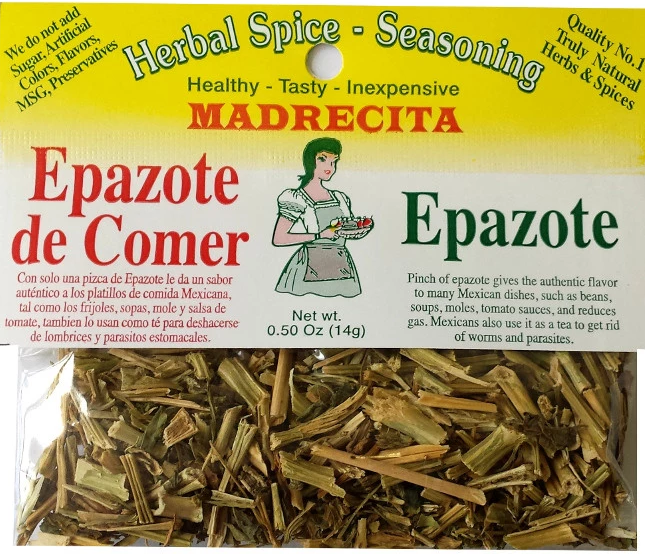
Chenopodium ambrosiodes (Synonyms: Teloxys ambrosioides, Dysphania ambrosioides) Epazōtl : from Nahuatl, epatl – skunk and tzotl – sweat (1). I have seen this translation noted as being “epatli = skunk; zotli = grass”. There’s no confusion re skunk but I think there may have been over “zotli = grass”. The Nahuatl word for grass is zacatl (zacate en Español). There is a Nahuatl word “tzontli” … Continue reading Quelite : Epazote

Flor de Maguey : The Agave Flower

We primarily know the maguey as being edible for its “juice” which can be used to make the fermented drink pulque or the distilled drinks mezcal, tequila, bacanora and raicilla (as well as all the un-named vino de agaves). But…..did you know the agave can be eaten? The baked pencas (1) and quiote (2) are quite edible (3). the leaves of the agave the flowering … Continue reading Flor de Maguey : The Agave Flower

Quelite : Tlapanche

also called, quelite de venado, lapandzi, lapantsi, átlapántsin, aclapanchis, papalo de cerro, papalo criollo Jesús Hoyos Hernández on his blog (1) speaks of this herb. It is not very well known and can be confused with papalo as it is similar in appearance although, according to Jesús, its aroma and taste is very different. This plant has previously been identified as P.punctatum but P.pringlei, P.ruderale, P.nutans (2) and P.calcicola have … Continue reading Quelite : Tlapanche

Quelite : Porophyllum obscurum

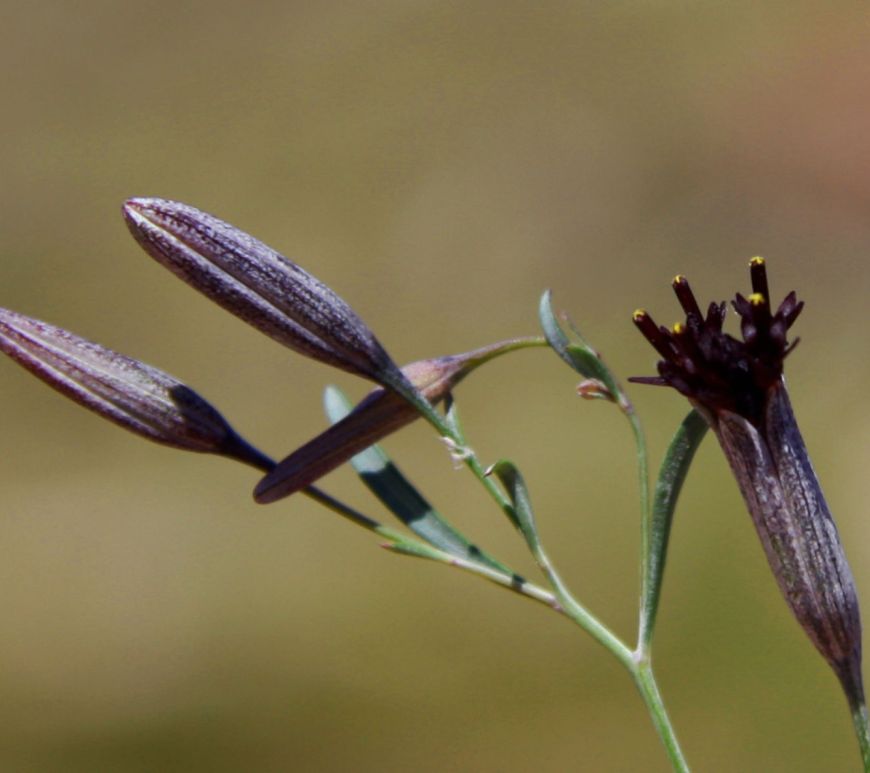
Cover Image : Porophyllum obscurum (Spreng.) DC. – Specimen Zappi, D.C. 2294 ID:6558 © RBG Kew https://creativecommons.org/licenses/by/3.0/ Synonyms (1) Kleinia obscura Spreng. (basionym) Kleinia linifolia Gillies & D.Don ex Hook. & Arn. Porophyllum eremophilum Cabrera Porophyllum haenkei DC. Porophyllum lineare DC. Porophyllum oblanceolatum Rusby Basionym (2) : Kleinia obscura Heterotypic (3) Synonyms Kleinia linifolia Gillies & D.Don ex Hook. & Arn. Porophyllum eremophilum Cabrera Porophyllum … Continue reading Quelite : Porophyllum obscurum

Moorish Influence in Mexico

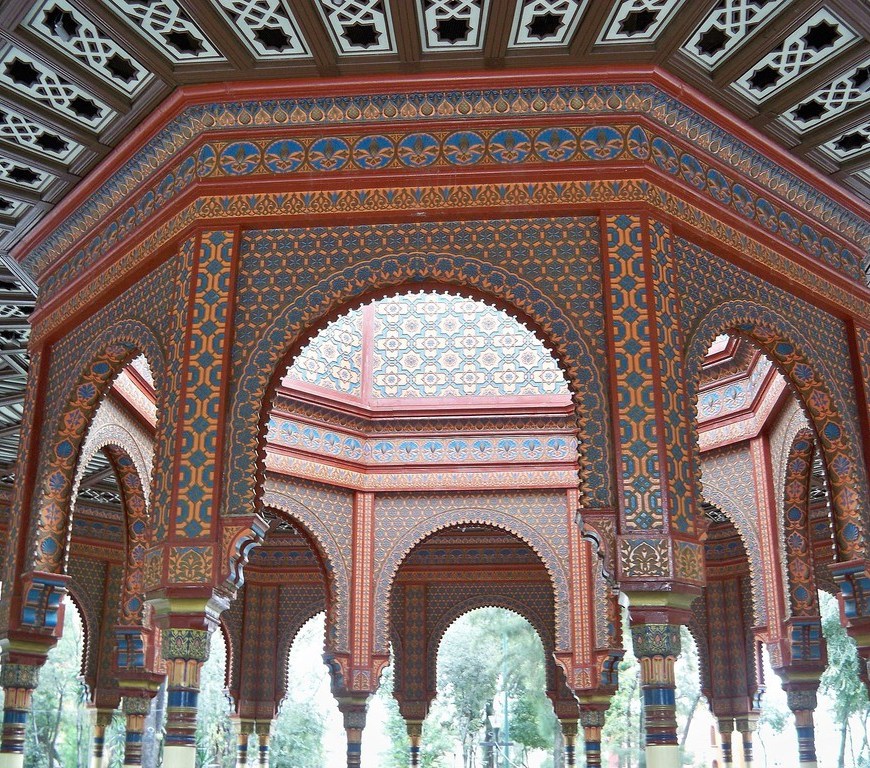
Spanish thought and culture was influenced by nearly 800 years of Muslim occupation and European civilization in general was profoundly affected by Moorish culture. The use of aromatic herbs and spices was popular in the Old World. Empires were being built on the acquisition of the most exclusive and expensive cooking ingredients (many spices were also used as medicine) and spices too were readily taken up by … Continue reading Moorish Influence in Mexico

Did Columbus Cheat? The Piri Reis Map

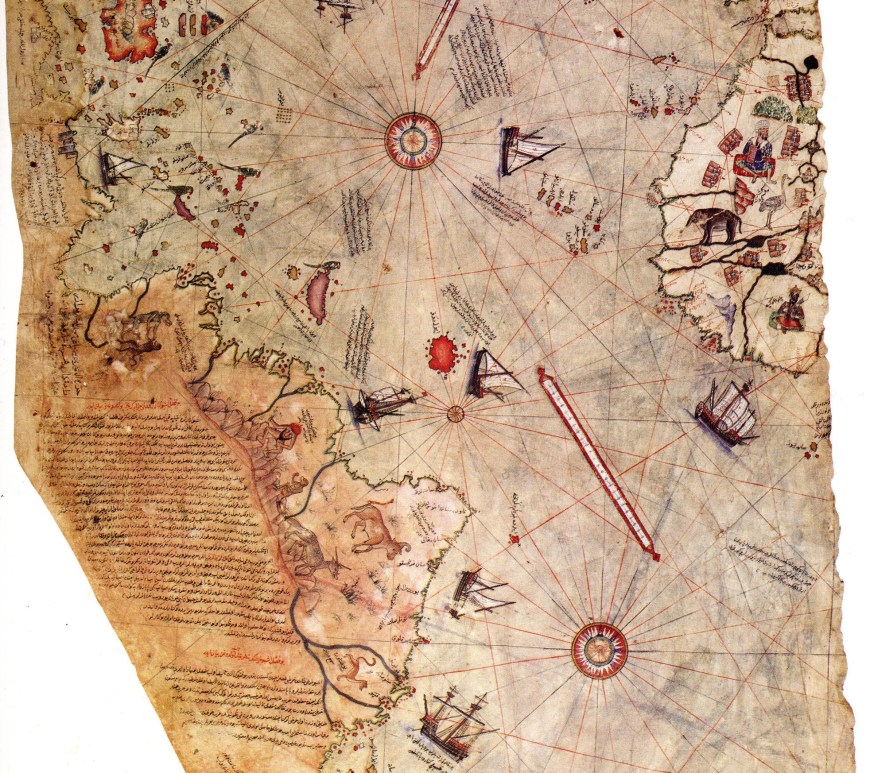
The Piri Reis Map of 1513 is the first surviving map that shows the Americas. It is said to show North America, South America, Greenland and Antarctica. This was surprising since Antarctica had not been discovered until 1820 and somewhat more intriguingly it appears to show the land mass before it was covered in ice, over 6000 years ago. The map showed the outline of … Continue reading Did Columbus Cheat? The Piri Reis Map

Medicinal Qualities of Pulque

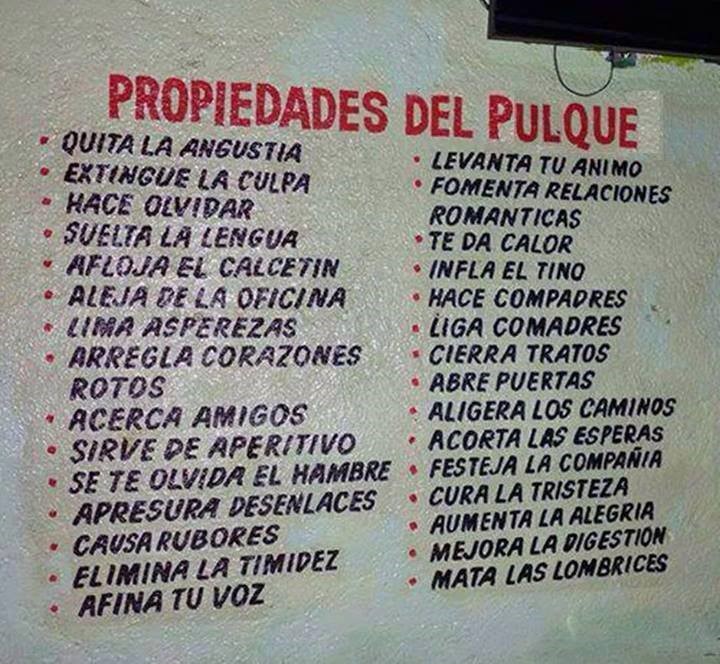
Aguamiel and pulque are both highly nutritive liquids. Aguamiel in its raw state (prior to fermentation) contains essential amino acids, proteins, vitamins, gums and minerals and is a valuable water substitute in areas where water may be scarce or potentially contaminated and unsafe to drink. When aguamiel is dehydrated it is composed of around 90% sugars (mainly sucrose, glucose and fructose) and around 10% fructooligosaccharides (fructans – primarily … Continue reading Medicinal Qualities of Pulque