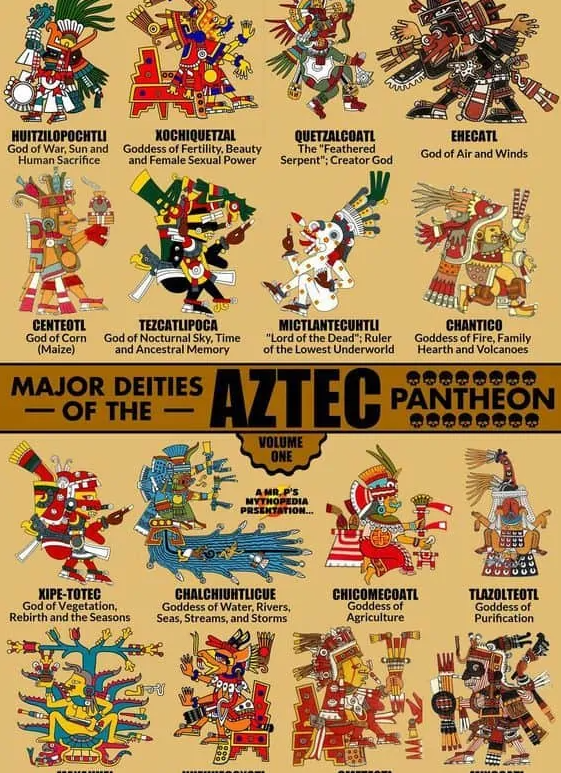
Aztec Gods or States of Consciousness?

I have previously written of the mythology (1) of various Aztec deities (2) and even the origin of the word Aztec or if there was even a people known as the Aztecs (3). I recently came across a video regarding Dia de muertos (4) that has convoluted the issue even more. It seems that even amongst those knowledgeable of such things there is even more … Continue reading Aztec Gods or States of Consciousness?

Lactucarium. Parte the Thirde.

Aaaaargh. My daughter (bless her soul) was cleaning the house today (again with the blessings) and she “cleaned up” all the dried sap/latex/resin I had collected. Aaaaargh. To the beginning I go. The main plant I have been collecting from has grown considerably taller. By about a third perhaps. (7 bricks taller maybe). The plant has also sprouted a few more growing tips. I found … Continue reading Lactucarium. Parte the Thirde.

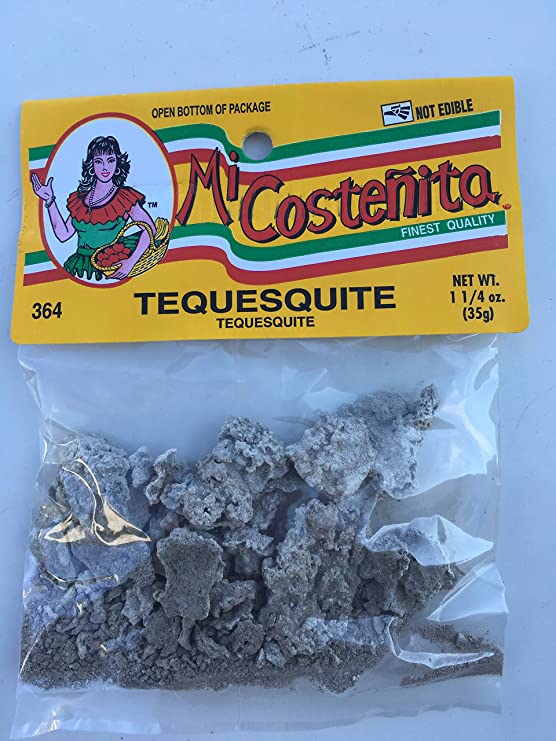
Tequesquite

or tequexquite (from Nahuatl tequixquitl) tetl: stone, and quix-quitl: sprout, sprouting stone. Quixquitl has also been said to translate as “foaming/efflorescent” (1) (Parsons 2001) or “something that comes out by itself, that floats” (algo que sale por sí mismo, que flota). Also called : sal de tierra (land/earth salt), sal de laguna (lagoon salt) Tequesquite is a natural mineral salt containing compounds of sodium chlorate, … Continue reading Tequesquite

Damianita : Chrysactinia mexicana

Syn Pectis taxifolia Also called : false damiana (1), damianita daisy, Garañona, Calanca (Vera Cruz) ; Yeyepaxtle (Puebla) ; San Nicolas; hierba de San Nicolas (Coahuila, Durango, San Luis Potosi) ; damiana, damianita (Chihuahua, Durango, Texas), mariola (Valley of Mexico), false damiana, romerillo (Coahuila, Hidalgo); also said to be known as guayule (Lappas & Gustafson 1950) Bigelowia veneta and Haplopappus laricifolius are also called false … Continue reading Damianita : Chrysactinia mexicana

Guaje.

Guaje pods grow from a tree known as Leucaena leucocephala. leucocephala (“leu” meaning white from the Greek “leukos” and “cephala” – head refers to the flowers) also known as cuaje, huajes, hauxya, huaxin, guash, guashe (Chiapas), guaje beans, cacalas, cascalhuite, Leadtree, White Popinac, Wild Tamarind or River Tamarind; Uaxim (Maya), ipil ipil (Philippines), Narendhar (India), Safed babul (Hindi), White Babool, Yin He Huan (Chinese) When … Continue reading Guaje.

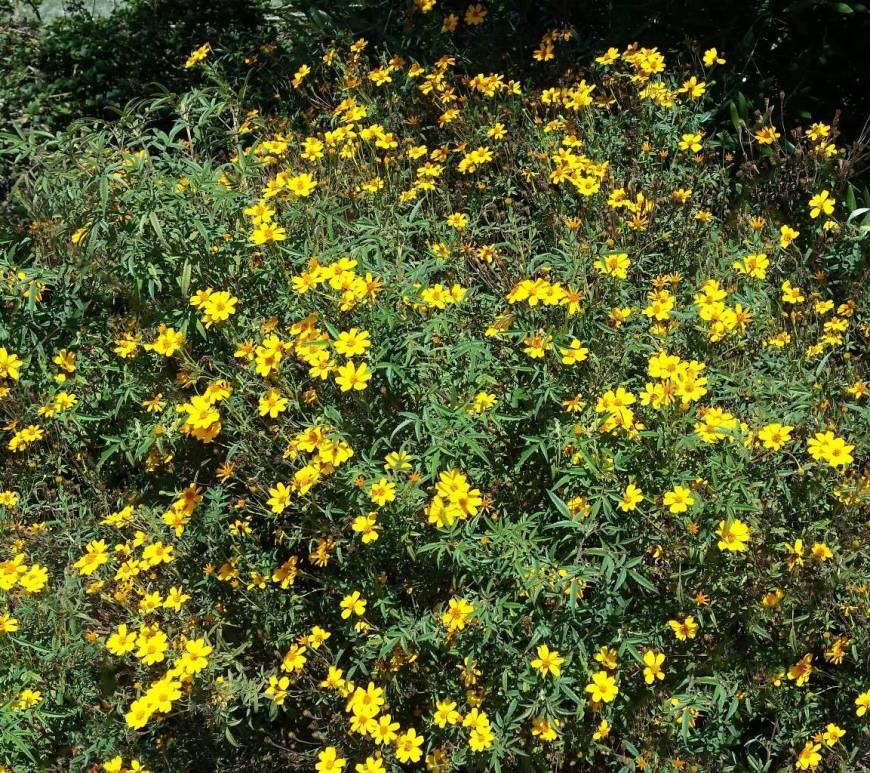
Mexican Mint Marigold

Tagetes lemmonii Also called : rudilla, Lemmons marigold, Copper Canyon Daisy, Mountain Marigold, Mexican Marigold, Passionfruit Marigold, Tree Marigold, Tangerine Marigold, Mount Lemmon Marigold, Texas tarragon T.lucida (pericón) is also known by the moniker Mexican Mint Marigold. (See Post : Pericón. Tagetes lucida) T.lemmonii is native to the states of Sonora and Sinaloa in north-western Mexico as well as southern Arizona in the Estados Unidos. … Continue reading Mexican Mint Marigold

Bifora. Another Cilantro Substitute?

Bifora testiculata syn Coriandrum radians (M.Bieb.) Also called : cilantro, cilantro real, carrot weed, bird’s eye, European bishop, Wild Bishop, Dubbelkoriander, Dobbeltkoriander, Getreideverpester (cereal polluter), Bumnieher, Kosbor Salvagg, חריריים מצויים, كزبرة In 1905 Joseph Rose whilst working for the US Herbarium (1) noted in the describing of Porophyllum macrocephalum (2) that it had the “odor of bifora”. This piqued my interest as it was my … Continue reading Bifora. Another Cilantro Substitute?

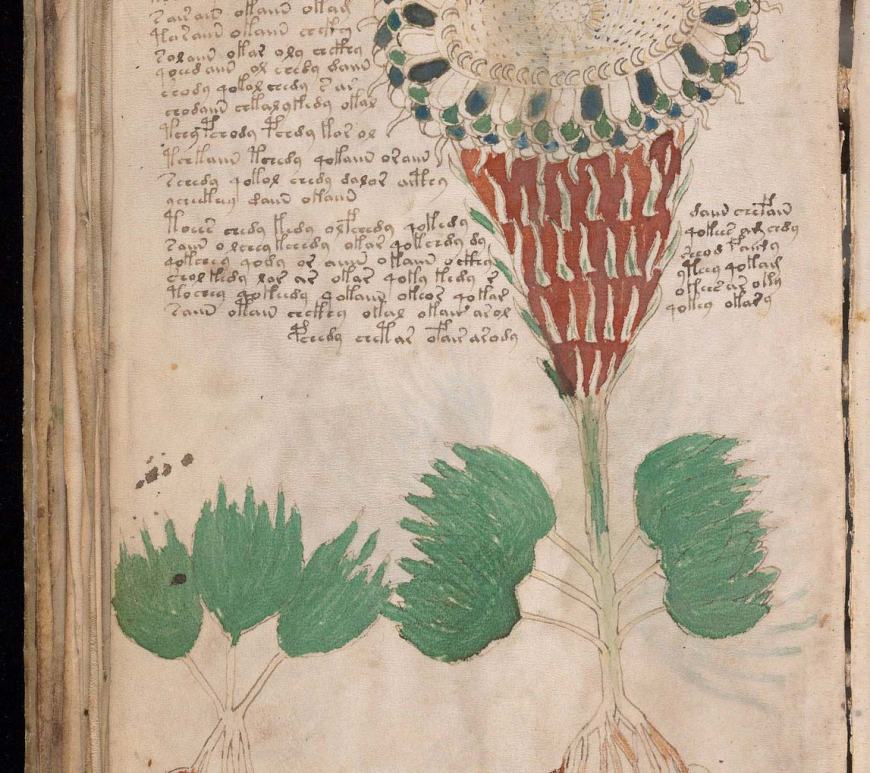
Tlatlaolton. Which Porophyllum Are You?

Cover Image from the Voynich Manuscript Also called : Chepiche, escobilla, pipicha, pipizca Are you even a Porophyllum? It appears so. But let’s investigate. Tlatlaolton has been classified as Porophyllum coloratum (1) (Kunth) DC (2). Esparza Villarreal (2019) : Synonyms : Kleinia colorata Kunth; Porophyllum seemannii Sch. Bip.: Porophyllum simplex M.E. Jones P.gracile, P.tagetoides, P.seemanii and P.viridiflorum have all been put forward as contenders in … Continue reading Tlatlaolton. Which Porophyllum Are You?

Medicinal Qualities of Amaranth

Amaranthus species plants can be broken down into 3 basic categories, grain, leaf and ornamental. All varieties of the plant can be eaten as a green leafy vegetable when the plants are young enough and all will provide seed to one degree or another but only a few provide enough seed to be considered viable as a foodstuff. Species primarily used for their seeds are … Continue reading Medicinal Qualities of Amaranth

Chinchweed : Pectis papposa

(Pectis papposa) Syn. Pectis angustifolia Torr also called Fetid marigold, Pague, Limoncillo, Lemonscent, Crownseed Pectis, Lemon-scented Pectis, Lemonscent Pectis, Lemonweed, TshéGdannItc’iih (Navajo), manzanilla del coyote, ban mansani:ya, caasol heecto (small caasol), caasol ihasii quiipe (pleasant smelling caasol (Seri), ban manzani;ya I have recently come across this plant during my research into the porophyllums. I was initially drawn to the porophyllum species because of the impact … Continue reading Chinchweed : Pectis papposa