Moorish Influence in Mexico

Spanish thought and culture was influenced by nearly 800 years of Muslim occupation and European civilization in general was profoundly affected by Moorish culture. The use of aromatic herbs and spices was popular in the Old World. Empires were being built on the acquisition of the most exclusive and expensive cooking ingredients (many spices were also used as medicine) and spices too were readily taken up by … Continue reading Moorish Influence in Mexico

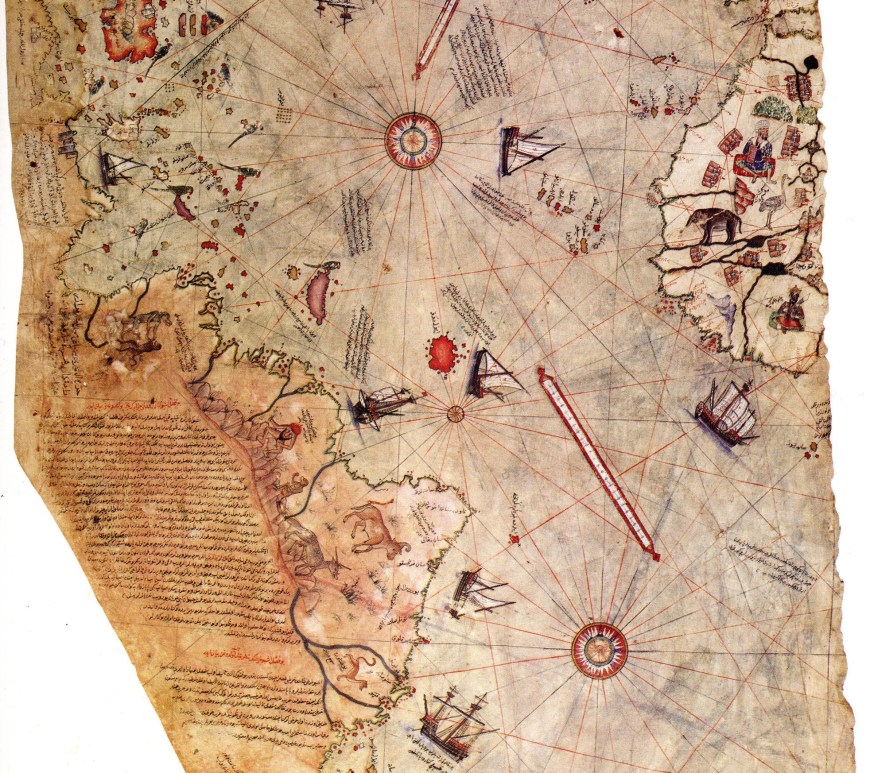
Did Columbus Cheat? The Piri Reis Map

The Piri Reis Map of 1513 is the first surviving map that shows the Americas. It is said to show North America, South America, Greenland and Antarctica. This was surprising since Antarctica had not been discovered until 1820 and somewhat more intriguingly it appears to show the land mass before it was covered in ice, over 6000 years ago. The map showed the outline of … Continue reading Did Columbus Cheat? The Piri Reis Map

Origins of the words Aztec and Mexico

These two words which are integral to the heart of México are inextricably intertwined. It has been posited that the root for the word México was metl, the Náhuatl root of the word maguey or metztli (the moon) and xictli (centre or navel). Others, being friars of the Franciscan or Dominican variety, thought that the Mexican peoples were of Hebrew descent (being one of the … Continue reading Origins of the words Aztec and Mexico

The Triple Alliance

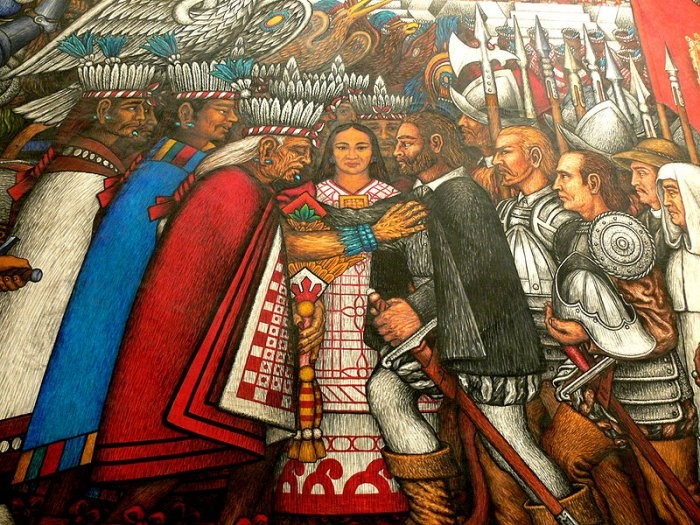
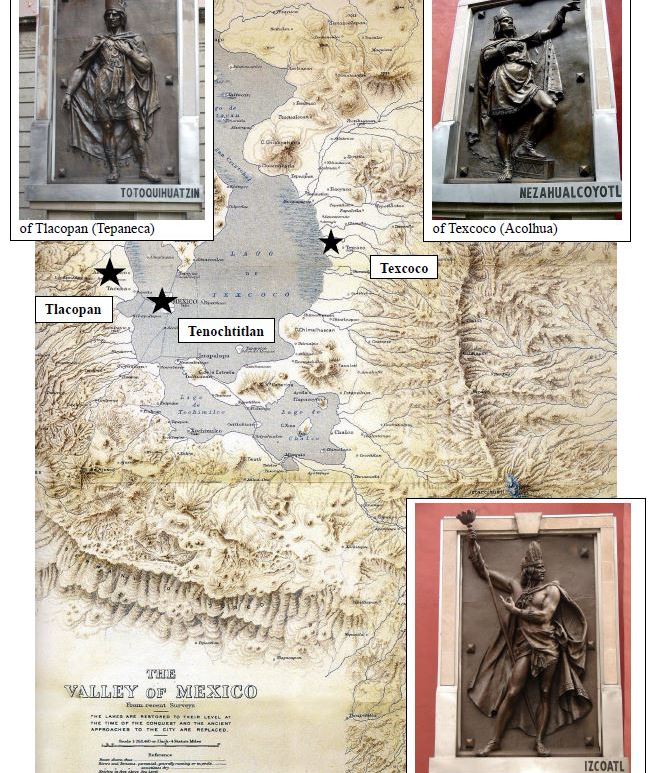
How the terms Mexico and Aztec may have entered history. Who were the Aztecs? Were they an actual people like the Totonacs, the Zapoteca or the Mexica; or did the word Aztec define something else entirely? The first published use of the term “Aztec” was when Father Francisco Javier Clavijero Echegaray included it in his book La Historia Antigua de México (1780). A few decades … Continue reading The Triple Alliance

Xochipilli. The Prince of Flowers

Xochipilli (1) was considered one of the more benevolent of the Mesoamerican deities and he was popular amongst the chinampa dwellers to the south of Tenochtitlan. This statue was excavated near Tlalmanalco (2) in the shadow of the volcano Iztaccihuatl (3) and has been registered as part of the collection of the National Museum of Anthropology since 1882. Sacrifices to him generally consisted of garlands … Continue reading Xochipilli. The Prince of Flowers

Quelites : Quilitl

Even though anthropological studies are often undertaken there are no truly accurate records of the native use of wild plants. The daily foods of indigenous peoples are usually considered a food of low social status and are often overlooked by peoples of a “developing” society, in particular those people of the society doing the developing. This was the case in Mexico where some plants were … Continue reading Quelites : Quilitl

What is Curanderismo?

I am asked this question every time I mention the word. Curanderismo is often described (somewhat disparagingly I feel) as “Mexican folk medicine”. I feel that the term folk medicine is used for the lack of a better term and totally undervalues this system of healing, for this is what it is. The word curandero (curandera if the practitioner is female) is derived from “curar” … Continue reading What is Curanderismo?

Huitzilopochtli, Tenochtitlan and the Opuntia Cactus

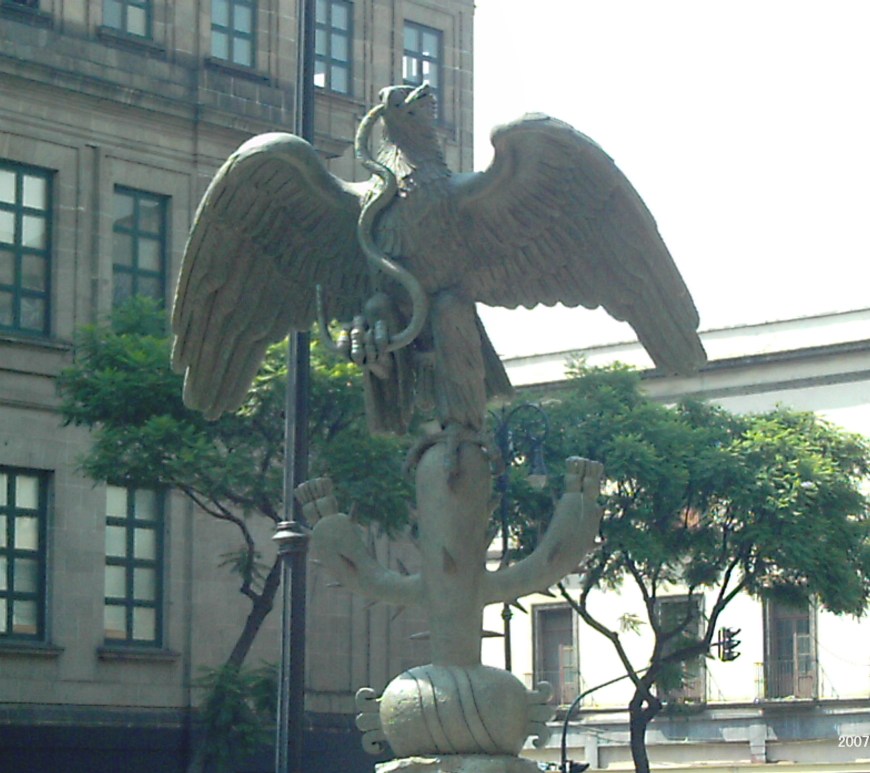
The Mesoamerican deity Huitzilopochtli  was the patron god of the Mexican people and is the primary God of War (and the Sun) in the Aztec pantheon. The legend goes that after he was betrayed by a nephew he killed him and removed his heart. This heart was left on an island in the middle of Lake Texcoco and, like many creation legends involving plants, from the rocks upon … Continue reading Huitzilopochtli, Tenochtitlan and the Opuntia Cactus

Proteger la tortilla (Protect the Tortilla)

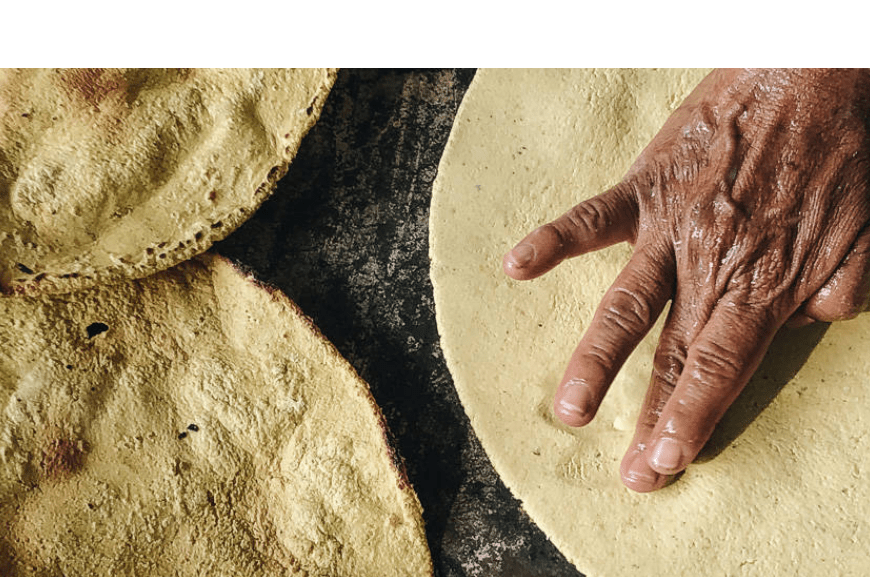
As is common in this age of rushing headlong into the future the old ways are being brushed aside for the microwave generation. Whether through misguided philanthropy or sheer rampant greed our agriculture and food culture often suffers and historical cultural knowledge and richness is lost. This is currently the case with the worlds most important grain, maize. Through the interference by large companies such … Continue reading Proteger la tortilla (Protect the Tortilla)