Pulque Curado : Sangre de Conejo (Rabbits Blood)

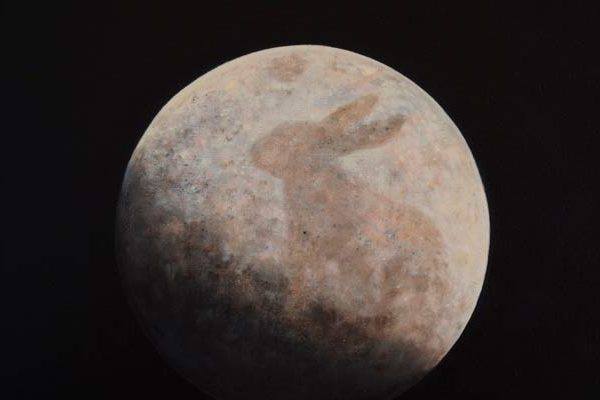
Updated 16/06/22 The rabbit holds a special place in the mythological landscape of México. It plays a part in both the legend of the moon (1) and in the creation of pulque. The moon is itself represented in various codices by the image of a jar of pulque, the rabbit was used as a measuring stick of drunkenness (2) and the saying “Ye iuhqui itoch” … Continue reading Pulque Curado : Sangre de Conejo (Rabbits Blood)

Pulque Curado : Tecolio

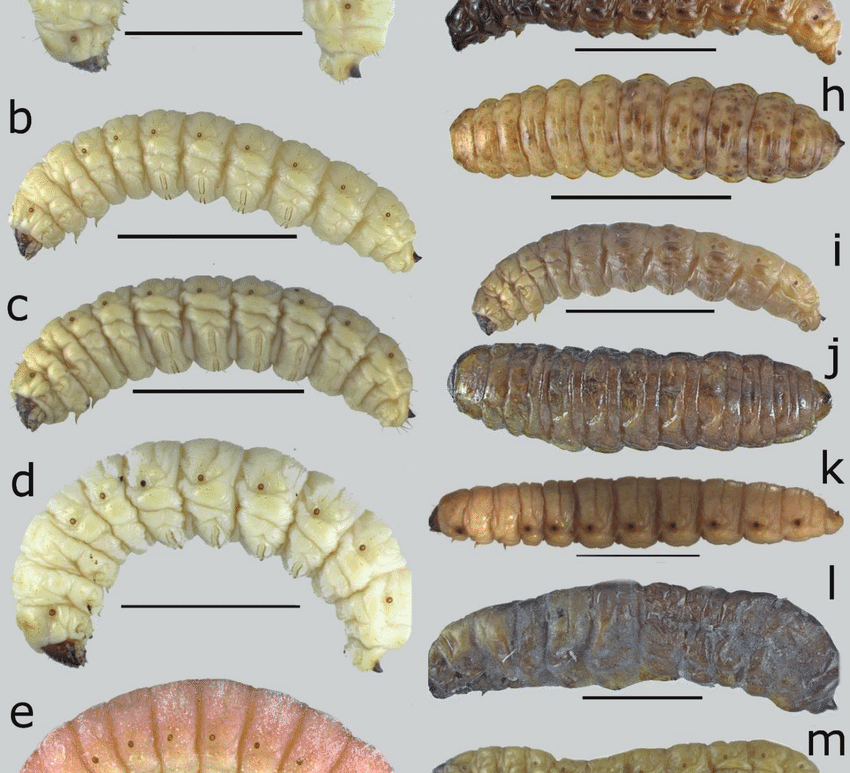
It is said that pulque is “sólo le falta un grado para ser carne” (one grade shy of being meat) and that the only thing pulque lacks for being meat are bones. Well this drink, tecolio, removes that difference. This drink takes its name from red maguey worms (1), larvae of the moth Comadia redtenbacheri (2) which are added to pulque to create a uniquely … Continue reading Pulque Curado : Tecolio

Nocheztli : The Cochineal Beetle

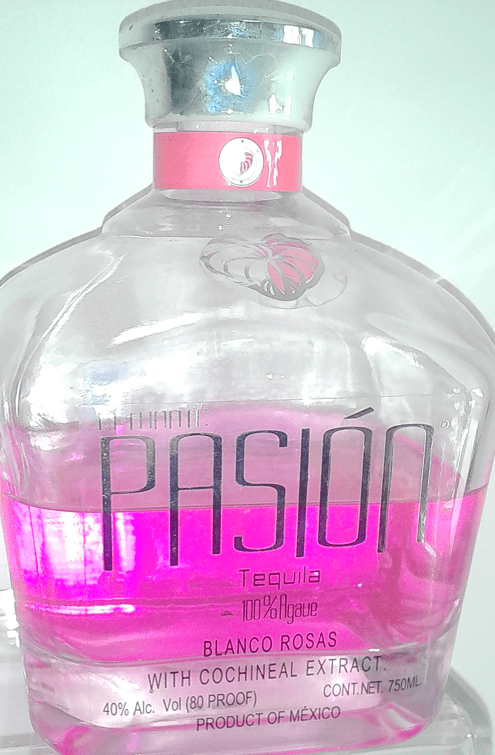
(Cochineal/Cochinilla) From Nahuatl “nochtli” (the opuntia/nopal cactus) and “eztli” (blood) Another product introduced to the world courtesy of the nopal is the bright red colourant known as cochineal. Cochineal is produced from the dried bodies of a female insect of the dactylopius genus which is a parasitic scale insect that lives off the nopal. This insect is farmed and its cultivation potentially dates to around 1000AD … Continue reading Nocheztli : The Cochineal Beetle

Los San Patricios : Saint Patrick’s Brigade : The Irish in Mexico

Commemorative plaque placed at the San Jacinto Plaza in the district of San Ángel, Mexico City in 1959 “In memory of the Irish soldiers of the heroic St. Patrick’s Battalion, martyrs who gave their lives to the Mexican cause in the United States’ unjust invasion of 1847” March 17th is the day we traditionally celebrate the feast of the Irish saint St Patrick. In México, on September 22nd … Continue reading Los San Patricios : Saint Patrick’s Brigade : The Irish in Mexico

Xochimilco and the Axolotl

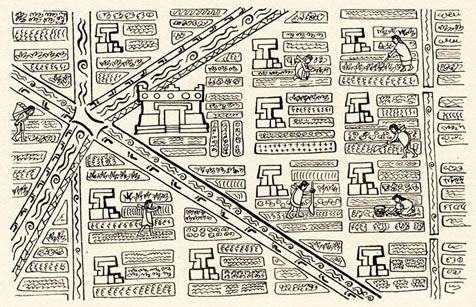
The word “Xochimilco” is Nahuatl for “where the flowers grow”. It is an area of lakes and canals that was a major agricultural centre in Mesoamerica and remains as the only reminder of traditional Pre-Hispanic land-use in the waterways of the Mexico City basin. This compound glyph for the place name Xochimilco features two colourful, detailed flowers [xochi(tl)], and a rectangular, segmented, textured parcel of land [mil(li)]. … Continue reading Xochimilco and the Axolotl

Mayahuel and the Cenzton Totochtin.

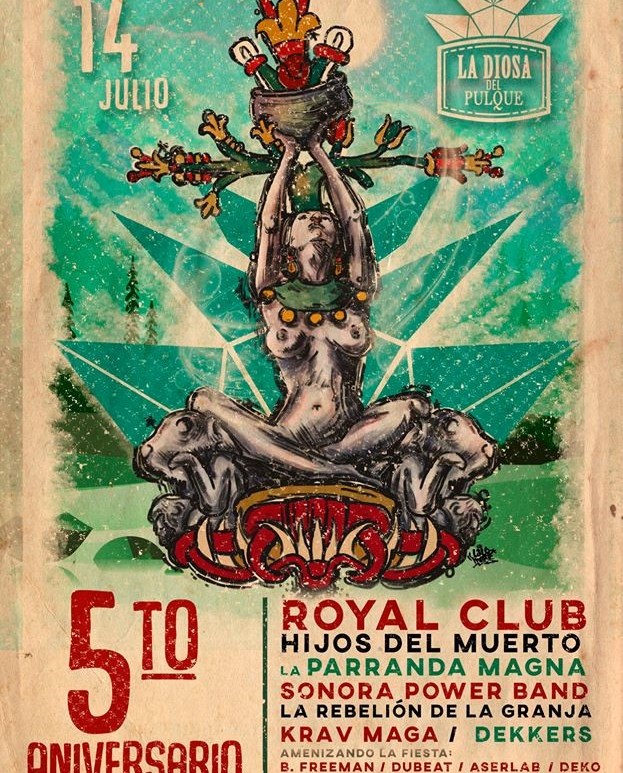
The agave, aguamiel and pulque. Plants played a huge role in Aztec culture. Gardens were kept not only for food and medicinal purposes but for pleasure as well. The conquistadors were amazed by the pleasure gardens of Moctezuma (and Tenochtitlan in general) to the point of wondering whether or not they were walking through a dream. The loss of this beauty was lamented by the very same … Continue reading Mayahuel and the Cenzton Totochtin.

Dia de Muertos IS NOT Halloween

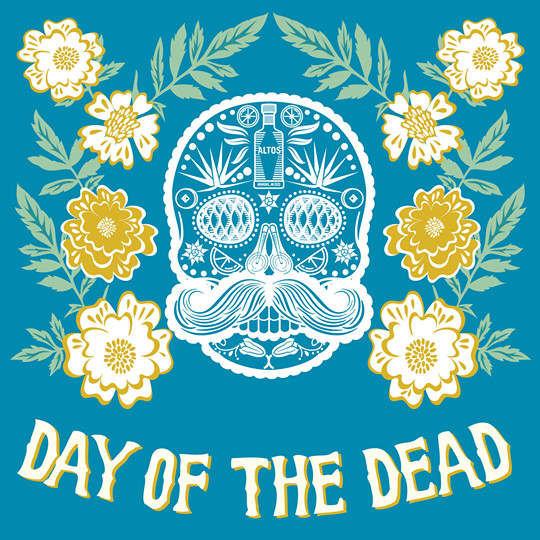
Death burns the lips of other cultures, but the Mexican is familiar with death, jokes about it, caresses it, sleeps with it, celebrates it; it is one of his favorite toys and his most steadfast love. Octavio Paz Day of the Dead IS NOT (and has nothing to do with) Halloween. Halloween (which is rooted in Samhain) is celebrated on the eve of 31st of … Continue reading Dia de Muertos IS NOT Halloween

La culpa es de los Tlaxcaltecas (The Tlaxcaltecas are to blame)

Title taken from a short story by Elena Garro, published in 1964 as part of the collection La Semana de Colores (The Week of Colours) This map demonstrates the area of influence of the Triple Alliance at the peak of its power just prior to its subjugation by the Spanish. Note the area close to the centre of the map showing the area controlled by the … Continue reading La culpa es de los Tlaxcaltecas (The Tlaxcaltecas are to blame)