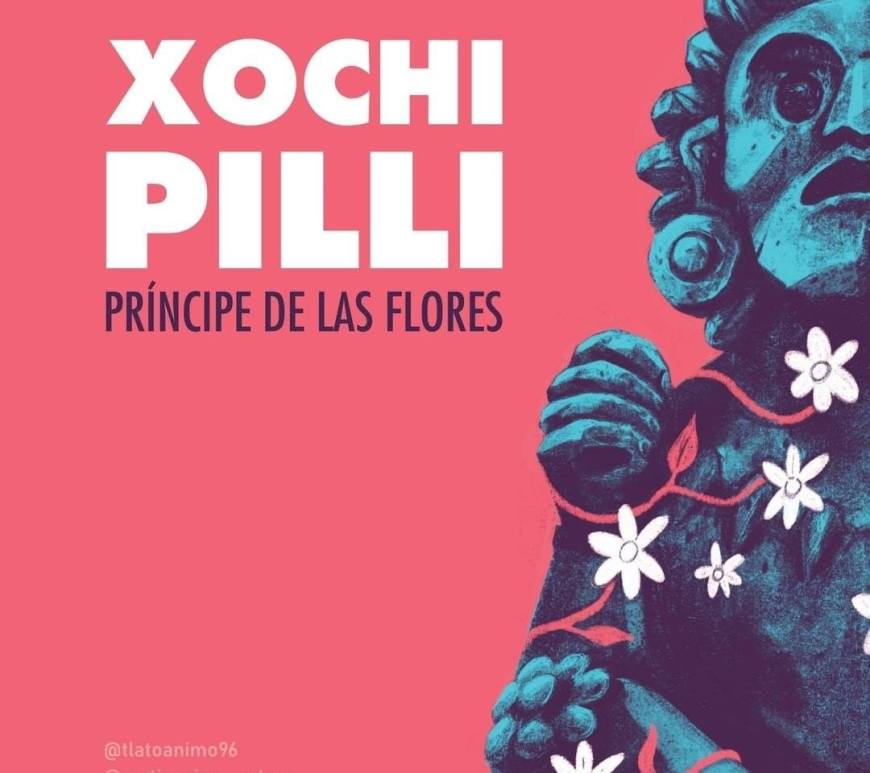
Xochipilli : Is it a Dahlia?

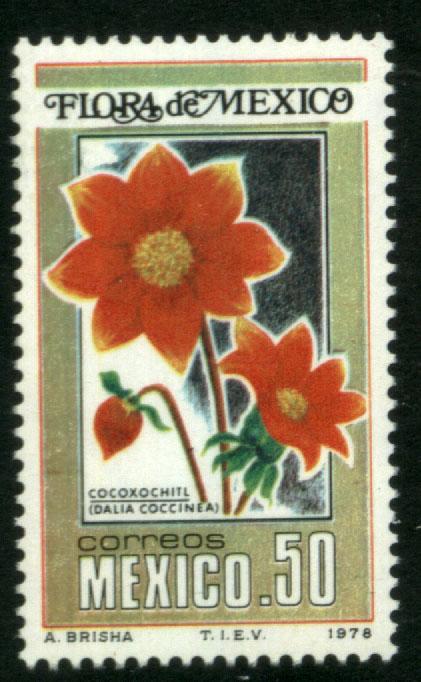
I think we may be overlooking the obvious. In my continuing quest to understand Xochipilli, both in spirit and in form, I am drawn to the floral imagery portrayed on the idol. I am unconvinced of the current paradigm which would have me believe that all of these plants are intoxicants designated for shamanic usage. Wasson, to fit a theory, has perhaps projected his own … Continue reading Xochipilli : Is it a Dahlia?

Poetic Language of the Maguey.

There are many rituals and traditions that surround the imbibing of the life blood of the agave (1) and there is a deep poetry in the language used to describe its consumption. In some rituals of agricultural abundance pulque was poured onto the ground whilst planting the corn to increase the fertility of the earth and encourage the corn to grow. When drinking pulque the … Continue reading Poetic Language of the Maguey.

Xochipilli : Hymn to Xochipilli

Lyric wordplay is a rich cultural tradition in México. In the days of the Aztec poetry and its performance was known as in xochitl in cuicatl (1) (“flower and song” or songs of flowers) and those adept in it were known as xochitlahtoanime (flowerspeakers) or cuicapicque (songmakers). Flowers contained deep symbolic meaning in Aztec philosophy and the very structure of the Universe itself was modelled … Continue reading Xochipilli : Hymn to Xochipilli

Edible Insects : Escamoles

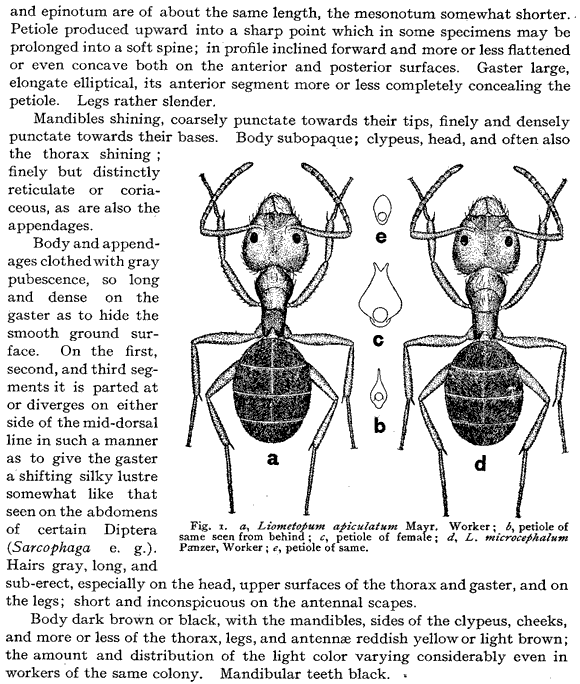
Escamoles are the larvae and pupae of Liometopum apiculatum (1) ants, a species of ant in the subfamily Dolichoderinae. originally named Formica masonium Also called Velvety tree ants, la hormiga pedorra (the farting ant)(1), hormiga güijera, chiquereis, chiquereyes, cuijes, güijes, hormiga de hueva, maicitos, tecates, teclates, tetlames, tetlas. so named because of the particular odour of the ants nests and the scent of the crushed … Continue reading Edible Insects : Escamoles

Xochipilli and Homosexuality : Part 2

Xochipilli is so intimately linked with another deity, Xochiquetzal, that they are sometimes conflated into one being. This brings up some interesting questions into the nature of transgender behaviour and hermaphroditism (1). These are interesting questions but as neither of these necessarily has to involve homosexuality I will not delve into either in any particular detail in this Post. This is a conversation to be … Continue reading Xochipilli and Homosexuality : Part 2

Xochipilli and Homosexuality : Part 1

**Revised and Updated** This has become a larger project than I initially imagined it might be. There is more than enough information available for this exploration to become the basis for a thesis. To make it easier to write (and read) I’ll break this chapter into two parts. In Part 2 I will delve into the relationship between Xochipilli and Xochiquetzal. I expect this will … Continue reading Xochipilli and Homosexuality : Part 1

New(ish) Additions to the Poreleaf Family.

Porophyllum spathulatum (Asteraceae: Tageteae), a new species from the southern Brazilian coast. It is known to occur only in Balneário Hermenegildo, Santa Vitória do Palmar, Rio Grande do Sul, southernmost Brazil. This plant is considered “critically endangered” (Carniero etal 2014). As of 2014 the entire population of this plant was known to be composed of only 21 individuals. This species of poreleaf differs from its … Continue reading New(ish) Additions to the Poreleaf Family.

Xochipilli : New Floral Identifications

The Aztec universe has been poorly represented and even less eloquently articulated. This is in some way to be expected as our understanding of this universe has been in many ways limited by the existing written sources that describe this universe. These sources were, by and large, written by the very peoples who destroyed the culture they were inadequately attempting to describe and were also … Continue reading Xochipilli : New Floral Identifications