Xochimilco and the Axolotl

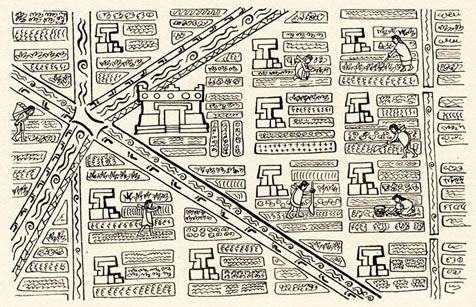
The word “Xochimilco” is Nahuatl for “where the flowers grow”. It is an area of lakes and canals that was a major agricultural centre in Mesoamerica and remains as the only reminder of traditional Pre-Hispanic land-use in the waterways of the Mexico City basin. This compound glyph for the place name Xochimilco features two colourful, detailed flowers [xochi(tl)], and a rectangular, segmented, textured parcel of land [mil(li)]. … Continue reading Xochimilco and the Axolotl

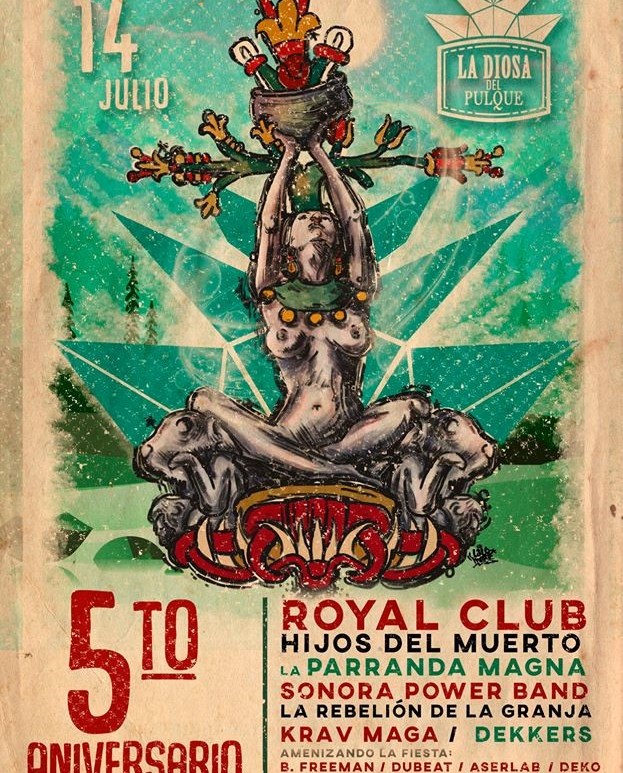
Mayahuel and the Cenzton Totochtin.

The agave, aguamiel and pulque. Plants played a huge role in Aztec culture. Gardens were kept not only for food and medicinal purposes but for pleasure as well. The conquistadors were amazed by the pleasure gardens of Moctezuma (and Tenochtitlan in general) to the point of wondering whether or not they were walking through a dream. The loss of this beauty was lamented by the very same … Continue reading Mayahuel and the Cenzton Totochtin.

Dia de Muertos IS NOT Halloween

Death burns the lips of other cultures, but the Mexican is familiar with death, jokes about it, caresses it, sleeps with it, celebrates it; it is one of his favorite toys and his most steadfast love. Octavio Paz Day of the Dead IS NOT (and has nothing to do with) Halloween. Halloween (which is rooted in Samhain) is celebrated on the eve of 31st of … Continue reading Dia de Muertos IS NOT Halloween

La culpa es de los Tlaxcaltecas (The Tlaxcaltecas are to blame)

Title taken from a short story by Elena Garro, published in 1964 as part of the collection La Semana de Colores (The Week of Colours) This map demonstrates the area of influence of the Triple Alliance at the peak of its power just prior to its subjugation by the Spanish. Note the area close to the centre of the map showing the area controlled by the … Continue reading La culpa es de los Tlaxcaltecas (The Tlaxcaltecas are to blame)

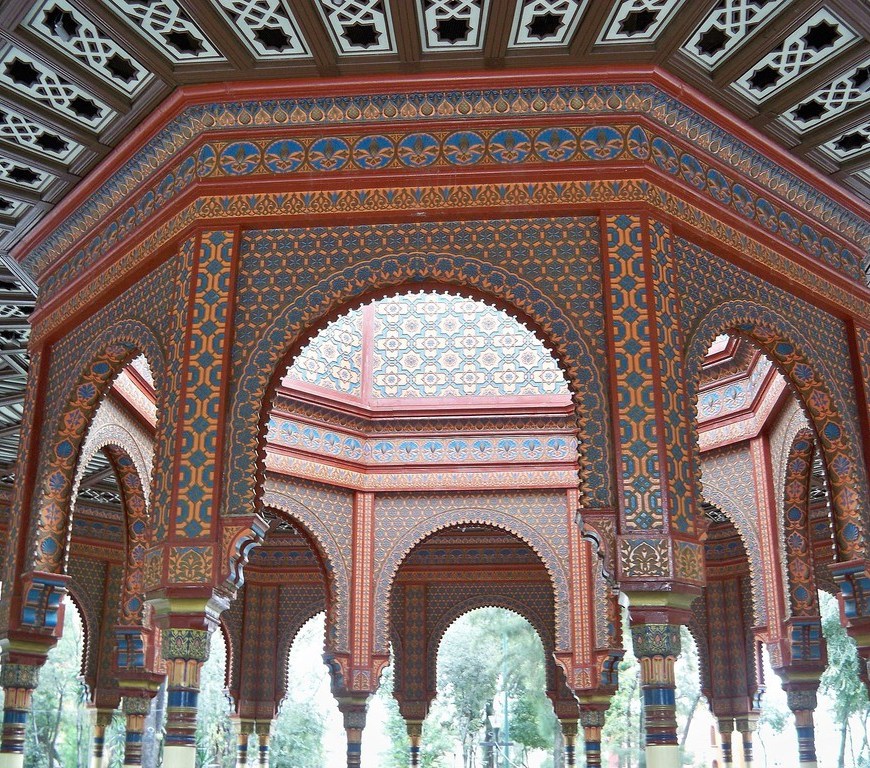
Moorish Influence in Mexico

Spanish thought and culture was influenced by nearly 800 years of Muslim occupation and European civilization in general was profoundly affected by Moorish culture. The use of aromatic herbs and spices was popular in the Old World. Empires were being built on the acquisition of the most exclusive and expensive cooking ingredients (many spices were also used as medicine) and spices too were readily taken up by … Continue reading Moorish Influence in Mexico

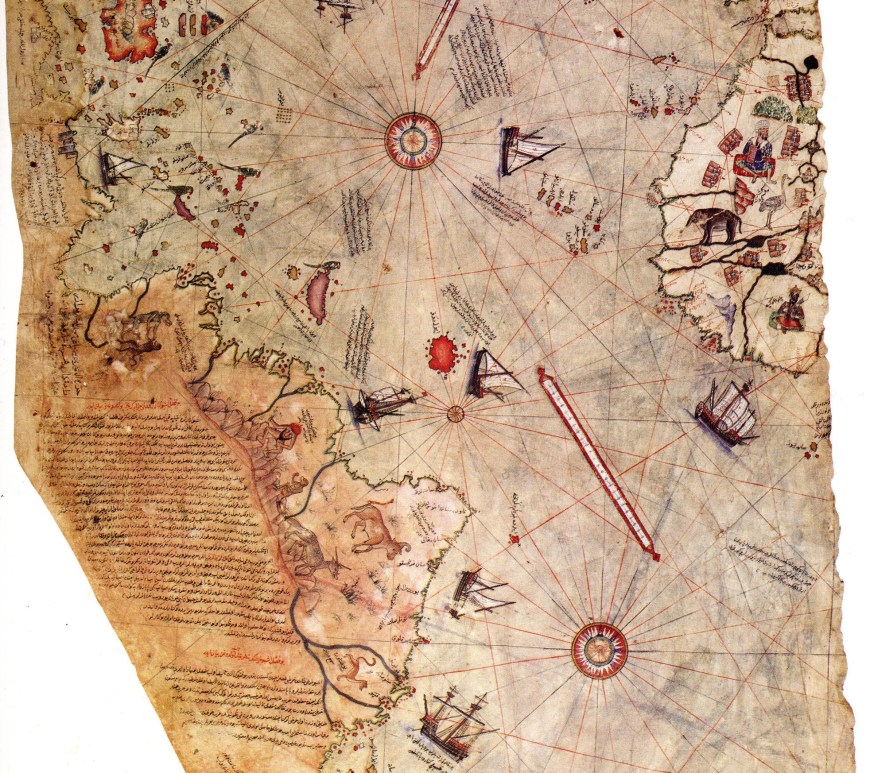
Did Columbus Cheat? The Piri Reis Map

The Piri Reis Map of 1513 is the first surviving map that shows the Americas. It is said to show North America, South America, Greenland and Antarctica. This was surprising since Antarctica had not been discovered until 1820 and somewhat more intriguingly it appears to show the land mass before it was covered in ice, over 6000 years ago. The map showed the outline of … Continue reading Did Columbus Cheat? The Piri Reis Map

Origins of the words Aztec and Mexico

These two words which are integral to the heart of México are inextricably intertwined. It has been posited that the root for the word México was metl, the Náhuatl root of the word maguey or metztli (the moon) and xictli (centre or navel). Others, being friars of the Franciscan or Dominican variety, thought that the Mexican peoples were of Hebrew descent (being one of the … Continue reading Origins of the words Aztec and Mexico

The Triple Alliance

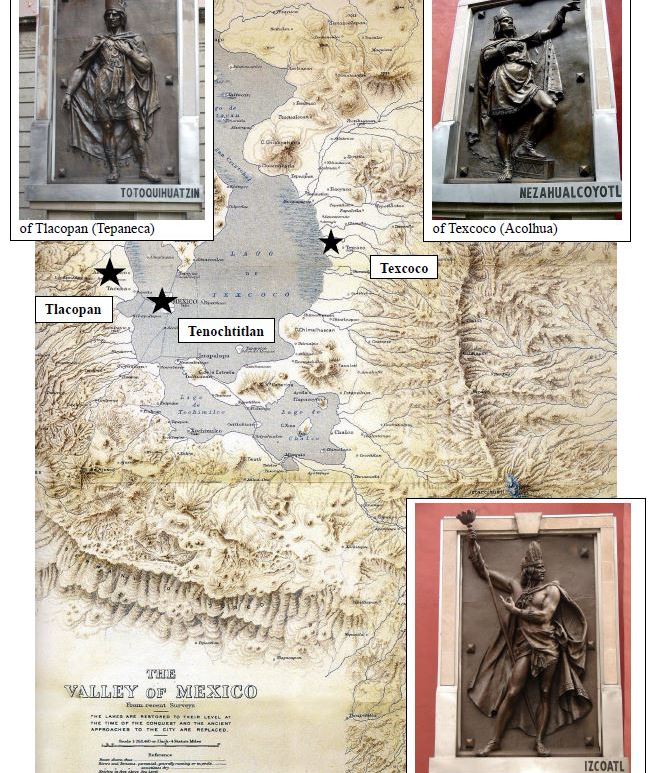
How the terms Mexico and Aztec may have entered history. Who were the Aztecs? Were they an actual people like the Totonacs, the Zapoteca or the Mexica; or did the word Aztec define something else entirely? The first published use of the term “Aztec” was when Father Francisco Javier Clavijero Echegaray included it in his book La Historia Antigua de México (1780). A few decades … Continue reading The Triple Alliance