Pulque Production

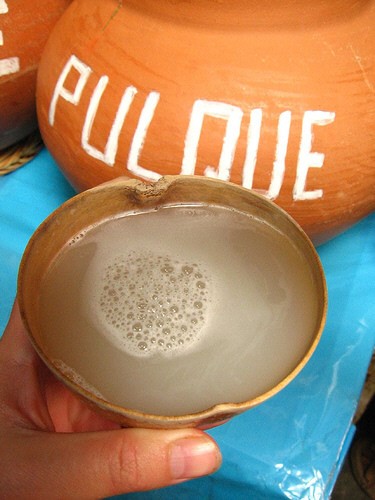
The processing of pulque happens in four stages. Castration Pit scraping and aguamiel extraction Seed/mother preparation Fermentation Castration It can take between 7 and 40 years before an agave is ready to harvest the aguamiel and it can take an expert to know when exactly to castrate the plant, if done too late then the plant will produce no aguamiel, if done too early then aguamiel production will be greatly … Continue reading Pulque Production

A Note on Deer Weed : The Danger of Common Names

Yerba del venado (Hierba de Venado, Yerba del ciervo) The first text I have come across that refers to papaloquelite under the moniker “deer weed” is that of Hernandez who writes of the herb MAZATLIPAPALOQUILITL or deer papaloquilitl. mazatl. Principal English Translation: deer. – Frances Karttunen: MAZĀ-TL pl: MĀMAZAH – MAZĀ-MEH deer / venado (M), ciervo quilitl. Principal English Translation: edible herbs and vegetables – … Continue reading A Note on Deer Weed : The Danger of Common Names

Pulque as a Cooking Ingredient

As the flavour and texture of pulque can be somewhat confronting it is often mixed with other ingredients to produce a drink known as a pulque curado. Curados can be flavoured with fruits (pineapple, mango, strawberry, watermelon), vegetables (celery, tomatillo, maize), nuts (almonds, walnuts, peanuts) or other flavours (oats, tamarind, coconut, cajeta). Much like the Mexican artistry in producing unusual flavour combinations for paletas the options … Continue reading Pulque as a Cooking Ingredient

Medicinal Uses of the Maguey

The maguey has been used in the treatment of syphilis, to accelerate the healing of wounds, as a cure for gonorrhoea, is a formidable antiseptic of the stomach and intestines and has laxative properties. According to the Antiguo Recetario Medicinal Azteca, to treat syphilis; the fluid extract of the maguey root is used, from which 10 drops are taken in the morning dissolved in a little water and 10 … Continue reading Medicinal Uses of the Maguey

Is Tequila Medicinal?

In 2018 it was popularly reported that the consumption of tequila was linked to (and may actually be good for) weight loss. Unfortunately this was just media generated hype. The key issue with the misrepresentation of this information involves a particular type of carbohydrate known as a fructan, more specifically agavin. A paper was presented at the 247th National Meeting of the American Chemical Society in … Continue reading Is Tequila Medicinal?

The Medicinal Qualities of Nopal Cactus

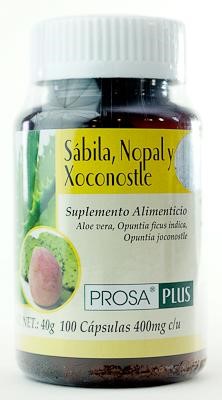
The Opuntia species of cactus (also called Nopal cactus) has been used for food and medicinal purposes in México since before the time of the Aztecs. The fruits (knowns as tunas in México) and the “leaves” (botanically known as cladodes) are eaten on a daily basis. The cladodes in particular are a tasty and nutritious green vegetable (once the spines have been removed).  As a vegetable it … Continue reading The Medicinal Qualities of Nopal Cactus

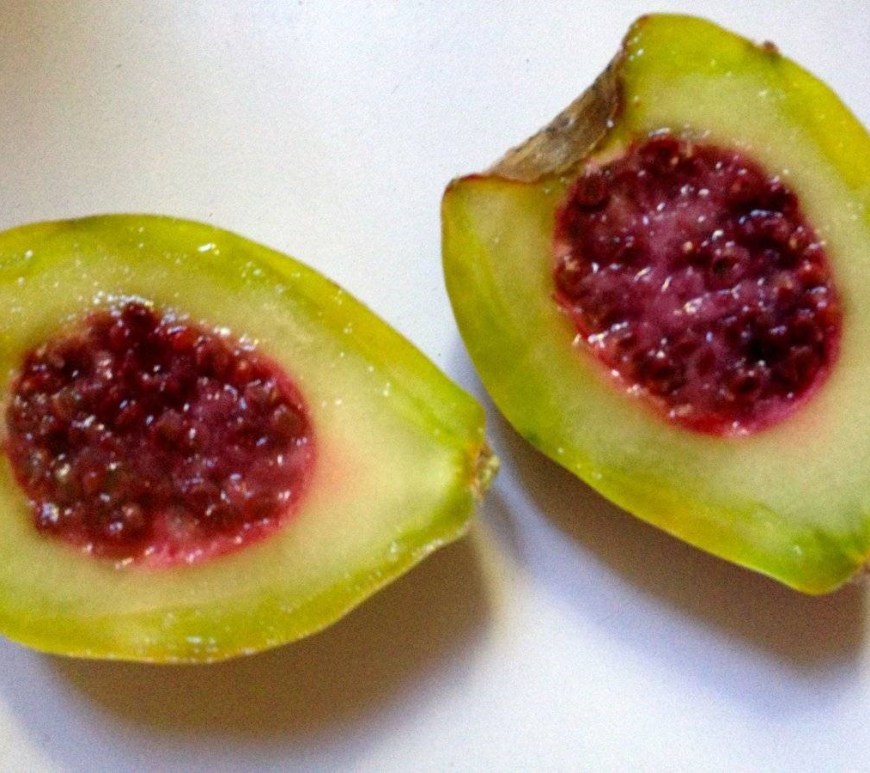
Frutos de Cactus : Tunas. The fruit of the nopal.

The fruits of the cactus are also known as prickly pears (or sometimes Indian figs) and come in a range of colours from green to yellow and the whole spectrum of pinks and reds. They too both have medicinal and culinary uses. Cactus fruit contains substantial amounts of ascorbic acid, vitamin E, carotenoids, fibres, amino acids and antioxidant compounds (phenols, flavonoids, betaxanthin and betacyanin). These phytonutrients … Continue reading Frutos de Cactus : Tunas. The fruit of the nopal.

Huitzilopochtli, Tenochtitlan and the Opuntia Cactus

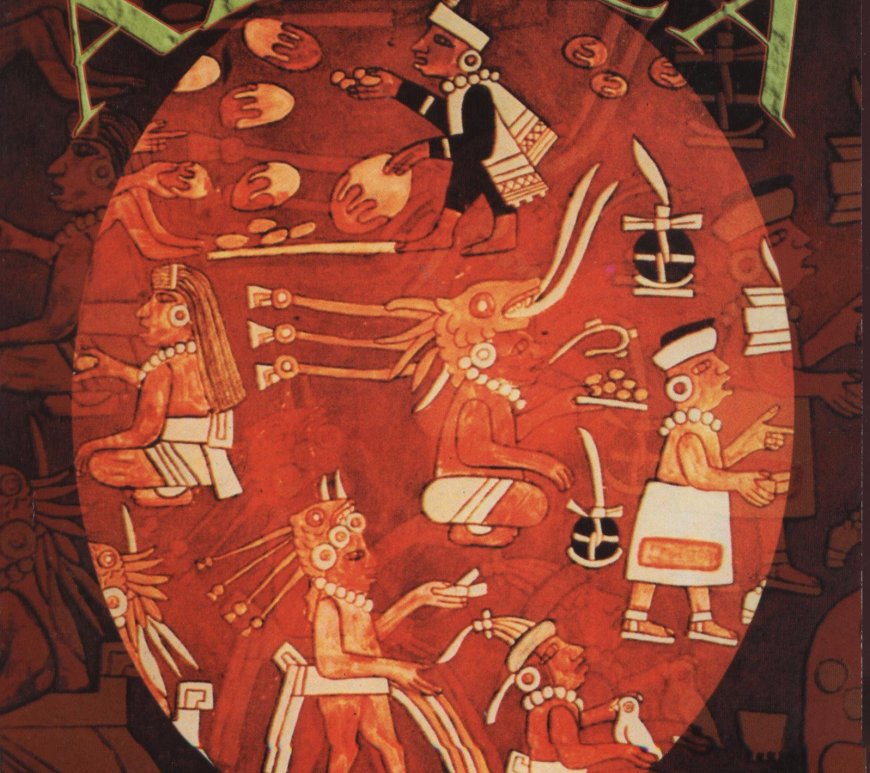
The Mesoamerican deity Huitzilopochtli  was the patron god of the Mexican people and is the primary God of War (and the Sun) in the Aztec pantheon. The legend goes that after he was betrayed by a nephew he killed him and removed his heart. This heart was left on an island in the middle of Lake Texcoco and, like many creation legends involving plants, from the rocks upon … Continue reading Huitzilopochtli, Tenochtitlan and the Opuntia Cactus

The Nopal as Food

The Opuntia species of cactus, also commonly called the Prickly Pear, is another seemingly hostile plant (along with the maguey) that despite its thorny exterior is a source of both food and medicine. Both its leaves (botanically known as cladodes) and fruits, called “tunas” are eaten on a daily basis in Mexico. As a cactus it must be treated carefully during preparation. They all carry spines … Continue reading The Nopal as Food