Ecologically friendly alternative to leather from the Nopal cactus. La segunda parte.

I have previously posted about a vegan plant based alternative to leather being produced from the nopal cactus. Two forward thinking inventors and entrepreneurs from Guadalajara and Aguascalientes, Adrián López Velarde and Marte Cázarez were planning to debut their ecologically friendly leather alternative at the International Leather Fair Lineapelle in Milan. Well Adrián and Marte exhibited their product, called Desserto, and it was received with … Continue reading Ecologically friendly alternative to leather from the Nopal cactus. La segunda parte.

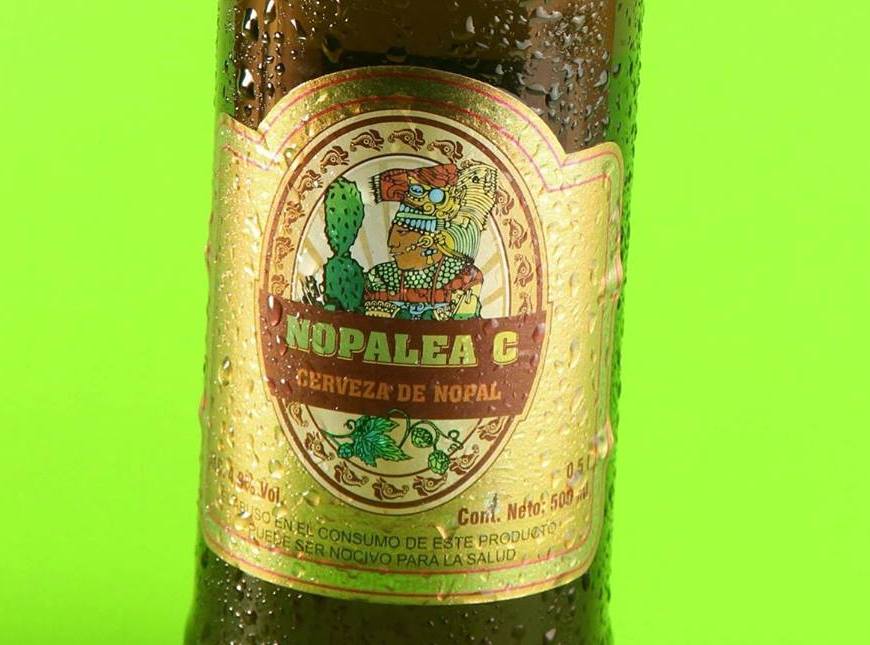
Cerveza de nopal (Nopal Beer)

(Is there anything this plant CAN’T do??) In 2009 a Czech company began importing from México nopal, grown on the slopes of the Mexican volcano Popocatépetl, as an additive to produce gourmet breads. Nopal is known for having a range of health benefits (See Post on The Medicinal Qualities of Opuntia Cladodes) and it would make a valuable addition to bread as it would lower … Continue reading Cerveza de nopal (Nopal Beer)

Sotol.

Sotol is a distilled spirit similar in vein to mezcals and tequila that has been sourced from the dasylirion plant. Although previously classed as an agavaceae the dasylirion is a small genus of 18 semi-succulent species in the Nolinoideae (a subfamily of the Asparagaceae) family. The dasylirion is also known commonly as the Desert Spoon. This plant is common to northern Mexico, New Mexico and … Continue reading Sotol.

Tequila and Mezcal : A Primer : How to read a tequila or mezcal label.

All tequila is mezcal but not all mezcal is tequila. Tequila and mezcal are both spirits created by the distillation of the juice that has been sourced from the heart of an agave. This heart (or piña) is roasted (in the case of mezcal) or steamed (in the case of tequila) (1) then crushed to obtain the juice. This juice is then fermented and distilled … Continue reading Tequila and Mezcal : A Primer : How to read a tequila or mezcal label.

Ecologically friendly alternative to leather from the Nopal cactus

This October two inventors from Guadalajara in Mexico will travel to Milan in Italy to showcase a new product made from the nopal cactus at Lineapelle. Lineapelle is a prestigious international trade exhibition of leather goods which is held twice a year and exhibits “New trends in leather, textiles and synthetics for shoes, handbags, leather goods and leatherwear”. In the upcoming October fair Adrián López … Continue reading Ecologically friendly alternative to leather from the Nopal cactus

Flor de Maguey : The Agave Flower

We primarily know the maguey as being edible for its “juice” which can be used to make the fermented drink pulque or the distilled drinks mezcal, tequila, bacanora and raicilla (as well as all the un-named vino de agaves). But…..did you know the agave can be eaten? The baked pencas (1) and quiote (2) are quite edible (3). The outer petals of the maguey flowers … Continue reading Flor de Maguey : The Agave Flower

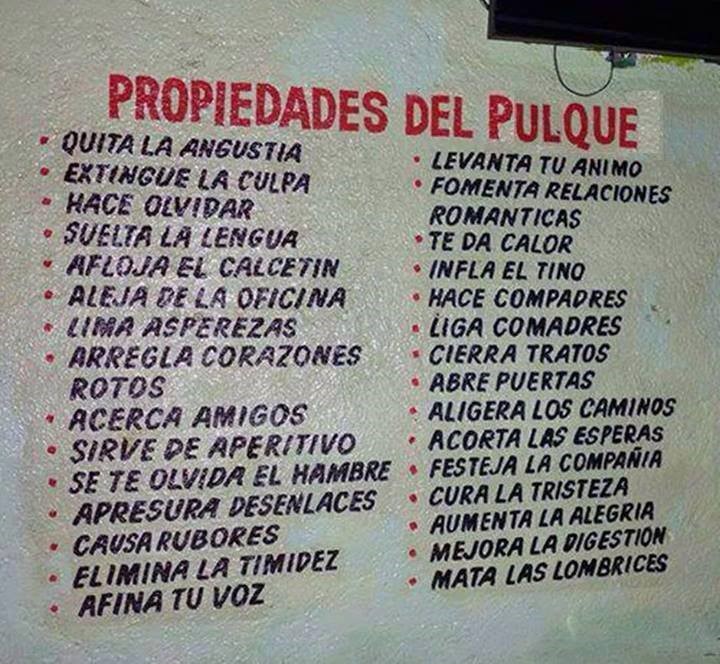
Medicinal Qualities of Pulque

Aguamiel and pulque are both highly nutritive liquids. Aguamiel in its raw state (prior to fermentation) contains essential amino acids, proteins, vitamins, gums and minerals and is a valuable water substitute in areas where water may be scarce or potentially contaminated and unsafe to drink. When aguamiel is dehydrated it is composed of around 90% sugars (mainly sucrose, glucose and fructose) and around 10% fructooligosaccharides (fructans – primarily … Continue reading Medicinal Qualities of Pulque

Nutritional Value of Aguamiel

Nutritional value of aguamiel from Agave atrovirens Minerals mg/100 g Potassium (K) 120.44 Calcium (Ca) 11.70 Zinc (Zn) 0.18 Iron (Fe) 0.81 Sodium (Na) 0.83 Copper (Cu) 0.07 Magnesium (Mg) 0.55 Selenium (Se) 0.047 Water-soluble vitamins mg/100 g Thiamine (B1) 0.10 Riboflavin (B2) 0.38 Niacin (B3) 4.77 Pyridoxine (B6) 0.57 Ascorbic acid (C) 17.99 Amino acids mg/100 g Aspartic acid 7.91 Glutamic acid 20.08                                                Serine 4.48 … Continue reading Nutritional Value of Aguamiel

The Agave, Barbacoa and Mixiotes

The leaves of the maguey, called “pencas” are utilised for numerous purposes. One variety is used to create the fibre known as sisal while the thicker varieties can be cooked and eaten. Even the thorns were used as needles and for the practice of auto sacrifice. Some religious devotees and priests would pierce their earlobes, tongues or genitals with the thorns and collect the blood … Continue reading The Agave, Barbacoa and Mixiotes

Frutos de Cactus : Colonche

Updated 08 June 2022 Colonche (1) is another Mesoamerican fermented drink similar in design to tepache and pulque. It is produced from the tuna fruits of several species of the nopal cactus (most notably O.strepthacantha) and is fermented using wild yeasts. Its shelf life, like that of tepache is somewhat longer than that of pulque and it can be expected to last for as long as 14-15 days. It is a … Continue reading Frutos de Cactus : Colonche