Guaje.

Guaje pods grow from a tree known as Leucaena leucocephala. leucocephala (“leu” meaning white from the Greek “leukos” and “cephala” – head refers to the flowers) also known as cuaje, huajes, hauxya, huaxin, guash, guashe (Chiapas), guaje beans, cacalas, cascalhuite, Leadtree, White Popinac, Wild Tamarind or River Tamarind; Uaxim (Maya), ipil ipil (Philippines), Narendhar (India), Safed babul (Hindi), White Babool, Yin He Huan (Chinese) When … Continue reading Guaje.

Environmentally Friendly Paint from the Nopal Cactus

The nopal, much like the maguey, plays a pivotal role in the history of Mexico. Not only used as both food (1) and medicine both plants have a space in the creation legends of Mexico and both have multiple cultural usages. for both humans and livestock For many generations prior to the arrival of the Spanish the Mexican people made a durable and environmentally friendly … Continue reading Environmentally Friendly Paint from the Nopal Cactus

Pipitzcaquilitl : Porophyllum obtusifolium?

Porophyllum obtusifolium (?) Pipicha/Pipitza/Chepiche (Porophyllum tagetoides) (syn P.linaria) is a narrow leaved variety of poreleaf which is popular in Oaxaca (see Post Chepiche/Pipicha Porophyllum tagetoides ). Pipitzca may or may not be this herb. There are several pore leafs that have been identified as pipitzca. P.tagetoides (1) and P.punctatum (2) have been called pipitzca (Ortíz-Sánchez etal 2015) and even the naming of the herb P.obtusifolium … Continue reading Pipitzcaquilitl : Porophyllum obtusifolium?

Mexican Mint Marigold

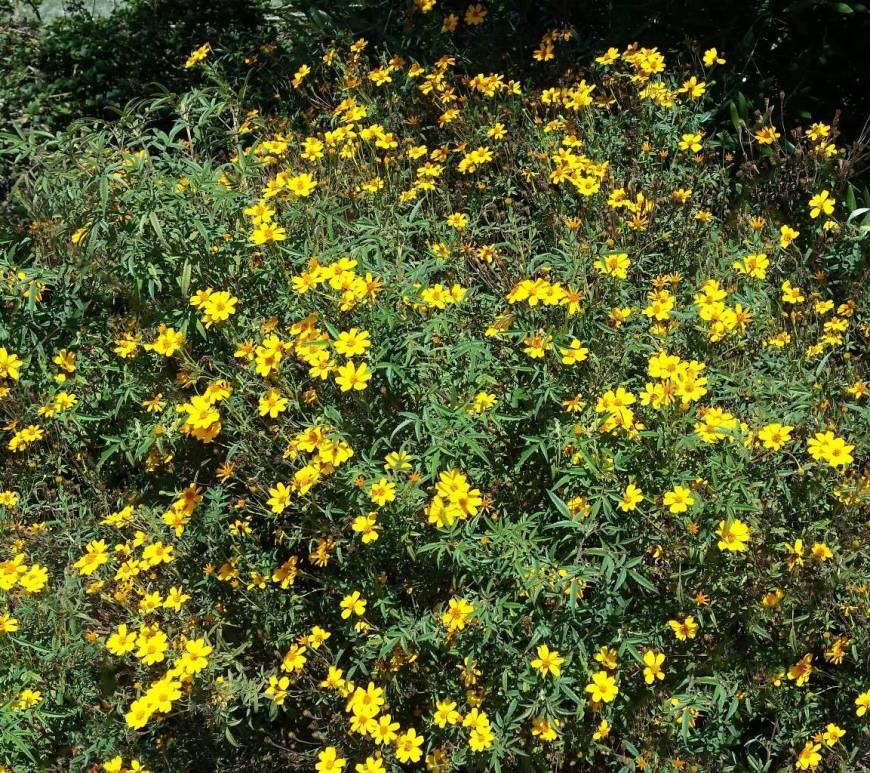
Tagetes lemmonii Also called : rudilla, Lemmons marigold, Copper Canyon Daisy, Mountain Marigold, Mexican Marigold, Passionfruit Marigold, Tree Marigold, Tangerine Marigold, Mount Lemmon Marigold, Texas tarragon T.lucida (pericón) is also known by the moniker Mexican Mint Marigold. (See Post : Quelite : Pericón : Tagetes lucida) T.lemmonii is native to the states of Sonora and Sinaloa in north-western Mexico as well as southern Arizona in … Continue reading Mexican Mint Marigold

Tlatlaolton. Which Porophyllum Are You?

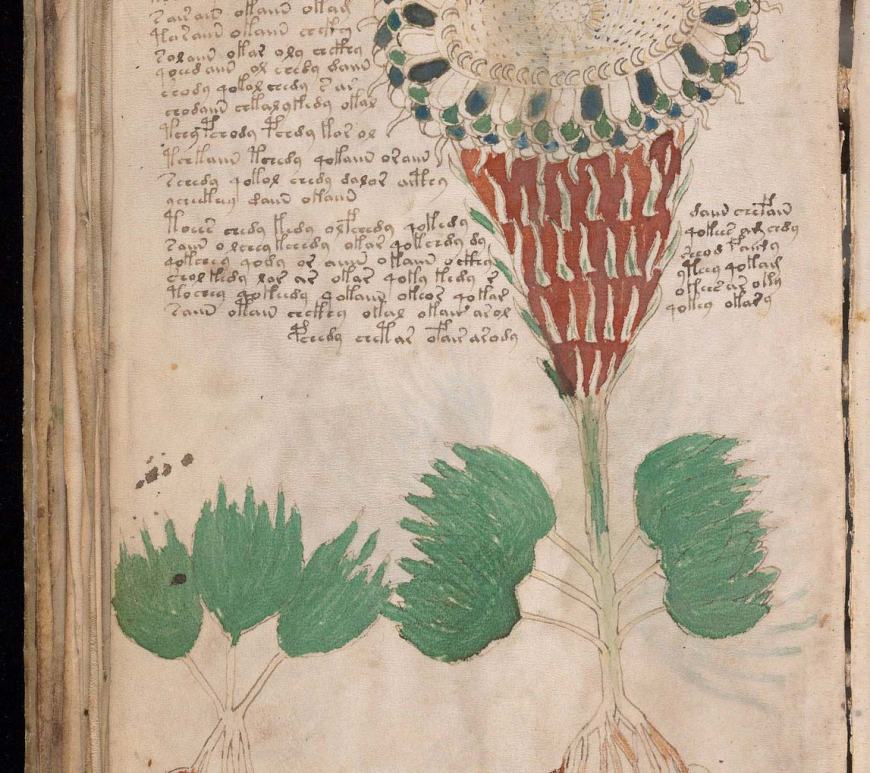
Cover Image from the Voynich Manuscript Also called : Chepiche, escobilla, pipicha, pipizca Are you even a Porophyllum? It appears so. But let’s investigate. Tlatlaolton has been classified as Porophyllum coloratum (1) (Kunth) DC (2). Esparza Villarreal (2019) : Synonyms : Kleinia colorata Kunth; Porophyllum seemannii Sch. Bip.: Porophyllum simplex M.E. Jones P.gracile, P.tagetoides, P.seemanii and P.viridiflorum have all been put forward as contenders in … Continue reading Tlatlaolton. Which Porophyllum Are You?

Nutritional Profile of Amaranth

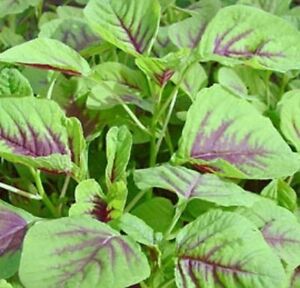
Amaranth seed Amaranth grain is an ancient superfood. Although botanically it is not considered a grain it, along with the pseudocereal quinoa, is botanically a seed. This is merely pedantic nit picking and in no way diminishes the high nutritional value of this plant. The plant has several culinary uses. The leaves are edible and the seeds can be eaten whole, ground, popped or can … Continue reading Nutritional Profile of Amaranth

Pulque Curado : Sangre de Conejo (Rabbits Blood)

Updated 16/06/22 The rabbit holds a special place in the mythological landscape of México. It plays a part in both the legend of the moon (1) and in the creation of pulque. The moon is itself represented in various codices by the image of a jar of pulque, the rabbit was used as a measuring stick of drunkenness (2) and the saying “Ye iuhqui itoch” … Continue reading Pulque Curado : Sangre de Conejo (Rabbits Blood)

Medicinal Qualities of Amaranth

Amaranthus species plants can be broken down into 3 basic categories, grain, leaf and ornamental. All varieties of the plant can be eaten as a green leafy vegetable when the plants are young enough and all will provide seed to one degree or another but only a few provide enough seed to be considered viable as a foodstuff. Species primarily used for their seeds are … Continue reading Medicinal Qualities of Amaranth

Chinchweed : Pectis papposa

(Pectis papposa) Syn. Pectis angustifolia Torr also called Fetid marigold, Pague, Limoncillo, Lemonscent, Crownseed Pectis, Lemon-scented Pectis, Lemonscent Pectis, Lemonweed, TshéGdannItc’iih (Navajo), manzanilla del coyote, ban mansani:ya, caasol heecto (small caasol), caasol ihasii quiipe (pleasant smelling caasol (Seri), ban manzani;ya I have recently come across this plant during my research into the porophyllums. I was initially drawn to the porophyllum species because of the impact … Continue reading Chinchweed : Pectis papposa

Papalo and Pipicha. Skunk Weed?

Hierba de Zorrillo Amongst the names papalo has accrued lies the not altogether unexpected moniker “skunk weed”, although I have never found the word “zorrillo” used and for some reason online translators always come back with “hierba mofeta”; the word used is mampuritu (1) and mampurite (2) (Morton 1968). My grasp of Spanish is rudimentary at best and there is no doubt I am missing … Continue reading Papalo and Pipicha. Skunk Weed?