Medicinal Qualities of Amaranth

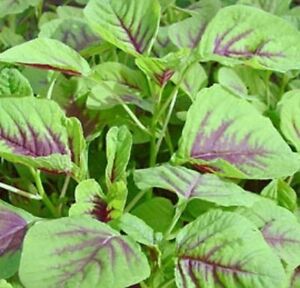
Amaranthus species plants can be broken down into 3 basic categories, grain, leaf and ornamental. All varieties of the plant can be eaten as a green leafy vegetable when the plants are young enough and all will provide seed to one degree or another but only a few provide enough seed to be considered viable as a foodstuff. Species primarily used for their seeds are … Continue reading Medicinal Qualities of Amaranth

Chinchweed : Pectis papposa

(Pectis papposa) Syn. Pectis angustifolia Torr also called Fetid marigold, Pague, Limoncillo, Lemonscent, Crownseed Pectis, Lemon-scented Pectis, Lemonscent Pectis, Lemonweed, TshéGdannItc’iih (Navajo), manzanilla del coyote, ban mansani:ya, caasol heecto (small caasol), caasol ihasii quiipe (pleasant smelling caasol (Seri), ban manzani;ya I have recently come across this plant during my research into the porophyllums. I was initially drawn to the porophyllum species because of the impact … Continue reading Chinchweed : Pectis papposa

Papalo and Pipicha. Skunk Weed?

Hierba de Zorrillo Amongst the names papalo has accrued lies the not altogether unexpected moniker “skunk weed”, although I have never found the word “zorrillo” used and for some reason online translators always come back with “hierba mofeta”; the word used is mampuritu (1) and mampurite (2) (Morton 1968). My grasp of Spanish is rudimentary at best and there is no doubt I am missing … Continue reading Papalo and Pipicha. Skunk Weed?

Chaya

Cnidoscolus chayamansa (Syn C.aconitifolius) Also called : Tree spinach Chaya or Chayamansa is originally from southern Mexico and is popular in Yucatecan Maya cuisine. Chaya grows in size from a large shrub to a small tree. It has edible leaves that are considered more nutritious than spinach that are rich in vitamin C, calcium, iron, phosphorus, and are an important source of protein. There are many … Continue reading Chaya

Agave straws : An Alternative to Plastic

In December 2019 Jose Cuervo, producers of the archetypal Mexican drink Tequila (1) since the late 1700’s, launched the Agave Project. This initiative is part of a general worldwide push seeking renewable and environmentally friendly solutions to issues of human impact on the Earth. The Agave Project is one of many community based projects initiated by Jose Cuervo over the last 21 years. They are … Continue reading Agave straws : An Alternative to Plastic

Achiote (Annatto)

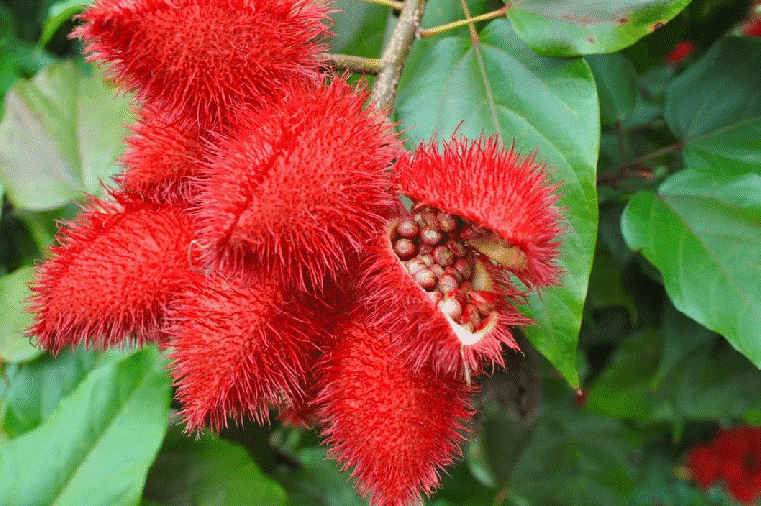
Alo called : urucum, açafrão , açafroa , açafroeria-de-terra (Brazil), axiote (Mexico), bija (Peru, Cuba), santo-domingo (Puerto Rico), urucu (Argentina, Bolivia), bixa (Guyana), analto (Honduras), onotto, onotillo (Venezuela), guajachote (El Salvador), lipstick tree Achiote is a Yucatecan spice obtained from the seeds of the Bixa orellana shrub/tree. Achiote held a sacred function for the Mayas and Aztecs as an extract of the plant was regarded as a symbolic … Continue reading Achiote (Annatto)

Damiana : Turnera diffusa

syn T.aphrodisiaca (although there are claims that these are two different plants) Also called : Hierba del pastor, shepherds herb, Hierba del venado, damiana de California (or Guerrero), mizib-coc (misibcoc, misib-cooc, xmisibcoc, miixcoc)(Maya) This herb is native to Mexico, southern Texas, Central and South America, and the Caribbean. In Mexico it is used to flavour liqueurs for an aphrodisiac effect. In 1699 Father Juan Maria … Continue reading Damiana : Turnera diffusa

Mayahuel and the Cenzton Totochtin.

The agave, aguamiel and pulque. Plants played a huge role in Aztec culture. Gardens were kept not only for food and medicinal purposes but for pleasure as well. The conquistadors were amazed by the pleasure gardens of Moctezuma (and Tenochtitlan in general) to the point of wondering whether or not they were walking through a dream. The loss of this beauty was lamented by the very same … Continue reading Mayahuel and the Cenzton Totochtin.

Ecologically friendly alternative to leather from the Nopal cactus. La segunda parte.

I have previously posted about a vegan plant based alternative to leather being produced from the nopal cactus. Two forward thinking inventors and entrepreneurs from Guadalajara and Aguascalientes, Adrián López Velarde and Marte Cázarez were planning to debut their ecologically friendly leather alternative at the International Leather Fair Lineapelle in Milan. Well Adrián and Marte exhibited their product, called Desserto, and it was received with … Continue reading Ecologically friendly alternative to leather from the Nopal cactus. La segunda parte.

Cerveza de nopal (Nopal Beer)

(Is there anything this plant CAN’T do??) In 2009 a Czech company began importing from México nopal, grown on the slopes of the Mexican volcano Popocatépetl, as an additive to produce gourmet breads. Nopal is known for having a range of health benefits (See Post on The Medicinal Qualities of Opuntia Cladodes) and it would make a valuable addition to bread as it would lower … Continue reading Cerveza de nopal (Nopal Beer)