Nocheztli : The Cochineal Beetle

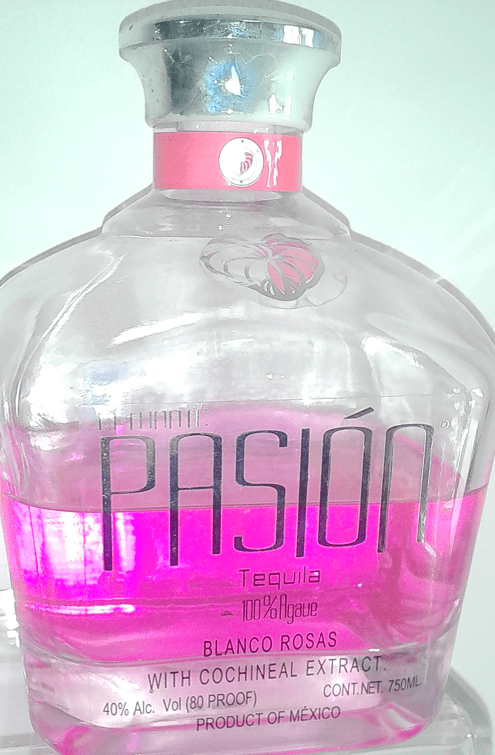
(Cochineal/Cochinilla) From Nahuatl “nochtli” (the opuntia/nopal cactus) and “eztli” (blood) Another product introduced to the world courtesy of the nopal is the bright red colourant known as cochineal. Cochineal is produced from the dried bodies of a female insect of the dactylopius genus which is a parasitic scale insect that lives off the nopal. This insect is farmed and its cultivation potentially dates to around 1000AD … Continue reading Nocheztli : The Cochineal Beetle

Achiote (Annatto)

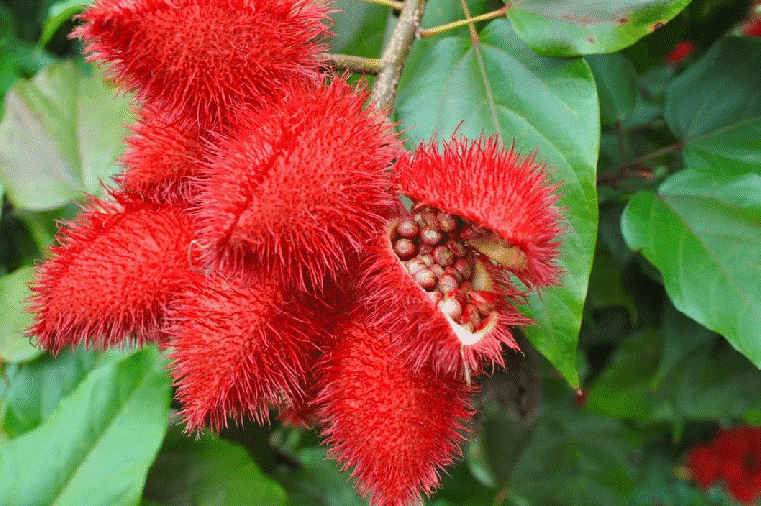
Alo called : urucum, açafrão , açafroa , açafroeria-de-terra (Brazil), axiote (Mexico), bija (Peru, Cuba), santo-domingo (Puerto Rico), urucu (Argentina, Bolivia), bixa (Guyana), analto (Honduras), onotto, onotillo (Venezuela), guajachote (El Salvador), lipstick tree Achiote is a Yucatecan spice obtained from the seeds of the Bixa orellana shrub/tree. Achiote held a sacred function for the Mayas and Aztecs as an extract of the plant was regarded as a symbolic … Continue reading Achiote (Annatto)

Quelite : Verdolagas : Purslane

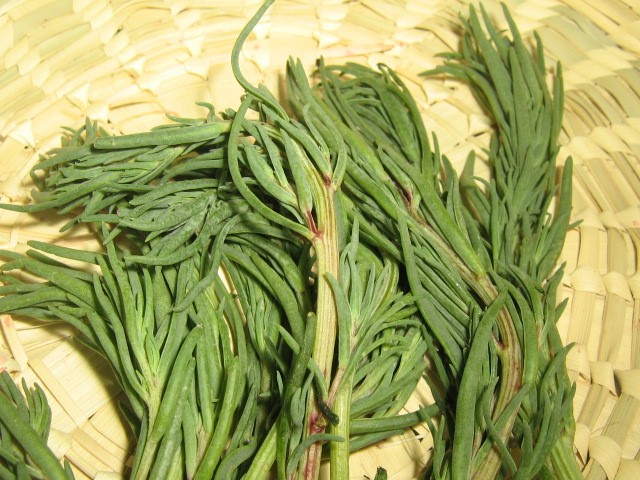
Portulaca oleracea, It is commonly known as purslane in English also called : itzmiquilitl (obsidian arrow quelite), pigweed, pursley, verdolagas (en Español), graviol (quecchi), paxlac (quiché), xukul (Maya), Mixquilit (Nahuatl), X’pul cac (Totonaco), Matac’ani (Otomí), Sa´luchi Chamo (Raramurí); (Asian names) gulasiman (Phillipines), kulfa (Hindi), ma chi xian (Chinese), (Australian aboriginal names) munyeroo (Diyari), baragilya or thibi (Wajarri), Like many of the quelites, purslane is an agricultural … Continue reading Quelite : Verdolagas : Purslane

Quelite : Sowthistle : Sonchus oleraceus

also called : smooth sowthistle, milk thistle (1), rauriki, pūhā, pūwhā, pororua, lechuguilla, cerraja, cola de zorra (foxtail), colewort, hares lettuce, hares thistle, rabbit thistle, kŭcài (苦菜)(bitter vegetable) Another plant introduced into Mexico that can be considered a quelite is sowthistle. Sowthistle is an annual herb native to Europe, Asia and northern Africa. It is a common urban plant, which in many places is considered … Continue reading Quelite : Sowthistle : Sonchus oleraceus

Edible Insects : Axayácatl (Ahuautli)

Mesoamericans ate a wide range of insects. The Aztecs (and modern “in the know” locals) ate ahuautli. Ahuautli is the name for the edible eggs of an aquatic fly in the Corixidae or Notonectidae families. They are found in the lakes of the México basin. The eggs (like michihuautli)(1) look (and supposedly taste – although this is subjective) like fish roe. Cakes of it were (and still … Continue reading Edible Insects : Axayácatl (Ahuautli)

Quelites : Romeritos

also called romerillo, seepweed, seablite, quelite salado (salty quelite), inkweed, Mojave seablite, shrubby seepweed Romeritos – “little rosemary” (Suaeda torreyana), is so named due to its superficial resemblance to Rosemary. It is an example of a wild plant that, due to its popularity, is now required in commercial quantities. Surveys performed by INEGI (1) have found that gardens in and around Mexico City are responsible for the … Continue reading Quelites : Romeritos

Quelite : Huauzontle

Chenopodium nuttalliae (syn : C.berlandieri) “hairy amaranth” – from the Nahuatl huauhtli ‘amaranth’ and tzontli ‘hair’ According to a Mexican government website (1) the cultivation of huauzontle was prohibited by the Spanish, along with amaranth (2), due to its use in religious rites linked to human sacrifice. Huauzontles are a highly nutritious plant from the Chenopodium or “Goosefoot” family. Other plants in this family include … Continue reading Quelite : Huauzontle

Xochimilco and the Axolotl

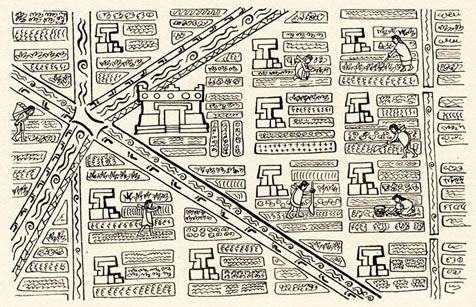
The word “Xochimilco” is Nahuatl for “where the flowers grow”. It is an area of lakes and canals that was a major agricultural centre in Mesoamerica and remains as the only reminder of traditional Pre-Hispanic land-use in the waterways of the Mexico City basin. This compound glyph for the place name Xochimilco features two colourful, detailed flowers [xochi(tl)], and a rectangular, segmented, textured parcel of land [mil(li)]. … Continue reading Xochimilco and the Axolotl

Sende : Sendecho

Octli (or pulque) from the maguey and tepache from pineapple are well known; but the knowledge of one drink, Sende (or sendechó/sende choo) is in danger of being lost. Only a few still know the traditional production methods of this drink. It is a labour intensive product and in this day and age of speed and convenience fewer still are prepared to learn the ancient methods of production. When made … Continue reading Sende : Sendecho