Pulque Curado : Sangre de Conejo (Rabbits Blood)

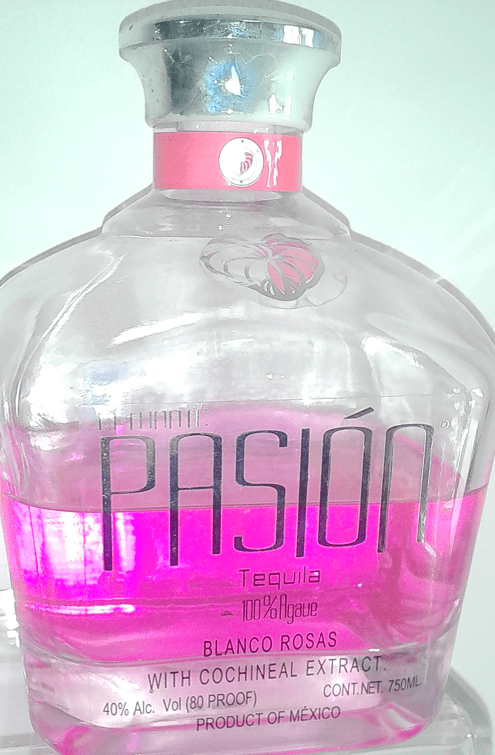
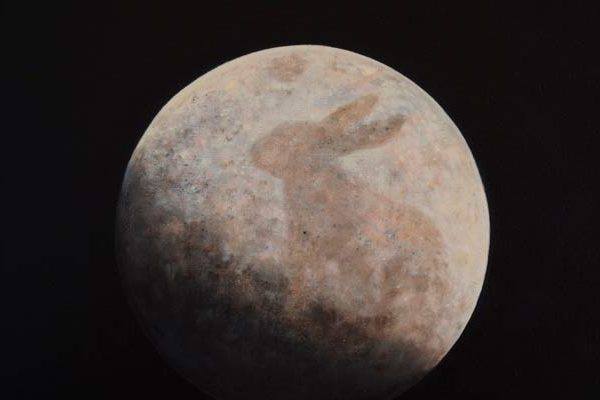
Updated 16/06/22 The rabbit holds a special place in the mythological landscape of México. It plays a part in both the legend of the moon (1) and in the creation of pulque. The moon is itself represented in various codices by the image of a jar of pulque, the rabbit was used as a measuring stick of drunkenness (2) and the saying “Ye iuhqui itoch” … Continue reading Pulque Curado : Sangre de Conejo (Rabbits Blood)

Pulque Curado : Tecolio

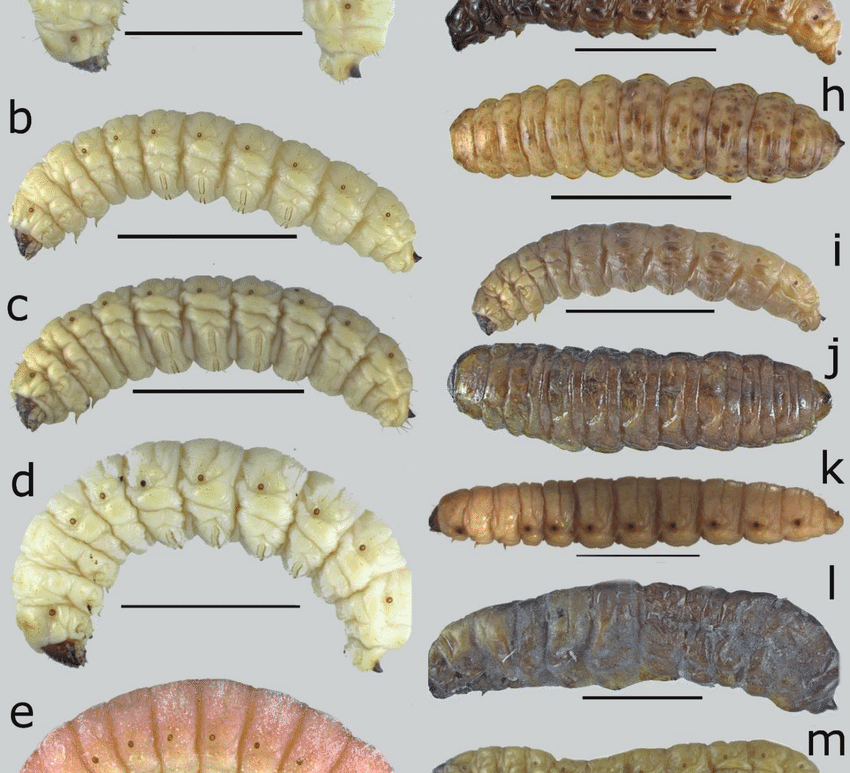
It is said that pulque is “sólo le falta un grado para ser carne” (one grade shy of being meat) and that the only thing pulque lacks for being meat are bones. Well this drink, tecolio, removes that difference. This drink takes its name from red maguey worms (1), larvae of the moth Comadia redtenbacheri (2) which are added to pulque to create a uniquely … Continue reading Pulque Curado : Tecolio

Chinchweed : Pectis papposa

(Pectis papposa) Syn. Pectis angustifolia Torr also called Fetid marigold, Pague, Limoncillo, Lemonscent, Crownseed Pectis, Lemon-scented Pectis, Lemonscent Pectis, Lemonweed, TshéGdannItc’iih (Navajo), manzanilla del coyote, ban mansani:ya, caasol heecto (small caasol), caasol ihasii quiipe (pleasant smelling caasol (Seri), ban manzani;ya I have recently come across this plant during my research into the porophyllums. I was initially drawn to the porophyllum species because of the impact … Continue reading Chinchweed : Pectis papposa

Papalo and Pipicha. Skunk Weed?

Hierba de Zorrillo Amongst the names papalo has accrued lies the not altogether unexpected moniker “skunk weed”, although I have never found the word “zorrillo” used and for some reason online translators always come back with “hierba mofeta”; the word used is mampuritu (1) and mampurite (2) (Morton 1968). My grasp of Spanish is rudimentary at best and there is no doubt I am missing … Continue reading Papalo and Pipicha. Skunk Weed?

Dandelion? Identifying Wild Plants

I recently came across a term that I had never heard before. Plant Blindness. The term was coined in 1999 by botanists James Wandersee and Elisabeth Schussler. They described it as “the inability to see or notice the plants in one’s own environment”. William (2003) puts a little more into it “Plant blindness is a form of cognitive bias, which in its broadest meaning, is … Continue reading Dandelion? Identifying Wild Plants

Chaya

Cnidoscolus chayamansa (Syn C.aconitifolius) Also called : Tree spinach Chaya or Chayamansa is originally from southern Mexico and is popular in Yucatecan Maya cuisine. Chaya grows in size from a large shrub to a small tree. It has edible leaves that are considered more nutritious than spinach that are rich in vitamin C, calcium, iron, phosphorus, and are an important source of protein. There are many … Continue reading Chaya

Culantro : A Cilantro Mimic

Eryngium foetidum Also called : Eryngo, sawtooth Coriander, Mexican coriander, wild coriander, cilantro de hoja, cilantro de monte, ancha (broadleaf cilantro), long coriander,  recao, chandon beni, perennial coriander, fitweed, Mexico: cilantron, cilantrillo, cilantro extranjero, Perejil de Tabasco (Mexico), Caribbean: Culantro de Monte, China: Jia Yuan Qian, Germany: Langer Koriander, Mexicanischer Koriander, Jamaica: Spiritweed, Laos: Hom Tay Malaysia: Daun Ketumbar Jawa, Ketumbar Java, Thailand: Pak Chi Farang, … Continue reading Culantro : A Cilantro Mimic

Nocheztli : The Cochineal Beetle

(Cochineal/Cochinilla) From Nahuatl “nochtli” (the opuntia/nopal cactus) and “eztli” (blood) Another product introduced to the world courtesy of the nopal is the bright red colourant known as cochineal. Cochineal is produced from the dried bodies of a female insect of the dactylopius genus which is a parasitic scale insect that lives off the nopal. This insect is farmed and its cultivation potentially dates to around 1000AD … Continue reading Nocheztli : The Cochineal Beetle

Achiote (Annatto)

Alo called : urucum, açafrão , açafroa , açafroeria-de-terra (Brazil), axiote (Mexico), bija (Peru, Cuba), santo-domingo (Puerto Rico), urucu (Argentina, Bolivia), bixa (Guyana), analto (Honduras), onotto, onotillo (Venezuela), guajachote (El Salvador), lipstick tree Achiote is a Yucatecan spice obtained from the seeds of the Bixa orellana shrub/tree. Achiote held a sacred function for the Mayas and Aztecs as an extract of the plant was regarded as a symbolic … Continue reading Achiote (Annatto)

Quelite : Verdolagas : Purslane

Portulaca oleracea, It is commonly known as purslane in English also called : itzmiquilitl (obsidian arrow quelite), pigweed, pursley, verdolagas (en Español), graviol (quecchi), paxlac (quiché), xukul (Maya), Mixquilit (Nahuatl), X’pul cac (Totonaco), Matac’ani (Otomí), Sa´luchi Chamo (Raramurí); (Asian names) gulasiman (Phillipines), kulfa (Hindi), ma chi xian (Chinese), (Australian aboriginal names) munyeroo (Diyari), baragilya or thibi (Wajarri), Like many of the quelites, purslane is an agricultural … Continue reading Quelite : Verdolagas : Purslane