Carnitas

Carnitas, literally translated means “little meats”. This is a dish made by braising, simmering and frying pork in its own fat, lard or cooking oil. It is often called a confit (1) but it really isn’t. A confit (as it refers to pork and not a fruit preserve for instance) involves immersing the pork completely in fat (lard) and slowly simmering it until very tender … Continue reading Carnitas

Tepache. Part Two. The Recipe.

There’s also some medicinal info at the bottom so check that out too. Brief recap. What is tepache? Tepache (from nahuatl “tépiatl” or “tepiatzin” (1), related to maize variety “téplit” (2) is a Mexican prehispanic fermented beverage originally prepared with maize (Pérez-Armendáriz and Cardoso-Ugarte, 2020). Ulloa and Herrera (1982) do (kind of) back this up though (the corn/water drink that is) by noting “Although this … Continue reading Tepache. Part Two. The Recipe.

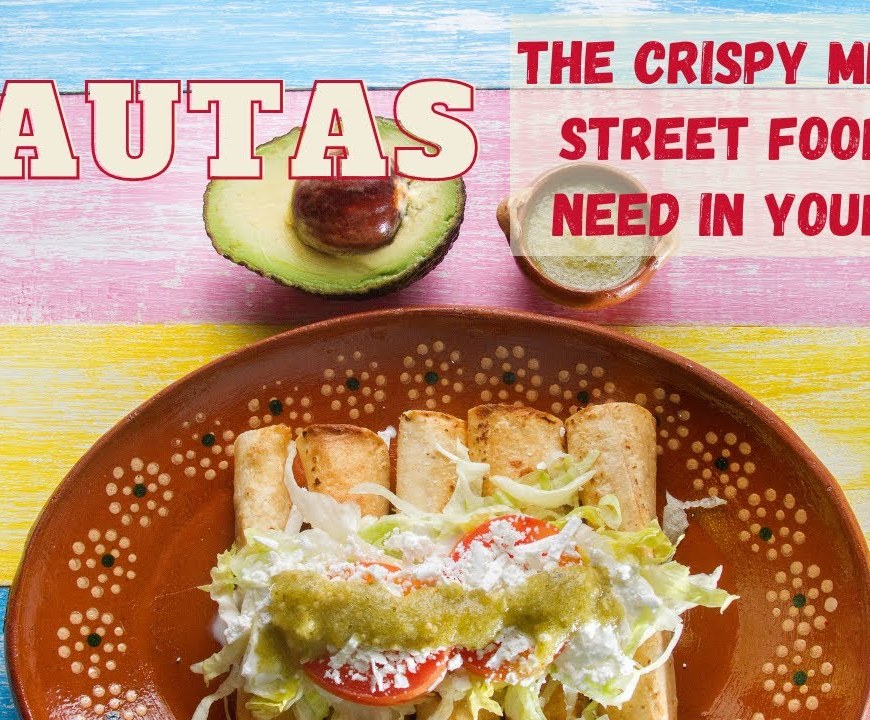
Flor de Jamaica : Tacos dorados con Crema de Aguacate

This dish resulted from a challenge given me by my friend Juan. I am known amongst my Mexican friends as Jamaica Man because I bring agua de jamaica to all of the FOMEX (1) events held in our city. At our last event (Mexican Independence Day celebration) which we held the day the Tallship Cuauhtemoc departed the Port of Fremantle (2), Juan regaled me of … Continue reading Flor de Jamaica : Tacos dorados con Crema de Aguacate

Tlaxcales : Prehispanic Corn Biscuits

The prehispanic biscuit known as a tlaxcal (also tlascal : plural tlaxacales) has the same etymological root as the tortilla. The name of the region known as Tlaxcala is derived from the Classical Nahuatl Tlaxcallān, from tlaxcalli (“tortilla”) + -tlān (place of), although some historians note that the toponym (1) for Tlaxcala comes from another Nahuatl word texcalli which meant ‘stone, rock, crag (2)’ and … Continue reading Tlaxcales : Prehispanic Corn Biscuits

Prehispanic Drinks – Bate

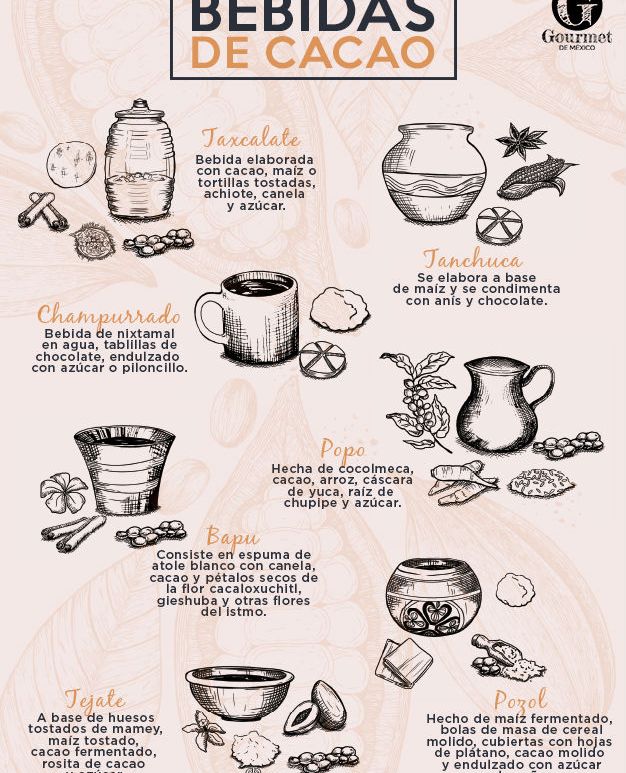
The beverage, bate, is a traditional beverage of the state of Colima made from toasted and ground chan, beaten with water and sweetened with honey or a kind of molasses prepared from piloncillo, or hard brown sugar. The chan seed is an interesting pseudograin that hails originally from the Mexican state of Colima. Suchitlán is a small town around 20 kilometres outside of the state … Continue reading Prehispanic Drinks – Bate

Ixchel and the Legend of Chepil

I have posted on the herb chipilin previously and noted both its culinary and medicinal uses. Check this out at Quelite : Chipilin : Crotalaria longirostrata I want to expand upon my original Post with some cultural background on the herb and a legend on the creation of the plant. Many plants have creation myths, usually involving death, violence and/or a tragic love story, and … Continue reading Ixchel and the Legend of Chepil

Quelite : Mafafa : Eating the Taro stem

I have briefly written of this plant (or one of its ilk). See my previous Post Quelite : Mafafa. It is important you check the WARNINGS in this Post as all varieties of this plant contain highly irritant calcium oxalate crystals which need to be removed (by cooking) before the plant can be safely consumed. A couple of months ago I noted an African person … Continue reading Quelite : Mafafa : Eating the Taro stem

Ingredient : Asiento and a Brief History of Tlayudas, Doraditos and Huaraches.

When I was a child a snack that my father would sometimes eat was bread and dripping. Dripping was the fat left in the pan after roasting (usually) either beef or mutton (1). After the roast was removed from the pan the “juices” were allowed to settle and any excess oil rose to the surface. This fat is clear at first but as the contents … Continue reading Ingredient : Asiento and a Brief History of Tlayudas, Doraditos and Huaraches.

Michimole : Mole Salvaje (Wild Mole)

In my Post Esquites, Tequesquite and a Witches Curse. I bring up the figure Tlazocihualpilli. Tlazocihualpilli was a Xochimilca who was the Tlatoani of the altepetl (1) of Xochimilco between the Years 12 Reed and 11 Reed (1335 – 1347). She is a semi-mythical being who, apart from being the ONLY female tlatoani to have ruled Xochimilco, and one of very few women to have … Continue reading Michimole : Mole Salvaje (Wild Mole)