Ixchel and the Legend of Chepil

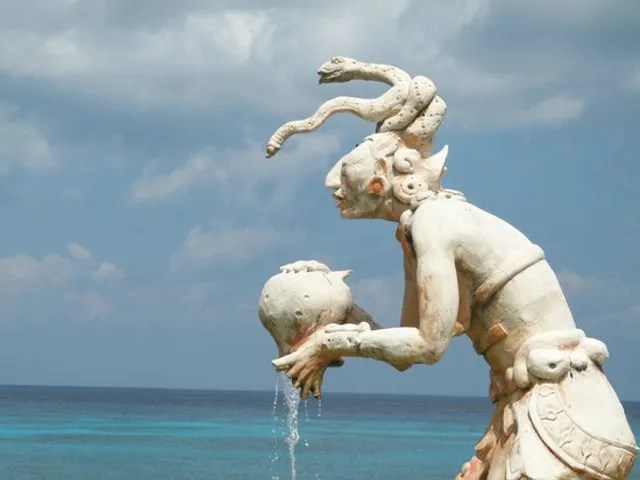
I have posted on the herb chipilin previously and noted both its culinary and medicinal uses. Check this out at Quelite : Chipilin : Crotalaria longirostrata I want to expand upon my original Post with some cultural background on the herb and a legend on the creation of the plant. Many plants have creation myths, usually involving death, violence and/or a tragic love story, and … Continue reading Ixchel and the Legend of Chepil

Quelite : Mafafa : Eating the Taro stem

I have briefly written of this plant (or one of its ilk). See my previous Post Quelite : Mafafa. It is important you check the WARNINGS in this Post as all varieties of this plant contain highly irritant calcium oxalate crystals which need to be removed (by cooking) before the plant can be safely consumed. A couple of months ago I noted an African person … Continue reading Quelite : Mafafa : Eating the Taro stem

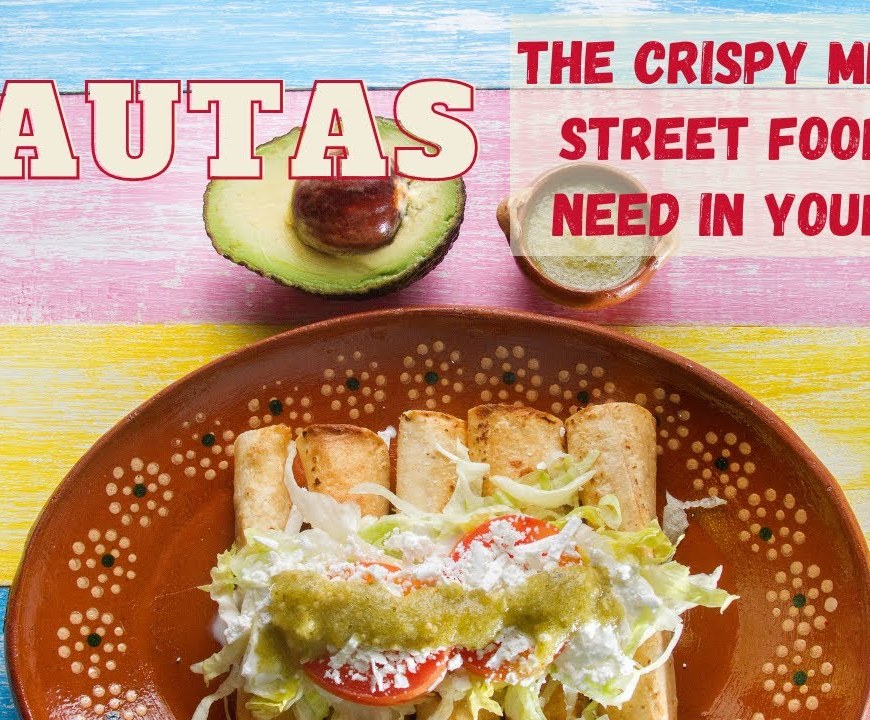
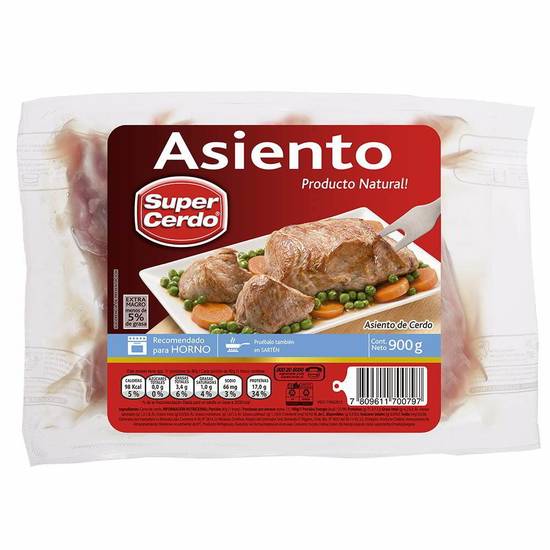
Ingredient : Asiento and a Brief History of Tlayudas, Doraditos and Huaraches.

When I was a child a snack that my father would sometimes eat was bread and dripping. Dripping was the fat left in the pan after roasting (usually) either beef or mutton (1). After the roast was removed from the pan the “juices” were allowed to settle and any excess oil rose to the surface. This fat is clear at first but as the contents … Continue reading Ingredient : Asiento and a Brief History of Tlayudas, Doraditos and Huaraches.

Michimole : Mole Salvaje (Wild Mole)

In my Post Esquites, Tequesquite and a Witches Curse. I bring up the figure Tlazocihualpilli. Tlazocihualpilli was a Xochimilca who was the Tlatoani of the altepetl (1) of Xochimilco between the Years 12 Reed and 11 Reed (1335 – 1347). She is a semi-mythical being who, apart from being the ONLY female tlatoani to have ruled Xochimilco, and one of very few women to have … Continue reading Michimole : Mole Salvaje (Wild Mole)

Esquites, Tequesquite and a Witches Curse.

Esquites are a “ Mexican snack ” composed mainly of seasoned, boiled corn kernels served in a cup. They are a well known and loved snack throughout all of México. Vendors can be found on street corners, bus stations, train stations and in mercados pumping out the most fundamental (and probably the most original) street food of all Mesoamerica. Now do you want it on … Continue reading Esquites, Tequesquite and a Witches Curse.

Ketumbar Bolivia : The Poreleaf in Southeast Asia

Cover image : roadside offering to the Gods on a street in Bali. Ketumbar Bolivia = Bolivian Coriander : generally identified as Porophyllum ruderale (syn P.ellipticum) Also called : Seungit (fragrant, smells good – Indonesia.) In southeast Asia Ketumbar Bolivia is a type of papalo usually identified as being the variety known as Porophyllum ruderale. Ketumbar (katumbar) is a Brunei Malay (1) word signifying the … Continue reading Ketumbar Bolivia : The Poreleaf in Southeast Asia

A Naturopathic View of the Aztec Diet : Part 1

Wow. This started as something else. We’ll get to the Aztec diet part in a minute. Before I wanted to start I thought I’d define a couple of terms (one being “Naturopath”) so I thought I’d do a quick Google to get some ideas of the definitions out there and how they measured against what I know and all I can say is Holy Fuck! … Continue reading A Naturopathic View of the Aztec Diet : Part 1

Gentification of the Molinillo?

Cultural appropriation (and appreciation), gentrification and gentefication. What’s in the mix? I recently published a Post on an unique prehispanic cooking tool called the molinillo. Mexican Cooking Equipment : The Molinillo This tool has become, more or less, the focus for this Post as a molinillo that has recently entered my collection raised a few questions within myself regarding when (and how) is it OK … Continue reading Gentification of the Molinillo?

Papalo, Guerrero, and the Cemita Poblana.

Papalo is a herb that falls under the designation of “quelite” (1). Quelites are (usually) wild herbs that are allowed to grow if they spontaneously sprout within the milpa or are collected from the wild. The term quelite is not limited to leafy herbs but also encompasses the flowers (2), roots (3), vines, stems (4) and seeds (5) of various plants (including trees)(6). Some quelites … Continue reading Papalo, Guerrero, and the Cemita Poblana.