Papalo, Guerrero, and the Cemita Poblana.

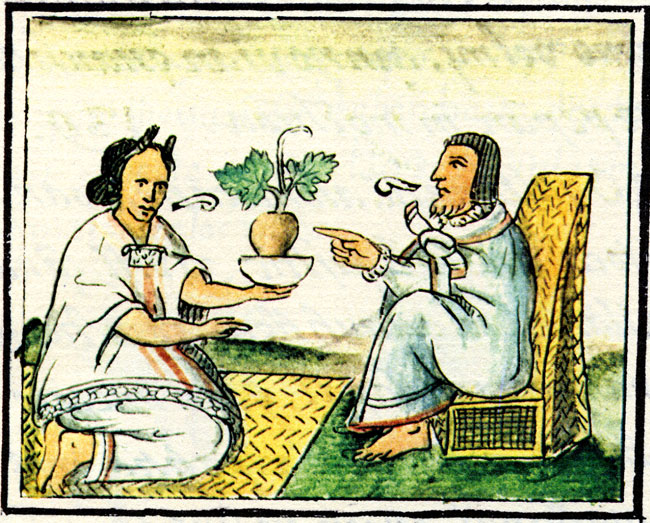
Papalo is a herb that falls under the designation of “quelite” (1). Quelites are (usually) wild herbs that are allowed to grow if they spontaneously sprout within the milpa or are collected from the wild. The term quelite is not limited to leafy herbs but also encompasses the flowers (2), roots (3), vines, stems (4) and seeds (5) of various plants (including trees)(6). Some quelites … Continue reading Papalo, Guerrero, and the Cemita Poblana.

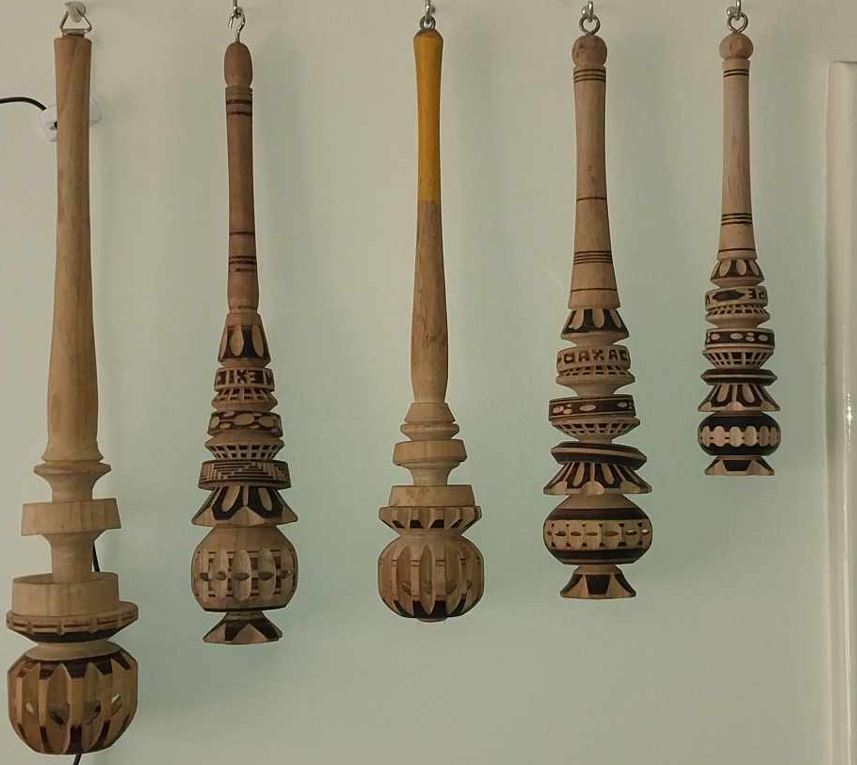
Mexican Cooking Equipment : The Molinillo

A friend recently sent me a message saying she’d found something at a second hand store, she didn’t know what it was, but thought I’d like it as it was from México. It turns out she’d found a molinillo or a hand held kitchen tool used in México for mixing and “frothing” hot chocolate. The literal translation for molinillo often comes out as “grinder”. This … Continue reading Mexican Cooking Equipment : The Molinillo

Books along the way

As a chef I have amassed a collection of books regarding the cuisines of many cultures. The largest section of my collection is by far the books on México (and México adjacent) cuisine. This is a small journey through the library of my mind. This was the book that fundamentally changed my understanding of Mexican cuisine and cookery. This book also introduced me to the … Continue reading Books along the way

Recipe : Salsa Macha (cookie * recipe included)

*that’s “biscuit” (or bikkie) for my Australian brethren. I recently came across a flourless cookie recipe for a peanuty buttery chile crispy cookie. I love the idea of a chile cookie and one of my staples is an ancho chile, dried cherry and dark chocolate Italian style biscotti. This cookie however was quite different and I was intrigued. Well, where exactly does salsa macha (1) … Continue reading Recipe : Salsa Macha (cookie * recipe included)

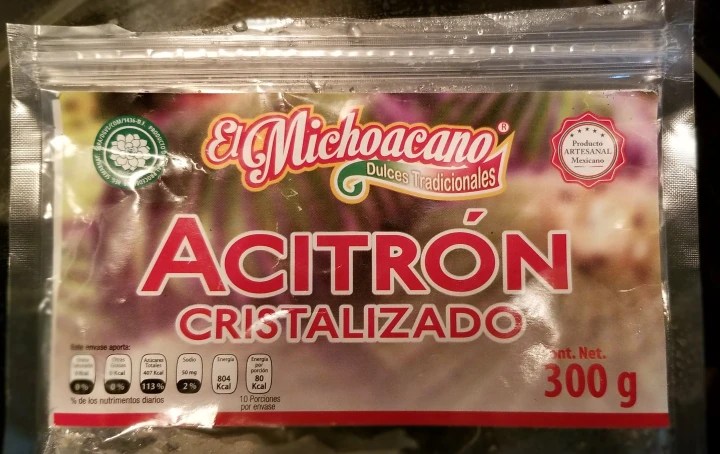
Cooking Technique : Acitronar (and by default the Biznaga and Acitrón)

acitronar (first-person singular present acitrono, first-person singular preterite acitroné, past participle acitronado) This technique is not solely a phenomenon of México. In French cuisine the technique known as “sweating” is very similar in nature to acitronar Sweating is the process of releasing flavours with moisture and low temperatures. It is a technique that uses a gentle heat to soften vegetables and gently draw out their … Continue reading Cooking Technique : Acitronar (and by default the Biznaga and Acitrón)

Cooking Technique : Martajar (and the Molcajete)

Martajar : TRANSITIVE VERB : (Centroamérica) (México) [+maíz] to pound; grind “Es la acción de machacar alimentos, ya sea en molcajete o metate, con antiguos utensilios de la época prehispánica, obteniendo una mezcla con aspecto rústico al que se le denomina molcajeteado, martajado o “no bien molido”. It is the action of crushing food, either in a molcajete or metate, with old utensils from pre-Hispanic … Continue reading Cooking Technique : Martajar (and the Molcajete)

Quelite : Chivatitos

(also called) : chivatitos , chivitos , chivatos, lengua de pájaro (birds tongue), lengüitas, Hierba de San Nicolas, barbas de San Nicolas, berros, excacahue, señorita, barba de chivo, tsikuarini, quelite poblano, xubatoti (Matlatzinca), Rock purslane, Red maids, Fringed Red maids Variously identified as Calandrinia ciliata (Linares etal 2017) (syn Calandrinia caulescens) (Yanovsky 1936) Calandrinia micrantha (Castillo-Juárez etal 2009) Calandrinia is a large genus of flowering … Continue reading Quelite : Chivatitos

Vitamina T : Totopos and the Chilaquil

What constitutes “real” Mexican food? Is it the ingredients? Is it the technique? My first introduction to Mexican food (in Australia) as a child (so we’re talking the late 1970’s here) was through the Old El Paso brand. Now, although certainly not from the heart of México, this range of products was created in its northern reaches in land that (politically speaking) was once Mexican … Continue reading Vitamina T : Totopos and the Chilaquil