




Essential Oil Properties
In many of the medicinal descriptions of plants I note the chemical constituents of plants. For those who know of such things these chemicals will indicate the healing potential of the plant. Essential oils can be drawn from a plant in a number of ways. The two most important being a steam extraction of the oil or the oils that are extracted via alcohol when … Continue reading Essential Oil Properties


Frutos de Cactus : Garambullo
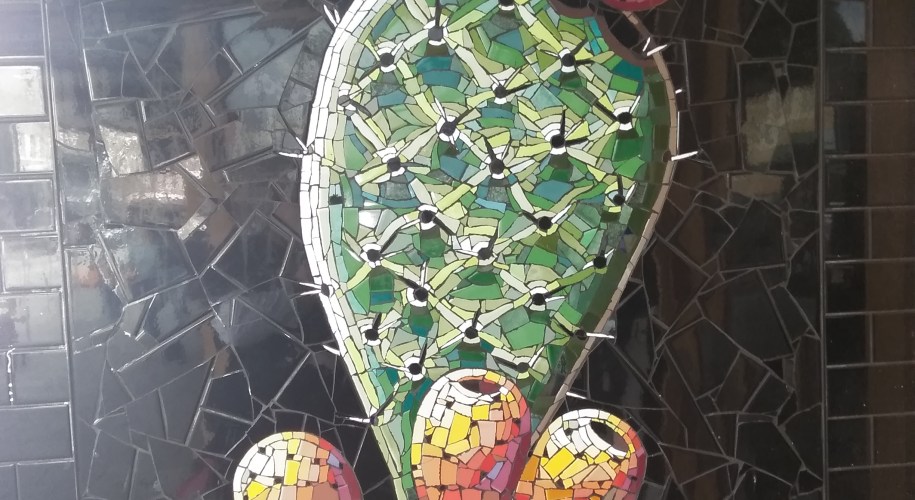
Myrtillocactus geometrizans Syn. Myrtillocactus grandiareolatus; Cereus geometrizans Mart. ex Pfeiff.; Cereus pugioniferus Lem.; Myrtillocactus pugionifer (Lem.) A.Berger. Myrtillocactus, in Latin, literally means “blueberry cactus”. From the medieval Latin myrtillus (diminutive of Latin myrtus) which is an obsolete spelling of mirtilo (which means “blueberry”). also called : bilberry cactus, whortleberry cactus, blue candle cactus. It gets its common name from fruits which resemble those of a … Continue reading Frutos de Cactus : Garambullo
Bougainvillea : Bugambilia
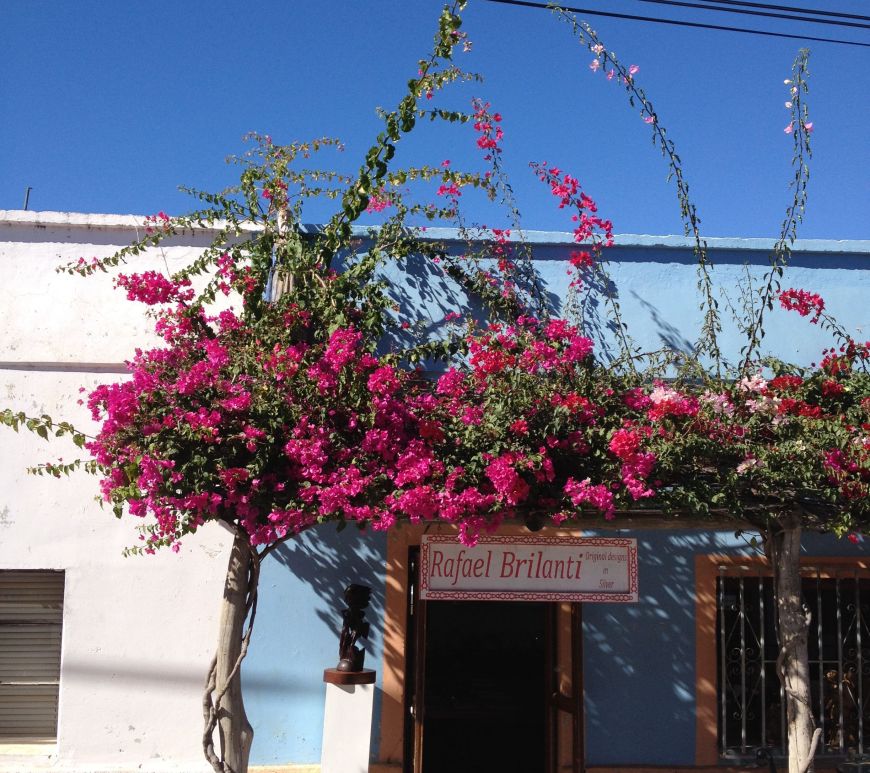
B. spectabilis also known as paper flower (English); Buganvilla, Bugambilea, Napoleón , Veranera, Trinitaria , Santa Rita, and Papelillo (en espanol); bougainvillier (French), buganvillea (Italian); bunga kertas (Indonesian); felila (Japanese); bouganvila (Konkani); buginvila (Malay); cherei (Manipuri); bogambilya (tagalog); kagithala puvvu (Telugu); fuang fah (Thai); bong giay (Vietnamese); booganbel (Hindi); baganbilas (Bengali); mao bao jin, ye zi hua (Chinese); This plant is native to eastern South … Continue reading Bougainvillea : Bugambilia

Xochipilli : Beyond Gender
This is the Xicalcoliuhqui symbol that can be found all throughout Mesoamerica on buildings, artwork, clothing, and even war shields. It is the oldest and most widespread symbol of duality that exists in Mesoamerican cultures. Xicalcoliuhqui, also referred to as a “step fret” or “stepped fret” design, is a common motif in Mesoamerican art. It is composed of three or more steps connected to a … Continue reading Xochipilli : Beyond Gender

Destilado de Pulque
Typically vinos de mezcal (1) are made by cooking the heart of the agave (2) either by steaming in an autoclave or by baking in ovens (3) which is then crushed to obtain a sweet juice. This juice is then fermented and then distilled to produce the alcoholic beverages known as mezcal and tequila. Before the notion of Mezcal or Tequila as categories of spirits, … Continue reading Destilado de Pulque

Xochipilli and Homosexuality : Part 2
Xochipilli is so intimately linked with another deity, Xochiquetzal, that they are sometimes conflated into one being. This brings up some interesting questions into the nature of transgender behaviour and hermaphroditism (1). These are interesting questions but as neither of these necessarily has to involve homosexuality I will not delve into either in any particular detail in this Post. This is a conversation to be … Continue reading Xochipilli and Homosexuality : Part 2
Xochipilli and Homosexuality : Part 1
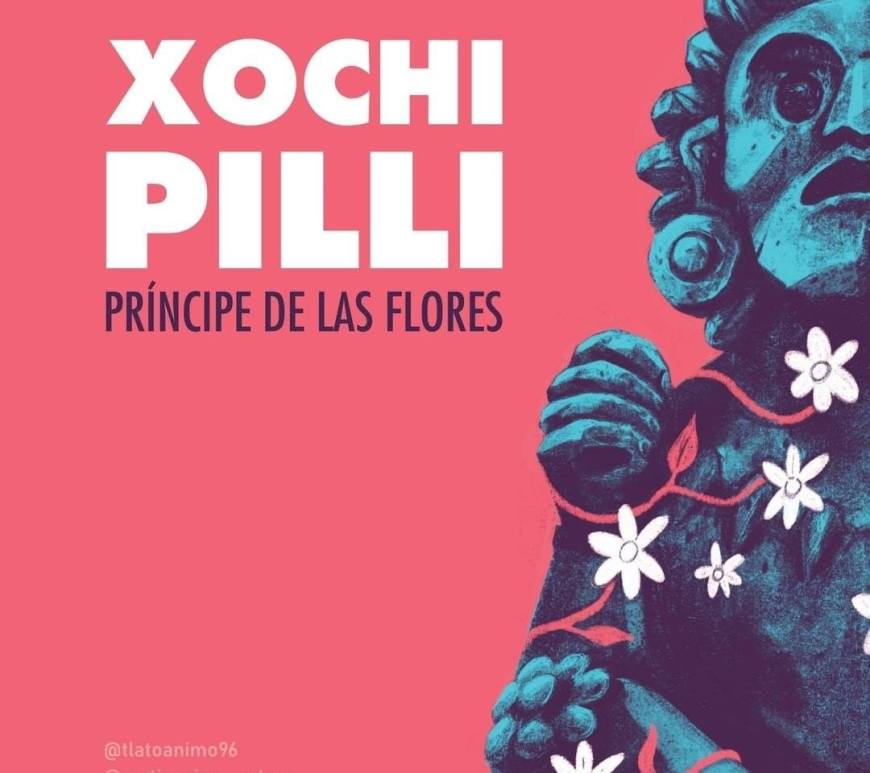
**Revised and Updated** This has become a larger project than I initially imagined it might be. There is more than enough information available for this exploration to become the basis for a thesis. To make it easier to write (and read) I’ll break this chapter into two parts. In Part 2 I will delve into the relationship between Xochipilli and Xochiquetzal. I expect this will … Continue reading Xochipilli and Homosexuality : Part 1

New(ish) Additions to the Poreleaf Family.
Porophyllum spathulatum (Asteraceae: Tageteae), a new species from the southern Brazilian coast. It is known to occur only in Balneário Hermenegildo, Santa Vitória do Palmar, Rio Grande do Sul, southernmost Brazil. This plant is considered “critically endangered” (Carniero etal 2014). As of 2014 the entire population of this plant was known to be composed of only 21 individuals. This species of poreleaf differs from its … Continue reading New(ish) Additions to the Poreleaf Family.

Xochipilli : New Floral Identifications
The Aztec universe has been poorly represented and even less eloquently articulated. This is in some way to be expected as our understanding of this universe has been in many ways limited by the existing written sources that describe this universe. These sources were, by and large, written by the very peoples who destroyed the culture they were inadequately attempting to describe and were also … Continue reading Xochipilli : New Floral Identifications

Pre-made Mole. Blessing or Curse? Homage or Travesty?
The author is not receiving (nor has sought) any financial benefit or support from any of the products or companies mentioned in this Post. This was my first exposure to mole in Australia. I found it in (of all places) a Filipino grocery store. Historically speaking this is not so unusual I guess as it was the Manila galleons that opened up trade between Asia … Continue reading Pre-made Mole. Blessing or Curse? Homage or Travesty?
 Masa Americana