





Dandelion? Identifying Wild Plants
I recently came across a term that I had never heard before. Plant Blindness. The term was coined in 1999 by botanists James Wandersee and Elisabeth Schussler. They described it as “the inability to see or notice the plants in one’s own environment”. William (2003) puts a little more into it “Plant blindness is a form of cognitive bias, which in its broadest meaning, is … Continue reading Dandelion? Identifying Wild Plants


Chaya
Cnidoscolus chayamansa (Syn C.aconitifolius) Also called : Tree spinach Chaya or Chayamansa is originally from southern Mexico and is popular in Yucatecan Maya cuisine. Chaya grows in size from a large shrub to a small tree. It has edible leaves that are considered more nutritious than spinach that are rich in vitamin C, calcium, iron, phosphorus, and are an important source of protein. There are many … Continue reading Chaya

COVID 2020 : The Coronavirus Chronicles : Mexico and the Coronavirus.
*DISCLAIMER (There is no connection between Corona beer and the novel influenza virus COVID-19) I sit in strange times. It is the 15th of March 2020 and the World seems beset by fear (or at least the anticipation of it). It is several weeks into the outbreak of a previously unseen influenza virus in or near to the Wuhan province in China. Information given seems … Continue reading COVID 2020 : The Coronavirus Chronicles : Mexico and the Coronavirus.

Culantro : A Cilantro Mimic
Eryngium foetidum Also called : Eryngo, sawtooth Coriander, Mexican coriander, wild coriander, cilantro de hoja, cilantro de monte, ancha (broadleaf cilantro), long coriander, recao, chandon beni, perennial coriander, fitweed, Mexico: cilantron, cilantrillo, cilantro extranjero, Perejil de Tabasco (Mexico), Caribbean: Culantro de Monte, China: Jia Yuan Qian, Germany: Langer Koriander, Mexicanischer Koriander, Jamaica: Spiritweed, Laos: Hom Tay Malaysia: Daun Ketumbar Jawa, Ketumbar Java, Thailand: Pak Chi Farang, … Continue reading Culantro : A Cilantro Mimic

Quelite : Dandelion
Featured Image by Saad Chaudhry Taraxacum officinale Also called : Diente de león , amargón (bitter), plumerillo, panadero, moraja (Sinaloa), cerraja (Jalisco), globillo, chipule, achicoria, lechuguilla, nocuana-gueeta (Zapotec), botón de oro (gold button) Dandelions are an ubiquitous weed that can be found in all environments from the countryside to the inner city. They are considered native to Eurasia but have migrated to all countries on … Continue reading Quelite : Dandelion

Agave straws : An Alternative to Plastic
In December 2019 Jose Cuervo, producers of the archetypal Mexican drink Tequila (1) since the late 1700’s, launched the Agave Project. This initiative is part of a general worldwide push seeking renewable and environmentally friendly solutions to issues of human impact on the Earth. The Agave Project is one of many community based projects initiated by Jose Cuervo over the last 21 years. They are … Continue reading Agave straws : An Alternative to Plastic
Nocheztli : The Cochineal Beetle
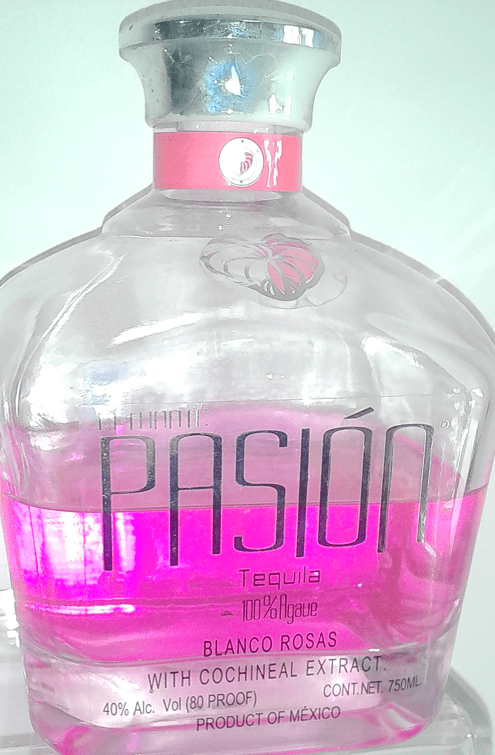
(Cochineal/Cochinilla) From Nahuatl “nochtli” (the opuntia/nopal cactus) and “eztli” (blood) Another product introduced to the world courtesy of the nopal is the bright red colourant known as cochineal. Cochineal is produced from the dried bodies of a female insect of the dactylopius genus which is a parasitic scale insect that lives off the nopal. This insect is farmed and its cultivation potentially dates to around 1000AD … Continue reading Nocheztli : The Cochineal Beetle

Glossary of Terms used in Herbal Medicine.
glossary/ˈɡlɒs(ə)ri/an alphabetical list of words relating to a specific subject, text, or dialect, with explanations; a brief dictionary. Throughout this blog I use terms that many may not be familiar with. Due to my training as a naturopath and herbalist I tend to use the terms I was taught without thinking that others may not have a clue about the words I am babbling forth. … Continue reading Glossary of Terms used in Herbal Medicine.
Achiote (Annatto)
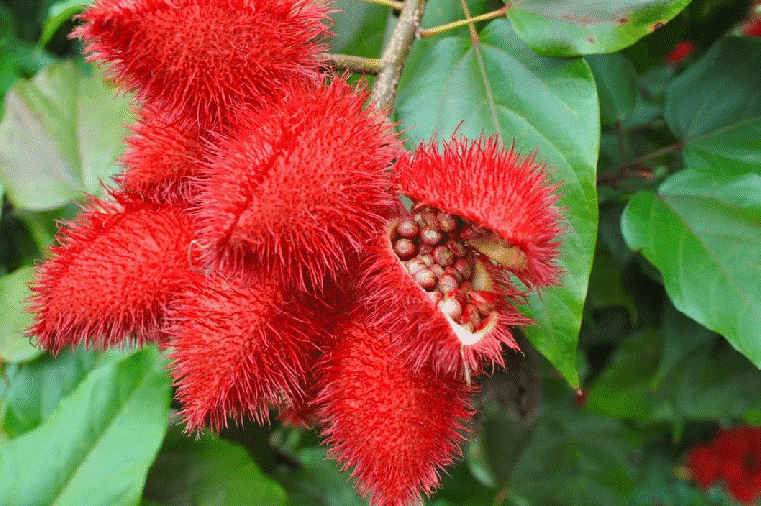
Alo called : urucum, açafrão , açafroa , açafroeria-de-terra (Brazil), axiote (Mexico), bija (Peru, Cuba), santo-domingo (Puerto Rico), urucu (Argentina, Bolivia), bixa (Guyana), analto (Honduras), onotto, onotillo (Venezuela), guajachote (El Salvador), lipstick tree Achiote is a Yucatecan spice obtained from the seeds of the Bixa orellana shrub/tree. Achiote held a sacred function for the Mayas and Aztecs as an extract of the plant was regarded as a symbolic … Continue reading Achiote (Annatto)

Los San Patricios : Saint Patrick’s Brigade : The Irish in Mexico
Commemorative plaque placed at the San Jacinto Plaza in the district of San Ángel, Mexico City in 1959 “In memory of the Irish soldiers of the heroic St. Patrick’s Battalion, martyrs who gave their lives to the Mexican cause in the United States’ unjust invasion of 1847” March 17th is the day we traditionally celebrate the feast of the Irish saint St Patrick. In México, on September 22nd … Continue reading Los San Patricios : Saint Patrick’s Brigade : The Irish in Mexico
 Masa Americana