




Quelite : Mafafa : Eating the Taro stem
I have briefly written of this plant (or one of its ilk). See my previous Post Quelite : Mafafa. It is important you check the WARNINGS in this Post as all varieties of this plant contain highly irritant calcium oxalate crystals which need to be removed (by cooking) before the plant can be safely consumed. A couple of months ago I noted an African person … Continue reading Quelite : Mafafa : Eating the Taro stem

Ingredient : Asiento and a Brief History of Tlayudas, Doraditos and Huaraches.
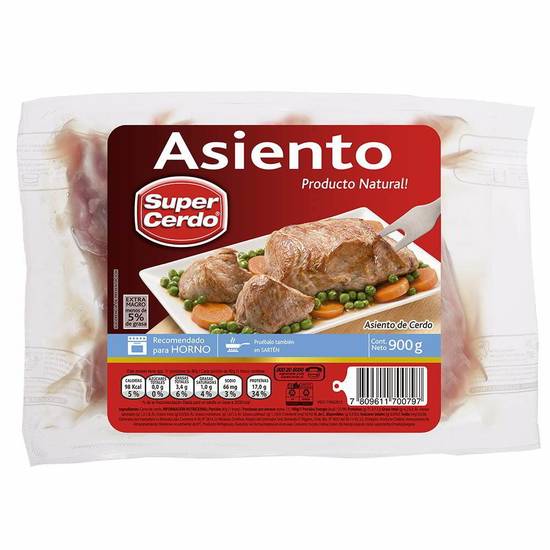
When I was a child a snack that my father would sometimes eat was bread and dripping. Dripping was the fat left in the pan after roasting (usually) either beef or mutton (1). After the roast was removed from the pan the “juices” were allowed to settle and any excess oil rose to the surface. This fat is clear at first but as the contents … Continue reading Ingredient : Asiento and a Brief History of Tlayudas, Doraditos and Huaraches.
Ciudad de México: Bajo Las Calles
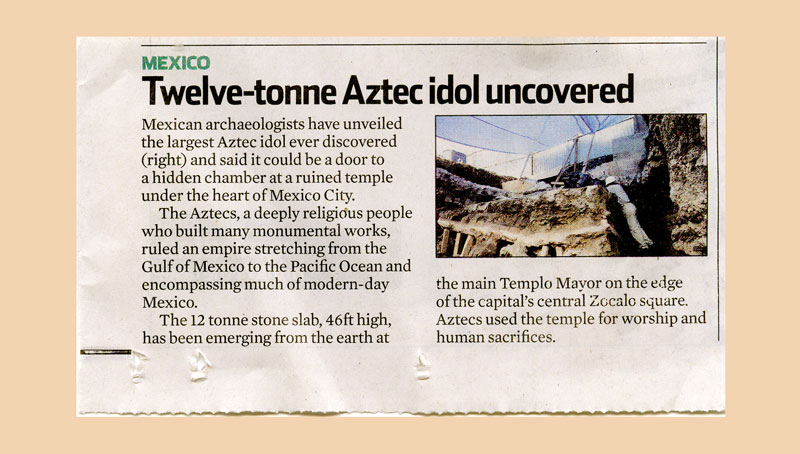
Cover Image : Article from The Observer, Sunday 15th. October 2006 referencing the discovery of the Tlaltecuhtli monolith (more on this later) Under the streets of México City Tenochtitlan lies sleeping. México City was constructed upon the ruins of Tenochtitlan and from the very bones of Tenochtitlan itself. The temples were pulled apart and used to construct the palaces and churches and, in some cases, … Continue reading Ciudad de México: Bajo Las Calles
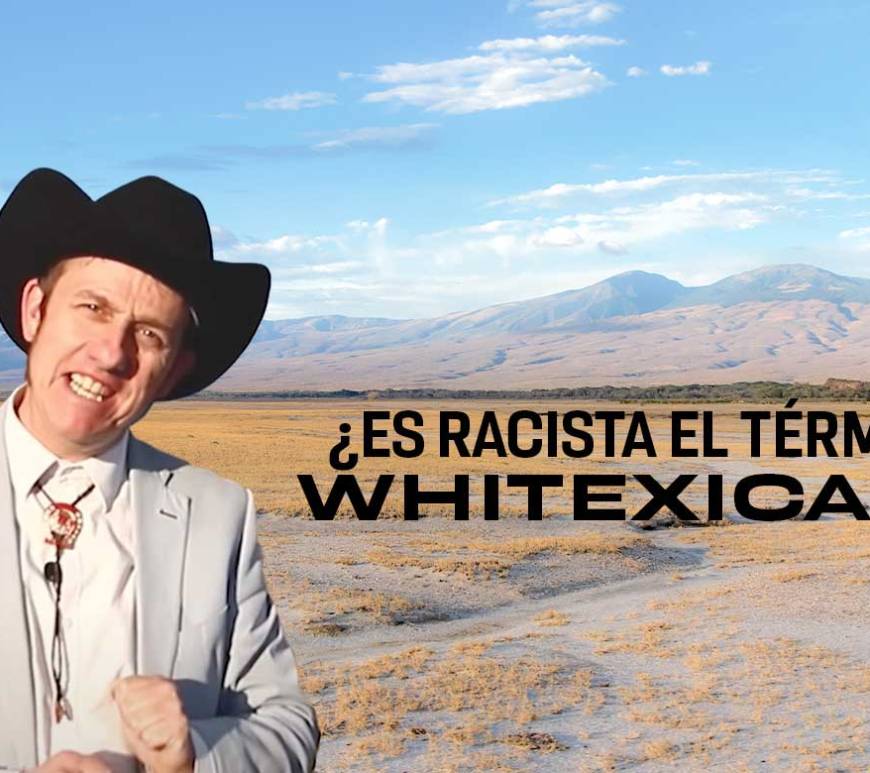
Whitexicanismo in Australia.
Cover Image via Martínez Hernández, Gabriel (2023) ***TRIGGER WARNING*** Just kidding. I am going to try and work through something though and I invite you to spend some time in my head. Cultural appropriation is a bit of a bugbear of mine. I have briefly investigated the phenomena in previous Posts. As an Australian of Irish heritage that was raised primarily around Aboriginal communities (until … Continue reading Whitexicanismo in Australia.

Papalo at the Mercado
Cover image : Porophyllum ruderale in Brisbane, Queensland, Australia where it is being investigated as a potential declared weed. Before we can purchase it at the mercado it needs to be harvested; and boy howdy is it harvested (1). Papalo is one of few native Mexican herbs that retained its popularity in the face of imported plants (this will come up a little later when … Continue reading Papalo at the Mercado

Michimole : Mole Salvaje (Wild Mole)
In my Post Esquites, Tequesquite and a Witches Curse. I bring up the figure Tlazocihualpilli. Tlazocihualpilli was a Xochimilca who was the Tlatoani of the altepetl (1) of Xochimilco between the Years 12 Reed and 11 Reed (1335 – 1347). She is a semi-mythical being who, apart from being the ONLY female tlatoani to have ruled Xochimilco, and one of very few women to have … Continue reading Michimole : Mole Salvaje (Wild Mole)

Flor de cimal (?)
An interesting quelite has popped up in my feed. The flor de cimal. A reader (thank you Kellan) has asked about a (possible) quelite called flor de cimal and has noted the only reference to be found on this plant is “This small, red-leafed herb that grows at the base of the maguey – century plant – is incorporated into tamale dough in the traditional … Continue reading Flor de cimal (?)

Xochipilli. The Symbolism of Enrique Vela
6 July 1840 – 26 August 1912 : José María Tranquilino Francisco de Jesús Velasco Gómez Obregón, generally known as José María Velasco, was born in Temascalcingo (just outside Mexico City). He was a 19th-century Mexican polymath (1), most famous as a painter who made Mexican geography a symbol of national identity through his paintings (2), particularly those depicting the Valley of Mexico. Xochipilli has … Continue reading Xochipilli. The Symbolism of Enrique Vela

Esquites, Tequesquite and a Witches Curse.
Esquites are a “ Mexican snack ” composed mainly of seasoned, boiled corn kernels served in a cup. They are a well known and loved snack throughout all of México. Vendors can be found on street corners, bus stations, train stations and in mercados pumping out the most fundamental (and probably the most original) street food of all Mesoamerica. Now do you want it on … Continue reading Esquites, Tequesquite and a Witches Curse.

Mi Coleccion de Molinillo
The molinillo is a Mexican kitchen tool that may or may not be prehispanic (1). Regardless of its origin it is a classic Mexican implement and recognisable (in one form or another) by any latino. Its primary purpose is to mix hot chocolate (or atole) and to whisk up a nice foam (not in atole though). I have a small collection of these items. One … Continue reading Mi Coleccion de Molinillo
 Masa Americana