
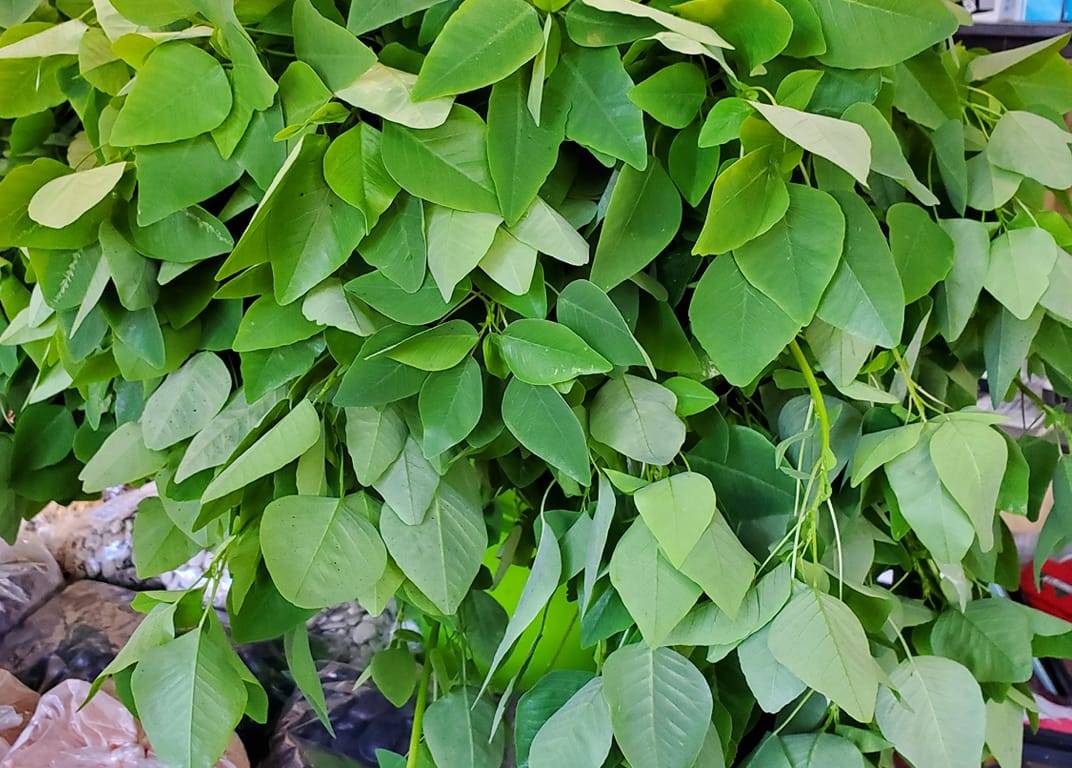
Chichihuachi is a herb introduced to me by a denizen of the town of Tetipac lodged in the mountains of Guerrero between Ixtapan de la Sal and Taxco. This herb was explained to be a variety of papalo (Porophyllum macrocephalum) and that it had a very short season of growth and use. No Latin name was offered up for it and my searches have yet to identify this plant in anything but a colloquial manner.
For a little more detail on this plant check out……..Quelite : Chichihuachi. Papalo Adjacent
I recently came across a pdf copy of a book (that of course I am now searching for a hardcopy of) called the “Atlas Cultural de México : Gastronomía” (Asila Hernández et al 1988) in which I came across a short entry for chichihuaches.
chichihuachi especie de savia aromática que se recolecta en tiempo de lluvias en los estados de México y Guerrero, y sirve de aderezo a las comidas. Se llama también chichihuate.
which translates as…
Chichihuachi is a type of aromatic sap harvested during the rainy season in the states of Mexico and Guerrero, and used as a seasoning for food. It is also called chichihuate.
Now one word stood out to me as it didn’t make sense “savia” .
Double checked it.
Yep, savia.
Sap?
Now, from what I was taught of this herb (and from what I know of Papalo) it is the fresh herb (the leaf in particular) and not the sap that is used. This is true of both chichihuachi and papalo.
AI suggested that the “savia” (sap) should be “salvia” (sage) which makes more sense as it is the leafy herb that is used and not the “sap” of the plant. It (the A.I. that is) also proffered 2 Salvias as potential suspects. The “salvia” makes a little more sense but as I cannot find the Latin name for this herb and through my own observation of this plant, I do not identify it as being in the Salvia family (1).
- Salvia is the largest genus in the Lamiaceae family (mint family), containing over 900–1,000 species of annuals, perennials, and shrubs commonly known as sages. Porophyllum is a genus of flowering plants belonging to the Asteraceae family (daisy or sunflower family).
Two of the Salvias that were proffered as candidates for chichihuaci were Salvia columbariae and Salvia hispanica.

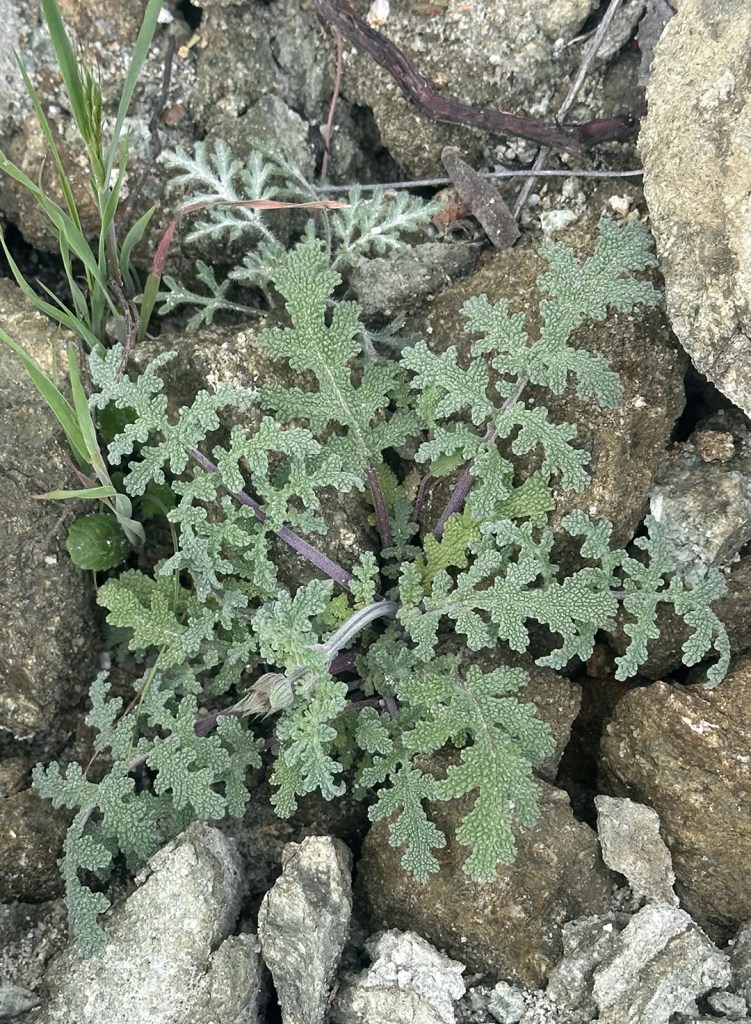
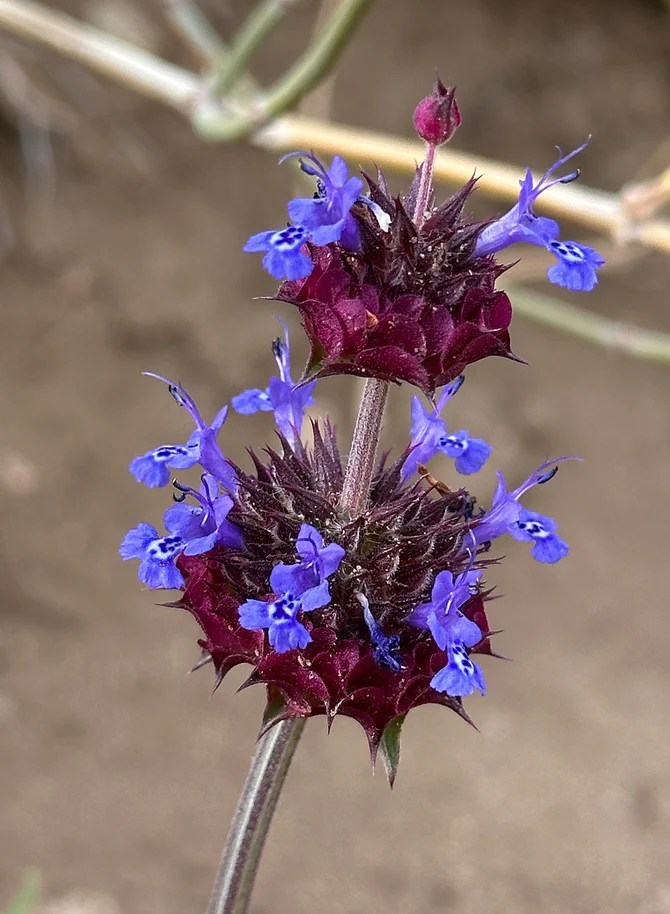
Both of these plants are varieties of the Mexican superfood, the seed called chia.
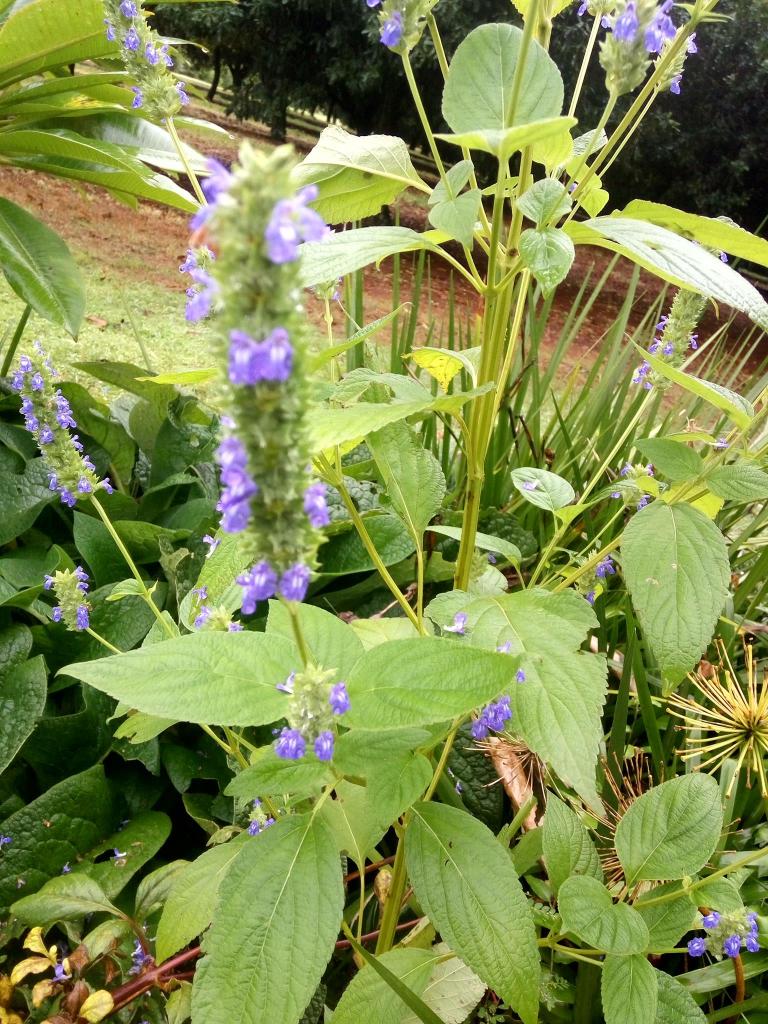
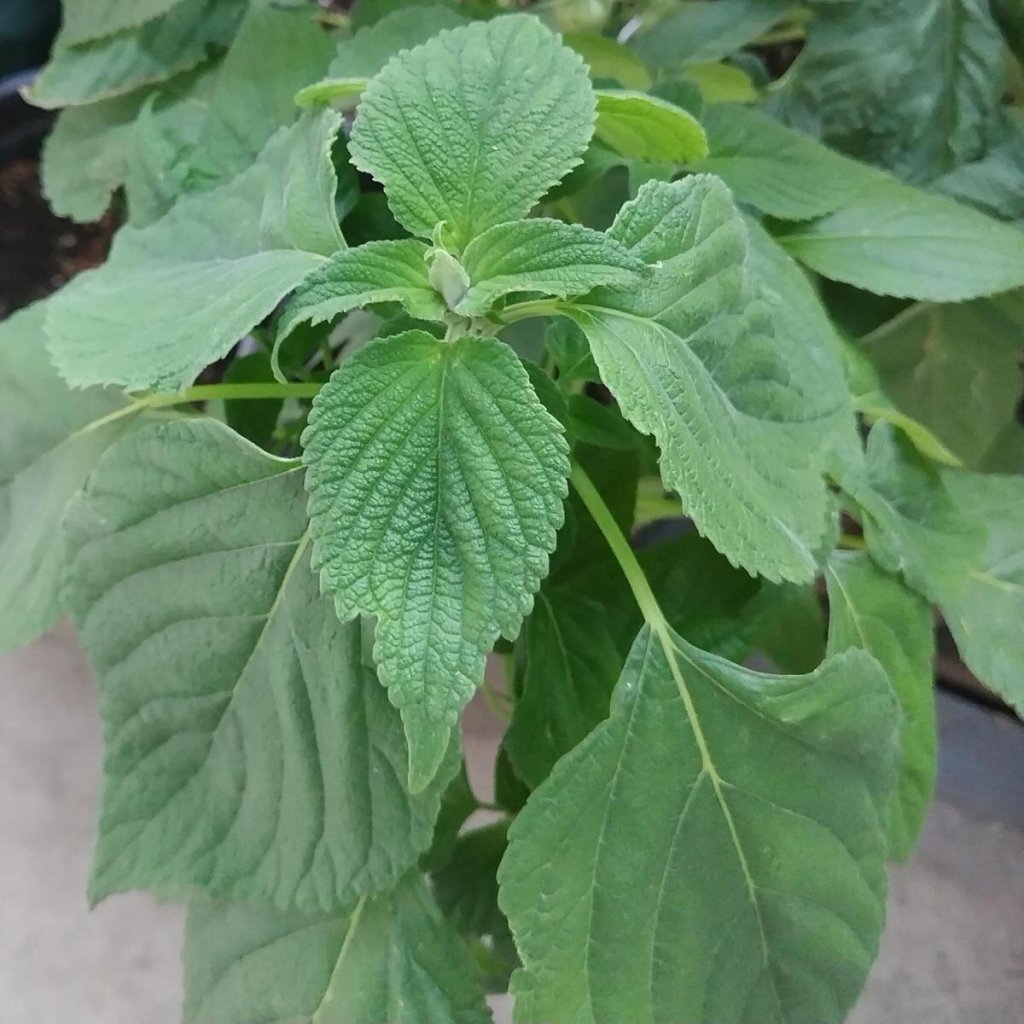
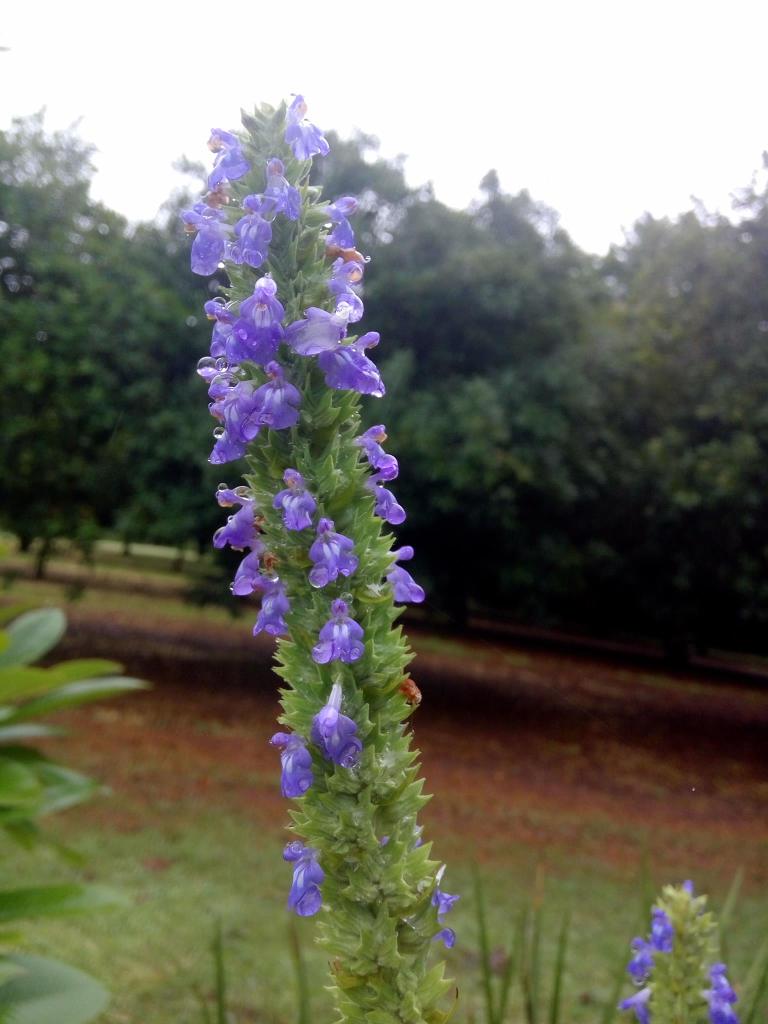
Neither of these is even close to the images posted of chichihuachi.
Descriptions of chichihuachis are contradictory even amongst the experts.
Chichihuachis (or chichiguachis) are highly aromatic, edible wild plants known as quelites, primarily found growing within the milpa (cornfield) system in the Mexican states of Guerrero and parts of Morelos and Puebla.
(so far, so good)
They are considered a “hidden” or somewhat unknown quelite, appearing primarily during the rainy season.
(even better. This demonstrates the ephemeral nature of some of these wild herbs, herbs that can only be found in certain (sometimes highly localised) regions and during very specific seasons (usually during the wetter months).
The next description tried a little harder but has missed the boat more than a little
Chichihuachis (or chichiguachis) are a type of aromatic, edible wild plant (quelite) found in Mexico, primarily in Guerrero and Morelos. Based on regional, traditional, and botanical studies of Mexican quelites, the likely scientific name for this plant is Porophyllum linaria (Cav.) DC., often commonly referred to as pápaloquelite or chichicaquilitl (1). It belongs to the Asteraceae family.
- chichic is a Nahuatl word identifying “bitter” flavours. The word chichiccuahuitl translates to “bitter tree” and is a “tree from the bark of which quinine is extracted / palo amargo” . “Bitter” is also not a term I would use to describe the flavour of the Porophyllums.
They do get the next bit right (about Porophyllum linaria that is – I’m not at all confident it’s correct about chichihuachis though). Porophyllum linaria (1) is definitely in the same family as papalo (Porophyllum macrocephalum) (2) but these are quite different plants (although they are used in a very similar manner) (3) which also leads us down the path of mis-identifying plants when using their Common Names (4).
- Quelite : Chepiche/Pipicha : Porophyllum tagetoides
- Quelite : Pápaloquelite : Porophyllum macrocephalum
- Papaloquelite : What’s in a name?. My informant explained to me that chichihuachi was a type of papalo.
- A Note on Deer Weed : The Danger of Common Names
Key Details About Chichihuachis:
Aroma: Known for a very strong, distinctive aroma that is often released when the plant is touched. (This is certainly true of the Porophyllums)
Usage: They are consumed raw in salads, on tacos, or with sauces. (Papalo and pipicha/pipitza/chepiche in particular are used this way)
Habitat: They grow in moist soils, often within cornfields (milpas) during the rainy season. (they are often well looked after when they pop up in the milpa. A desired “weed” as it were)
Note: As a local, traditional plant, it is sometimes rarely described in standard botanical databases by this exact common name. (here lies the key. What frigging botanical name does chichihuachi have???)
The Florentine Codex offers a little more information (although the translations of the same text are contradictory)
Chichicaquilitl (or chichicquilitl) is a tender, edible, and slightly bitter herb known in Nahuatl, frequently documented in early Mexican sources such as the Florentine Codex. It is often described as a cultivated, light-coloured plant that grows near water, while some varieties, such as tonalchichicaquilitl, are associated with dry, grassy regions.
Key Aspects of Chichicaquilitl:
Botanical and Culinary Use: As a quilitl (edible herb), it was consumed in the pre-Hispanic era. It is described as having white roots and a, bitter taste. (Translations differ – more on this in the images below)
Medicinal Application: According to early Mexican herbal medicine practices, the juice of chichicaquilitl (specifically identified in some texts as Pinaropappus roseus) was used as drops to treat eye conditions like pterygium (conjunctival growth). (Salazar-Gómez et al 2023)
Alternative Identification: Some early accounts refer to ocoquilitl as a type of chichicaquilitl, describing it as aromatic and resinous with a carrot-like flavor. It is important to distinguish this from cuahuitzquilitl (a thorny, thistle-like plant) and tonalchichicaquilitl (a distinct bitter herb). (I won’t be going into these plants here)
Pinaropappus roseus
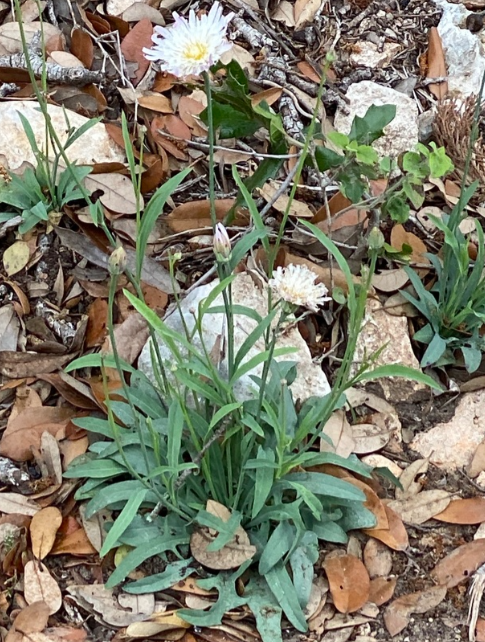
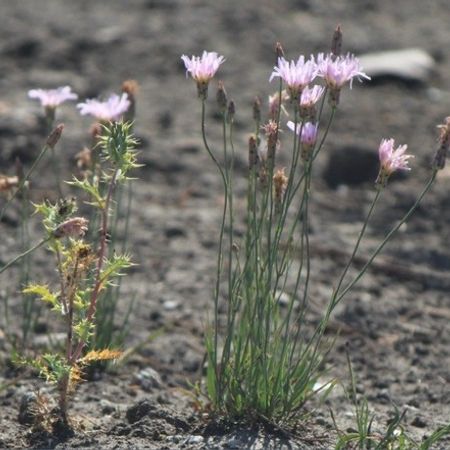
Pinaropappus roseus leaf, also called Rocklettuce (or White rocklettuce) is plainly not the same plant as posted in images (on Facebook, TikTok, Instagram) by local mexicanos who are actually growing or wildcrafting this quelite.
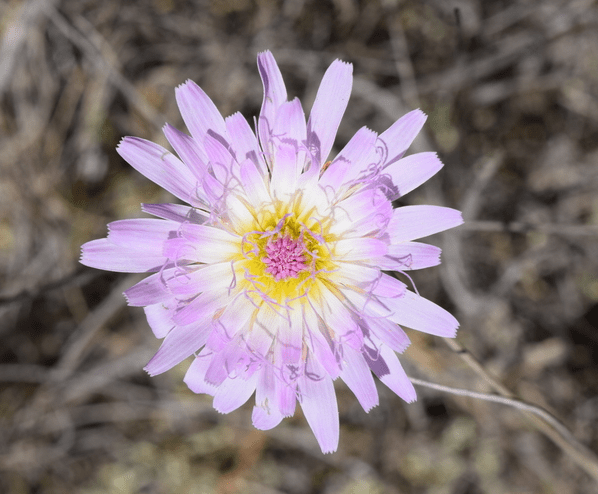
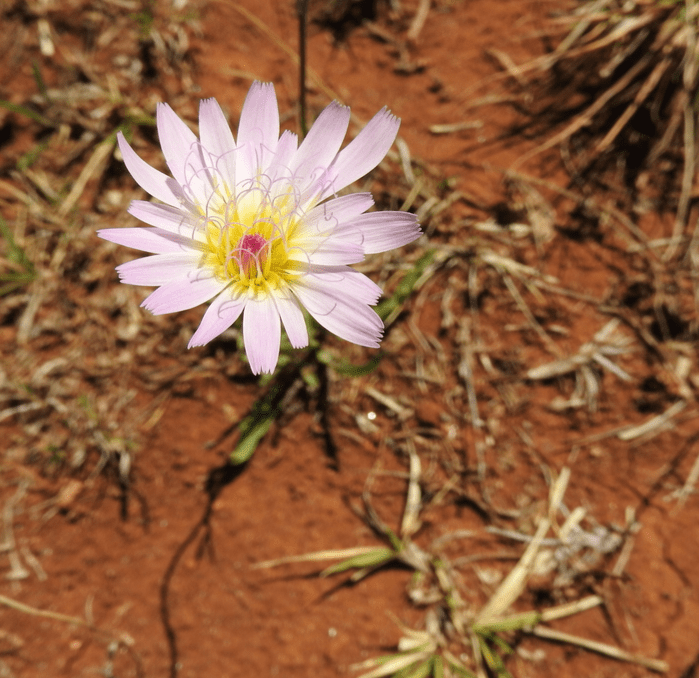
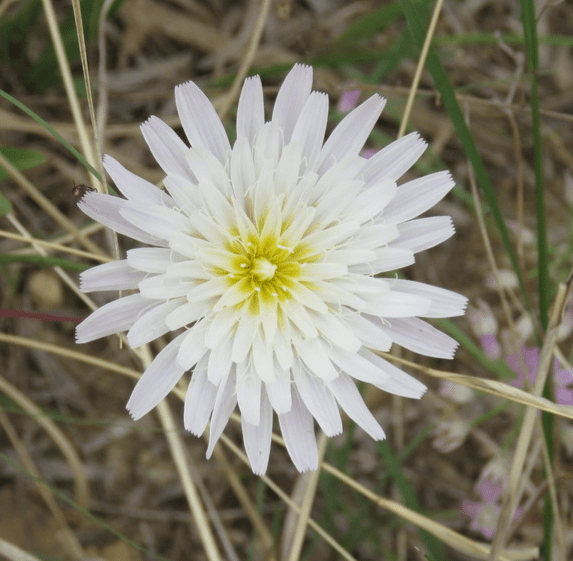
This plant is also in the Asteraceae family
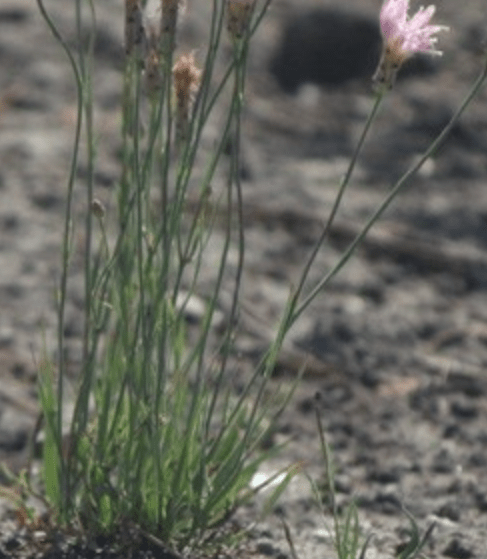
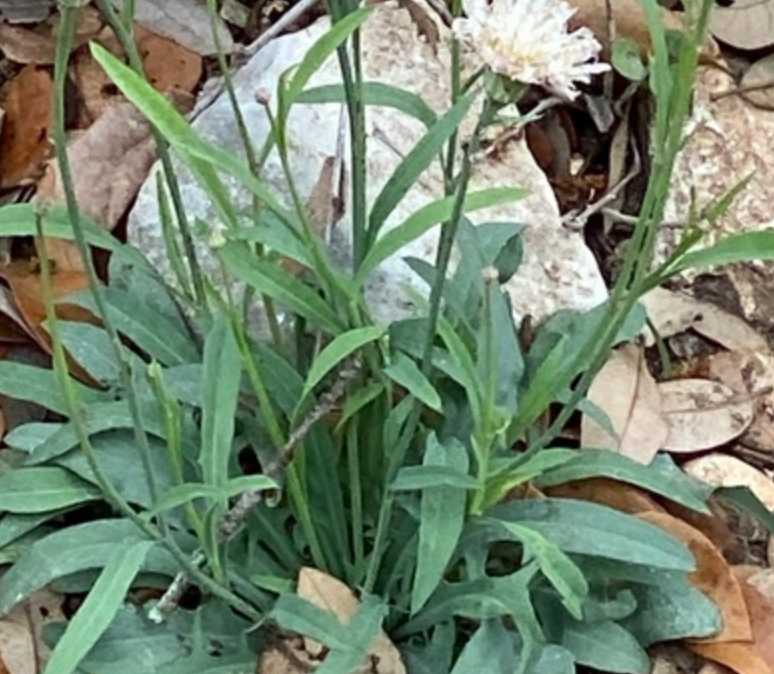
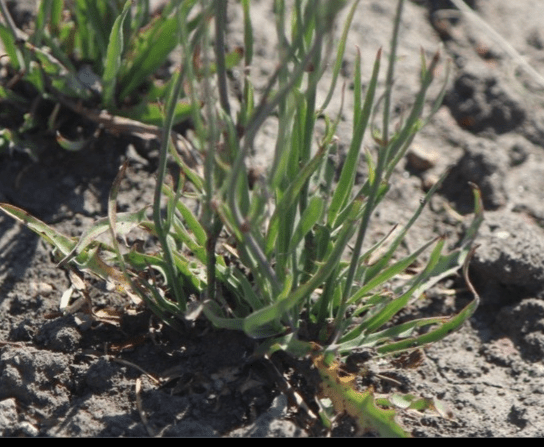
It can also have quite thin leaves and this reflects the leaf structure of Porophyllum linaria which is classified a thin or narrow leaved Porophyllum. Papalo is a “wide” leaved variety. I can see, if simply identifying the plant by leaf structure alone, how it could have been confused with P.linaria. Once the plant has flowered though then there is no way this mistake could be made.
Definitely not a Pinaropappus.
According to the Nahuatl dictionary I regularly consult…
chichicaquilitl.
Principal English Translation: a tender, edible, slightly bitter herb
Attestations from sources in English: chichicaquilitl = it grows at the water’s edge, in the water, on good lands, on cultivated lands, the roots are white, it is tender to eat and only a little bitter
Alonso de Molina: chichicaquilitl. cerraja, yerua.(the “cerraja” is interesting. It comes up again in a little bit)
The Florentine Codex translates it thusly……
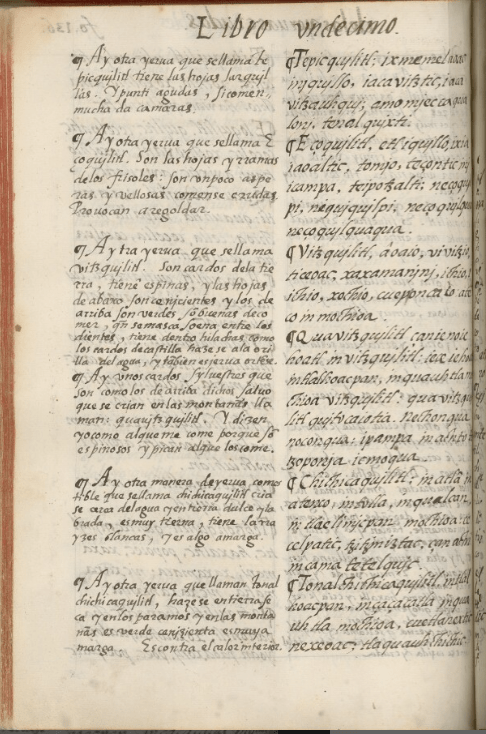
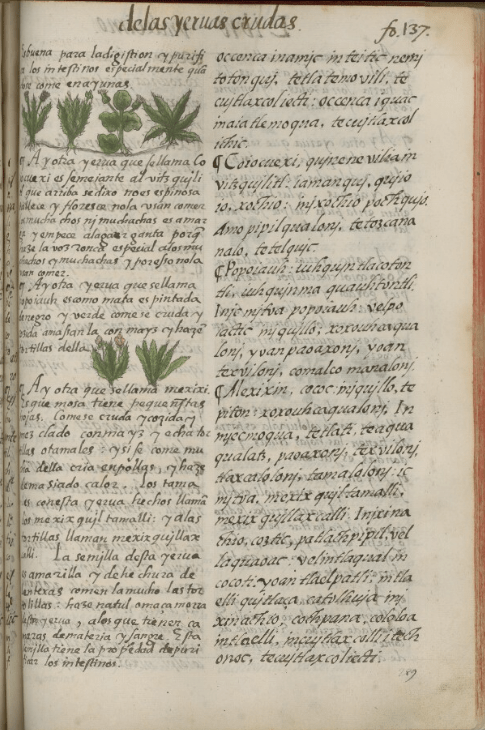
There is another kind of edible herb that is called chichicaquilitl. It grows near the water and in soil that is sweet and tilled (1). It is very tender. It has white roots and is rather bitter. This “rather bitter” is contradicted in the same document/website (2) and other translations, where it reads as “it is only a little bitter”. The same document puts forward the identifications of chichicaquilitl as being, Carraja mexicana, Sonchus siliatus or Mimulus glabratus
- this very much sounds like the opportunistic behaviour of some plants that spring up in newly cultivated or cleared land. Definitely the behaviour of a quelite.
- https://florentinecodex.getty.edu/book/11/folio/136v?spTexts=&nhTexts=
The plants depicted in the text
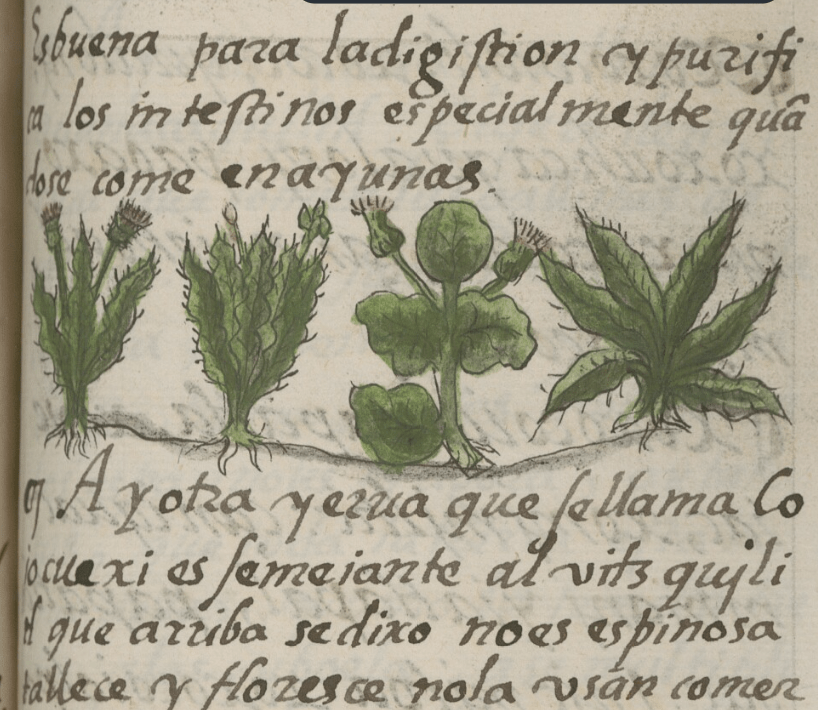
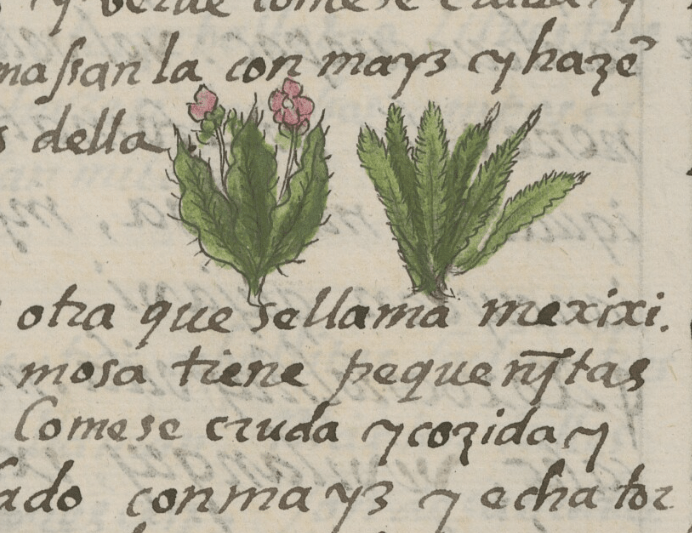
Lets take a quick look at the suggested identifications.
Carraja mexicana – was unable to find a plant with this Latin name
Sonchus siliatus – was unable to find a plant with this Latin name. Likely Sonchus ciliatus (synonym of Sonchus oleraceus). Possibly Sonchus sinuatus. I have explored this plant in some detail in Quelite : Sowthistle : Sonchus oleraceus
Hernández (1651) notes of ………Sow-thistles (Cerrajas) and other bitter vegetables
The ancient Mexicas employed the Nahuatl term chichic (bitter) to refer to a set of herbs. Sahagún as well as Hernández indicate the presence of the Chichicaquilitl in wetlands and in cultivated zones of Mexico. It was a tender vegetable with a light bitter flavour eaten raw and also cooked for its medicinal properties. The Chichicaquilitl has been identified as Mimulus glabratus HBK. M. glabratus, commonly called ‘cerraja’, is found at present in wet places all over Mexico (Sanchez 1969) (Rzedowski & Rzedowski 1990).
and identifies the plant thusly
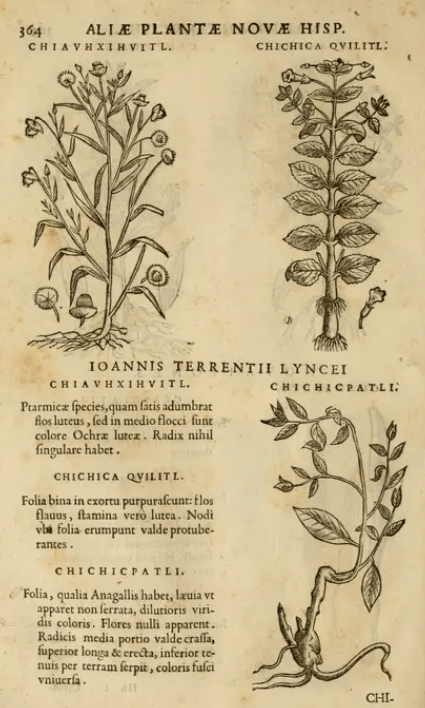
Chichicaquilitl (top right of image above)
Translated texts for this herb (chichicaquilitl)
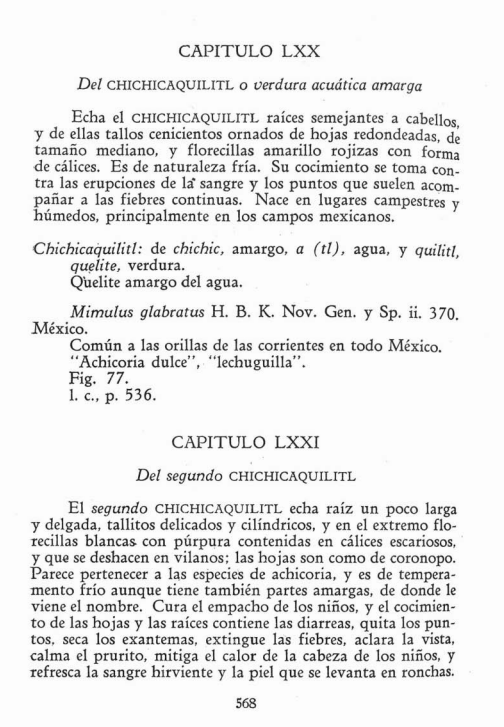
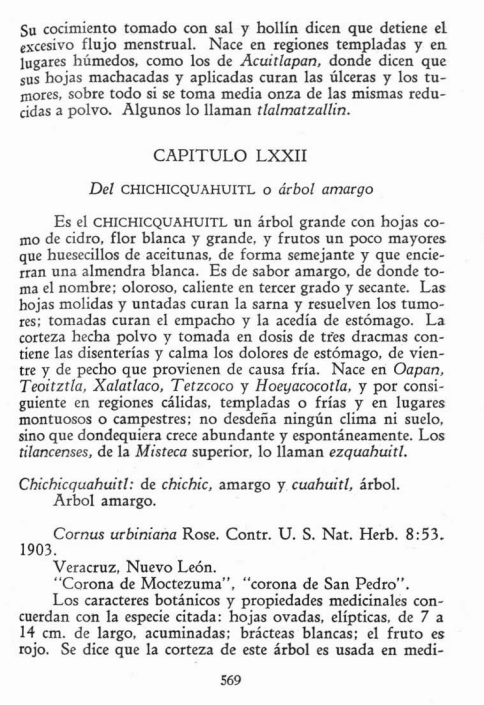
CHAPTER LXX
Of the CHICHICAQUILITL or Bitter Aquatic Vegetable
The CHICHICAQUILITL produces roots resembling hairs, from which grow ashy stems adorned with medium-sized, rounded leaves and small reddish-yellow flowers shaped like calyxes. It is of a cooling nature. Its decoction is taken against blood eruptions and the spots that often accompany persistent fevers. It grows in rural and humid places (1), mainly in the Mexican countryside.
- this is typical of many quelites such as this one.
CHAPTER LXXII
Of the Second CHICHICAQUILITL
The second CHICHICAQUILITL produces a somewhat long and thin root, delicate and cylindrical stems, and at the end, small white flowers with purple tinges contained in scarious (1) calyxes that disintegrate into pappus; the leaves are like those of the coronopo tree.
- Scarious is a botanical adjective describing plant parts that are thin, dry, and membranous, rather than green and leaf-like. It often describes bracts or margins that appear chaffy or papery, commonly found in certain flowers or at the base of leaves. The term dates back to roughly 1806, originating from Modern Latin scariosus
It appears to belong to the chicory species and is of a cool temperament, although it also has bitter parts, from which it derives its name. It cures indigestion in children, and a decoction of the leaves and roots stops diarrhea, removes boils, dries rashes, extinguishes fevers, improves vision, soothes itching, reduces fever in children, and cools boiling blood and skin raised in hives. A decoction taken with salt and soot is said to stop excessive menstrual flow. It grows in temperate regions and humid places, such as those of Acuitlapan, where it is said that its crushed and applied leaves cure ulcers and tumors, especially if half an ounce of the leaves, ground into a powder, is taken. Some call it tlalmatzallin.
These are not chichihuaches
One of the few plants that was able to be identified from the assorted texts is Mimulus glabratus (but it too is plain that this is not a chichihuachi either)
Mimulus glabratus
This mimulus is certainly a water loving plant as described and, if you look at the line drawing of chicha qvilitl above you can easily see that these are the same plant. Chichicaquilitl is not chichihuachi
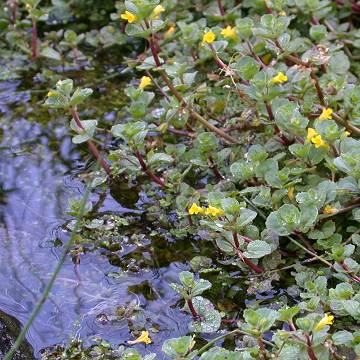
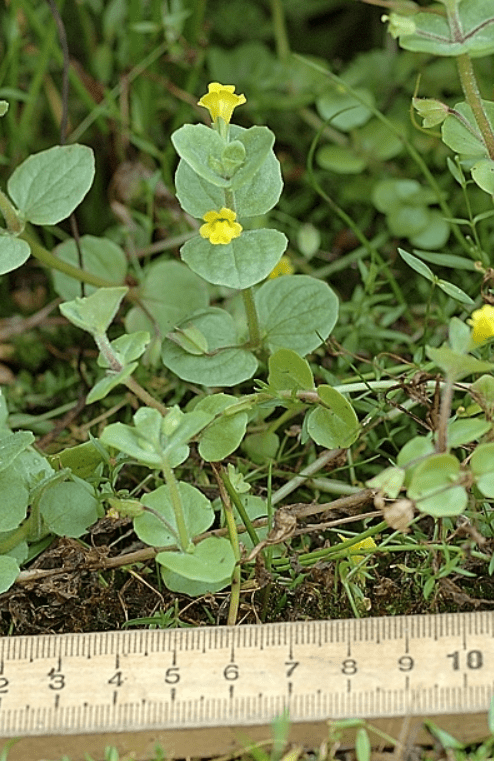
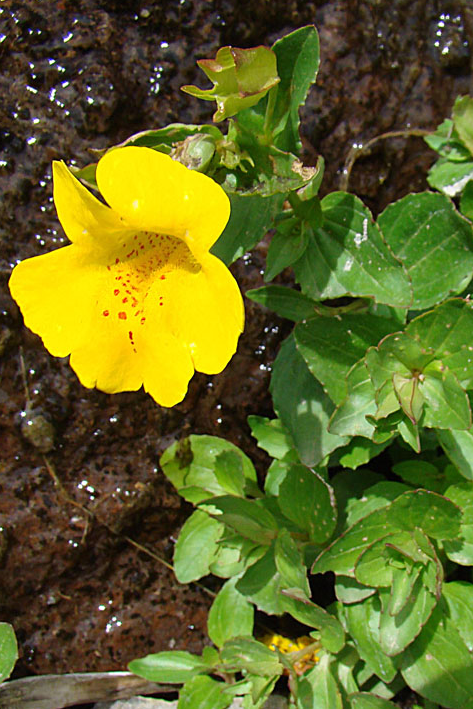
Visual identification alone tells me that this plant is not the chichihuachi I seek.

In the mountains of Guerrero, only around 50 kilometres from Tetipac, the town in which the gentleman rancher who first taught me of chichihuachis lived, is the city (and municipal seat) (1) of Amacuzac
- A municipal seat (or seat of municipality) is the administrative center, town hall location, or capital city of a local government area (municipality, shire, or city). It acts as the central hub for local administration, typically featuring higher urbanization and greater connectivity than surrounding areas within the same municipality
Los Jilgueros del Pico Real (1) is a Regional Mexican music group from Amacuzac, Guerrero, specializing in corridos sierreños (2). Formed in the 1990s, the group is led by the Bahena brothers and Andres Torres, gaining popularity for their original style with hits like “El gueyerito” and “Las flores de Guerrero,”.
- The Goldfinches of Pico Real
- Corridos sierreños are a subgenre of regional Mexican music, characterized by the use of guitars (acoustic and 12-string) and tuba or bajo sexto, originating from the Sierra de Sinaloa. They focus on narrating real-life stories, popular figures, narcocorridos, and party themes, with a more intimate and acoustic sound than Sinaloan banda.
I did try to find an image of a jilguero but I was spoiled for choice. Much like herbs, the name jilguero is a fairly common Common Name and it is shared by many birds. Here are just a few of the pajaritos called Jilguero
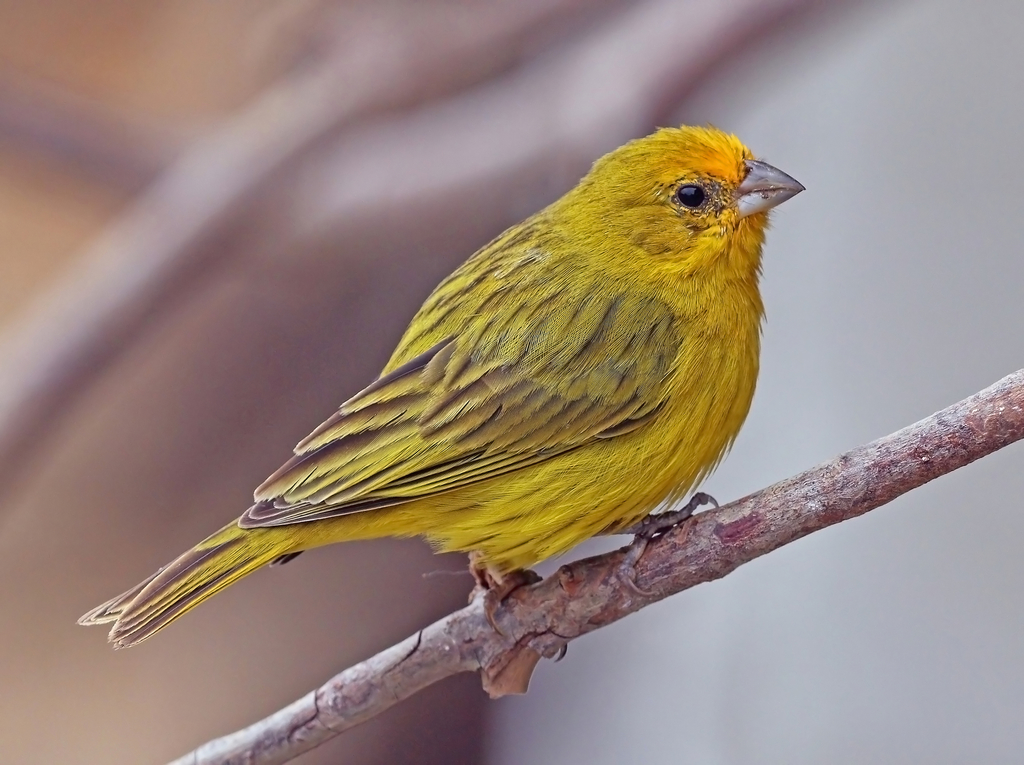
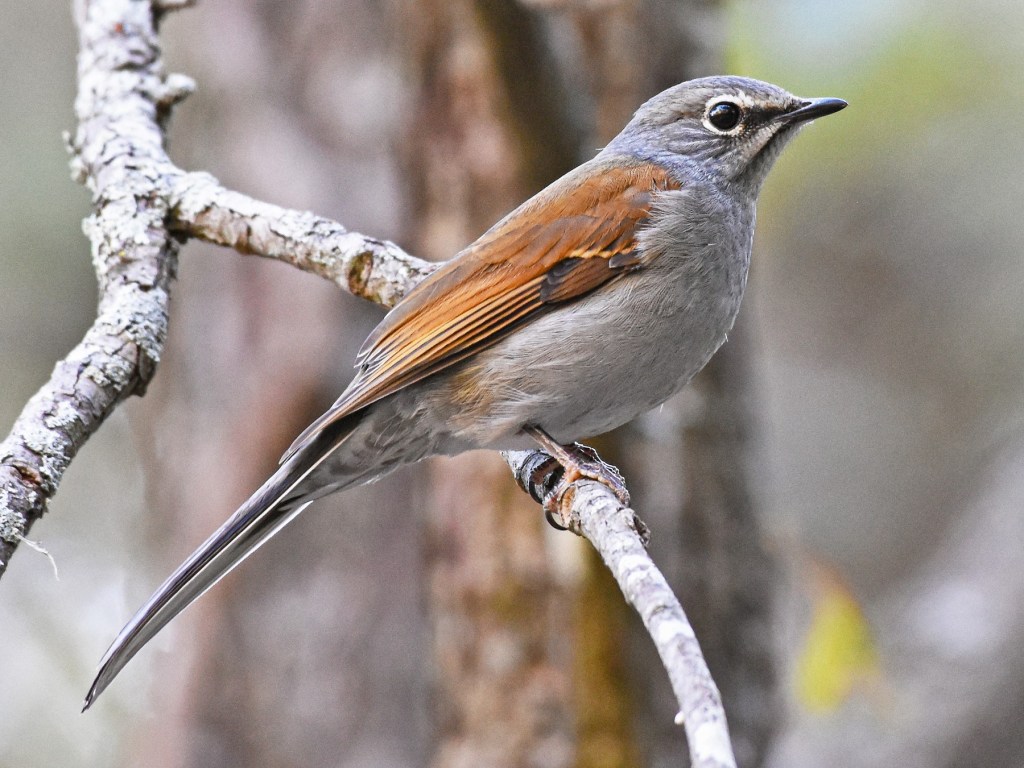
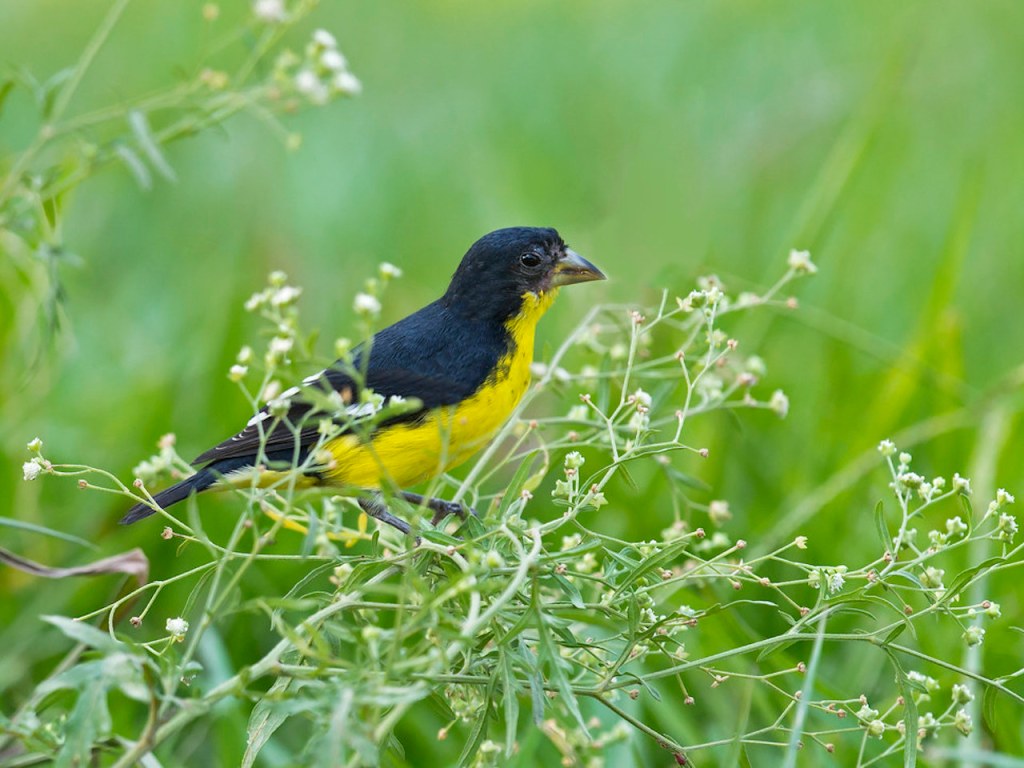
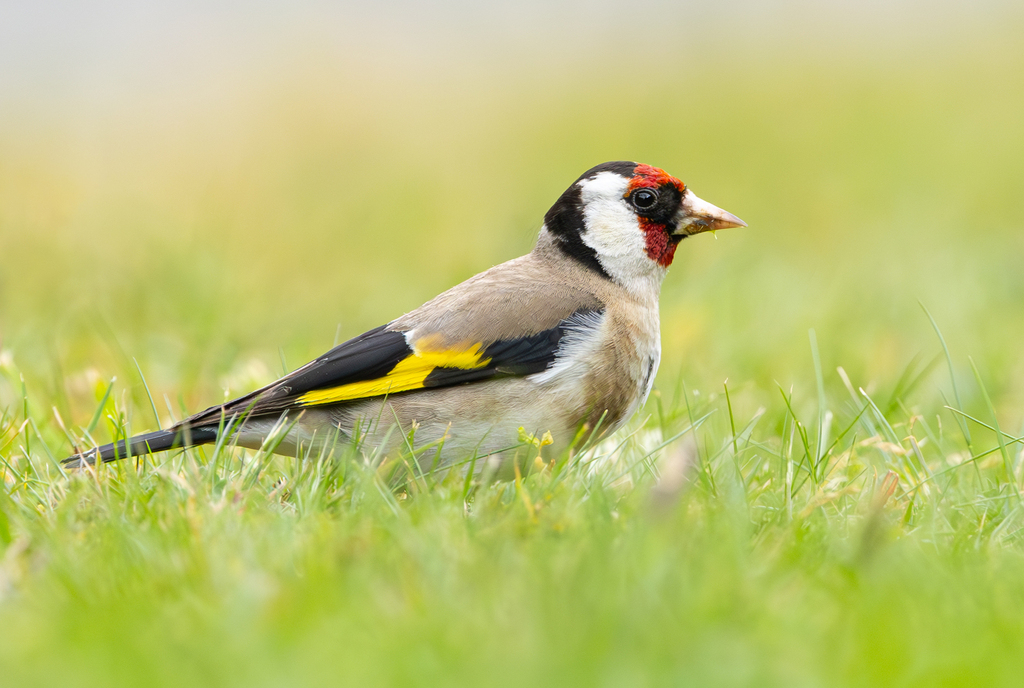
Regardless of which bird it is the one thing they have in common is a “beautiful singing voice”
El Güeyerito is a song by Los Jilgueros del Pico Real. It tells the story of an orphan boy forced to work from a very young age. One of the jobs he got by on was the selling of chichihuachis
Al estado de Morelos
llegamos juntos los dos,
fuimos a pedir trabajo
en un rancho a un señor,
y pues que creen que nos dijo
que él no era profesor.
Después fui a vender leñita
por Progreso y Jiutepec,
y fui a vender chichihuachis
allá en Tejalpa también,
también Elías y Gregorio
ellos dirán que así fue.
We arrived together in the state of Morelos.
We went to ask for work
on a ranch from a man,
and guess what he told us?
He wasn’t a teacher.
Later, I went to sell firewood
around Progreso and Jiutepec,
and I went to sell chichihuachis
over in Tejalpa too.
Elías and Gregorio will tell you that’s how it was.
Amacuzac, the hometown of the Goldfinches of Pico Real demonstrates a very interesting toponymic glyph (1). It uses a body part, specifically teeth, to indicate a “place of abundance” or a place by, near, or among something abundant.
- Toponymic glyphs are ancient Mesoamerican hieroglyphs that act as place-names, representing specific geographic locations, cities, or territories. Frequently found in Mayan and Zapotec texts, these glyphs often incorporate natural, political, or sacred elements, such as hills, water, or temples, to identify, signify ownership of, or indicate the origin of a territory.
The base glyph is tlantli or teeth
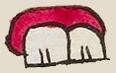
They can be depicted in groups of 2 or 3 (or sometimes more) and can be displayed facing forward such as this but might also be shown in profile or even as a whole lower jaw. A few examples……
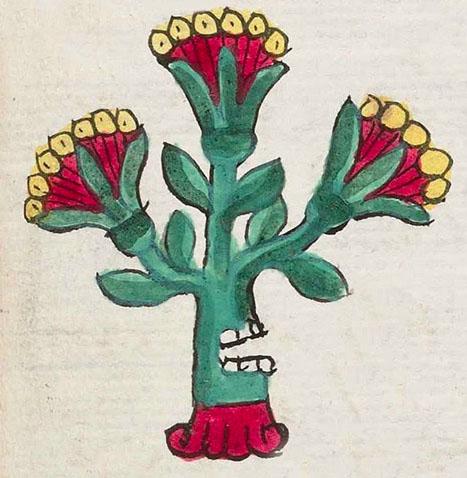
xiloxochi(tl), silk-cotton tree
xochi(tl), flower
tlan(tli), tooth/teeth
-tlan (locative suffix), by, near, among
This particular plant, Pseudobombax ellipticum (Xiloxochitl) is interesting as it has been put forward as an identification of one of the flowers carved into the Tlamanalco statue of Xochipilli. See Xochipilli : New Floral Identifications for more.
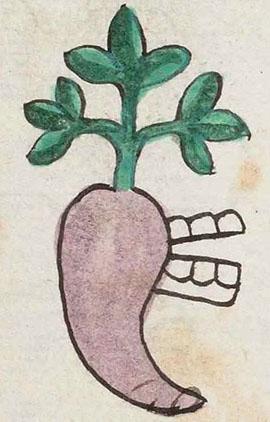
cima(pahtli), sweet potato
tlan(tli), tooth/teeth
-tlan (locative suffix), by, near, among
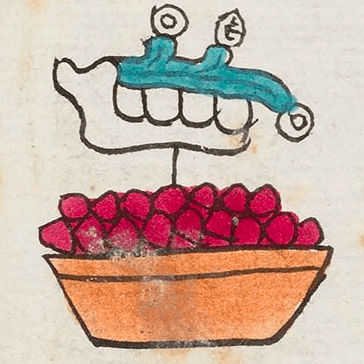
achio(tl), a culinary spice
achiote(tl), unground achiotl seeds
tlan(tli), tooth/teeth
-tlan (locative suffix), by, near, among
a(tl), water
Onwards to Amacuzac

Amacuzac (Amacoztitlan) glyph, unidentified artist(s), Codex Mendoza, folio 23r.
On folio 23r, the phonetic toponym is rendered with a square amatl painted coztic (yellow) to indicate the Amacoztic trees (Ficus petiolaris) for which the town is named, suggesting at least that the raw materials of amatl were available there. Although it is unclear if amatl was made in Amacozac itself.

El nombre Amacuzac significa “En el río del amate amarillo”. Esta interpretación se deriva de los siguientes elementos del náhuatl:
The name Amacoztitlan is recorded in historical documents such as the Codex Mendoza and the Matrícula de los Tributos (Tribute Roll) (1). It is possible that this toponym refers to the same place as Amacuzac, with a name change over time.
AMACUZAC: “On the river of the yellow amate tree.”
AMACOZTITLAN: “Place of the yellow amate tree”.
It is worth noting that Amacuzac refers to the river, while Amacoztitlan is directly related to the amate trees.
- The Matrícula de Tributos (Tribute Roll) is a 16th-century Aztec manuscript painted on amatl paper that documents the tribute paid by conquered provinces to the Aztec Empire (Tenochtitlan). Often called the Codex Moctezuma, this 16-page, 32-leaf document illustrates items like cotton clothes, cacao, maize, and feathers, offering insights into Aztec economic and administrative systems.
In both documents, the toponymic meaning is substantially clarified by the glyph, which consists, firstly, of a gum with two teeth; a figure signifying “abundance” and corresponding to the word “tla” or “tlan.” Secondly, there is a yellow rectangle representing a sheet of amate paper, beneath which is a horizontal figure representing the word “atl,” which in Nahuatl means water, or in this particular case, refers to the river.
I only bring this up because my mind wanders and, in a previous Sidetrack (1) I bring up the use of another body part, the yacatl (nose) which is used in a similar manner as part of a toponymic glyph.
References
- Asila Hernández, Dolores; Bastarrachea Manzano, J. Ramón; Díaz Cardosa, Alberto; Grant, Katrin Flechsig; Moedano Nasarro, Gabriel; Norman Mora, Oli.ia; Pérez San Vicente, Guadalupe; Salinas Sánchez, Gisela; Suárez y Farias, Ma. Cristina & Vargas Guadarrama, Luis A. (1988) Atlas Cultural de México : Gastronomía (1988) Secretaría de Educación Publica Instituto Nacional de Antropología e Historia; Grupo Editorial Planeta ISBN 968-406-038-6
- Ayerza, R., & Coates, W. (2005). Chia: Rediscovering a Forgotten Crop of the Aztecs. University of Arizona Press. https://doi.org/10.2307/j.ctv29sfps7
- de Molina, Alonso. (1571) Vocabulario en lengua castellana y mexicana y mexicana y castellana, , part 2, Nahuatl to Spanish, f. 19v. col. 1.
- Radlo-Dzur, Alanna & Cooley, Mackenzie & Kaplan, Emily & Bright, Leah & Webb, E. & Haude, Mary & Villafana, Tana & Satorius, Amanda. (2021). The Tira of Don Martín: A Living Nahua Chronicle. Latin American and Latinx Visual Culture. 3. 7-37. 10.1525/lavc.2021.3.3.7.
- Rzedowski, J. & G.C. Rzedowski, 1990. Flora Fanerogámica del valle de Mexico. Vol. I, II, III. Instituto de Ecología. Centro Regional del Bajío, Patzcuaro, Mich, Mexico DF.
- Sahagún, Bernardino de, Antonio Valeriano, Alonso Vegerano, Martín Jacobita, Pedro de San Buenaventura, Diego de Grado, Bonifacio Maximiliano, Mateo Severino, et al. Historia general de las cosas de Nueva España (Florentine Codex), Ms. Mediceo Palatino 218–20, Biblioteca Medicea Laurenziana, Florence, MiBACT, 1577. Available at Digital Florentine Codex/Códice Florentino Digital, edited by Kim N. Richter, Alicia Maria Houtrouw, Kevin Terraciano, Jeanette Peterson, Diana Magaloni, and Lisa Sousa, bk. 11, fol. 136v. Los Angeles: Getty Research Institute, 2023. https://florentinecodex.getty.edu/en/book/11/folio/136v?spTexts=&nhTexts= . Accessed 6 May 2026.
- Salazar-Gómez A, Velo-Silvestre AA, Alonso-Castro AJ, Hernández-Zimbrón LF. Medicinal Plants Used for Eye Conditions in Mexico-A Review. Pharmaceuticals (Basel). 2023 Oct 9;16(10):1432. doi: 10.3390/ph16101432. PMID: 37895904; PMCID: PMC10610470.
- Sanchez, O., 1969. La Flora del Valle de Mexico. Ed. Herrero, Mexico, Mexico
Websites
- achio(tl), a culinary spice, https://aztecglyphs.wired-humanities.org/content/achiotl
- achiote(tl), unground achiotl seeds, https://nahuatl.wired-humanities.org/content/achiotetl
- Amacuzac glyph : https://municipioamacuzac.gob.mx/tu-municipio/nomenclatura
- a(tl), water, https://nahuatl.wired-humanities.org/content/atl
- chichicaquilitl. : https://nahuatl.wired-humanities.org/content/chichicaquilitl
- cima(pahtli), sweet potato, https://nahuatl.wired-humanities.org/content/cimapahtli
- -tlan (locative suffix), by, near, among, https://nahuatl.wired-humanities.org/content/tlan
- tlan(tli), tooth/teeth, https://nahuatl.wired-humanities.org/content/tlantli
- tol(lin), tules, https://nahuatl.wired-humanities.org/content/tollin
- xiloxochi(tl), silk-cotton tree, https://nahuatl.wired-humanities.org/content/xiloxochitl
- xochi(tl), flower, https://nahuatl.wired-humanities.org/content/xochitl
Images
- Pinaropappus roseus plant/flowers/leaf – https://www.knowyourweeds.com/en/weeds/Pinaropappus_roseus
- Salvia columbariae leaf – https://store.theodorepayne.org/products/salvia-columbariae
- Salvia columbariae flower – https://store.theodorepayne.org/products/salvia-columbariae
- Salvia columbariae plant – https://www.wildflower.org/gallery/result.php?id_image=210422
- Salvia hispanica leaf – https://www.magicgardenseeds.com/Chia-Salvia-hispanica-organic-seeds?srsltid=AfmBOoq9AvJwXydcw3hyH29HgAYD1etNe0O0friMN1ZLXBB1G_GVG0pf
- Salvia hispanica flower – https://www.facebook.com/photo?fbid=1850278911906480&set=pcb.1888987754676151
- Salvia hispanica plant – https://www.facebook.com/photo?fbid=1850279635239741&set=pcb.1888987754676151

