
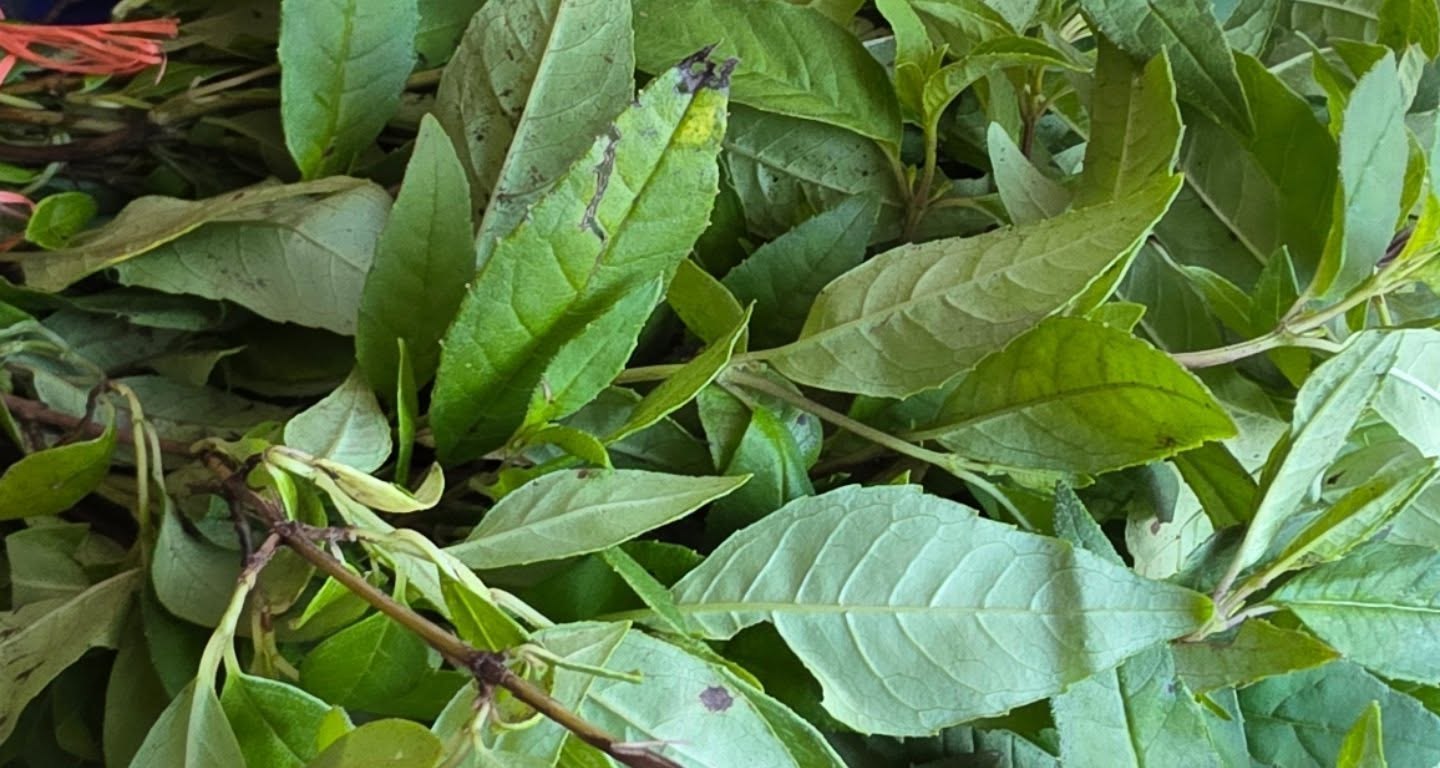
Nurite
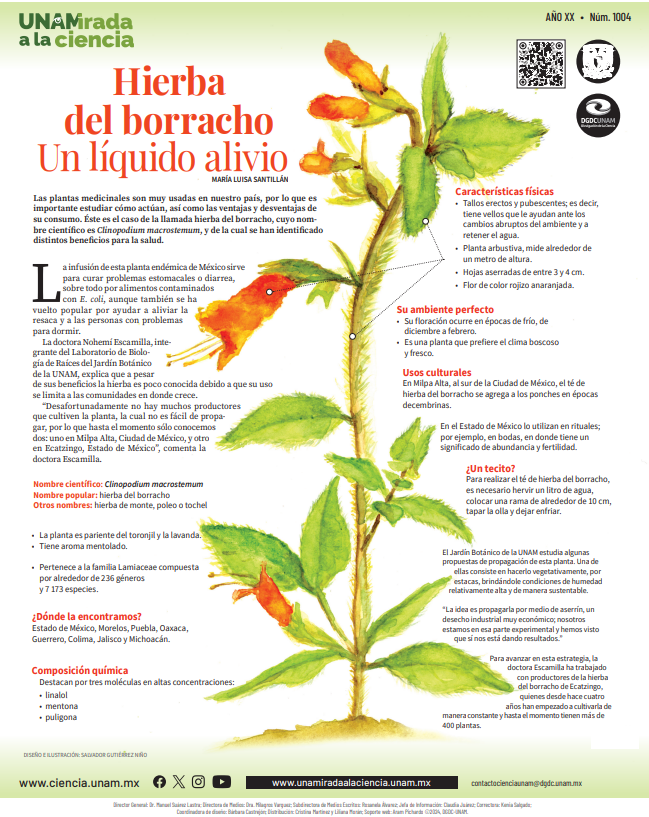
According to Martinez-Gordillo et al. (2013), Mexico has 14 species of Clinopodium, of which 10 species are endemic:
- C. amissum (Epling et Játiva) Harley
- C. ganderi (Epling) Govaerts
- C. hintoniorum (B.L. Turner) Govaerts
- C. jaliscanum (McVaugh et R. Schmid) Govaerts
- C. macrostemum (Moc. Et Sessé ex Benth.) Kuntze
- C. maderense (Henr.) Govaerts
- C. mexicanum (Benth.) Govaerts
- C. micromerioides (Hemsl.) Govaerts
- C. palmeri (A. Gray) Kuntze
- C. procumbens (Greenm.) Harley.
This Post looks at a specific variety, Nurite – Clinopodium macrostemum, and the (very) closely related C.mexicanum
Clinopodium macrostemum
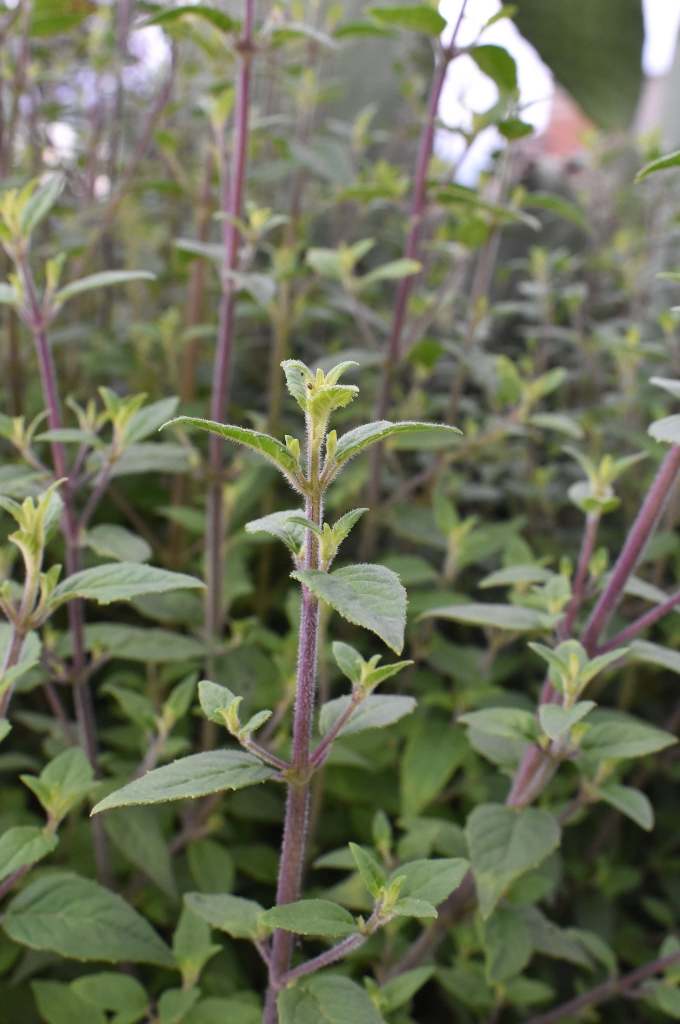
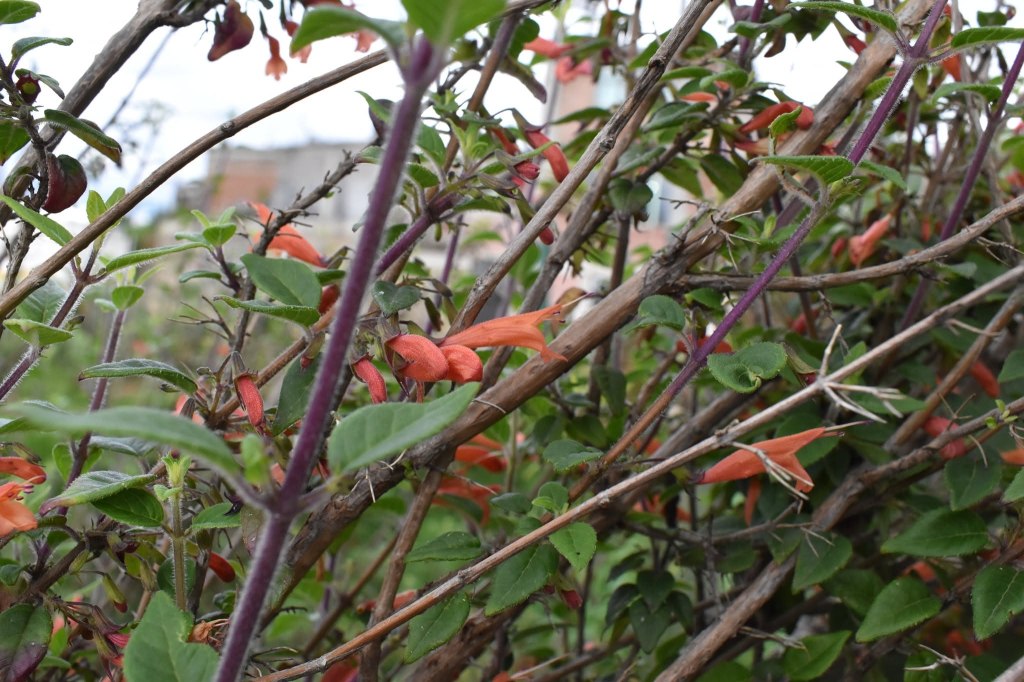
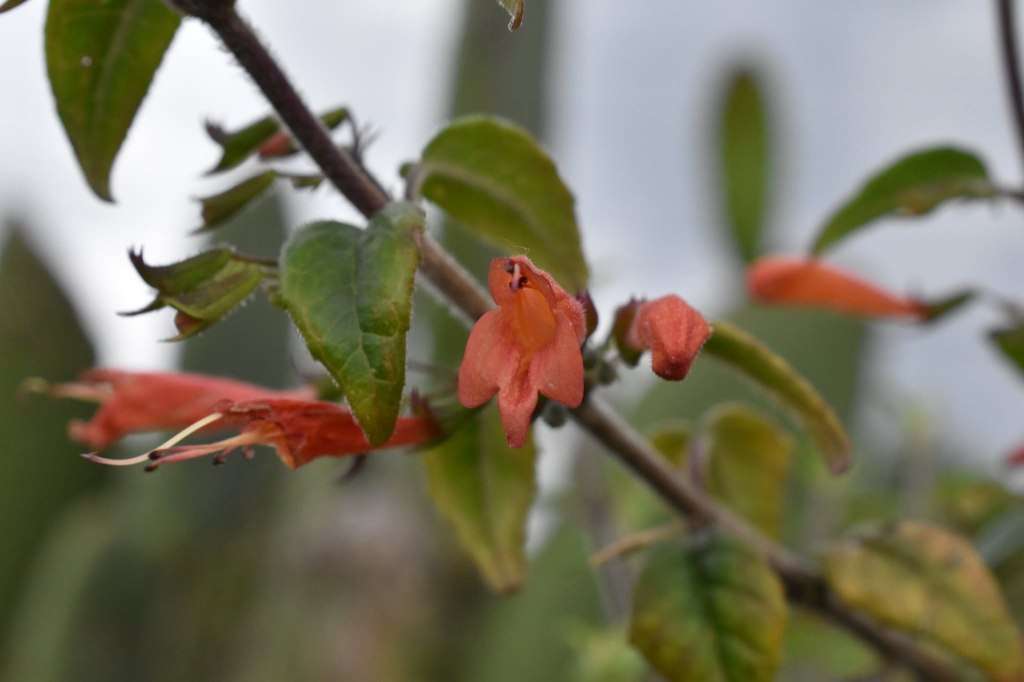
Syn : Clinopodium laevigatum; Satureja macrostema; Calamintha macrostema; Satureja laevigata; Melissa macrostema ; Calamintha fuchsiifolia; Satureja macrostema var. laegivata; Clinopodium macrostemum var. laevigatum
Nurhitini te, nurhitini, nurhiten, nurhíteni, (Purépecha)
Cuencuenzpatli, teochil (Nahua)
Hierba de San Nicolás, chipito (Oaxaca), guie-zaa (guiezza, guiezaa) (Zapotec), quieutzu (Zapotec)’ te-guishi (Zapotec)
Also called – atóchietl (atochieti), borracho, garañona, hediondilla, hierba de borracho,isioche, kaxrhíngaka, ndllaka, poleo, poleos, rosa de borracho, té de monte, tragorigano quauhnahuacense, tabaquillo, tabaquillo grande, tarepe, toche, tochel, toronjil, ragorigano, tunché, yerba de borracho (Turner, 2008) (Redowski and Calderón, 2010).
Tragorigano quauhnahuacense
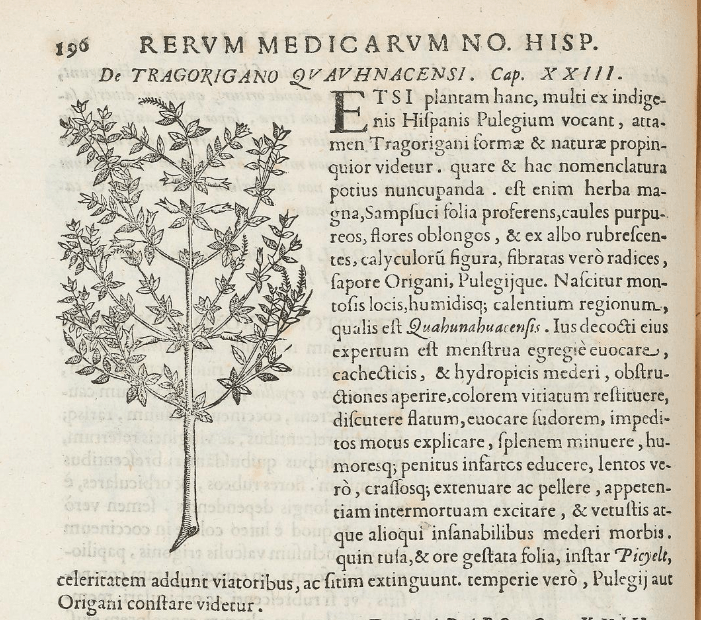
by Hernández, Francisco, 1517-1587
Tragorigano is a term used during the Spanish colonial era to describe aromatic plants with flavours and properties similar to Old World oregano. The text in the image of tragorigano (above left) from the Nova plantarum, animalium et mineralium Mexicanorum historia goes like this….
“Although many of the native Spaniards call this plant Pulegium [Pennyroyal], it seems closer in form and nature to Tragoriganum; therefore, it ought to be designated by that name. It is a large herb, bearing leaves like those of marjoram, purple stems, and oblong flowers that shade from white to reddish and are shaped like small cups; it has fibrous roots and the flavor of both origanum and pennyroyal. It grows in the mountainous and moist regions of hot climates, such as Andalusia. A decoction of it has been proven to effectively induce menstruation, cure cachexia (1) and dropsy (2), open obstructions, restore a poor complexion, dispel flatulence, promote sweating, relieve impeded movement, reduce an enlarged spleen, and expel deeply lodged humors—specifically by thinning and purging sluggish, thick fluids—as well as to stimulate a lost appetite and cure chronic or otherwise intractable diseases. Moreover, when the leaves are held in the mouth—much like Thymbra—they impart speed to travelers and quench thirst. In temperament, it appears to resemble pennyroyal or origanum.”
- Cachexia is a complex wasting syndrome characterized by severe, involuntary weight loss, muscle atrophy, and fat depletion. It is primarily driven by underlying chronic illnesses—such as advanced cancer, COPD, chronic kidney disease, and AIDS—and is caused by systemic inflammation and metabolic disruptions. Unlike typical starvation, cachexia cannot be reversed simply by eating more calories
- In humans, “dropsy” is an archaic term that is no longer used in modern medical diagnoses. It was historically used to describe generalized swelling typically associated with heart failure. Today, medical professionals describe this condition as oedema. It occurs when fluids collect in the body’s tissues and is often a symptom of underlying health issues like congestive heart failure, kidney disease, or liver problems (it can also happen to fish. Just saying)
Quauhnacensi (quauhnahuacense) (1) is referring to the Nahua name for the modern Mexican city of Cuernavaca. The name Cuernavaca is a euphonism (2) derived from the Nahuatl toponym (3) Cuauhnāhuac and means ‘surrounded by or close to trees’. The name was Hispanicized to Cuernavaca; Hernán Cortés called it Coadnabaced in his letters to Charles V, Holy Roman Emperor, and Bernal Díaz del Castillo used the name Cuautlavaca in his chronicles (Cruz 2017).
- often spelled Cuauhnahuac or Cuauhnáhuac in Nahuatl
- Euphonism refers to the use of pleasant-sounding words, phrases, or agreeable combinations of sounds in speech and writing. It is a linguistic concept focused purely on auditory beauty and harmony rather than a word’s specific meaning.
- A toponym is simply a place name. Derived from the Greek words topos (place) and onoma (name), it refers to the specific name of any geographical location or physical feature, such as cities (Sydney), mountains (Mount Everest), or rivers (the Amazon)
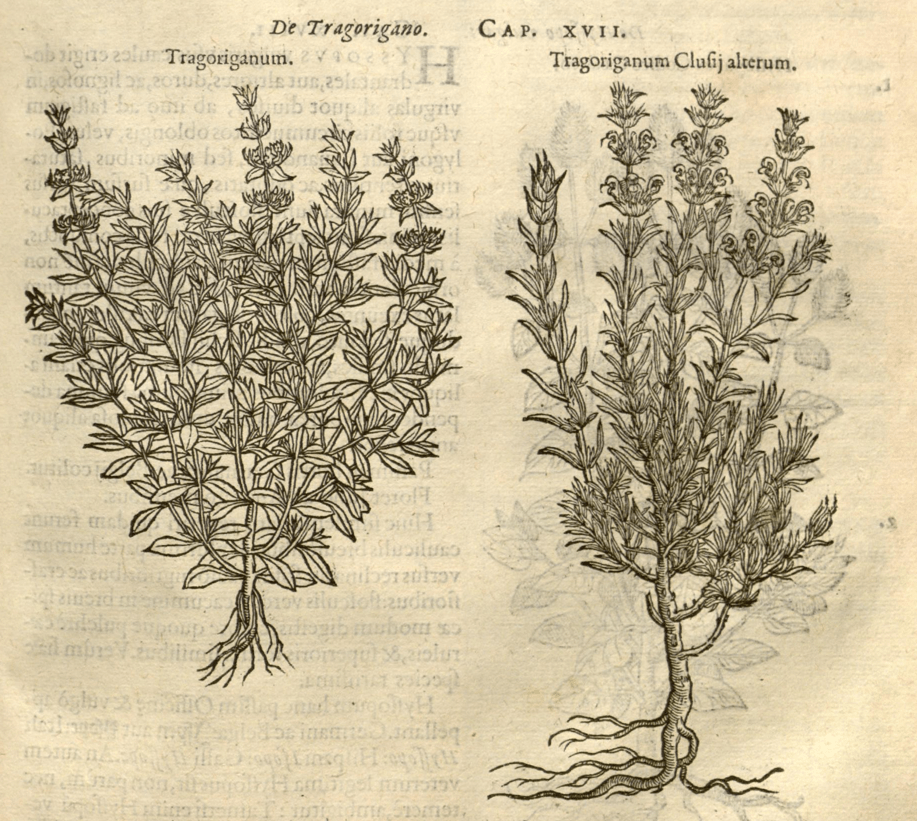
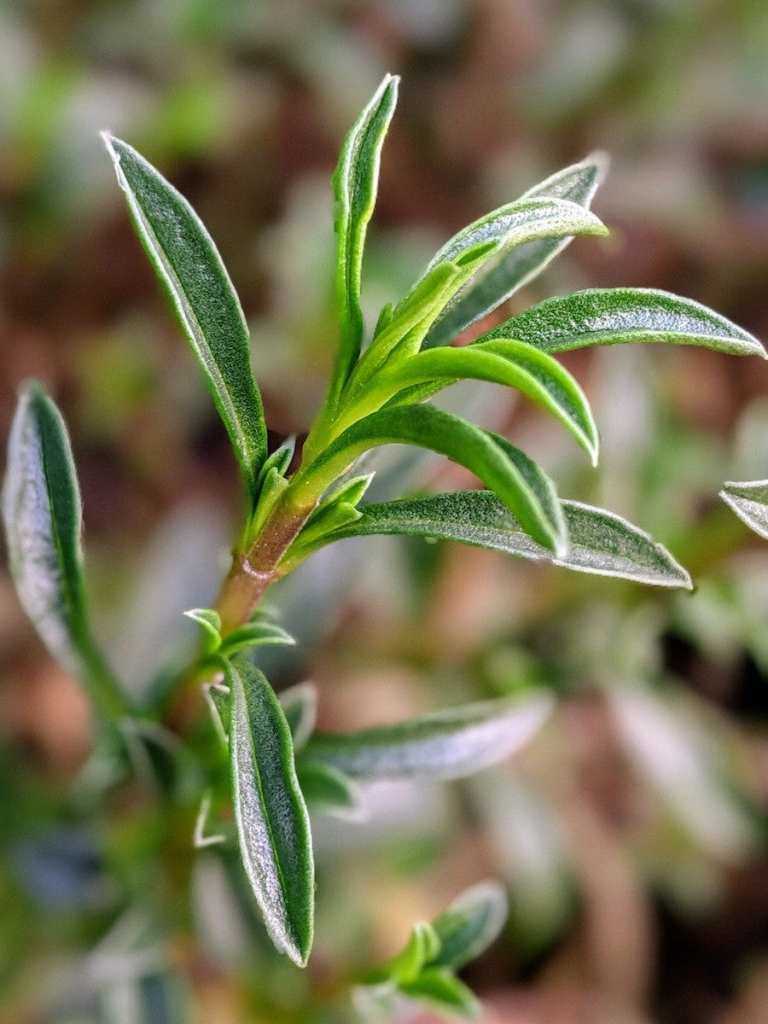
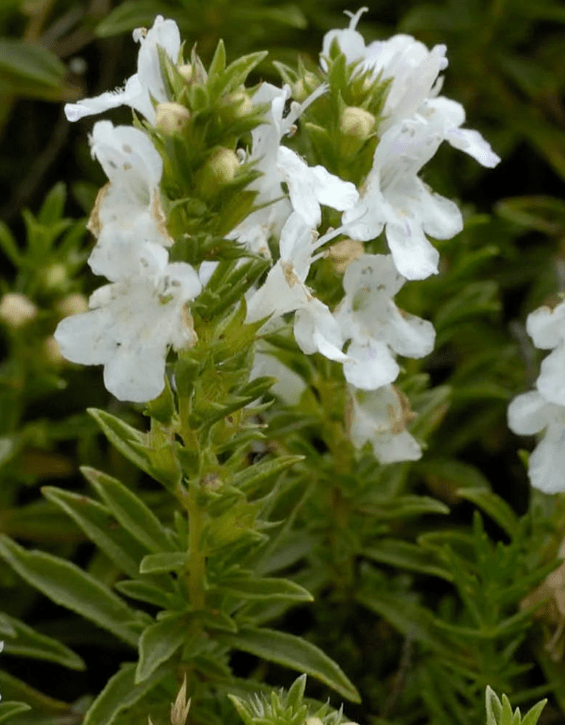
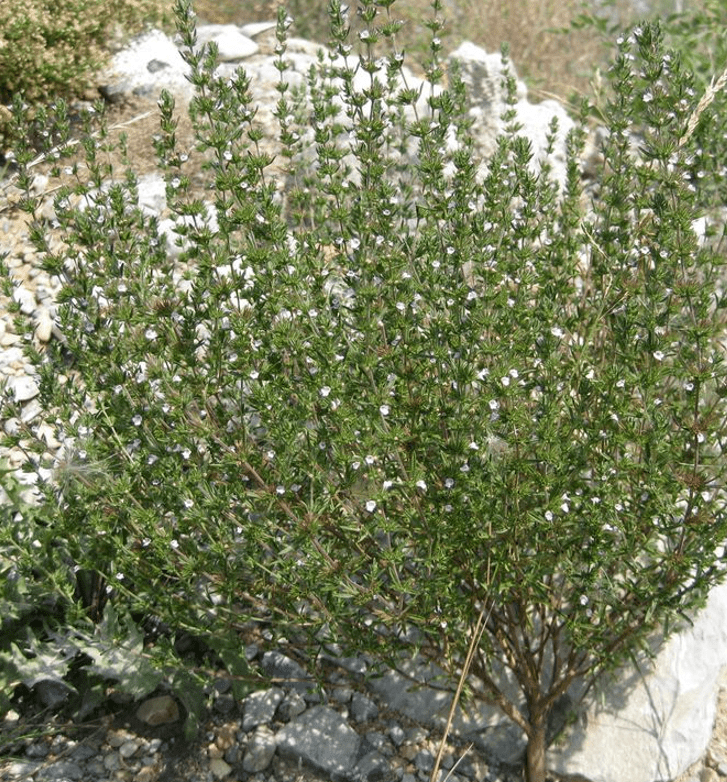
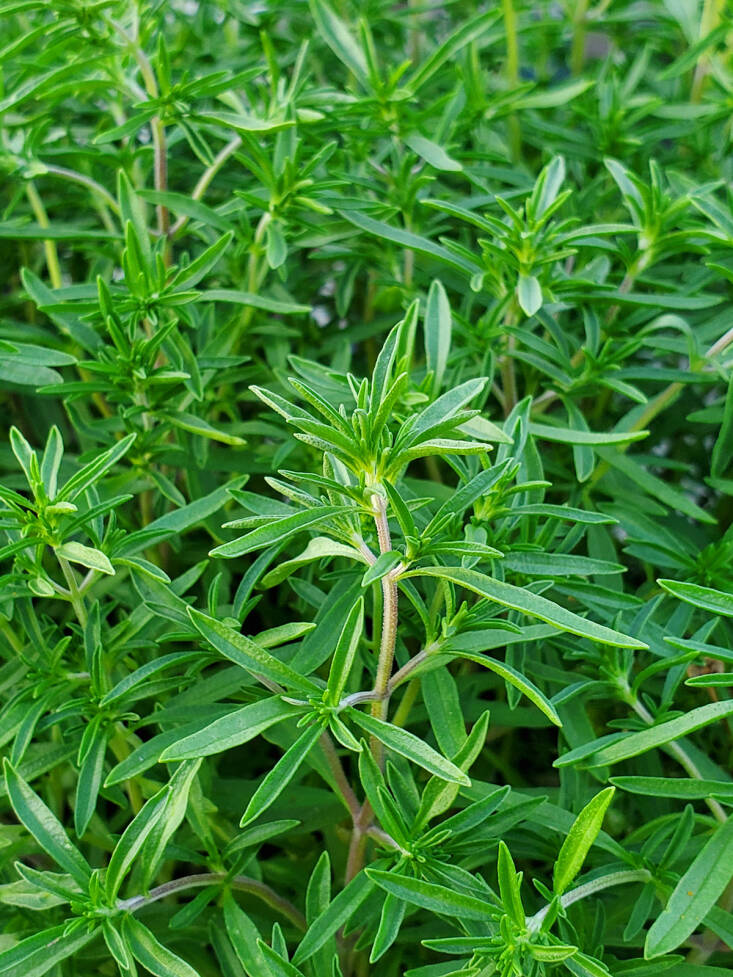
Tragorigano strongly reminds me of two Satureja species plants. Satureja montana (Winter savory) and Satureja hortensis (Summer savory)
Satureja montana : Winter savory
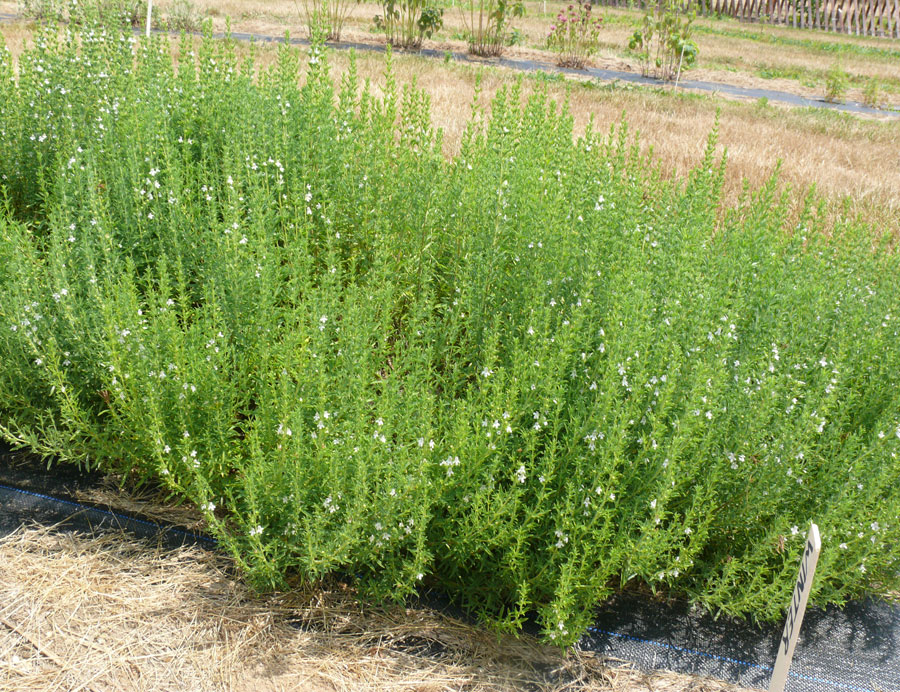
Satureja hortensis (Summer savory)
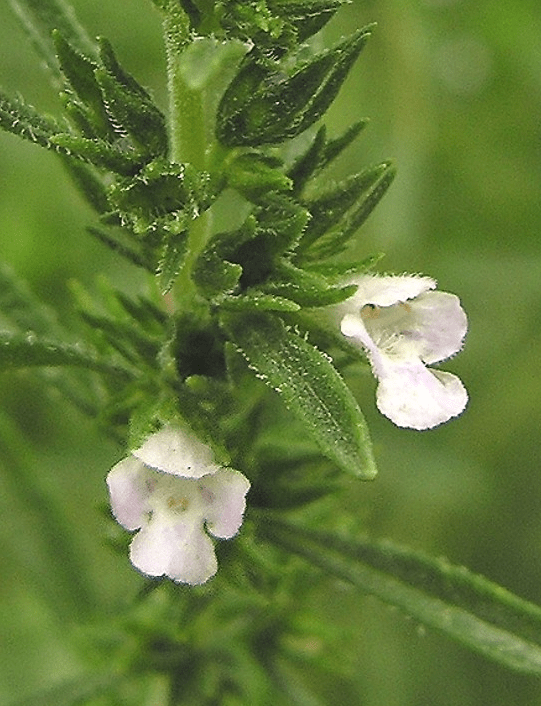
Both of these plants have culinary and medicinal uses.
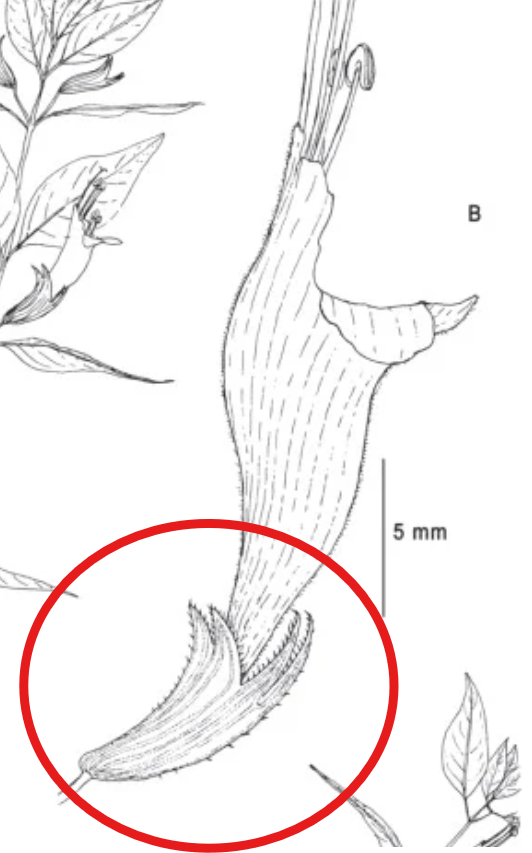
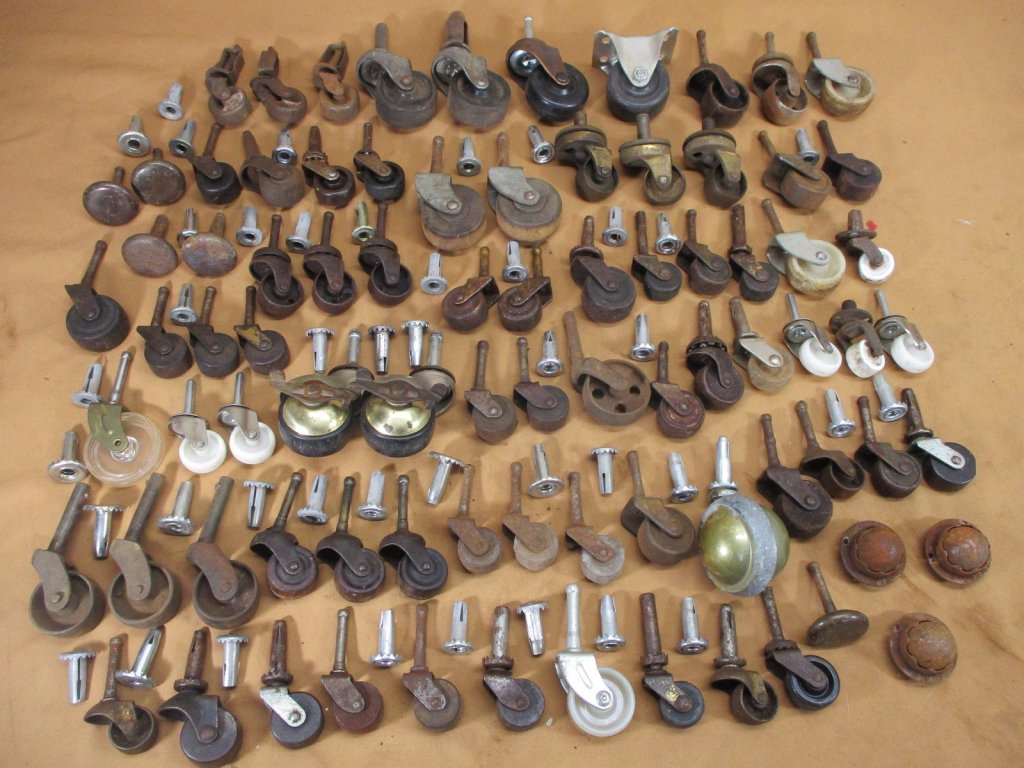
The name Clinopodium originates from the Ancient Greek words klínē (meaning “bed”) and pódion (meaning “little foot”). This specifically alludes to the shape of the flower’s calyx (the cup-like base of the flower), which was thought to resemble the small legs or castors of a traditional bed. I really did search for an image similar to the calyx but was unable to source one. Below are various castors and furniture feet. See any resemblances?

macrostemum is a taxonomic (1) suffix derived from Greek that describes a plant with exceptionally long stamens. It combines macro-, meaning “large” or “long,” and stemon, meaning “thread” or “stamen” (the pollen-producing part of the flower).
- Taxonomic relates to taxonomy—the scientific science and practice of classifying, naming, and categorizing things. While originally used to organize plants and animals based on shared traits and evolutionary history, it now broadly refers to any system used to organize concepts, data, or documents
This plant, endemic to Mexico, is mainly distributed in:
- Michoacán (Purépecha Plateau)
- Jalisco
- Estado de Mexico
- Morelos
- Guerrero
- Puebla
- Oaxaca
- Southern Hidalgo
- Isolated specimens in Sinaloa and Durango
It grows wild in temperate pine-oak and fir forests, between 2,400 and 3,200 meters above sea level.
Culinary Use
The use of nurite (1) in food is quite common (2), and its preparation is primarily done by women. Four ways of consuming it were identified. It is used to make tea, to season food (beans and tamales), when there is nothing else but tortillas (“just tortillas, like a vegetable”), and as a refreshing drink “when the tea is cold” (3). The most important use is as a tea: “because of the taste, it’s healthy… because it’s a wild plant… it’s tasty.” “We use it much more than coffee… for us, it’s… purer.” The use of nurite (as poleo) as a quelite (edible wild green) stands out; it is an emergency food used when there is nothing else to accompany tortillas, adding diversity to the diet in the form of vitamins and minerals (Vázquez-García et al 2004).
- In this paper referred to as “poleo”
- The area this study was conducted in was San Miguel Mixtepec , Zimatlán district, Central Valleys region, Oaxaca
- como agua de tiempo, cuando el té está frío
The cooked leaves of C. macrostemum are eaten or added to beans and tamales as a condiment. The plant is also considered a “quelite” because it is consumed as a vegetable (Calvo-Díaz et al., 2023) (Pérez-Ochoa et al., 2024).
Ingredients (Serves 4-6)
- 500g beans (black or pinto)
- 1 bunch of fresh or dried nurite branches
- 1/2 white onion
- 2-3 cloves of garlic
- Salt to taste
- 2 liters of water (plus extra for soaking)
Instructions
- Rinse the beans in cold water and remove any small stones or damaged beans.
- Soak the beans in water overnight (this reduces cooking time and aids digestion).
- Drain and rinse the soaked beans. Place them in a large pot with the 2 liters of fresh water, the onion, and the garlic. Bring them to a boil, then reduce the heat to medium-low.
- When the beans are halfway cooked (approximately 1 hour of boiling), add the bundle of well-cleaned nurite branches to the broth to release their flavor.
- Let the beans finish softening (this will take between 1.5 and 3 hours in total, depending on the type of bean). Add salt to taste during the last 20 minutes of cooking.
- Remove the nurite branches before serving.
Its aerial parts are soaked in “aguardiente” (sugarcane alcohol) or mezcal and then consumed as an alcoholic beverage (Hernández-Puente et al., 2025; Pérez-Ochoa et al., 2024).
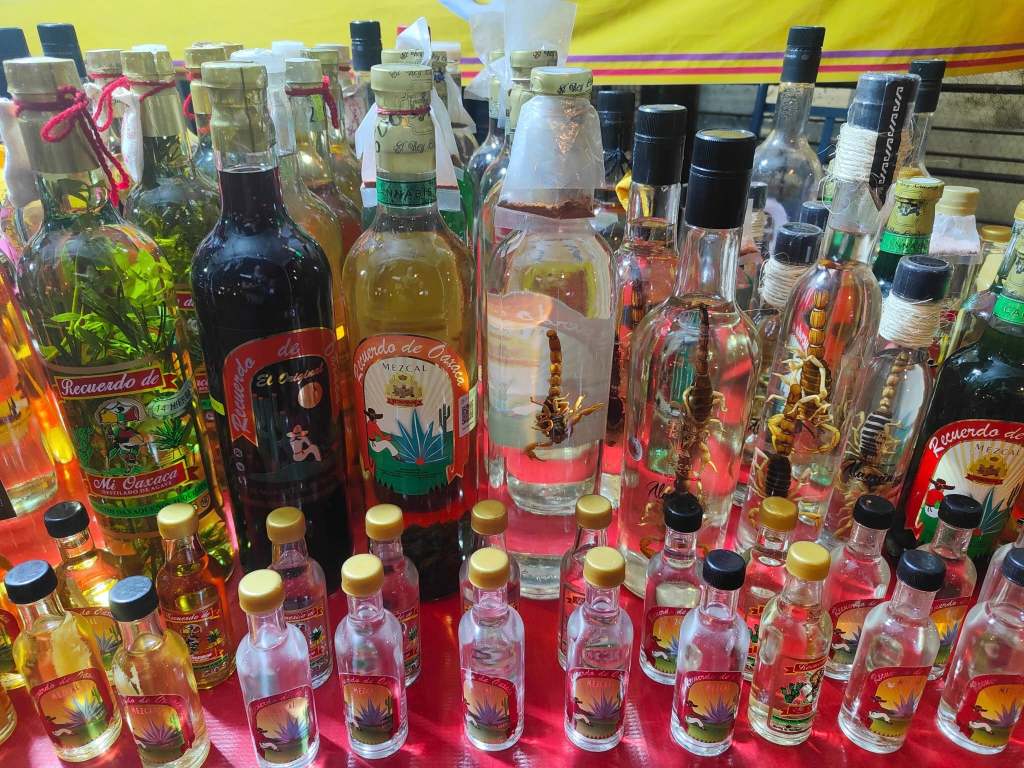
You might be able to find a nurite steeped mezcal from a street vendor ooooor……..you could just purchase a bottle of pre-infused mezcal. In this case, from Oaxaca where the plant is called chipito
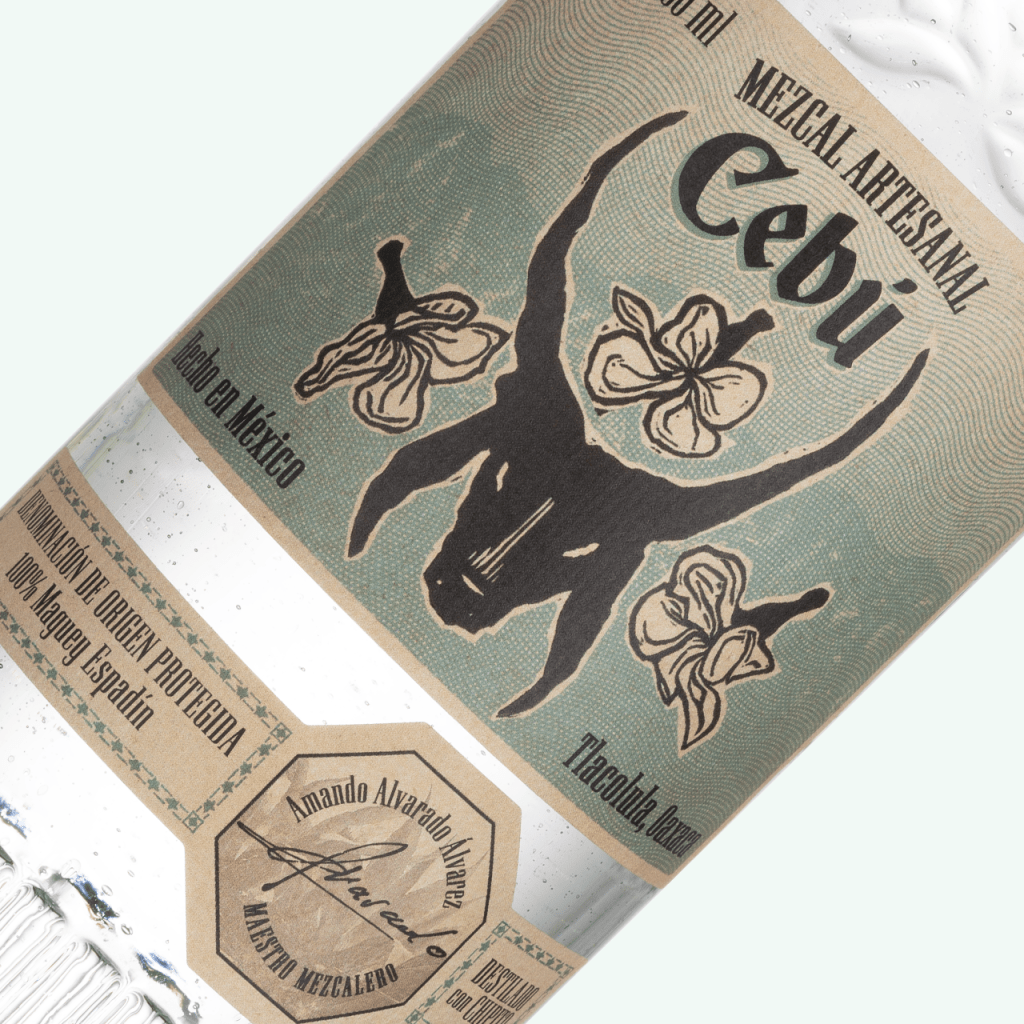
Master mezcalero Amando Alvarado Álvarez from Tlacolula de Matamoros, Oaxaca (well he’s originally from the municipality of Santa María Ixcatlán but he’s landed in Tlacolula) has distilled a mezcal with the chipito that grows abundantly in the area.
Atole de nurite
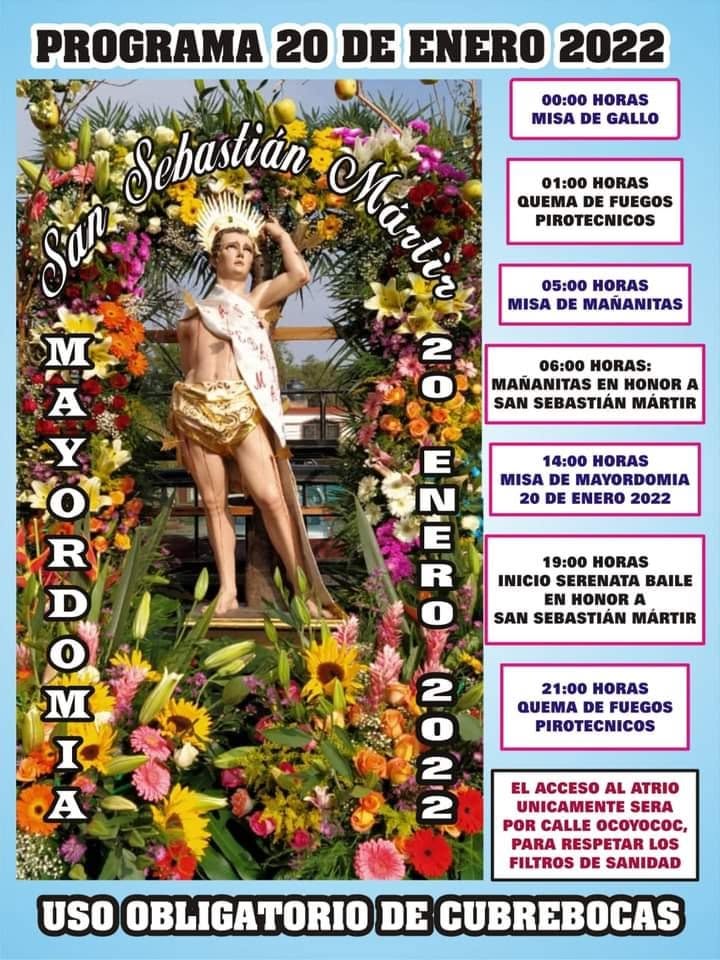
Nurite atole is served as food for women who have just given birth and it is also served at wakes, baptisms, mayordomías (1), Christmas parties, quinceañeras, and weddings.
- Mayordomías are community-based, religious traditions primarily in Mexico and Latin America, where individuals or families—known as mayordomos—volunteer to organize, finance, and host local patron saint festivals. This system blends faith, administration, and cultural preservation, fostering community identity and reciprocal cooperation. The Mayordomos are lay members (2) of the community who step up to serve. Taking on this role is considered a deep act of faith, bringing immense prestige and responsibility. The mayordomos are in charge of caring for the local religious spaces, managing finances, organizing traditional music and dances, and providing food for attendees. The traditions rely on heavy community cooperation. Neighbours assist by contributing money, ingredients, or labour in a system of reciprocity that keeps cultural values alive. Traditional cooks play a vital role, ensuring that guests have breakfast, lunch, and dinner on the day of the celebration and throughout the preparations, which include shopping, selecting, and preparing the main dishes.
- In religious organizations, the laity individually a layperson, layman or laywoman – consists of all members who are not part of the clergy
Atole de nurite: uno de los más sabrosos atoles purépechas
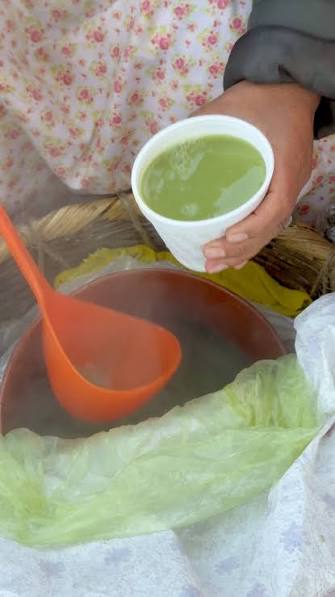
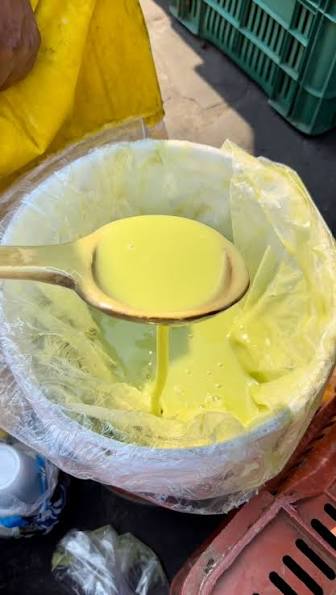
Kamáta is the Purépecha word for atole and this variety of atole is flavoured with the herb nurite. This herb has a unique flavour said to resemble “mint, oregano, and wet pine after rain”. Milk is never included in this atole (it can be in other varieties)
Atoles (1) follow a basic structure. The only difference with this one is its flavouring agent, nurite. (2) (3)
- A Naturopathic View of the Aztec Diet : Part 2 : Appendix 1 : Atole
- Atole de Grano
- Tlaxcalatolli. Atole de Tortilla.
Making your atole consists of three essential steps
Infusion: Fresh or dried nurite leaves are simmered in water with a stick of Mexican cinnamon (canela) for 10 – 15 minutes until the water takes on the herb’s deep green or golden colour and distinct aromatic scent.
Thickening: In a separate bowl, dissolve the corn masa in a little warm water until you obtain a smooth, liquid mixture without lumps. Remove the nurite branches from the pot. Slowly pour the dissolved masa through a strainer into the boiling water. Add a pinch of salt. Reduce the heat and cook,
Simmering: The mixture is cooked over medium-low heat and stirred constantly (this is key to preventing sticking and lumps from forming) until it develops a thick, glossy, and creamy consistency. You’ll know the atole is ready when it thickens, takes on a glossy appearance, and begins to release large bubbles. Remove from heat, let it rest for a few minutes and serve hot.
*
Chef Lupita gives us a little (lot) more detail
In Michoacan, high on the Meseta P’urhepecha in the highland towns around Cheran, Paracho, Nahuatzen, and Sevina, the mornings can be chilly and rather than reaching for una taza de café the locals prefer a clay jarro of kamáta.
First, gather your equipment
Equipment Needed
- Clay olla or heavy 3-quart saucepan
- Wooden spoon or molinillo
- Fine-mesh strainer
- Clay jarros (the author of one recipe recommended you get your jarritos from Capula, Patamban or Tzintzuntzan)
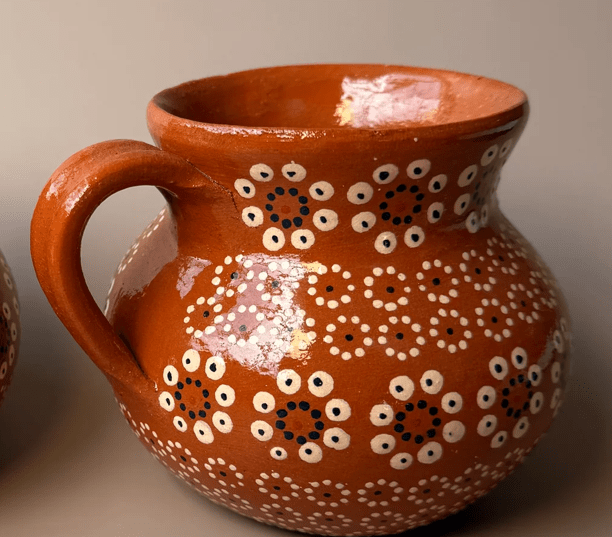

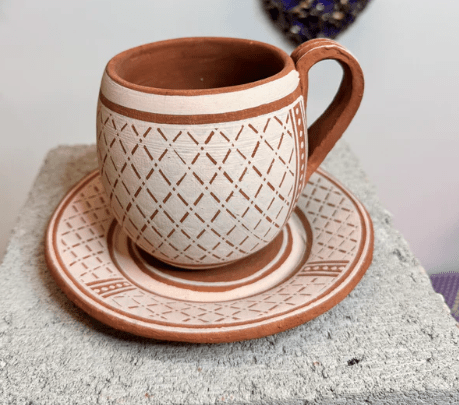
Ingredients Yield : 6 servings
- fresh nixtamal masa (or 1 cup masa harina mixed with 3/4 cup warm water)
- 7 cups fresh nurite leaves and tender stems, rinsed
- 1 packed cup piloncillo – 1 small cone, about 3oz/85g (or 1/3 cup dark brown sugar)
- fine sea salt 1/4 teaspoon
Instructions
- Dissolve the masa. Put your masa in a bowl with 2 cups of water. Gently agitate it with your fingers until it loosens into a smooth slurry. Strain this through a fine-mesh sieve into your cooking pot (olla) and remove all the lumps. A good kamáta should drink smooth, not gritty.
- Add the remaining 5 cups water, piloncillo, and salt to the olla. Set it over medium heat. Stir with a wooden spoon or molinillo as the piloncillo melts and the masa begins to thicken. Keep the spoon moving along the bottom of the pot to prevent the liquid from “catching” and burning. Corn catches fast, and scorched masa tastes like carelessness.
- Cook for 15 to 18 minutes, stirring often, until the atole lightly coats the spoon, turns glossy, and loses the raw corn smell. It should look satiny and pour in a thick ribbon. If it gets too thick, add hot water a few tablespoons at a time. A good cook judges their kamáta by the pull of the atole on the cooking spoon and not by a timer. Only practice will give you this insight
- Steep the nurite. Turn the heat to low. Bruise the nurite gently between your palms and add it to the atole. Stir for 3 to 4 minutes, just until the drink smells green, minty, and a little resinous. Do not boil the herb hard. Nurite is delicate. If you over work this herb you will lose the flavour that you seek by actually using the herb.
- Turn off the heat, cover the olla, and let the nurite steep for 5 minutes. Strain if you want a clean drink, or you can leave a few soft leaves in the jarro which is a custom in many homes.
Ladle the atole into warm clay jarros. Serve with corundas, uchepos, or pan de muerto (when the season is right).
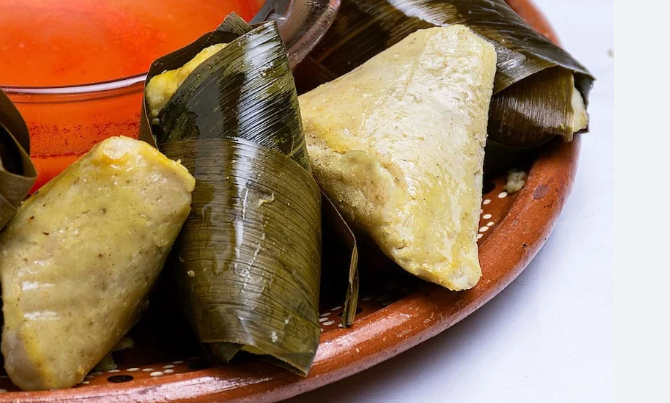
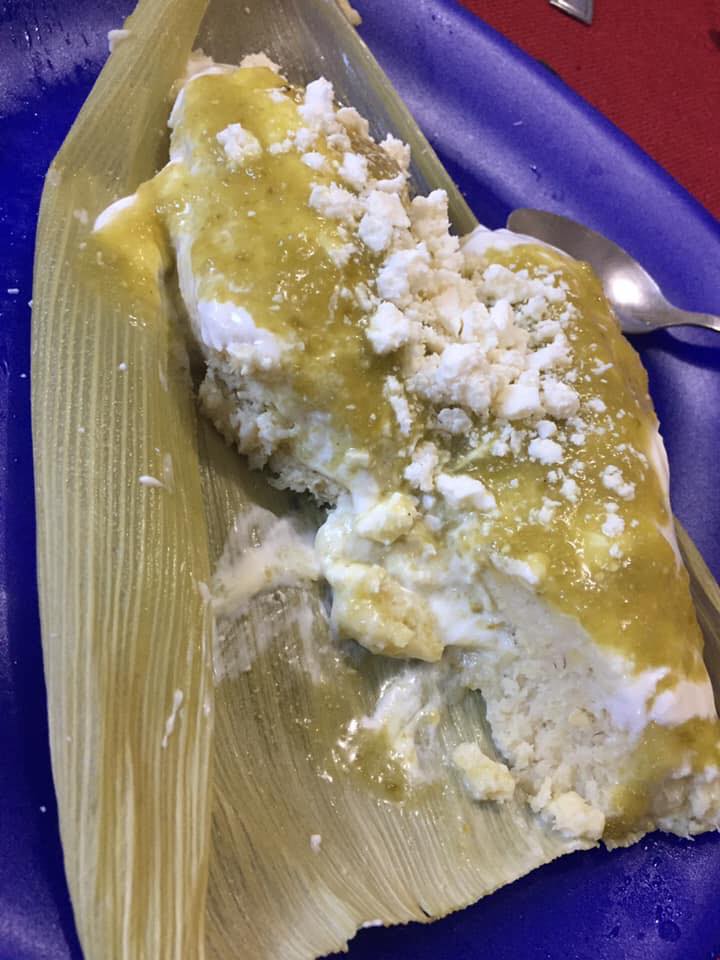

Pan de Ánimas (Bread of Souls)
In Michoacan traditional varieties of pan de muerto go beyond the typical rounded and bone-topped loaf of pan dulce you might be familiar with.
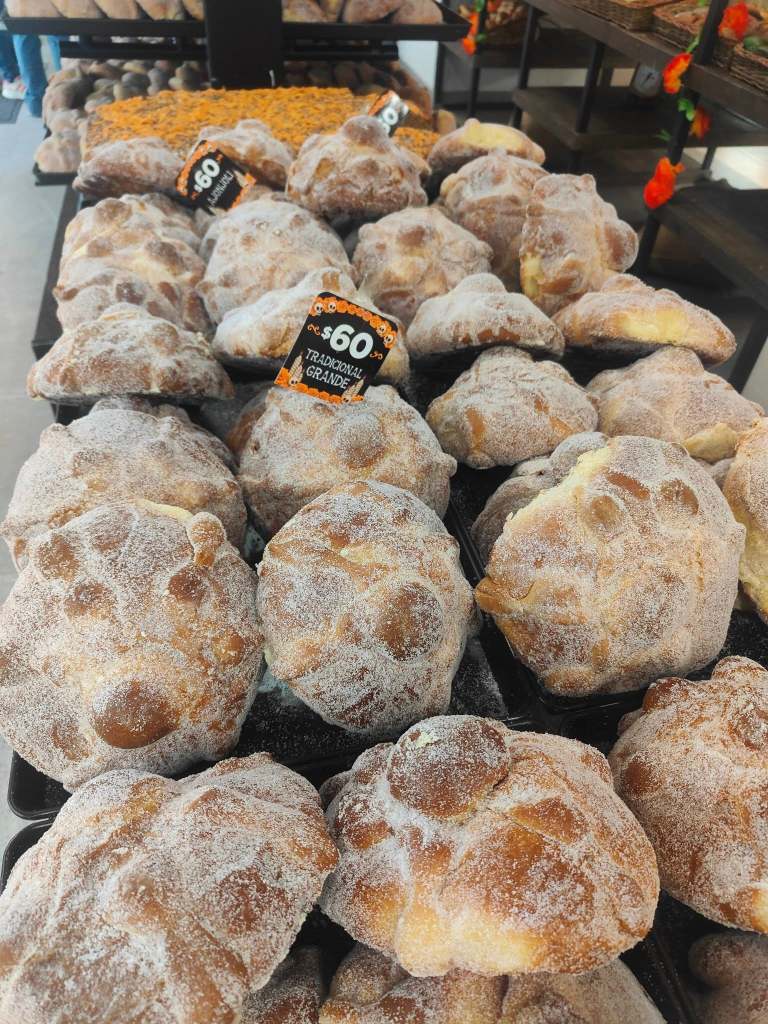

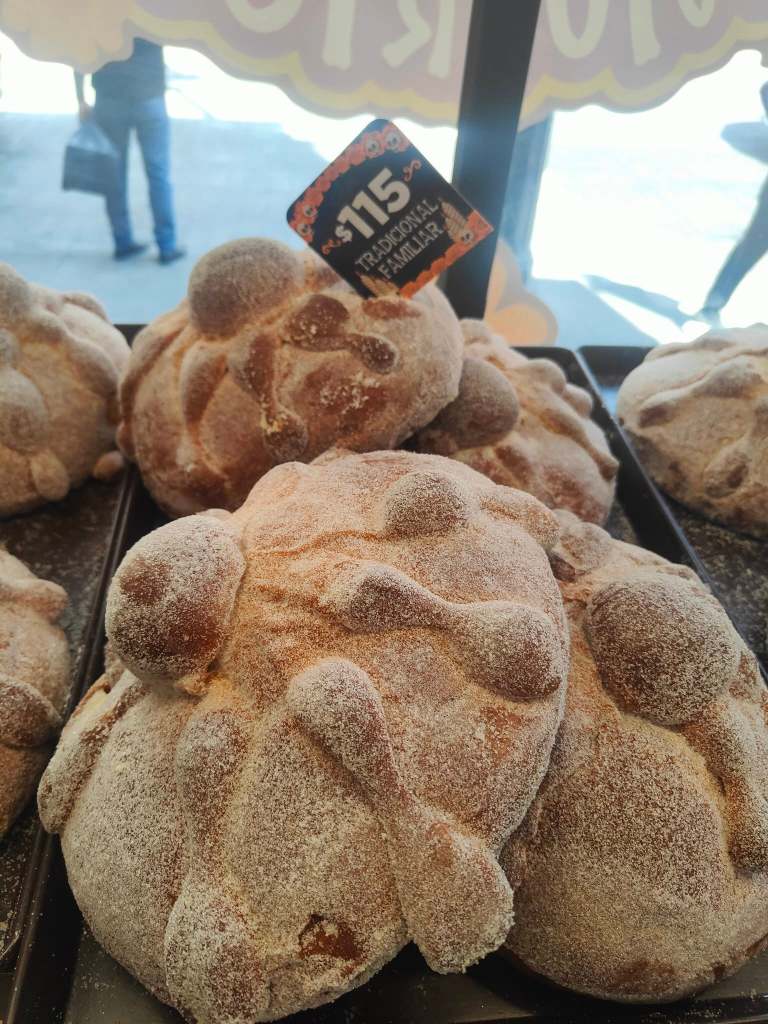
Various traditional pan de muerto in the CDMX. Dia de Muertos 2025.
NOTES
Fresh nurite is the point of this recipe. If you happen to be in Mexico then look for this herb in the mercados of Michoacan, especially around Uruapan, Paracho, Patzcuaro, and the Meseta towns. If you cannot find nurite, use fresh spearmint with a small pinch of Mexican oregano. It is a compromise, not the same drink. Nurite has a wild, resinous edge that garden mint does not carry.
Fresh nixtamal masa works best when making atoles. Masa harina works as a substitute but whisk it well and strain it to ensure there are no lumps in the finished drink/dish.. Lumps in atole mean you rushed.
The masa slurry can be mixed and strained up to 8 hours ahead, then refrigerated. Stir before cooking because the corn settles.
Atole is best the day it is made. If reheating, warm it gently with a splash of water and stir constantly until smooth again.
Rinse the nurite only shortly before using. Wet herbs bruise and darken if they sit too long.
DO NOT add the nurite at the beginning of the process and boil it from the start. It is a delicate herb.
Cultural Impact in P’urhépecha Communities
Drinking nurite tea in P’urhépecha communities is associated with tradition and culture, as it is prepared as a beverage at large celebrations and family gatherings. The tea is also a valuable medicinal herb amongst these peoples.
Medicinally, the aerial parts of the plant are combined with other herbs (1) used to bathe women after childbirth (when they are now uarhiti, meaning they have given their life to give life). The baby receives the aroma of its mother from this plant; the grandmothers say: “es el aroma del alma P’urhepécha” (it is the aroma of the P’urhépecha soul)
- ruda, malva, arnica (rue, mallow, and arnica)
In the community of San Lorenzo Narheni the nurhiteni plant is used to perfume weddings and also plays an important role in the eroticism of the first night for the newlywed couple. Friends and relatives of the groom head into the mountains in the early hours of the wedding day to gather the nurhiteni. They return with large bundles of the plant and present them to the groom’s parents, who receive the aromatic plant with reverence. Later that afternoon, the groom’s female relatives prepare a diamond-shaped loaf of bread, 30 to 40 centimetres long and 20 centimetres wide, resembling a woman’s genitals. They adorn it with various branches and carry it on their backs, dancing in the streets with a band, especially along the route the bride will take. This is a cleansing ritual to ensure a happy union for the couple, and it also serves to announce the upcoming wedding to the community. After being wed the couple returns to the godparents’ house where all their wedding gifts are placed in one room perfumed with nurihteni branches. The couple then retire to the bedroom where their first night of lovemaking and the following first few days of their married life is redolent with the aroma of this herb. (Figueroa Figueroa 2026)
Traditional medicinal uses in these communities includes….
- For ovarian inflammation, a tea is made with a handful of nurhiteni in half a litrre of water.
- The leaves are used in infusions and decoctions for gastrointestinal ailments. They soothe gastric pains, stimulate bowel movements, and aid slow and painful digestion. For stomach aches, the tea is taken three times a day.
- To soothe the stomach, a few drops of pure cane alcohol are added to the infusion, and it is taken on an empty stomach.
In communities like Paracho (1) during the Xirangua, a dance of blessing and unity where the bride and groom link arms with their godparents and parents and dance while being surrounded by family and friends. A close relative often performs a cleansing ritual using nurite branches to bless the attendees, ensuring protection and prosperity for the couple. This ancestral practice strengthens familial and communal ties and expresses wishes for harmony and well-being for the newlyweds. (López 2025)
- Paracho de Verduzco is a small city located in Michoacán, Mexico. It is located about 100 kilometers west of the state capital Morelia.
In traditional Purépecha weddings, nurite plays a vital symbolic role in uniting two families. It is brewed into a special tea that is served to the couple, acting as a blessing for a strong, unbreakable bond
Nurite atole (bolstered with chile cascabel) (1) is traditionally served as food for women who have just given birth.
- Called cahuax kamata. In the Purépecha language kamata is a general term for atoles. This drink is also consumed during Dia de Muertos.
Medicinal Use
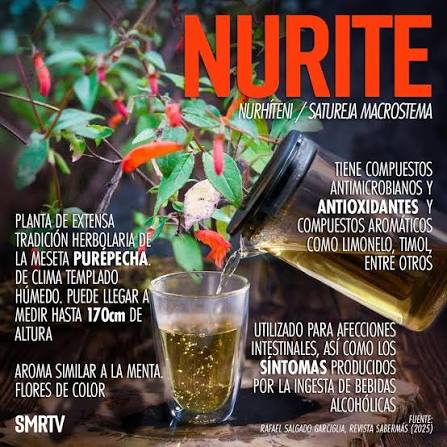
Aqueous Extracts (Teas, infusions and decoctions)
Traditionally the tea was used to aid digestion, to combat intestinal infections and to combat the deleterious effects of consuming too much alcohol such as heartburn and nausea (1). It was also used for its aphrodisiac and antifertility qualities (2).
- this earned it the name yerba de borracho or “drunkards” herb.
- Which earned it the name “garañona.” And we need to take care with as garañona is another medicinal herb, known as the “Painted Cup” or Cola de Borrego (Castilleja tenuiflora), which can also be used medicinally for some similar reasons but is most certainly not the same herb.
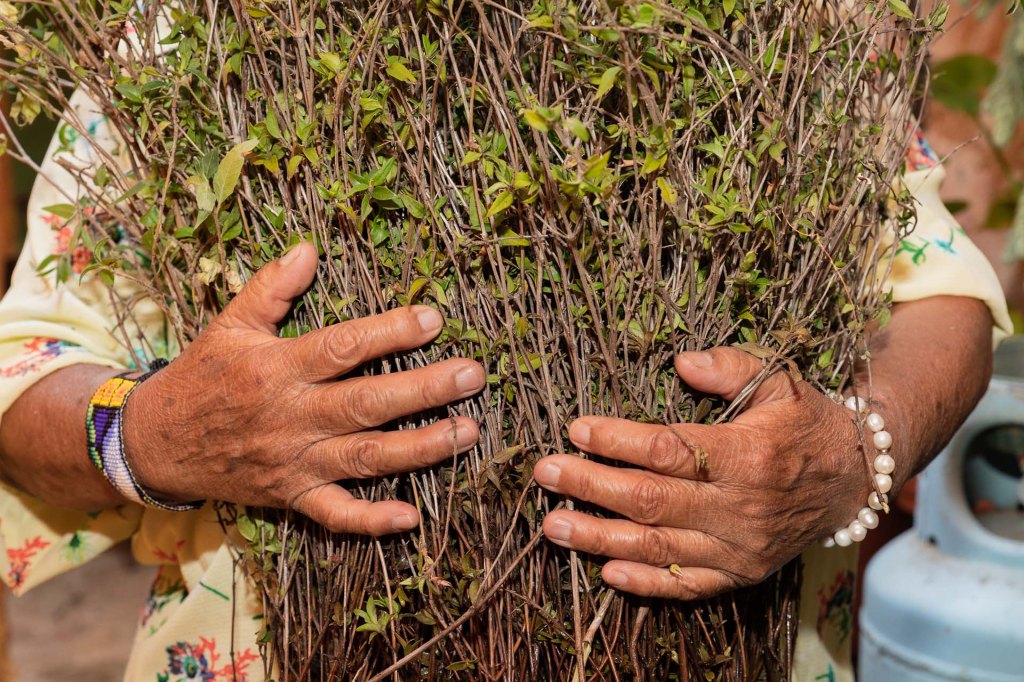
Another Common name for this herb is poleo. There is potential danger in this (1).
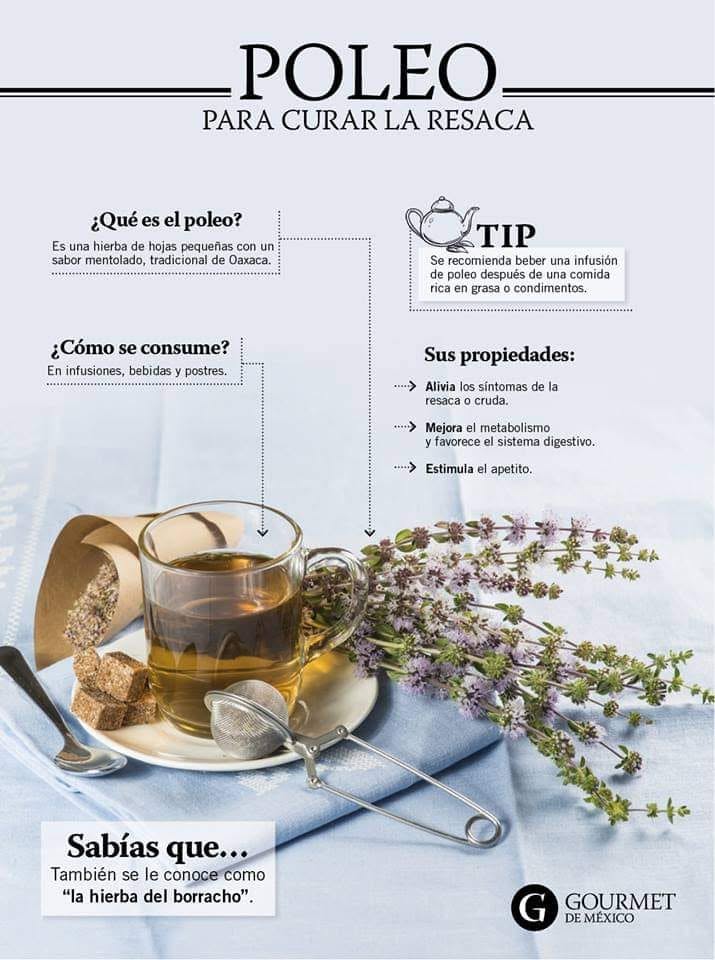
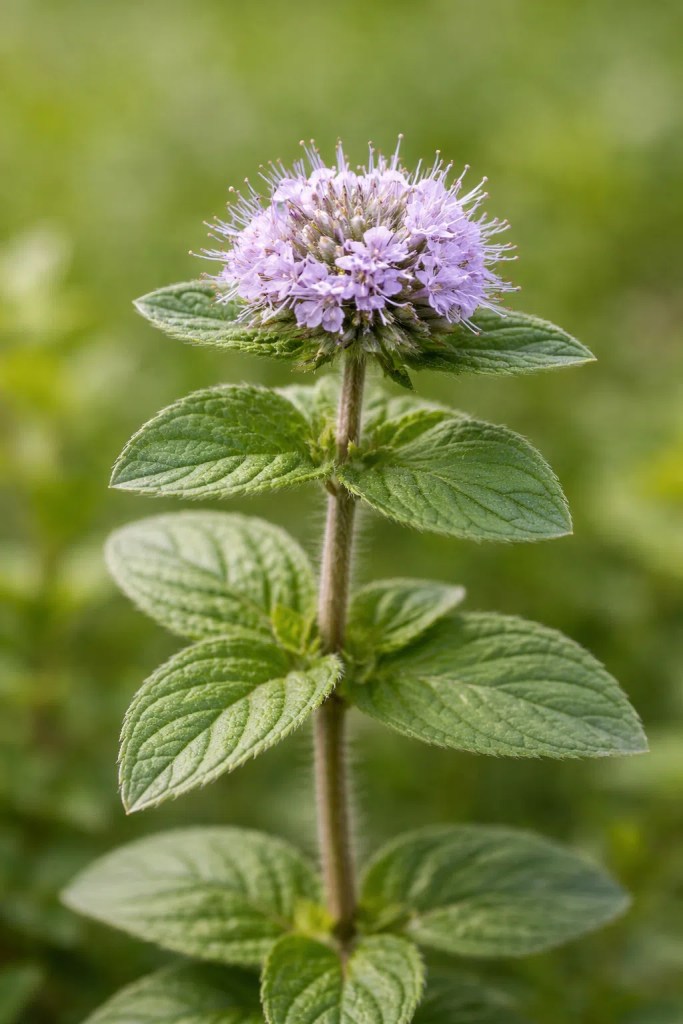
WARNING : Poleo the herb generally, in my mind, refers to the low growing plant in the Mint family that is ABSOLUTELY NOT either of the Clinopodiums being explored today. To further confuse things this plant is also known as yerba de borracho. This plant, Mentha pulegium, does not have the same uses as nurite. Nurite can be used in cases of infertility : Pennyroyal is a known abortifacient and must absolutely be avoided by pregnant women. Pennyroyal essential oil is very toxic (due to a high pulegone content) Pulegone severely depletes glutathione (a protective antioxidant in the liver), leading to massive liver cell death, jaundice, and potential organ failure. The essential oil is exceptionally dangerous to infants and animals. Even small amounts given via herbal teas or applied topically have caused severe infant poisonings and fatal toxicity in dogs. Accidental ingestion or overdoses can result in severe seizures, confusion, and coma
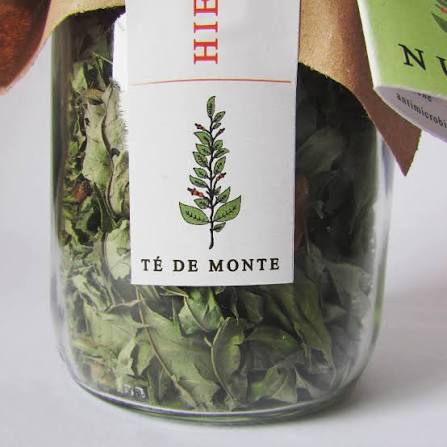
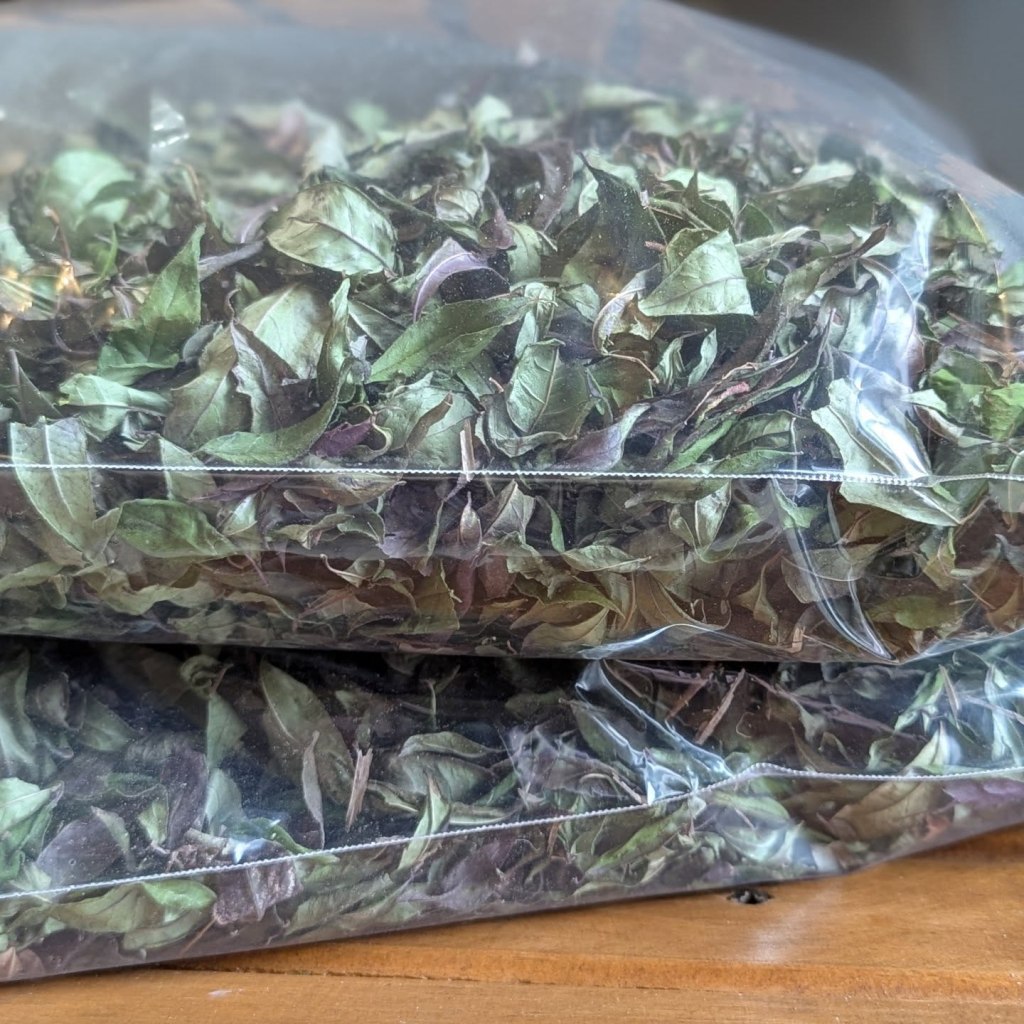
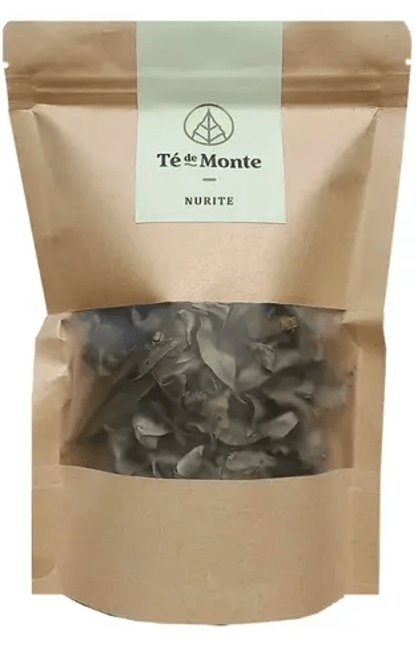
Nurite is used as an effective aperitif when taken on an empty stomach or before meals. It is used to combat intestinal infections, acting as a stomachic and stimulant of gastric or gastrointestinal movements, and aiding digestion when it is slow and painful. It is used as a powerful carminative and is also used to prevent or eliminate colic. It is an effective digestive agent when taken after meals.
Traditionally, a Nurite atole is taken to increase fertility and achieve conception in some women suffering from a certain type of infertility (Martínez, 1986); for this use, it is known as “garañona” (Standley, 1924; Rodríguez, 1997; Bello, 1993; Rezedowski, 1985).
Garañona
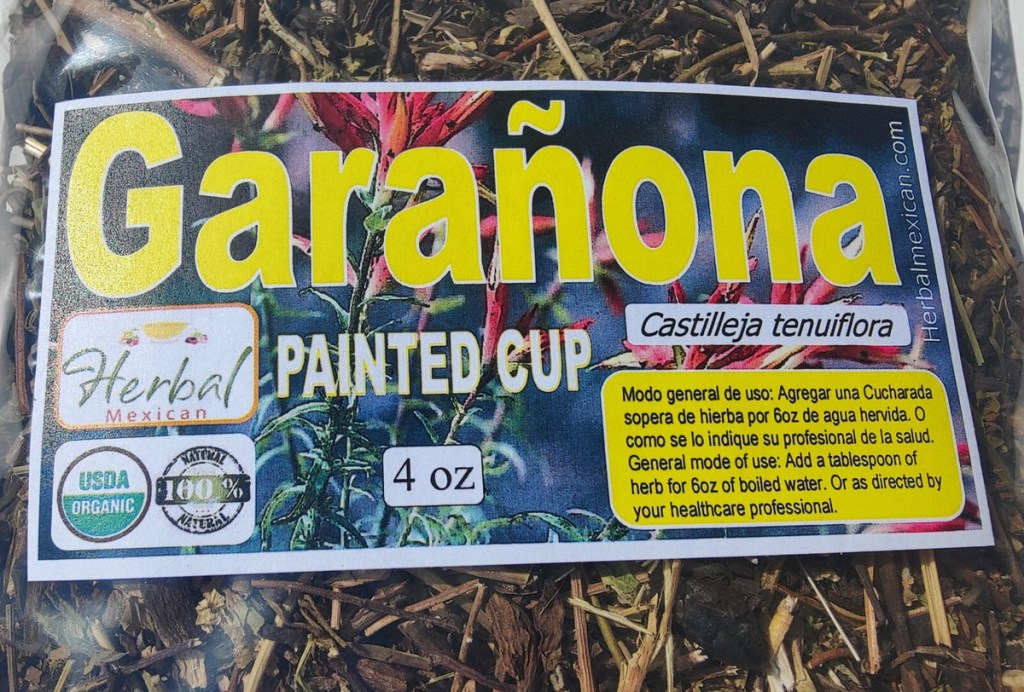
Earlier I mentioned briefly the potential dangers when referring to herbs by their Common Names (1). For now we’ll look briefly at one name – garañona. Garañona (Castilleja tenuiflora), also known as “painted cup” or “hierba del cáncer,” is a perennial herb native to Mexico and the southern United States. It is traditionally utilized in Mexican folk medicine for its purported anti-inflammatory, antioxidant, and mild sedative properties. It was used to treat digestive disorders (stomach discomfort, nausea, and vomiting), the nervous system (promote relaxation, relieve anxiety, and aid with sleep) and was applied topically to the skin to treat various conditions and inflammation.
- and I reiterate it again here. A Note on Deer Weed : The Danger of Common Names
Castilleja tenuiflora
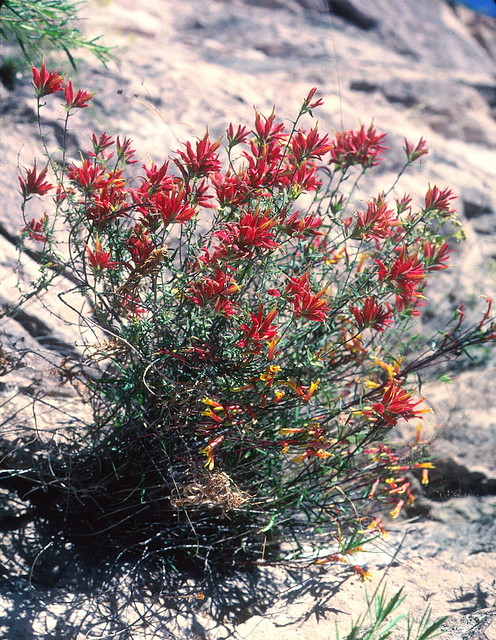
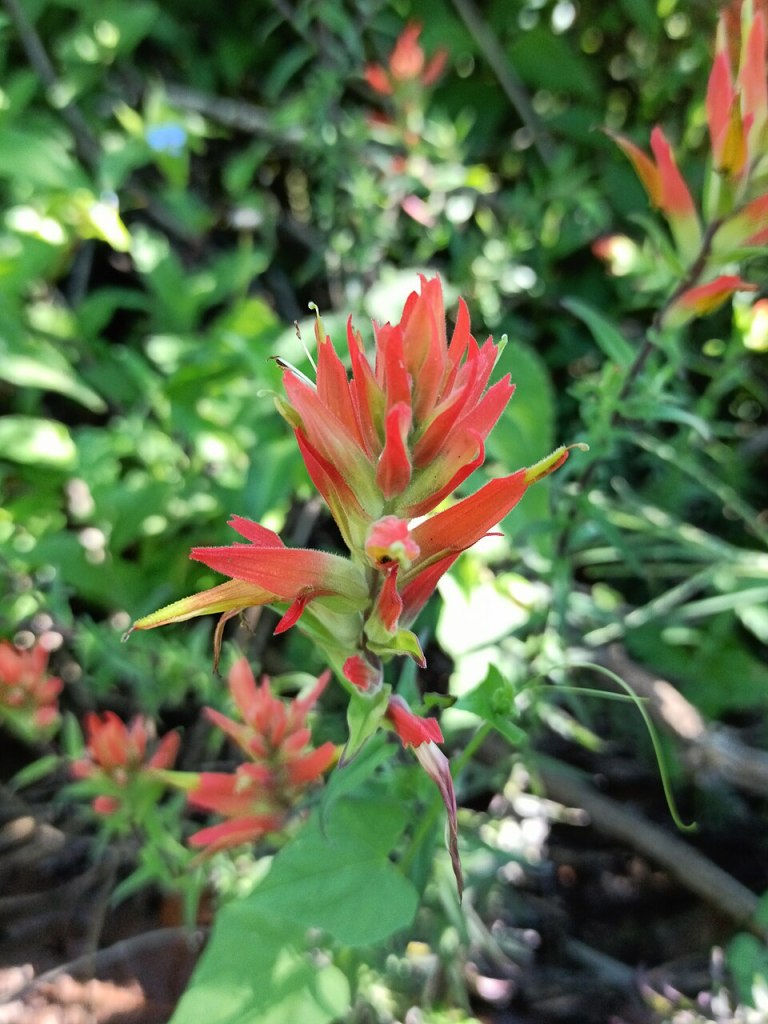
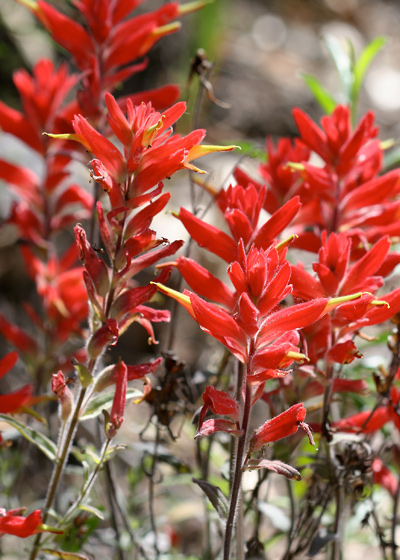
Nurite has a similarly red flower to garañona. Not similar enough to fool an experienced herbalist, but similar enough to trick the untrained.
Research has shown that nurite tea contains an abundance of antioxidant and antimicrobial compounds, which can provide to medicinally active benefits to human health and which also support the traditional use of this plant. Antioxidant properties of nurite tea are due to a mixture of chemical compounds called flavonoids, such as naringenin, and other aromatic compounds such as limonene, pulegone, carvacrol, and thymol; all of which are considered antimicrobial and responsible for the somewhat resinous aroma of a nurite infusion and give it the the capacity to inhibit up to 80% bacteria such as Escherichia coli, Staphylococcus aureus, Pseudomonas aeruginosa, and Klebsiella pneumoniae.
Another use for nurite is to relieve a type of diarrhoea called “Diarrea de Tierra Caliente” (Hot Land Diarrhoea). as a remedy and good tonic after suffering from malaria and other fevers. “Diarrea de Tierra Caliente” is a term from traditional Mexican medicine used in regions like Michoacán to refer to gastrointestinal problems, stomach infections, or fevers (1). García-Hernández (et al 2015) note the herbs use for treating cold in the stomach and/or heat in the stomach (Frío en el estómago, calor en el estómago) (1)
- and likely falls under the general umbrella of intestinal complaints called “empacho”
Nurite tea is a plant that could be used as a raw material for the pharmaceutical industry and in the production of beverages, but sustainable projects must be implemented for its cultivation and use, as natural populations of nurite have declined due to deforestation and overexploitation.
Topical Applications.
Esquivel-García (et al 2018) note the use of nurite topically in fomentations (1) and baths used to treat skin inflammation and insect bites.
1.A fomentation refers to the therapeutic application of warm, moist substances (like a compress or poultice) to the body to relieve pain and inflammation. They are made by soaking a cloth in a strong herbal infusion or warm liquid and which is wrung out before placing it on the affected area. It should be warm and moist, but never hot enough to cause skin burns. The moist heat allows medicinal properties of herbs (like flowers, leaves, or roots) to be absorbed through the skin. Hotter fomentations are highly effective for stimulating circulation, soothing stiff joints, and relieving sore or injured muscles.
Alcoholic extracts.
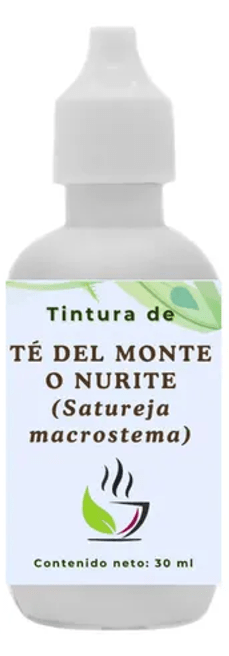

Different methanolic extracts of C. macrostemum from various regions in Mexico exhibited antioxidant, spasmolytic, renoprotective, hepatoprotective, antidiarrheal, and pain-relieving effects (Arroyo et al., 2004) (Gutierrez, 2013) (Gutiérrez and Navarro, 2010). A hepatoprotective effect was linked to specific flavones, flavonols, and flavanones identified in the study (Gutierrez, 2013).
Essential Oils
Nurite leaf essential oil contains 32 main compounds with the primary ones being;
- Linalool (55.4%)
- nerol (6.4%)
- caryophyllene (6.25%)
- menthone (5.8%)
- geranyl acetate (4.1%)
- terpineol (3.7%)
- pulegone (2.8%)
Other medicinally relevant compounds identified in the plant include;
- limonene
- camphor
- thymol
- p-cymene,
- α-terpineol
- oleanolic acid
- ursolic acid
- 3-hydroxy-ursenoic acid
For more information on the medicinal properties of various essential oil components see Essential Oil Properties
WARNING
Precautions and Contraindications
Although considered safe to consume culinarily (and generally safe to use medicinally) take into consideration when using the plant medicinally
- Do not consume excessively during pregnancy without medical supervision
- People with allergies to plants of the Lamiaceae family should be cautious
- Pulegone in large quantities can be toxic to the liver (particularly relevant with the essential oil). Some studies on C. macrostemum and C. mexicanum indicate that heavy, prolonged consumption or highly concentrated extracts (the essential oil) can be potentially nephrotoxic (causing acute kidney injury in animal models)
Mi Primo – Clinopodium mexicanum
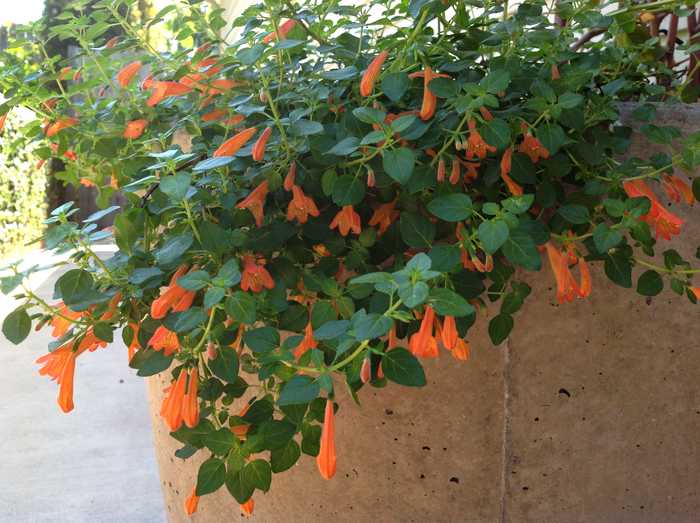
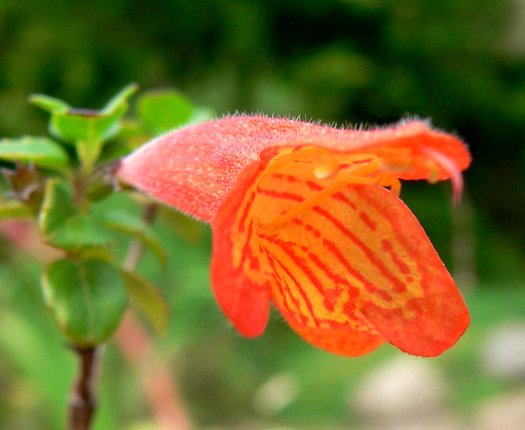
Also called
toronjil de monte (Hill Hyssop), toronjil de menta” (Mint Hyssop), poleo verde, ita’nduku (Mixtec) (1), kaxrhíngaka” (Chocholteco) (2) (the translation for the Mixtec and Chocholteco terms is unknown (García-Hernández, 2014).
- The Mixtecs (who call themselves Ñuu Savi, or “People of the Rain”) are one of the largest Indigenous groups in Mexico, traditionally inhabiting the region known as La Mixteca across Oaxaca, Puebla, and Guerrero
- The Chocholteco (or Chocho) are an indigenous people and their critically endangered Oto-Manguean language located in the Mixteca Alta region of Oaxaca, Mexico
In my research of the macrostemum I kept coming across the mexicanum (Clinopodium that is). My first though was that his was simply a synonym issue and that we were referring to the same plant. This does not appear to be the case and once again brings up the issue of correctly identifying the plants we use. For all intents and purposes (wel MOST intents and purposes. OK, OK, SOME intents and purposes) these plants can be used interchangeably. I would not hesitate to substitute the two when used culinarily but I might have some hesitations when using the two medicinally.
Clinopodium mexicanum is a species native to Mexico, located in the states of Chiapas, Guanajuato, Guerrero, Hidalgo, Jalisco, Oaxaca, Puebla, Querétaro, San Luis Potosí and Veracruz (Villaseñor, 2016; Cadena, 2017).
Clinopodium mexicanum was first described in 1840 by Bentham as Gardoquia mexicana (Basonym)(sic) (1) (2). Later in 1896 Briquet included the genera Clinopodium, Calamintha, Xenopoma, Gardoquia, Rizoa and Micromeria within the genus Satureja (Epling & Játiva, 1966). Finally, the Satureja species with American distribution passed to the genus Clinopodium and therefore Satureja mexicana was renamed by Govaerts in 1999 as Clinopodium mexicanum (Harley & Paucar, 2000).
- A basonym is the original scientific name of an organism upon which a new name is based. It provides the foundational root or specific epithet when a species is reclassified into a different genus or rank, ensuring continuity in biological taxonomy. Example: The plant Lotus mauritanicus is the basionym (2) for the newer reclassified name Indigofera mauritanica. The original specific epithet (mauritanicus) is preserved and acts as the foundational root for the new combination. When a species receives a new combination name, the author of the basionym is placed in parentheses. For example, in Comptonia peregrina (L.) Coulter, the “(L.)” refers to Carl Linnaeus, the original author of the basionym Liquidambar peregrina. Taxonomical codes require that any new combinations be based directly on the original basionym rather than on intermediate, newer names.
- Basionym is the correct and widely accepted scientific spelling for the original, previously published name of an organism that a new name or combination is based upon. Basonym is simply an obsolete or alternate, less-preferred spelling of the exact same concept
Both Clinopodium macrostemum and Clinopodium mexicanum are native Mexican mint-family plants known as “poleos”. Highly valued in traditional medicine for pain relief and hangover remedies, they are often used interchangeably, though recent research reveals they differ significantly in their chemical, essential oil profiles, and toxicity risks (García-Marín et al 2026)
Both species are also traditionally used to relieve gastrointestinal discomfort and nausea (Alvarado et al., 2020), symptoms often linked to visceral inflammation and pain. The decoction of its aerial parts (C.mexicanum) is administered as enema to treat constipation, and this decoction can also be drunk to treat stomach ailments; the macerations are used as a topical anaesthetic for rheuma (García- Hernández, 2014) (García-Hernández et al 2015).
This plant is used in traditional Mexican medicine for the treatment of cultural specific syndromes (1) such as “susto”, “nervios” or “espanto”, conditions related to anxiety and depression. In addition, it has a high biocultural value for its medicinal and culinary use and for its exchange value in various indigenous areas of México. (Alvarado et al 2020)
- See What is Curanderismo? for more information on these conditions
Traditional medicine also utilizes leaf decoctions as a sedative and sleep aid which has been backed up in studies. (Estrada-Reyes et al 2010)
Anxiolytic activity
One of the main compounds obtained from C. mexicanum Neoponcirin (2 (S)-neoponcirin) is a flavanone rutinoside. Cassani et al. (2013) found that neoponcirin has anxiolytic effects on mice, the anxiolytic-like effect involving the GABAA receptor. C. mexicanum has a high potential use as a phytotherapeutic treatment for anxiety and in the cosmetic industry to make relaxing and anti-stress products
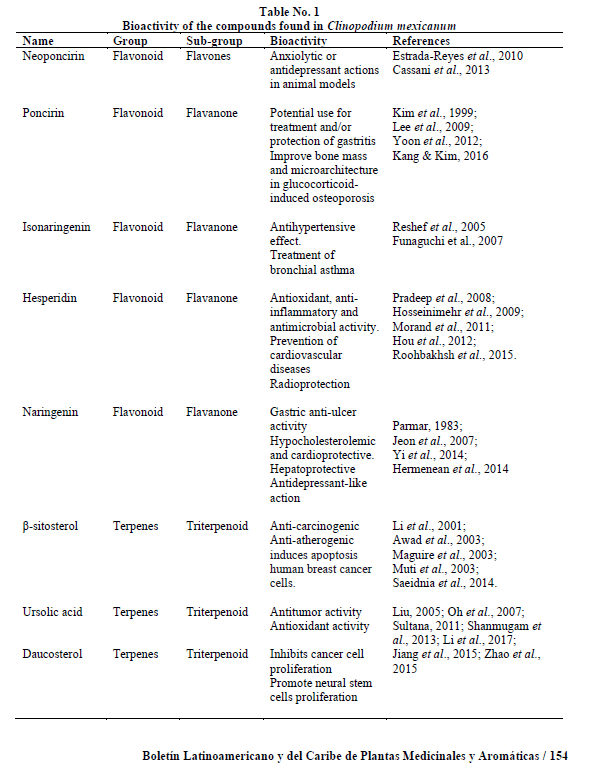
C. mexicanum is used to treat disorders related to anxiety and depression and there is a preclinical study about it (López-Rubalcaba & Estrada-Camarena, 2016). A general activity test of the aqueous extract of C. mexicanum was carried out in which the aqueous extract showed to have a depressant effect of the central nervous system (Estrada-Reyes et al., 2010) (Estrada-Reyes, 2015). In the preclinical studies the extract extended the sleep time induced by sodium pentobarbital (1), and it also showed anticonvulsant activity (Estrada-Reyes et al., 2010).
- Sodium pentobarbital (usually formulated as pentobarbital sodium) is a short-acting barbiturate that acts as a potent central nervous system depressant. It is primarily used medically for sedation, short-term insomnia treatment, seizure control, and inducing medically supervised comas. Barbiturates are a class of central nervous system (CNS) depressant drugs derived from barbituric acid. They function as sedatives and hypnotics, historically prescribed to treat anxiety, insomnia, and seizures. Because of their high potential for addiction, tolerance, and fatal overdose, they have been largely replaced by safer alternatives like benzodiazepines. Benzodiazepines (often called “benzos”) are a class of prescription central nervous system depressants. They slow down brain activity, making them highly effective for treating anxiety, panic attacks, insomnia, and seizures. Common examples include alprazolam (Xanax), diazepam (Valium), and lorazepam (Ativan). Because benzodiazepines have a high potential for addiction, tolerance, and severe withdrawal symptoms (like rebound anxiety and seizures), they are generally intended for short-term use (typically 2 to 4 weeks) and must be taken exactly as prescribed.
Antinociceptive activity
The antinociceptive effect of an aqueous extract was evaluated through the hot-plate acute pain model, and it had an antinociceptive effect on test animals (Gallegos-Solis, 2008)
The decoctions of the two species were non-lethal to mice, as shown by the Lorke test. However, they caused kidney damage in Wistar rats. The decoction and essential oil of C. macrostemum showed a moderate antinociceptive effect in the formalin test during both the inflammatory and neurogenic phases. The chemical profiles of the aqueous extracts were very similar and rich in flavonoids, but their volatilomes (1) differed
- The volatilome comprises the complete collection of volatile metabolites, organic and inorganic compounds emitted by an organism, ecosystem, or super-organism
In this study, the acute toxicity of aqueous extracts of C. macrostemum (AEC) and C. mexicanum (AEX) was evaluated in mice using the Lorke (1983) procedure, with increasing doses of each extract administered to assess safety. Initially, mice administered the highest dose (5000 mg/kg) showed no immediate behavioral changes, indicating a high safety margin as suggested by the LD50 exceeding 5000 mg/kg. However, upon dissection, mice given the highest dose exhibited enlarged kidneys, liver, and spleens compared to the control group, prompting further investigation into the nephrotoxicity and hepatotoxicity of traditional preparations from both plants. In the case of C. mexicanum, a prior study using the Lorke assay administered intraperitoneally (LD50 = 2154 mg/kg) reported piloerection (1) and diarrhoea in the animals, which resolved within 1 h.
- Piloerection, more commonly known as “goosebumps,” is the involuntary bristling of hairs caused by the contraction of small muscles at the base of hair follicles. Triggered by the sympathetic nervous system, it is an evolutionary reflex used to trap warm air in the cold or to make animals appear larger and more threatening when frightened
The decoctions of the two Clinopodium species were non-lethal to mice, as shown by the Lorke test (LD50 > 5 g). However, they caused kidney damage in Wistar rats, (the rats received a dose of 300 mg/kg of the extracts of C. mexicanum and C. macrostemum)
The plant’s essential oil, collected from various parts of Mexico, has garnered more attention. Recently, Horta-Valerdi (et al. 2025) used headspace solid-phase microextraction (HS-SPME) with a PDMS/CAR/DVB (polydimethylsiloxane/carboxen/divinylbenzene) fiber to analyze explants of C. macrostemum grown under controlled conditions. They found high levels of menthone. Barrientos Ramírez et al. (2023) characterized an antioxidant and antimicrobial essential oil collected in Michoacán. This oil contained high levels of piperitone oxide and piperitenone oxide. Meanwhile, Torres-Martínez et al. (2017) reported that another oil from the same plant, also collected in Michoacán, contained limonene, pulegone, linalool, thymol, and caryophyllene. Rojas-Olivos et al. (2018) analyzed the composition of the essential oil from fresh leaves collected in Santa María Huitepec, Oaxaca; linalool (55 %) was the primary component, and the oil showed larvicidal effects against Culex quinquefasciatus. Finally, Villa-Ruano et al. (2015) described the seasonal variation of the essential oil collected in San Andres Paxtlán, Oaxaca; among the four samples analyzed across the seasons, the most abundant compounds were menthone (about 34 %) and piperitone oxide (about 30 %). They also demonstrated the antioxidant and antimicrobial activities of the oils, as well as their inhibitory effects on enzymes such as α-glucosidase, acetylcholinesterase, and pancreatic lipase.
Notable differences exist in the essential oil content and toxicity of C. macrostemum collected throughout Mexico. C. macrostemum and C. mexicanum also share many similarities, including uses, names, and locations. However, to date, no comparative analysis of the two species has been conducted.
Perhaps, not so oddly, there are no references of C. mexicanum in the Mexican herbal pharmacopoeia. I say “not so oddly” as this herb, noted as being a quelite, is the perfect example of this category of plant in that it is highly regional, only seasonally available, largely neglected due to its indigeneity and in danger of being forgotten.
Calvo-Díaz (et al 2023) notes that although poleo grows in many parts of Mexico, it is only used in certain communities in Oaxaca. This may be because, although Mexico is a multicultural country, many of the areas where poleo grows do not have indigenous communities, the knowledge of the plant has been lost over time, or because there are simply no ethnobotanical studies reporting its use. (Calvo-Díaz et al 2023)
Dr. Nohemí Escamilla, a member of the Root Biology Laboratory at the Botanical Garden of the National Autonomous University of Mexico (UNAM), explains that despite its benefits, the herb is little known because its use is limited to the communities where it grows. “Unfortunately, there aren’t many producers who cultivate the plant, which is not easy to propagate, so at the moment we only know of two: one in Milpa Alta, Mexico City, and another in Ecatzingo, State of Mexico,” comments Dr. Escamilla.
References
- Aguilar, L. 2007. ¿Por qué las mujeres están ausentes en el manejo y conservación de la Biodiversidad? In: L.M. Donato, E.M. Escobar, P. Escobar, A. Pazmiño y A. Ulloa, eds. Mujeres indígenas, territorialidad y biodiversidad en el contexto latinoamericano. Universidad Nacional de Colombia. Bogotá, Colombia. p:223-230.
- Alvarado, Aurora & García-Trejo, Fernando & Anaberta, Cardador-Martínez & Magallán-Hernández, Fabiola. (2020). Clinopodium mexicanum: potential and difficulties for the sustainable use of a Mexican medicinal plant [Clinopodium mexicanum: potencial y dificultades para el uso de una planta medicinal mexicana]. Revisión | Review. Boletin Latinoamericano y del Caribe de Plantas Medicinales y Aromaticas. 19. 149-160. 10.37360/blacpma.20.19.2.8.
- Argueta A, Gallardo VM, editors. Atlas de las plantas de la medicina tradicional mexicana. 1st ed. México: Instituto Nacional Indigenista; 1994
- Arroyo et al., 2004 A.R. Arroyo, B. Chacón, K. Maki Screening and selection of plants by positive pharmacologic effect on jejunum muscular contractility Pharm. Biol., 42 (2004), pp. 24-29, 10.1080/13880200490505357
- Barrientos Ramírez et al., 2023 L. Barrientos Ramírez, J.A. Silva Guzmán, E.A. Osorio Muñoz, C. Álvarez Moya, M. Reynoso Silva, A.F. Cetina Corona, J. Casas Solís, J.J. Vargas Radillo Chemical composition, antioxidant properties, and antibacterial activity of essential oils of Satureja macrostema (Moc. And Sessé ex Benth.) briq Molecules, 28 (2023), Article 12, 10.3390/molecules28124719
- Cadena G. 2017. Revisión taxonómica del género Clinopodium L (Lamiaceae) en México. Tesis, Universidad Nacional Autónoma de México, México
- Calvo-Díaz et al., 2023 D.Y. Calvo-Díaz, L. Aguilar-Hernández, M.S. Jiménez-Noriega, A. Torres-Montúfar Ritual use of rosa de borracho (Clinopodium macrostemum (Moc. & Sessé ex Benth.) Kuntze, Lamiaceae) in Oaxaca Biodiversitas, 24 (2023), Article 9, 10.13057/biodiv/d240955
- Cassani J, Araujo AGE, Martínez-Vázquez M, Manjarrez N, Moreno J, Estrada-Reyes R. 2013. Anxiolytic-like and antinociceptive effects of 2 (S)-neoponcirin in mice. Molecules 18: 7584 – 7599. https://doi.org/10.3390/molecules18077584
- Epling C, Játiva C. 1966. A descriptive key to the species of Satureja indigenous to North America. Brittonia 18: 244 – 248. https://doi.org/10.2307/2805363
- Esquivel-García, Roberto, Pérez-Calix, Emmanuel, Ochoa-Zarzosa, Alejandra, & García-Pérez, Martha-Estrella. (2018). Ethnomedicinal plants used for the treatment of dermatological affections on the Purépecha Plateau, Michoacán, Mexico. Acta botánica mexicana, (125), e1339. https://doi.org/10.21829/abm125.2018.1339
- Estrada-Reyes R, Martínez-Vázquez M, Gallegos-Solís A, Heinze G, Moreno J. Depressant effects of Clinopodium mexicanum Benth. Govaerts (Lamiaceae) on the central nervous system. J Ethnopharmacol. 2010 Jul 6;130(1):1-8. doi: 10.1016/j.jep.2010.03.012. Epub 2010 Mar 31. PMID: 20362043.
- Estrada Reyes R. 2015. Estudio fitoquímico y evaluación neurofarmacológica de los “toronjiles”, Clinopodium mexicanum, Dracocephalum moldavica y Agastache mexicana subespecie mexicana y subespecie xolocotziana, utilizados en la medicina tradicional mexicana como tranquilizantes. Tesis, Universidad Nacional Autónoma de México, México.
- Fulgencio Negrete, Rodolfo (2013). “Propiedad antifúngica de compuestos volátiles de tres plantas medicinales (nurite, santa maría y toronjil) sobre hongos patógenos de fresa” [Antifungal property of volatile compounds of three medicinal plants (nurite, santa maria and lemon balm) on pathogenic fungi of strawberry] (PDF) (in Spanish). Morelia, Mexico: Facultad de Químico-Farmacobiología de la Universidad Michoacana de San Nicolás de Hidalgo
- Gallegos-Solis A. 2008. Perfil farmacológico de un extracto acuoso y estudio fitoquímico de extractos orgánicos de toronjil de monte (Satureja mexicana Benth. Briq.). Tesis. Universidad Nacional Autónoma de México. México.
- García Hernández YK. 2014. Sistema médico tradicional rru ngigua (chocho) y el complejo uso de plantas medicinales en San Miguel Tulancingo, Oaxaca. Tesis, Colegio de Posgraduados, Texcoco, México.
- García-Hernández KY, Vibrans H, Rivas-Guevara M, Aguilar-Contreras A. 2015. This plant treats that illness? The hot–cold system and therapeutic procedures mediate medicinal plant use in San Miguel Tulancingo, Oaxaca, Mexico. J Ethnopharmacol 163: 12 – 30. https://doi.org/10.1016/j.jep.2015.01.001
- García-Marín G, Reyes-Pérez V, Cristians S, Rivero-Cruz I, Aparicio-Trejo OE, Mata R. Antinociceptive efficacy, chemistry, potential toxicity, and quality control procedures of Clinopodium macrostemum and Clinopodium mexicanum: A comparative analysis. J Ethnopharmacol. 2026 Feb 28;357:120951. doi: 10.1016/j.jep.2025.120951. Epub 2025 Nov 24. PMID: 41297727.
- Grafford KM, Nieto MJ, Santanello CD. Perceptions of Medicinal Plant Use Amongst the Hispanic Population in the St. Louis Metropolitan Area. Inov Pharm. 2016;7(3): Article 11. http://pubs.lib.umn.edu/innovations/vol7/iss3/11
- Gutierrez, 2013 R.M.P. Gutierrez Antihepatotoxic, nephroprotective, and antioxidant activities of phenolic compounds from Satureja macrostema leaves against carbon tetrachloride-induced hepatic damage in mice Med. Chem. Res., 22 (2013), pp. 1846-1855, 10.1007/s00044-012-0176-x
- Gutiérrez and Navarro, 2010 R.M.P. Gutiérrez, Y.T.G. Navarro Antioxidant and hepatoprotective effects of the methanol extract of the leaves of Satureja macrostema Pharmacogn. Mag., 6 (2010), pp. 125-131, 10.4103/0973-1296.62901
- Harley RM, Paucar AG. 2000. List of species of tropical American Clinopodium (Labiatae), with new combinations. Kew Bull 917 – 927. https://doi.org/10.2307/4113638
- Hernández-Puente et al., 2025 K.N. Hernández-Puente, L. Hernández-Sandoval, R. González-Santos, A. Casas, M. Martínez, V.W. Steinmann Diversity, management, and uses of edible plants in a Ñäñho community of southern Querétaro, Mexico J. Ethnobiol. Ethnomed., 21 (1) (2025), p. 18, 10.1186/s13002-025-00756-6
- Horta-Valerdi et al., 2025 G.M. Horta-Valerdi, N. Villa-Ruano, R. Cruz-Durán, N. Hernández-Silva, E. Lozoya-Gloria, Y. Pacheco-Hernández Volatile and morphological variation in Clinopodium Macrostemum explants induced by biotic and abiotic stress Chem. Biodivers. (2025), Article e01692, 10.1002/cbdv.202501692
- Lilian Pérez-Ochoa, M., Luis Chávez-Servia, J., Minerva Vera-Guzmán, A., Nora Aquino-Bolaños, E., & Cruz Carrillo-Rodríguez, J. (2019). Medicinal Plants Used by Indigenous Communities of Oaxaca, Mexico, to Treat Gastrointestinal Disorders. In Pharmacognosy – Medicinal Plants. IntechOpen. https://doi.org/10.5772/intechopen.82182
- López-Rubalcava C, Estrada-Camarena E. 2016. Mexican medicinal plants with anxiolytic or antidepressant activity: Focus on preclinical research. J Ethnopharmacol 186: 377 – 391. https://doi.org/10.1016/j.jep.2016.03.053
- Lorke, 1983 D. Lorke A new approach to practical acute toxicity testing Arch. Toxicol., 54 (1983), pp. 275-287, 10.1007/BF01234480
- Martínez-Gordillo M, Fragoso-Martínez I, García-Peña MR, Montiel O. 2013. Géneros de Lamiaceae de México, diversidad y endemismo. Rev Mex Biodivers 84: 30 – 86. https://doi.org/10.7550/rmb.30158
- Ortega Ortega, Tomás; Vázquez García, Verónica (2004). “Satureja macrostema: situación ambiental, conocimiento local y roles de género” [Satureja macrostema: environmental situation, local knowledge and gender roles] (PDF). Madera y Bosques (in Spanish). 20 (2). Xalapa, Mexico: Instituto de Ecología A.C.: 71–86. doi:10.21829/myb.2014.202165. ISSN 1405-0471.
- Ortega-Ortega, Tomás & García, Verónica. (2014). Satureja macrostema: situación ambiental, conocimiento local y roles de género. Madera y Bosques. 20. 71-86. 10.21829/myb.2014.202165.
- Pérez-Ochoa et al., 2024 M.L. Pérez-Ochoa, A.M. Vera-Guzmán, J.L. Chávez-Servia Antioxidant compounds and activity of the medicinal plants tagetes spp. and Clinopodium spp. from Indigenous communities in Mexico J. Med. Plants By-Products., 13 (2024), pp. 417-428, 10.22034/jmpb.2023.358021.1460
- Rojas Olivos, Alejandra; Solano Gómez, Rodolfo; Granados Echegoyen, Carlos; Santiago Santiago, Luis Alberto; García Dávila, Jorge; Pérez Pacheco, Rafael; Lagúnez Rivera, Lucita (2018). “Larvicidal effect of Clinopodium macrostemum essential oil extracted by microwave-assisted hydrodistillation against Culex quinquefasciatus”. Revista da Sociedade Brasileira de Medicina Tropical. 5 (13). Uberaba, Brazil: Sociedade Brasileira de Medicina Tropical – SBMT: 291–296. doi:10.1590/0037-8682-0284-2017. ISSN 0037-8682. PMID 29972558. S2CID 49676827.
- Rzedowski, J. and G. Calderón de Rzedowski. 2010. Phanerogamic flora of the Valley of Mexico. Institute of Ecology and National Commission for the Knowledge and Use of Biodiversity, Mexico City
- Salgado-Garciglia, Rafael. (2012). Nurhíteni Té: tradición y cultura P’urhépecha. SABER MAS. 1. 6-7.
- Torres-Martínez et al., 2017 R. Torres-Martínez, Y.M. García-Rodríguez, P. Ríos-Chávez, A. Saavedra-Molina, J.E. López-Meza, A. Ochoa-Zarzosa, R.S. Garciglia Antioxidant activity of the essential oil and its major terpenes of Satureja macrostema (Moc. And Sessé ex Benth.) briq Pharmacogn. Mag., 13 (Suppl. 4) (2017), pp. S875-S880, 10.4103/pm.pm_316_17
- Turner, BL 2008. Taxonomic status of Clinopodium macrostemun (Lamiaceae). Phytologia 90(3):411-413
- Vázquez-García, V., L. Godínez-Guevara, M. Montes-Estrada, M. Montes-Estrada y A. S. Ortiz-Gómez. 2004. Los quelites de Ixhuapan, Veracruz: disponibilidad, abastecimiento y consumo. Agrociencia 38(4):445-455.
- Villa-Ruano N, Pacheco-Hernández Y, Cruz-Durán R, Lozoya-Gloria E. 2015. Volatiles and seasonal variation of the essential oil composition from the leaves of Clinopodium macrostemum var. laevigatum and its biological activities. Ind Crop Prod 77: 741 – 747. https://doi.org/10.1016/j.indcrop.2015.09.050
- Villaseñor JL. 2016. Checklist of the native vascular plants of Mexico. Rev Mex Biodivers 87: 559 – 902.
Websites
- Atole de Nurite de la Meseta P’urhepecha – https://culinaryexplorer.app/r/atole-de-nurite-meseta-purhepecha-lupita
- Cebú: el nuevo mezcal de Los Amantes que sabe a tradición : Arcelia Lortia : 31 de marzo de 2024 : https://foodandtravel.mx/sabores/bebidas-sabores/cebu-el-nuevo-mezcal-de-los-amantes-que-sabe-a-tradicion/
- Cruz, Mónica.; (2017) Estos 11 nombres mexicanos surgieron por malentendidos entre los españoles y los pueblos mesoamericanos – https://verne.elpais.com/verne/2017/03/28/mexico/1490652858_045140.html
- Cueva, Shava : Té de poleo, planta sagrada en Oaxaca : 14 de julio de 2025 : https://bebidasdeoaxaca.com/blogs/noticias/te-de-poleo-planta-sagrada-zapoteca?srsltid=AfmBOorLN1zhURm5Iukj_fj98faIZEv8VIi6-vR247SBd11s-F7SjxN1
- Figueroa Figueroa, Lupita (JUL 04 2026) Los aromas del Nurhiteni, el té P’urhépecha. – https://www.facebook.com/groups/519634611748894/
- Hierba del borracho y sus beneficios para la resaca y el insomnia : https://unamglobal.unam.mx/global_revista/hierba-del-borracho-y-sus-beneficios-para-la-resaca-y-el-insomnio/
- López, Eduardo . (2025) What Is ‘El Perdón’? Purépecha Weddings – https://uerani.com.mx/en/what-is-el-perdon-purepecha-weddings/
- Zornoza Caro, Carlos Alberto; y Zamora Vega, Rafael : Nurite: Su potencial como conservador de alimentos : https://www.sabermas.umich.mx/archivo/articulos/633-especial-plantas/1291-nurite-su-potencial-como-conservador-de-alimentos.html
Images
- Soy de Nueva Italia Vali – https://www.facebook.com/watch/?v=781288334108950
- Enrique Granados (Paracho) – https://www.facebook.com/watch/?v=916694277694826

