
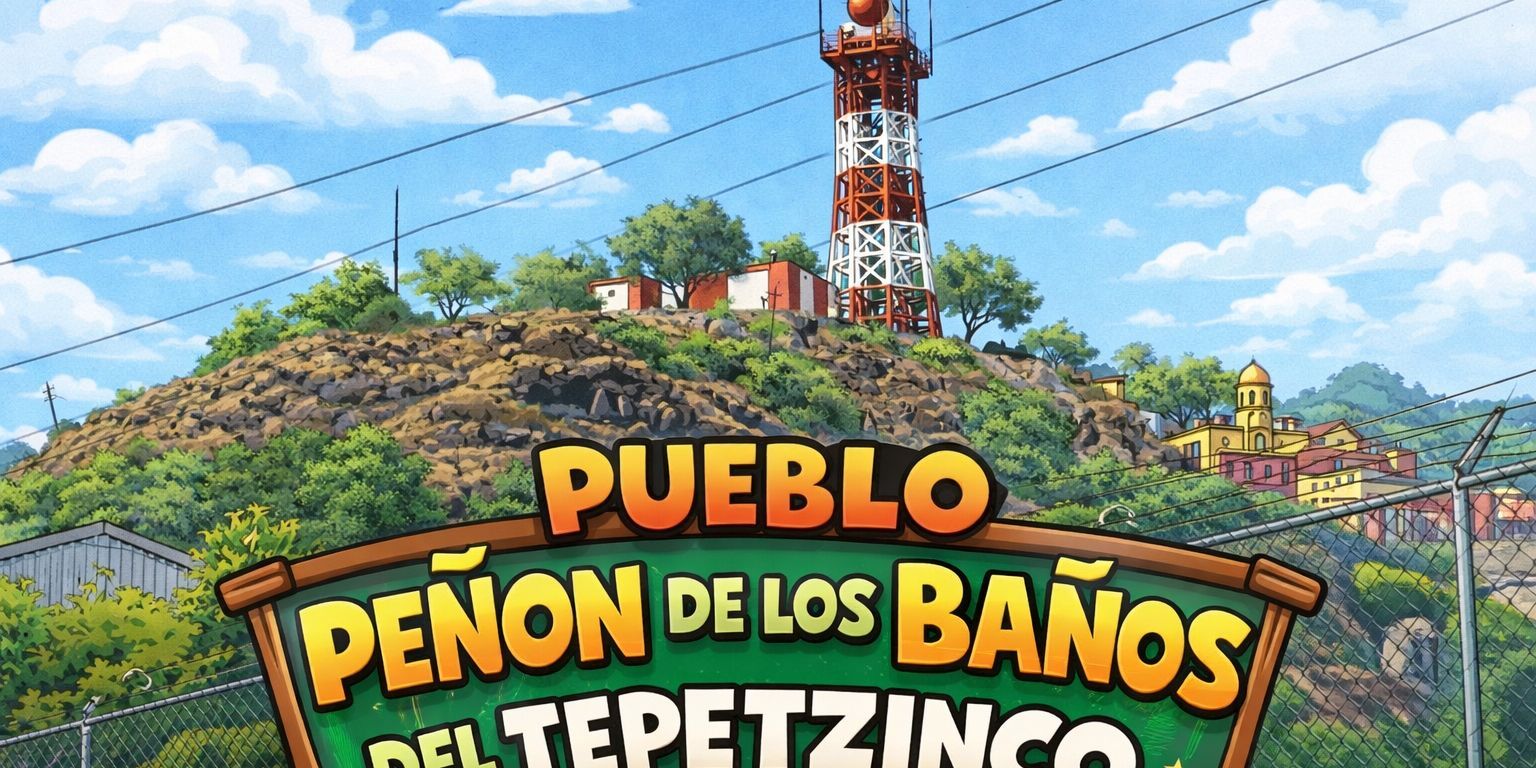
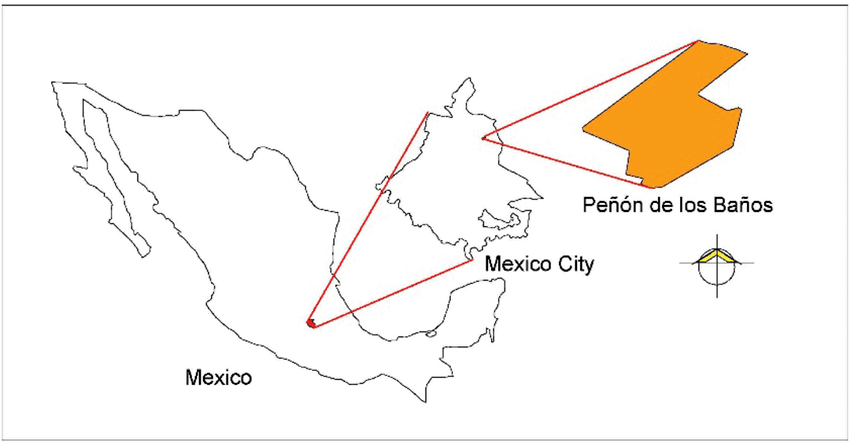
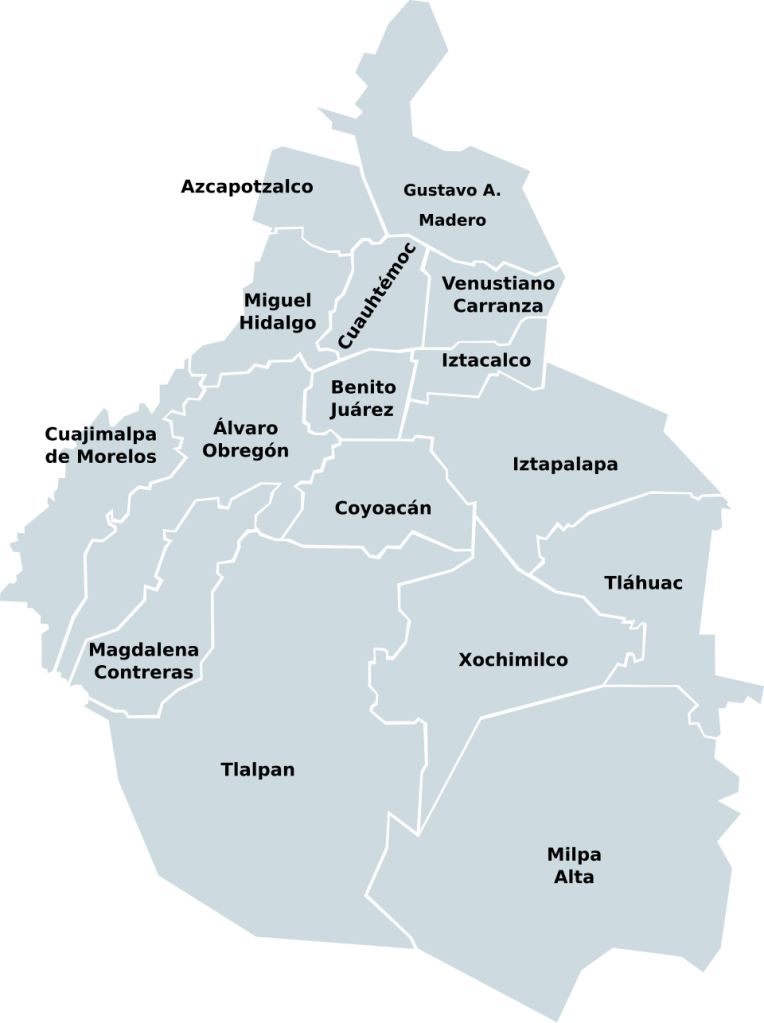
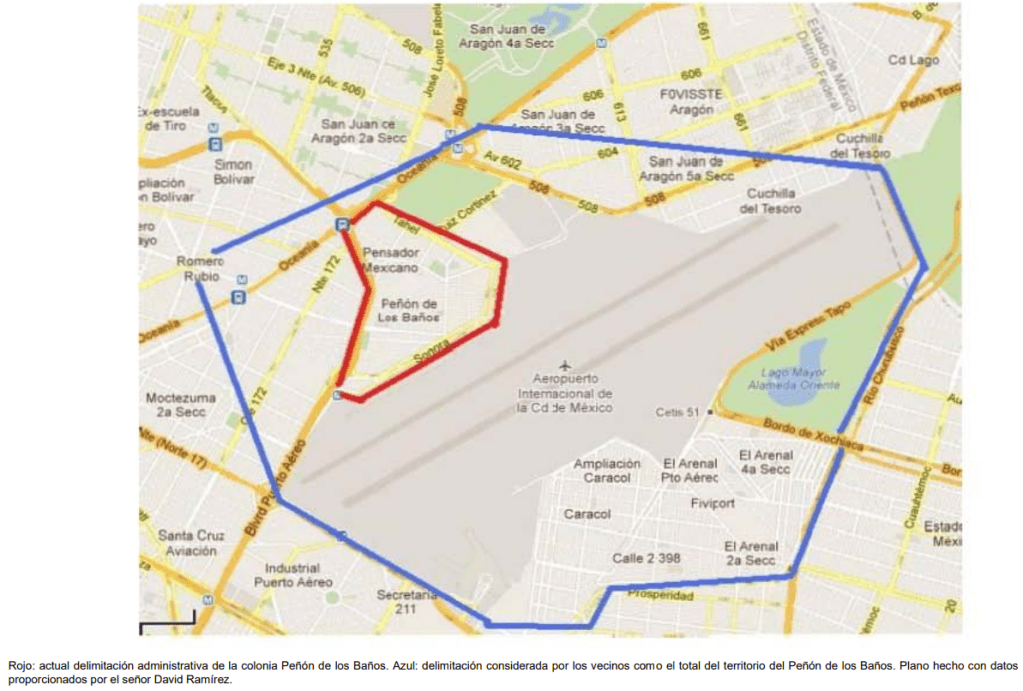
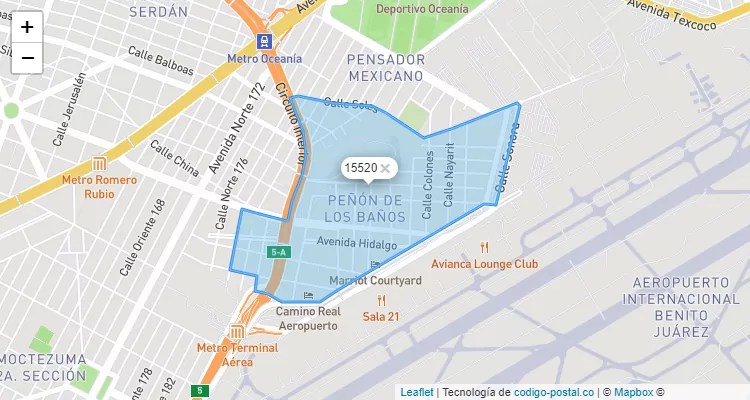
Peñón de los Baños is a rock formation located northeast of the Venustiano Carranza borough (1) in Mexico City and is one of the two original towns of the district.
- Boroughs (Spanish: demarcaciones territoriales, lit. ’territorial demarcations’) are the subdivisions of Mexico City. As of 2026, there are 16 boroughs in Mexico City, officially known as alcaldías. Each borough functions as its own municipality within the greater federal entity, headed by an elected mayor (alcalde) who manages local public services, urban development, and community programs
The borough of Venustiano Carranza has an area of 33.42 km2 (8,258 acres), which is 2.24% of the total area of Mexico City.
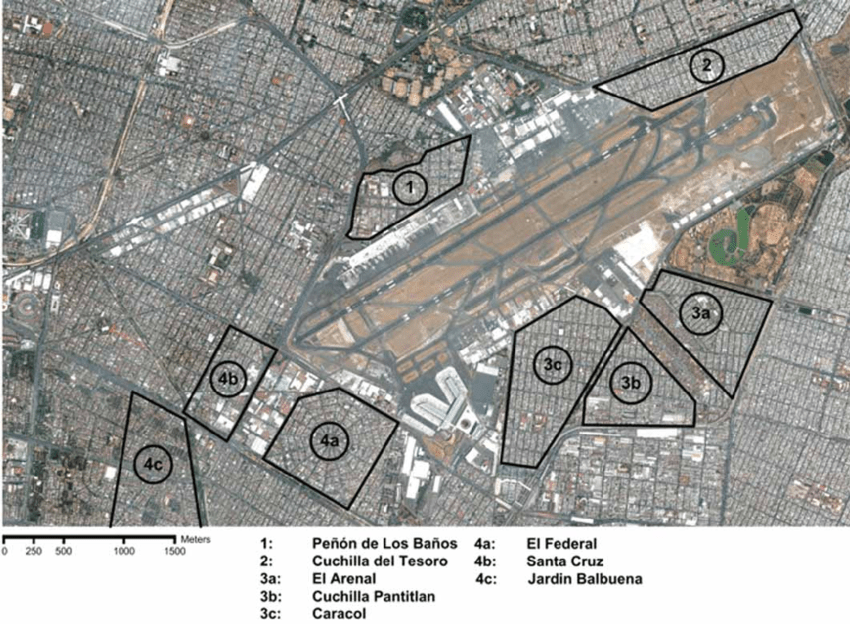
Peñón de los Baños is located very close to Terminal 1 of Mexico City International Airport
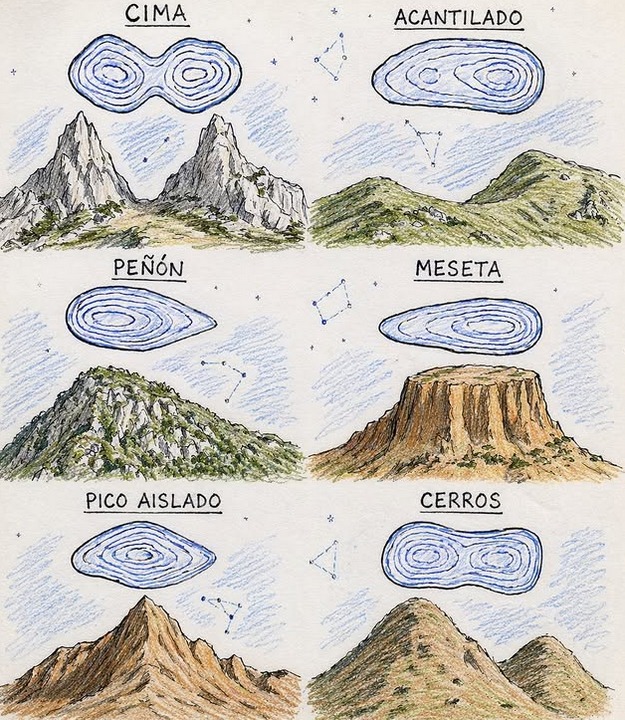
The geographical structure known as a peñón is variously described as…
- A peñón is as a mountain surrounded by water, usually by the sea : https://en.wikipedia.org/wiki/Pe%C3%B1%C3%B3n
- A rocky or craggy mountain. or more simply a large rock : https://www.fbbva.es/diccionario/pe%C3%B1%C3%B3n/
- An “elevation of land formed by rocks and boulders” : https://dictionary.cambridge.org/es/diccionario/espanol-ingles/penon
.
The morphology (1) of Peñón de los Baños hill is that of a cinder cone originating from moderate basaltic volcanic explosions or intermediate gas release rates (Castañeda 2011). At the top of the volcano is a crater of 2,300 m.a.s.l.(2)
- Morphology is the scientific study of form and structure.
- Metres above sea level
This particular peñón shows up in the earliest maps of the area. This is not surprising as it hearkens back to to the earliest history of the (at this point in time) itinerant Mexica people who, by the time this map was created, had become the dominant power in this region of the globe and it even plays an integral part in the creation myth of that most Mexican of symbols, the nopal cactus. More on this later……..
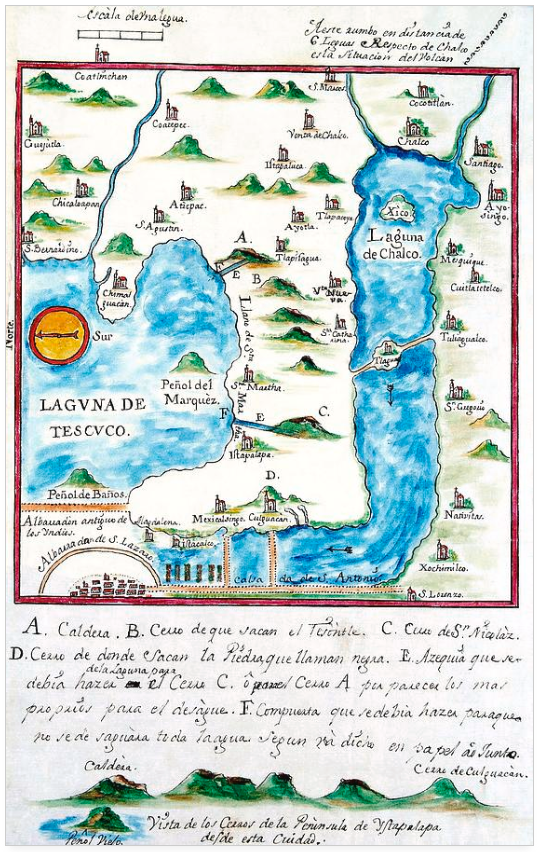
The Plano Laguna de Chalco is an historic 18th-century map created by José Antonio de Alzate y Ramírez in 1767, documenting the Lake Chalco area in the Valley of Mexico. The map is housed in the Biblioteca Lorenzana-Borbón in Toledo, Spain. It depicts the lake’s extent, including the Archbishopric of Mexico and the surrounding area in 1767.
The lake, historically known as Lake Chalco (or Lago de Chalco), is an ancient endorheic (1), freshwater lake to the southeast of Mexico City, historically critical for Mesoamerican cultures. This map is used as a primary source for understanding the hydrographic changes of the lake system before intense urbanization.
- An endorheic basin is a closed drainage system that retains water and allows no outflow to external bodies of water like oceans. Water in these basins escapes only through evaporation or seepage, often creating saline lakes.
Said to be “fierce in war” and “cruel in peace” The Mexica were excellent cultural appropriators and were able to leverage the intellect, wealth and manpower of the surrounding peoples to create something truly magnificent in their new kingdom, at which lay its beating heart, Tenochtitlan. The City on the Lake
Back to this little hill on the outskirts of the shining jewel of Tenochtitlan.
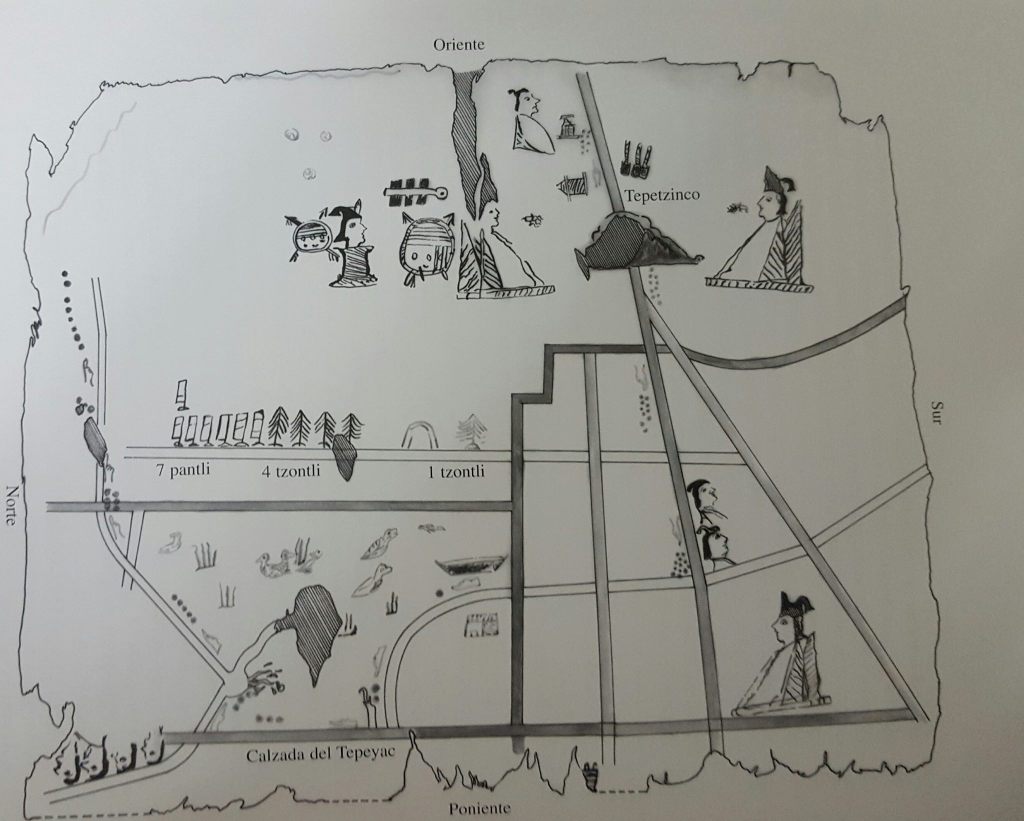
The Cerro del Peñón de los Baños was known in pre-Hispanic times as the “Tepetzinco” (Little Hill),
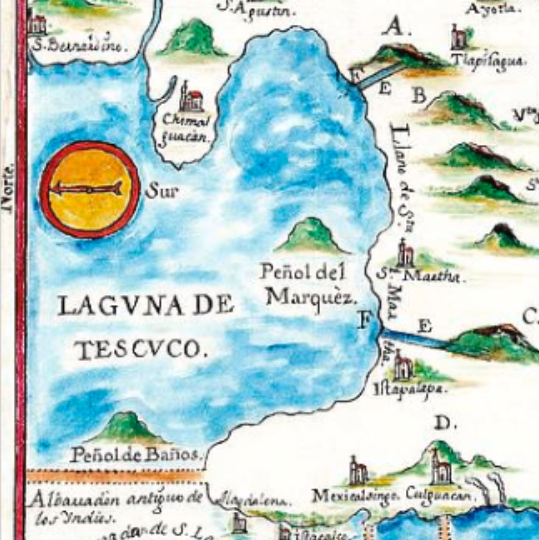
This small, tall islet, which in the pre-Hispanic past and until the mid-19th century, being completely surrounded by water, emerged almost in the centre of Lake Texcoco, standing out on the horizon along with the Peñón del Marqués.
The Peñón del Marqués, also long known as Tepepolco (1), meaning simply “el Gran Cerro” (the Great Hill) in the Nahuatl language, stood out during ancient times as an island in Texcoco Lake. Moctezuma, the Mexica emperor, maintained some kind of country home or palace here.
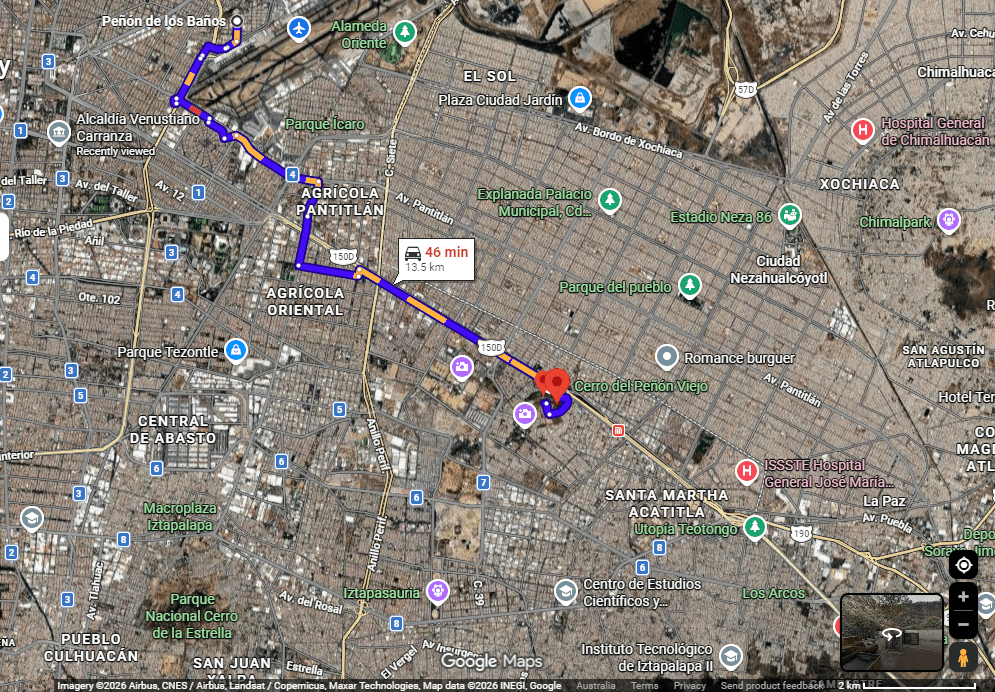
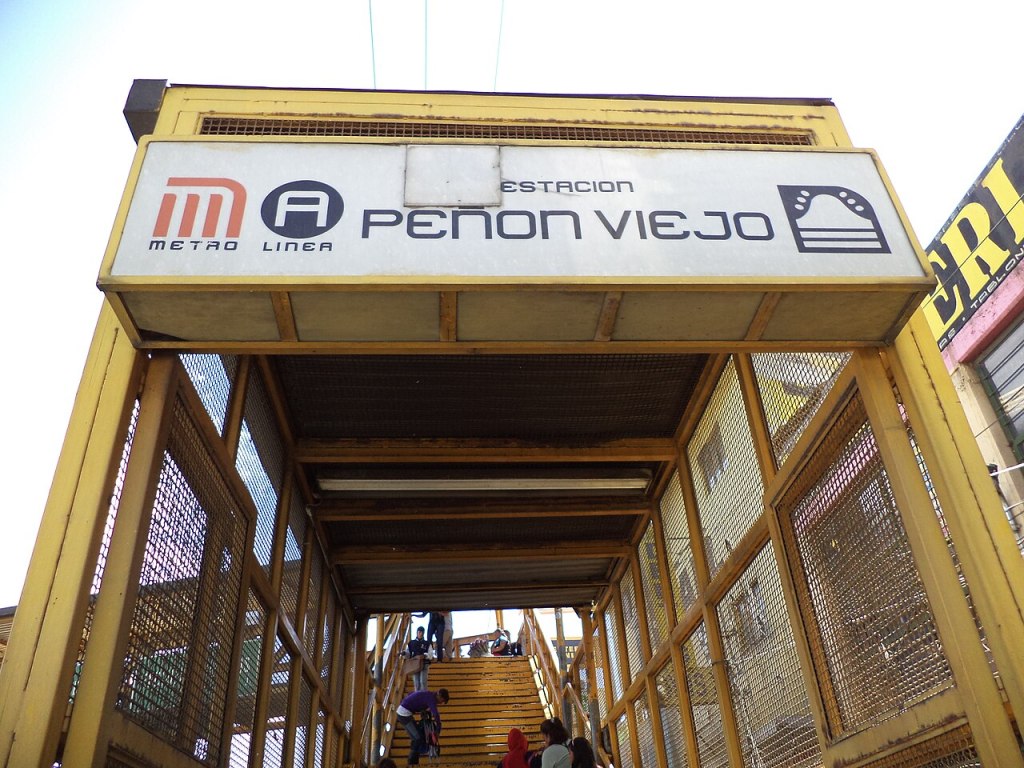
- also known as the Peñón Viejo (the Old Rock)
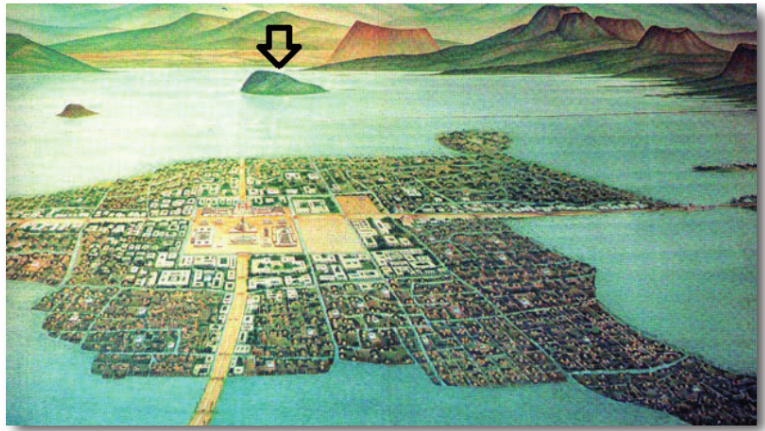
The location of the Peñon del Marqués hill (arrow) in Lake Texcoco
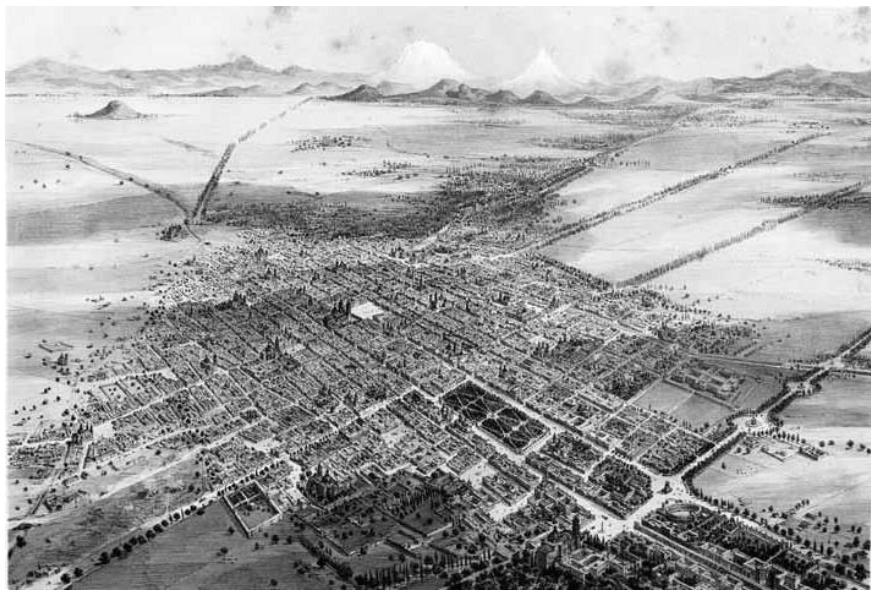
El Peñón de los Baños appears on the upper left side of the image on the shores of Lake Texcoco 1855 – 1856. This hill was a little larger than the main hero of our story creating a much larger island that was popular with all who came across it.
Hernán Cortés tells us that this hill (1) was a house with a beautiful garden in the middle of the lake, which served as a natural watchtower, where existed domesticated animals which were used for hunting parties and entertainment there. Plants with very beautiful flowers were looked after by the natives of the place.
- Peñón Viejo – later named the Cerro del Peñón del Marqués to “honour” Cortés after he was awarded the title of (the first) “Marqués del Valle de Oaxaca,” the Marquis of the Valley of Oaxaca in 1485
Francisco Cervantes de Salazar, in his book Chronicle of New Spain, mentions that on the island existed: “fishes, rabbit warrens, steep cliffs and rocky peaks on which cavorted roe deer, hares, foxes, wolves and other similar animals ” as well as “very many healing plants and trees, a variety of flowers and roses which exuded a good smell, more specially in the morning and in the afternoon”.
In 1847, during the invasion by the United States (1), the former island, now a mere peak on the landscape, became the headquarters of Antonio López de Santa Anna. In an attempt to create defences against troops advancing from Puebla, the General fortified the area, along with Mexicaltzingo, San Antonio, and the Churubusco Monastery which provided the most direct road into Mexico City.
- commonly called the Mexican – American war
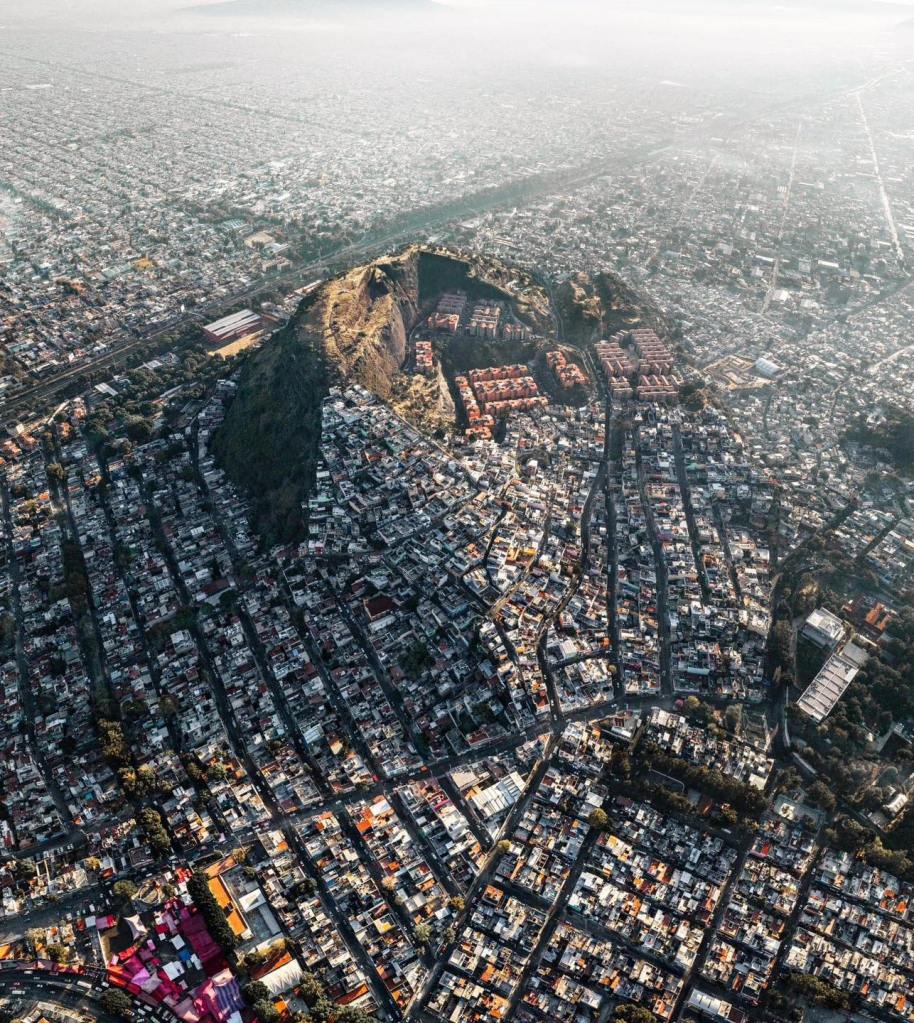
Let us return to the “little hill”
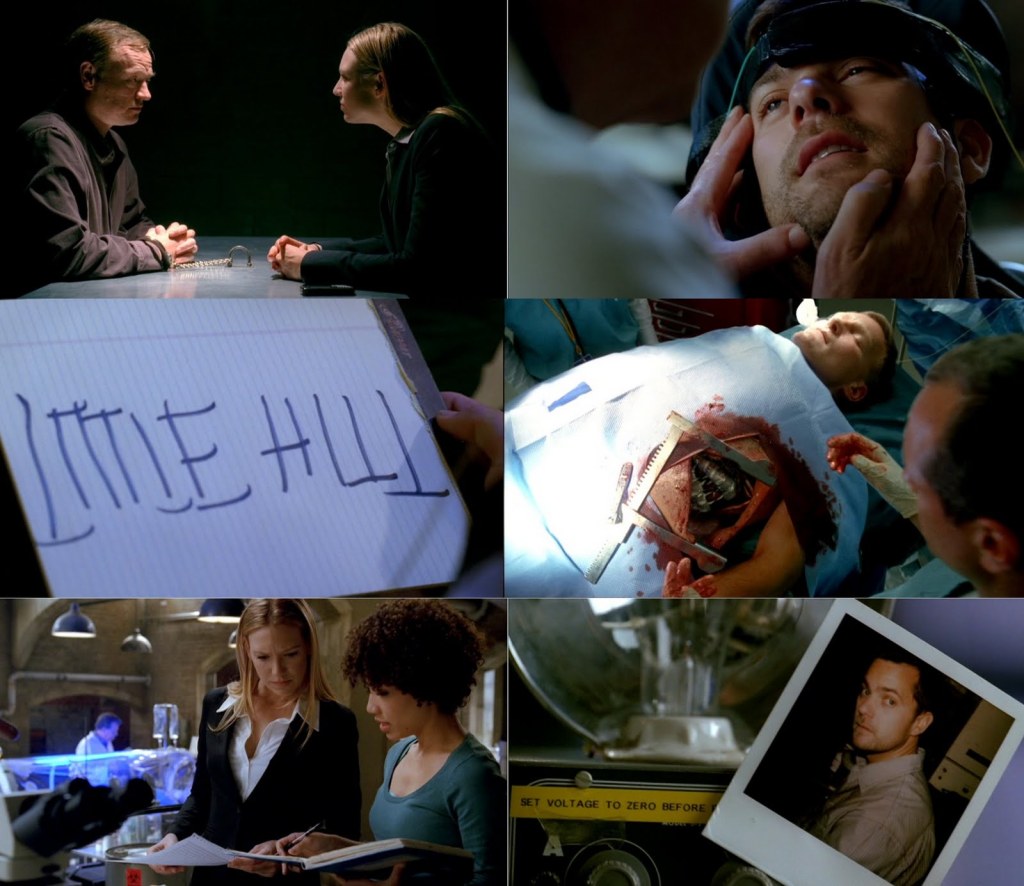
Fringe. Season 1 Episode 10
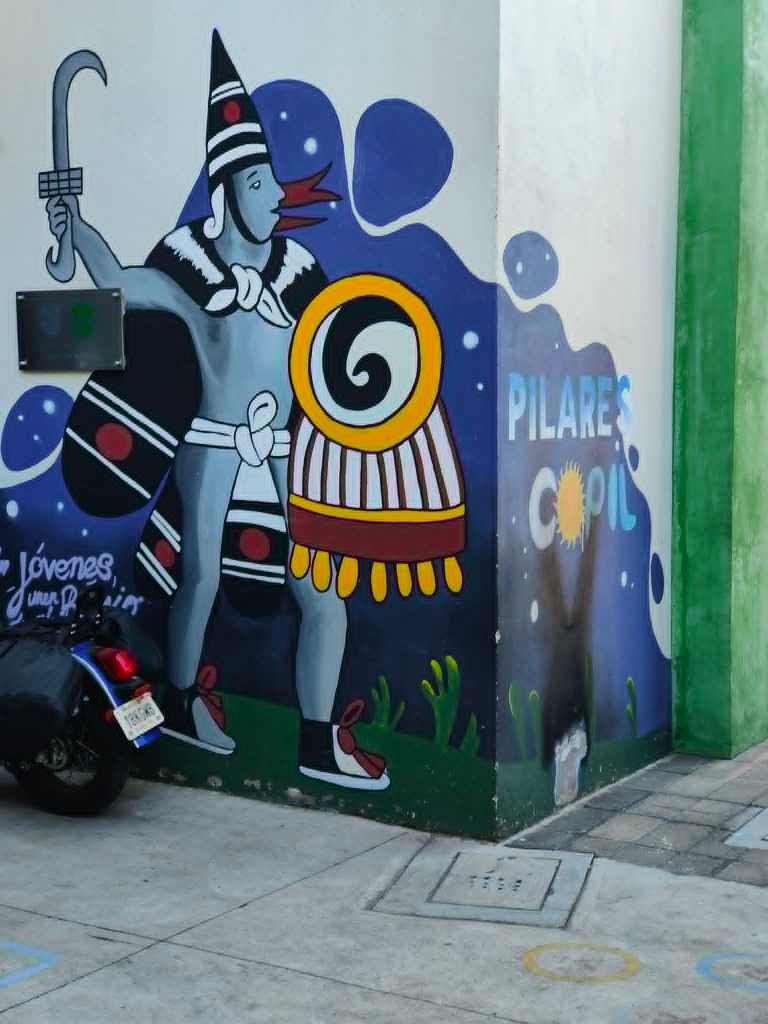
It was on the hill of Peñón de los Baños, originally called “Tepetzinco Acopilco,” where the legend of Copilli and the creation of the nopal originated.
Aveleyra Arroyo de Anda (2005) writes that the incorporation of this hill into the history of the Mexica, under the Nahuatl term Tepetzingo, eventuates after their long pilgrimage from Chicomoztoc into the valley of Anahuac. “Thus, they arrived at this place before settling in Chapultepec, and it is there that they resolved a series of intergroup and interfamily problems that they recorded in the legend of Copil.”
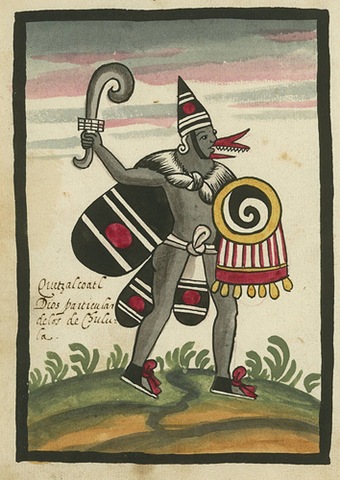
CHAPTER VI.
THE CHICHIMEC PERIOD.–CONTINUED.
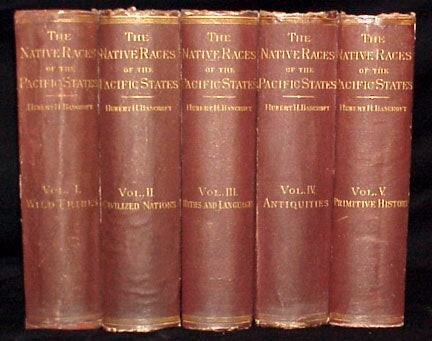
[Sidenote: THE AZTECS LEAVE CHAPULTEPEC.]
The Aztecs had, in the meantime, gained much in power, and although few in numbers, compared with the other nations, had, by their skill as warriors and the ferocity of their character, made themselves hated by all, becoming, indeed, the pests of Anáhuac, although nominally the allies of the Culhuas and Tepanecs. The story of their overthrow at Chapultepec is a brief one, as told by the Spanish writers. Copil, son of Huitziton’s sister, the sorceress Malinalxochitl, had, as has been already related,[VI-28] been sworn by his mother to vengeance on the Mexica. He now came to the lake region and used all his influence to excite the surrounding nations against his enemies, denouncing them as everything that is bad, and urging their extermination. (Bancroft 1883)
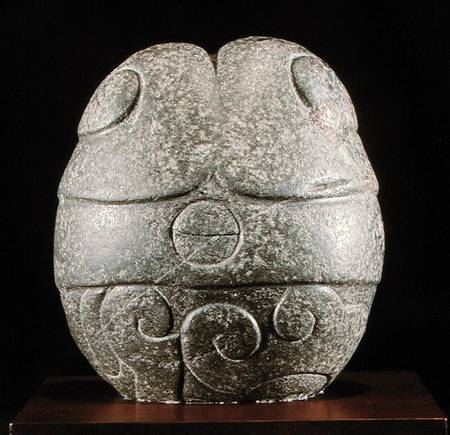
Museo Nacional de Antropologia, Mexico City, Mexico
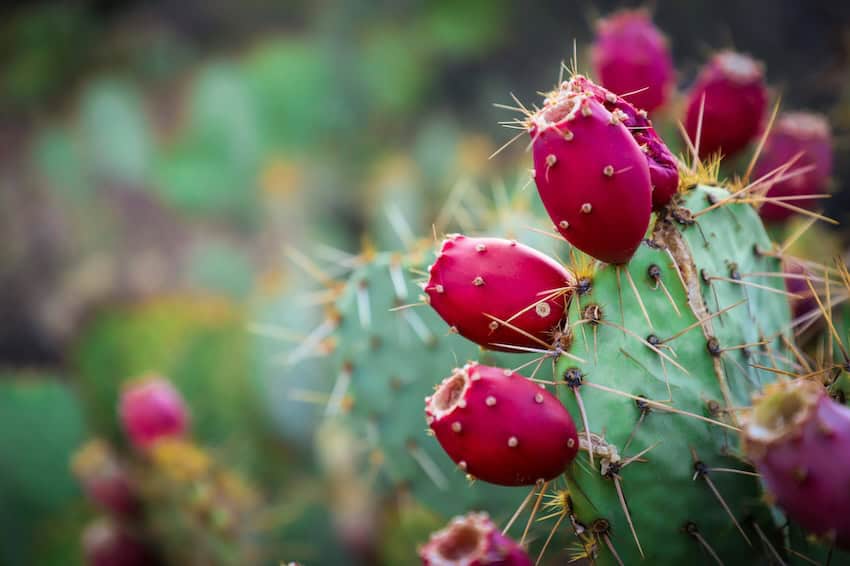
Hearing of his plots, the priest Quauhtlequetzqui went with a party to Tepetzingo, where Copil was, killed him, tore out his heart and threw it into the lake. The place was known as Tlalcocomocco, and here afterwards sprang up the tunal (1) which guided the Aztecs in founding their city; here was also a hot spring, called Acopilco. Immediately after this the Aztecs were attacked by many nations, chiefly the Culhuas and Chalcas, driven to Acoculco, amid the reeds of the lake, and many of their number carried captives to Culhuacan, among whom was their chief, Huitzilihuitl, who was sacrificed. Afterwards they were given, by the Culhuas, the district of Tizaapan, which abounded in snakes, lizards, etc., on which chiefly they lived, paying heavy tribute to the king of Culhuacan, and leading a very hard life for many years.[VI-29] (Bancroft 1883)
- as an interesting aside (well I think so anyway) is that the heart of the person removed via sacrifice was called the ‘quauhnochtli” or eagle-catcus fruit. See Huitzilopochtli, Tenochtitlan and the Opuntia Cactus for more
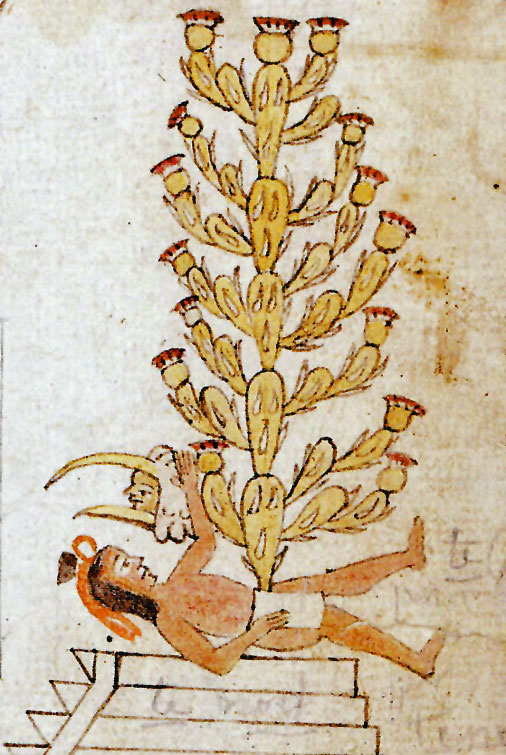
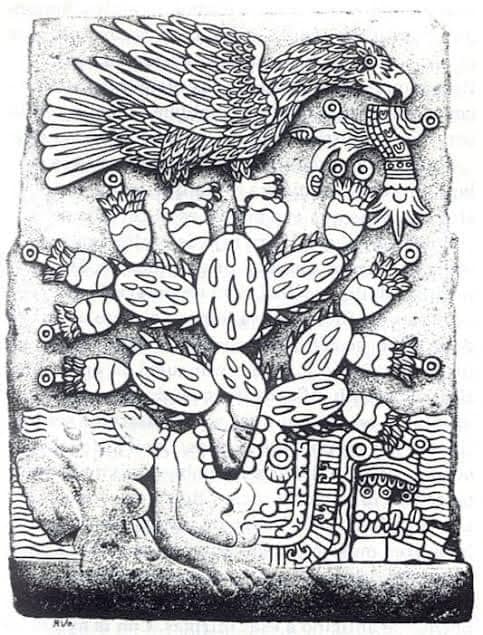
This very nopal cactus is then said to play a part in the creation of the Mexica homeland as, previously called the Azteca (or were they?) these people were ordered to drop the name and adopt the name Mexica (1) by their leader/deity/God Huitzilopochtli when they departed their semi-mythical homeland Aztlan in the search for a prophesied new kingdom.
They would know the place when they saw an eagle devouring a snake whilst perched in the “branches” of the nopal cactus (1)
- This is not quite the same but is an amusing anecdote (or is it???) Tenochtitlan in Australia?
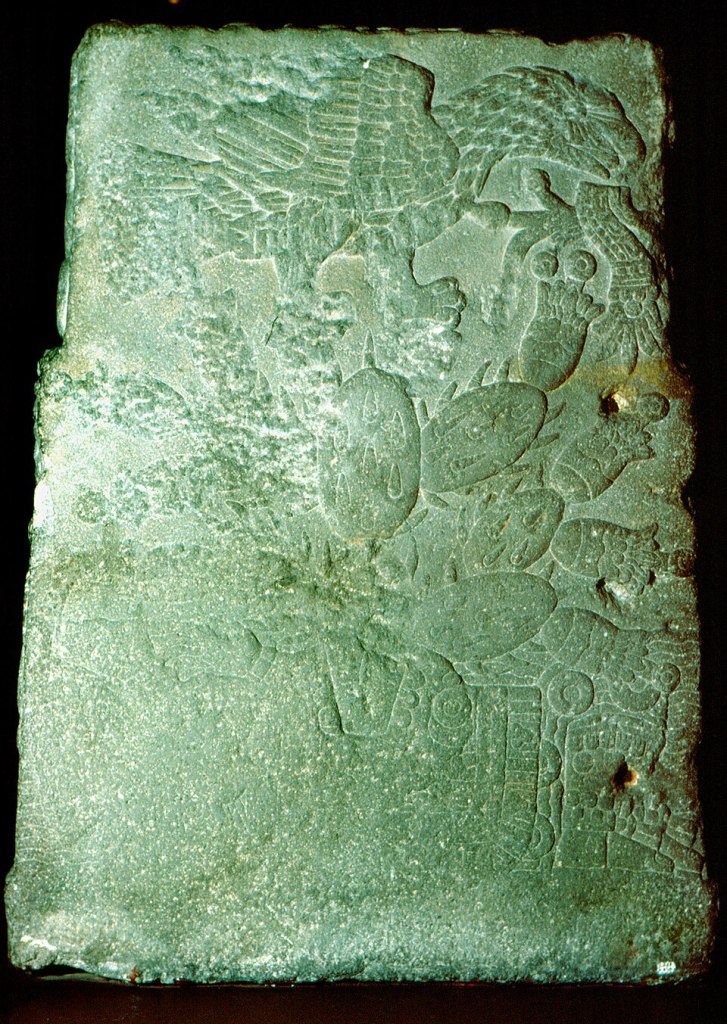
The serpent is not always part of this imagery. In the sculpted stonework as displayed above is shown the founding of the Aztec capital Tenochtitlan. An eagle representing Huitzilopochtli, exhales the atl-tlachinolli (war symbol), is perched on a nopal cactus
I go (a very little) into the symbol of the atl-tlachinolli in my Post The Glory of the Aztec Empire. In short it is representative of two elements key to ongoing struggles of the Mexica people and the Aztec empire, water and war. to paraphrase….
“The image did not originally have a serpent (in the eagles beak) but the “atl tlachinolli” glyph in the eagles beak. This symbol represented atl – water and tlachinolli (something burned (scorched earth); something burning; a conflagration), a symbolic reference to war. Each element is a source of energy and life-force but can also be one of destruction. Like the paired shrines to (rain god) Tlaloc and (war god) Huitzilopochtli atop the main temple of the Mexica (the Templo Mayor). The metaphor consists of two opposite elements (literally) – water and fire, forming two streams that join together to form one key idea (war).””
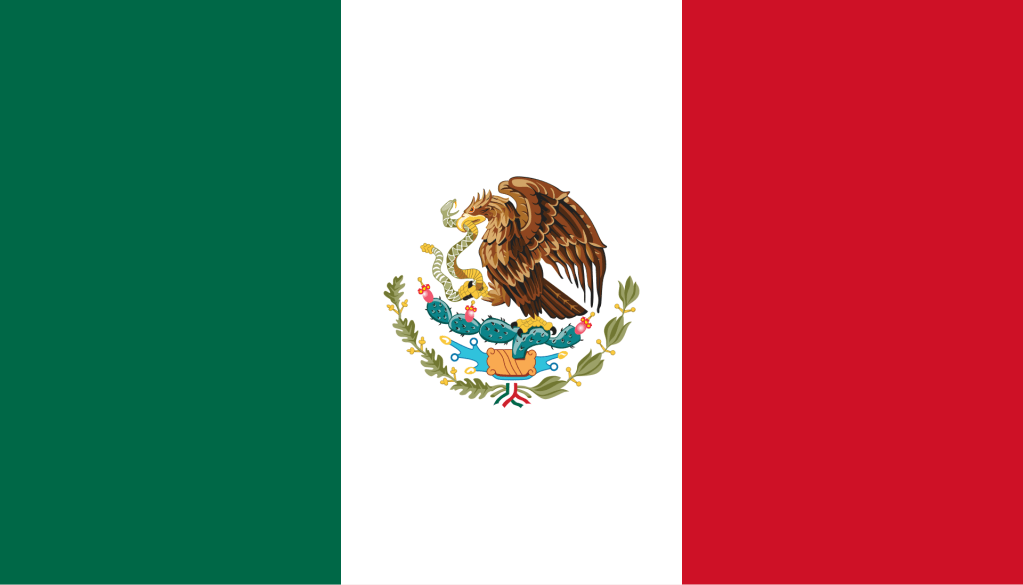
This symbol, well the snake version of it anyway, still lies at the heart of the Mexican homeland and you can find it in the centre of the Mexican national flag.
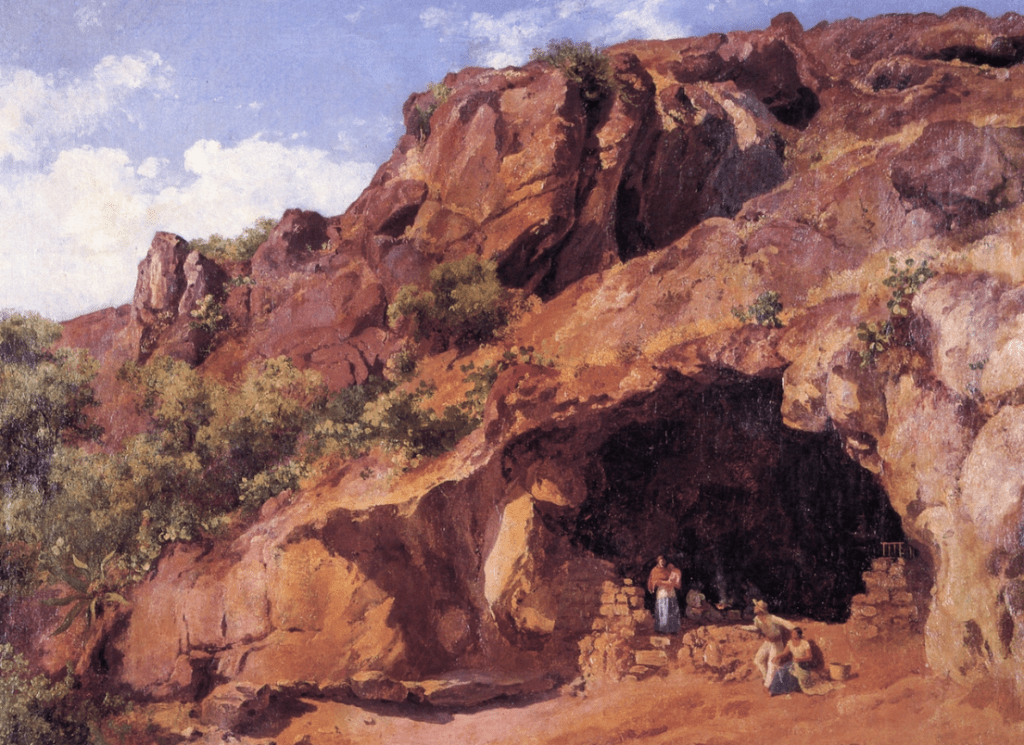
Cocina rústica en el Peñon de los Baños, 1878 – Jose Maria Velasco
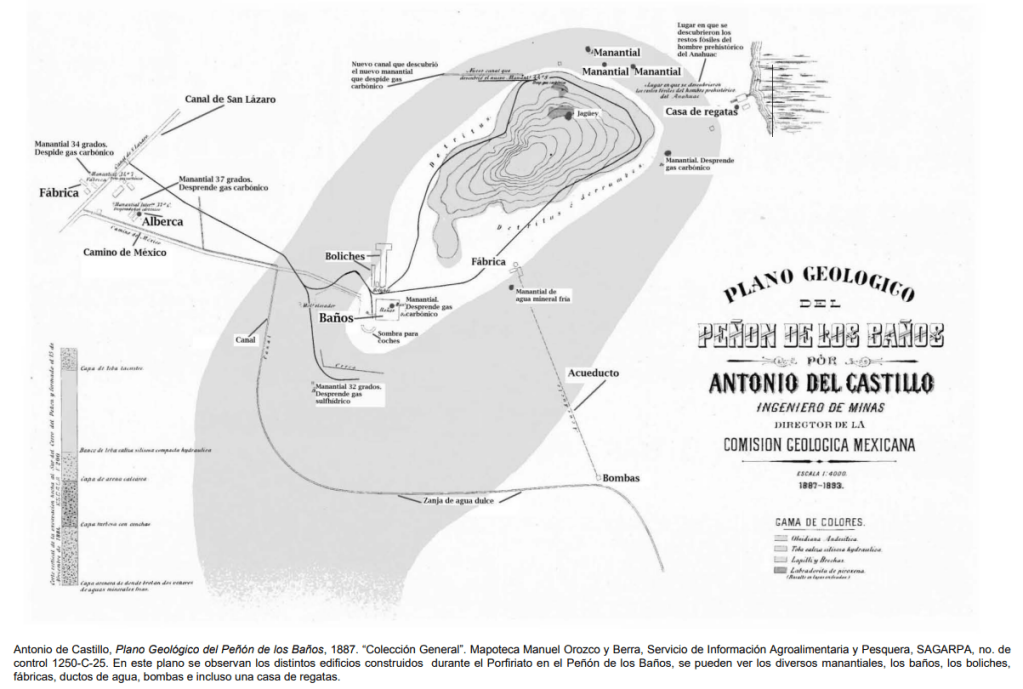
The Peñón de los Baños (Rock of the Baths) gets its name because of the thermal waters, running at a constant temperature of 46 degrees (1) that bubble up from the volcanic earth Mexico City was founded on.
- the water is considerably hotter than this when it comes out of the earth. The baños you can hire to bathe in are made from marble which helps to lower and regulate the water temperature. The water is still very warm though and the recommended time to stay in the pool is no more than twenty minutes; otherwise, one may faint.
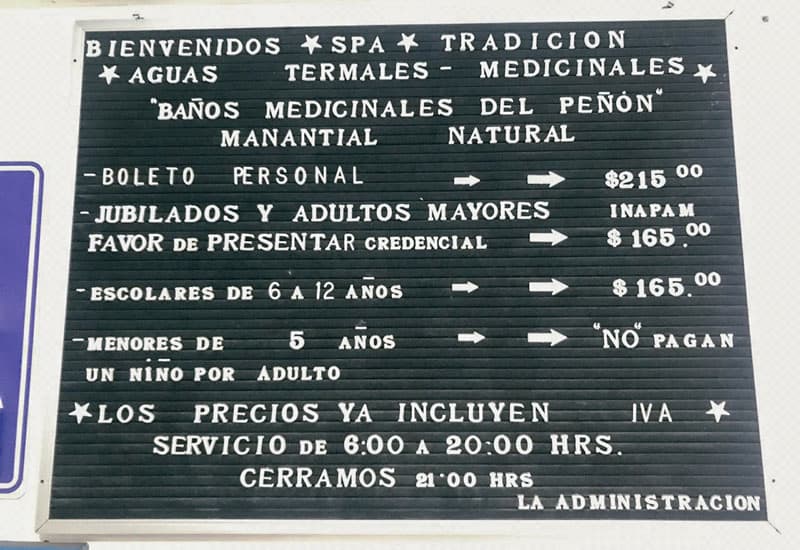
Indigenous and Spanish chroniclers recount that the ancient nobles of Mexican society and even Emperor Moctezuma, who ordered the construction of gardens, hunting grounds, and villas, frequented the area
The thermal mineral water of Peñón de los Baños spa has been used medicinally for over 500 years, starting in pre-Hispanic times, and is famous for the treatment of various pathologies.
In the 19th century, the German explorer Alexander von Humboldt visited the area and he wrote:
The Valley of Tenochtitlán offers two hot springs for the examination of physicians: the spring of Our Lady of Guadalupe and the spring of Peñón de los Baños. These springs contain carbonic acid, calcium sulfate, sodium sulfate, and sodium chloride. At the Peñón spring, which has a fairly high temperature, very healthy and comfortable baths have been established.
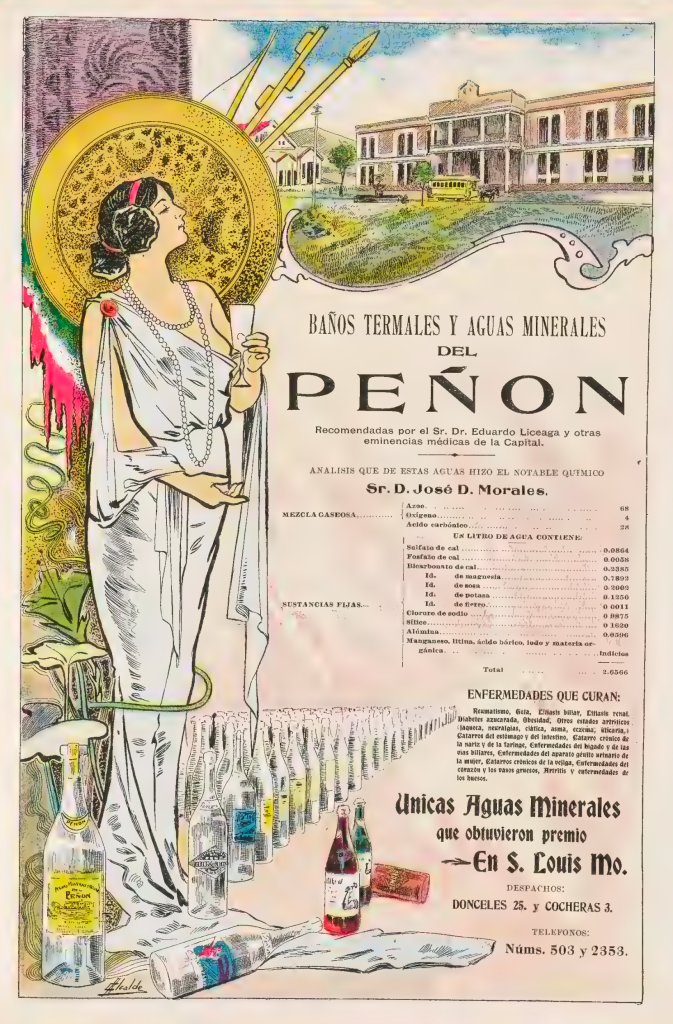
Stable water isotope data indicate that the thermal water sources originate from local precipitation at Sierra de las Cruces with a recharge elevation (1) of approximately 2770 m above sea level. The recharged water percolates through volcanic and carbonate rock formations and ascends via fault structure conduits, where it eventually is extracted 25 km downstream in Peñon de los Baños. During the gravity-driven deep circulation of up to 4.9 km, the groundwater is heated up to 136-160 °C
- Recharge elevation refers to the altitude at which precipitation (rain or snow) infiltrates the ground to replenish an aquifer, often determined using stable isotopes or noble gases, which show that water often travels from high-altitude areas (e.g., 1000–3500 m) to feed lower-lying aquifers and springs. This concept helps identify “natural water towers,” assess groundwater sustainability, and map high-recharge zones in hydrogeological studies.
By the time this water is pumped into your bath the water has a temperature of 45 °C, is rich in HCO3-, and its main trace elements are B, Li and Fe (1), which is said to confer the healing effects attributed to these baths.
- Boron, Lithium and Iron
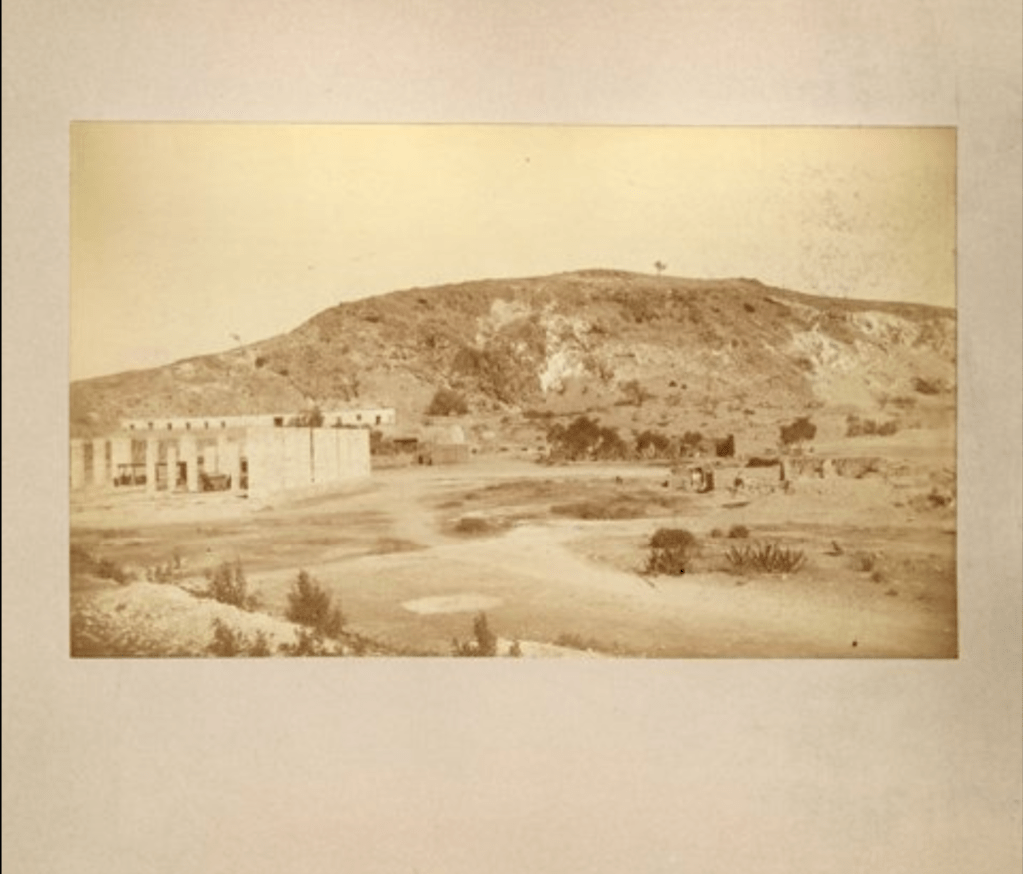
Balneotherapy (Latin: balneum “bath”) is a pseudoscientific (1) method of treating diseases by bathing, a traditional medicine technique usually practiced at spas.
- This definition comes from Wikipedia. According to other definitions, “pseudoscientific” refers to beliefs, theories, or practices that claim to be scientific but lack empirical evidence, rely on anecdotes rather than rigorous experimentation, and refuse to be falsified. It mimics scientific language to appear credible, often exploiting confusion to promote unproven claims. Common examples include astrology, homeopathy, and conspiracy theories. These people can also get fucked (along with Wikipedia) for the denigration of anything that does not comply with Western university “trained” medical beliefs. Astrology I cannot speak on as I am not an expert. Homoeopathy is a very effective medicinal practice but as it cannot be measured in the same way as medicines, (well we all know what happened with the covax debacle), and deaths by “physician caused illnesses” and drug interactions are the most prevalent forms of death and maiming in civilised Western cultures so I am not at all surprised that they would attack something that at worst is harmless and that at best is effective and dynamic medicine. It is also interesting that they bring up conspiracy theories (they are really slinging mud and trying to get it to stick). To put things into a little perspective, conspiracy “theory” does not mean untruth or lies. Science is entirely based on theories. Some of which is provable, some of which is not. Should we denigrate it all as lies?
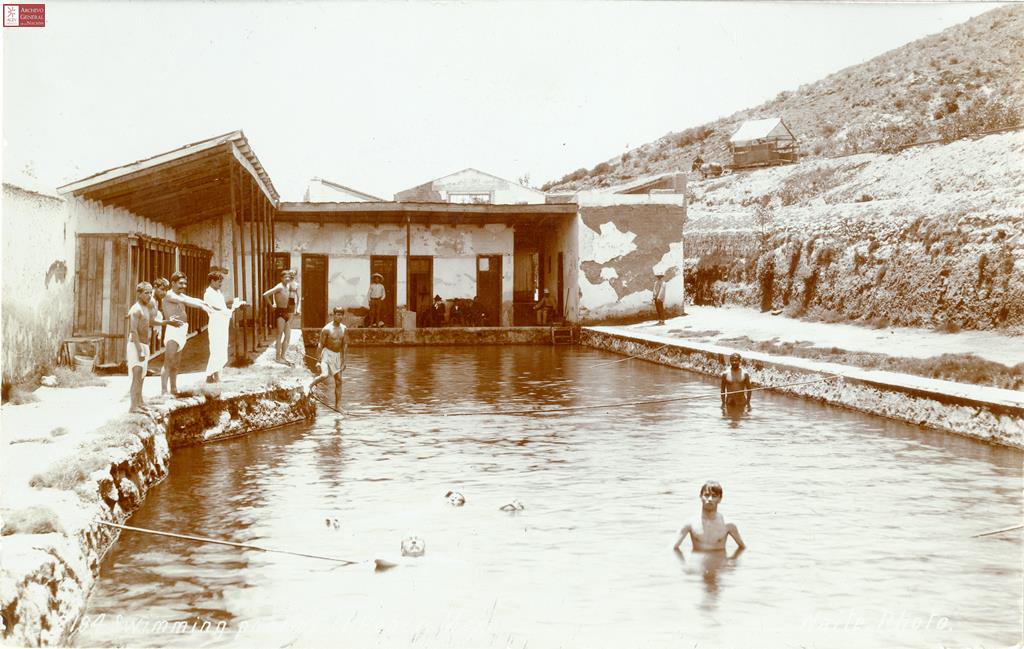
Lets have a look at some of the science of balneotherapy
One of the most widely used methods in balneotherapy is bathing with thermal mineral water (Uzunoglu et al. 2017).
Balneotherapy includes practices and methods using medically and legally recognized mineral-medicinal waters, muds and natural gases from natural springs for therapeutic purposes. One of the most widely used method in balneotherapy is bathing with thermal mineral water. (Protano et al 2024)
This practice has proven positive effects on health depending on the physical and chemical-physical properties of the water being bathed in, such as temperature, composition and concentration of minerals contents, osmotic pressure and electrical conductivity (Fioravanti et al. 2011).
Studies have noted that a high water temperature can trigger the release of mediators as β-endorphins, enkephalins and irisin (Borroni et al. 2013). β-endorphins and enkephalins have anti-inflammatory and immunomodulating effects and can influence pain perception and regulate the proliferation of the immune cells (Nissen et al. 1998), while irisin improves metabolic and cognitive skills (Sacerdote et al. 2001).
It has also been noted that when the temperature of thermal water is high, it can act on dilatation of capillaries, increasing the blood flow and decreasing fibrinogen levels, thereby improving the thrombotic profile (1) of those undergoing balneotherapy (Aydin et al. 2013; Qiu et al. 2014).
- A thrombotic profile (or thrombophilia screen) is a blood test used to evaluate your body’s clotting system. It helps diagnose inherited or acquired disorders that make you abnormally prone to forming dangerous blood clots, such as deep vein thrombosis (DVT), pulmonary embolism (PE), or certain pregnancy complications.
In addition, there are several positive outcomes related to the specific chemical contents (and their concentrations) of thermal water, such as sulfur, manganese, magnesium, selenium, strontium, silicon and bicarbonates (Lee et al. 2014; Rodrigues et al. 2017).
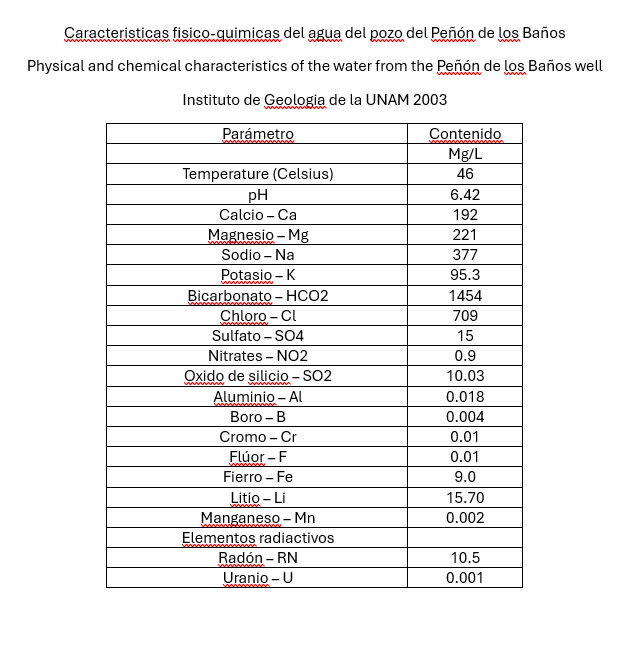
Various other studies have drawn attention to the positive effects of balneotherapy, producing an increasing body of evidence that balneotherapy is an effective method for managing pain (Antunes et al. 2019), and for treating signs and symptoms of several pathologies such as rheumatic (Bernetti et al. 2020), cardiovascular (Oyama et al. 2013) and dermatological diseases (Liang et al. 2015).
Dermatological diseases in particular are one of the most common pathologies for which balneotherapy involving thermal mineral water baths is used (Huang et al. 2018).
Pseudoscientific?
Lacks scientific study?
Lacks empirical data? I was able to find these studies (and many more) with a 5 minute Google search.
The wankers that write material denigrating anything that is not “standard” medical practice can go and get fucked. No, really, take your lies and fade away. Iatrogenic disease (1) is between the 3rd and 5th leading causes of death in the “Western” world (Kohn et al 2000) (Madeira et al 2006) (Peer et al 2018). Adverse drug reactions are at number 5. This is behind cancer and cardiovascular illness (I wonder if this is at all relevant now post covid and the prevalence of heart attacks caused by the various “health promoting and life saving” vaccines.
- From the Greek words iatrós, meaning “medical”, and geneá, meaning “origin”, iatrogenic means the occurrence of negative effects caused by a medical procedure. Adverse drug reactions are also in this category
On an annual basis Doctors kill more than vehicle accidents (of any kind), drug addiction, mass shootings and, in many cases, actual war. The same cannot be said about natural therapies such as herbalism, naturopathy, nutrition/diet, homoeopathy and many, many others.
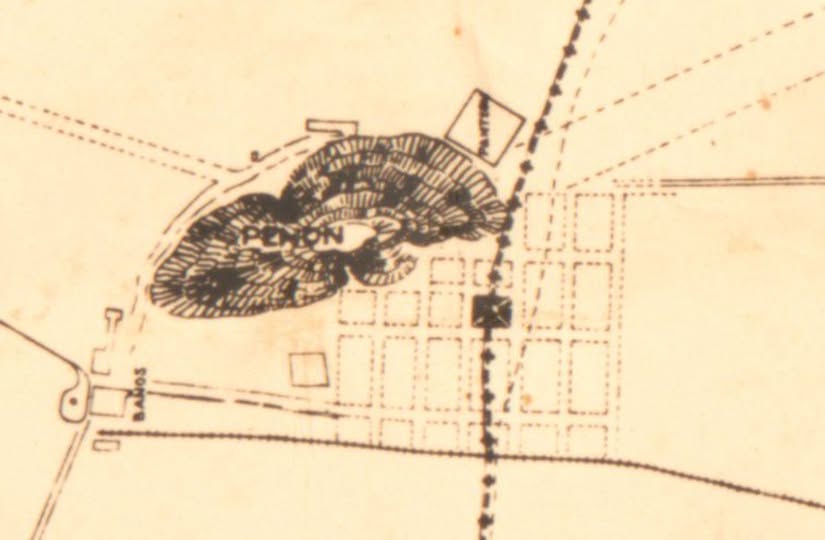
Detail of a map showing the now Pueblo Peñón de los Baños circa 1932. Image by Federal District Department. General Directorate of Urban Services and O.P. Office of Technical Studies. AGN.
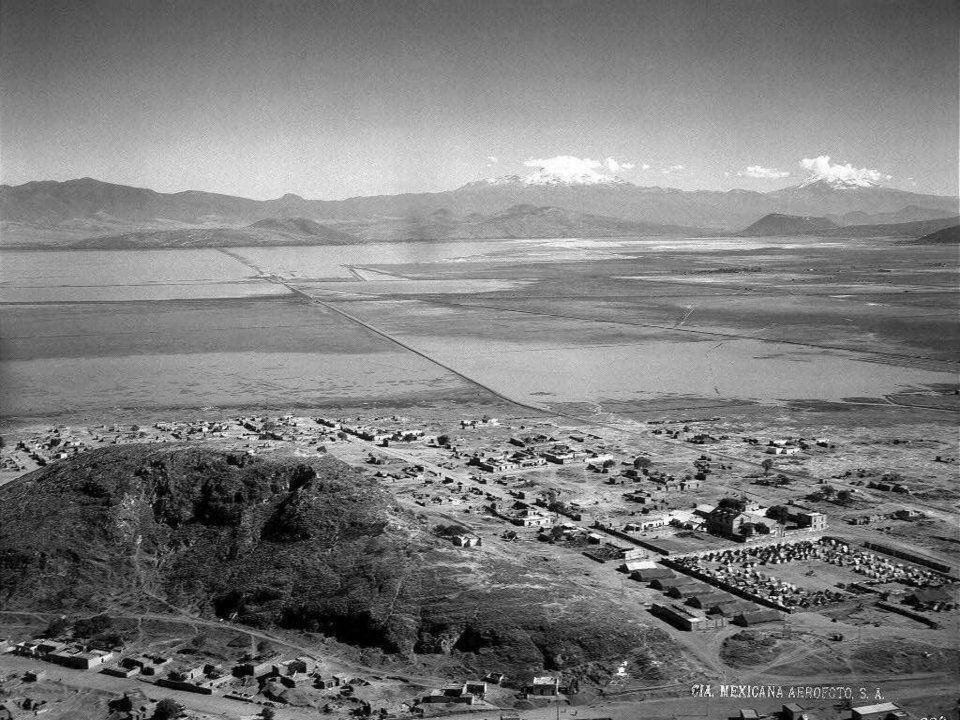
The above aerial image was taken by the Mexican Aerofoto company in the 1930s during cartographic (1) reconnaissance flights.
- for the purpose of map making
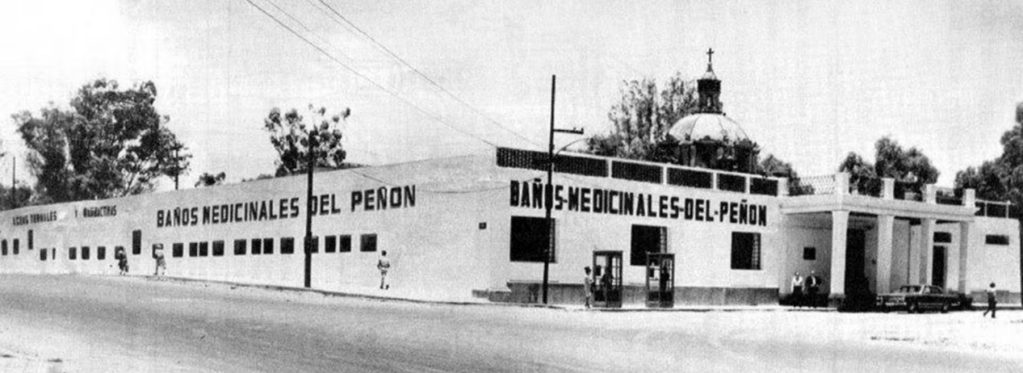
Baños del Peñón hacia 1945. Fotografía publicada en Aveleyra Arroyo de Anda
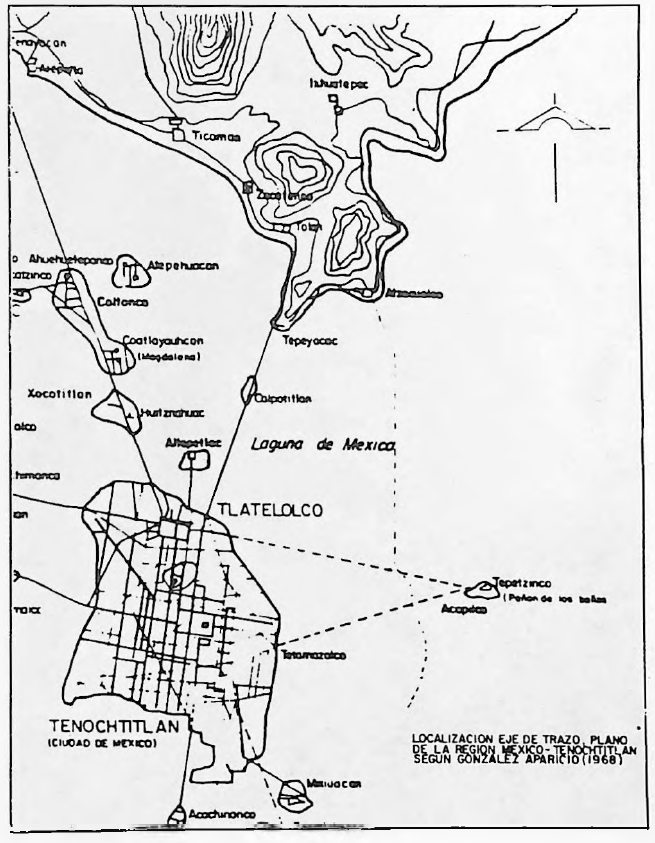
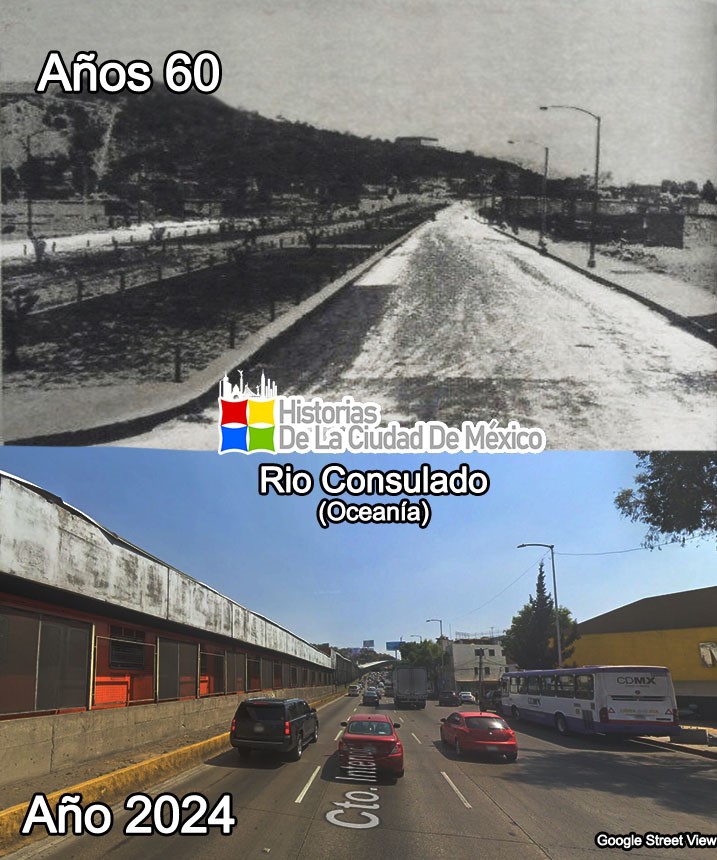
1968
1981
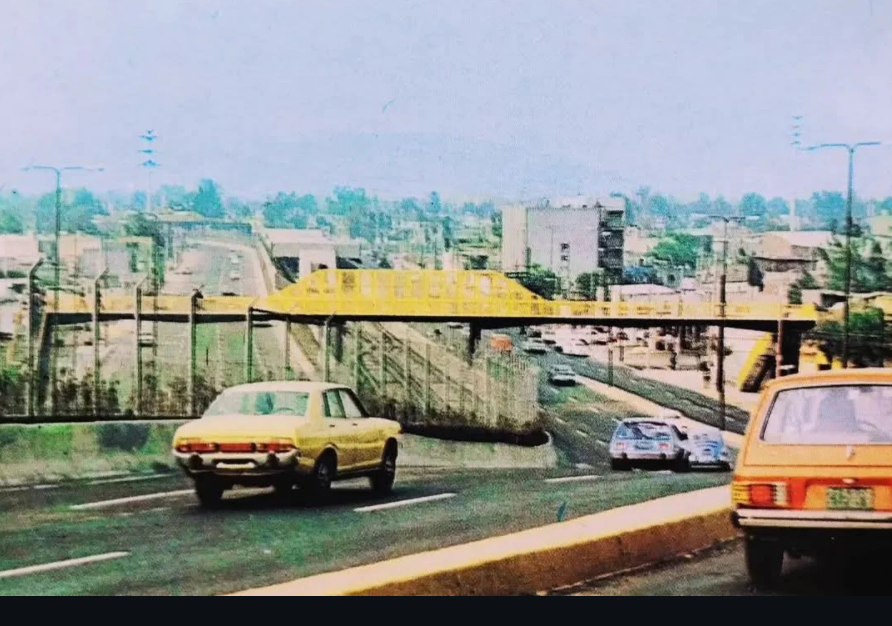
View of the Rio Consulado from the slope of the Penon de los Baths circa 1981. Oceania metro station in the background
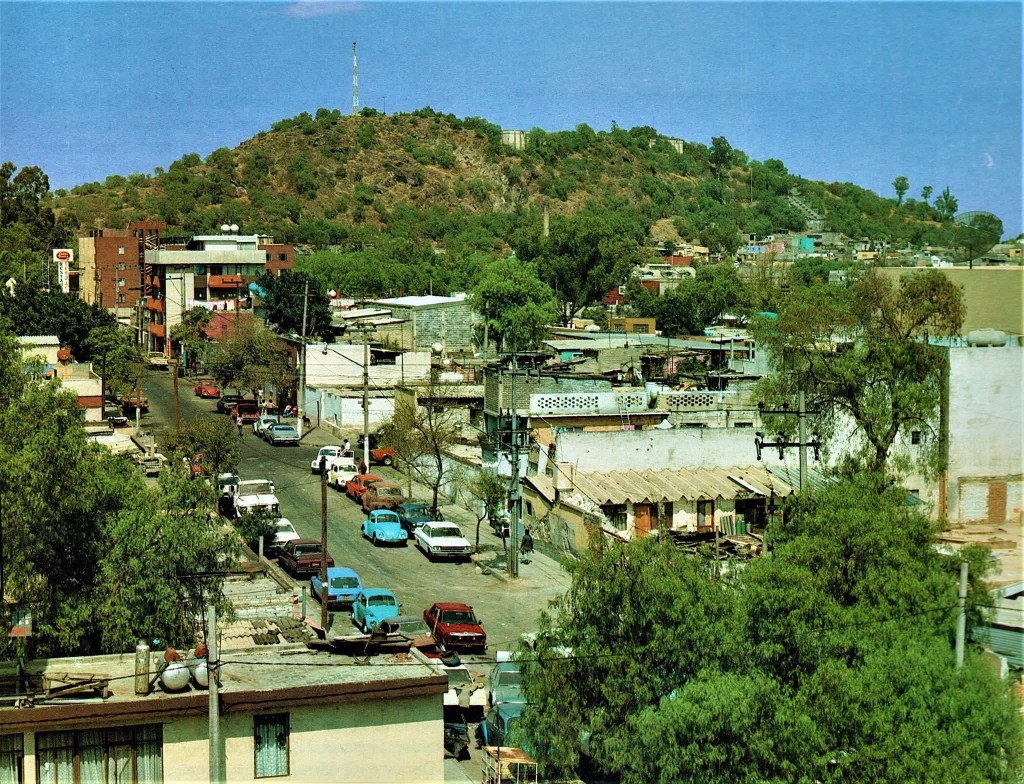
A photograph of the streets of the colony Peñon de los Baños in the mid-80s
My time in Peñón de los Baños
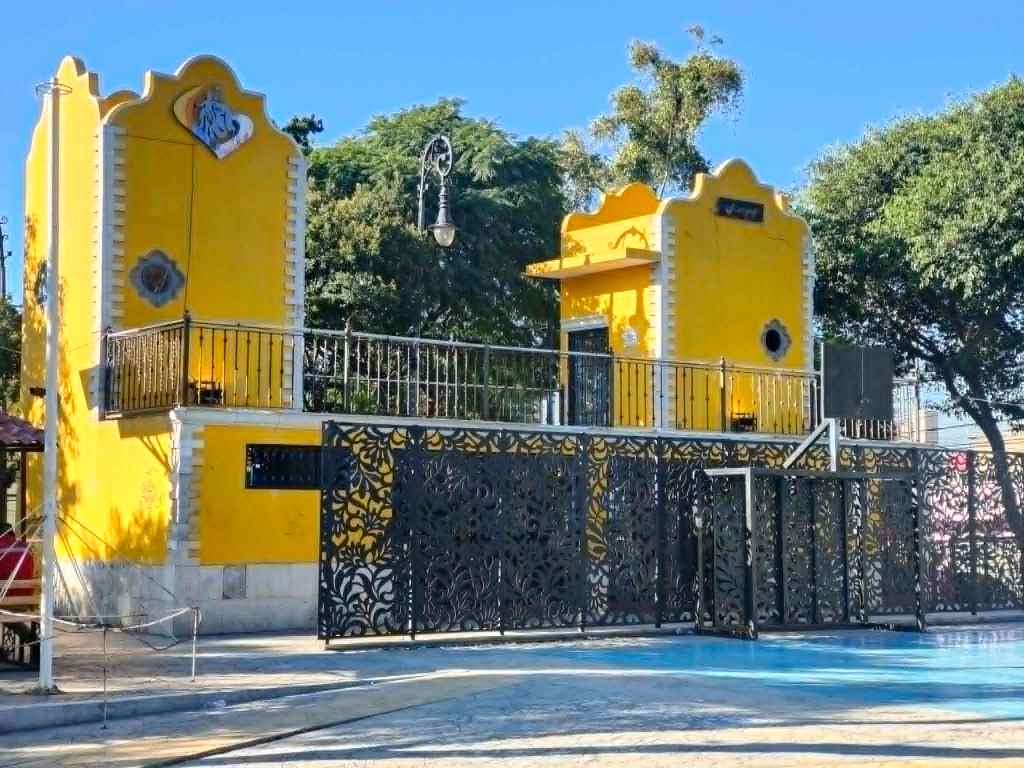
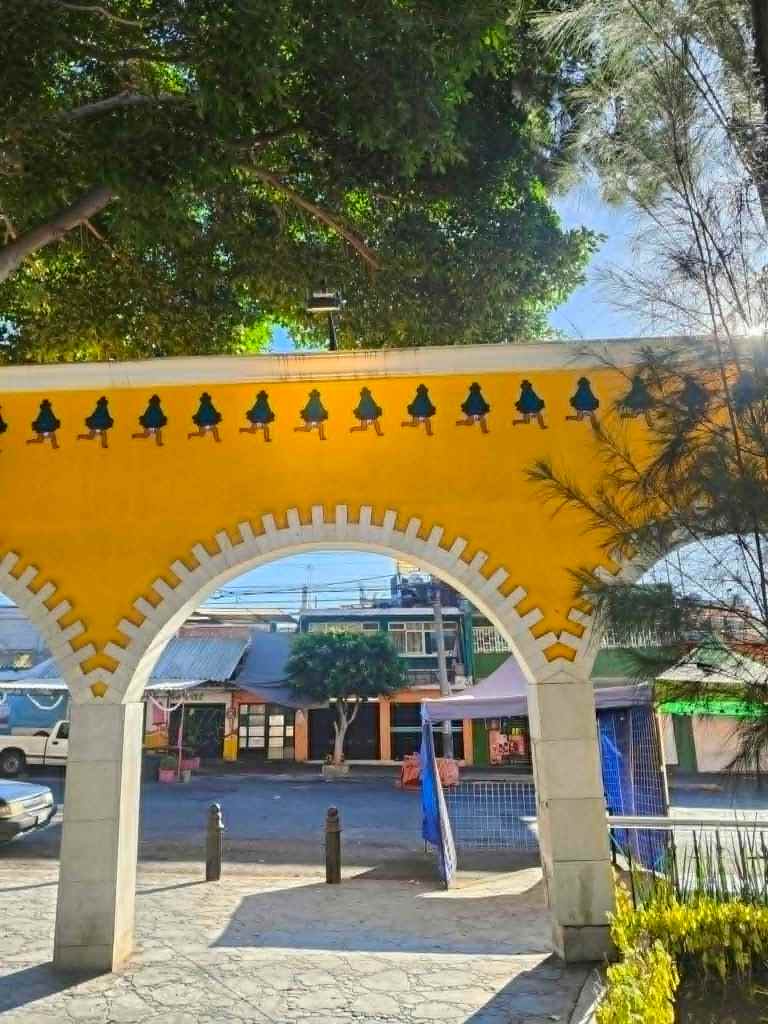
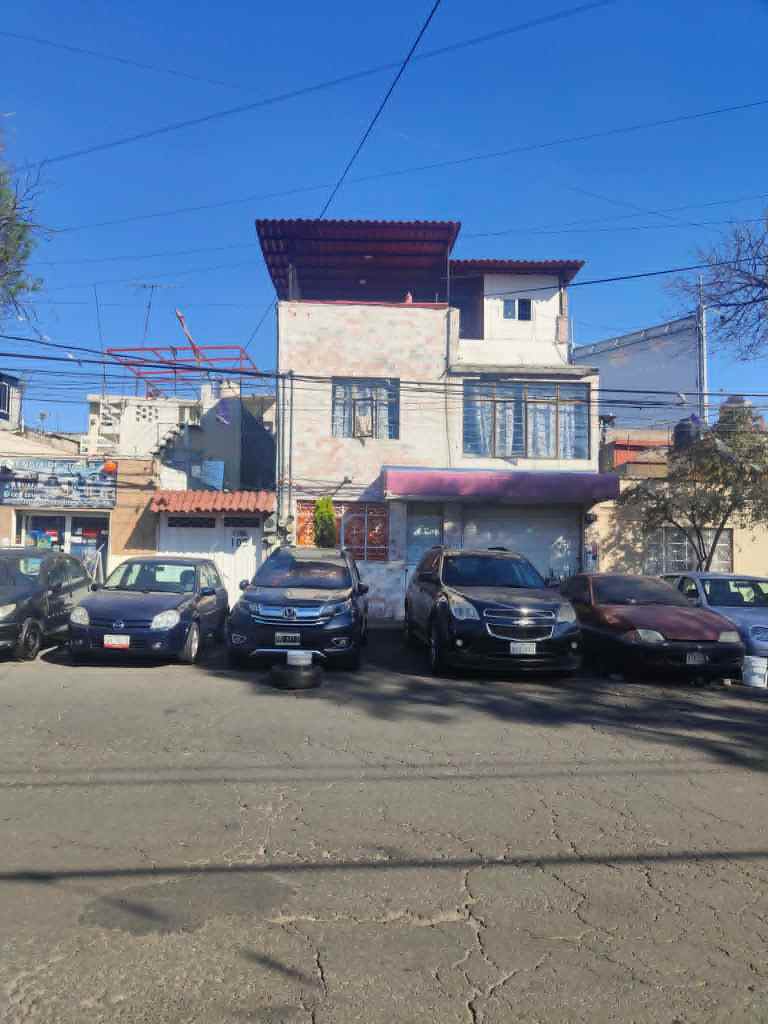
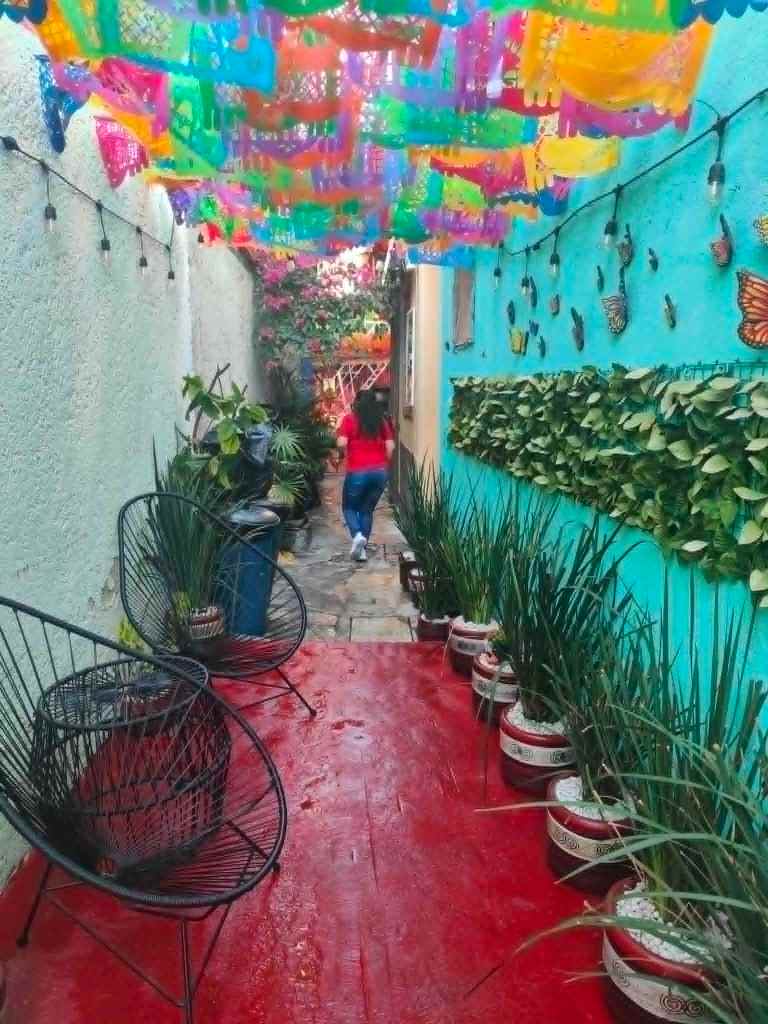
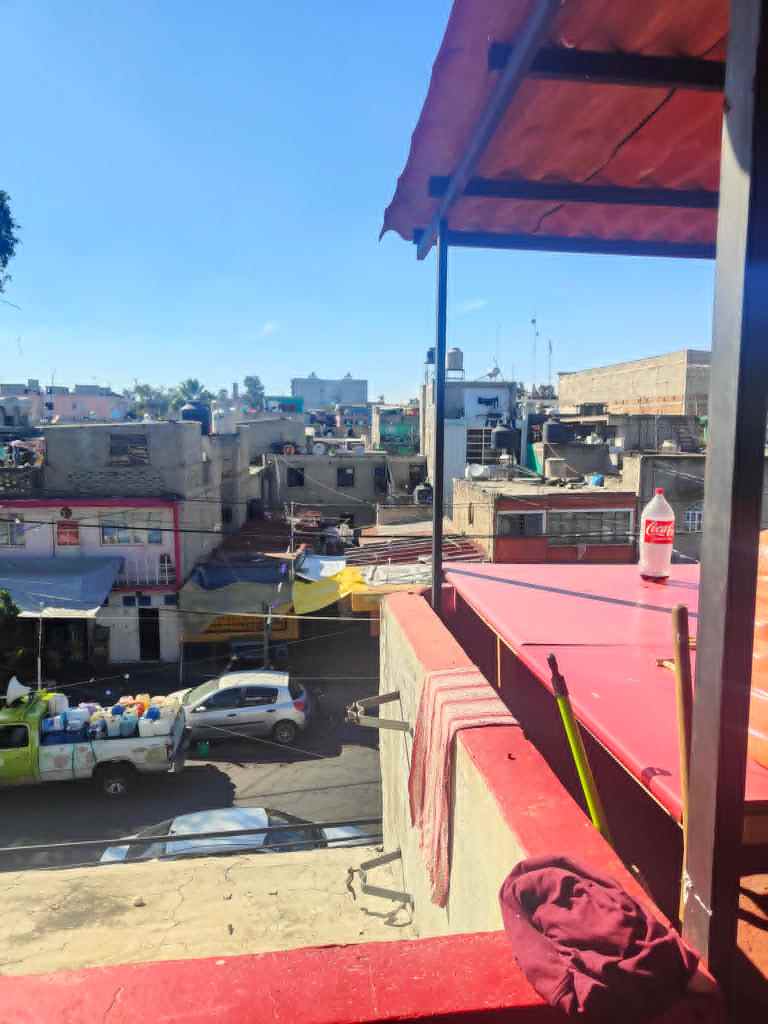
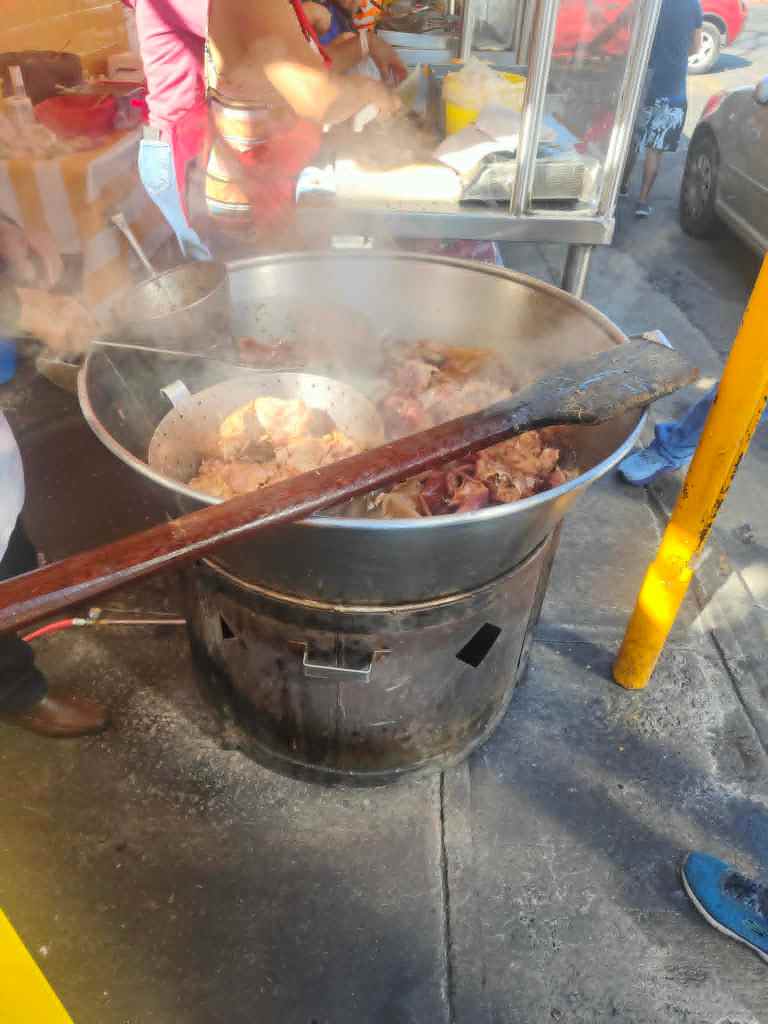
In November of 2025 I found myself in colonia Venustiano Carranza in Mexico City. I had chosen the area without any real knowledge of the space. It was close to the airport and offered accommodation rates within my budget. I was immediately drawn to the colour and atmosphere of the place.
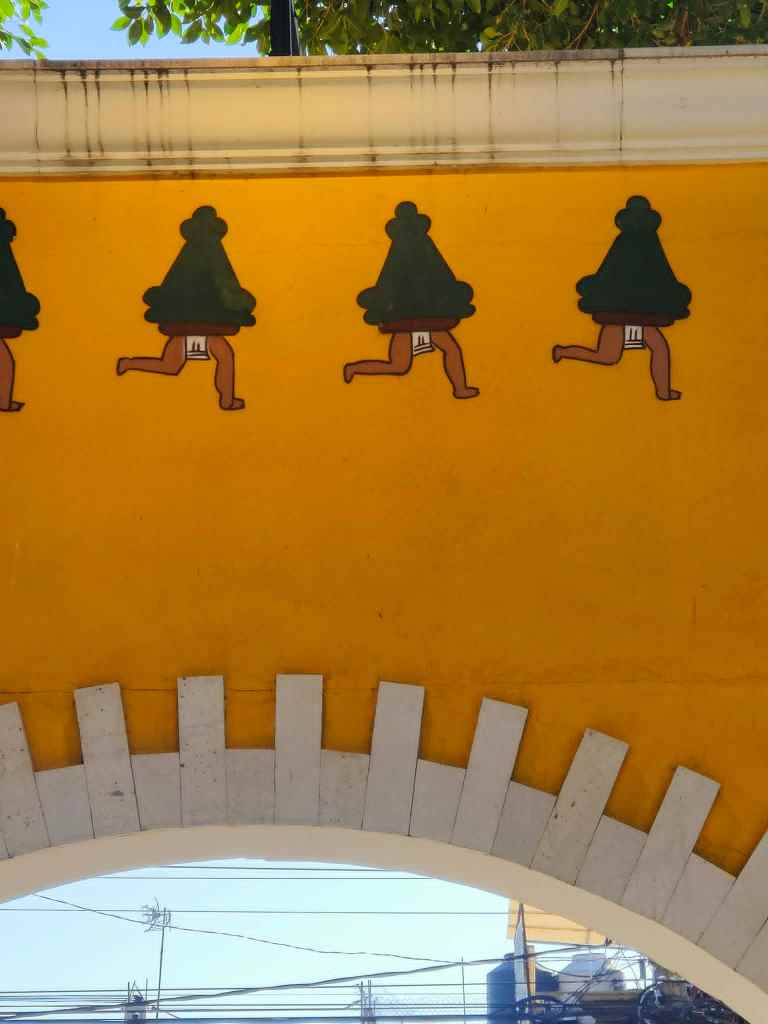
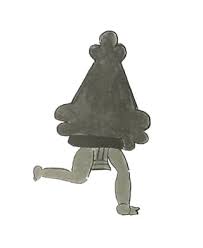
This painted black-line drawing of the place name Tepetzinco (“New Tepetlan”) shows a hill or mountain (tepetl) with rounded, curling, stone-like (tetl) protrusions on the top and on both sides at the bottom. These stone elements are both semantic and potentially phonetic indicators that tepetl starts with te-. At the bottom of the hill is a red horizontal slit where spring water has the potential to emerge. Out of the bottom of the hill appears the lower body (tzintli, although not his rear end, which is the norm) of a Nahua man. This lower body provides the phonetic indication for the locative suffix -tzinco. His two knees are bent, as though he is running. While his flesh-colored legs are in profile, his loincloth is shown in a frontal view. At the top, the loincloth has two black vertical stripes. Below these are one horizontal black stripe and one horizontal red stripe.
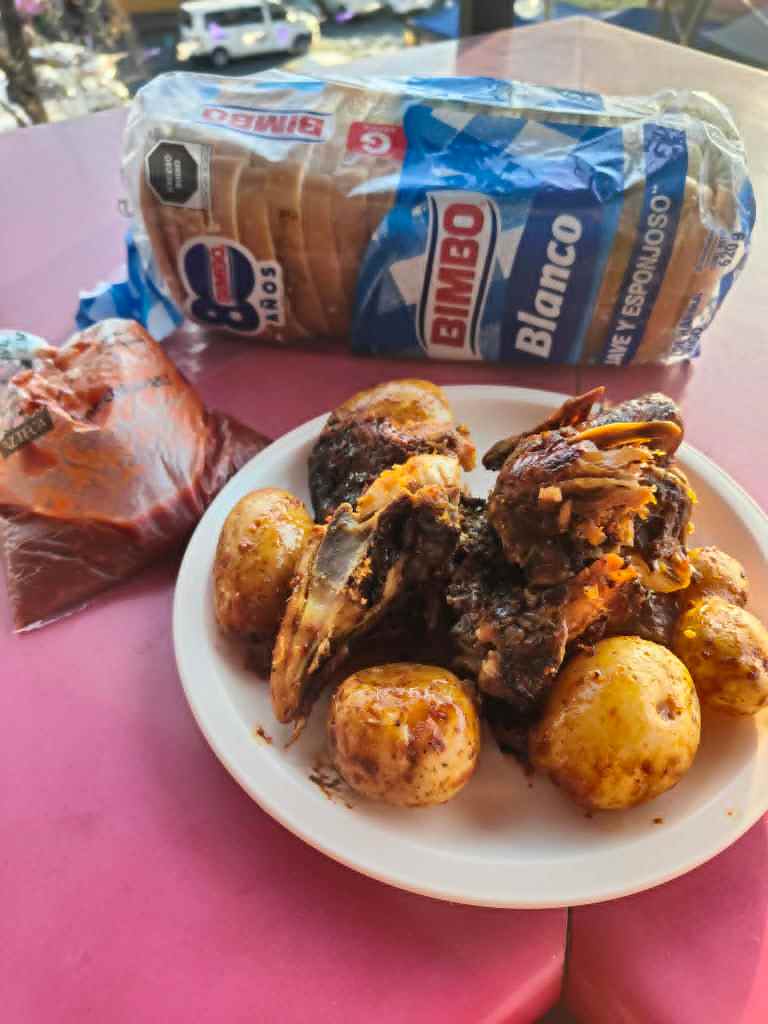

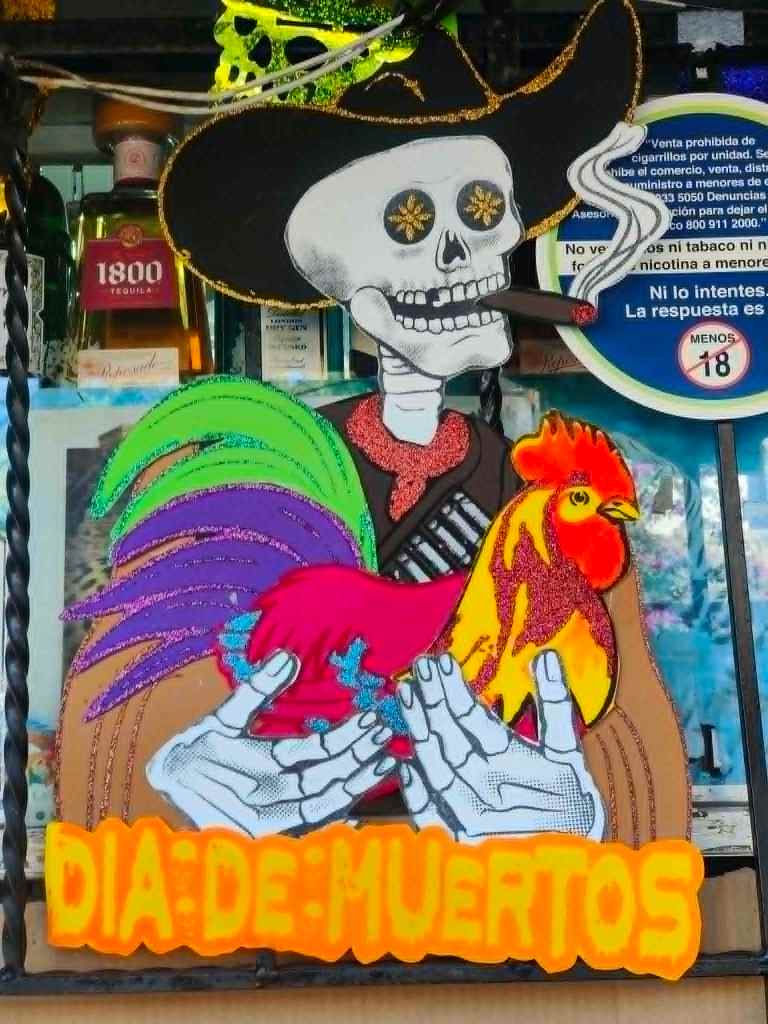
Dia de muertos
Religiosity in Peñón de los Baños
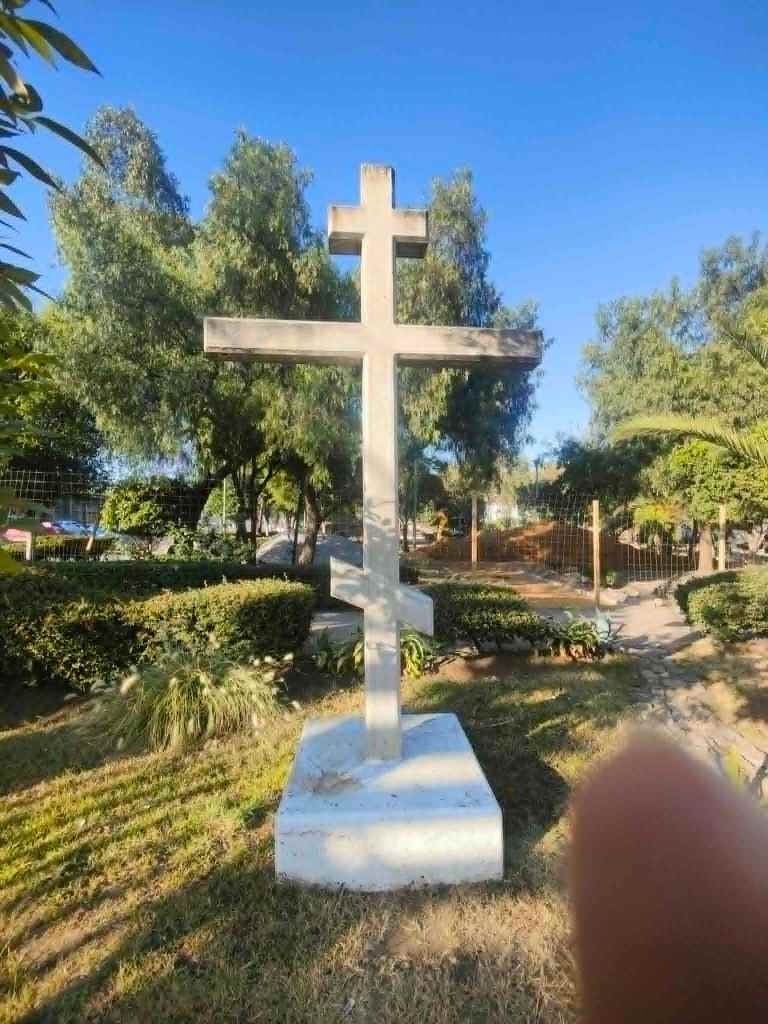
(across the road from the Catedral)
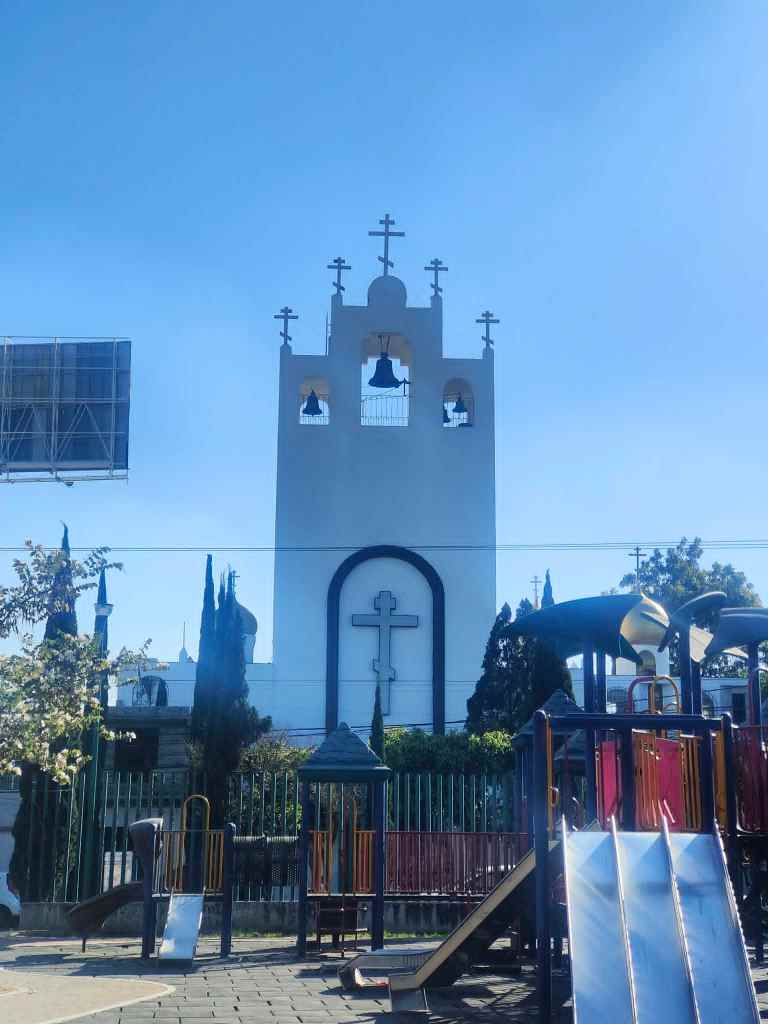
One of several churches in the alcaldia.
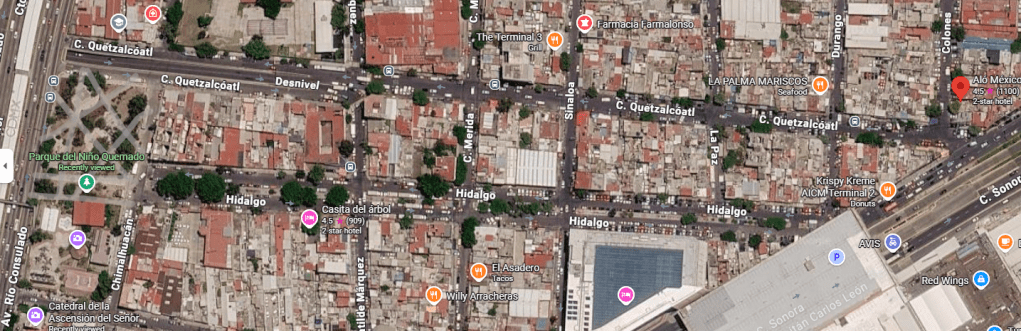
I would walk from my accommodations (at Alo Mexico – right hand side of image) down to Hidalgo to make my way to the metro. Along Hidalgo were many shrines (if you expand the image you’ll see many trees along Hidalgo. Under nearly every one of these shaded areas was a shrine.
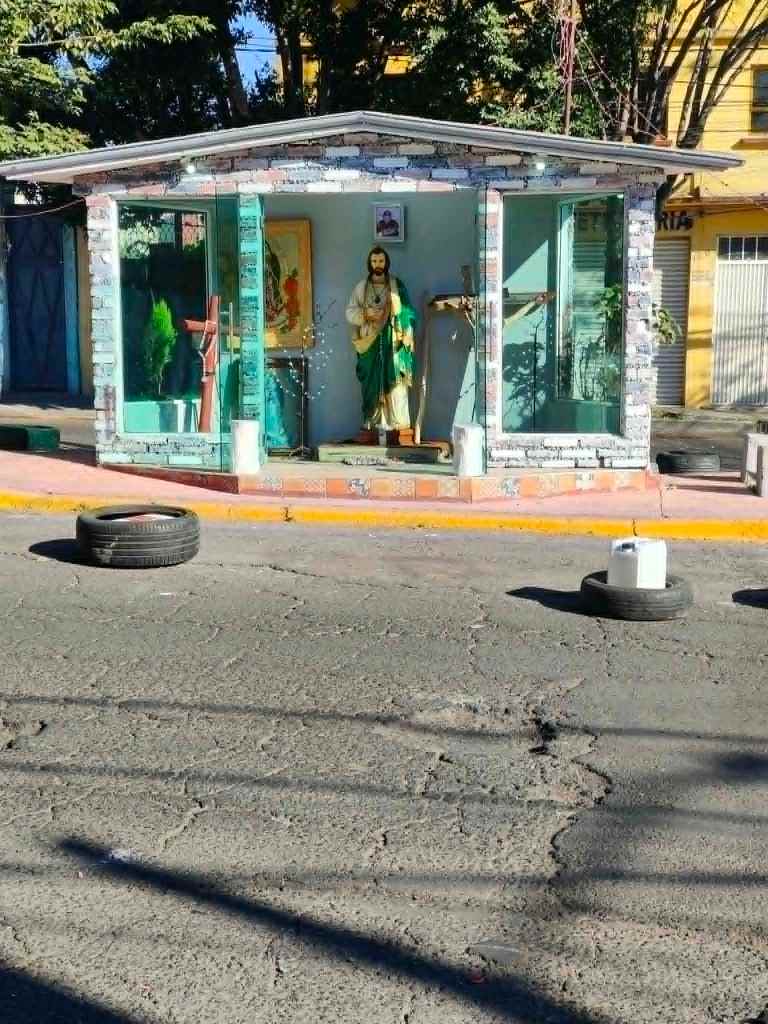
Some were very simple
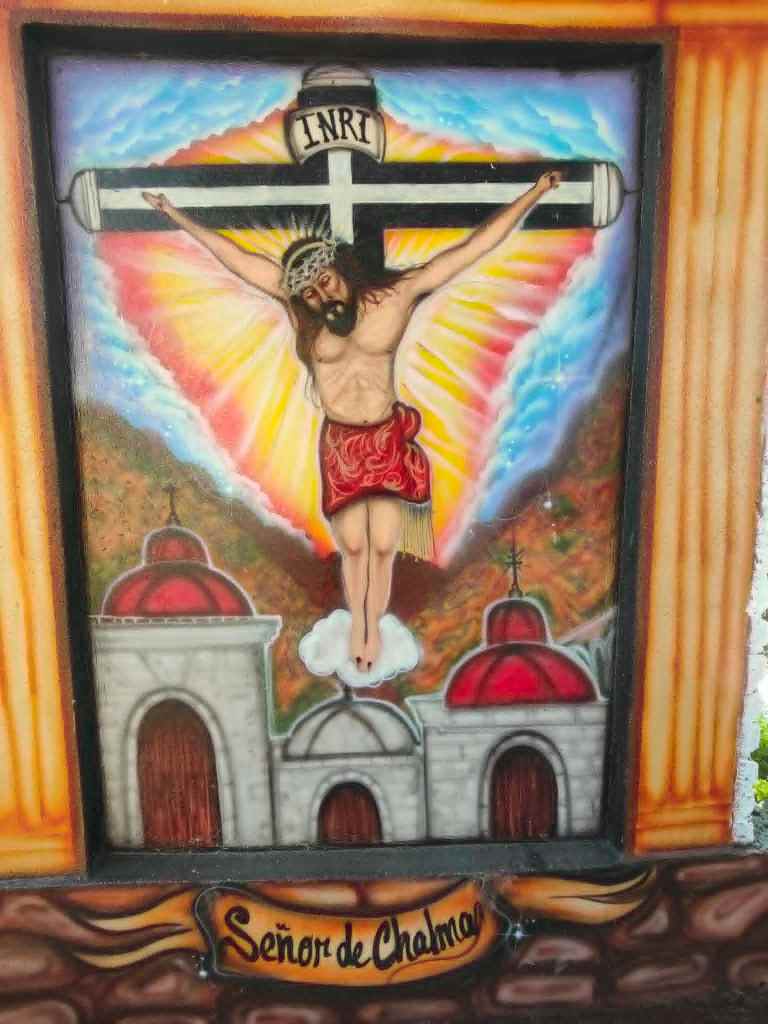
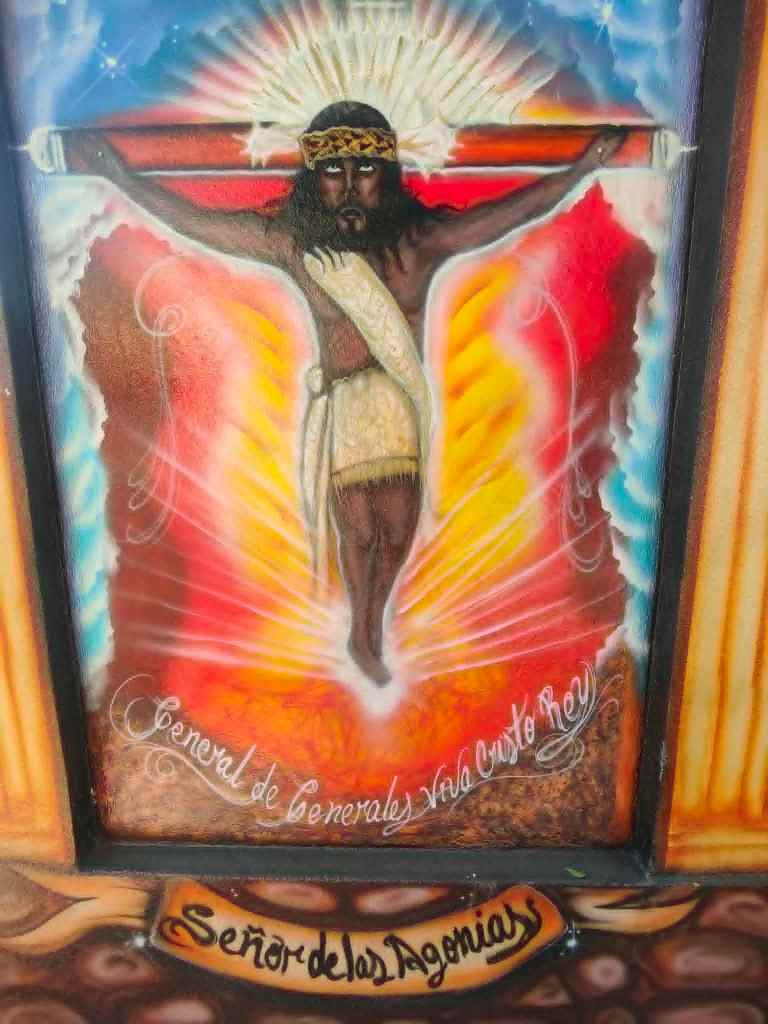
They cover all bases when it comes to skin colour
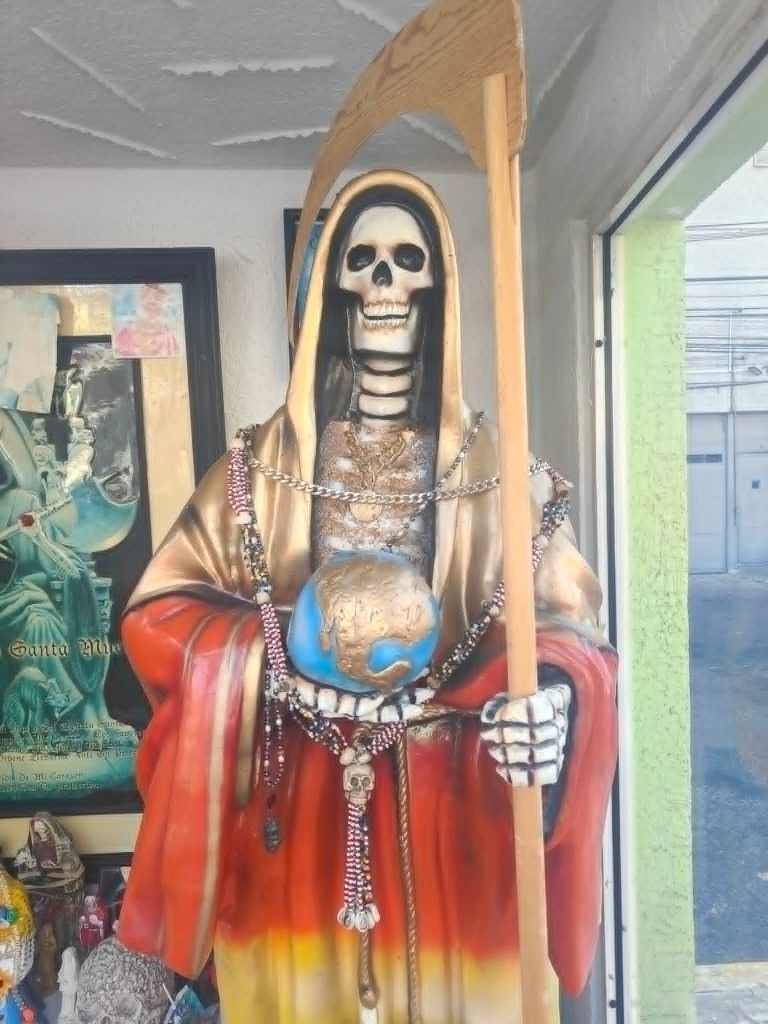
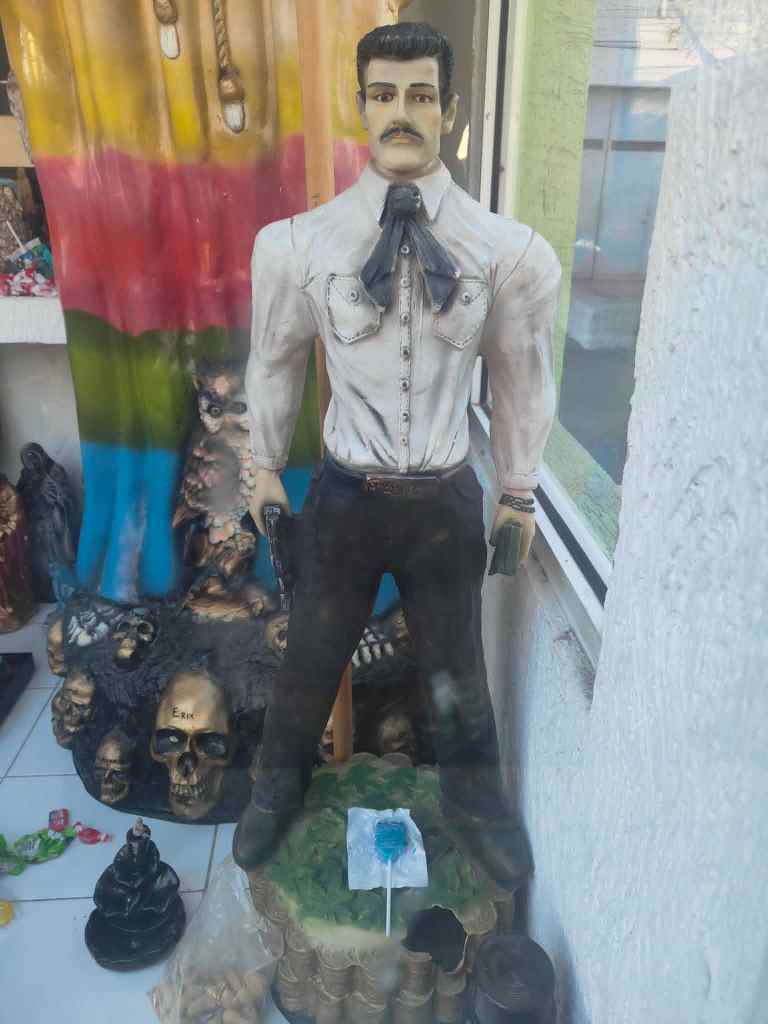
And they provided avenues such as Santa Muerte and Jesus Malverde for when it might not be appropriate to pray to Jesus (the other one) for a beneficial outcome
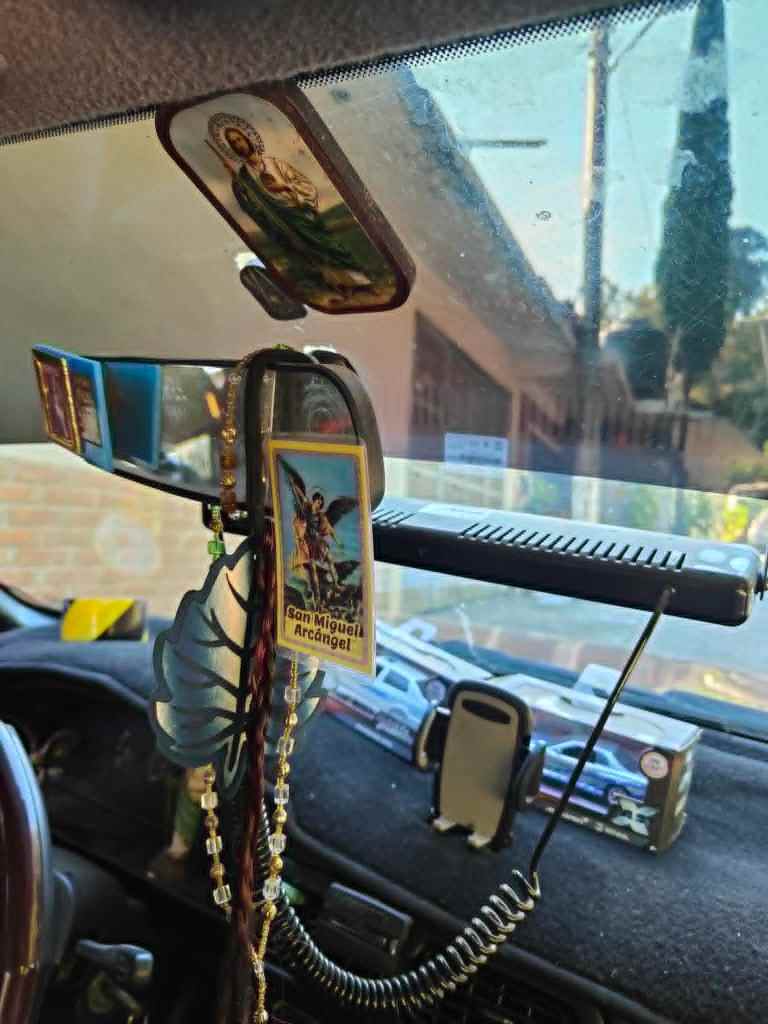
Taxis drivers too. This one has the Archangel Michael on his rear view mirror (and his favourite Need for Speed car models on the dashboard)
Chinelos: Dance, Disguise, and the Persistence of a Mesoamerican Worldview
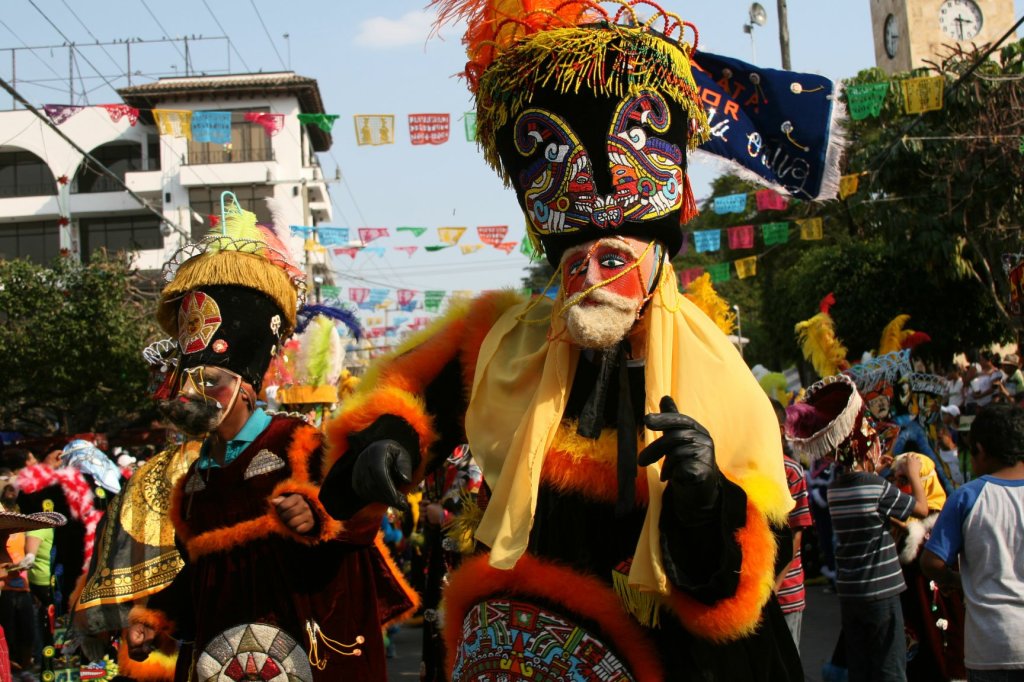
A character that makes regular appearances in this alcaldia are the Chinelos.
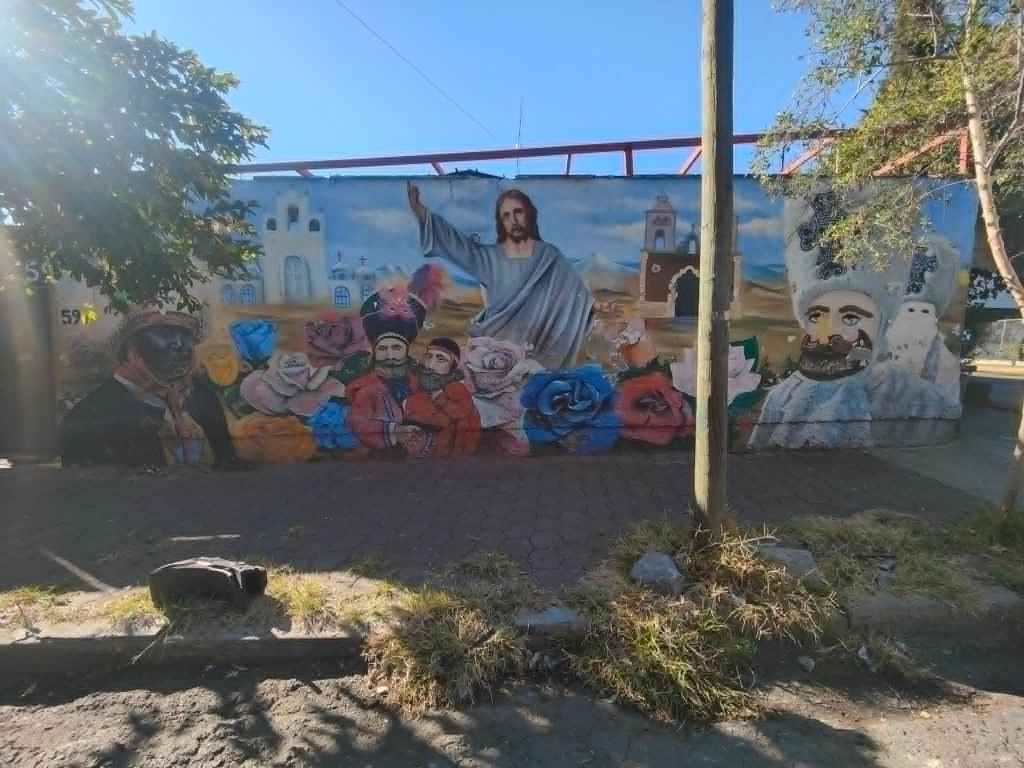
Baile de Chinelo (The Dance of the Chinelos), or as the morelenses (1) know it: “El Brinco del Chinelo”, is the most representative dance of the state of Morelos. Its origin is not exactly clear although the most accepted version of the story is that the dance is believed to date back to the Carnival that was celebrated only amongst the wealthy people of the colonial era; but in the 1870’s a group of young people from Tlayacapa, in the Tierra Grande region in the current state of Morelos, tired of being excluded from the Carnival festivities, organized a protest through the streets of the town. Disguised in old clothes and their faces covered so as not to be recognized, they began to shout, whistle and jump with great uproar. This protest was so successful that the following year it was organized again. Over time, this tradition evolved, adding traditional “banda de viento” music (Brass band) and refining the costumes they wore, until reaching modern versions. The morelenses call it the Brinco del Chinelo (Chinelo jumping), because small jumps are made to the rhythm of the brass band; with a very happy and contagious tone, which inevitably invites those who see them to dance. The Chinelos invite people along their path to join in with the dancing as the parade progresses through the streets
- Morelense is a Spanish demonym used to describe anything or anyone native to or originating from the state of Morelos, Mexico
Carnival is a celebration of European origin. It is not known exactly when its regular celebration began in New Spain. It gained importance during the 17th century, particularly in Mexico City, and from there it spread to various provinces of New Spain. In 1683 Joseph Lanciego, Archbishop of Mexico, issued an Edict for the days of Carnival and the Provisor Governor of this Archdiocese, Carlos Bermúdez de Castro, ordered the publication of a proclamation so that no one would appear masked or with their faces covered in the dances of these festivities. In 1700, the Tribunal of the Holy Office issued a printed Edict (1) prohibiting the celebration of Carnival, as it created a great scandal in the vicinity of the City. The text was explicit and stated that those who wore masks or religious costumes if they were not clergy would be punished with flogging during the three days of Carnival, according to the document,
We command, require, and admonish, and by virtue of holy obedience, and under penalty of excommunication latae sententiae ipso facto incurrenda (2), and of five hundred ducats of Castile,[…] all neighbors, residents, residents, and inhabitants in this City of Mexico, and of the others in our district, of any status, condition, dignity, degree, quality, or preeminence, whether exempt or not, both Secular and Regular Clergy; and to those of inferior quality, the penalty of two hundred lashes, that after this Edict comes to your attention, or you learn of it in any way, you shall not use, nor consent to use, that in the saithree (sic) days of Carnival, nor in those close to them, nor in others, they dress in the garments of Ecclesiastics, nor those of the Religious Orders, and do not profane the sacred ministries.”
- this Edict was generalized and was applied throughout the Archdiocese of Mexico and all the provinces of New Spain, as well as in the Bishoprics of Tlaxcala, Michoacán, Guatemala, Guadalajara, Chiapas, Yucatán, Oaxaca, Verapaz (Guatemala), Honduras, Nicaragua, Nueva Vizcaya and the Philippine Islands3
- In Roman Catholic Canon Law, latae sententiae (Latin: “sentence already passed”) and ipso facto (“by the very fact”) describe an automatic penalty incurred the exact moment a specific law or precept is violated
This distinctive tradition became a creative expression of resistance among Indigenous and working-class people, aimed at mocking European elites and wealthy landowners.
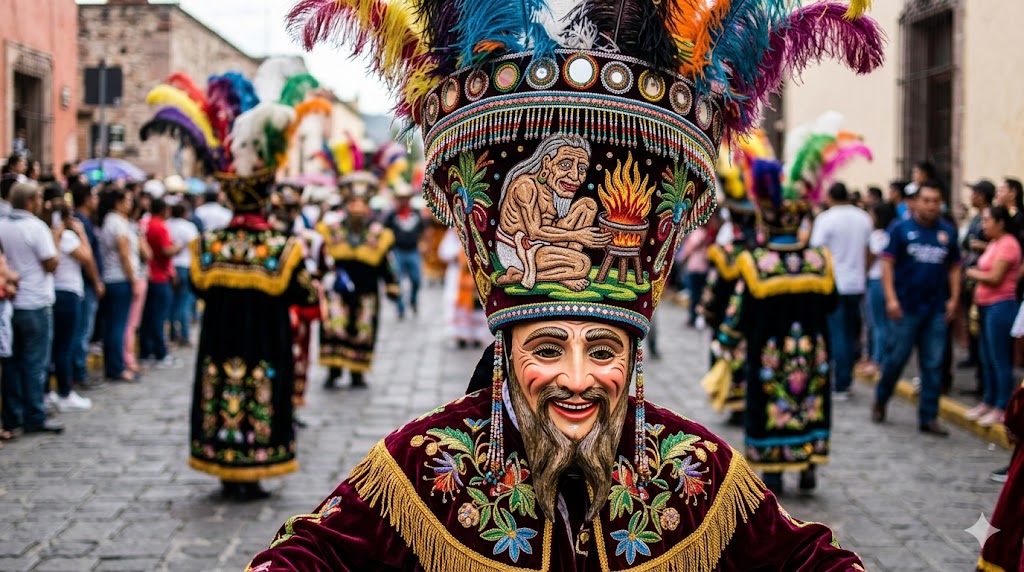
The Chinelo costume is essential to its identity and symbolism. The dancers are dressed in ornate costumes featuring long, vibrant tunics, often embellished with detailed embroidery and sequins. A striking element of their attire is the tall hats, adorned with feathers and other decorative accents. Most distinctive of all, however, are the masks—crafted from fabric and designed with exaggerated features such as large moustaches and beards—giving the Chinelos a playful, festive look. Each mask is a unique piece of artistry, reflecting the individual character of the dancer who wears it.
The Chinelo costume itself reflects this satire, parodying the style of dress worn by conquistadors, hacienda owners, and the upper class of that era.
The dancers are also known as “huehuetzin” (1), which means “he who wears old clothes”. Huehuetzin (derived from the Nahuatl word huehuetl” (2), meaning “old” or “elder”) primarily refers to a traditional, satirical carnival character in central Mexico and a historical Indigenous lord (3).
- Huehuetzin was the tlatoani of Tetepilco. Historical records document his reign and his court rendering allegiance to the Aztec Empire around 1427
- Also known as huehuenche, ahuehuenche or guegenchis
- I usually see this written as “huehue” (without the “tl”)
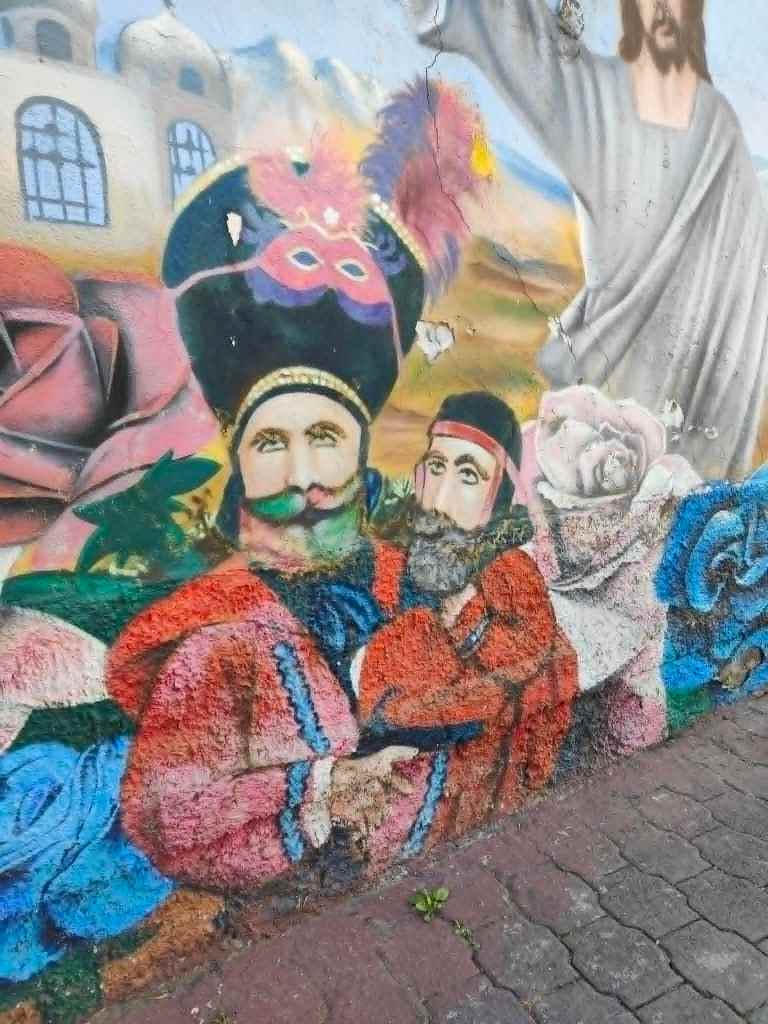
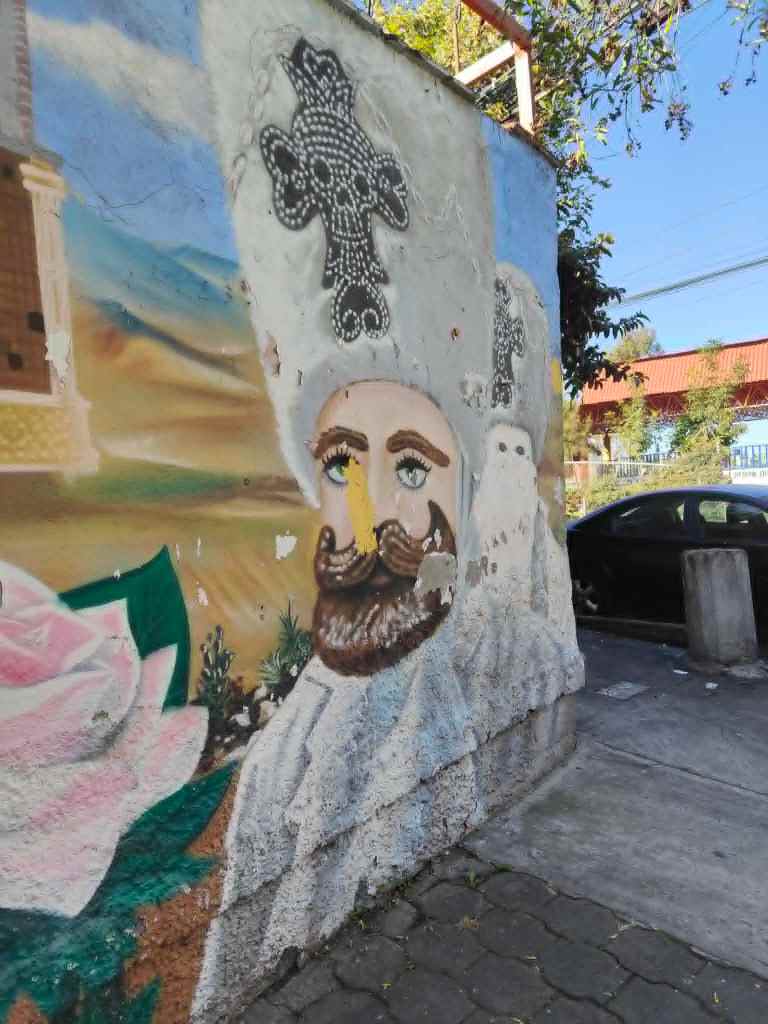
The Sacred Landscape Behind the Dance
In Mesoamerican religious thought, conceptions of space were deeply symbolic and intimately tied to both natural features and the survival of human communities. Geography was not understood as inert terrain but as a living, sacred system animated by divine forces and ancestral presences. Among the most important elements in this worldview were hills and mountains, which were conceived not merely as landforms but as vast, life-giving vessels. These elevations were imagined as immense containers—like houses or reservoirs—filled with water within their interiors. This hidden inner realm, known as Tlalocan, was the paradise of Tláloc, the rain deity, and a place of abundance from which springs emerged to nourish the earth. From Tlalocan flowed the waters that formed rivers, lakes, and seas, ensuring agricultural fertility and sustaining human life.
In this symbolic geography, water and hills together formed the essential foundation of community existence. This duality was embodied in the concept of the altepetl, a Nahuatl term meaning “water-hill,” which represented the basic socio-political and territorial unit of pre-Hispanic Mesoamerica. The altepetl was not only a physical place but also a sacred configuration, linking landscape, identity, and cosmology. The interdependence of terrain and water reflected a broader understanding that human life was inseparable from the natural and spiritual worlds.
Following the Spanish Conquest, profound transformations occurred in religious expression, yet many underlying beliefs persisted through adaptation. Pre-Hispanic deities such as Tláloc were reconceptualized as localized spiritual entities often referred to as “Owners of the Place.” These beings were believed to inhabit specific geographical features related to water—mountains, caves, rivers, springs, and ravines—as well as atmospheric phenomena such as rain, lightning, thunder, and whirlwinds. Importantly, these entities were not external gods alone; they were also understood as immanent (1) forces residing within people as spiritual essences or souls.
- Immanent means existing or remaining within; it refers to something that is an inherent, fundamental, and permanent part of a subject rather than something coming from the outside
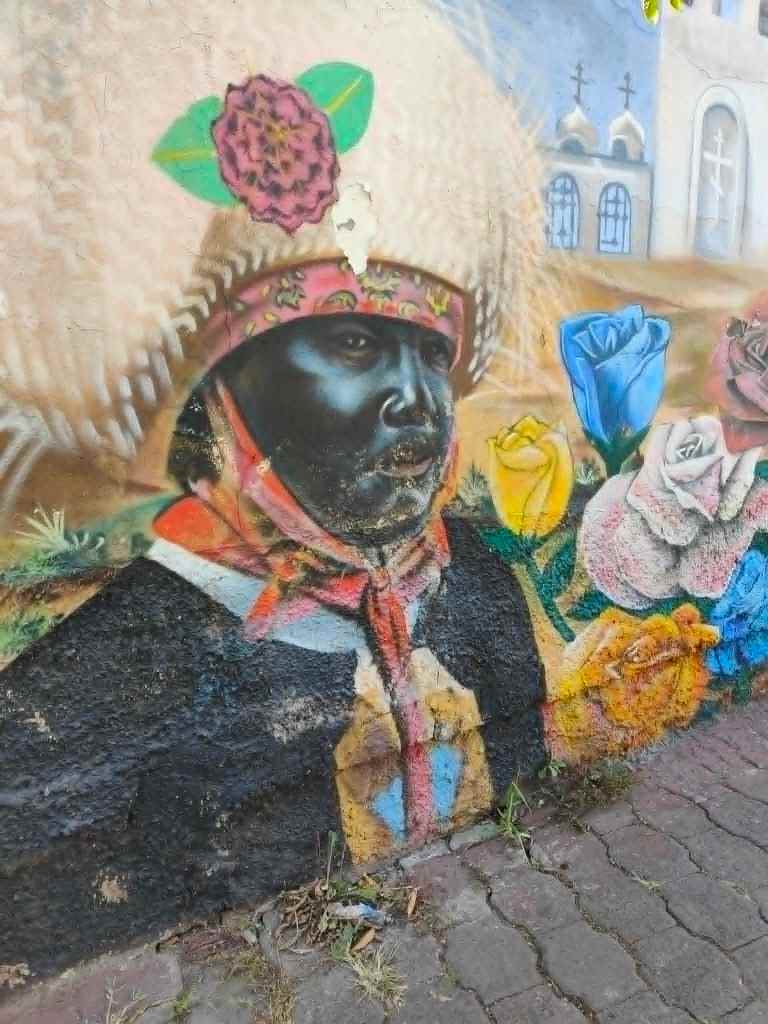
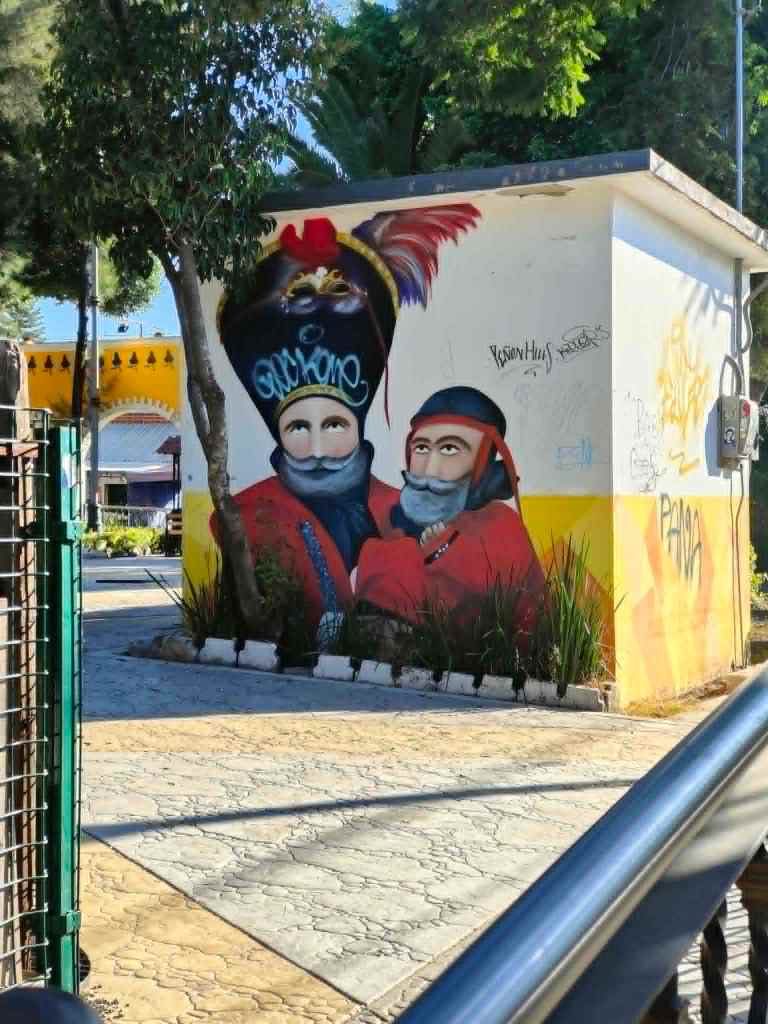
Within this worldview, ancestors and natural forces were deeply intertwined. Ritual dances like those of the Huehuenches—and later the Chinelos—were not only social or political commentary but also part of a larger system of reciprocity between humans, ancestors, and the environment.
The Huehuenches: Ancestors in Disguise
Closely connected to this worldview was the enduring role of ancestors. The dead were not removed from the world of the living but were active participants in the ongoing life of the community. It was believed that upon death, the soul or tona departed the body and journeyed to liminal spaces (1) such as mountains, caves, or abandoned pre-Hispanic cities and temples. From these locations, ancestors maintained a reciprocal relationship with the living. Through ritual offerings and communal remembrance, they were called upon to assist in agricultural cycles—bringing rain, ensuring soil fertility, and aiding the growth of staple crops such as maize, beans, squash, and chili.
- Liminal means “on the threshold”. It describes a transitional or in-between state, space, or time. The word comes from the Latin limen, meaning “threshold”. A “liminal space” is a physical or metaphorical place of transition. They are often “betwixt and between” and can feel unsettling, nostalgic, or empty because they are places we pass through rather than stay in.
This integration of ancestors into cosmic and agricultural processes found a vivid expression in ritual performance, most notably in the figure of the Huehuenches. These characters are understood as embodiments of ancestral spirits who return cyclically to the community at key transitional moments in the year—particularly during Carnival, which precedes the rainy season, and the Day of the Dead, which marks the approach of the dry season. In these moments, the boundary between the living and the dead is symbolically dissolved.
Origins: Satire as Resistance
Historical records trace the performance of the Huehuenches dance to at least the mid-18th century in the outskirts of Mexico City. Observers noted how young Indigenous participants dressed as elderly figures in colourful attire, enacting theatrical and often satirical rituals. One such performance included a mock trial culminating in the symbolic hanging of one participant, highlighting themes of inversion, judgment, and renewal. These early performances demonstrate the blending of Indigenous cosmology with colonial influences, producing a ritual language that was both adaptive and subversive.
The Huehuenches also appeared in significant political ceremonies. During the inauguration of the Imperial Order of Guadalupe in 1822 under Agustín de Iturbide, they were described as part of a troupe of dancers characterized by exaggerated, humorous costumes. Their name derives from the Nahuatl word huehue (old man), combined with a diminutive suffix suggesting affection or reverence—“little old men.” Over time, this term became associated not only with ritual performers but also with ancestral figures themselves.
Transformation and Cultural Impact
The Chinelo phenomenon impacted traditional culture. The Chinelo, in its expansion, displaced other cultural expressions, sometimes causing them to disappear or lose their centrality, particularly in the context of Carnival, but also in the patron saint festivals. This happened with the Dance of the Little Black Men in Nepopualco (1); the Hanged Man (1) and the Moupilo (3) in Xoxocotla; and the Huehuenches in Jiutepec, among others.
- La Danza de los Negritos
- El Ahorcado
- I have yet to find much information on this one. It was performed alongside El Ahorcado during local pre-Lenten Carnival (Carnaval) festivities in Xoxocotla. Mochicuani mentions that the executioner of the hanged man (in this case called the Mopilo) would approach houses along the route of the parade and ask people for their co-operation in the festivities.
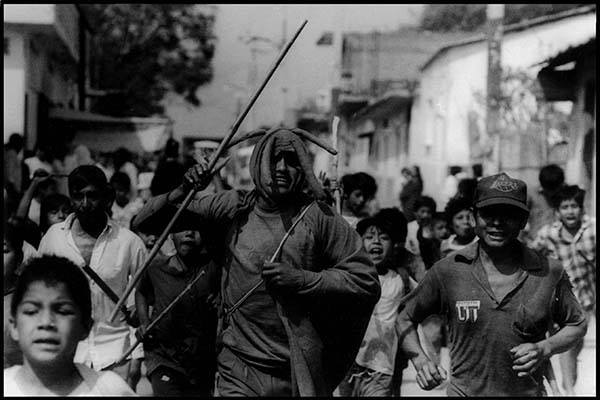
Carnaval de Xoxocotla 1996
Fernando Soto Vidal, Xoxocotla, Mor., México.
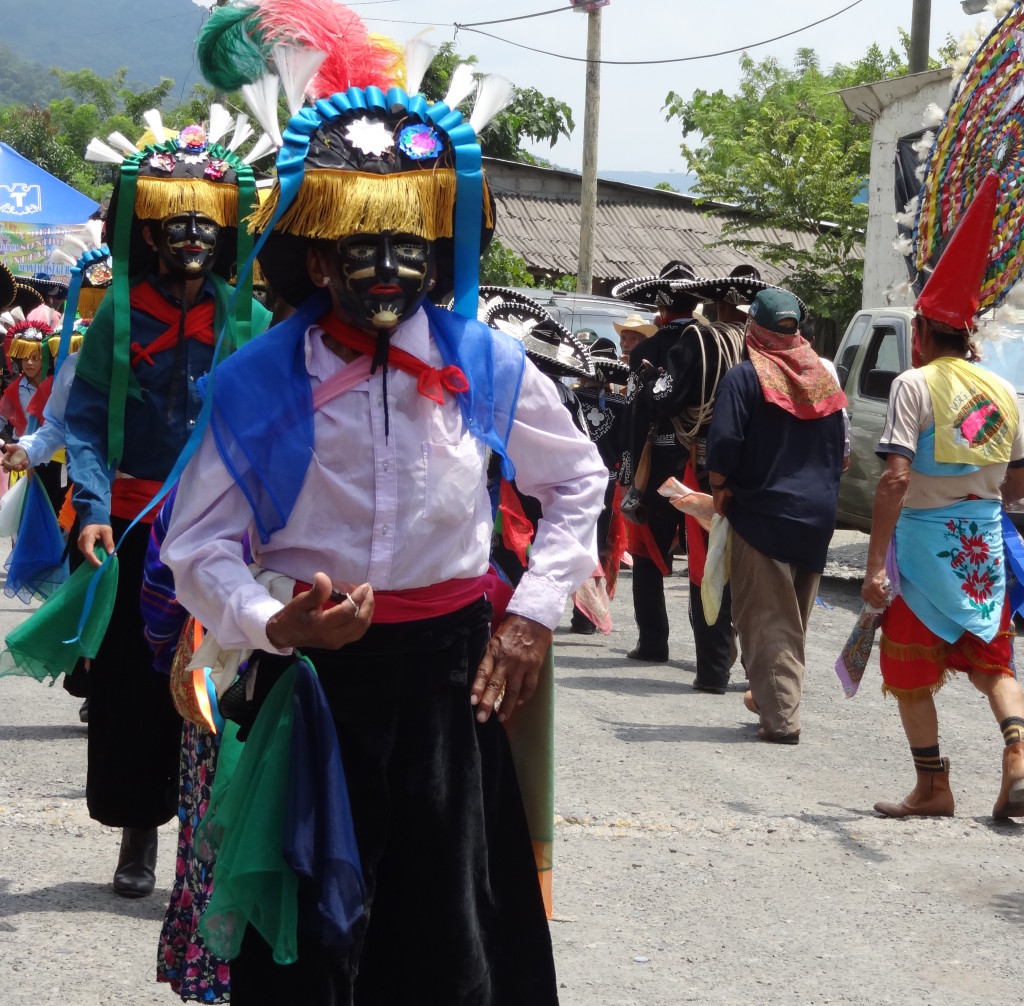
Throughout the 19th century, representations of the Huehuenches evolved to reflect changing social realities. In many regions, they began to take on forms that incorporated characters from everyday life, resulting in diverse local expressions. In Tlaxcala, they became associated with charros, while in Morelos they were transformed into chinelos. Other variations, such as mojigangas (1), vaqueritos (2), and tecuanes (3), emerged across central Mexico.
- Mojigangas are towering, 10- to 15-foot-tall papier-mâché puppets brought into Mexico from Spain in the 16th century. Traditionally worn by a dancer who parades them through the streets, these vibrant figures—often resembling brides, grooms, or historical figures—are a beloved fixture at Mexican weddings, festivals, and cultural celebrations
- Los vaqueritos is a parody of the regional customs of the European cowboy culture that arrived in Mexico in the 1500. The dance is part of a broad interstate territory encompassing Puebla, Guerrero, Morelos, the State of Mexico, and Mexico City, representing a legacy of the interaction between livestock culture and local religious traditions.
- Los Tecuanes (from the Nahuatl word tecuani, meaning “devourer” or “beast”) refers to the traditional Mexican “Dance of the Jaguar”. It is a vibrant, deeply rooted folk dance originating from the states of Puebla, Guerrero, and Oaxaca, which blends indigenous (Chichimeca and Zapotec) and Catholic traditions
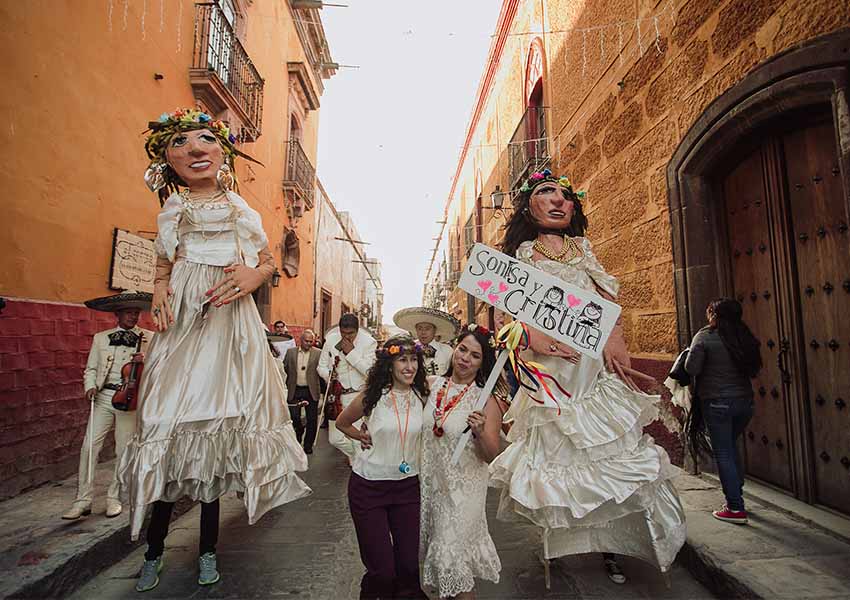
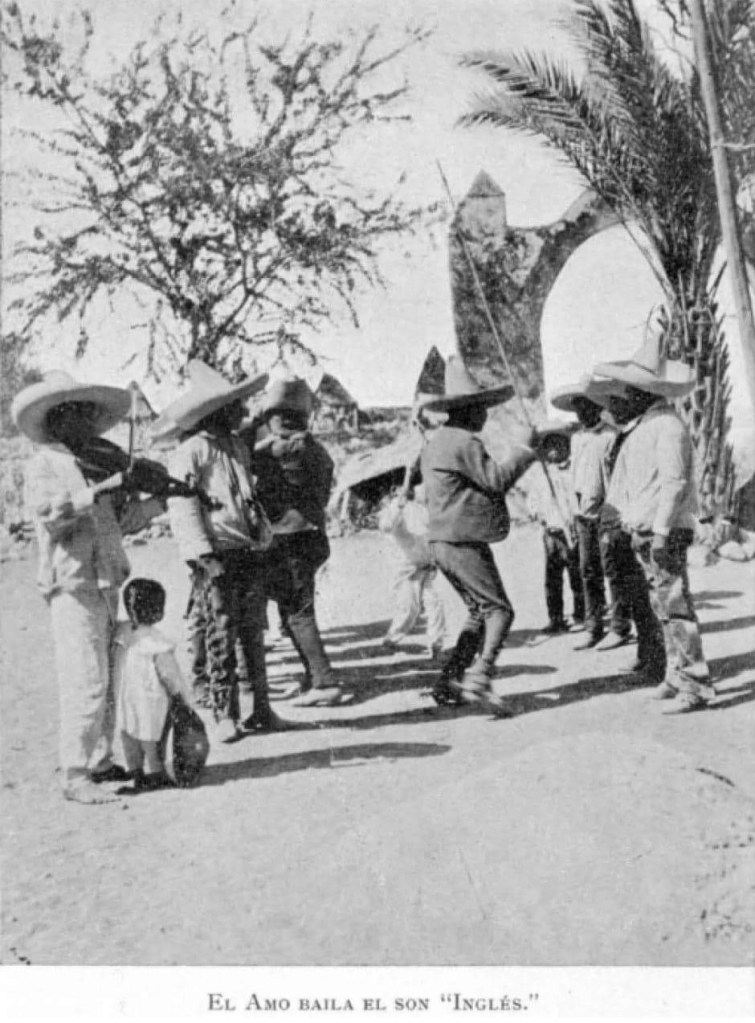
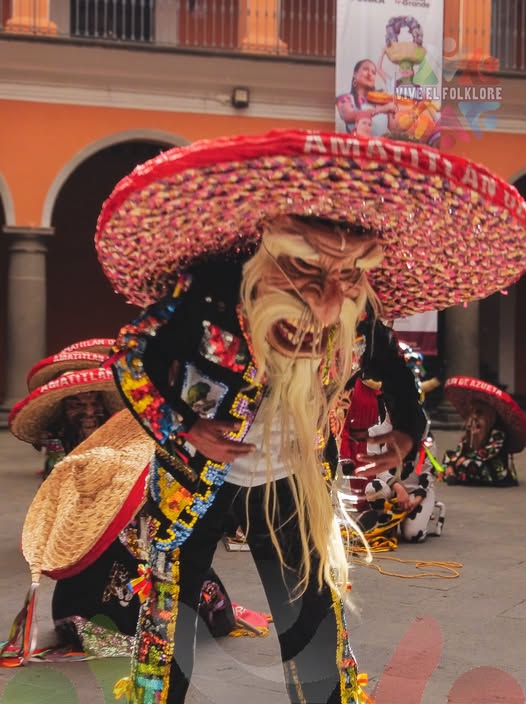
As the Chinelo tradition grew in popularity, it began to overshadow older forms such as the Huehuenches in certain communities. In some cases, other traditional dances and ritual expressions were displaced or lost prominence.
These transformations can be understood as a reinterpretation of traditional cosmology within new historical contexts, particularly in response to colonial and post-independence social structures.
Despite their varied forms, these figures retained their sacred and symbolic dimensions. In both Tlaxcala and Morelos, charros and chinelos continued to be linked to atmospheric forces and ritual cycles. At the same time, they adopted a strong element of satire and social critique. From as early as the 17th century, the Huehuenche figure was known for mocking local elites and colonial authorities, often representing the Spanish landowner or other figures of power in exaggerated, burlesque form.
The emergence of the chinelo in Morelos illustrates this dynamic particularly clearly. Rooted in peasant culture under the hacienda system, the chinelo became a powerful expression of resistance against social inequality and land dispossession. In Morelos, the Chinelo began to assert its own identity, particularly in towns such as Tlayacapan and Tepoztlán, where Carnival celebrations grew in importance. By 1872, these communities were staging shared festivities shaped by social tensions, including labour exploitation and land dispossession. The Chinelo became a symbol of resistance within this context—transforming satire into a powerful expression of community identity.
The name “Chinelo” itself has generated much debate and was thrust into the public imagination again after the execution style killing in 2022 of the youtuber Rubén Ortega, better known on social networks as “Super Chinelo”.

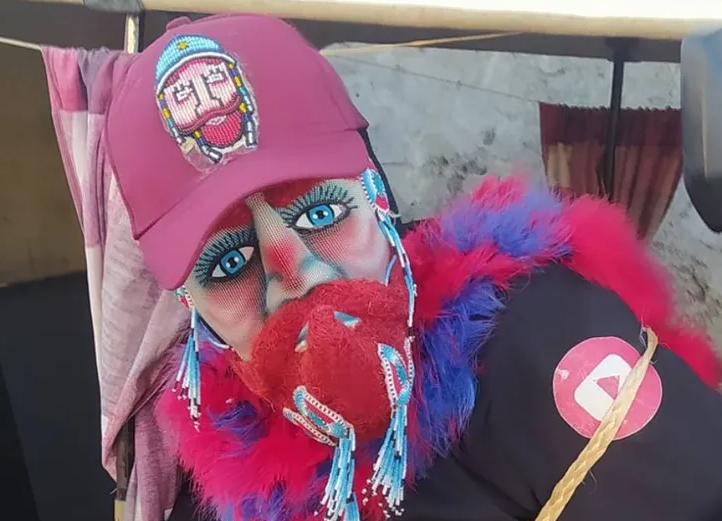
Rubén Ortega, – Super Chinelo
The term “Chinelo” is said to come from the Nahuatl word “zineloquie,” meaning “disguised.” The structure of this word does not seem Nahuatl to me so I did need to investigate.
According to A.I., In Nahuatl, the most common verb for disguising, masking, or transforming oneself is nahualtia. Other specific terms depend on the context of the disguise, such as hiding, tricking, or traditional performance.
Common Nahuatl terms relating to “disguise” include:
- Nāhuāltiā: To disguise, camouflage, or mask oneself.
- Motlātihtoc: Something that is hidden or covert.
- Zineloquie / Tzineloquie: An older term often associated with the traditional, masked Chinelos dancers of Morelos, which roughly translates to “disguised” or “he who wears old clothes”
Now the words nahualtia and motlatitoc show up in my Nahuatl dictionaries but the term Zineloquie or Tzineloquie can be found nowhere in these texts. Zineloque in particular is quoted everywhere but I am yet to find any kind of source material for this translation. If anyone out there can point me in the right direction that would be greatly appreciated.
- nahualtia. – Principal English Translation: to hide oneself or protect oneself with something; to hide in the shadows of something; to hide behind someone
- motlatitoc.- Principal English Translation: something hidden, covert
Another writer (Nicole de la Mora) notes that the word Chinelo comes from “tzineloua” which refers to the hip movement that characterises the dance (1). (I couldn’t find a source for this word either), reliable sources for this are difficult to verify
- The dance is defined by a bouncing, rhythmic step emphasising hip movement, giving the performance a lively and distinctive character.
INAH (1) Morelos writes of the Chinelos and adds a little more to its etymology.
- Instituto Nacional de Antropología e Historia – The National Institute of Anthropology and History
According to Ramirez Rocha (& Ramirez Ramirez 2020) the Huehuenches are considered “the origin of the Chinelo.”
“The history of the Chinelo cannot be understood without the Huehuenche, the main character of the carnivals of central Mexico, which emerged at the end of the 17th century” (López, 2016).
Towards the end of the 19th century, the Huehuenche was displaced by the emergence and growing strength of the Tzineloua (Chinelo/hip movement).
Another version, according to the professor and native speaker from Tetelcingo , Tirzo Clemente Jiménez , states that in the Nahuatl language there is the word Chinele , which comes from the roots chichiltek , meaning “red” or “reddish” (referring to the Spaniard’s skin color), and niele , an exclamatory expression of mockery. (Wikipedia – broken reference – although it links to Digital, Milenio 31 de agosto de 2022).
I am in total agreeance with Chichiltik as being the Nahuatl term for the colour red but I have been unable to find either chinele or niele in any of my Nahuatl dictionaries (or Spanish ones for that matter). INPI (1) doubles down in the same article by noting “the word Chinelo derives from the Nahuatl chiniele, which refers to the color of the skin of the ancient Spanish landowners and their attitudes of arrogance.” Again, I can find no reference to the etymology of any of these words (2) (maybe I need better dictionaries)
- Instituto Nacional de los Pueblos Indígenas (National Institute of Indigenous Peoples)
- Chinele, chiniele or niele
As the chinelo tradition expanded, it began to overshadow other ritual expressions, sometimes displacing older forms such as the Huehuenches in certain communities. Nevertheless, the underlying cosmological logic remained intact. Both Huehuenches and chinelos continued to embody the presence of ancestors, the forces of nature, and the enduring relationship between community, landscape, and the sacred.
In essence, the evolution from pre-Hispanic religious concepts to contemporary ritual expressions reveals not a rupture but a continuity shaped by adaptation. The sacred geography of hills and water, the enduring presence of ancestral spirits, and the performative enactment of these beliefs through dance and festival all demonstrate the resilience of Mesoamerican worldviews. Even as historical circumstances changed, these traditions preserved a profound understanding of the interconnectedness of life, death, environment, and community.
Huehueteotl is the “old God” of the Aztec pantheon. He is the oldest of the Mexica gods and is also the patron of fire. He is characteristically depicted as an aged or even decrepit being, often with a beard.
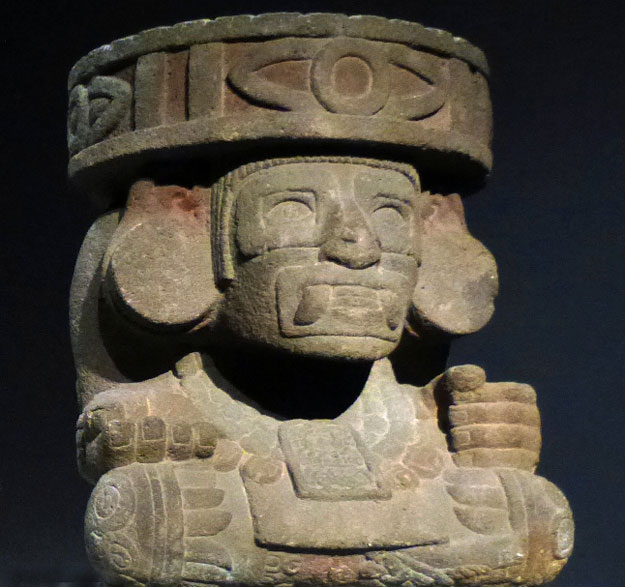
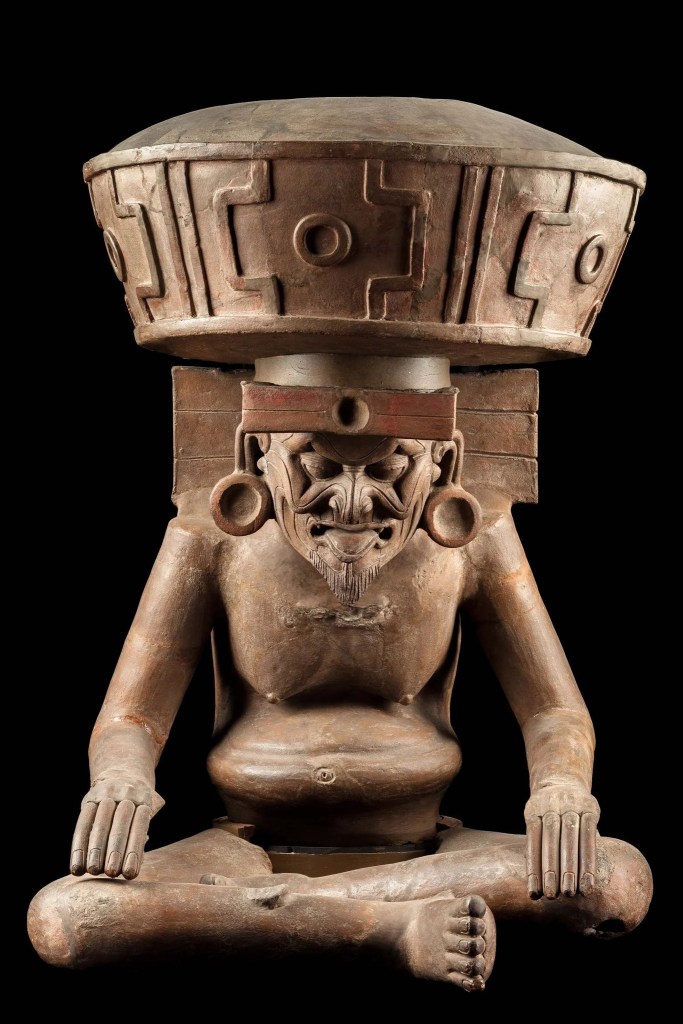
In modern Mexican folklore and regional arts, Huehuetéotl and the Chinelo are frequently paired together. The image of the Old Fire God (holding a brazier or bearing the “fire” of the community) is frequently incorporated into the headpieces of Chinelo costumes during traditional Mexican carnivals. This fusion bridges the ancient cosmic deities with modern, subversive folk celebrations.
A Living Continuity
Ultimately, the Chinelo is far more than a Carnival character. It is the product of centuries of adaptation, blending pre-Hispanic cosmology, colonial resistance, and evolving social realities. From the sacred mountains of Tlalocan to the streets of modern Mexican festivals, the tradition embodies a remarkable continuity.
Even today, the figure of the Chinelo retains its dual nature: playful and irreverent on the surface, yet deeply meaningful beneath. It continues to mock authority, challenge social hierarchies, and celebrate community identity, while also echoing ancient relationships between people, land, and the unseen world.
Through dance, disguise, and satire, the Chinelo carries forward an enduring message: that culture survives not by remaining unchanged, but by transforming—while still remembering where it came from.
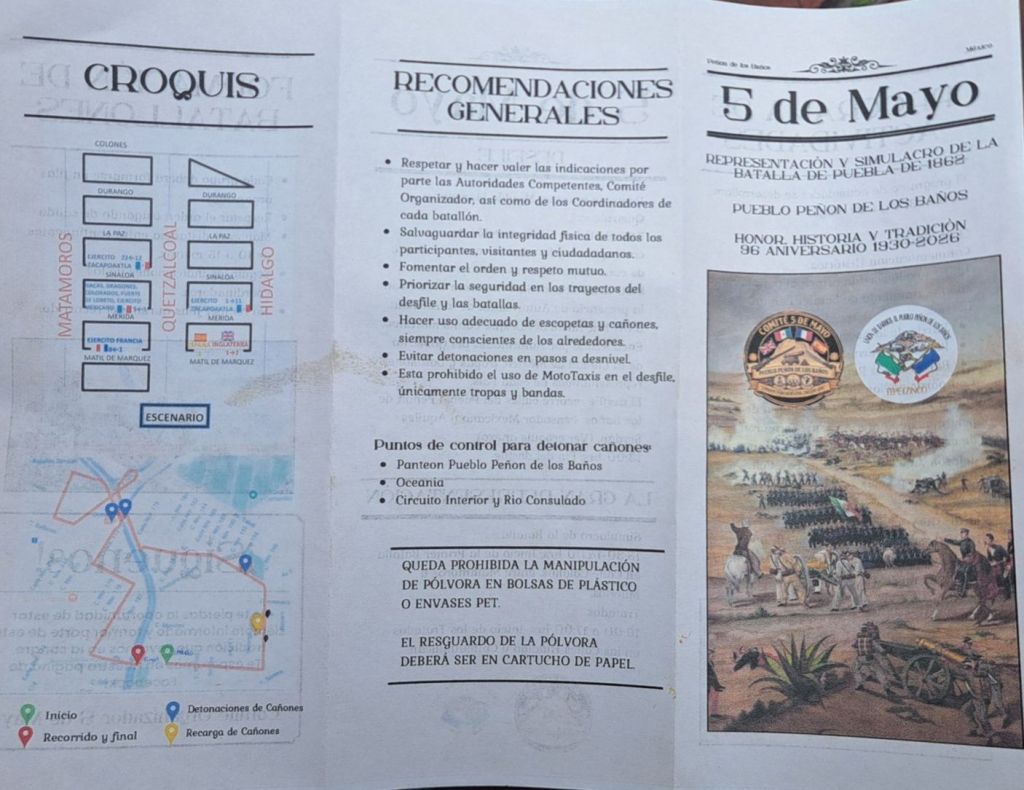
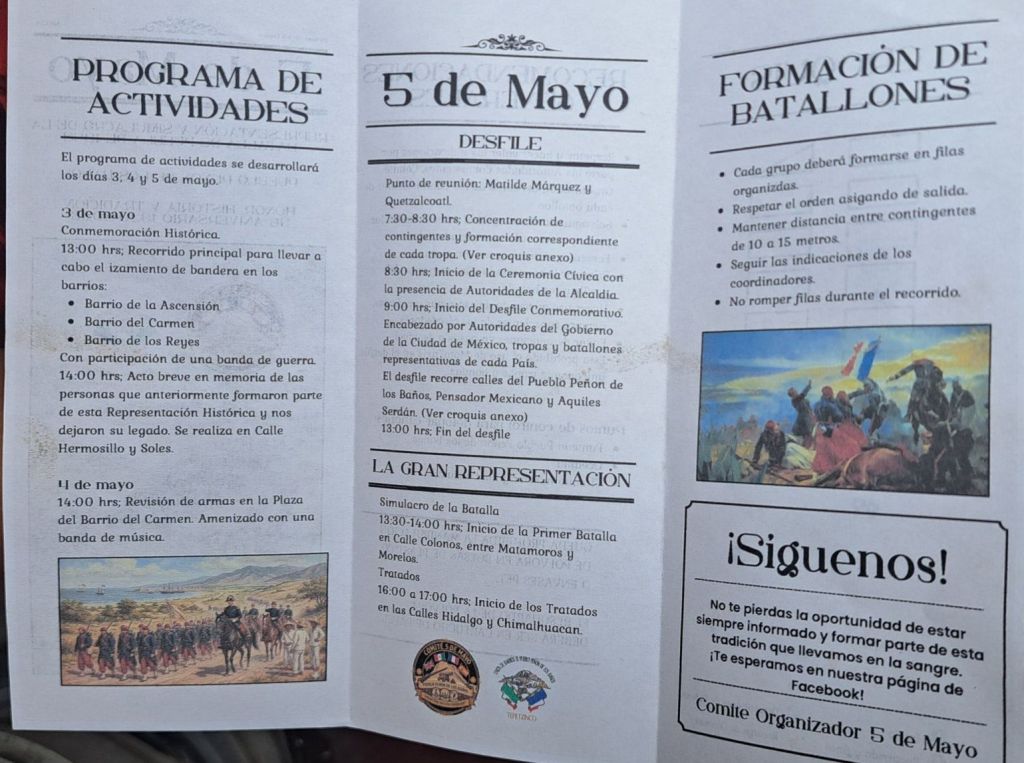
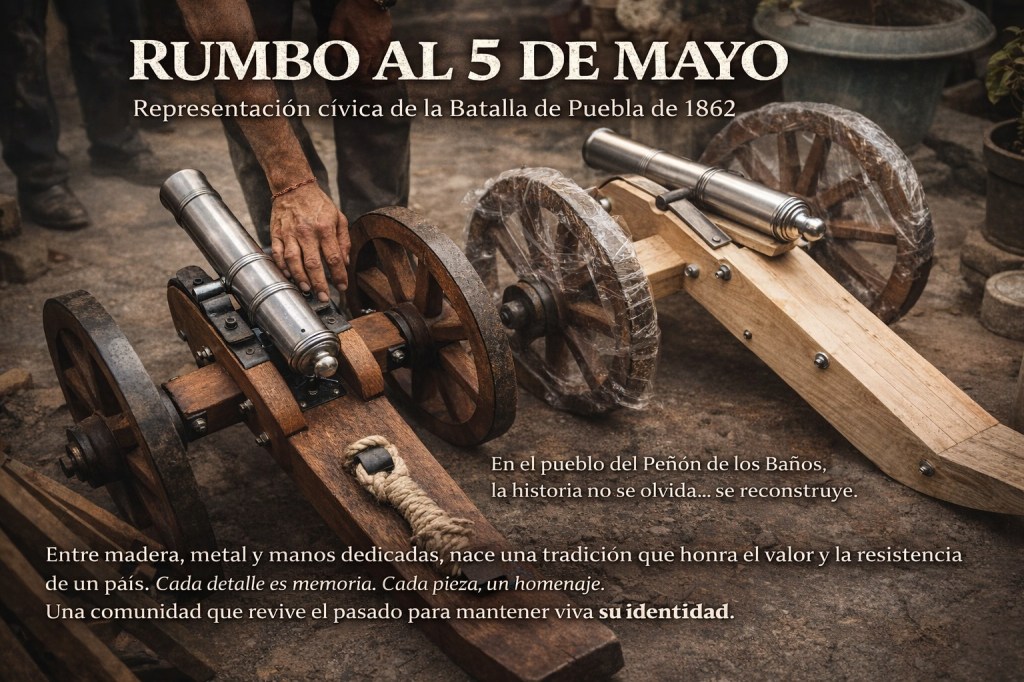
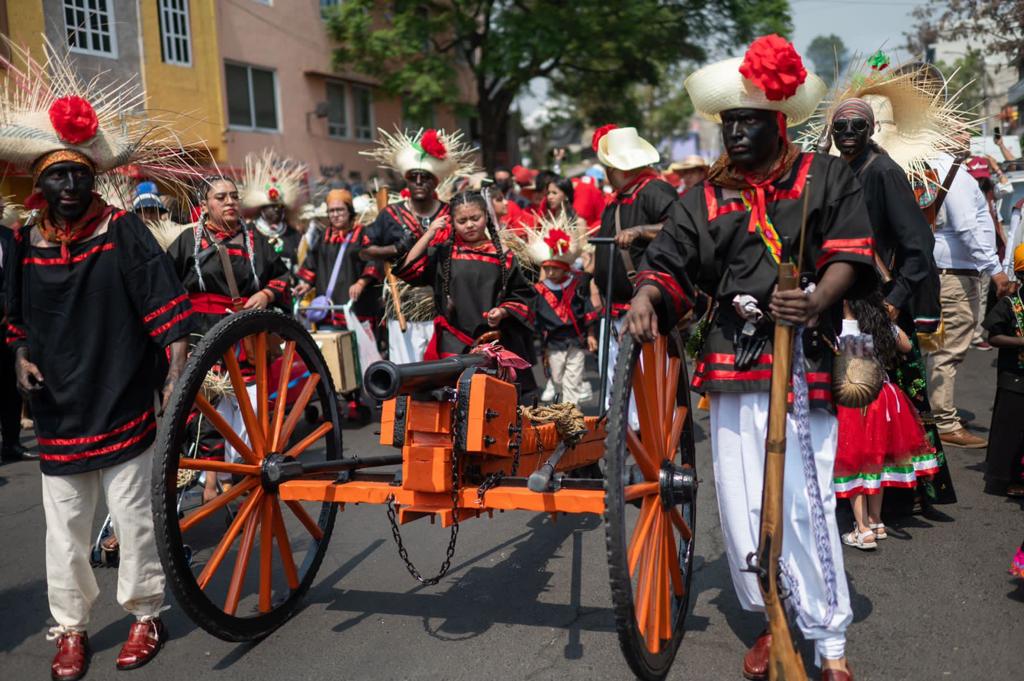
Another large event held here is the celebration of Cinco de Mayo and the famous battle in which the French were soundly beaten by an army of largely Mexican campesinos (peasants)
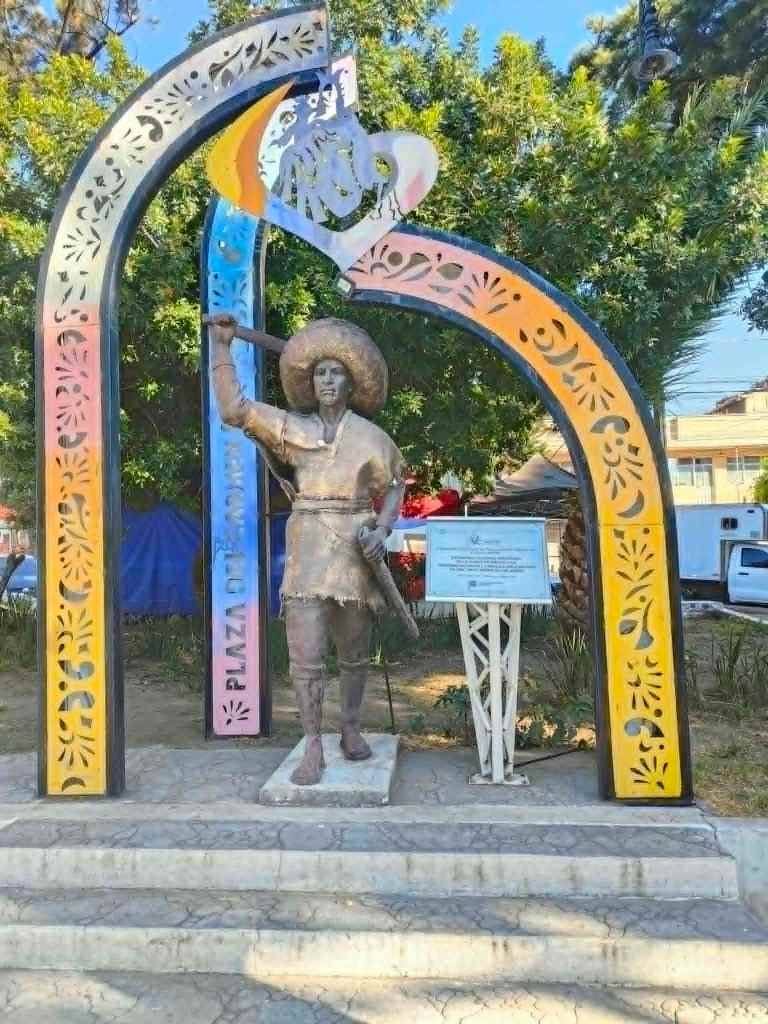
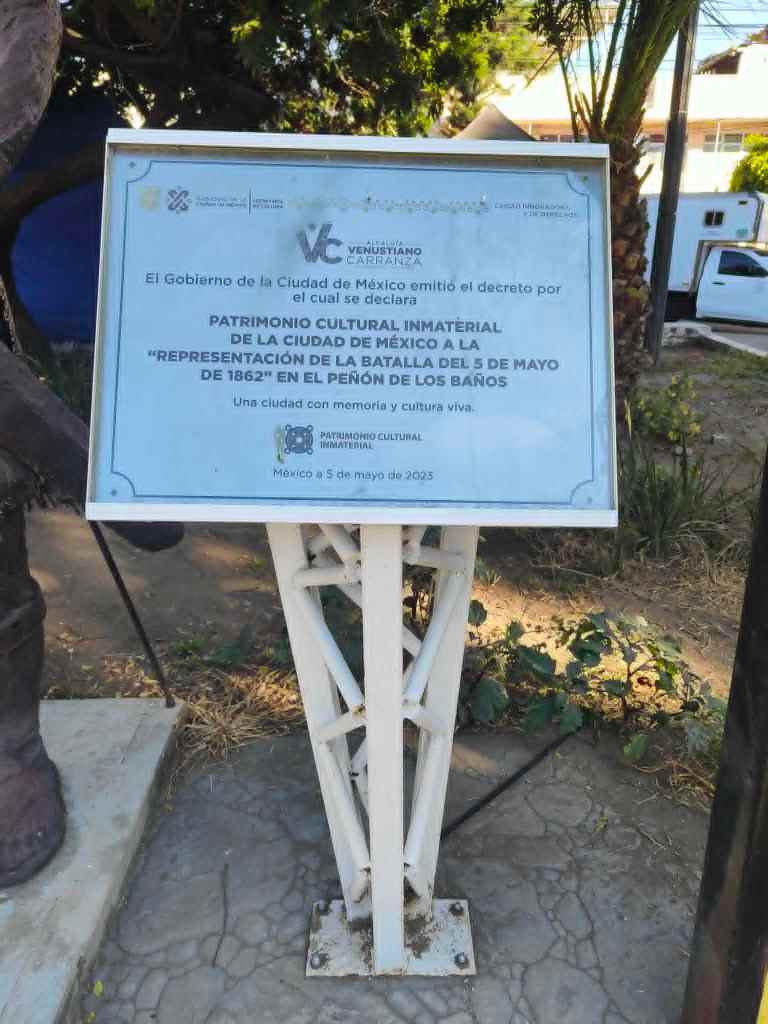
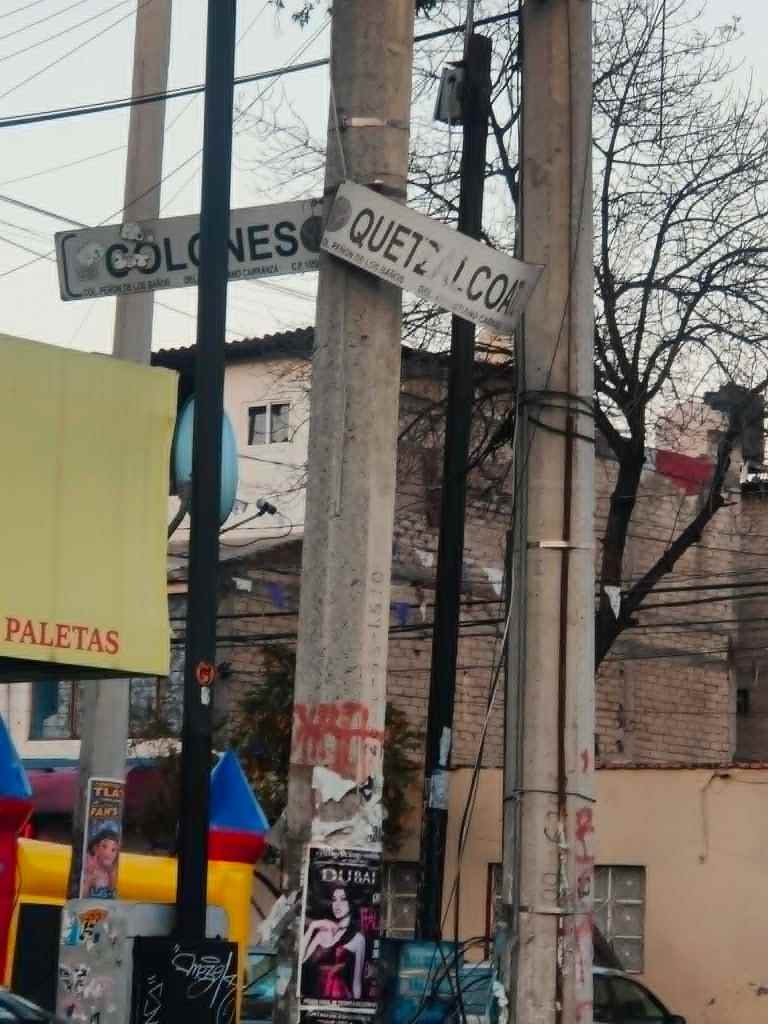
I did not get the chance to bathe Peñón de los Baños. Hell, I didn’t even know the baths existed until I returned to Australia. I chose the area to stay due to its easily walkable distance from the airport and the affordable accommodation run by a group of women at Alo México, 105 Colones, Venustiano Carranza.
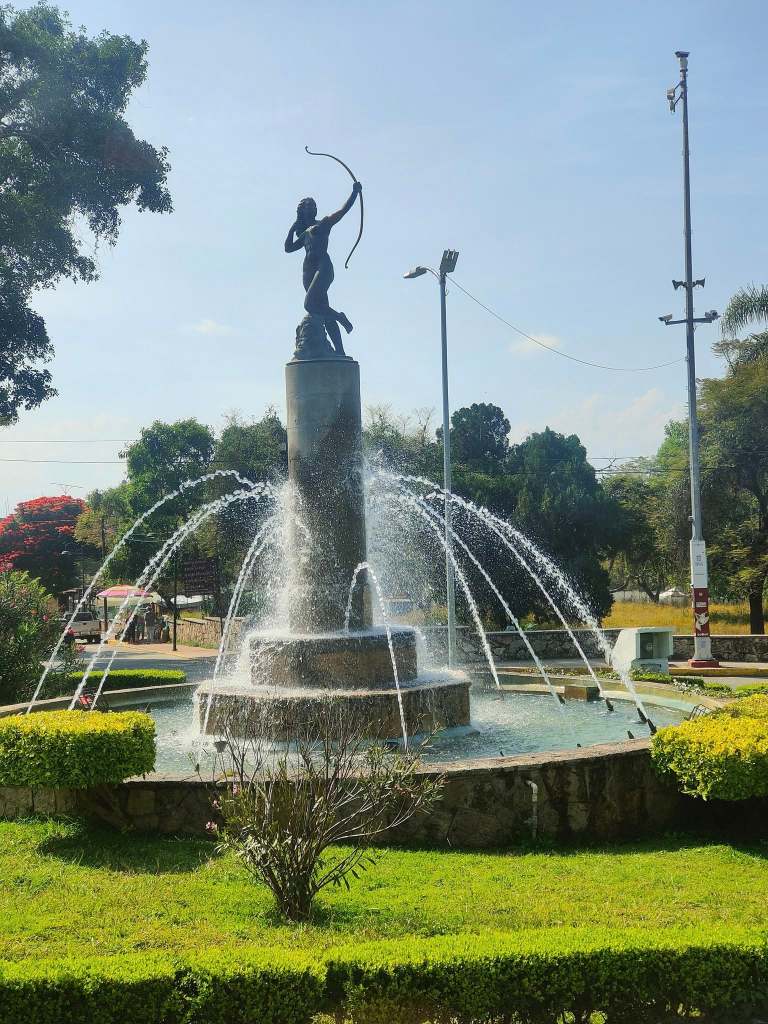
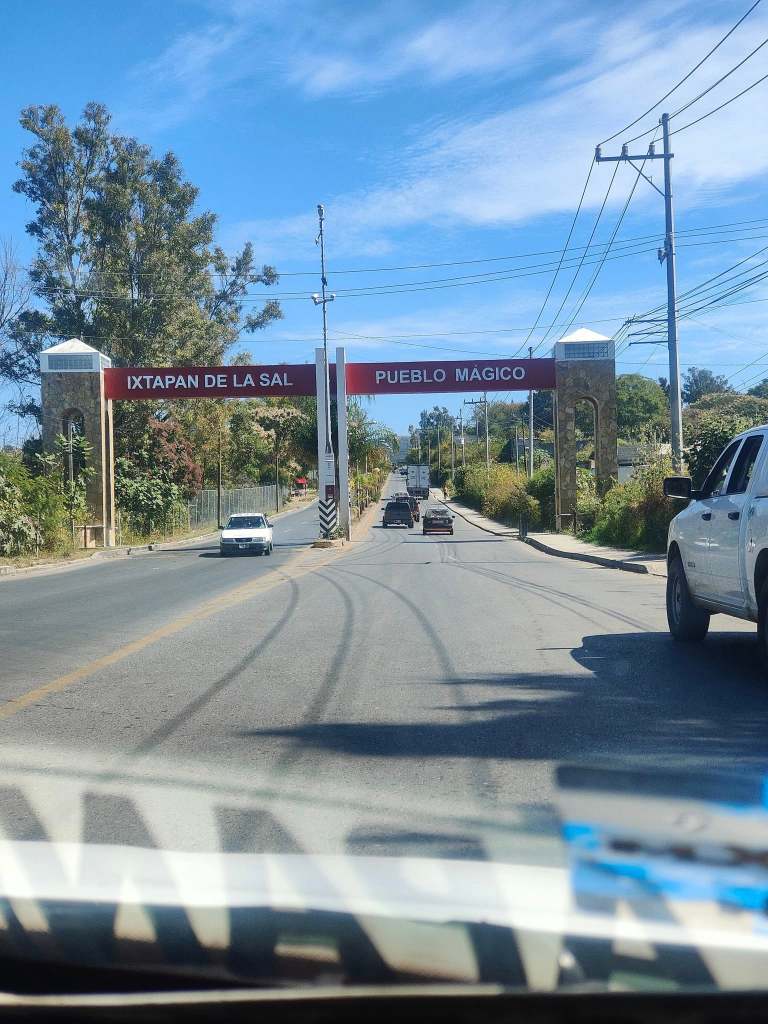
I did however get to sample Mexico’s healing waters when mi amigo Cesar took me to Ixtapan de la Sal and the spa town of Totanico. I took no pictures inside the venue as it seemed intrusive to do so.
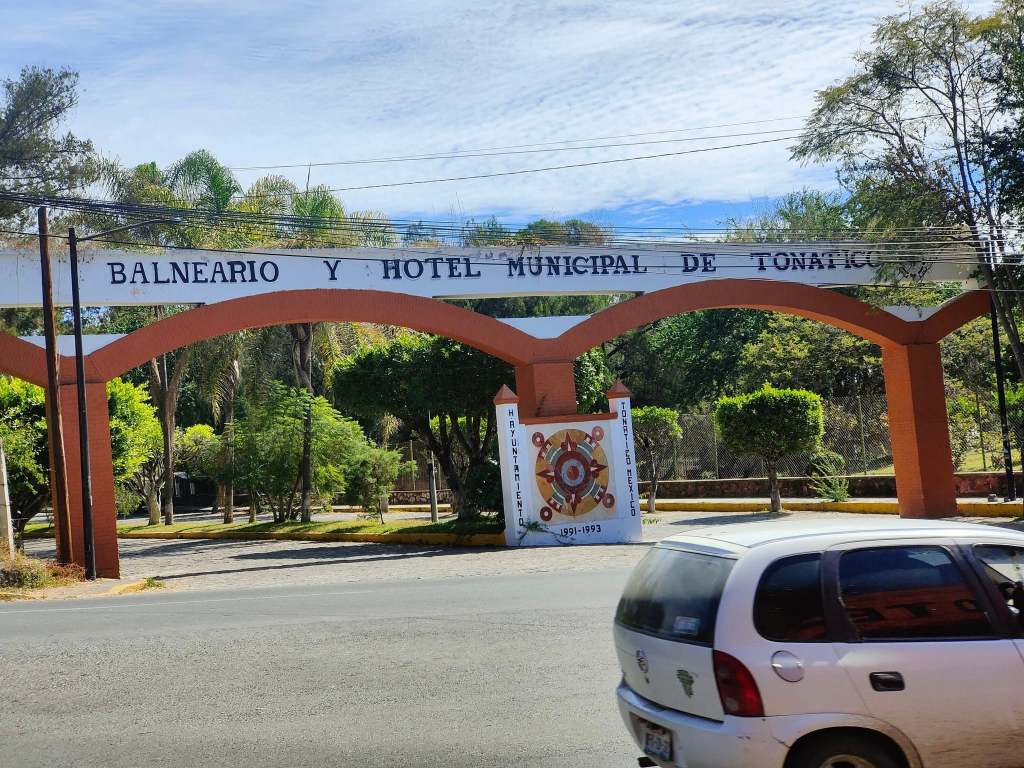
References
- Antunes JDM, Daher DV, Giaretta VMDA, Ferrari MFM, Posso MBS (2019) Hydrotherapy and crenotherapy in the treatment of pain: Integrative review. BrJP 2:87–98. 10.5935/2595-0118.20190033 10.5935/2595-0118.20190033
- Aveleyra Arroyo de Anda, L. (2005). El Peñón de los Baños y la leyenda de Copil (1. ed.). Instituto Nacional de Antropología e Historia.
- Aydin S, Aydin S, Kuloglu T, Yilmaz M, Kalayci M, Sahin I, Cicek D (2013) Alterations of irisin concentrations in saliva and serum of obese and normal-weight subjects, before and after 45 min of a Turkish bath or running. Peptides 50:13–18. 10.1016/j.peptides.2013.09.011 10.1016/j.peptides.2013.09.011
- Bancroft, H. H. (1883). The works of Hubert Howe Bancroft. Volume V. The native races. Vol. V. Primitive history. San Francisco: A.L. Bancroft. (Original work published 1874-1875).
- Bernetti A, Mangone M, Alviti F, Paolucci T, Attanasi C, Murgia M, Di Sante L, Agostini F, Vitale M, Paoloni M (2020) Spa therapy and rehabilitation of musculoskeletal pathologies: a proposal for best practice in Italy. Int J Biometeorol 64:905–914. 10.1007/s00484-019-01731-z 10.1007/s00484-019-01731-z
- Borroni G, Brazzelli V, Fornara L, Rosso R, Paulli M, Tinelli C, Ciocca O (2013) Clinical, pathological and immunohistochemical effects of arsenical-ferruginous spa waters on mild-to-moderate psoriatic lesions: a randomized placebo-controlled study. Int J Immunopathol Pharmacol 26:495–501. 10.1177/039463201302600223 10.1177/039463201302600223
- Castañeda, F., Análisis de peligros por procesos de remoción en masa en estructuras volcánicas. Peñón de los Baños y Peñón del Marqués, Distrito Federal. Master’s Thesis, Instituto Politécnico Nacional: Mexico City, pp. 121, 2011.
- Cortés Palma, Ó. (2022). LIBRO: TECUAN. DANZA COMEDIA (11 parte de 20). LIBRO: TECUAN. DANZA COMEDIA (11 Parte De 20).
- Crewe, Ryan Dominic (2019). The Mexican Mission: Indigenous Reconstruction and Mendicant Enterprise in New Spain, 1521–1600. Cambridge University Press. pp. 56–70. ISBN 9781108492546.
- Eakin, Hallie & Baeza, Andres & Bojórquez-Tapia, Luis & Flores, Shalae & Parajuli, Jagadish & Grave, Ileana & Estrada, Alejandra & Hernandez, Bertha. (2020). Expressions of collective grievance as a feedback in multi-actor adaptation to water risks in Mexico City. Regional Environmental Change. 20. 10.1007/s10113-020-01588-8.
- Fioravanti A, Cantarini L, Guidelli GM, Galeazzi M (2011) Mechanisms of action of spa therapies in rheumatic diseases: what scientific evidence is there? Rheumatol Int 31:1–8. 10.1007/s00296-010-1628-6 10.1007/s00296-010-1628-6
- Grosofogel, Ramón. (2007) El giro decolonial. Reflexiones para ua diversidad epistémica más allá del capitalismo global.Bogotá, Ed Siglo del hombre-Universidad Central.
- Hernández Ayala, Gretta. (2021) Peñón de los baños : https://www.revistadelauniversidad.mx/articles/c0b1b14b-ce9d-4fcd-b3f5-706cac47f06e/penon-de-los-banos
- Huang A, Seité S, Adar T (2018) The use of balneotherapy in dermatology. Clin Dermatol 36:363–368. 10.1016/j.clindermatol.2018.03.010 10.1016/j.clindermatol.2018.03.010
- Kohn LT, Corrigan JM, Donaldson MS, editors. To Err is Human: Building a Safer Health System. Washington (DC): National Academies Press (US); 2000. 2, Errors in Health Care: A Leading Cause of Death and Injury. Available from: https://www.ncbi.nlm.nih.gov/books/NBK225187/
- Lassen, Claus & Galland, Daniel. (2014). The Dark Side of Aeromobilities: Unplanned Airport Planning in Mexico City. International Planning Studies. 19. 10.1080/13563475.2013.876913.
- Lee YB, Lee JY, Lee HJ, Yun ST, Lee JT, Kim HJ, Yu DS, Woo SY, Kim JW (2014) Immunomodulatory effects of balneotherapy with hae-un-dae thermal water on imiquimod-induced psoriasis-like murine model. Ann Dermatol 26:221–230. 10.5021/ad.2014.26.2.221
- Liang J, Kang D, Wang Y, Yu Y, Fan J, Takashi E (2015) Carbonate ion-enriched hot spring water promotes skin wounf healing in nude rats. PLoS ONE 10:e0117106. 10.1371/journal.pone.0117106 10.1371/journal.pone.0117106
- López, Armando, (2016). El carnaval en Morelos. De la resitencia a la invención de la tradición (1867-1969).Morelos, Ediciones Libertad Bajo Palabra.
- Madeira S, Melo M, Porto J, Monteiro S, Pereira de Moura JM, Alexandrino MB, Moura JJ. The diseases we cause: Iatrogenic illness in a department of internal medicine. Eur J Intern Med. 2007 Sep;18(5):391-9. doi: 10.1016/j.ejim.2006.12.009. Epub 2007 Jun 27. PMID: 17693227.
- Montesinos, Edith & Domínguez-Ramírez, Norberto & Montejano-Castillo, Milton. (2022). Flood Risk in Times of COVID-19, Peñón de los Baños, Venustiano Carranza, Mexico City, Mexico. International Journal of Environmental Impacts: Management, Mitigation and Recovery. 5. 216-226. 10.2495/EI-V5-N3-216-226.
- Morales Sandoval, José de Jesús (2017) A prehispanic botanical garden in Mexico: History and Evidence. CACTUS-AVENTURES International N° 1-2017 (International CACTUS-ADVENTURES)
- Nissen JB, Avrach WW, Hansen ES, Stengaard-Pedersen K, Kragballe K (1998) Increased levels of enkephalin following natural sunlight (combined with salt water bathing at the Dead Sea) and ultraviolet A irradiation. Br J Dermatol 139:1012–1019. 10.1046/j.1365-2133.1998.02557.x 10.1046/j.1365-2133.1998.02557.x
- Noguez, Xavier (2001). “Altepetl”. In Carrasco, David (ed.). The Oxford Encyclopedia of Mesoamerican Cultures: The Civilizations of Mexico and Central America. Vol. 1. Oxford University Press. pp. 12–13. ISBN 0-19-510815-9. OCLC 44019111.
- Otero Peña, Daniel & Perrotti, Daniela & Mohareb, Eugene. (2022). Advancing urban metabolism studies through GIS data: Resource flows, open space networks, and vulnerable communities in Mexico City. Journal of Industrial Ecology. 26. 10.1111/jiec.13261.
- Oyama J, Kudo Y, Maeda T, Node K, Makino N (2013) Hyperthermia by bathing in hot spring improves cardiovascular functions and reduces the production of inflammatory cytokines in patients with chronic heart failure. Heart Vessels 28:173–178. 10.1007/s00380-011-0220-7 10.1007/s00380-011-0220-7
- Peer RF, Shabir N. Iatrogenesis: A review on nature, extent, and distribution of healthcare hazards. J Family Med Prim Care. 2018 Mar-Apr;7(2):309-314. doi: 10.4103/jfmpc.jfmpc_329_17. PMID: 30090769; PMCID: PMC6060929.
- Protano C, Vitali M, De Giorgi A, Marotta D, Crucianelli S, Fontana M. Balneotherapy using thermal mineral water baths and dermatological diseases: a systematic review. Int J Biometeorol. 2024 Jun;68(6):1005-1013. doi: 10.1007/s00484-024-02649-x. Epub 2024 Mar 26. PMID: 38530467; PMCID: PMC11108950.
- Qiu Y, Zhu Y, Jia W, Chen S, Meng Q (2014) Spa adjuvant therapy improves diabetic lower extremity arterial disease. Complement Ther Med 22:655–661. 10.1016/j.ctim.2014.05.003 10.1016/j.ctim.2014.05.003
- Ramírez Rocha, Tania & Ramírez Ramírez, Patricia (2020) La participación de la niñez en los huehuenches de Tlayacapan : SUPLEMENTO CULTURAL EL TLACUACHE / NÚMERO 926 : Centro INAH Morelos : Viernes 27 de marzo, 2020
- Rodrigues L, Ekundi-Valentim E, Florenzano J, Cerqueira AR, Soares AG, Schmidt TP et al (2017) Protective effects of exogenous and endogenous hydrogen sulfide in mast cell-mediated pruritus and cutaneous acute inflammation in mice. Pharmacol Res 15:255–266. 10.1016/j.phrs.2016.11.006 10.1016/j.phrs.2016.11.006
- Ruíz Rodríguez, C. M. (2022). EL PEÑON DE LOS BAÑOS. UN PUEBLO ORIGINARIO TRANSFORMADO POR EL DEVENIR URBANO Y LA MODERNIDAD DEL SIGLO XX. EL PEÑON DE LOS BAÑOS. UN PUEBLO ORIGINARIO TRANSFORMADO POR EL DEVENIR URBANO Y LA MODERNIDAD DEL SIGLO XX.
- Sacerdote P, Gaspani L, Panerai AE (2001) Role of beta-endorphin in the modulation of immune responses: perspectives in autoimmune diseases. Adv Exp Med Biol 493:137–142. 10.1007/0-306-47611-8_16 10.1007/0-306-47611-8_16
- Seiferle-Valencia, Ann Clair (2007). Cave, City, and Eagle’s Nest: An Interpretive Journey Through the Mapa de Cuauhtinchan No. 2, Volume 2. University of New Mexico Press. p. 82. ISBN 9780826342836.
- Uzunoglu E, Yentur S, Kayar AH, Turan M, Donmez A, Direskeneli GS, Erdogan N (2017) Effect of mild heat stress on heat shock protein 70 in a balneotherapy model. Eur J Integr Med 9:86–90. 10.1016/j.eujim.2016.11.014 10.1016/j.eujim.2016.11.014
Websites
- Asesinan a youtuber Súper Chinelo en Ixtapaluca : https://www.milenio.com/espectaculos/famosos/super-chinelo-asesinan-a-youtuber-en-ixtapaluca Ixtapaluca, Estado de México / 31.08.2022 19:24:00
- Chinelo: Qué es y cuál es su origen : https://www.milenio.com/cultura/chinelo-que-es-y-cual-es-su-origen Mexico City / 31.08.2022 21:14:36
- Detail of a map showing the now Pueblo Peñón de los Baños circa 1932 : Tlacuache Urbano : neotdSrpsoh2ay4chca100206 raJ0696t8h7h2lf1nuitahm0glgu6t737c ·
- Digital, Milenio (31 de agosto de 2022). «Chinelo: qué es y cuál es su origen». Grupo Milenio. Consultado el 23 de diciembre de 2023.
- El Peñón de los baños, las últimas aguas termales de la Ciudad de México : https://www.mexicodesconocido.com.mx/penon-de-los-banos.html
- Fiesta de Chinelos en el Museo Indígena de la CDI. Nahuas de Morelos. : https://www.gob.mx/inpi/es/agenda/fiesta-de-chinelos-en-el-museo-indigena-de-la-cdi-nahuas-de-morelos
- Historia del pueblo peñon de los baños (map) Tlatuani, CC BY-SA 4.0 <https://creativecommons.org/licenses/by-sa/4.0>, via Wikimedia Commons
- Hubo colgado en Xoxocoitla (There was a hanging in Xoxocotla) : Mochicuani Periodismo Digital FEB 24 2026. https://mochicuani.com/2026/02/hubo-colgado-en-xoxocotla/
- Instituto de Investigaciones Históricas : Tercera temporada 2025 : Episodio 4 : El Peñón de las delicias : https://historicas.unam.mx/comunicacion-publica/podcast/el-penon-de-las-delicias
- motlatitoc.- https://nahuatl.wired-humanities.org/content/motlatitoc
- nahualtia. – https://nahuatl.wired-humanities.org/content/nahualtia
- Original Villages: Peñon de los Baños, Hill of the Baths, Part I: Rebirth of a Pueblo : https://mexicocityperambulations.blogspot.com/2019/06/original-villages-penon-de-los-banos.html
- Peñón de los Baños : https://gramo.mx/en/blogs/cronicas-cdmx/penon-de-los-banos?srsltid=AfmBOorckevJnidMJcoxj4vDHPCW2N_QBhO3FfwaNGt3e72ww3XqiGej
- Peñón de los Baños : https://es.hispanopedia.com/wiki/Pe%C3%B1%C3%B3n_de_los_Ba%C3%B1os
- Peñón de los Baños Medicinal Baths : https://mexicocity.cdmx.gob.mx/venues/penon-de-los-banos-medicinal-baths/?lang=en
- Peñón de los Baños: Why does one of the oldest neighborhoods in Mexico City have this peculiar name? : https://www.infobae.com/mexico/2023/08/12/penon-de-los-banos-por-que-lleva-este-peculiar-nombre-uno-de-los-barrios-mas-antiguos-de-la-cdmx/
- Peñón del Marqués (Peñón Viejo) : https://mexicocity.cdmx.gob.mx/venues/penon-marques/?lang=en
- Vaqueritos – Oscar Cortés Palma: History of the southern borders of Morelos and Puebla – https://axochiapancultural.blogspot.com/2021/02/fotos-de-los-vaqueritos-del-ano-1910.html

