
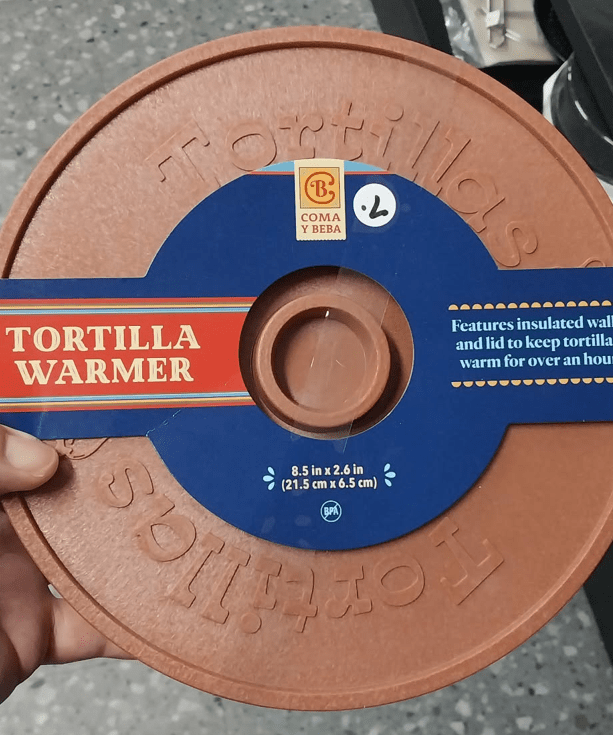
It never once crossed my mind until I came across this tortilla warmer
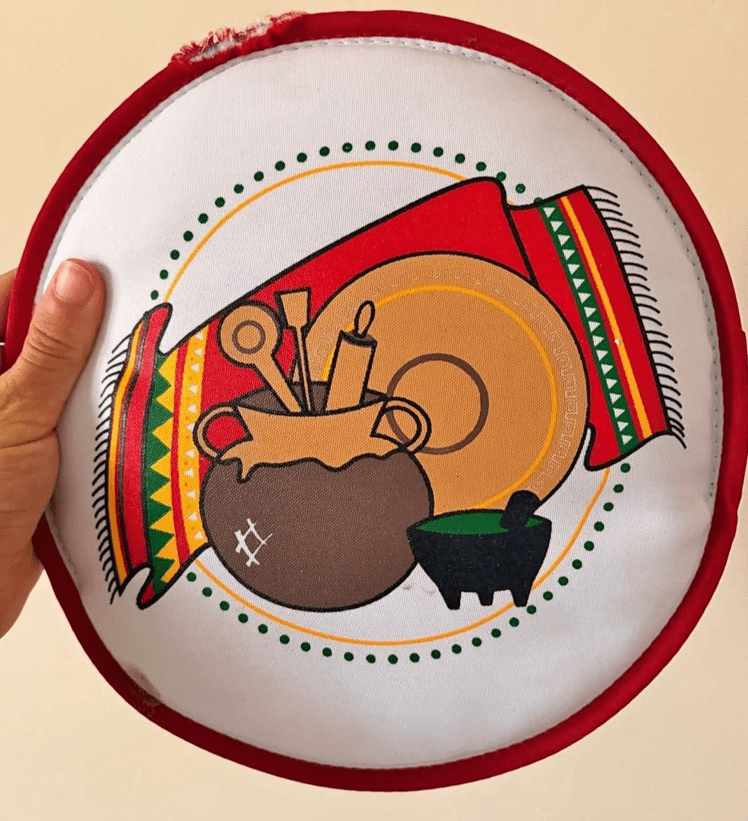
I found it on Facebook Marketplace and was immediately drawn to its 1970’s aesthetic. My initial reaction was to frame it like the piece of art that it is and display it rather than use it for its intended purpose. It was this “intended purpose” that slowed me down and got me thinking on the history of the object.
Up until now. This was my primary method of keeping tortillas warm.
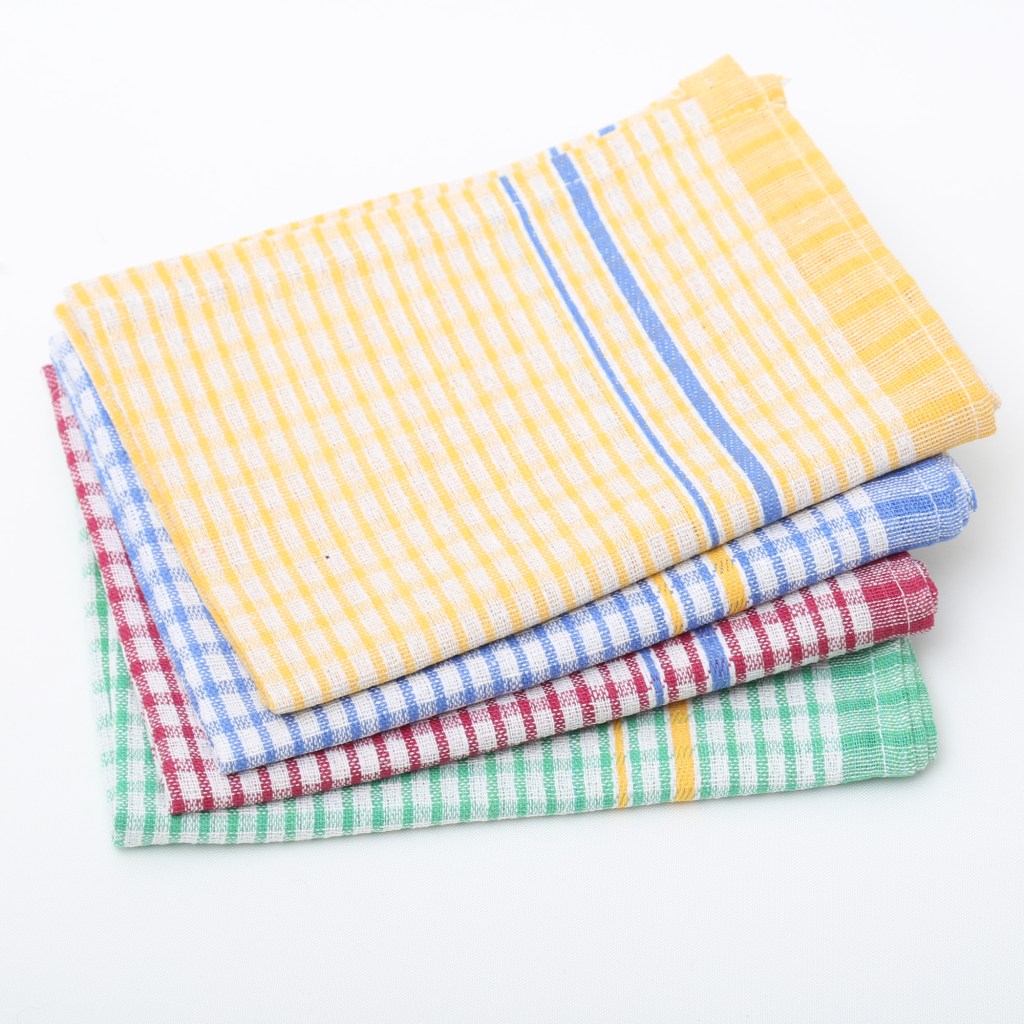
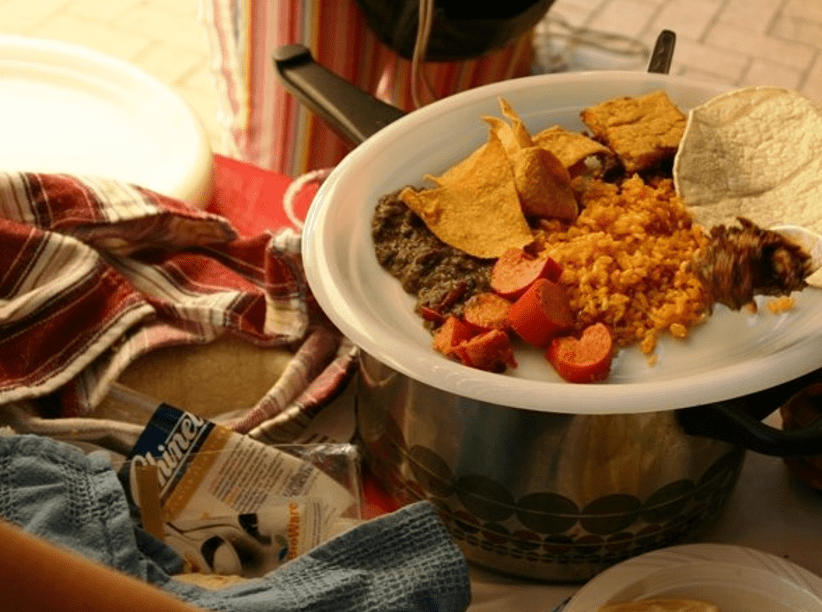
….or maybe this.
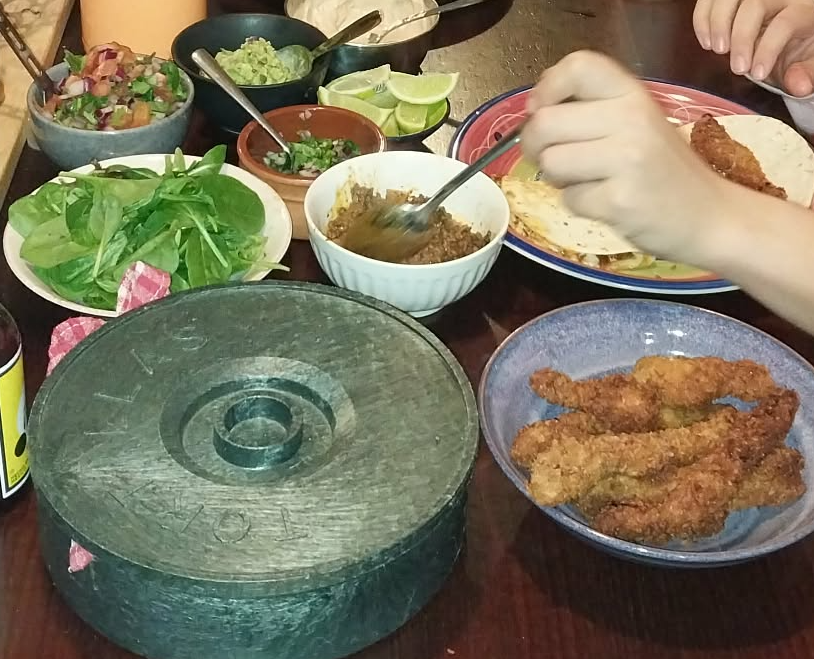
Now theres no reason to think that mesoamericans didnt use tea towels to keep their tortillas warm as they did have cotton (1) but its use was restricted (2) and its unlikely the material would have been used for something as mundane as keeping tortillas warm
- Where its called ichcatl – The oldest evidence of Gossypium hirsutum in Mesoamerica comes from the Tehuacan valley and has been dated between 3400 and 2300 BC. (Coppens d’Eeckenbrugge & Lacape 2014)
- In Aztec society, textiles indicated social standing. Because raw cotton had to be imported from distant lowlands, wearing cotton garments was a strict privilege of the nobility and warriors.
Definition time
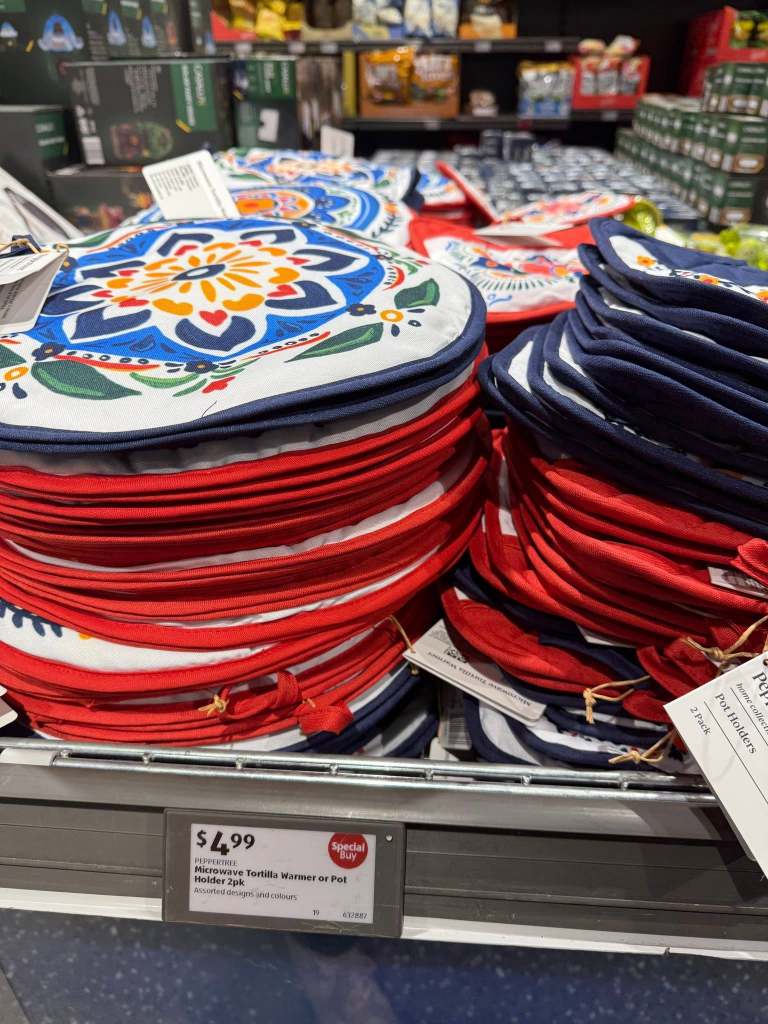
A tortillero (or tortilla warmer) is a container used to keep tortillas hot and (more importantly) soft, during meals. Typically lined with a cloth napkin or towel, these containers can be crafted from various materials like hand-woven palm fronds, insulated fabric, ceramic, or terracotta
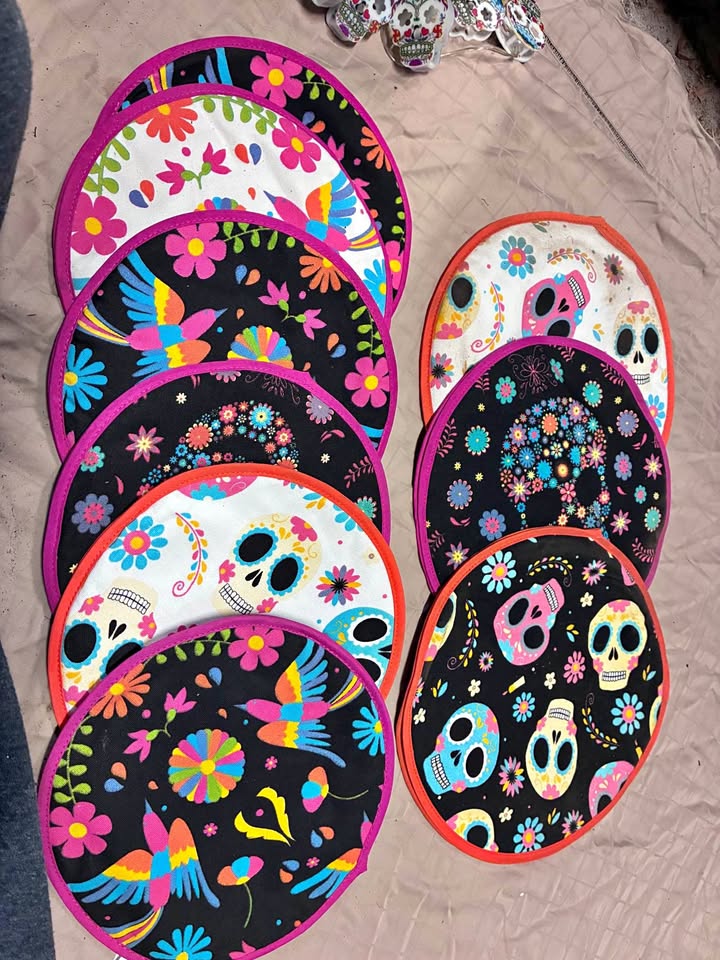
Fabric Warmers: Insulated, often brightly colored cloth pouches with a pocket opening. They are highly effective at retaining heat and are often microwave-safe.
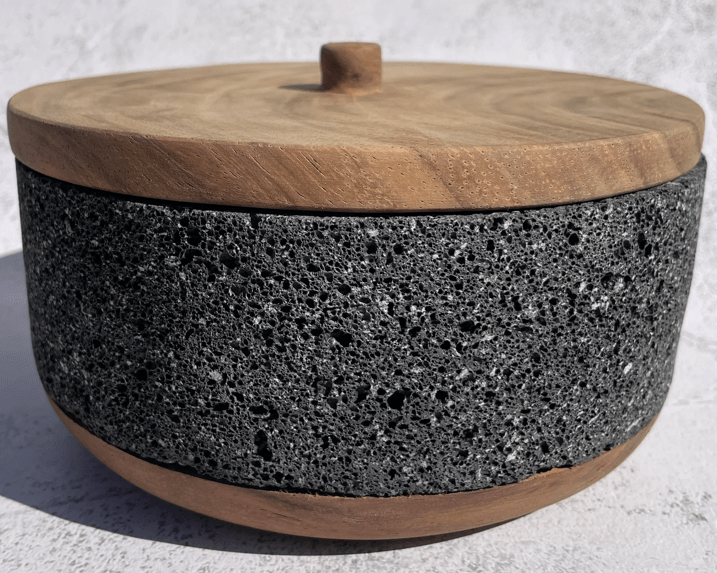
Ceramic & Terracotta: Often hand-painted (like Talavera styles). Some feature a removable stone or terracotta plate that can be preheated in the oven to keep tortillas warm for up to 40 minutes.
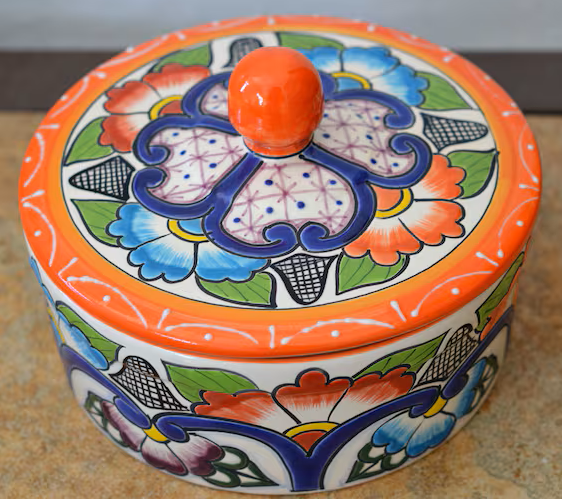
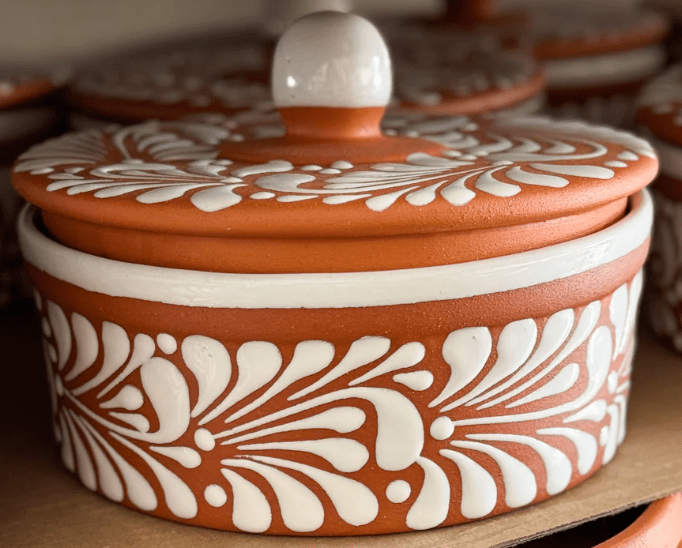
Woven Baskets: Traditionally hand-woven from palm leaves, straw, or plant fibres. They often feature a matching lid and require a fabric liner to trap the steam.
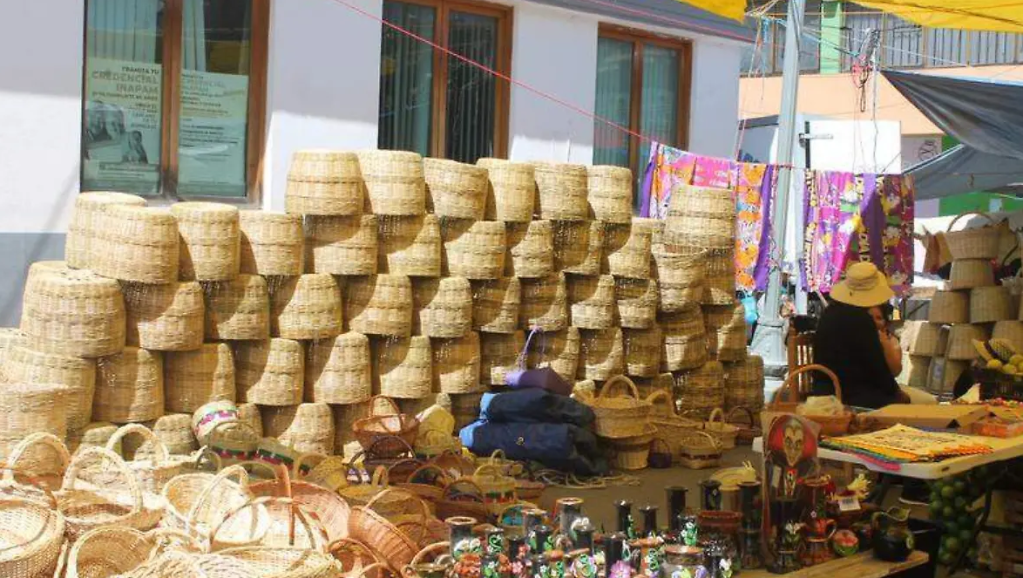
Depending on the region and family, a traditional woven basket tortillero might also be called a tascal (tazcal, taxcal) (common in Guerrero and Michoacán) or a chiquihuite.
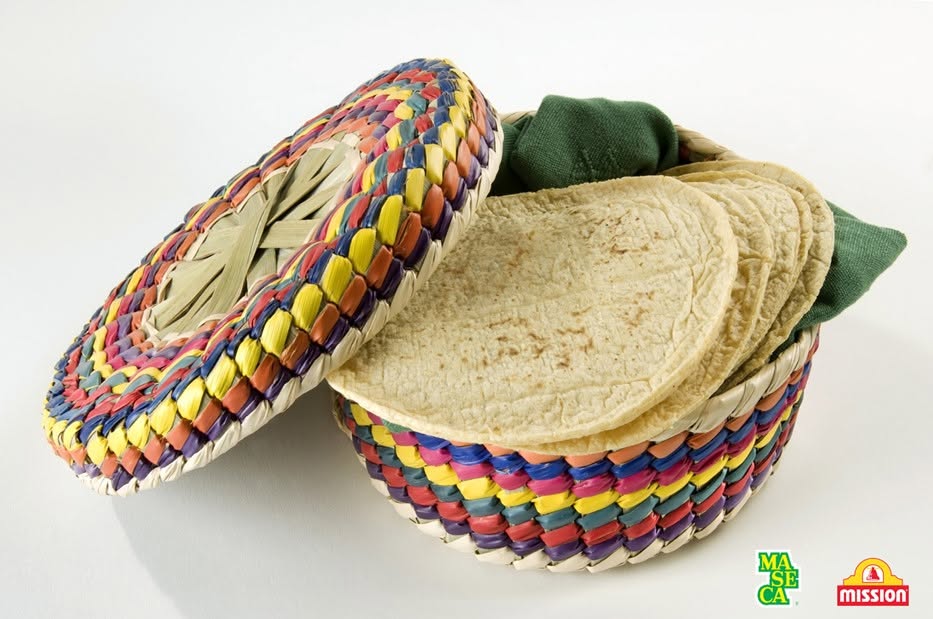
In Mexican cuisine, the chiquihuite is a shallow basket with no handles that has been tightly woven from palm, wicker, carrizo (1), or tule. It is typically lined with a colourful cloth (servilleta) and used to hold fresh corn tortillas, tamales, or bread, retaining their heat and moisture at the dining table
- Arundo donax (giant reed) plant
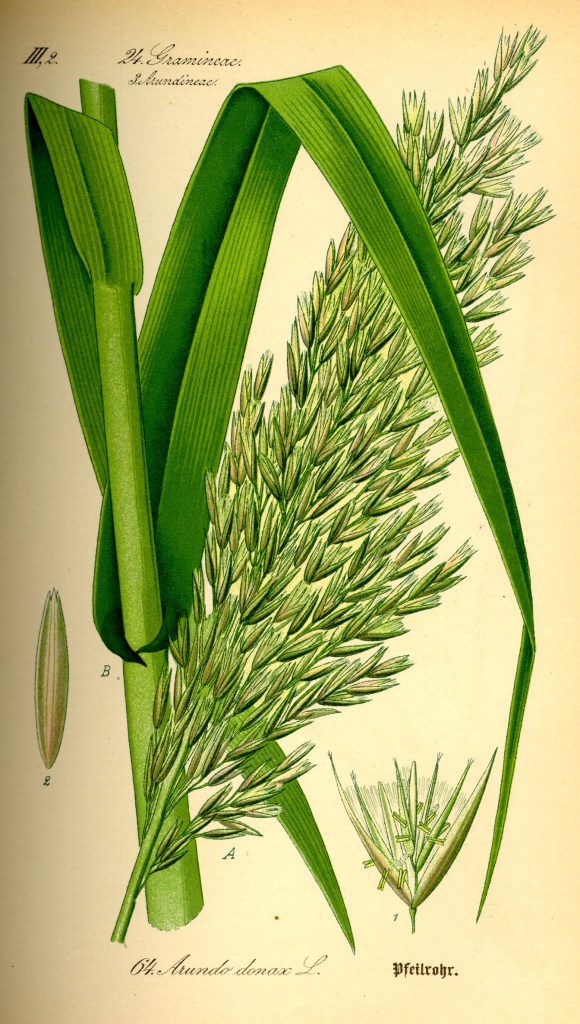
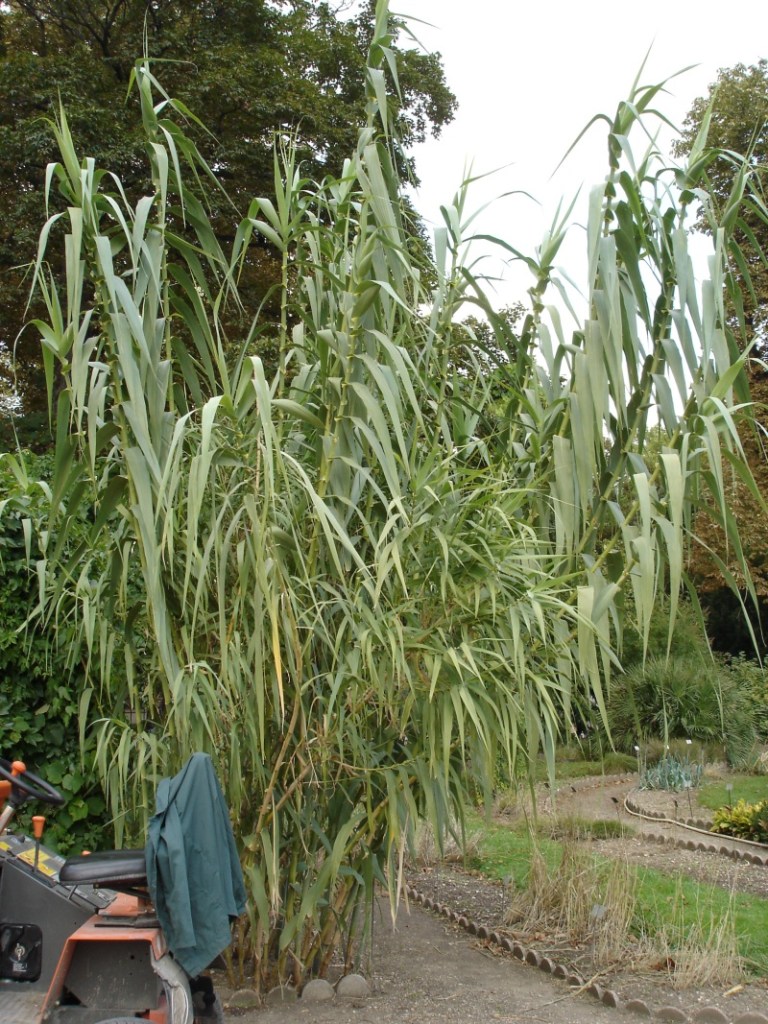
The giant reed has many uses
Floral Arches for the Festival of San Jerónimo, in Coatepec, Veracruz, Mexico
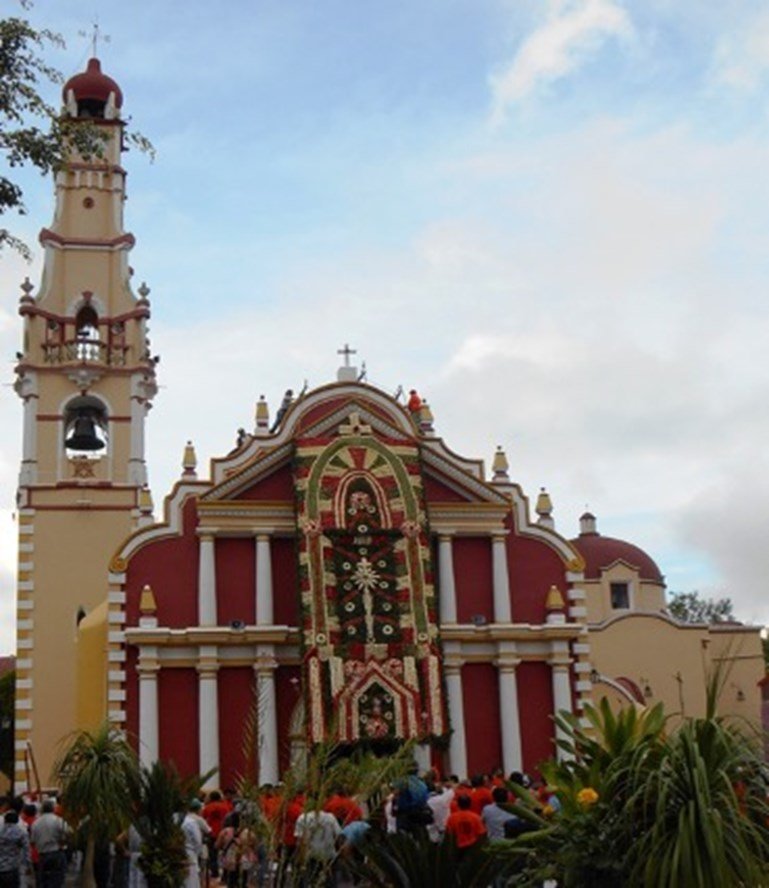
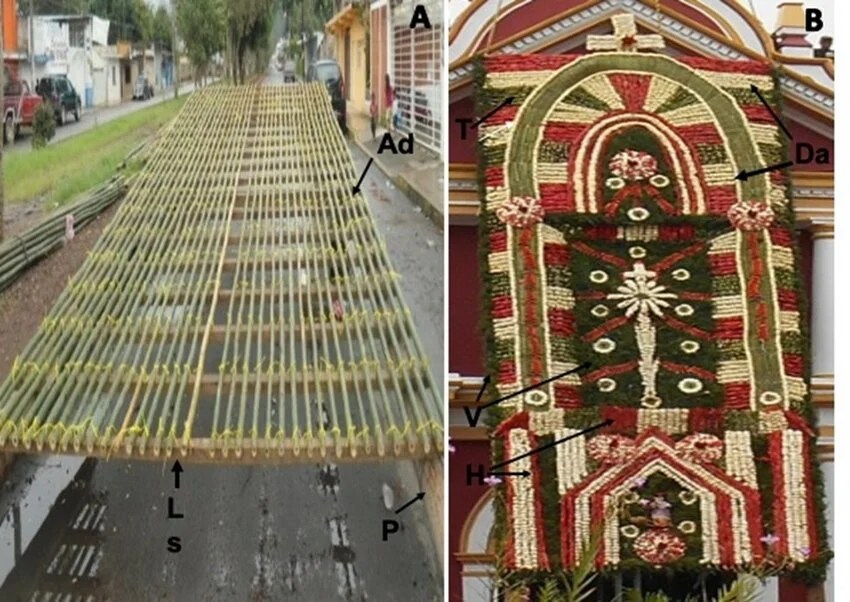
Or, now hear me out, you could make your own. I am not a crafty person in this respect but many of you no doubt will be and, for anyone interested in self reliance then basket weaving is a solid skill to have. What follows are some basic instructions (with no other context) so if you want to have a crack at it then I say have at it. I have no doubt however that it will nat at all be as simple as the instructions that follow
Materials and Preparation
Gather fibres: Collect flexible reed (carrizo) or sturdy otate (native bamboo) strips. Soak or split them carefully so they can bend without snapping.
Cut the ribs: Slice your main support stalks lengthwise to form the rigid base ribs (costilla).
Weaving the Base and Body
Build the star base: Cross and interlace the thick base strips and tie them securely in the centre to form a firm “star” foundation.
Weave the flat bottom: Weave thin flexible reed strips over and under the star spokes in a circular motion until your basket’s flat bottom reaches your desired size.
Raise the walls: Bend the base spokes upward at a 90-degree angle to establish the circular side walls of the basket.
Lock and finish: Continue weaving round and round with fine strips upward, then tuck and lock all loose ends securely into the upper rim.
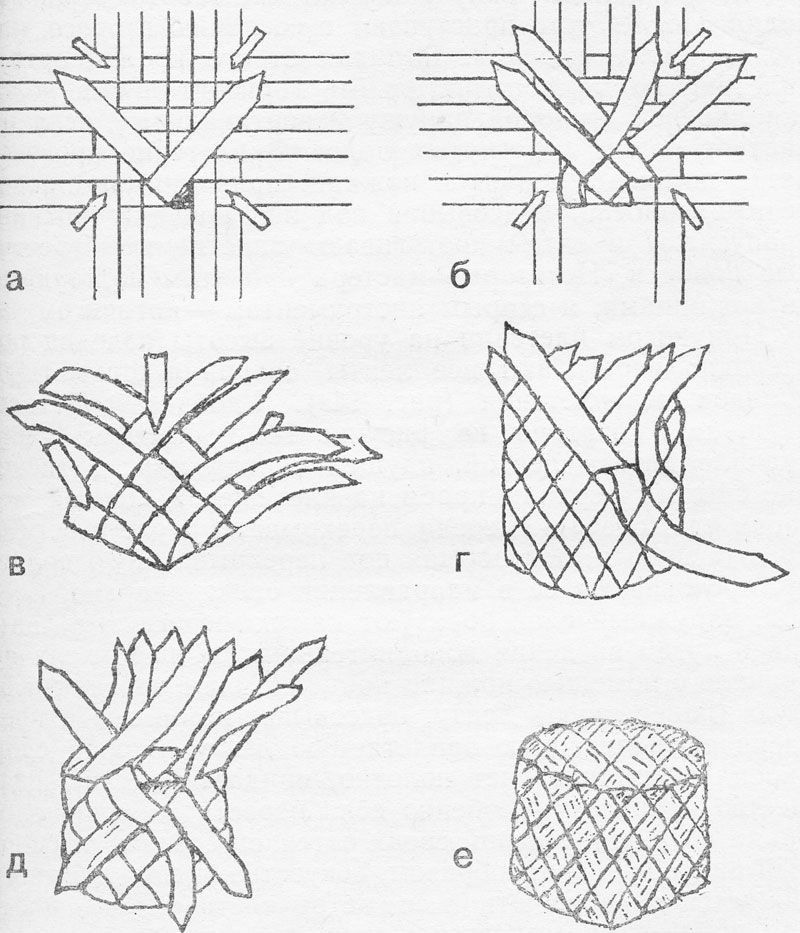
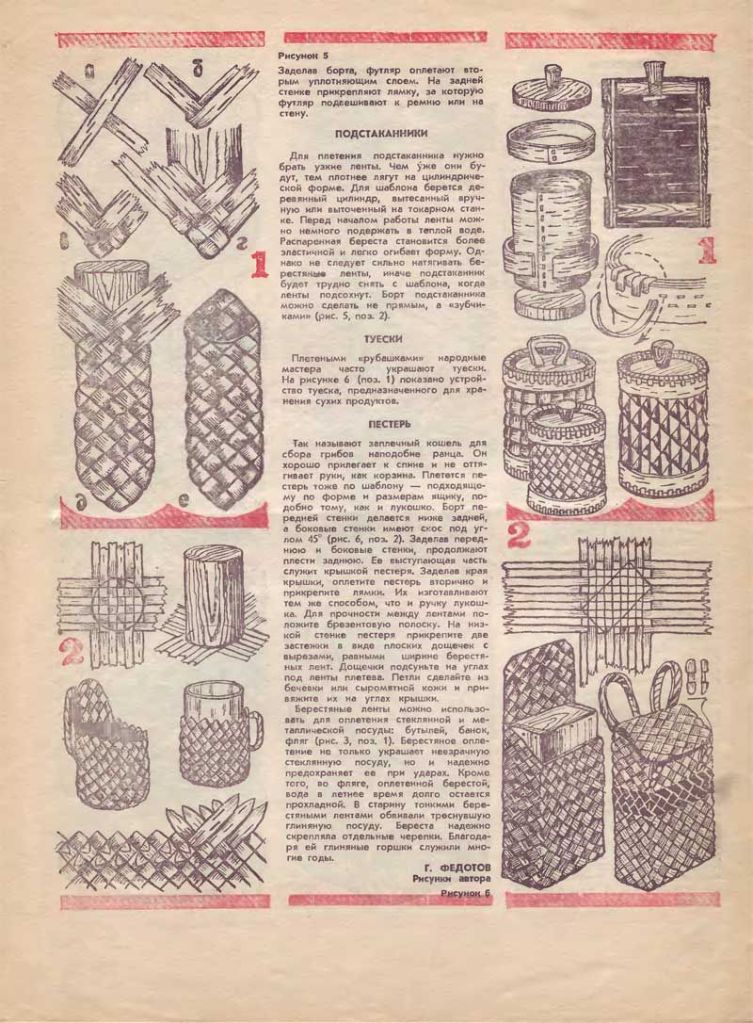
From the Nahuatl word chiquihuitl , meaning basket or small basket. A handleless basket made of palm, reed, wicker, or tule reeds, available in various sizes. Like the taxcal, it serves as a kitchen basket or container for holding foods such as tamales, tortillas, and fruit, or for storing grains like corn or beans. In some parts of central Mexico where celebrations such as weddings take place, it is traditional to give guests a chiquihuite with their itacate (a packed lunch) as a gift upon their departure, although this custom has now largely been replaced by basins or plastic containers.
La Real Academia Española defines the chiquihuite as a “basket made of wicker, rattan, or reed without handles”(1); it is also known as a tanate or tenate. “Its function is similar to that of the taxcal, which is another type of small basket, but it can have a lid.”
- canasta de mimbre, bejuco o carrizo sin asas,
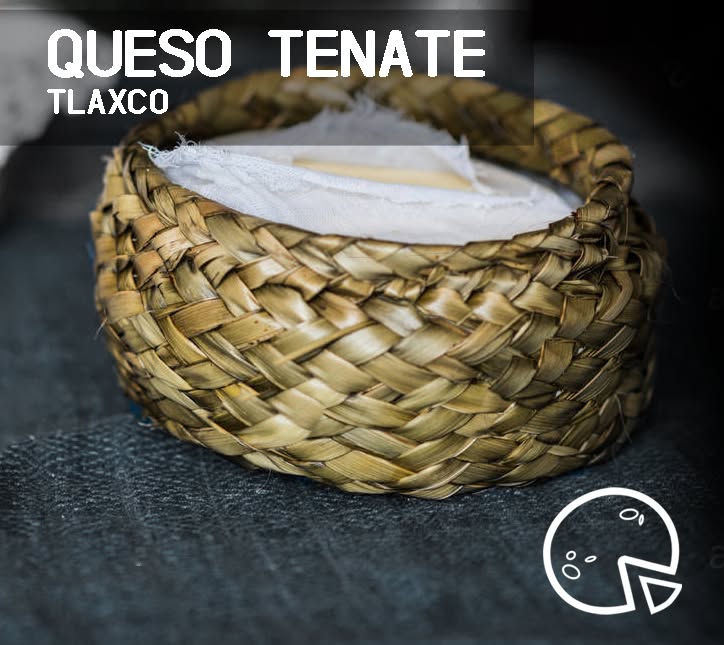
They come in many sizes, from miniature to extra-large, and are widely used as tortilla holders.
In some parts of central Mexico, such as Tlaxcala, extra-large baskets are used in the betrothal ceremony: the groom’s family offers the bride’s family small baskets filled with bread, cheese, wine, fruit, candles, and flowers, sometimes up to four times, until the marriage proposal is finally granted and the wedding date is set.
In the Mixtec region of Oaxaca, handcrafted baskets are used to wash nixtamalized corn. They are a highly valued craft among the indigenous population of this region, to the point that some are passed down from one generation to the next.
Steamed tacos and the famous Potosí-style enchiladas are placed inside the chiquihuite (a type of basket) with a cloth and wrapped so they “sweat.”
and then of course (21st century and all) you can just go for the technological marvel that is plastic
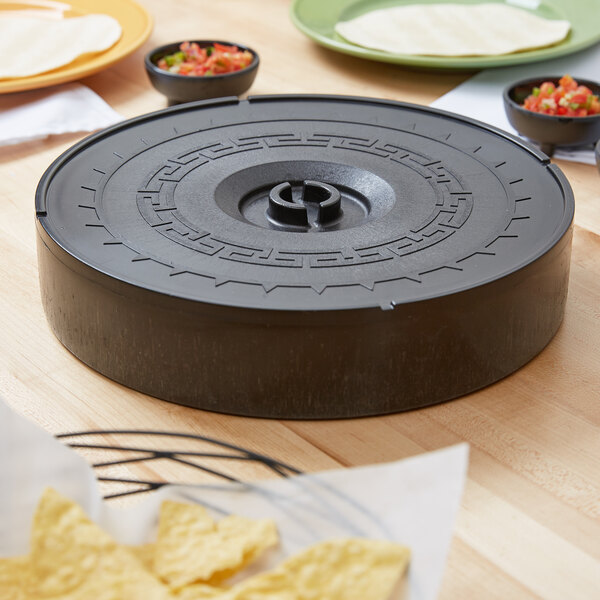
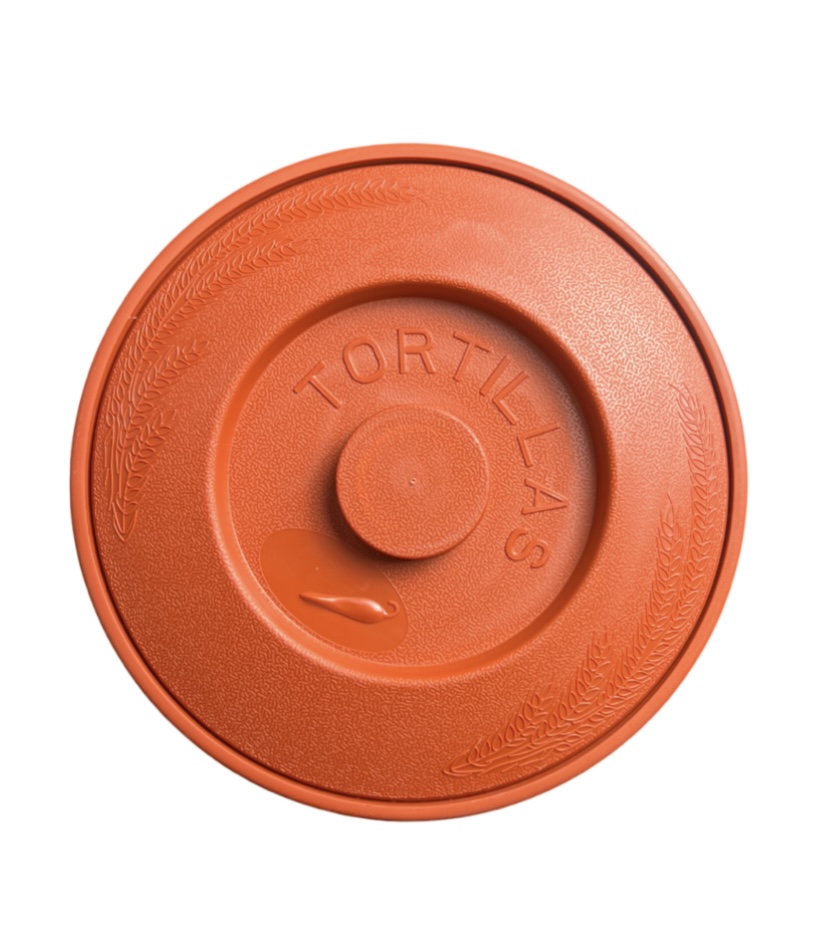
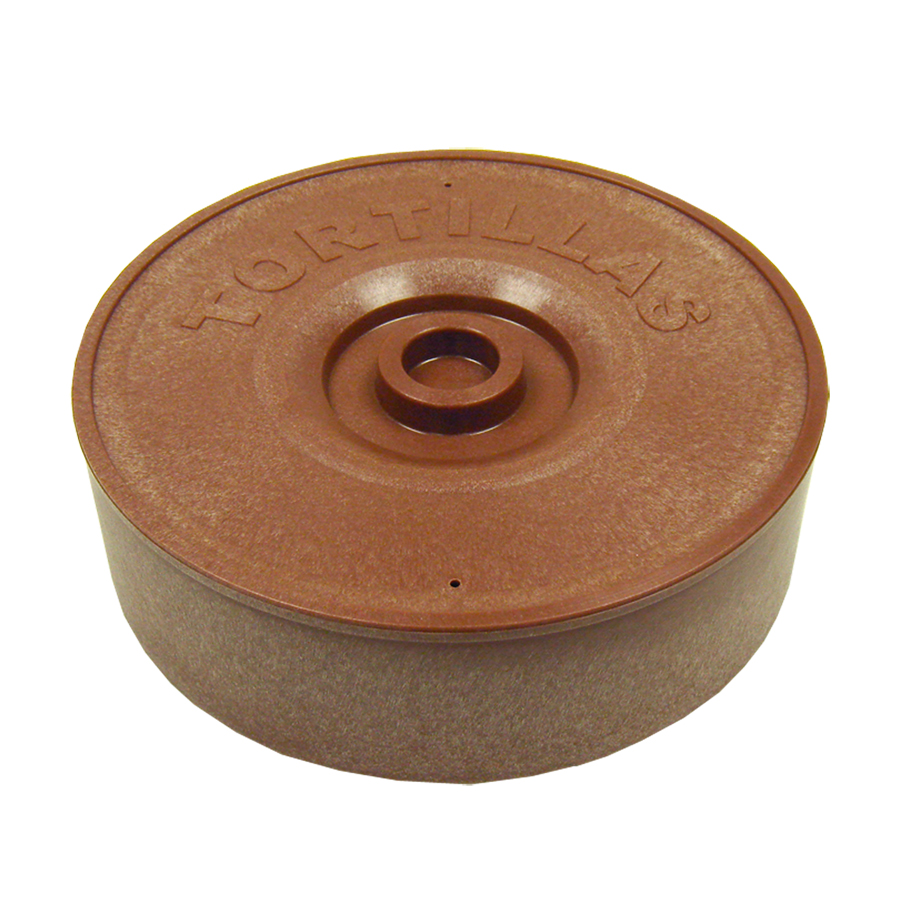
or (yikes) polystyrene
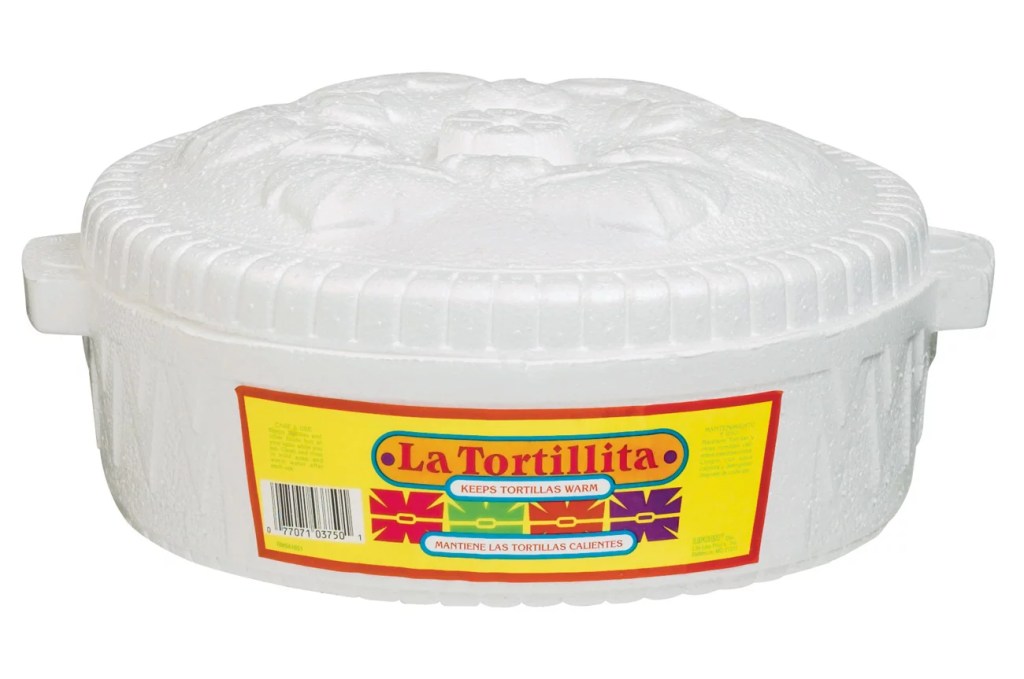
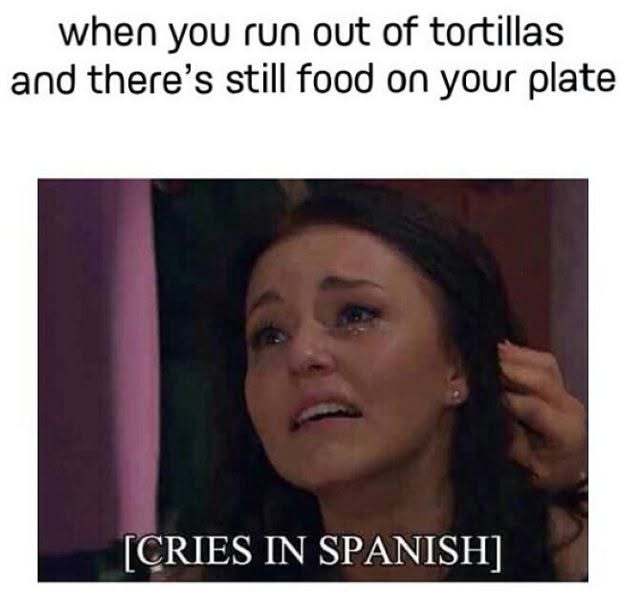
The only thing worse than cold tortillas is……….
Images
- Cerro del Chiquihuite – Historia y Cronistas Morelos – Puebla is in Tlaltizapán, Mexico. : https://www.facebook.com/CulturaSuriana/posts/cerro-del-chiquihuitehemos-dise%C3%B1ado-un-top%C3%B3nimo-para-el-cerro-del-chiquihuite-un/968727868625594/
- Chiquihuite (Image) ¿Sabes que es el Chiquihuite? : https://www.facebook.com/photo/?fbid=3997401073621679&set=a.551783933416137
References
- Anawalt, Patricia Rieff (1990). Indian clothing before Cortés : Mesoamerican costumes from the codices. Norman. ISBN 978-0806116501. OCLC 990362509
- Berdan, Frances F. (July 1987). “Cotton in Aztec Mexico: Production, Distribution and Uses”. Mexican Studies/Estudios Mexicanos. 3 (2): 235–262. doi:10.2307/1051808. JSTOR 1051808
- Coppens d’Eeckenbrugge, Geo, and Jean–Marc Lacape. “Distribution and Differentiation of Wild, Feral, and Cultivated Populations of Perennial Upland Cotton (” PLoS ONE 9.9 (2014): e107458. Print.Gossypium hirsutum L.) in Mesoamerica and the Caribbean.
- Grass-Ramírez, José & Escoto, Fernando & Cárdenas, J. Reyes. (2018). El queso de tenate de Talco, Tlaxcala. 1.
Websites
- Chiquihuite : https://laroussecocina.mx/palabra/chiquihuite/
- Chiquihuite: el recipiente ideal para tus alimentos : https://heraldodemexico.com.mx/gastrolab/2020/3/6/chiquihuite-el-recipiente-ideal-para-tus-alimentos-157897.html?utm_id=97758_v0_s00_e0_tv4_a1demo0ineulte&fbclid=IwY2xjawTKOzJleHRuA2FlbQIxMABicmlkETFZMUMyelRySml6SzN2Mlpjc3J0YwZhcHBfaWQQMjIyMDM5MTc4ODIwMDg5MgABHs3jQ1WGcevdYOQAwjlBiWXNy9bfq4HUOmD0Mi4CCbyElbIQuMpZjVNCTaEX_aem_wx7iXz_yI5N__WTmC4CWRQ
- Chiquihuite, elemento indispensable en eventos importantes de Tetlanohcan : https://oem.com.mx/elsoldetlaxcala/local/chiquihuite-elemento-indispensable-en-eventos-importantes-de-tetlanohcan-16791491
- Chiquihuite, instrumento indispensable para las familias : https://www.zunoticia.com/noticias-de-hidalgo/2025/09/18/chiquihuite-instrumento-indispensable-para-las-familias/
- ichcatl. : https://nahuatl.wired-humanities.org/content/ichcatl
- Presenta Enrique estudio sobre el chiquihuite : Víctor Hugo Varela Loyola, julio 29, 2015 : https://www.lajornadadeoriente.com.mx/tlaxcala/presenta-enrique-estudio-sobre-el-chiquihuite/
- Queso de tenate (Image) Quesería De Mí Sin Ti • Artesanal – https://www.facebook.com/photo/?fbid=2728190174079541&set=a.485543906915733
- Tazcal : https://www.reddit.com/r/mexicanfood/comments/195qfz0/whats_this_called/

