
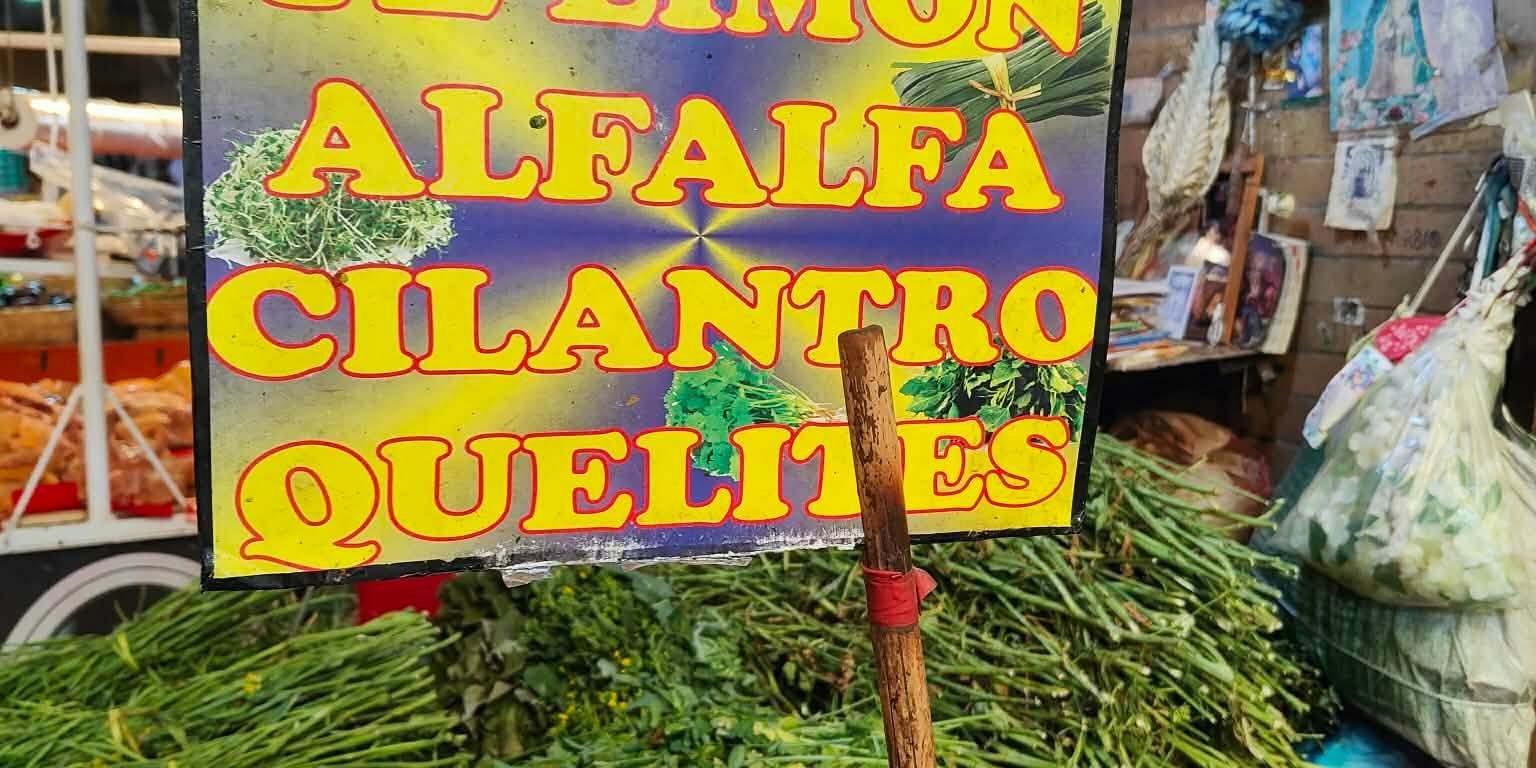
This Post is purely for informational purposes only. I have no personal experience using this herb either culinarily or medicinally and as much of the information on this species can be contradictory I recommend caution be demonstrated. A caution like this also demonstrates somewhat the loss of knowledge with regards to plants of this nature. The wild, weedy plants are often overlooked and replaced with much more “exciting” imports. The Old ways are forgotten and a huge loss of cultural knowledge evaporates into the aether.
Symphyotrichum subulatum (formerly Aster subulatus)
Symphyotrichum from Ancient Greek,
- Symphyo / Symphysis: From sumphúō, meaning to grow together, unite, or coalesce.
- Trichum / Trichos: From thríx, meaning a single hair or hair-like bristle.
The name was meant to describe a basal ring of hairs or bristles (the pappus) on the plant. This fused hair feature was thought to exist on specific asters when the genus was named, though most modern species in the group do not actually share this trait.
subulatum comes from Latin, meaning “awl-shaped,” derived from subula (an awl, a sharp pointed tool used for piercing leather) combined with the suffix -atus. It describes plant parts—such as leaves, bracts, or tips—that are narrow, stiff, tapering, and ending in a sharp point like an awl.
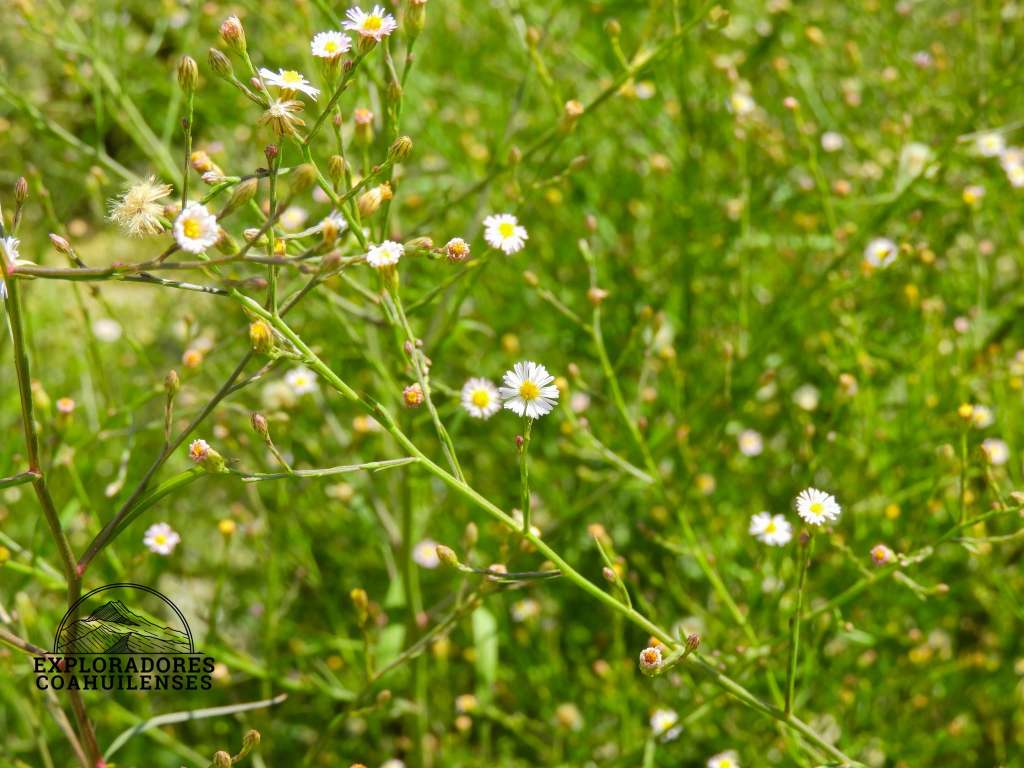
Eastern Annual Saltmarsh Aster (1)
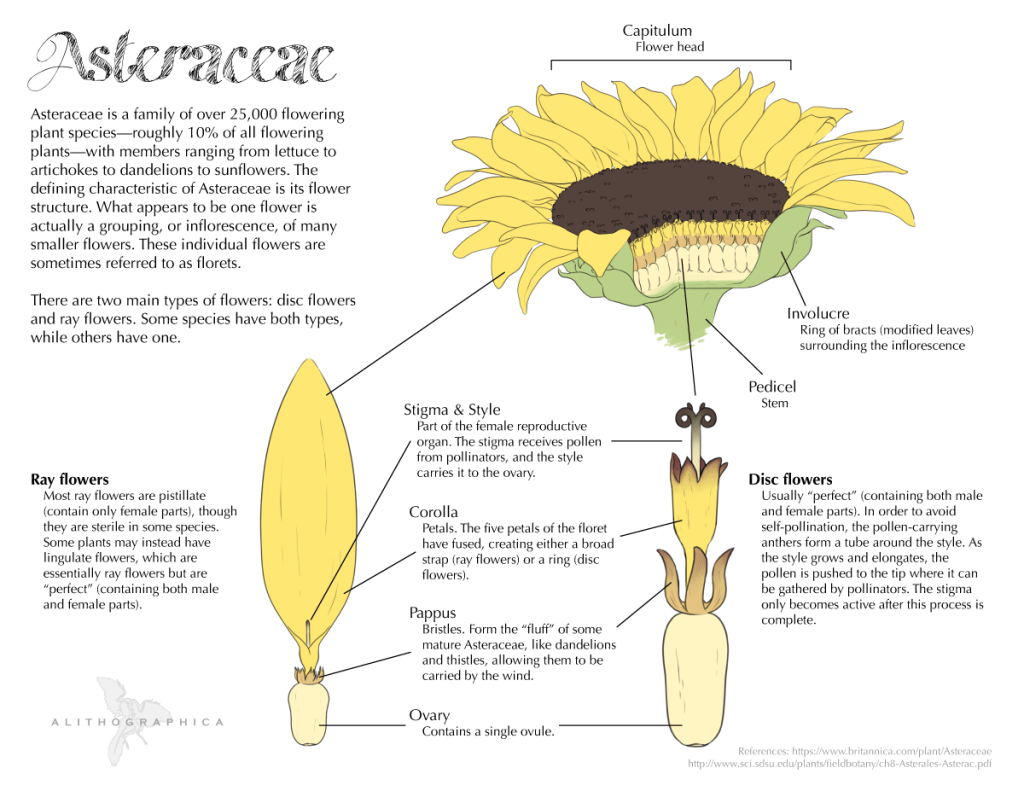
- The botanical term aster comes from the Ancient Greek word astḗr (ἀστήρ), meaning “star”. This name describes the star-like shape of the flower head, where narrow petals radiate out from a round central disk.
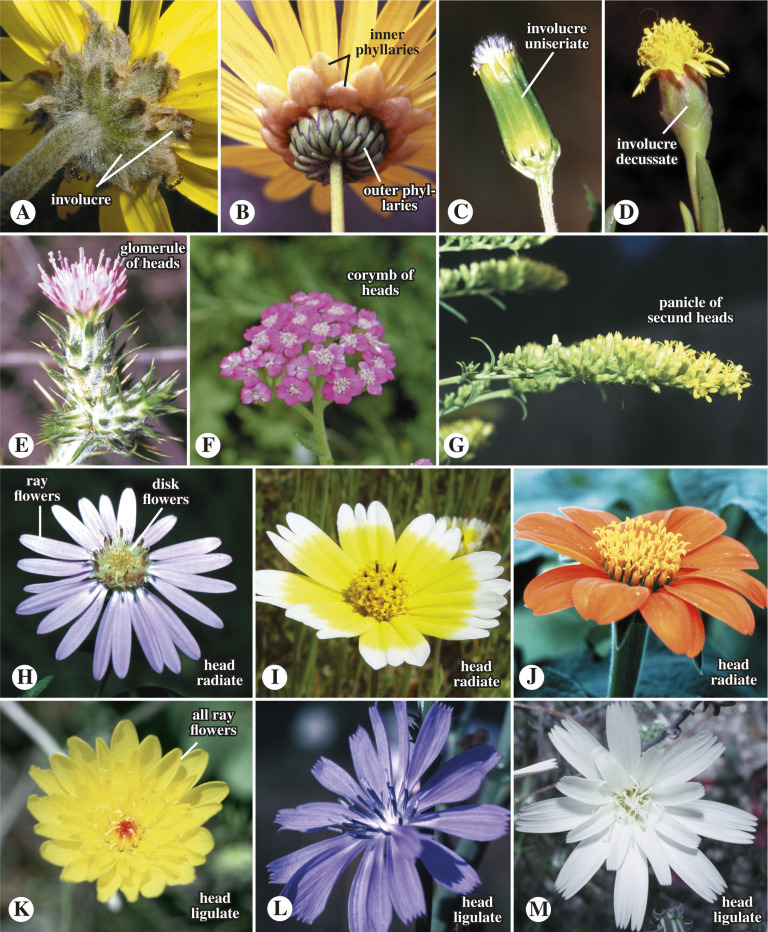
Santa Monica Mountains Trails Council
Varieties of Asteraceae flower structure (Image via Simpson 2010)
Homotypic Synonyms (1)
- Aster subulatus Michx. in Fl. Bor.-Amer. 2: 111 (1803)
- Mesoligus subulatus (Michx.) Raf. in Fl. Tellur. 2: 44 (1837)
- Tripolium subulatum (Michx.) Nees in Gen. Sp. Aster.: 156 (1832)
- A homotypic synonym is a scientific name that shares the exact same type specimen as another name. It is also known as a nomenclatural or objective synonym. These alternate names happen automatically under formal rules when a species moves to a new genus or gets a new descriptive combination.
Heterotypic Synonyms (1)
- Aster exilis var. australis A.Gray in Syn. Fl. N. Amer. 1(2): 203 (1884)
- Aster exilis f. subalpinus R.E.Fr. in Ark. Bot. 5(13): 12 (1906)
- Aster flexicaulis Raf. in Nuovo Giorn. Bot. Ital., n.s., 39: 420 (1932)
- Aster linifolius Torr. & A.Gray in Fl. N. Amer. 2: 162 (1841), nom. illeg. homonym. post.
- Aster subulatus var. australis (A.Gray) Shinners in Field & Lab. 21: 158 (1953)
- Aster subulatus var. euroauster Fernald & Griscom in Rhodora 37: 183 (1935)
- Aster subulatus var. obtusifolius Fernald in Rhodora 16: 61 (1914)
- Chrysocoma linifolia Steud. in Nomencl. Bot., ed. 2. 1: 358 (1840)
- Erigeron linifolius Bertero ex DC. in Prodr. 5: 254 (1836), not validly publ.
- A heterotypic synonym is a scientific name for a group of living things that is based on a different type specimen but judged by experts to belong to the same single group or taxon. Also called a taxonomic or subjective synonym. It is based on a scientist’s choice to combine two or more groups into one, not on a strict rule.
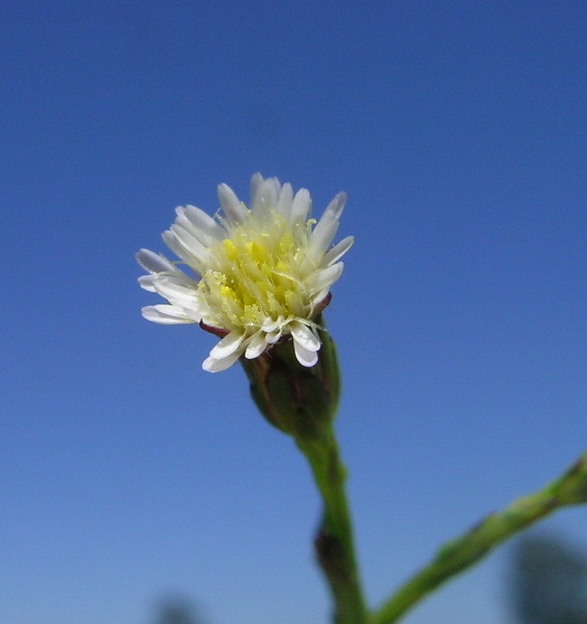
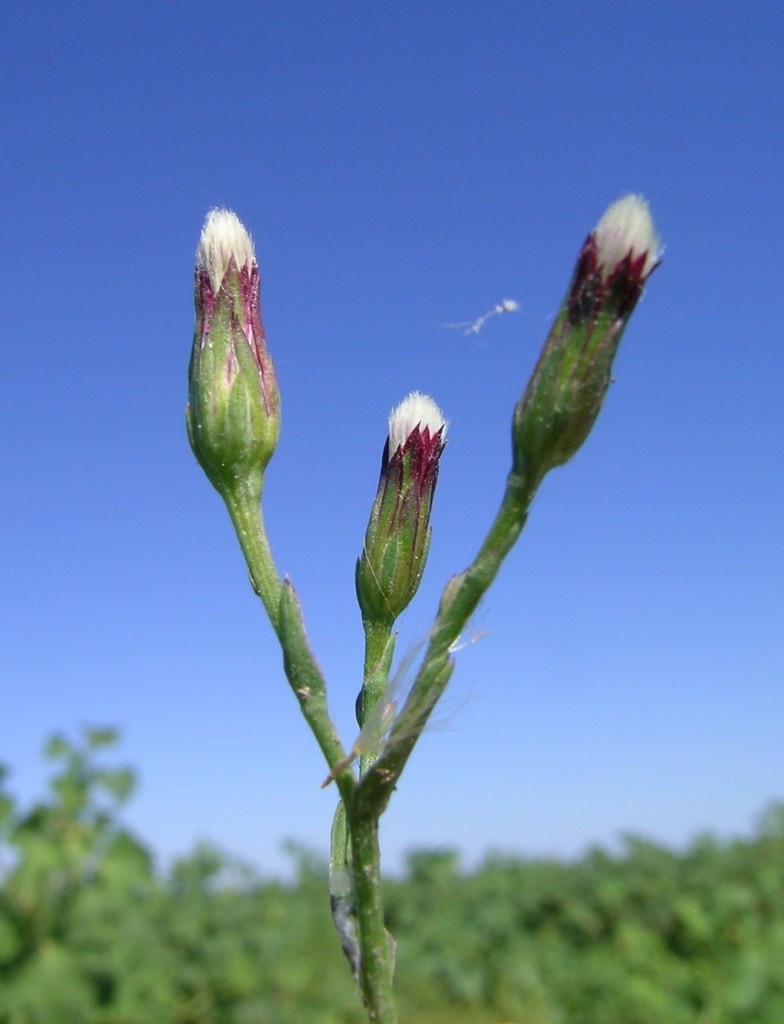
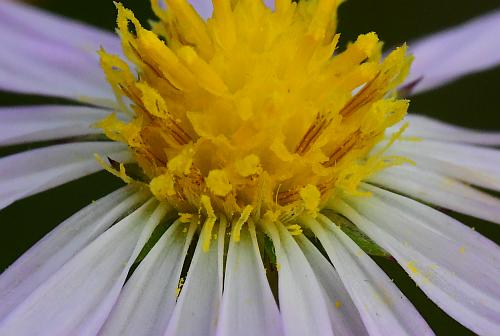
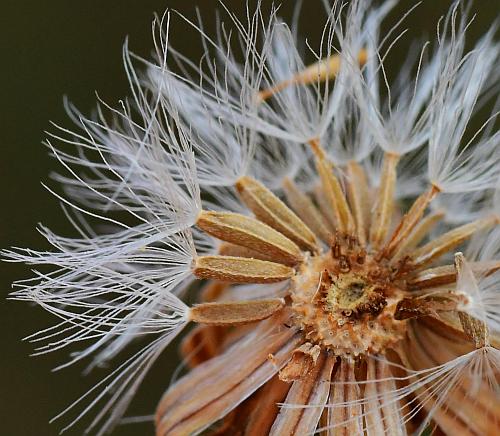
Also called : Baby’s Breath Aster, Annual Saltmarsh Aster, Eastern Annual Saltmarsh Aster, Saltmarsh Aster, Small Saltmarsh Aster, Wild Aster, escobilla (1), escobillo (2), hierba del sapo, hierba del Marrano, lechuga de monte (3), metezurra, metezurras (Lobato-de Magalhães et al 2026).
- Little broom (or mountain broom) referring to its slender, branching stems
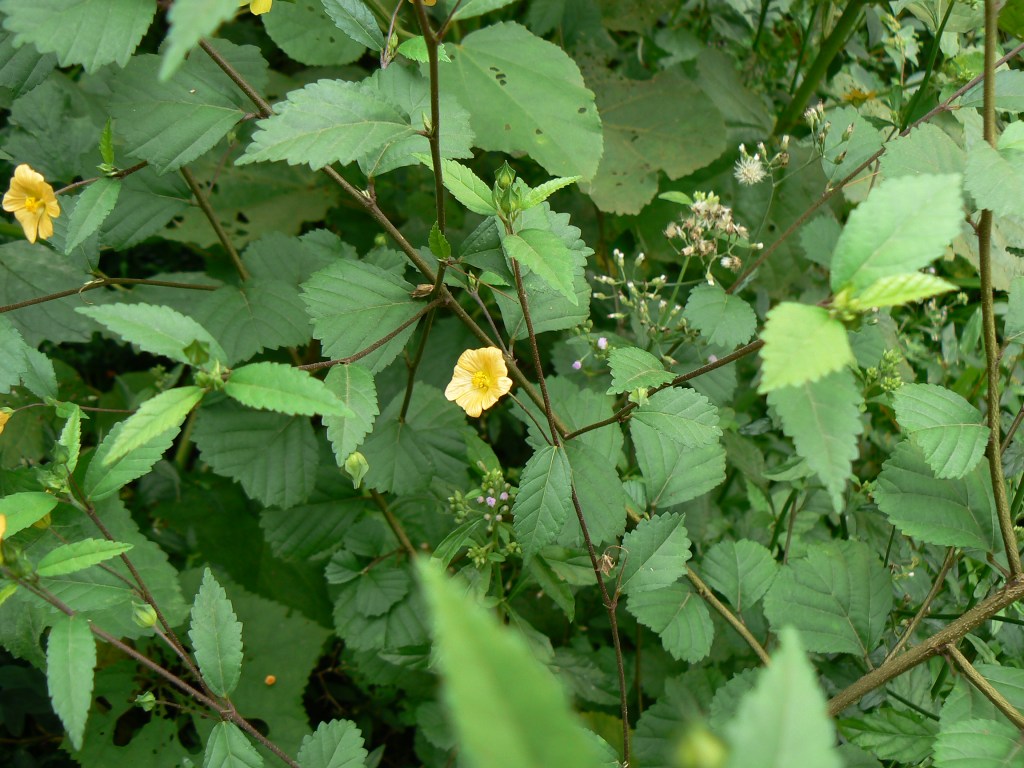
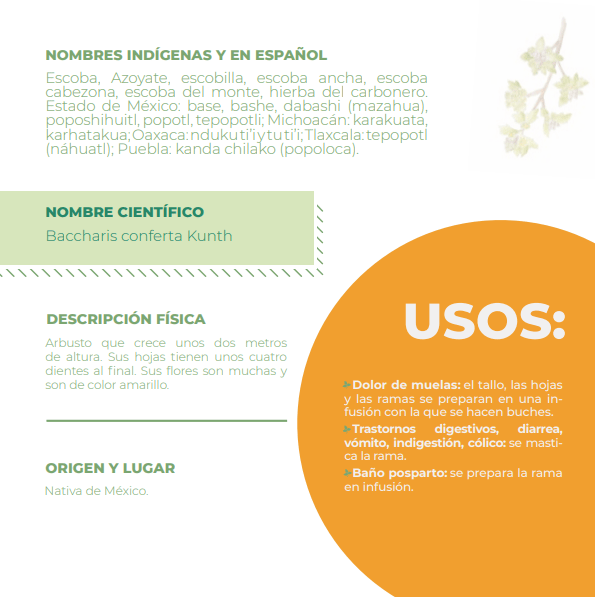
- In Mexico, Escobilla refers to several weedy medicinal plants used in traditional folk medicine. Most commonly, the name applies to either Sida rhombifolia (also known as malvilla) or Baccharis conferta
- mountain lettuce
Metezurra (also spelled metezurra or plural metezurras) is a Mexican vernacular common name for the plant species. The term is an indigenous or regional Mexican Spanish common name originating from vernacular plant nomenclature in regions like Sonora, Querétaro, and the Sierra Tarahumara. (CONABIO). The precise etymological or indigenous root of metezurra / metezurras is obscure and not formally documented in standard Spanish etymological dictionaries.
Sida rhombifolia
Baccharis conferta
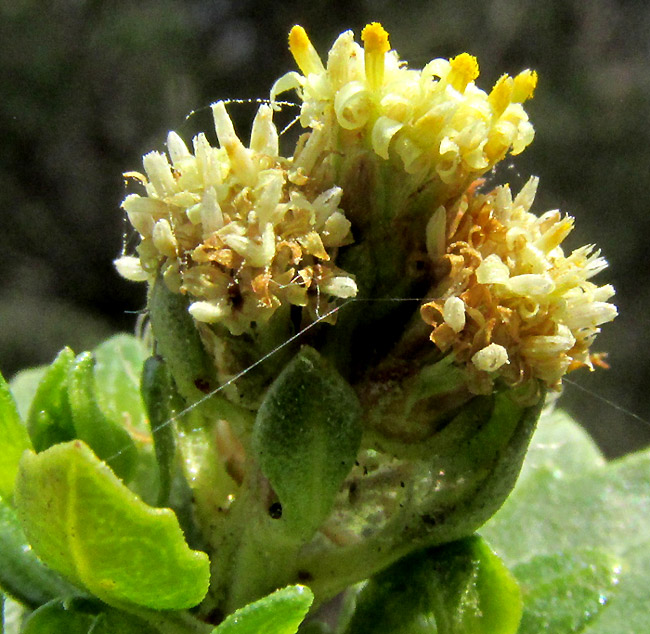
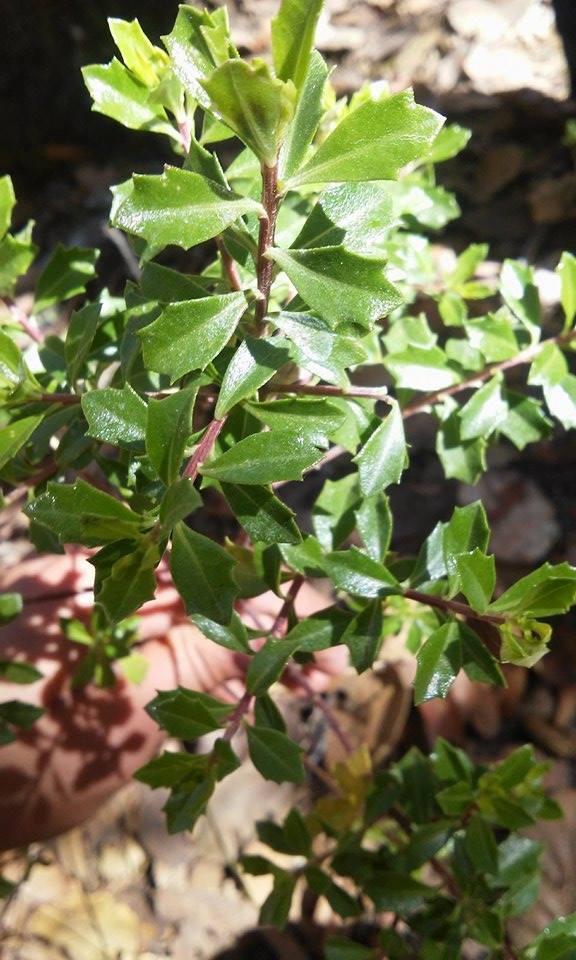
Symphyotrichum subulatum is an annual herbaceous plant in the daisy family (Asteraceae) native to the Americas, stretching from the eastern United States and the Gulf Coast to regions in Mexico and further south.
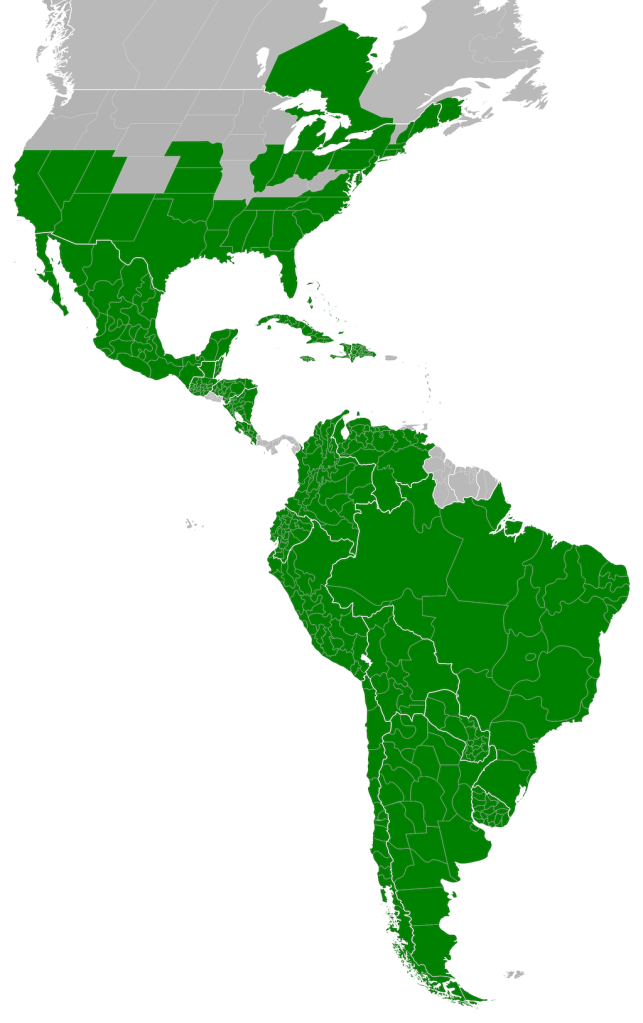
Native distribution: Argentina; Bahamas; Belize; Bolivia; Brazil; Canada — New Brunswick and Ontario; Chile; Colombia; Costa Rica; Cuba; Dominican Republic; Ecuador; Guatemala; Haiti; Honduras; Jamaica; Mexico; Nicaragua; Paraguay; Peru; Uruguay; US — Alabama, Arizona, Arkansas, California, Connecticut, Delaware, Florida, Georgia, Illinois, Indiana, Kansas, Louisiana, Maine, Maryland, Massachusetts, Michigan, Mississippi, Nebraska, Nevada, New Hampshire, New Jersey, New Mexico, New York, North Carolina, Ohio, Oklahoma, Pennsylvania, Rhode Island, South Carolina, Tennessee, Texas, Utah, and Virginia; and, Venezuela. Also introduced worldwide (POWO).
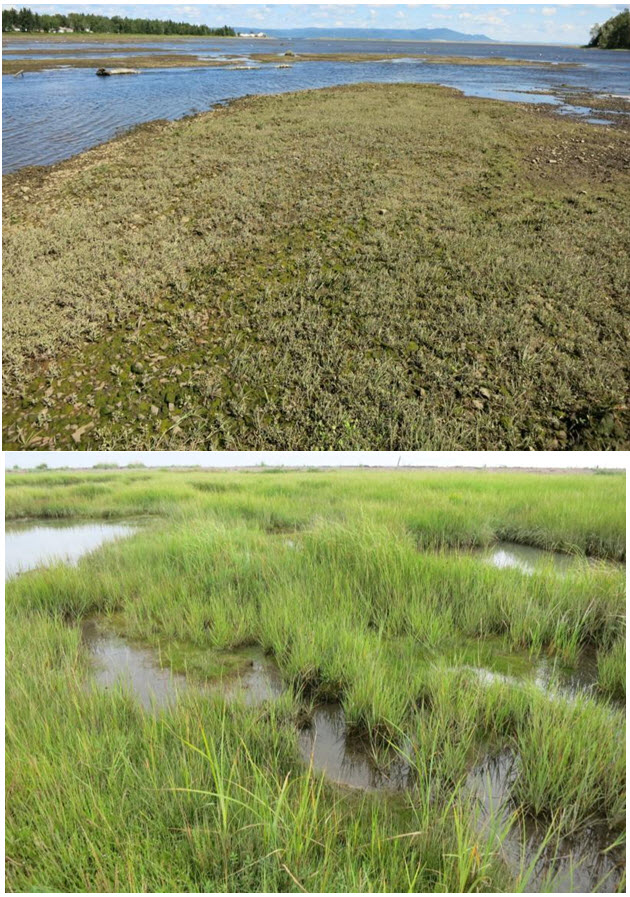
Much of the vegetation in the foreground is small individuals of the species;
(bottom image) More densely vegetated saltmarsh habitat at Jacquet River, New Brunswick.
The plant is well-regarded for its high tolerance to saline and disturbed environments, commonly thriving in coastal saltmarshes, brackish wetlands, and roadsides
While related aster leaves and flowers are traditionally consumed or used in herbal teas, Symphyotrichum subulatum (formerly known as Aster subulatus and commonly called the annual saltmarsh aster or wild aster) is widely treated as a wetland weed rather than a standard culinary herb, and caution is required with wild identification
Culinary Use
Symphyotrichum subulatum or Annual Saltmarsh Aster) is edible. Or is it?
This can be confusing as some note that “Its leaves can be lightly cooked as greens, while the small daisy-like flowers make a colorful, peppery-sweet garnish and can be steeped for tea. It is non-toxic. Historically, Native American cultures have used aster roots in soups and young leaves as leafy greens”
This is contentious though
One site (I won’t mention who) notes “These little charms have edible and medicinal* uses as well. The root of wild asters can be added to soups and are believed to have significant medicinal benefits. The Chinese have used the root for centuries as an herb (1) to relieve lung conditions like coughing and wheezing. It has a bittersweet flavor.
- “an herb” as opposed to “a herb”. Americans tend to not pronounce the “h” and say “an erb”
The leaves and flowers of wild asters are also edible and considered beneficial to one’s health. Combined with bloodroot (1), aster makes a good laxative. An infusion of wild asters eases headache symptoms. The flowers and leaves can be eaten fresh or dried in salads or cooked lightly and served like spinach.”
- Likely (possibly) referring to Sanguinaria canadensis
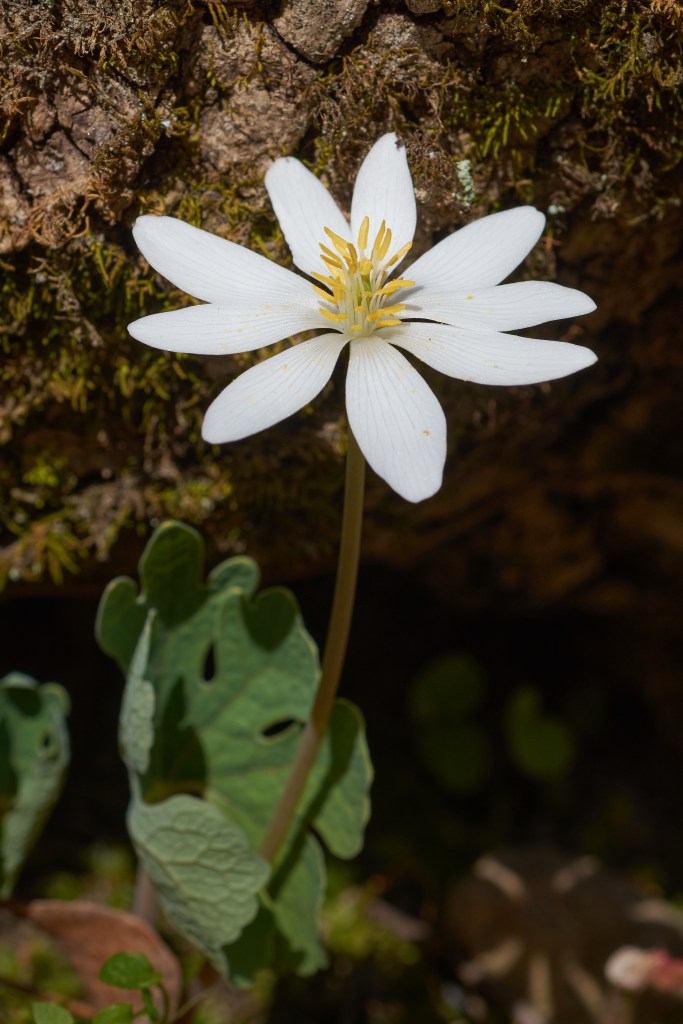
Sanguinaria canadensis. This plant is native to eastern North America and has been used as a purgative (1) (laxative) (2) and as an emetic to induce vomiting. In smaller doses it is used as a stimulant, an expectorant (5) and a diaphoretic (6).
- A purgative is a substance or medicine that strongly stimulates bowel movements and clears the intestines. It is a stronger medical term for a laxative or cathartic (3)
- Laxatives are medicines or substances that loosen stool and increase bowel movements to help treat constipation.
- relating to, or producing catharsis (purification or purgation) (4). a medicine that causes the bowels to be purged
- (in this case) The forceful release of waste from the bowels using a laxative or medicine.
- An expectorant is a type of medication that thins and loosens mucus in your airways. It helps clear chest congestion and makes it easier to cough up phlegm from your throat and lungs during a cold, flu, or bronchitis
- A diaphoretic is a medicinal action or substance that produces or promotes sweating. It helps lower body heat during a fever, supports the skin in releasing waste, and helps the body clear out early-stage colds or flus by opening the skin pores.
WARNING : This is a herb that requires expert instruction before it can be safely used. I will not go into the use of the plant except to note potential contraindications.
DO NOT USE IF PREGNANT OR BREASTFEEDING: may cause spontaneous abortion; alkaloids (1) may also pass through the mothers milk and harm the child
- Alkaloids are a group of naturally occurring organic compounds that contain at least one nitrogen atom and typically display strong physiological effects on living organisms. They are alkaline (base-like) nitrogen-containing molecules primarily produced as secondary metabolites by plants, fungi, bacteria, and some animals. Plants often use alkaloids as a natural defence mechanism against herbivores, insects, and competing plants. Most alkaloids are bitter-tasting, colourless, and form crystalline solids. Common examples include nicotine, caffeine and morphine.
DO NOT USE IN CHILDREN : there is NO SAFE DOSE for children due to the alkaloid content of the plant
Digestive irritant if taken internally. It can damage the stomach and intestinal lining
Whole plant is mildly toxic in very small doses. Small amounts can trigger intense nausea and vomiting. It can cause vomiting in doses as low as 30 milligrams (3/100ths of a gram)
Severe overdose: Large amounts cause low blood pressure, rapid heart changes, slowed heart function, shock, fainting, coma, or death.
NO SAFE DOSE has been established for this herb. Its use is best relegated to professional healers with knowledge of this plant.
Back to the story
Later on in the same Post (before I got side-tracked by the bloodroot) the writer notes, “Although not commonly harvested for edible purposes, wild asters do well in teas, salads, and as a garnish. They should be harvested while in full bloom, preferably in the early morning once the dew has dried.” The harvesting information is pretty solid but the rest is somewhat contradictory.
Are Asters Poisonous?
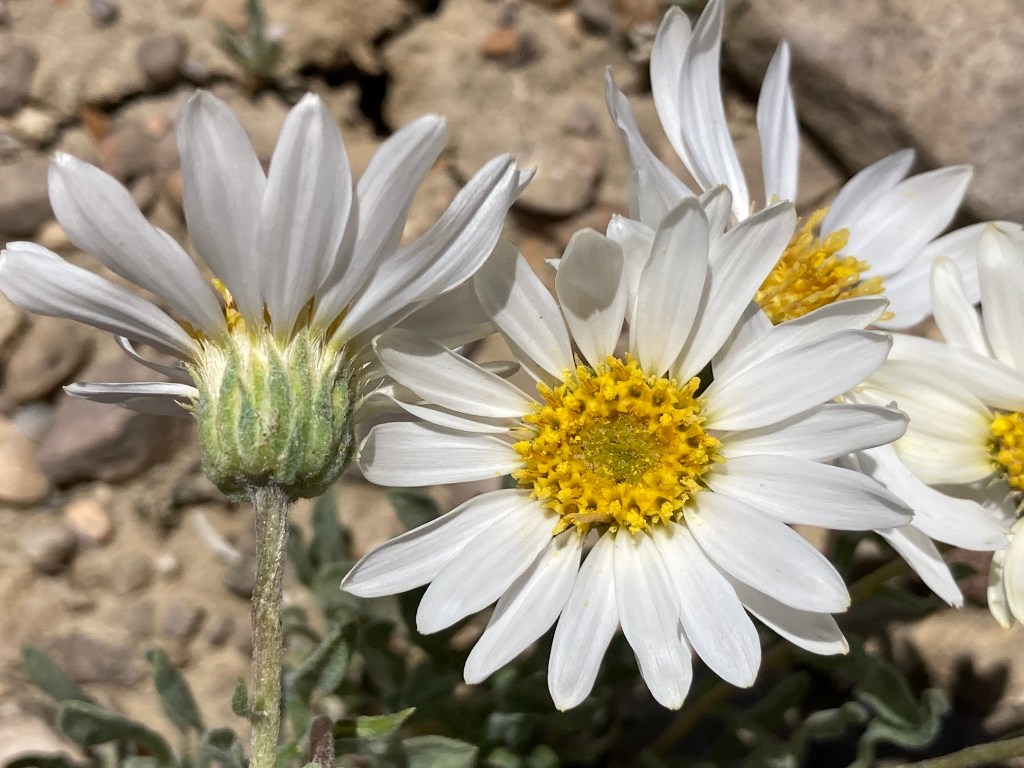
Plant Addicts note “Most species of asters are not poisonous to humans, dogs, cats or livestock. In fact, the flowers of Chinese asters, Callistephus chinensis are edible. Most asters are safe to plant in the garden where children, dogs, cats or livestock might come in contact with them. Note that woody aster, Xylorrhiza glabriuscula can absorb selenium from the soil at high enough levels to cause toxicity.”
Selenium toxicity
Selenium toxicity (selenosis) occurs when you ingest or absorb too much selenium, usually from high-dose supplements or overeating selenium-rich foods like Brazil nuts. The Recommended Daily Allowance (RDA) for selenium is 55 micrograms (μg) per day for adults and the Tolerable Upper Intake Limit is 400 micrograms (μg) per day. Chronic toxicity typically begins at daily intakes above 400–900 micrograms, while severe or acute poisoning involves much higher amounts.
Common Symptoms of toxicity (MacFarquhar et al 2010)
- Early Signs: A distinct garlic-like odor on the breath and a metallic taste in the mouth.
- Gastrointestinal: Nausea, vomiting, and diarrhea.
- Hair and Nails: Brittle, deformed, or lost nails, alongside hair loss (alopecia).
- Skin and Nerves: Skin rashes, fatigue, irritability, and nerve problems (peripheral neuropathy).
- Severe Cases: Respiratory distress, tremors, heart complications, or kidney failure.
Treatment and Management
- Stop Intake: The primary treatment is identifying and immediately stopping the source of excess selenium (such as halting a dietary supplement).
- Supportive Care: Symptoms generally resolve on their own once exposure stops, as there is no specific chemical antidote.
Other gardener sites point out the very opposite of this
“Do not eat asters. There are too many variables, including the possibility of death – and even the cows know they don’t taste good!”
- They contain toxic triterpenoid saponins as many plants do. Some people are allergic to saponins and overconsumption is likely to cause gastrointestinal distress.
- Toxins contained in the Tatarian species, A. tataricus, can cause liver damage.
- Plants in the broad Asteraceae family cause allergic respiratory reactions in sensitive people. (the link supplied by this site was broken but I was able to find the University Of California Safe and Poisonous Garden Plants where they note of the Aster species (in general) The juice, sap, or thorns of these plants may cause a skin rash or irritation. Wash the affected area of skin with soap and water as soon as possible after contact. The rashes may be very serious and painful. Call the Poison Control Center or your doctor if symptoms appear following contact with the plants.
Poison Information Centres
- In Australia call 13 11 26. You can call 24 hours a day from anywhere in Australia.
- In the United States of America Poison centres are staffed 24/7/365 by medical professionals trained in poison emergencies and can be reached by any individual using the toll-free number 1-800-222-1222.
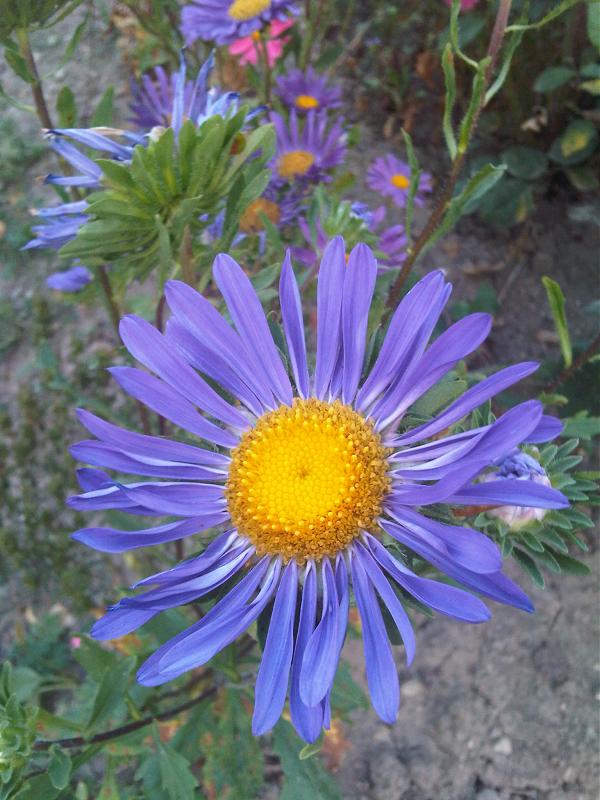
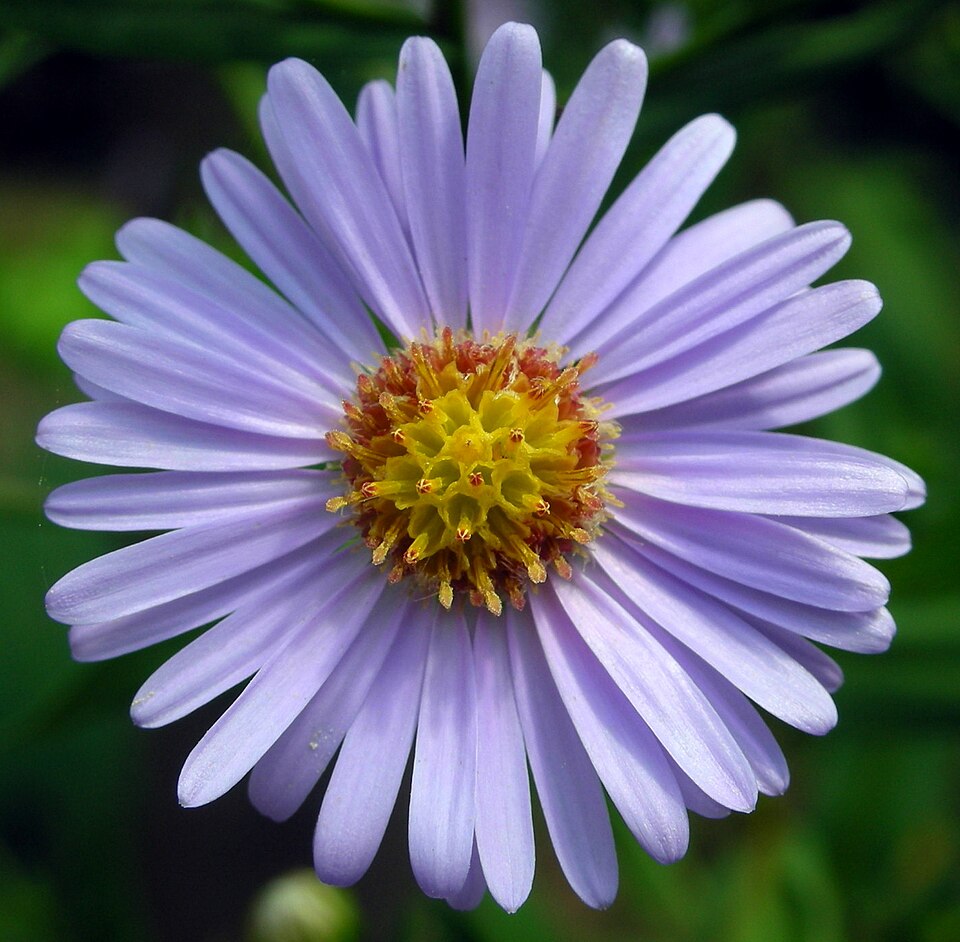
Other edible Asters
Aster tripolium
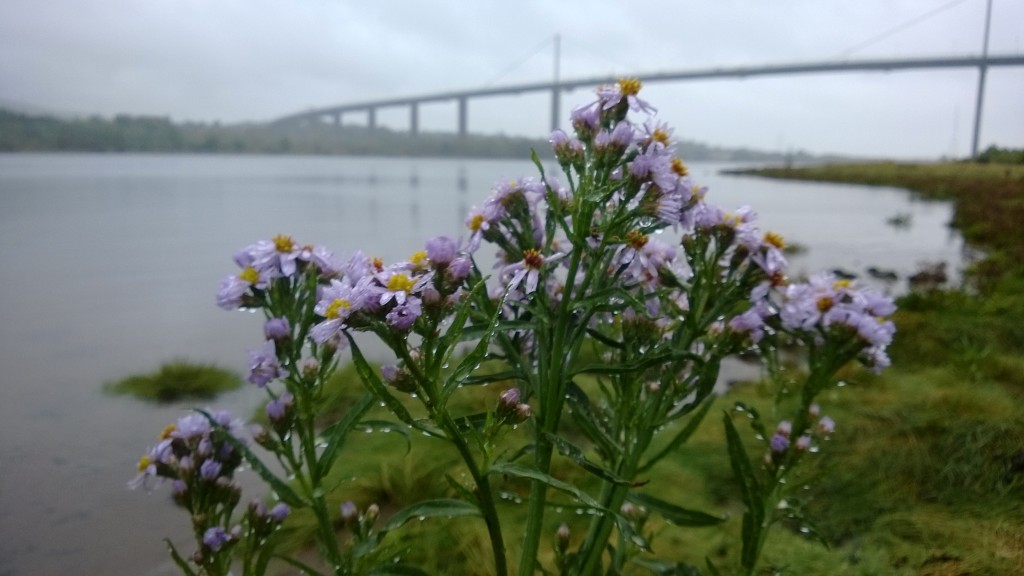
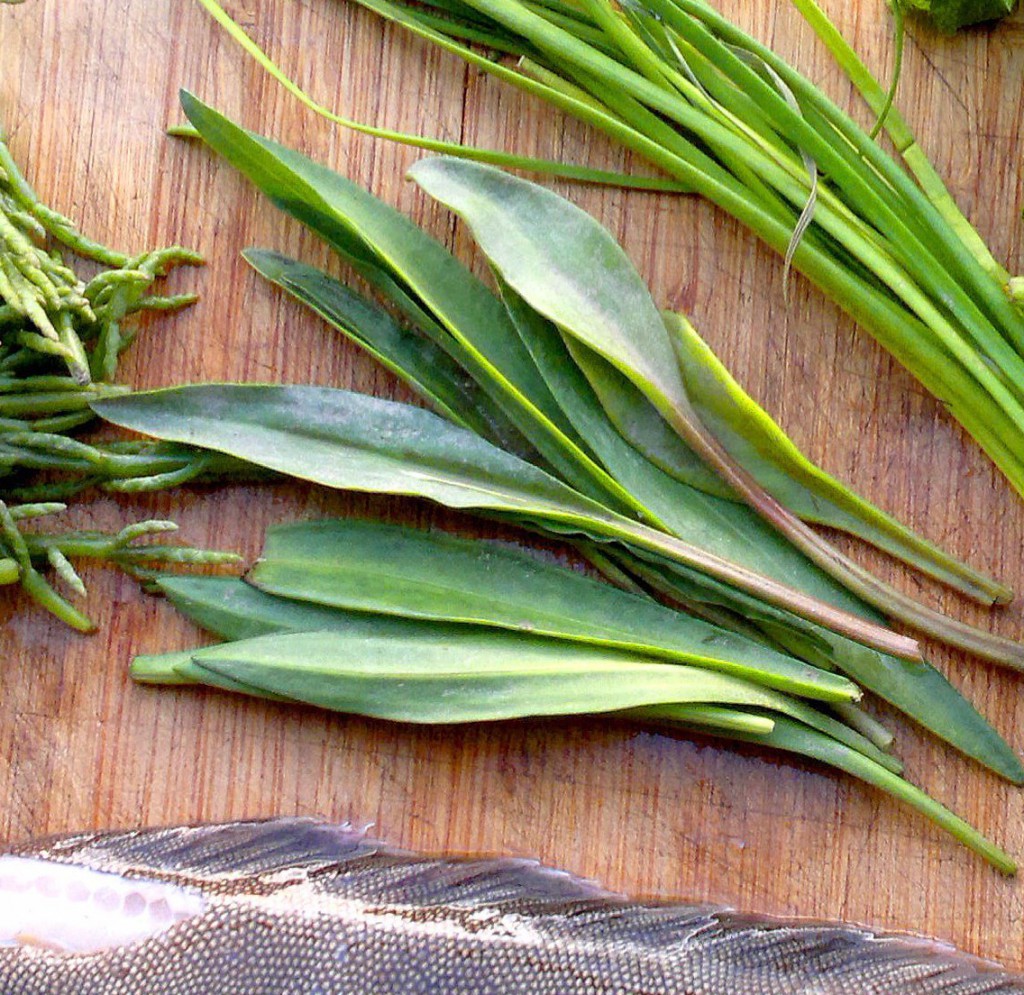
Galloway Wild Foods notes of (Sea Aster)
A superb, tender, salty succulent with thick, fleshy lanceolate leaves and a complex sweet flavour with hints of iron and nut. Even large leaves are tender and delicious and remain so after flowering and well into autumn. The flower stalks, flowers, roots and seeds are not worth eating.
Medicinal usage
S. subulatum is utilized in traditional and folk medicines. In Asian and South American folk practices, extracts of the plant are used to treat respiratory conditions (asthma, cough, colds), bleeding, and diarrhoea. Topically, it is used for eczema and swollen sores.
Information on the chemical constituents of the species has been published in at least four studies prospecting for compounds with medicinal properties. Chemicals extracted from Annual Saltmarsh Aster have been reported to have antioxidative activity (El-Sayed et al. 1987) (Ko et al. 2009), anti-ulcer activity (Ghedini et al. 2007), and anti-inflammatory value (Lee et al. 2012).
Historically, Eastern Silvery Aster (1) has been employed in traditional herbal remedies for a variety of purposes, including:
- Symphyotrichum concolor
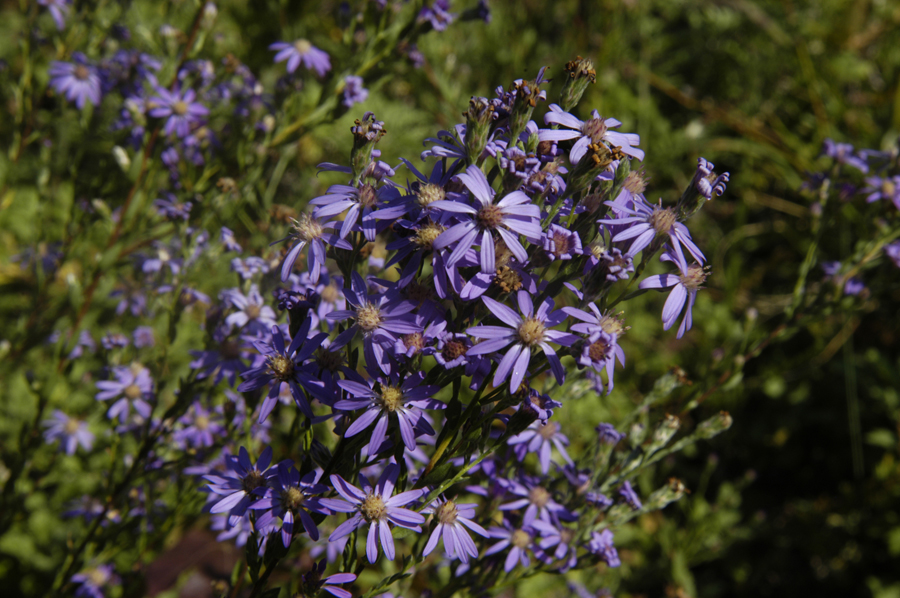
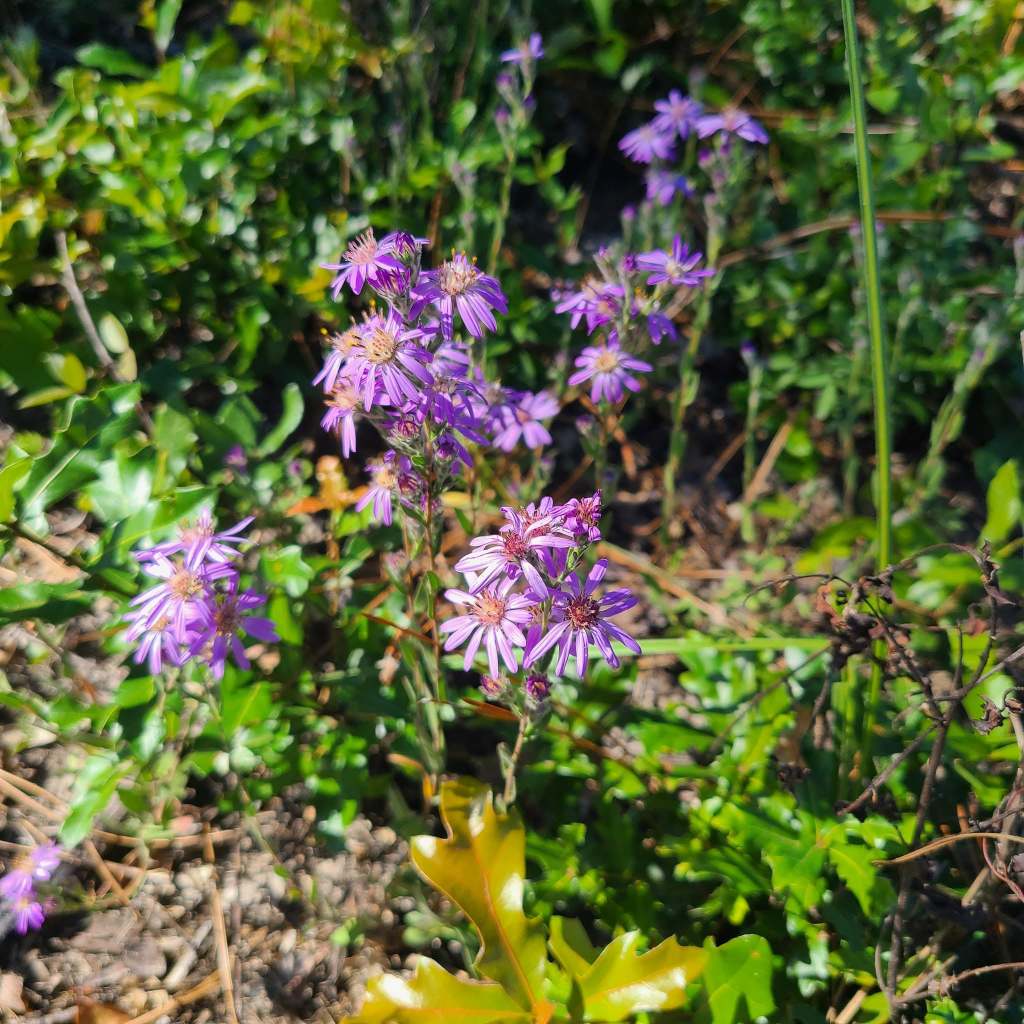
The herb was used by indigenous tribes in North America used Eastern Silvery Aster to address respiratory discomfort and maintain clear airways. It was sometimes prepared as an herbal infusion or smoked for these purposes. Its anti microbial properties can also assist in preventing lung infection.
Leaves were used topically in poultices to promote wound healing. The antimicrobial properties assisted greatly in preventing infection. The plant also has anti-inflammatory properties which are useful for alleviating various inflammatory conditions, including arthritis and other joint issues. It can reduce the swelling and pain associated with these conditions.
It has also been noted that the herb was occasionally consumed as a tea or infusion to support overall health and vitality, and to promote a sense of well-being. This same infusion can serve as a mild digestive aid, promoting healthy digestion and alleviating minor gastrointestinal discomfort. The Annual Saltmarsh Aster variety squamatum is used in southern Brazil in folk medicine as an antidiarrhoeic (Almeida et al. 1995).
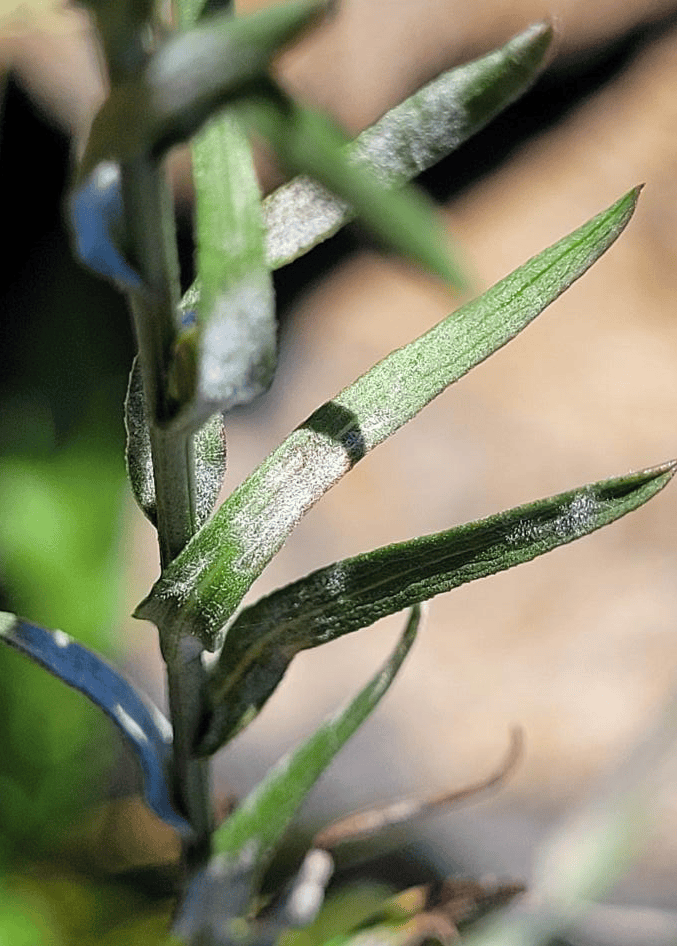
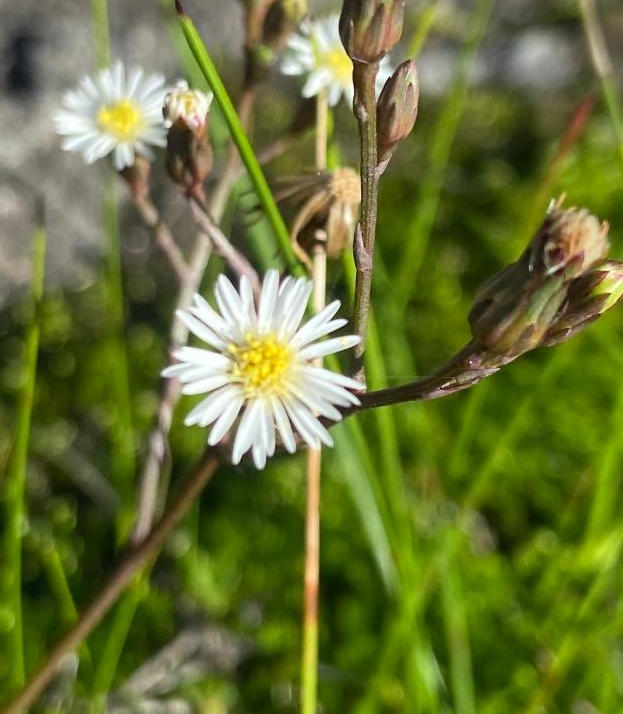
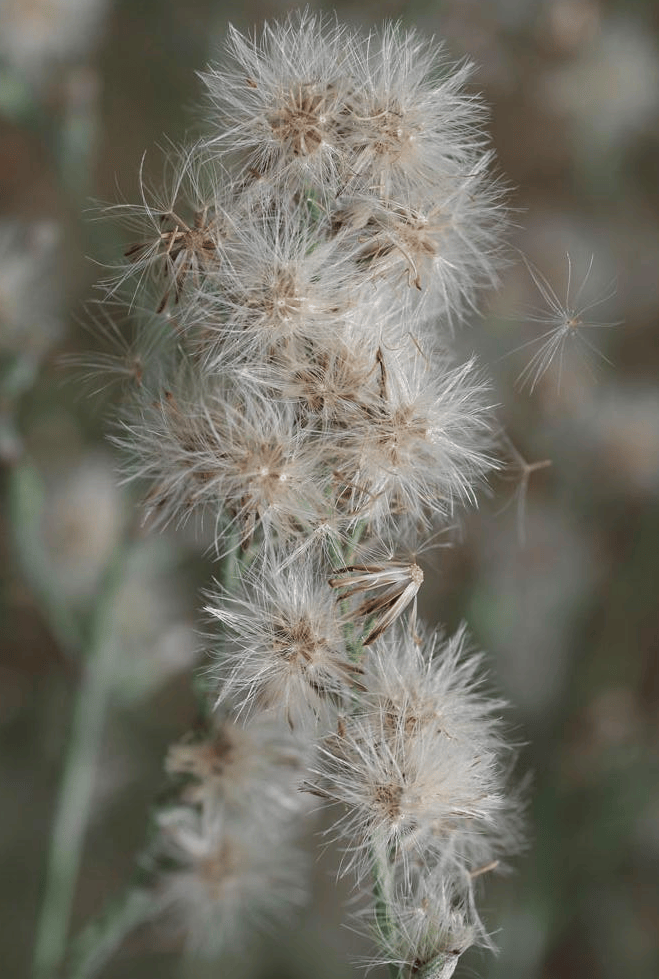
It has also been noted that “this plant also held spiritual significance in some indigenous cultures and was employed in ceremonial practices.” I have no specific references for this though.
Chemistry
The major constituents of the essential oil from the aerial parts were found to be elemol (21.5%), β-eudesmol (6.3%) and caryophyllene oxide (5.2%) (Ayaz et al 2017), while the main components of the root oil were hexadecanoic (33.0%), tetradecanoic (5.3%) and octanoic (4.6%) acids. (Ayaz et al 2017)
The antimicrobial activities of the oils were tested against Escherichia coli, Staphylococcus aureus and Candida albicans using a TLC-bioautography method. Both of the oils showed inhibitory activity against S. aureus and C. albicans, while the oils were found to be inactive against tested E. coli strain at 1 mg/mL concentration. (Ayaz et al 2017)
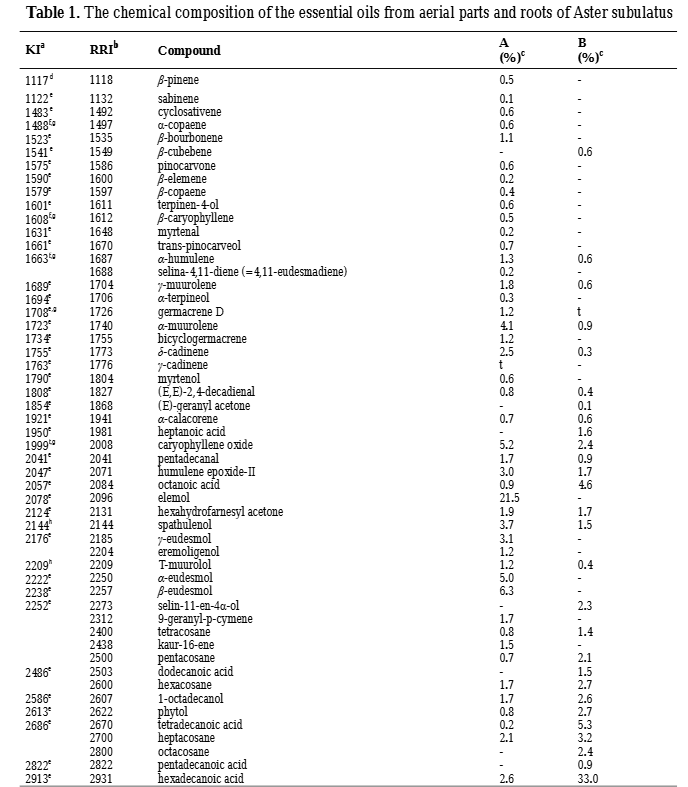
Column A : Oil from aerial parts
Column B : Oil from root
See Essential Oil Properties for more information on the healing properties of these phytochemicals.
Aster Tea
A common (and most easily effected) method of utilising asters is by preparing an infusion or herbal tea.This tea is traditionally used to relieve respiratory issues, ease digestive discomfort, and promote relaxation.
Ingredients:
Fresh or dried aster leaves and flowers.
Preparation
- Boil 1 cup of water.
- Add 1-2 teaspoons of dried aster (or 2-3 teaspoons of fresh aster) to the boiling water.
- Let it steep for 10-15 minutes.
- Strain and consume whilst still the tea warm.
Aster Tincture
For a more concentrated form of extract you can make an aster alcohol extract or tincture
Ingredients:
Fresh aster flowers and leaves, high-proof alcohol (preferably 45% – such as vodka).
Preparation
- Fill a glass jar halfway with fresh aster leaves and flowers.
- Pour alcohol over the plant material until it is fully submerged.
- Seal the jar tightly and store it in a cool, dark place for 4-6 weeks, shaking it occasionally.
- After the tincture has steeped, strain the liquid into a clean bottle.
Tinctures are typically used in small doses to support respiratory health and to alleviate pain
Traditional Chinese Medicine
Symphyotrichum subulatum (formerly Aster subulatus), known in Chinese as 钻叶紫菀 (Zuan Ye Zi Wan) or 瑞连草 (Rui Lian Cao), is an annual herb used in traditional Chinese folk medicine (TCM).
Traditional Uses
- Herbal Name: Rui Lian Cao (瑞连草)
- Parts Used: Whole plant (quan cao), typically harvested in autumn, used fresh or dried.
- Properties: Bitter, acid/sour, and cool/cold.
- Main Actions: Heat-clearing and dampness-drying medicine, relieves toxicity (qing re jie du), cools blood, and stops bleeding (liang xue zhi xue).
- Common Applications: Applied externally or decocted for sores, carbuncles, swelling, venomous snake/insect bites, and damp eczema
Chemical composition
The whole plant contains apigenin-7-O-β-D-glucoside, luteolin-7-O-β-D-glucoside, kaempferol-3-O-β-D-galactoside, and 3-O-β-D-galactoside-O-α-L-rhamnosyl. The compounds include kaempferol, quercetin-3-O-β-D-glucoside, apigenin, kaempferol, luteolin, quercetin, and chorogenic acid.
Dosage and administration: For internal use: decoct 10-30g (1). For external use: apply appropriate amount after pounding.
- A decoction is a method of extraction by boiling or simmering hard, woody plant parts—such as roots, bark, seeds, and stems—in water to pull out their chemical compounds and flavor. It also refers to the concentrated liquid produced by this process. To make a decoction with 30g of dried herb (often tough plant parts like roots, barks, or seeds), use about 500ml to 1 liter of water (roughly 2 to 4 cups). Place them in a pot, cover with a lid, bring to a boil, and simmer on low heat for 20 to 30 minutes, then strain before using
Indications : Carbuncles (one ounce of the whole herb, decocted in water and taken orally); eczema (the whole herb is pounded and applied to the affected area)
Harvesting and storage: Harvest in autumn, cut into sections, and use fresh or sun-dry.
Wild aster (Aster subulatus) is regarded as an environmental weed in Victoria, South Australia, Western Australia, New South Wales and Queensland. It is a common and widespread weed of gardens, pastures, crops, roadsides, disturbed sites and waste areas. It is also invasive along waterways, in seasonally wet or poorly drained areas, and in permanently damp sites such as wetlands, swamp margins and drainage channels.
This species is very widely naturalised (1) in Australia. It is particularly common in eastern Australia (i.e. throughout Queensland, New South Wales, the ACT and Victoria) and relatively common in southern Australia (i.e. in Tasmania, in many parts of South Australia and in south-western Western Australia. Also naturalised in the southern parts of the Northern Territory and on offshore islands (i.e. Lord Howe Island, Norfolk Island and Christmas Island).
- describes the geographic range where an introduced (alien) species has established self-sustaining populations in the wild, without direct human intervention
References
- Almeida, C.E., G.O. Margô, R.F. Karnikowski, and B. Baldisserotto. 1995. Analysis of antidiarrhoeic effect of plants used in popular medicine. Rev. Saúde Pública 29: 428-433.
- Ayaz, Fatma & Kucukboyaci, Nurgun & Demirci, Betül. (2017). Essential Oil Composition and Antimicrobial Activity of Aster subulatus Michx. from Turkey. Records of Natural Products. 11. 389-394.
- El-Sayed, N.H., A. Lenherr, S. Sundberg, and T.J. Mabry. 1987. Flavonoids of Aster subulatus. Biochemical Systematics and Ecology 15:549-550.
- Ghedini, P.C., and C.E. Almeida. 2007. Butanolic extract of Aster squamatus aerial parts is the active fraction responsible to the antiulcer and gastric acid antisecretory effects. Latin American Journal of Pharmacy 26:889-892.
- Ko, R.K., M.-C. Kang, B.-S. Kim, J.-H. Han, G.-O. Kim, and N.H. Lee. 2009. A new phloroglucinol glycoside from Aster subulatus Michx. Bulletin of the Korean Chemical Society 30:1167-1169.
- Kwok, Alan & Tai, Ada. (2023). Symphyotrichum subulatum 鑽形紫菀 @iN. 10.13140/RG.2.2.20499.45607.
- Lee, K., C.-C. Shen, C.-F. Lin, and S.-Y. Li. 2012. A phenolic derivative and two diacetylenes from Symphyotrichum subulatum. Planta Medica 78:1780-1783. DOI: 10.1055/s-0032-1315372
- Lobato-de Magalhães, Tatiana & Moncisvais, Montserrat. (2026). Plantas Acuáticas de Querétaro: distribución, usos y propagación. 10.61820/UAQ.9786075137810.
- MacFarquhar JK, Broussard DL, Melstrom P, Hutchinson R, Wolkin A, Martin C, Burk RF, Dunn JR, Green AL, Hammond R, Schaffner W, Jones TF. Acute selenium toxicity associated with a dietary supplement. Arch Intern Med. 2010 Feb 8;170(3):256-61. doi: 10.1001/archinternmed.2009.495. PMID: 20142570; PMCID: PMC3225252.
- NandaKafle, G. , Reese, R. and Oda, R. (2017) Antimicrobial Activity, Cytotoxicity and Phytochemical Analysis of Sanguinaria canadensis Native to South Dakota. Open Access Library Journal, 4, 1-15. doi: 10.4236/oalib.1104160.
- Simpson MG. Diversity and Classification of Flowering Plants: Eudicots. In: Plant Systematics. Elsevier; 2010:275-448. doi:10.1016/B978-0-12-374380-0.50008-7
- TAYLOR T. Flowering plants. In: Biology and Evolution of Fossil Plants. Elsevier; 2009:873-997. doi:10.1016/B978-0-12-373972-8.00022-X
- Wang MZ, Warshaw EM. Bloodroot. Dermatitis. 2012 Nov-Dec;23(6):281-3. doi: 10.1097/DER.0b013e318273a4dd. PMID: 23169210.
Websites
- Annual saltmarsh aster (Symphyotrichum subulatum): COSEWIC assessment and status report 2017 : https://www.canada.ca/en/environment-climate-change/services/species-risk-public-registry/cosewic-assessments-status-reports/annual-saltmarsh-aster-2017.html
- Are Aster Flowers Edible? – https://gardenerspath.com/plants/flowers/asters-edible/
- Are Asters Poisonous? – https://plantaddicts.com/are-asters-poisonous/#:~:text=Most%20species%20of%20asters%20are,come%20in%20contact%20with%20them.
- Aster subulatus Michx. : http://www.conabio.gob.mx/malezasdemexico/asteraceae/aster-subulatus/fichas/ficha.htm
- Asteracea flower structure : Santa Monica Mountains Trails Council : https://smmtc.org/plantofthemonth/Lyons_Pentachaeta.php
- 瑞连草 “Ruiliancao” (2026) 本词条由国家中医药管理局中医药名词术语成果转化与规范推广项目 提供内容 。National Administration of Traditional Chinese Medicine’s Project on the Transformation and Standardization of Terminology in Traditional Chinese Medicine – https://baike.baidu.com/item/%E7%91%9E%E8%BF%9E%E8%8D%89/4451321
- Botanical Briefs: Bloodroot (Sanguinaria canadensis) – Lauren Schwartzberg, DO; Sandra S. Osswald, MD; Dirk M. Elston, MD :https://cdn.mdedge.com/files/s3fs-public/issues/articles/ct108004212.pdf
- Diversidad vegetal en un gradiente en la Sierra Madre Occidental: flora y vegetación de la Región de San Javier y Yécora, Sonora (Plant diversity along a gradient in the Sierra Madre Occidental: flora and vegetation of the San Javier and Yécora Region, Sonora) CONABIO – https://www.snib.mx/iptconabio/resource?r=SNIB-H122
- University Of California Safe and Poisonous Garden Plants – https://www.smgrowers.com/info/FilmerPoisonousPlants.pdf
Images
- Aster subulatus head : By User:Salicynaderivative work: Eewilson – This file was derived from: Aster subulatus heads4 (11972150474).jpg:, CC BY 4.0, https://commons.wikimedia.org/w/index.php?curid=123095560
- Aster subulatus Michx. (Images – foliage) http://www.conabio.gob.mx/malezasdemexico/asteraceae/aster-subulatus/fichas/pagina1.htm
- Aster tataricus – By Pascalou petit – Own work, CC BY-SA 3.0, https://commons.wikimedia.org/w/index.php?curid=4626165
- Callistephus chinensis – By Emőke Dénes – kindly granted by the author, CC BY-SA 4.0, https://commons.wikimedia.org/w/index.php?curid=25409777
- Exploradores Coahuilenses : https://www.facebook.com/photo.php?fbid=1208436147978132&set=a.457839769704444&id=100064352755642
- Sanguinaria canadensis (Image) By Eric Hunt – Own work, CC BY-SA 4.0, https://commons.wikimedia.org/w/index.php?curid=102298891
- S. subulatum : By Harry Rose from South West Rocks, Australia – Aster subulatus heads1, CC BY 2.0, https://commons.wikimedia.org/w/index.php?curid=40469012
- S. subulatum base : By Leon Perrie – https://www.inaturalist.org/photos/114887428, CC BY 4.0, https://commons.wikimedia.org/w/index.php?curid=108056485
- Sea Aster – Identification, Edibility, Distribution, Ecology (Aster tripolium) https://gallowaywildfoods.com/sea-aster-identification-edibility-distribution/
- Symphyotrichum subulatum seed head – https://www.missouriplants.com/Symphyotrichum_subulatum_page.html
- Symphyotrichum subulatum flower close up – https://www.missouriplants.com/Symphyotrichum_subulatum_page.html
- Xylorhiza glabriuscula – https://www.inaturalist.org/photos/203567350

