
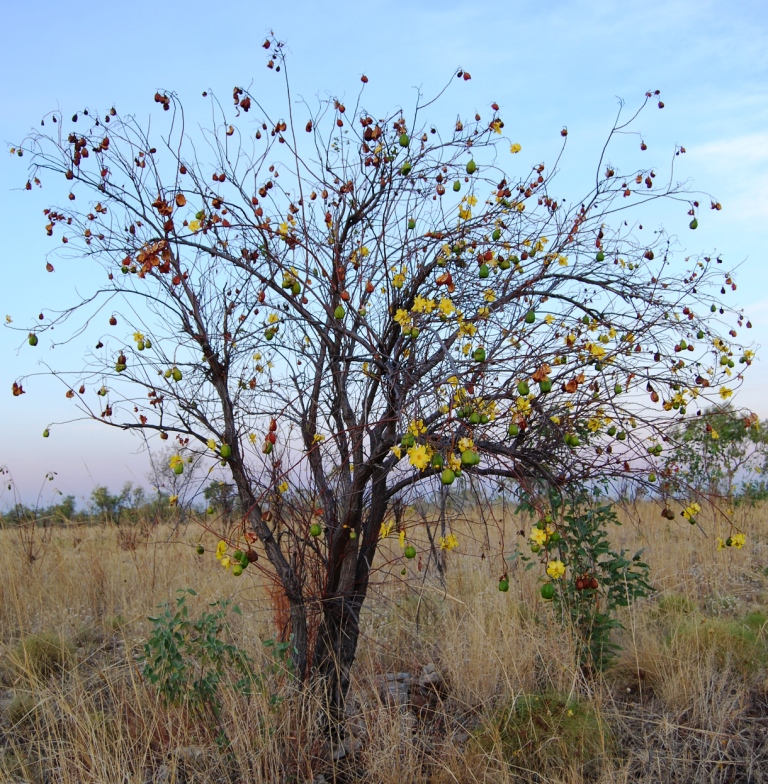
Identificación de plantas mexicanas posted on their Facebook page an image of this plant from the Que chulada oiga (1) page. They mention that “a good sinaloense has eaten from this plant” (2) and then asked “what do you call it?”
- (rough) translation : “That’s Awesome” A page celebrating Los Mochis, a coastal city in northern Sinaloa, Mexico
- Un buen sinaloense ha comido de esta plantita
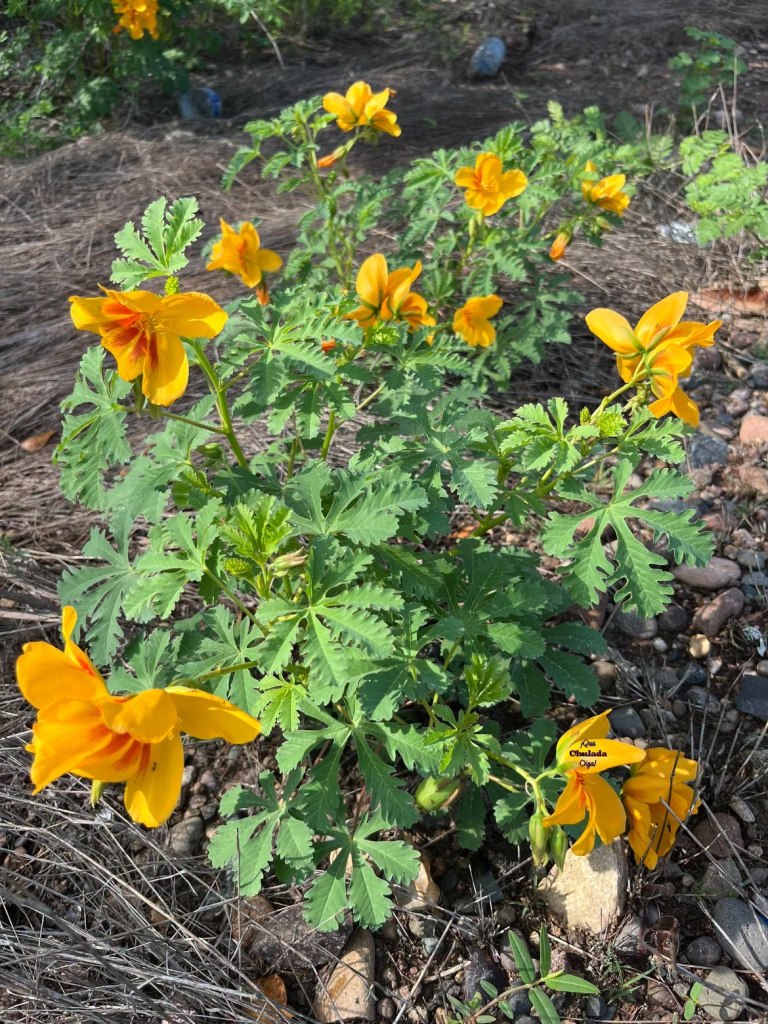
A couple of readers commented….
Baja California Sur where one reader identified it as “zaya” (another mentioned it being called “saya”)
Another reader noted that the plant is listed as endangered under NOM-059-SEMARNAT-2010 (but offered no name for the plant) (1)
One image search later and A.I. tells me……..
This plant resembles the Mexican Yellowshow (Cochlospermum palmatifidum), known for its bright yellow flowers.
It thrives in dry, rocky environments similar to the terrain shown.
It is native to North America, particularly Mexico
NOM-059-SEMARNAT-2010 identifies the plant as Amoreuxia palmatifida
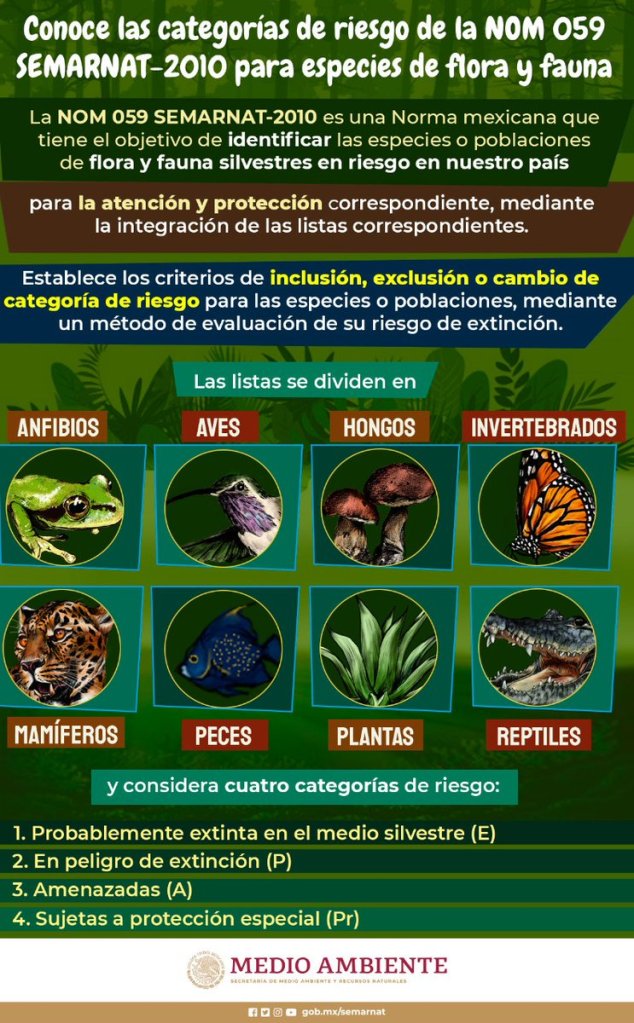
- Currently, Amoreuxia palmatifida is classified as “Subject to Special Protection” according to the NOM 059 (SEMARNAT, 2010), highlighting the importance of studying it in the field of agriculture for reproduction purposes and exploring bioactive compounds of interest in the areas of food and pharmaceuticals for consumption
A. palmatifida saya registers within the official Mexican standard 059, with the status of “subject to special protection”, due to the decrease in its natural populations, similar to A. wrightii which is “in danger of extinction” (SEMARNAT , 2010) (Van Devender et al., 2010). This contrasts with the fact that in the United States of America, only A. gonzalezii has protected status (Tull, 2013).
In the United States of America the protection status of A. gonzalezii is: GI category with NatureServe, CITES Appendix II, Bureau of Land Management Special Status Species, U.S. Forest Service Sensitive Species, and State of Arizona Highly Safeguarded Species. A. gonzalezii was a Category 2 candidate species, but in 2011 the FWS concluded that listing as endangered or threatened under the Endangered Species Act of 1973 was not warranted at that time (USFWS 2011). A. gonzalezii is not protected in Mexico under the NOM 059-SEMARNAT (2010) endangered species law.
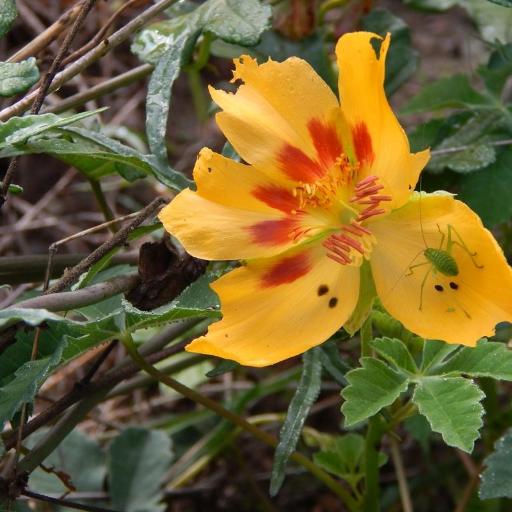
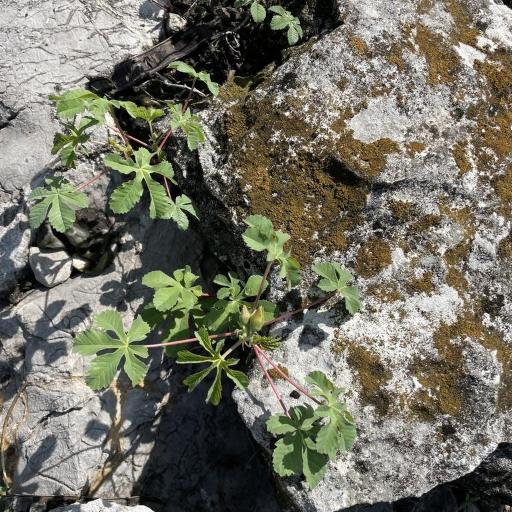
The Amoreuxia genus belongs to the Bixaceae family, with a number of species in different regions of Mexico, such as A. palmatifida, A. gonzalezii, A. wrightii, and A. malvifolia. These vary from region to region; in some cases they are used interchangeably with any species from the genus (Van Devender and Reina-Guerrero, 2013).
Amoreuxia palmatifida is a perennial herb with a native range from Arizona and New Mexico, through Mexico, Central America and Colombia
Synonyms
- Cochlospermum palmatifidum (DC.) Byng & Christenh.
- Amoreuxia schiedeana Planch. / Sprague
- Amoreuxia colombiana Sprague
- Euryanthe schiedeana Cham. & Schltd
Also called : saya, saiya, zaya, temaqui
Amoreuxia is called saya in the Mayo-Yaqui indigenous areas in southern Sonora and témaqui in the Ópata country in central Sonora. (Van Devender 2013)
Taxonomy
Plants (Kingdom Plantae)
Vascular Plants (Phylum Tracheophyta)
Flowering Plants (Subphylum Angiospermae)
Dicots (Class Magnoliopsida)
Mallows, Rock Roses, and Allies (Order Malvales)
Achiote Family (Family Bixaceae) (I did find this interesting. Visit another Bixa relative Achiote (Annatto)
Genus Cochlospermum
Mexican Yellowshow (Cochlospermum palmatifidum)
Amoreuxia palmatifida DC. is a synonym of Cochlospermum palmatifidum
There are species of Cochlospermum that range from herbs to trees native to tropical regions of the world, particularly Latin America, Africa, the Indian Subcontinent, and Australia.
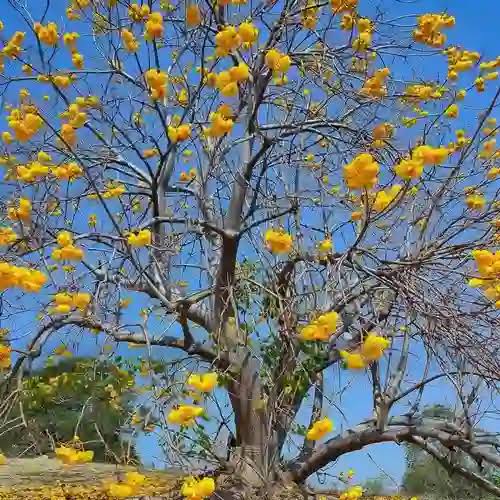
The name Amoreuxia refers to the savant Pierre-Joseph Amoreux, a French physician and naturalist who lived from 1741 to 1824
Cochlo-: Derived from the Ancient Greek κόχλος (kókhlos), denoting a spiral/helix shell or a snail.
-spermum: Derived from the Ancient Greek σπέρμα (spérma), meaning seed.
Together, the New Latin name translates to “spiral seed” or “twisted seed,” describing the curled or coiled embryo and shape characteristic of seeds within this tropical genus.(1).
- Kidney-shaped (reniform) to cochleate,
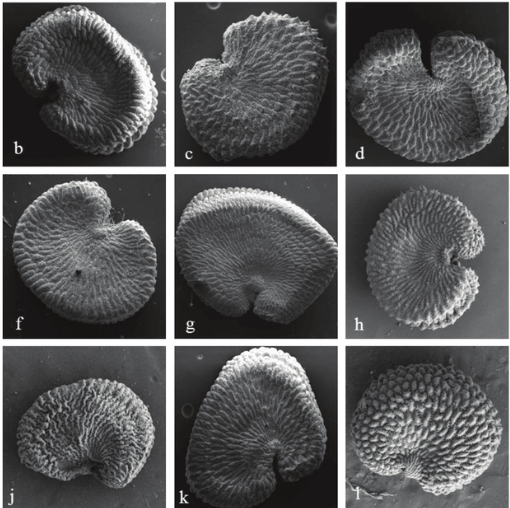
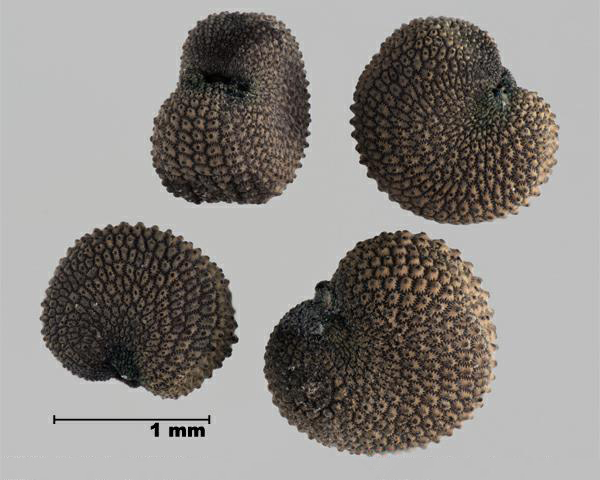
The botanical Latin term palmatifidum (the neuter form of palmatifidus) means “palmately cleft” or “deeply cut in a hand-shaped manner.” It is used in plant taxonomy to describe leaves that are divided into distinct lobes resembling outspread fingers, where the cuts extend roughly halfway to the leaf base.
palmati- (from palma): Meaning “the palm of the hand.” It signifies that the veins or lobes of the leaf radiate from a single central point at the tip of the leaf stem (petiole), mimicking fingers spreading from a palm.
-fidum (from the verb findere, meaning “to split” or “to cleave”, appearing in botanical compounding as -fid or -fidus): Meaning “cleft,” “split,” or “divided.”
The neuter form of the Latin botanical adjective palmatifidus is palmatifidum.
In botanical Latin, adjectives must agree in gender with the genus name they describe. For this adjective, the forms across the three genders are:
- Masculine: palmatifidus (e.g., Ranunculus palmatifidus)
- Feminine: palmatifida (e.g., Anemone palmatifida)
- Neuter: palmatifidum (e.g., Geranium palmatifidum)
Cochlospermum gonzalezii – Amoreuxia gonzalezii
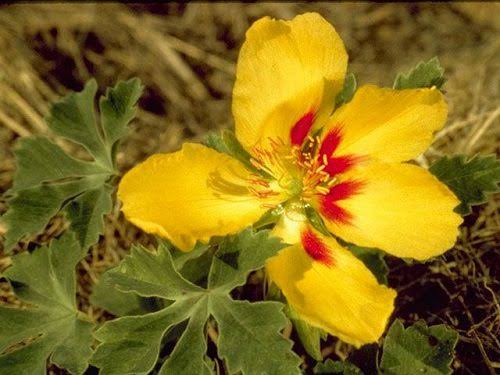
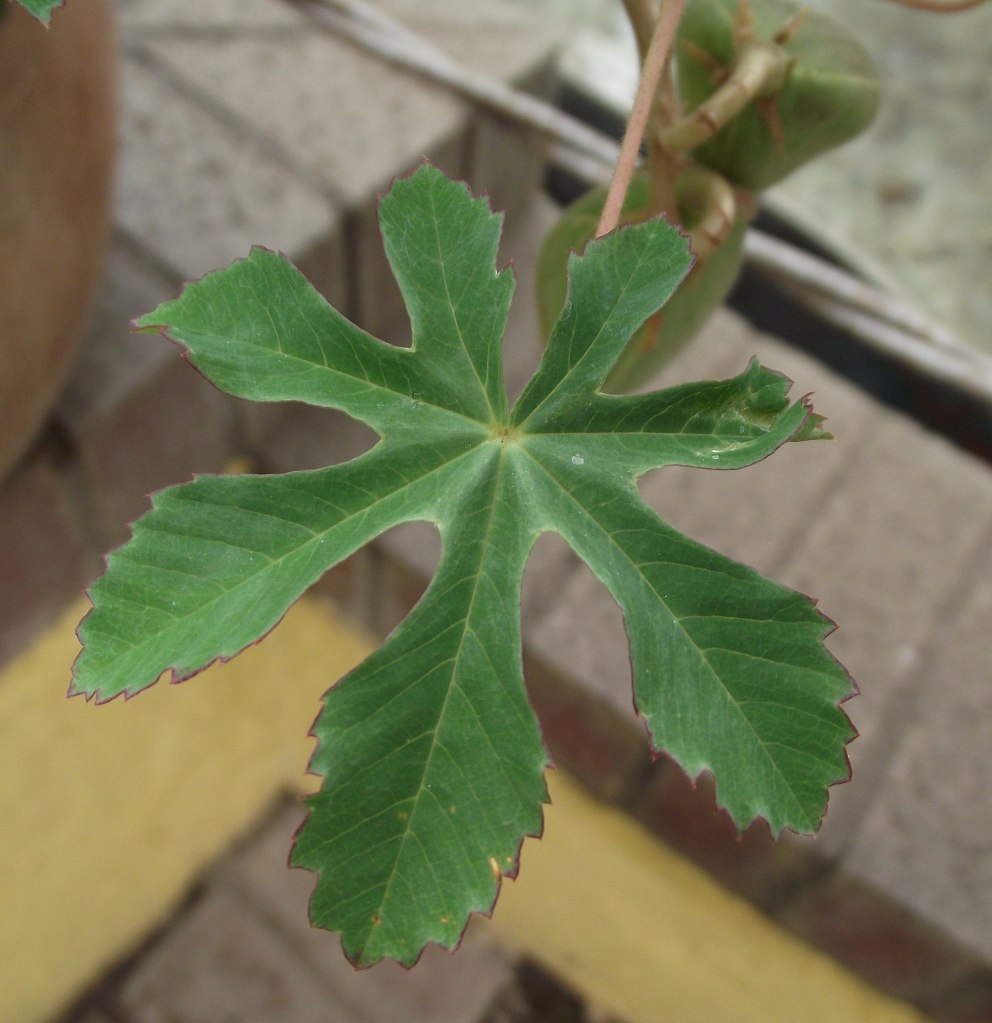
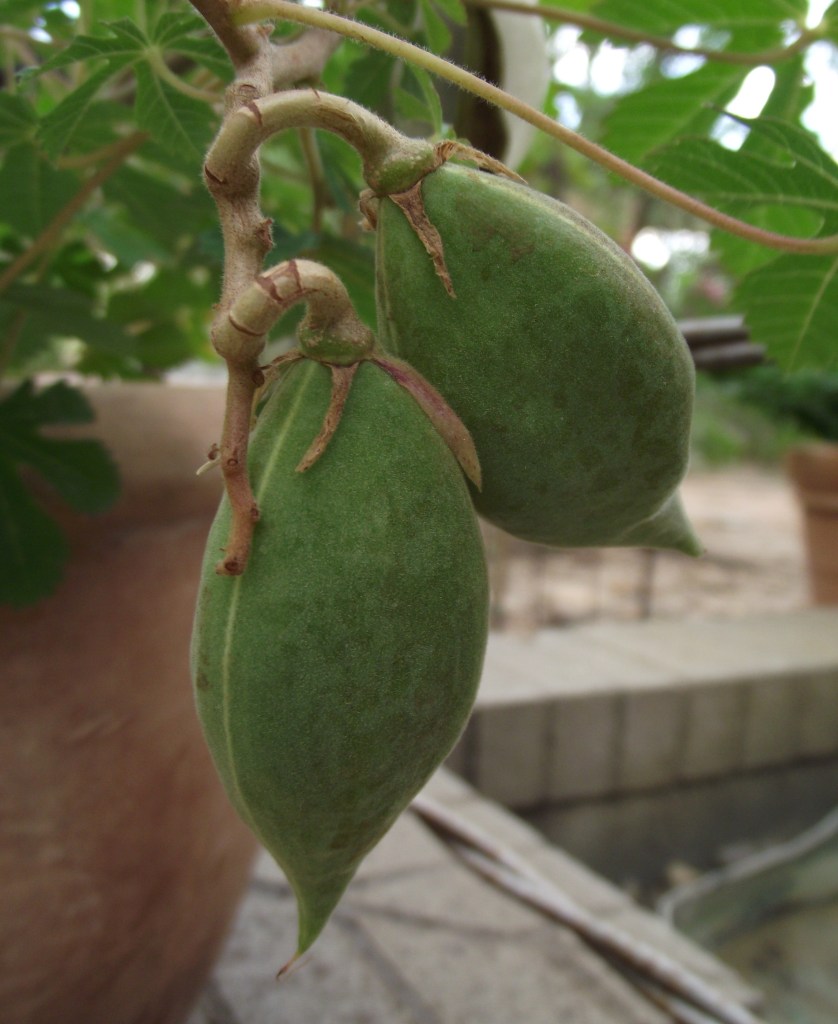
The related species, C. gonzalezii, is a rare plant and is only known in Arizona from small populations in the Baboquivari and Santa Rita Mountains in Pima and Santa Cruz counties. C. gonzalezii can be differentiated from the common, widespread C. palmatifida by its lavender lower stamens (not dark maroon), spherical seeds (not kidney shaped), and the longer hairs on the ovary.
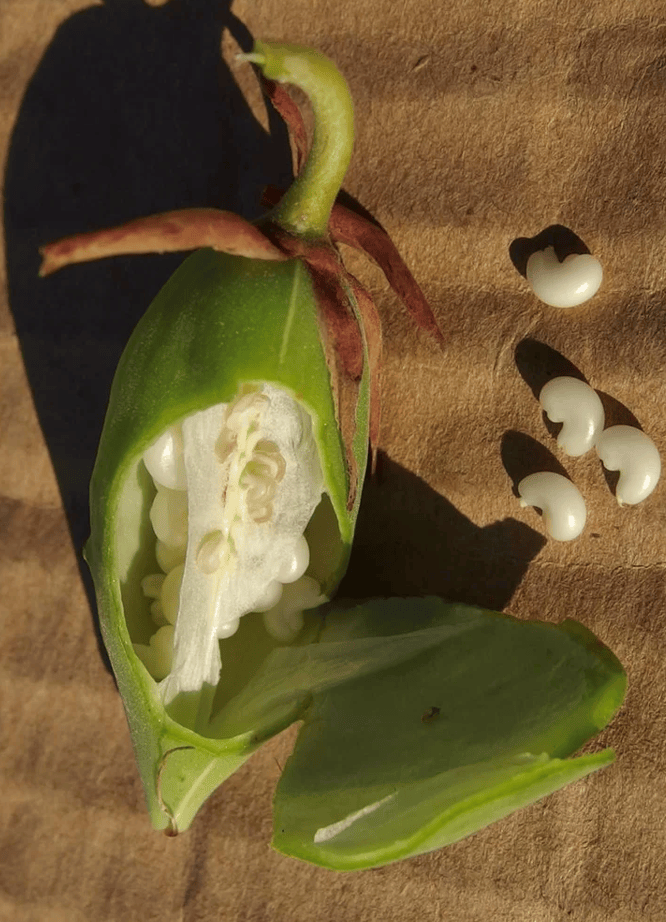
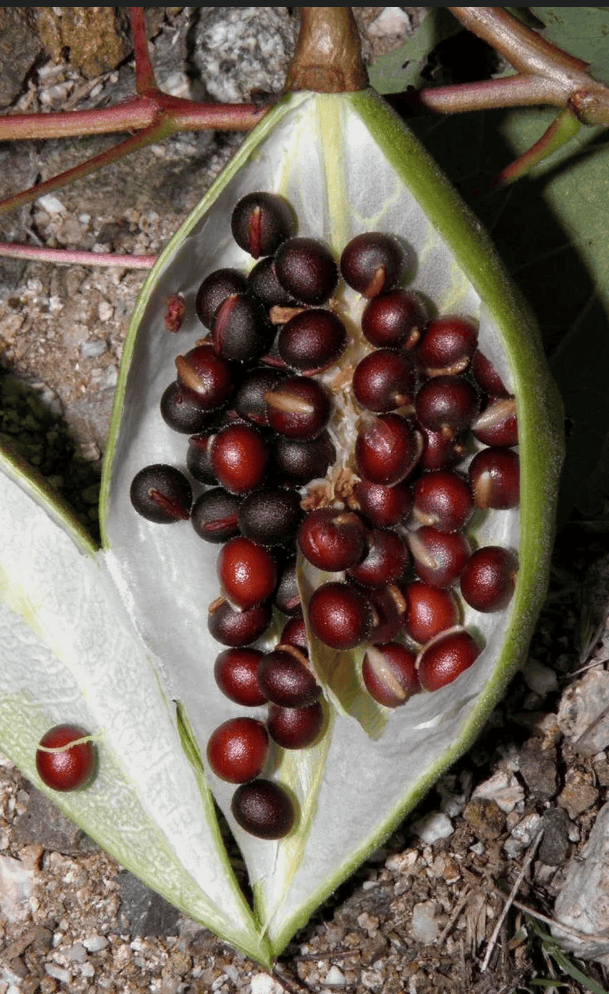
The only other species in North America is C. wrightii, which has less lobes on the palmate leaves (usually 5 instead of 7). It is found in the Rio Grande Plains, northwest near the Rio Grande to Terrell County, also northeastern Mexico, and possibly as far south as Peru.
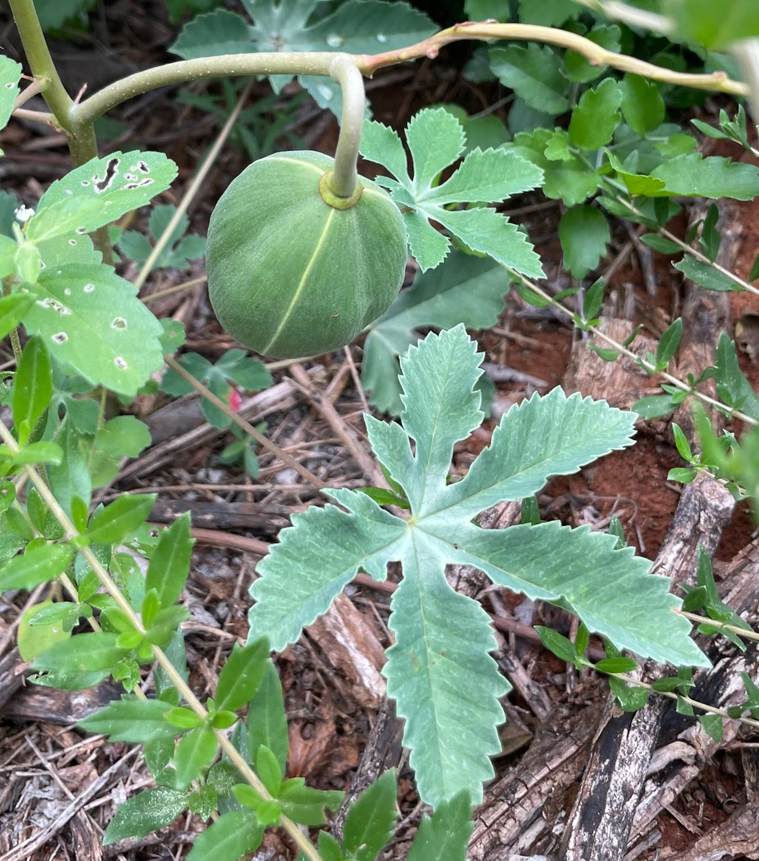
A reference to the culinary and medicinal uses of A.palmatifidia which I came across regularly is as follows. I have tried to track the in text reference noted in all of these occurrences (not with complete success though). The information eventually led me back to its source at Flora of North America (see References Johnson-Fulton et al 2020)
All parts of Amoreuxia palmatifida, especially the root, have been used as important food sources by indigenous tribes in northern Mexico and southwestern United States (W. C. Hodgson 2001).
The roots, which have been described as tasting like potatoes or parsnips, have been eaten raw, boiled, toasted, roasted, baked, or preserved (Hodgson; H. H. Poppendieck 1981).
In Baja California, the roots were used in soups, and baked or dried and ground into a flour to make tortillas. One Seri tribe inhabiting Tiburon Island strung thin slices of the root as necklaces (Hodgson).
The roots are used medicinally in Sinaloa to lower fevers (Poppendieck).
The flowers, young tender fruits, and seeds are eaten raw, and the fruits are also boiled. The dried mature seeds have been used as a coffee substitute, and the stems and leaves as a potherb (Hodgson 2001) (D. Yetman and T. R. Van Devender 2002)
Further research…….
All parts of the saya (Amoreuxia spp.) are edible and the plant is a traditional food plant of the Seri and other native peoples of northwestern Mexico. Almost every part of the plant can be used, including its tuberous, roots, leaves, flowers, immature fruits, and seeds (Phillips 2022) (Hodgson, 1989).
Species from the Amoreuxia genus are termed as perennials, with elongated tuberous roots, and green stems that sprout newly every year during the summer rains. Its seasonal cycle, emerging after summer rains and persisting into autumn, made it a dependable resource in arid lands. It dies back in winter, regrows from the crown each spring, and strengthens its root system year on year (except if you dig it up of course)
The roots, with their mild parsnip-like flavour, are the most important edible part, but the leaves, flowers, young fruits, and seeds also provide food value.
It is harvested in the field when it is flowering, and the root is the part that is used, which is then cooked and sold door-to-door or at semi-permanent stalls in the region’s markets.
The plants were said to be common, but that in dry years may not leaf out. The Mayo people (1) interviewed about this plant (Van Devender & Reina-Guerrero 2013) note that “harvesting the tuber kills the main plant, but pieces of the tuber can resprout. They eat the tuber or camote raw or roasted, often with lime juice to add flavour. Green fruits are eaten raw. Mature seeds are ground into a meal that produces a coffee substitute” of purportedly excellent flavour.
- The Mayo people (self-named Yoreme, meaning “the people”) are an Indigenous group in northwest Mexico living in southern Sonora and northern Sinaloa.
The roots are the most important edible part, forming a substantial and reliable food source. They are thick, white, and covered with thin, weakly attached brown skins. Their flavor is mild and pleasantly earthy, reminiscent of parsnips with a unique yellow show character. The roots are fully chewable, even when older, and produce a sweet, aromatic broth when simmered, making them ideal for soups or stews. Roots can be gathered any time the aboveground parts are visible, from early summer to late autumn (Phillips 2022).
Some roots can carry a bitter taste or slight aftertaste; soaking or boiling them beforehand helps reduce any unpleasant bitterness
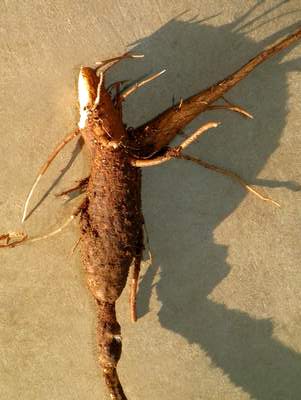
Palmer (1878) notes that the Indians of Arizona prepared the roots in hot ashes, and that he also tried them himself, finding them tasty but with a slightly bitter aftertaste. Hodgson (2001) relates observations of one H.S. Gentry, who noted that the “yellow show would be an excellent kitchen garden plant, both attractive and edible. The tender green fruits contain seeds that can be eaten raw. The green fruit of Wright yellow show likewise has very flavourful seeds”. Even when the fruit matures the seeds are edible.
The entire plant is edible. People eat the tuber raw or roasted, often with lime juice to add flavour. Green fruits are eaten raw. Mature seeds are ground into a meal that produces a coffee substitute of purportedly excellent flavour.
The leaves can be eaten fresh, but are better cooked as potherbs. They have a spinach-like taste with a slightly mucilaginous texture, which becomes more appealing when boiled. The cooking water produces a thick, mildly flavorful broth. Leafstalks and stems are tough and fibrous, but the blades are tender and easily chewable. Leaves appear early in summer after rains and persist into late autumn (Phillips 2022). Sauté the greens: Use young, tender leaves as a cooked green by sautéing them, but make sure to strip away any tough, fibrous parts first to avoid stringiness.
The flowers are among the best-tasting parts of the plant. Bright orange-yellow, they add color and a touch of sweetness to salads. Unlike the leaves, they are low in mucilage and free of harsh flavors. Blooming mainly between July and September, the flowers close by midday to avoid heat damage (Phillips 2022).
Cook pods and seeds: The young seed pods can be cooked similarly to okra, and the young seeds inside can also be eaten raw or processed
The fruits are hollow, balloon-like capsules. Young fruits, gathered before drying, have a mild flavor reminiscent of green beans with a fruity, incense-like accent. They are best used in stir-fries or as a cooked vegetable. Mature fruits become papery and are suitable only for seed harvest (Phillips 2022).
The seeds are initially white and tender but become reddish- to blackish-brown and shiny as they mature in autumn. The seeds were not sampled directly in the study being referenced (Phillips 2022), but the writer notes that they were used traditionally as food. Care should be taken not to confuse the elongated seeds of A. palmatifida with the spherical seeds of Amoreuxia gonzalezii (Santa Rita yellowshow), which should not be harvested (Phillips 2022).
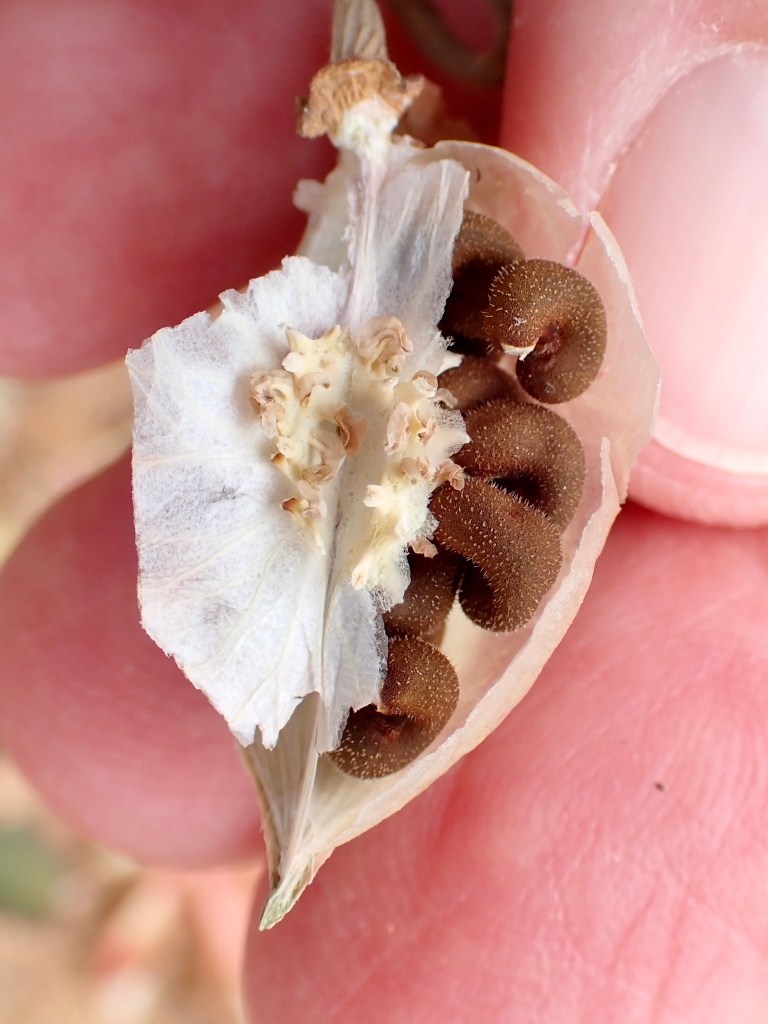
Edibility Rating: 4/5 – A versatile desert wild food, with particularly valuable roots and flowers, though the plant is uncommon in the U.S. and more significant in Mexico. (Phillips 2022). While rare in the United States, it remains more abundant in Mexico, where its role in traditional diets is well remembered.
According to Lizárraga (1980), “the zaya, cooked with salt, is delicious with milk. The dried root, applied to arrow wounds, is effective against the herb that the Indians customarily rub on them; this herb is ground, and the powder is what is used; it is also good to eat raw, cooked, and made into a dough.”
Para Lizárraga (1980), “la zaya cocida con sal es deliciosa con leche. La raíz secada y echada en las heridas de flecha es contra la yerba que acostumbran los indios untarles, la que se muele y el polvo es el que se usa; también es buena para comer cruda, cocida y hacen como masa”.
All parts of the Zaya plant are edible, including the root, stem, leaf, petals, and fruits (Hodgson, 1993), with the root being the most consumed part and having various preparation techniques, such as cooking methods and soaking to avoid a bitter taste. This species is particularly mentioned for its use in treating spider bites and as a potential treatment for diabetes (Castro-Montoya et al., 2012) (Michel et al., 2023).
Despite its past and present consumption, there is no published information concerning the nutritional content of different parts of the saya plant for human consumption.
References
- Arman, Mitra & Gholipour, Abbas. (2013). Seed morphology diversity in some Iranian endemic silene (caryophyllaceae) species and their taxonomic significance. Acta Biologica Szegediensis. 57. 31-37.
- Castro Montoya, J. A., Zayas Barreras, R. A., Saiz Aguilar, P., Romero Lozoya, M., Bojórquez Camacho, F. R., & Bojórquez Camacho, O. (2012). El consumo de la zaya (Amoreuxia spp) una tradición cultural de la región del Évora en el estado de Sinaloa, México. Revista Mexicana de Agronegocios, 16(30), 898-907.
- Celaya-Michel H, Hinojo-Hinojo C, Celaya-Rosas M, Valdez-Zamudio D, Rueda Puente EO. 2020. Plantas nativas más comunes de las zonas áridas de Sonora. Universidad de Sonora. Colección de Textos académicos. Hermosillo Sonora. https://doi.org/10.47807/UNISON.41. 255 p.
- Hodgson, W. 1993. Bixaceae, lipstick tree family. Journal of the Arizona-Nevada Academy of Science. 27: 188-189
- Hodgson, Wendy C. (2001) Food Plants of the Sonoran Desert. University of Arizona Press, Tucson, Arizona.
- Johnson-Fulton, Susannah B. &. Watson, Linda E (2020) Amoreuxia palmatifida de Candolle in A. P. de Candolle and A. L. P. P. de Candolle, Prodr. 2: 638. 1825. (last edited on 5 November 2020, at 23:23) https://floranorthamerica.org/Amoreuxia_palmatifida Accessed 07 AUG 2026
- León de la Luz JL, Coria R. 1992. Flora Iconográfica de Baja California Sur. La Paz, BCS, México. http://dspace.cibnor.mx:8080/handle/123456789/2131.
- Lizárraga Aramburu, Pablo (1980). Nombres y piedras de Sinaloa, I nomenclatura indígena (datos geográficos, históricos, de animales, plantas, minerales y palabras que han sido de uso común, Ed. Destaca programa.
- Michel, H.C., Islas, J.D.R.R., Hinojo, C.H., Rosas, M.C. and Silva, M.B. 2023. Perspectivas del cultivo de la saya (Amoreuxia spp.) en el noroeste de México como nuevo producto agronómico. Agricultura, Sociedad y Desarrollo. 20(2): 4-13\
- Palmer, Edward (1878) Plants Used by the Indians of the United States. American Naturalist 12:593-606; 646-655.
- Phillips, Brian Lee (2022), The Botany of Survival: A Forager’s Experience in the American Southwest, ISBN: 978-0-578-35441-5.
- Poppendieck, Hans-Helmut. (1981) “Cochlospermaceae.” Flora Neotropica 27; pp 1-33 Published By: New York Botanical Garden Press
- Riley, L.A.M. (1923) Contributions to the Flora of Sinaloa: Bulletin of Miscellaneous Information (Royal Botanic Gardens, Kew), Vol.1923, No. 3 (1923), pp. 103-115 URL: http://www.jstor.org/stable/4118296Rodríguez-Velez, Alejandro & Celaya-Michel, Hernán & González Vega, Ricardo & Robles, Miguel & Ruiz-Cruz, Saúl & Bernal-Mercado, Ariadna & Cornejo, Yaeel & Del Toro, Lizette. (2025). Characterization, antioxidant capacity and erythroprotective effect of Zaya (Amoreuxia palmatifida) extracts. Biotecnia. 27. e2547. 10.18633/biotecnia.v27.2547.
- SEMARNAT. 2010. Norma Oficial Mexicana NOM-059-SEMARNAT-2010. Protección ambiental-Especies nativas de México de flora y fauna silvestres-Categorías de riesgo y especificaciones para su inclusión, exclusión o cambio- Lista de especies en riesgo. Secretaría del Medio Ambiente y Recursos Naturales. Diario Oficial de la Federación. Cd. Mx., México. Recuperado de http://dof.gob.mx/nota_detalle.php?codigo=5173091&fecha=30/12/2010..
- Tull D. 2013. Edible and Useful Plants of the Southwest: Texas, New Mexico, and Arizona. University of Texas Press, Austin. Recuperado de https://utpress.utexas.edu/9780292748279/
- Van Devender TR, Felger RS, Fishbein M, Molina-Freaner FE, Sánchez-Escalante JJ, Reina-Guerrero AL. 2010. Biodiversidad de las plantas vasculares. In: FE Molina-Freaner, & TR Van Devender (eds), Diversidad biológica de Sonora. UNAM, México. pp: 229-262.
- Van Devender TR, Reina-Guerrero AL. 2013. In Search of Amoreuxia and Echinocactus in Sonora. The Plant Press. The Arizona Native Plant Society, 36, 1-3. Recuperado de http://www.aznps.com/documents/2013.12.PP.pdf.
- Yetman D, Van Devender TR. 2002. Mayo ethnobotany: land, history, and traditional knowledge in northwest Mexico. Univ. of California Press. Berkeley, USA. Recuperado de https://www.ucpress.edu/ book/9780520227217/mayo-ethnobotany.
Websites
- Amoreuxia gonzalezii fruits – https://upload.wikimedia.org/wikipedia/commons/8/80/Amoreuxia_gonzalezii_fruits.jpg
- Amoreuxia gonzalezii (leaf) at Tucson Botanical Gardens, Tucson, Arizona, USA. Identified by sign. – By Stickpen – Own work, CC0, https://commons.wikimedia.org/w/index.php?curid=16402880 – https://en.wikipedia.org/wiki/Amoreuxia_gonzalezii#/media/File:Amoreuxia_gonzalezii_leaf.jpg
- Mexican Yellowshow (dried seed pod) Cochlospermum palmatifidum : Santa Cruz County, AZ, USA : Suecar – https://www.inaturalist.org/observations/323218688
- https://www.spadefootnursery.com/perennials-c-d/cochlospermum-palmatifidum
- Que chulada oiga : https://www.facebook.com/profile.php?id=61558034681348


