Yerba Porosa : (Unknown Porophyllum)

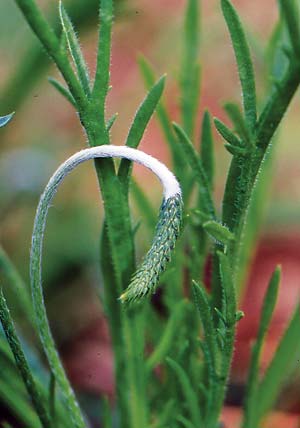
The porophyllum species continues to surprise. I have recently come across an organic seed seller in Florida who is selling a plant they call Yerba porosa. Yerba porosa is a common name that frequently refers to P.ruderale and translates to “porous herb” (grass) in reference to the oil filled glands (or pores) that give this herb its distinctive flavour profile. The variety of this plant … Continue reading Yerba Porosa : (Unknown Porophyllum)

Cerveza de nopal (Nopal Beer)

(Is there anything this plant CAN’T do??) In 2009 a Czech company began importing from México nopal, grown on the slopes of the Mexican volcano Popocatépetl, as an additive to produce gourmet breads. Nopal is known for having a range of health benefits (See Post on The Medicinal Qualities of Opuntia Cladodes) and it would make a valuable addition to bread as it would lower … Continue reading Cerveza de nopal (Nopal Beer)

Dia de Muertos IS NOT Halloween

Death burns the lips of other cultures, but the Mexican is familiar with death, jokes about it, caresses it, sleeps with it, celebrates it; it is one of his favorite toys and his most steadfast love. Octavio Paz Day of the Dead IS NOT (and has nothing to do with) Halloween. Halloween (which is rooted in Samhain) is celebrated on the eve of 31st of … Continue reading Dia de Muertos IS NOT Halloween

Cempasúchil

Tagetes erecta (syn Caryophyllus Indicus)Also known as : Flor de muerto, African marigold, Cempoalxόchitl (Nahuatl name “twenty flower”, from cempohualli – twenty and xochitl – flower), cempasuchitl, zempasuchitl, apátsicua (purépecha and tarasco), caxiyhuitz (huasteco), guie’biguá, guie’coba, picoa and quiepi-goa (zapoteco), kalhpu’xa’m (totonaco), Ita-Cuaan (Mixtec), Jondri (Otomí), Genda phool, Genda (Hindi, Bengali), Chenduhoovu, Chendu huva (Kannada), Ghenda (Marathi), Galaghoto (Gujarati), Chendu malli (Malayalam), Banti Puvuu (Telgu), … Continue reading Cempasúchil

Cumin

Amongst the spices introduced to Mexico with the Spanish was the seed of an umbelliferous plant in the Apiaceae family (1) known as Cumin (Cuminum cyminum). Cumin was very popular in ancient Rome and containers of it were kept on the dinner table much like pepper is today. Cumin is native to an area of the Eastern Mediterranean known as the Levant. The term Levant originally meant “the … Continue reading Cumin

La culpa es de los Tlaxcaltecas (The Tlaxcaltecas are to blame)

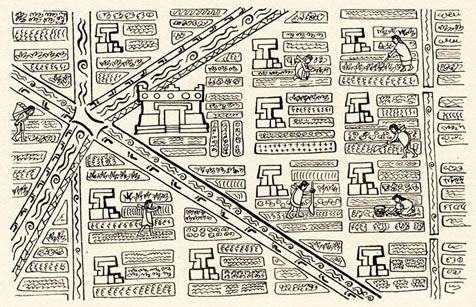
Title taken from a short story by Elena Garro, published in 1964 as part of the collection La Semana de Colores (The Week of Colours) This map demonstrates the area of influence of the Triple Alliance at the peak of its power just prior to its subjugation by the Spanish. Note the area close to the centre of the map showing the area controlled by the … Continue reading La culpa es de los Tlaxcaltecas (The Tlaxcaltecas are to blame)

Medicinal use of Miel de Agave (agave honey)

A type of “honey” can be made from aguamiel. Aguamiel is heated in a pot until most of the moisture has evaporated and the liquid has thickened to the texture of honey and becomes dark amber in colour. For every 9 litres of aguamiel you will produce around only 1 litre of agave honey. According to CINVESTAV (The Center for Research and Advanced Studies of the … Continue reading Medicinal use of Miel de Agave (agave honey)

Sotol.

Sotol is a distilled spirit similar in vein to mezcals and tequila that has been sourced from the dasylirion plant. Although previously classed as an agavaceae the dasylirion is a small genus of 18 semi-succulent species in the Nolinoideae (a subfamily of the Asparagaceae) family. The dasylirion is also known commonly as the Desert Spoon. This plant is common to northern Mexico, New Mexico and … Continue reading Sotol.

Tequila and Mezcal : A Primer : How to read a tequila or mezcal label.

All tequila is mezcal but not all mezcal is tequila. Tequila and mezcal are both spirits created by the distillation of the juice that has been sourced from the heart of an agave. This heart (or piña) is roasted (in the case of mezcal) or steamed (in the case of tequila) (1) then crushed to obtain the juice. This juice is then fermented and distilled … Continue reading Tequila and Mezcal : A Primer : How to read a tequila or mezcal label.

Ecologically friendly alternative to leather from the Nopal cactus

This October two inventors from Guadalajara in Mexico will travel to Milan in Italy to showcase a new product made from the nopal cactus at Lineapelle. Lineapelle is a prestigious international trade exhibition of leather goods which is held twice a year and exhibits “New trends in leather, textiles and synthetics for shoes, handbags, leather goods and leatherwear”. In the upcoming October fair Adrián López … Continue reading Ecologically friendly alternative to leather from the Nopal cactus