Books along the way

As a chef I have amassed a collection of books regarding the cuisines of many cultures. The largest section of my collection is by far the books on México (and México adjacent) cuisine. This is a small journey through the library of my mind. This was the book that fundamentally changed my understanding of Mexican cuisine and cookery. This book also introduced me to the … Continue reading Books along the way

Cooking Technique : Martajar (and the Molcajete)

Martajar : TRANSITIVE VERB : (Centroamérica) (México) [+maíz] to pound; grind “Es la acción de machacar alimentos, ya sea en molcajete o metate, con antiguos utensilios de la época prehispánica, obteniendo una mezcla con aspecto rústico al que se le denomina molcajeteado, martajado o “no bien molido”. It is the action of crushing food, either in a molcajete or metate, with old utensils from pre-Hispanic … Continue reading Cooking Technique : Martajar (and the Molcajete)

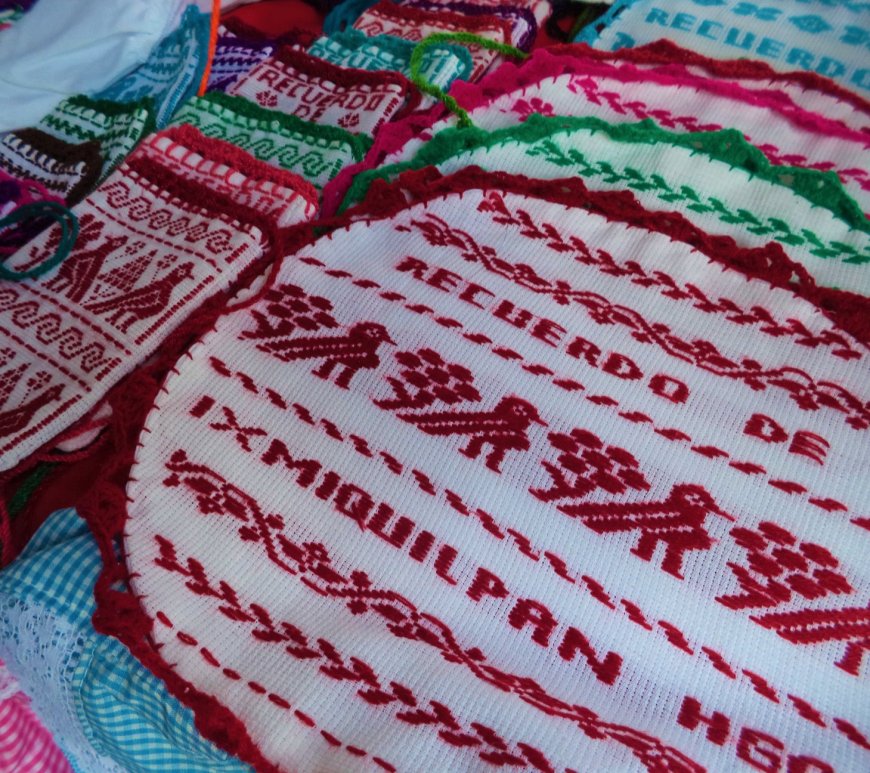
Ixmiquilpan : Land of the Obsidian Arrow Quelite

Ixmiquilpan, equivalent to Nahuatl Itzmiquilpan, from itzmīquilitl (purslane/verdolagas) +‎ -pan (locative suffix), from Mezquital Otomi Nts’u̱tk’ani, from tsꞌu̱tkꞌǎni (purslane). Ixmiquilpan is a city and one of the 84 municipalities of Hidalgo. It is located in the central west part of the state of Hidalgo in central-eastern Mexico. The first ethnic group to settle in the Mezquital Valley in Hidalgo state were a group of Otomies … Continue reading Ixmiquilpan : Land of the Obsidian Arrow Quelite

Nejayote

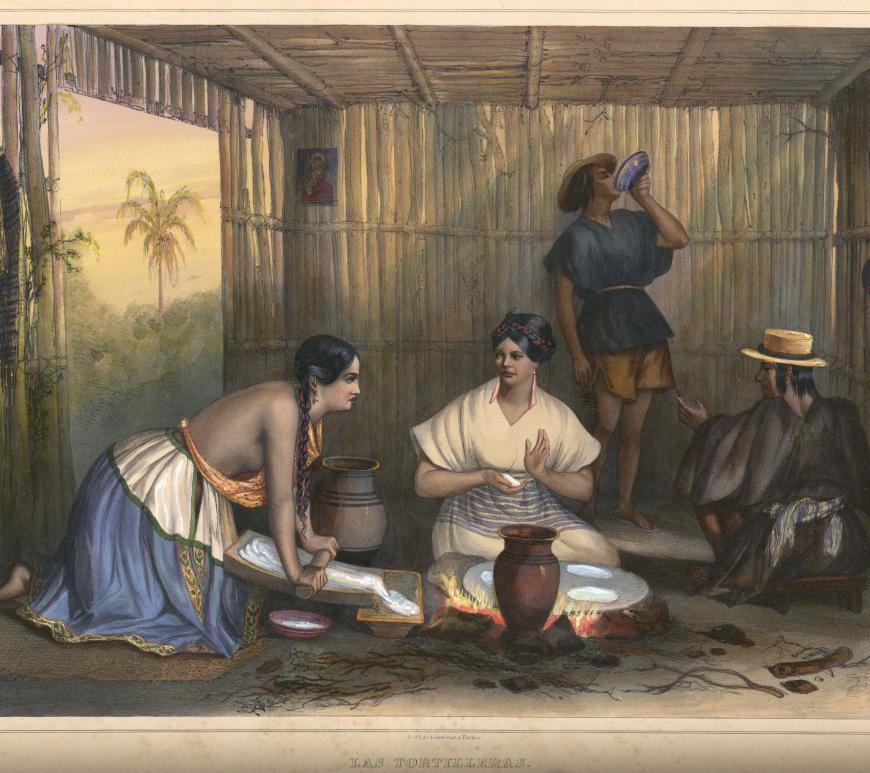
Cover Image by Carl Nebel – Voyage pittoresque et archéologique dans la partie la plus intéressante du Mexique par C. Nebel, Architecte. 50 Planches Lithographiées avec texte explicatif., Public Domain Nejayote Also nijayote : from Guerrero Nahuatl nexayotl, Tlamacazapa Nahuatl nexayotl Corn was traditionally processed by cooking and steeping the kernels with lime or wood ashes (1), discarding the cooking liquor or nejayotl (from tenextli … Continue reading Nejayote

México’s contributions to the World : The Botanical Treasures of Mexico

This last Saturday (27/06/22) I was blessed with the opportunity of being able to present a talk on México at the Western Australian Museum. I was invited by the Friends of Mexico Society (FOMEX) to present one of a series of four talks on México. Cesar (the President of FOMEX in W.A.) presented the first talk on 10 Interesting Facts About Mexico and Ernesto (the … Continue reading México’s contributions to the World : The Botanical Treasures of Mexico

El Avatar de Xochipilli

The Avatar (1) of Xochipilli an embodiment (as of a concept or philosophy) often in a person (in this case a statue) The most common reference for the discovery of this statue that you will find will likely be “In the mid-19th century, a 16th-century Aztec statue of Xochipilli was unearthed on the side of the volcano Popocatépetl near Tlalmanalco” (1) although others state “His … Continue reading El Avatar de Xochipilli

Xochipilli : A Force of Nature

Yaoehecatl, dancer (1), historian, writer, instructor, lecturer, and Primera Palabra o Jefe del Calpulli Metzcualo-Tonalyeztli (First Word or Chief) of the Calpulli (2) Metzcualo-Tonalyeztli (3) has recently published some material which places Xochipilli into the “force of nature” category from the indigenous point of view of the Mexica. The work “Xochipilli y San Juan Bautista. El sincretismo del Solsticio de Verano” (4) equates the current … Continue reading Xochipilli : A Force of Nature

Puches : Part 2 : Puches or Puchas?

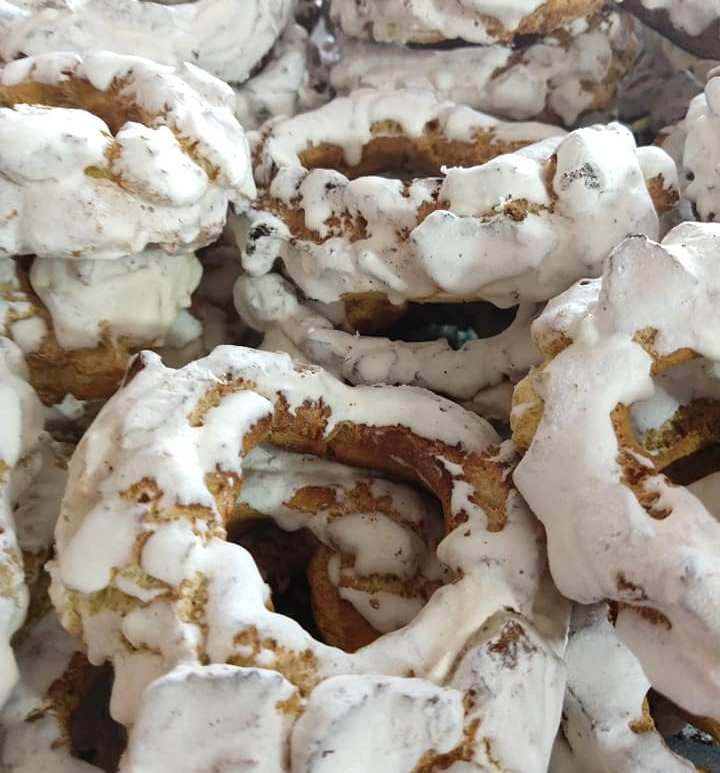
Cover Image : Puchas from the Panadería La Purisima De Silao in Guanajuato, Mexico My last Post (1) was borne from a readers comment regarding tequesquite. Tequesquite is a natural mineral salt that has been used in Mexico since pre-Hispanic times (mainly as a culinary ingredient/food seasoning). It was mentioned in an historical document from 1844 that was a list of ingredients, and their costs, … Continue reading Puches : Part 2 : Puches or Puchas?