
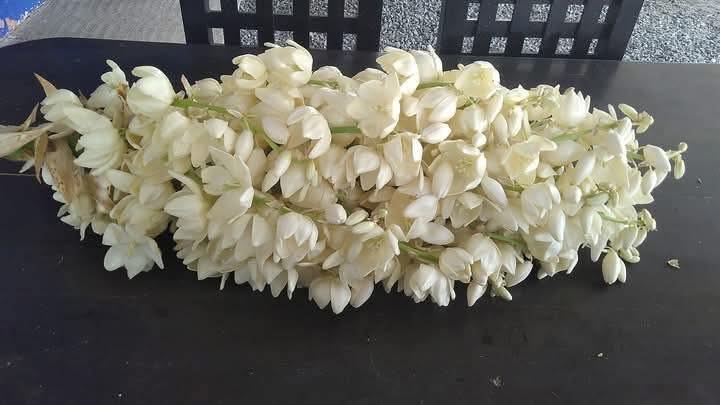
Flor de izote is the name for the edible flowers of the Yucca plant.
Also called : Flor de Itabo, Lamaparas de Dios, Daguillo, Yucca flower, Cuaresmeña, Chocha, Palm flower, Pito flower, and Guayas.
Izote derives from the Nahuatl word izotl (iczotl) which is the name for a species of yuca (Yuca aloifolia)
According to the Nahuatl dictionary…..
iczotl.
Principal English Translation: a type of yucca (Yuca aloifolia) (see Karttunen), or wild palm
This Nahuatl dictionary entry also notes “ The iczotl is pictured and described in the Florentine Codex, Book 11.”
The picture
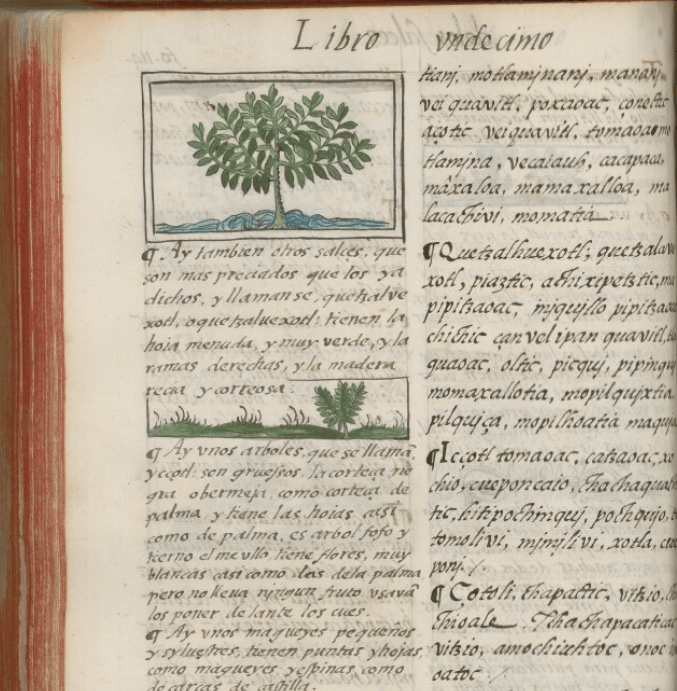
The description (block of text in bottom left corner of image above)
There are some trees that are called iczotl. They are thick. The bark is black or red, like the bark of a palm tree. And its leaves are almost like a palm tree’s. It is a spongy tree, with a tender core. Its flowers are very white, almost like those of the palm tree, but it does not bear any fruit. They used to put them in front of the cúes (1)
- The Spanish commonly referred to Aztec temples or pyramids as “cúes”.
Not that helpful really
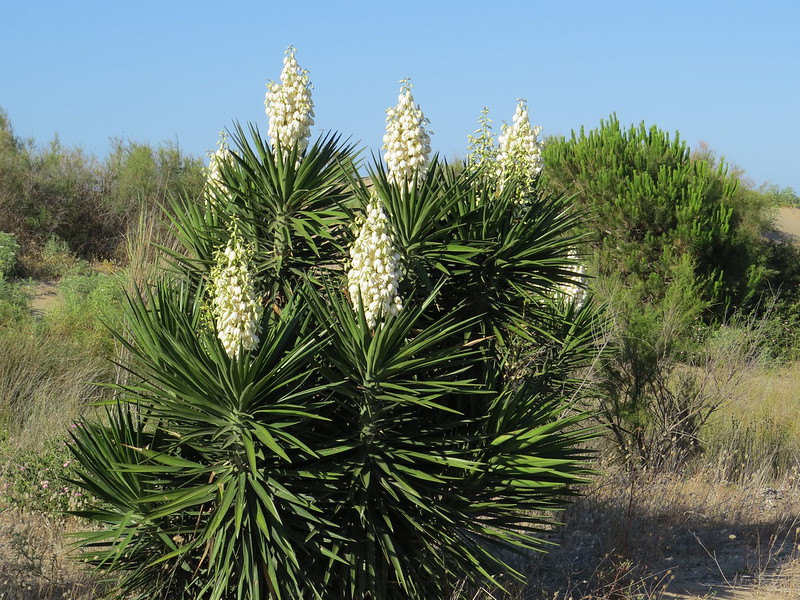
Yuca aloifolia
Synonyms : Dracaena lenneana. Sarcoyucca aloifolia. Yucca arcuate
Also called : Aloe yucca, Dagger Plant, Spanish Bayonet, Yucca
Also called : flor de izote
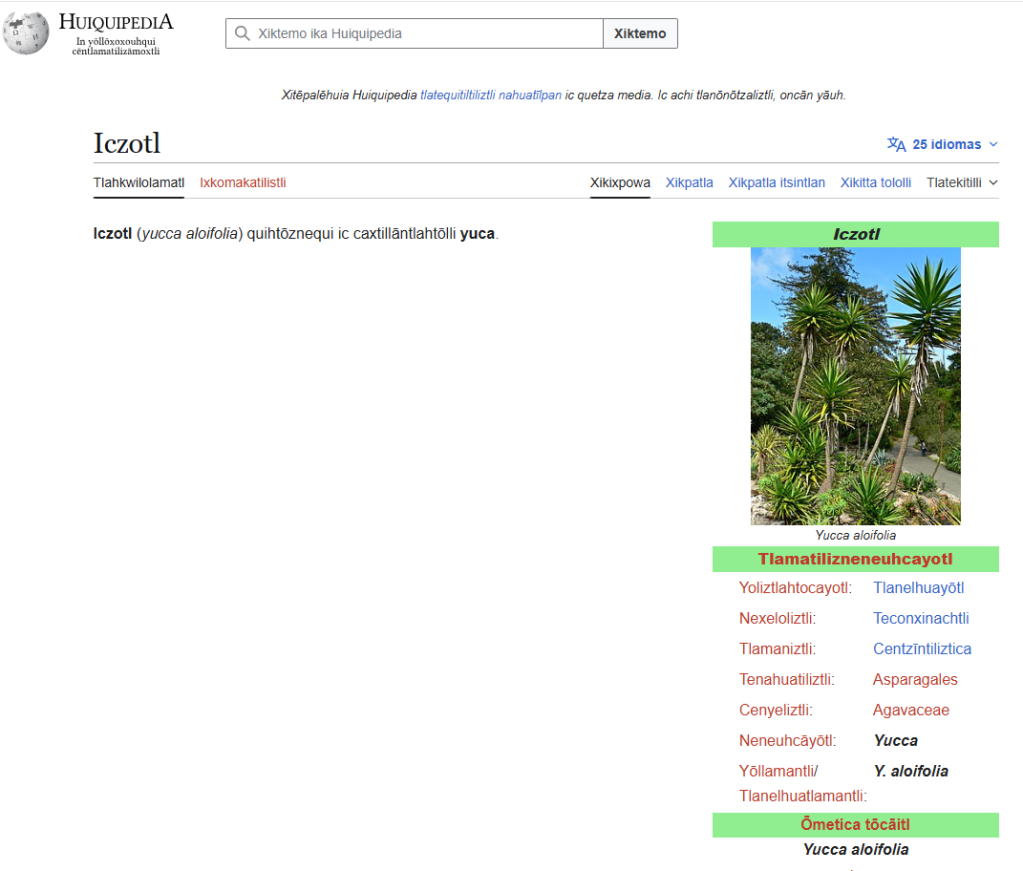
Yuca aloifolia on Huiquipedia (Nahuatl Wikipedia): Founded in the year Y2K “Huiquipedia” is the Nahuatl language version of Wikipedia.
The flowers of Yucca aloifolia (flor de izote) are considered a millenary food (1) in the Northeastern Highlands of Puebla, Mexico (Pacheco-Hernández et al 2024). Other foods like quinoa and amaranth which have been consumed for centuries by cultures like the Mayans, Aztecs and Incas are an example of millenary foods.
- Millenary food refers to culinary traditions, ingredients, or products with thousands of years of history, often characterized by ancient cultivation techniques and deep cultural roots. Key examples include 14,000-year-old Peruvian culinary traditions, 4,000-year-old olive seeds found in Turkey, and ancient, rare Farga olive oil from Spain.
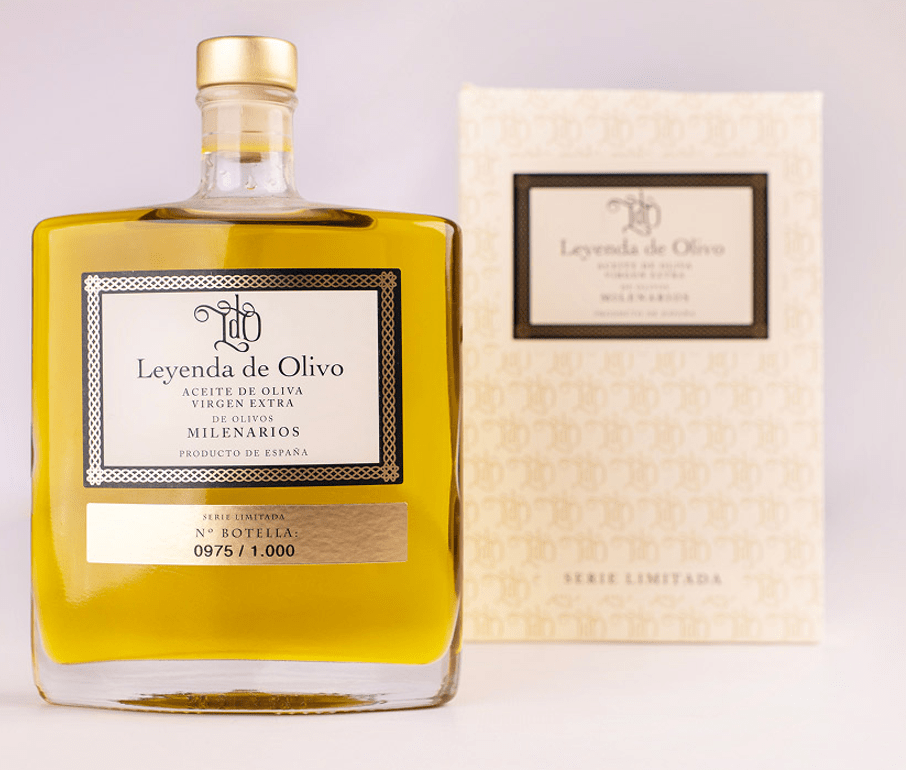
Farga olive oil is produced from the olives of protected millennial olive trees of the Farga variety. These trees are an ancestral variety of monumental (1) olive trees, some of which are ancient, between 500 and 2000 years old, with many planted before the so-called Little Ice Age, between 1300 and 1850 AD.
- more than 6.5 metres to more than 9 metres in trunk circumference
I’d never heard of it either
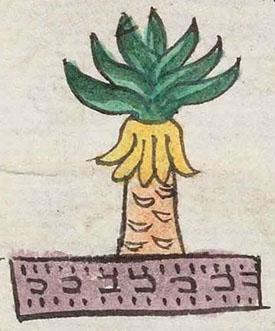
Some other manuscripts and codices give better examples of izote. Here the glyph of the izote is used to denote toponymic glyphs or “place names”
Iczotl Iyacac

This simplex glyph of an iczotl bush stands for the place name Iczotl Iyacac (tentatively translated as “Point of the Yucca”).
iczo(tl), a type of yucca,.
yacatl, nose, point, peak.
The Codex Quetzalecatzin, also known as the Mapa de Ecatepec-Huitziltepec, the Codex Ehecatepec and Huitziltepec, or the Charles Ratton Codex, is an extremely rare coloured Mesoamerican indigenous manuscript.
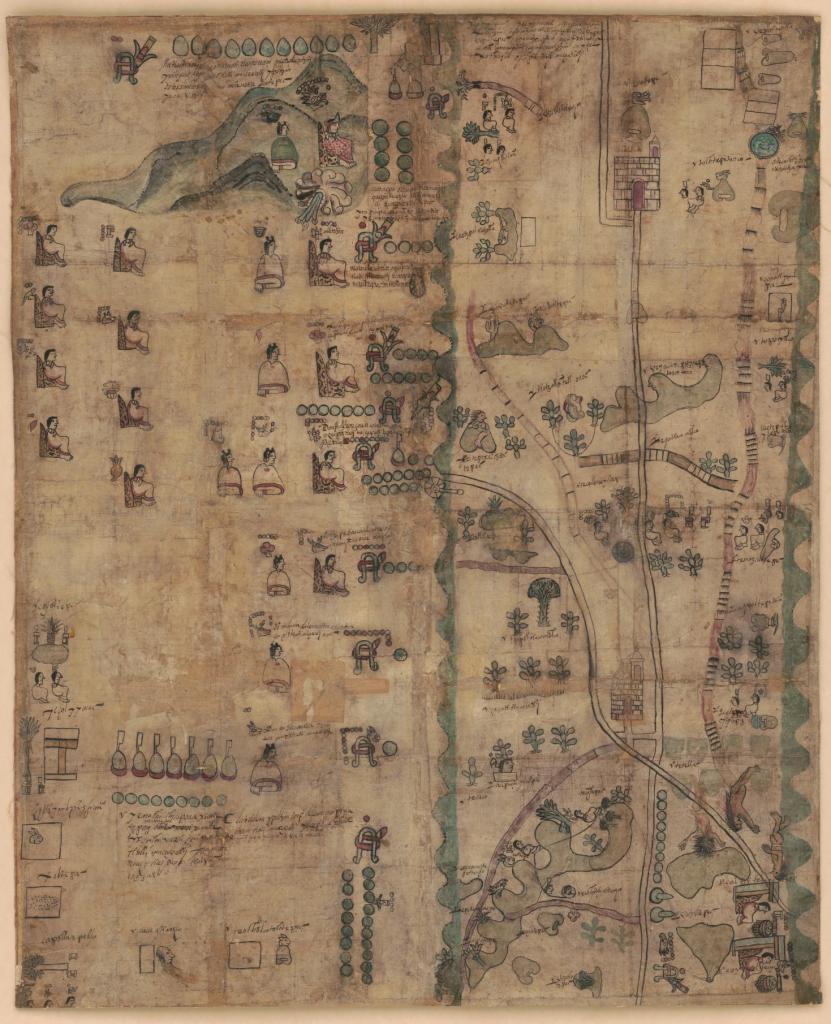
The manuscript dates from between 1570 and 1595 and relates the extent of land ownership and properties of a family line known as “de Leon,” most of the members of which are depicted on the manuscript. This manuscript illustrates the family’s genealogy and their descent from Lord-11 Quetzalecatzin, who in 1480, was the major political leader of the region.

The Codex Quetzalecatzin was created at a time when many cartographic histories were being produced both as a part of a Spanish royal investigation into the human and community resources in the Spanish colonies, and when indigenous families were trying to reassert their ancient land claims. These maps were largely made by indigenous painters and scribes.
Iczocallan
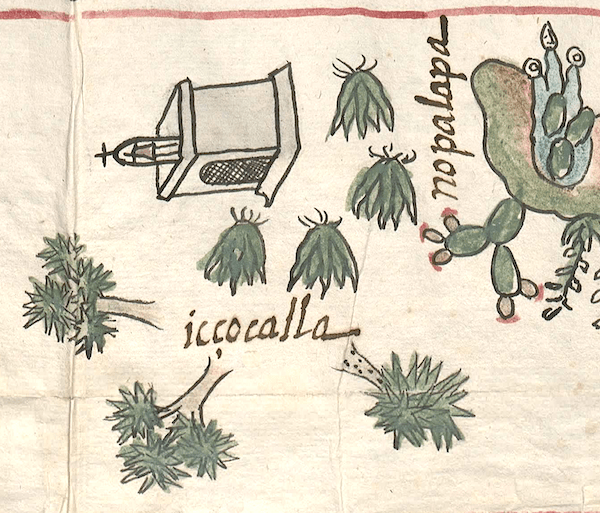
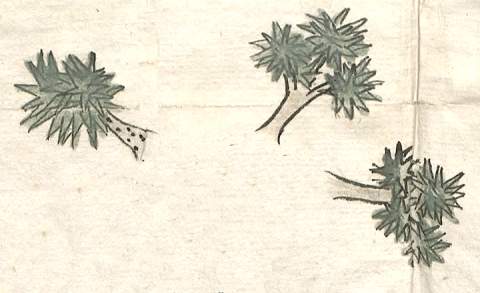
iczo(tl), a type of yucca.
cal(li), house, building.
-tlan, by; among; in; to; between; in the company of; below; near; often found as a suffix on place names.
The Relación de Cempoala (or Descripción de Zempoala) is a description of Cempoala and surrounding towns located in the Archdiocese of Mexico.
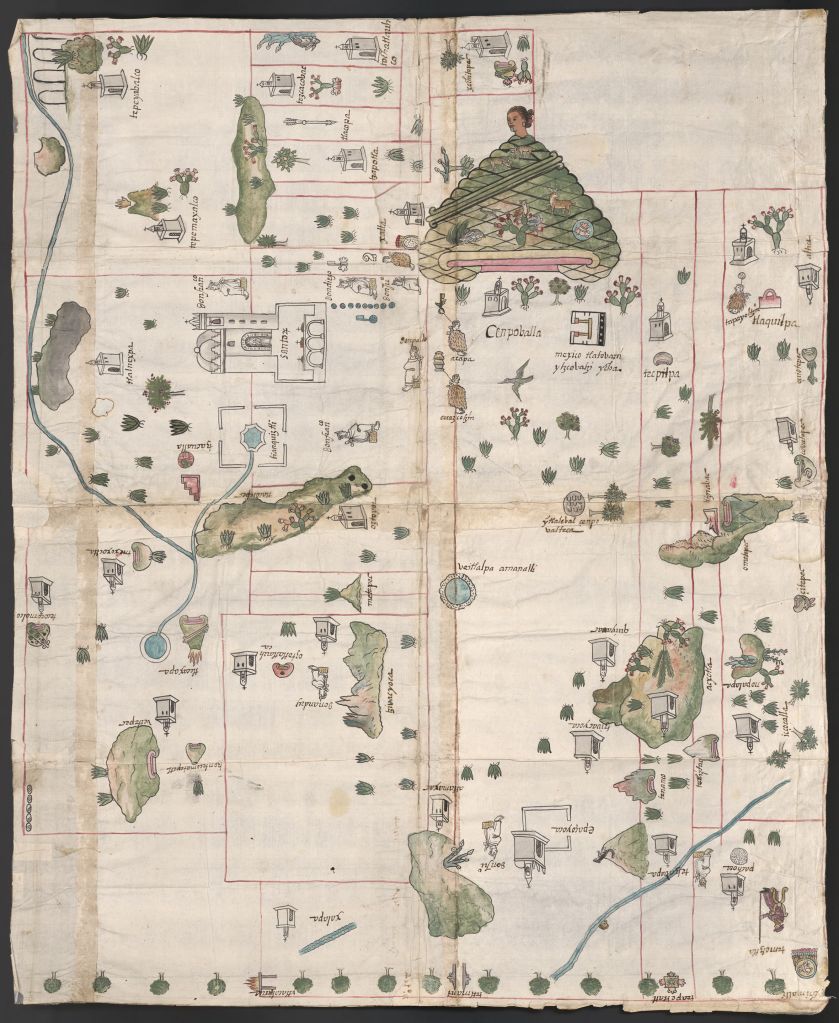
The document details Cempoala’s local jurisdiction, etymology of names, systems of governances, and local hierarchy and customs. Three other cabeceras (1) are mentioned: Tlaquilpa, Tzaquala, and Tecpupan. Additionally, the census lists Mexicana as the spoken language, and notes the locations of churches and hospitals. Also included is a visual representation of the landscape, known as a pintura or map. This is one of a series of responses to a political and cultural survey circulated by King Philip II of Spain titled relaciones geográficas, which were gathered between the years 1579-1585.
- the name for central administrative towns or centres (during the Spanish colonial period).
Iczochinanco
This compound glyph for the place name Iczochinanco (perhaps “At the Yucca Palm Agricultural Field”)(1) consists of two principal elements, the iczotl) (yucca palm) and the chinamitl, an agricultural parcel.
- theses suppositions are not my own. The translators of theses glyphs are thinking these things.
iczo(tl), yucca palm.
chinami(tl), an agricultural field or a chinampa.
-co (locative suffix), in or at.
techinami(tl), fence.
Time to wander down a side track. These ponderings might be totally off base but they involve the writing and naming systems as recorded by Nahuatl scholars. I plan (and have been researching/writing) a chapter on the botanical naming systems of the Aztec period. I was going to put the next bit here (my side track that is) but this Post is already too bloody long. So, if you’re interested, I’ll link to the side track here……Sidetrack : Flor de Izote
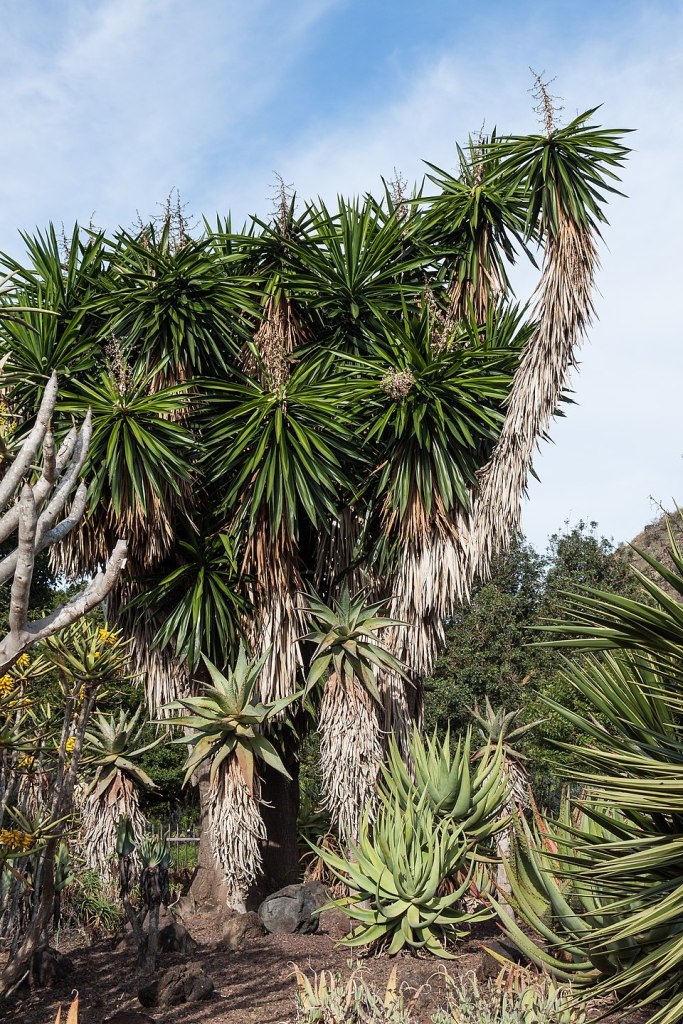
Yucca gigantea is a species of flowering plant in the asparagus family, native to Mexico and Central America. Growing up to 8–12 m (26–39 ft) in height
Yucca gigantea
Synonyms
- Dracaena lennei Baker
- Dracaena yuccoides Baker
- Sarcoyucca elephantipes Linding., nom. superfl.
- Yucca eleana W.Watson
- Yucca elephantipes Regel ex Trel., nom. illeg.
- Yucca elephantipes var. ghiesbreghtii Molon
- Yucca ghiesbreghtii Baker
- Yucca guatemalensis Baker
- Yucca lenneana Baker
- Yucca mazelii W.Watson
- Yucca mooreana Baker
- Yucca roezlii Baker
The French botanist Charles Lemaire published the name Yucca gigantea in November 1859. This is the name used by the World Checklist of Selected Plant Families as of March 2026, although other sources use Yucca guatemalensis, published by Baker in 1872.(Germplasm Resources Information Network)
The species is most widely known in horticultural literature as Yucca elephantipes
Yucca is both the scientific name and common name for this genus native to North America from Panama to southern Canada. It contains 50 accepted species. The genus is generally classified in the asparagus family (Asparagaceae) in a subfamily with the Agave (Agavoideae), though historically it was part of the lily family (Liliaceae). The species range from small shrubby plants to tree-like giants, such as the Joshua tree.
The Joshua Tree
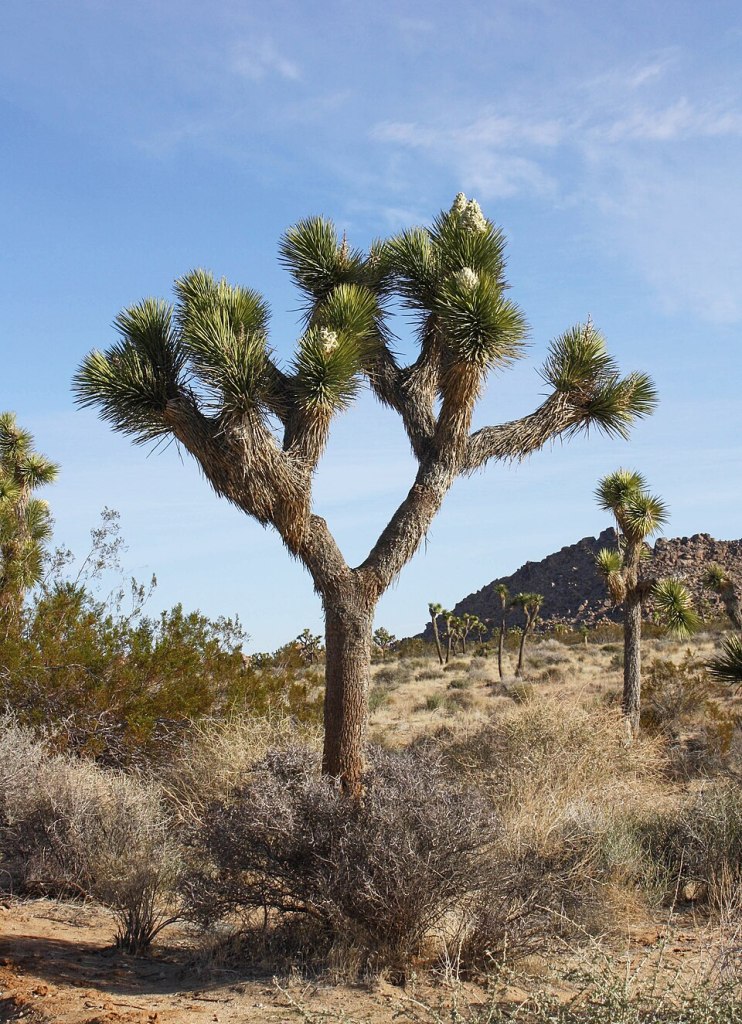
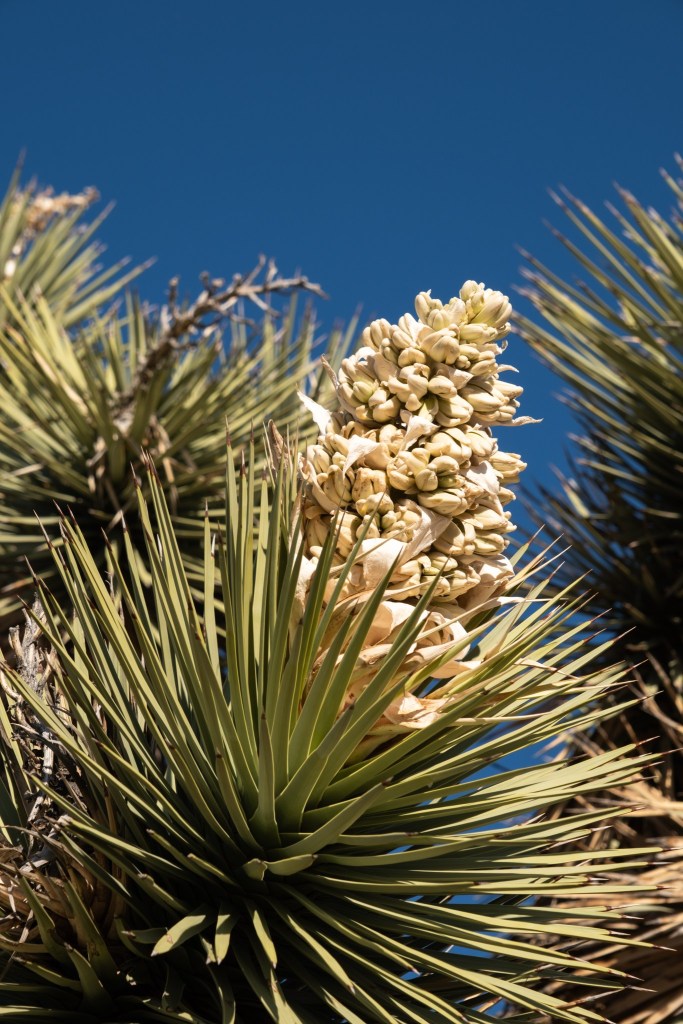
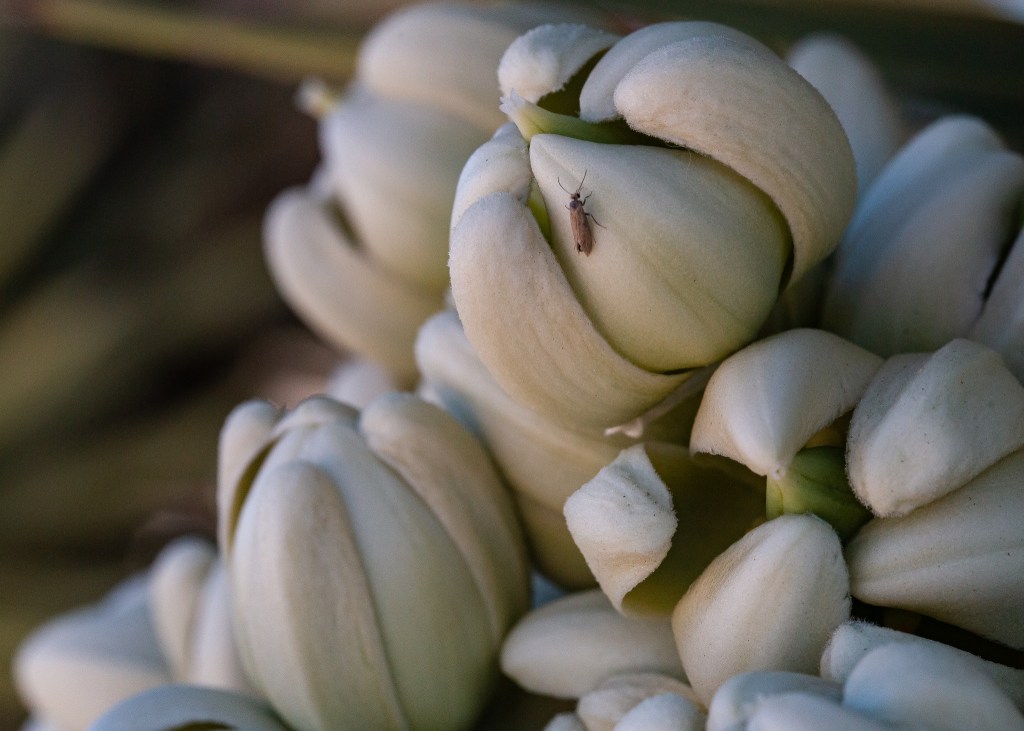
The Joshua tree (Yucca brevifolia). Its blossoms too are edible and are treated in the same way as other Yucca blossoms (more on this in a bit)
Several yucca species have fleshy fruits that are edible, although the seeds they contain are not. In Mexico, the fleshy fruits of some yucca species are called datiles, the same word as for the fruit of the date palm, though they are unrelated. These fruits are used to produce alcoholic drinks (Muñoz Zurita 2000). The flowers are large and showy, ranging from bell shaped to round like a globe. The six tepals are white to cream or slightly green in colour; additionally, the flowers are edible both cooked and raw. The young flowering stems of some species are edible when cooked. The leaves, roots, stems, and hearts of the plants are all inedible due to high levels of saponins (Tull 2013)
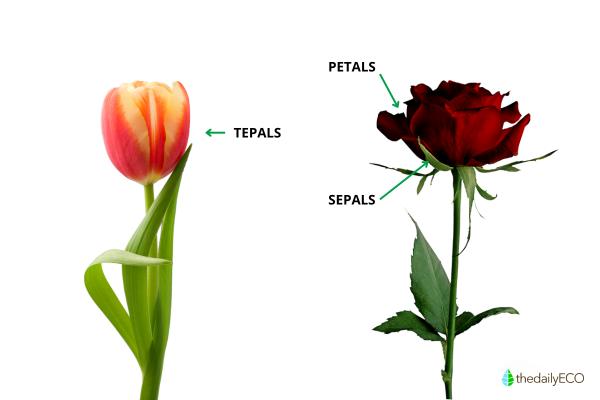
A quick botany lesson (for the both of us)
Tepal – When sepals and petals cannot be easily distinguished from each other, they are collectively referred to as tepals. Tepals are the undifferentiated, leaf-like structures that surround and protect the reproductive organs of the plant. This occurs when both the sepals and petals look alike in colour and shape, making it difficult to tell them apart
Sepal – Sepals are the outermost, typically green, leaf-like structures that form the calyx and enclose a developing flower bud, protecting it from damage, dehydration, and pests. They support the petals when blooming and, while often green, can be brightly colored, acting as modified leaves. They are crucial for early protection
Petal – Petals are modified leaves forming the, usually, colourful second whorl (corolla) of a flower, designed to attract pollinators and protect reproductive structures. They feature specialized shapes, colours, ultraviolet markers, or scents to entice insects, birds, and animals for cross-pollination, often dropping off after fertilization. Petals are located inside the sepals.
Calyx – The calyx is the outermost whorl of a flower, composed of individual, usually green and leaf-like structures called sepals. It protects the developing bud, supports the petals, and forms the base of the blossom.
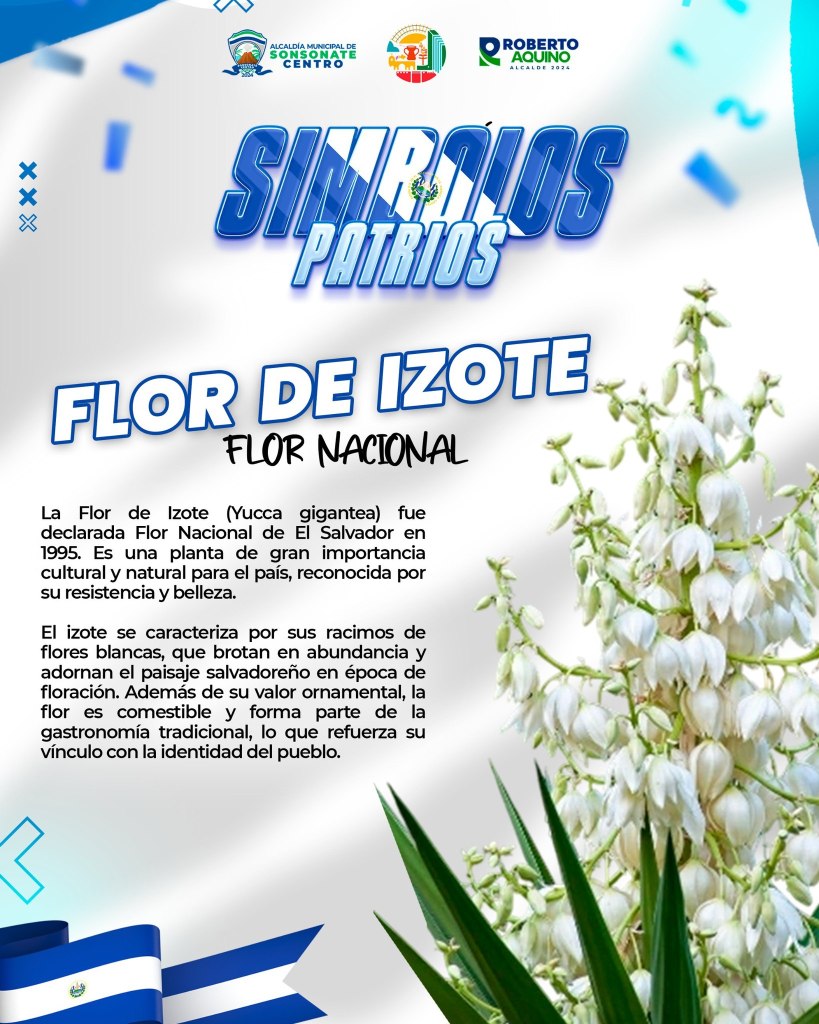
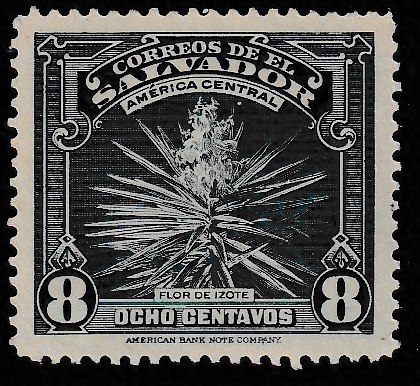
Izote flowers are the national flower of El Salvador. The country’s Legislative Assembly declared the fragrant white bloom as the national flower on December 21, 1995.
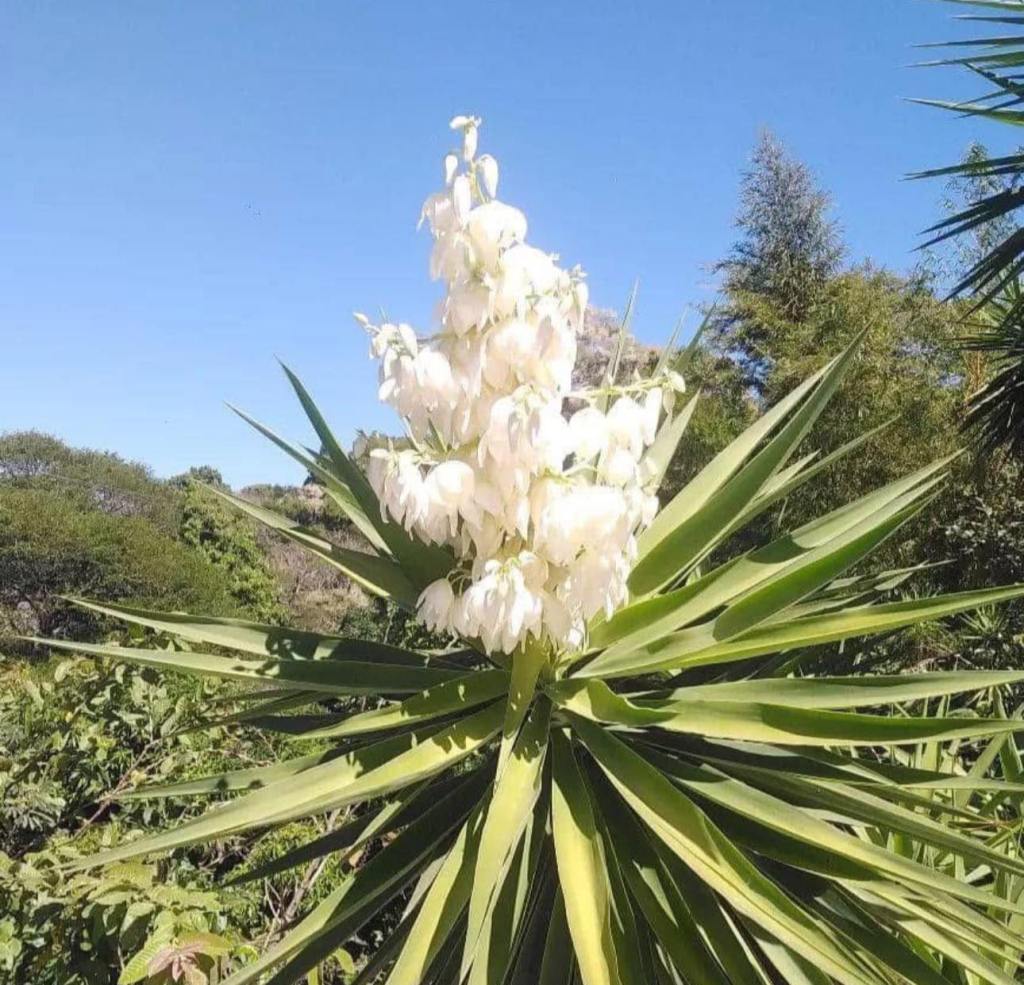
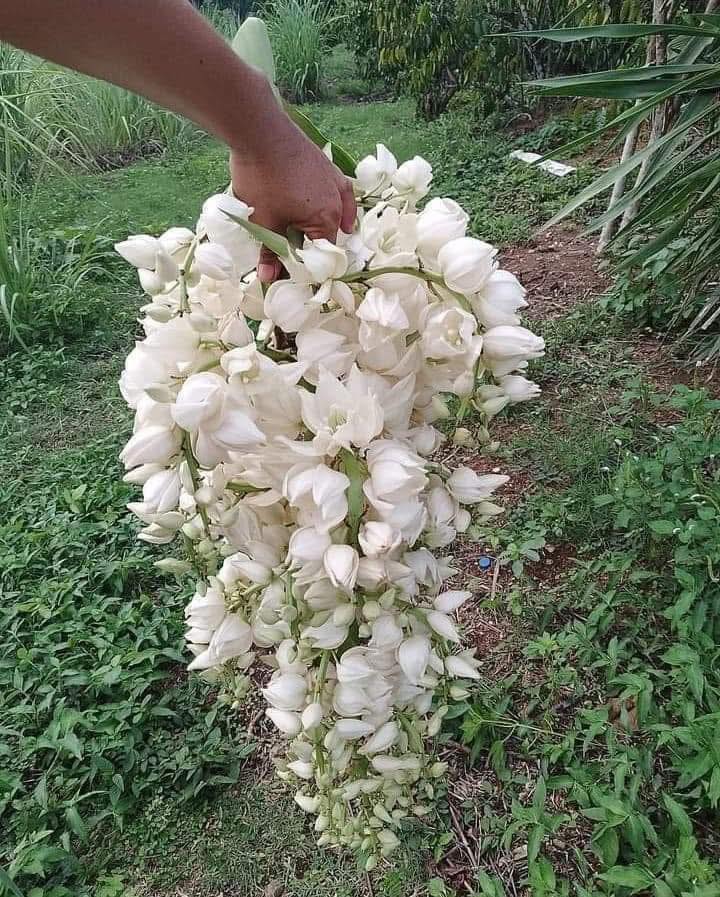
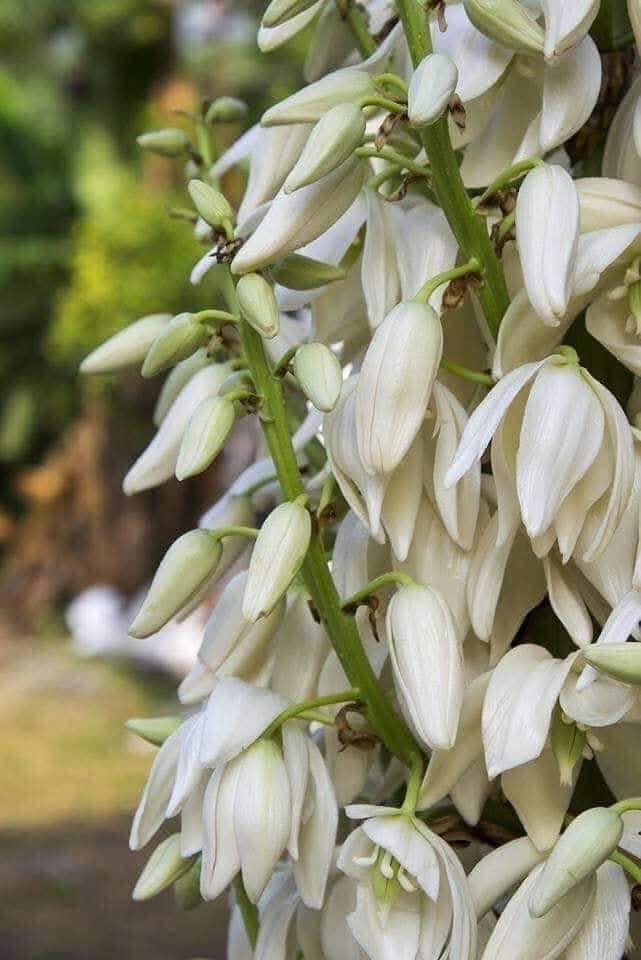
Flor de izote is a fleshy, shiny, fragile, and showy flower, greenish-white or creamy in color, produced by a wide variety of plants of the genus Yucca. The izote flower grows in large, dense, conical clusters that easily exceed 30 cm in diameter.
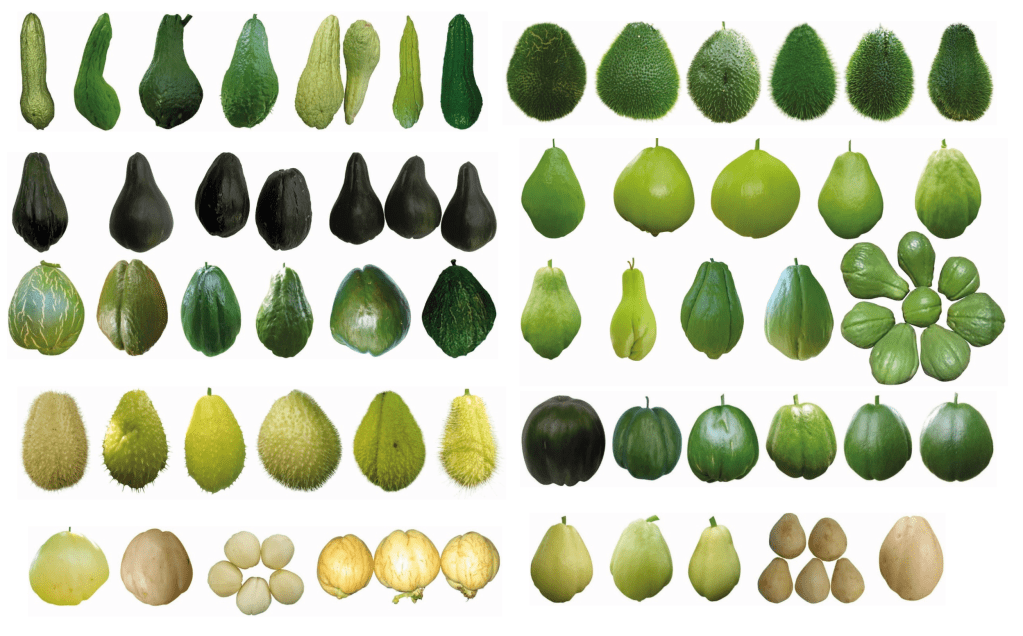
Flor de izote is also sometimes called chochos (1). This is a very different plant (although it is still the flowers that are eaten). Izote is a Yuca and chocho is a Palma.
- Larousse Cocina states “In the Los Tuxtlas region, they are known as chochos, a name they receive because they are said to resemble an old man’s beard.”
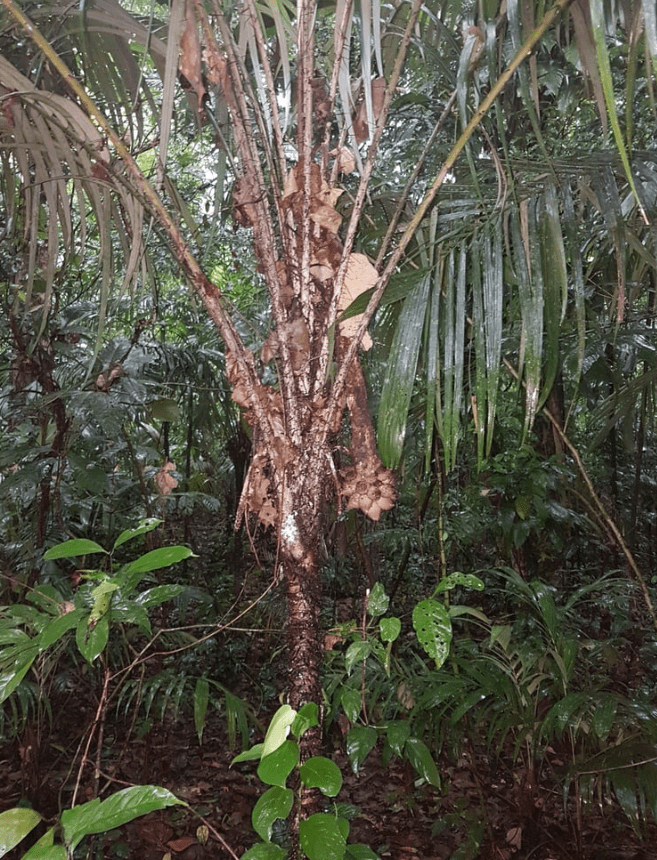
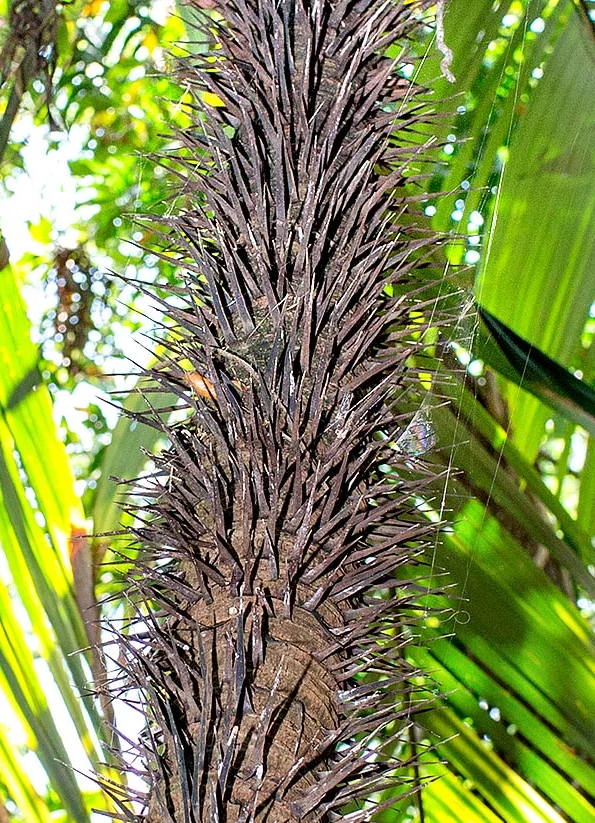
Also known as: chicalito de Tuxtepec (Oaxaca) chichón (Tabasco, Veracruz) chips (Veracruz) güiscoyul (Oaxaca, Tabasco) palma chapay (Oaxaca) Known in other languages as: acté (Lacandon; Chiapas) chapay (Tseltal; El Real, Chiapas) tzitzún (Zoque; Chiapas)
The chocho is a plant within the family of palms and is characteristic of the Tuxtlas and brings great benefits to local populations.
These benefits include using the leaves tfor rural construction, the trunk as a tool for sowing and, the inflorescences and young fruits are a food source for wild animals such as the Zerete (Dasyprocta mexicana), the squirrel (Sciurus aureogaster), the tepezcuintle (Cuniculus paca) and the boar (Pecari tajacu).
For local communities it is an important source of food, although its thorns do pose a challenge when trying to harvest it.
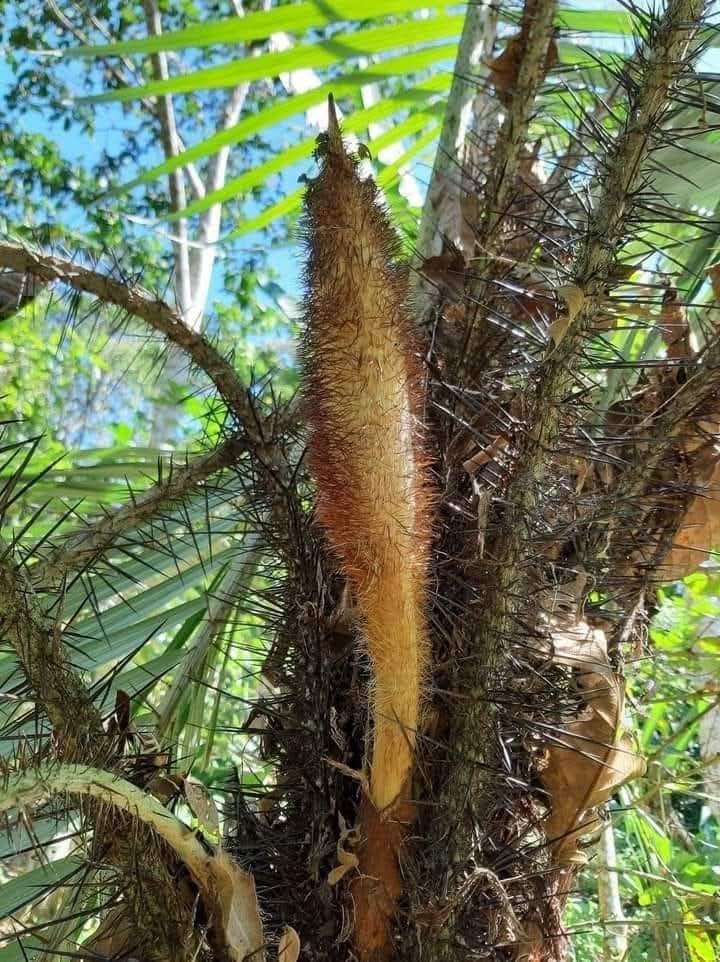
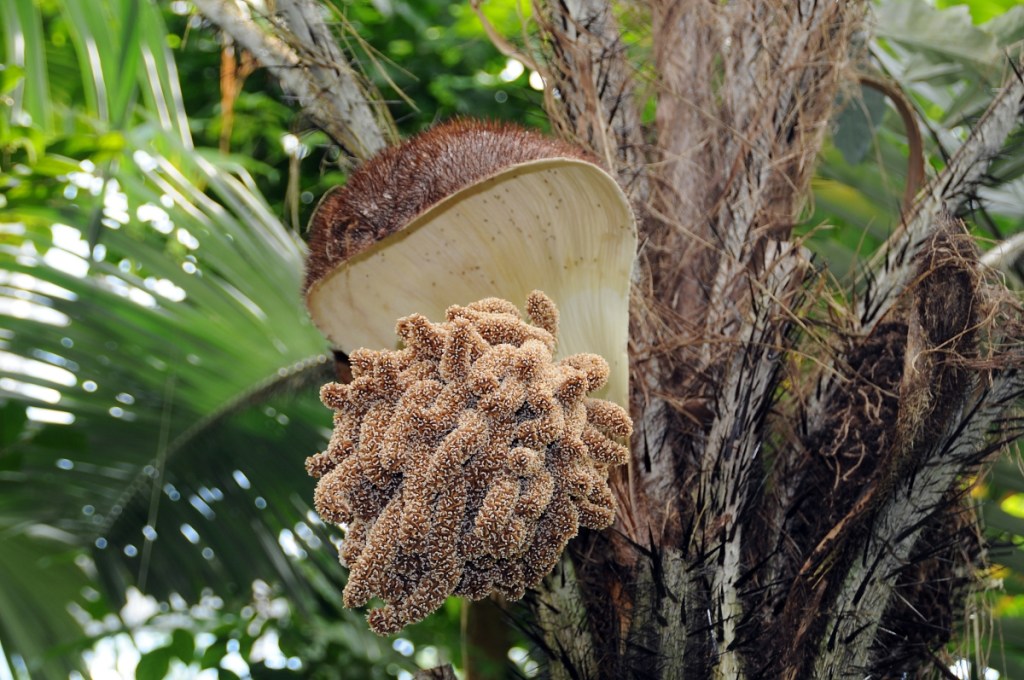
The flower is covered with a hard shell similar to that of the yucca, but with hairs like the kiwi.

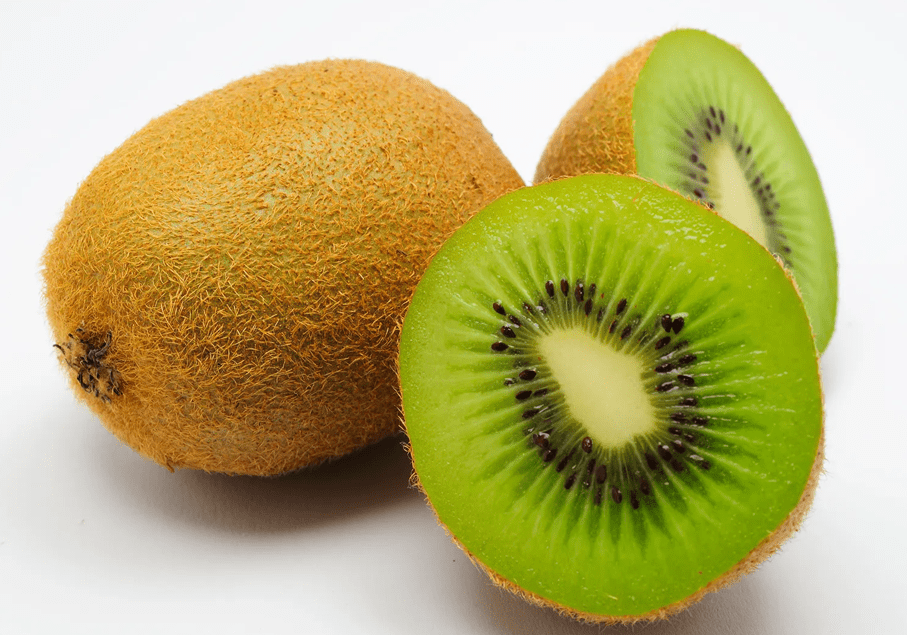
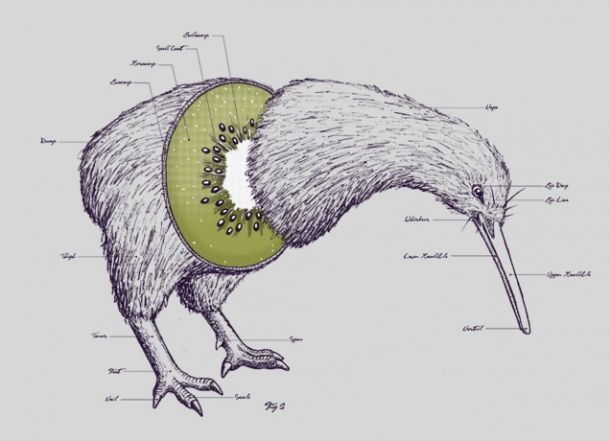
The fruit of this palm is interesting
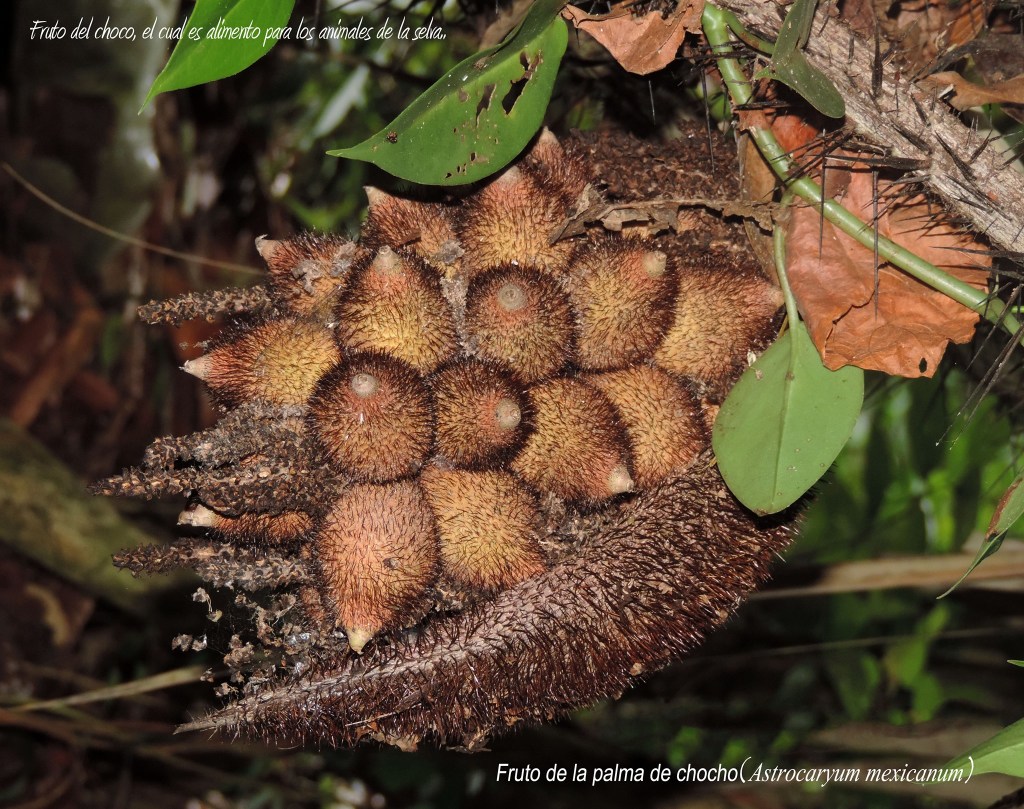
Image via Ecoturismo Comunitario En La Región De Los Tuxtlas
Harvesting the chocho is quite a technique, as it has long, sharp spines. Those harvesting the plant use a long pole with a hook to pull the flower without damaging the plant.
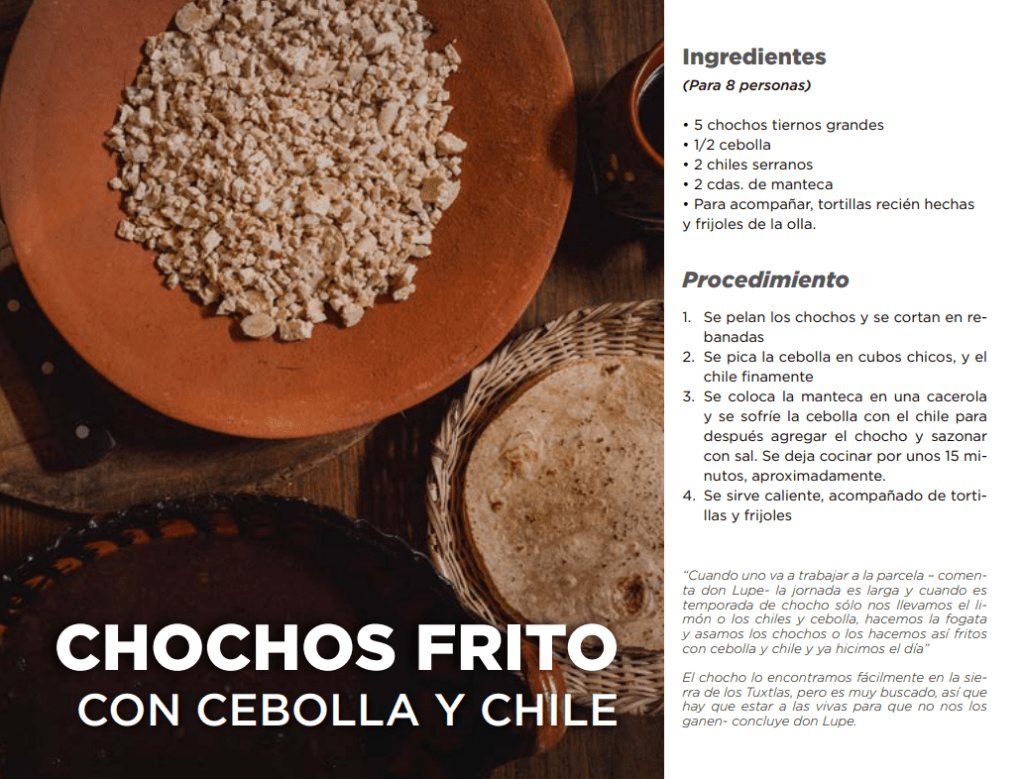
Don Lupe from los Tuxtlas explains “When we go to work in the fields, the day is long, and when it’s chocho season, we just take lemons or chilies and onions, make a fire, and roast the chochos or fry them with onions and chilies, and that’s our day’s work done.” “We find chochos easily in the Sierra de los Tuxtlas, but they’re highly sought after, so we have to be on our toes so no one else gets them,” Don Lupe concludes.
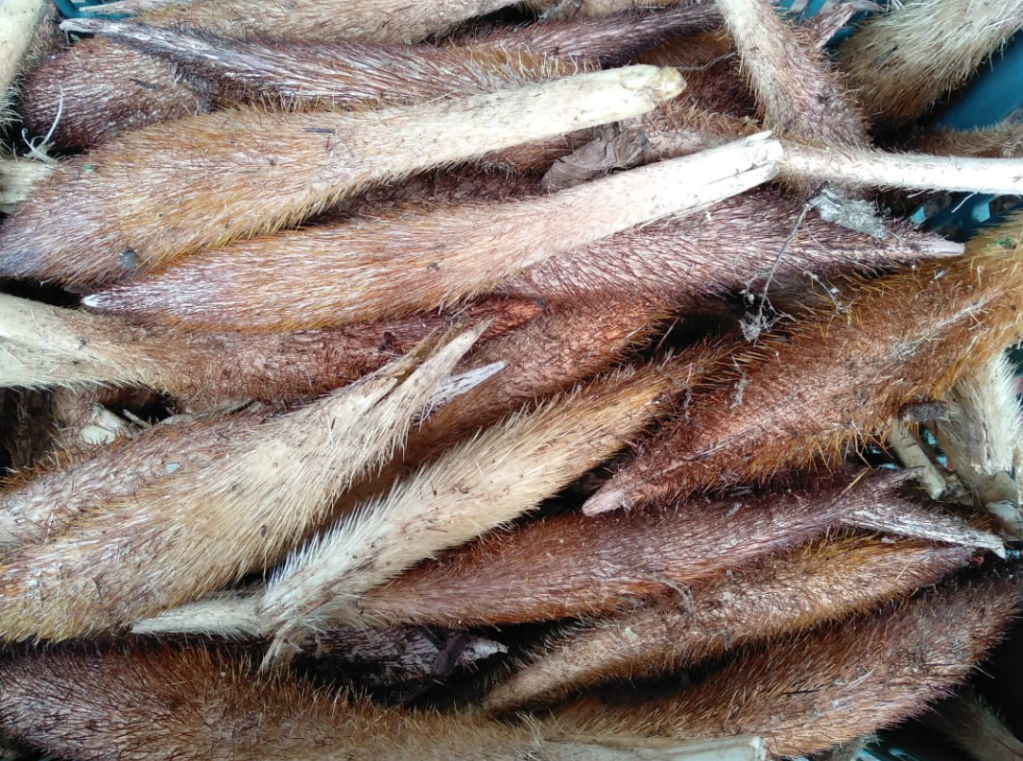
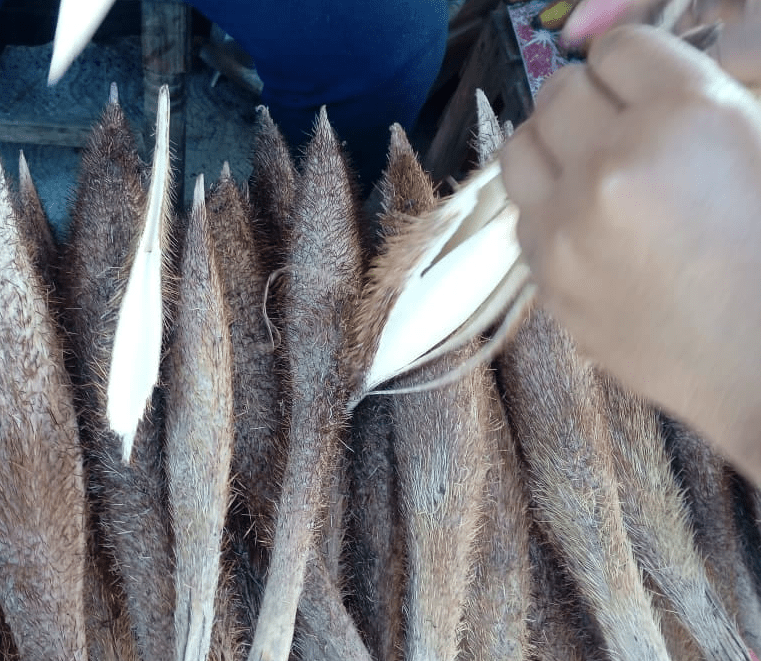
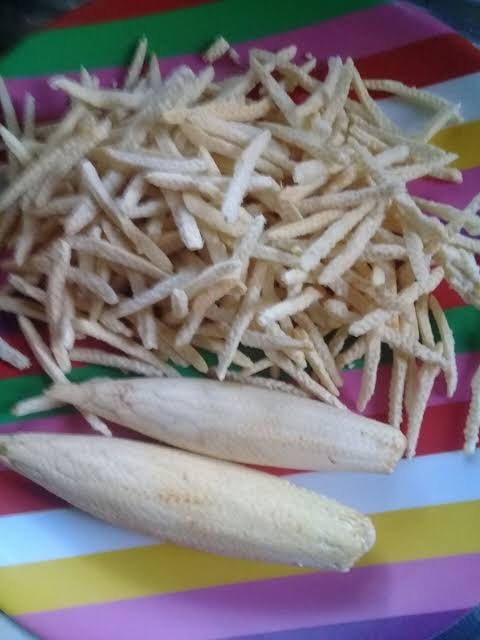
The flower head is consumed before it opens,
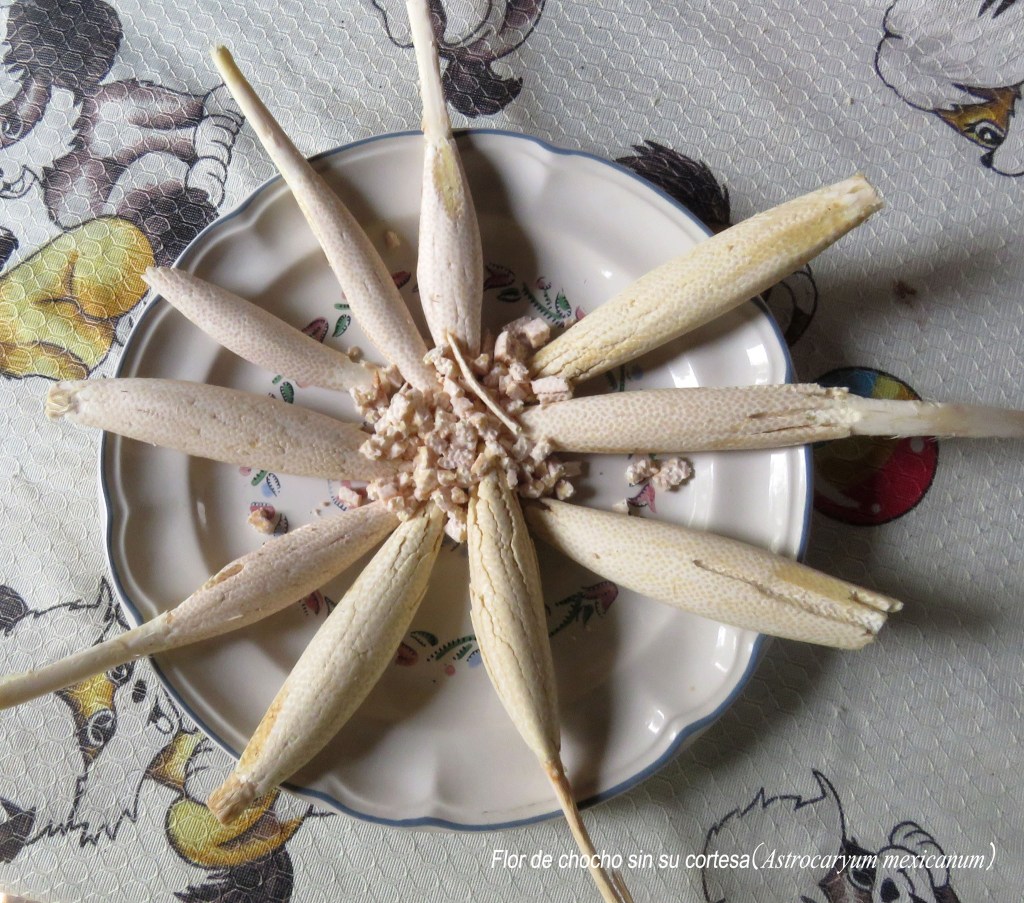
Chochos en tomachile is a traditional guiso (stew) particularly from the Los Tuxtlas region of Veracruz, Mexico, that uses miltomate (small green tomatoes) and chiles to create a chunky salsa in which the chochos are cooked. Often, in the region, this term refers to stews with the fruit of the Sechium edule plant (chayote/chocho) or even local flowers, either battered or stewed.
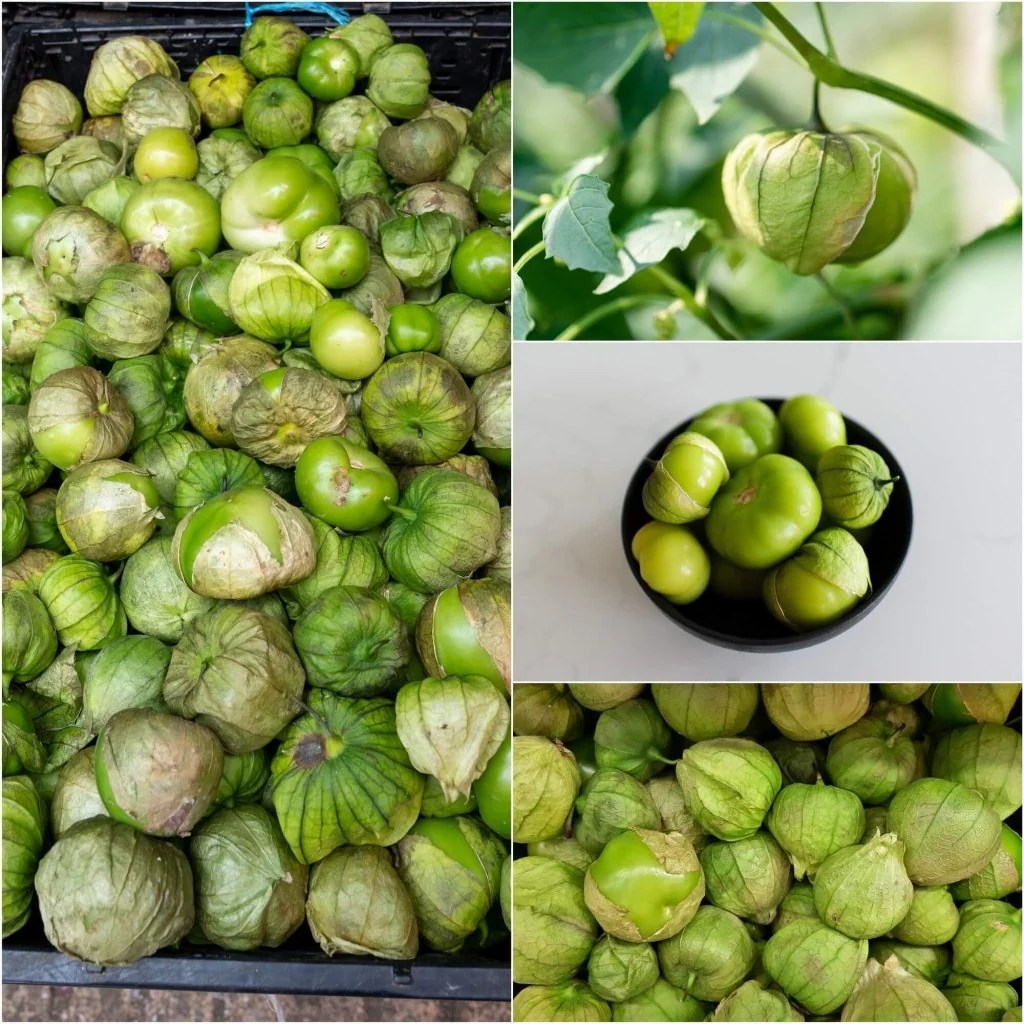
Here’s a recipe based on the tomachile salsa style:
Ingredients
Chochos: 500g of chochos (chocho flowers or tender chayotes), peeled and cleaned.
For the Tomachile:
- 10-15 miltomates (small green tomatoes).
- Piquín chile to taste (or árbol/puya chiles for more heat).
- 2 cloves of garlic.
- 1/2 white onion.
- Fresh chopped cilantro.
- Salt to taste.
Oil or lard.
Step-by-Step Preparation
- Cook the chochos: Boil the chochos flowers or fruit) in salted water until soft. Drain and set aside.
Prepare the Tomachile
- Roast the tomatillos, garlic, and chiles on a griddle until charred (golden/blackened).
- In a molcajete (or blender) grind the roasted chiles and garlic with a little water (if needed).
- Add the roasted tomatillos and blend until you have a thick salsa.
- In a skillet or clay pot, heat a little lard or oil. Add chopped onion and then the tomachile salsa. Let it simmer over low heat for a few minutes.
Incorporate
Add the cooked chochos to the salsa. Add the chopped cilantro and adjust the salt. Let everything cook together for about 5-10 minutes so the chochos absorb the flavor.
Heres a simpler recipe
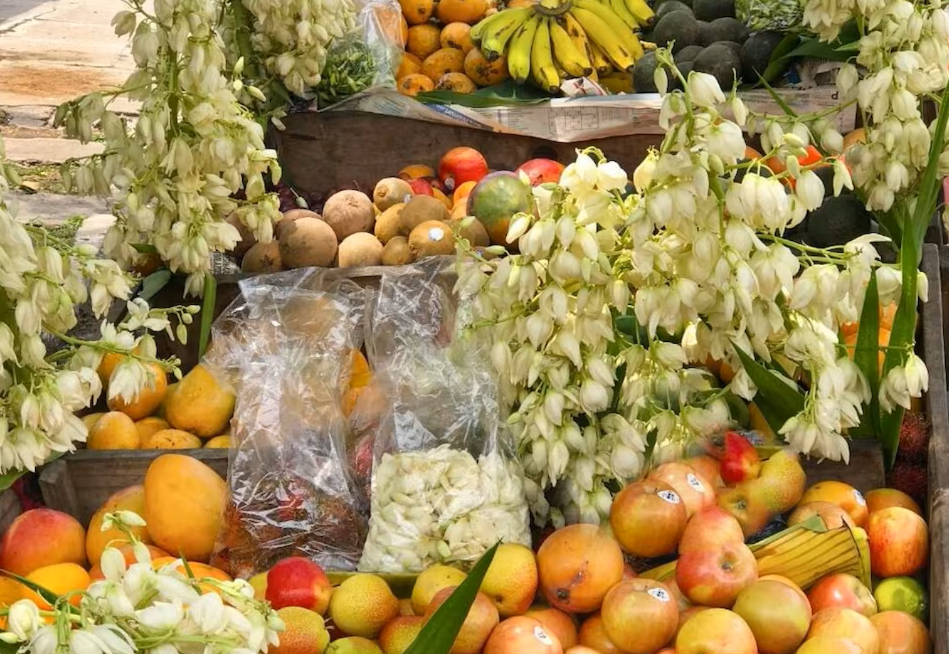
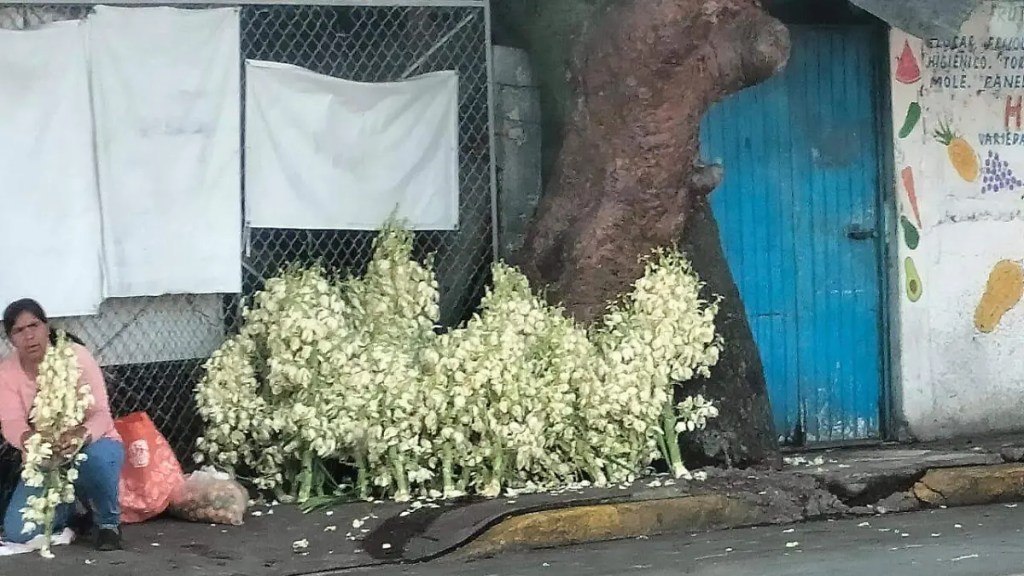
In many rural areas of central Mexico, flor de izote is a highly valued as food, a tradition dating back to pre-Hispanic times. Whole bunches are sold in local markets .
Harvesting your flowers
The flowers grow in large, conical clusters on stalks that can reach 6 metres (20 feet) in height. A long saw or pole pruner (or ladder) is often necessary to reach the high stalks. Carefully cut the entire flower stalk off, or use a basket to gather the blooms. The flowers are quite delicate and can be easily damaged, so handle with care.
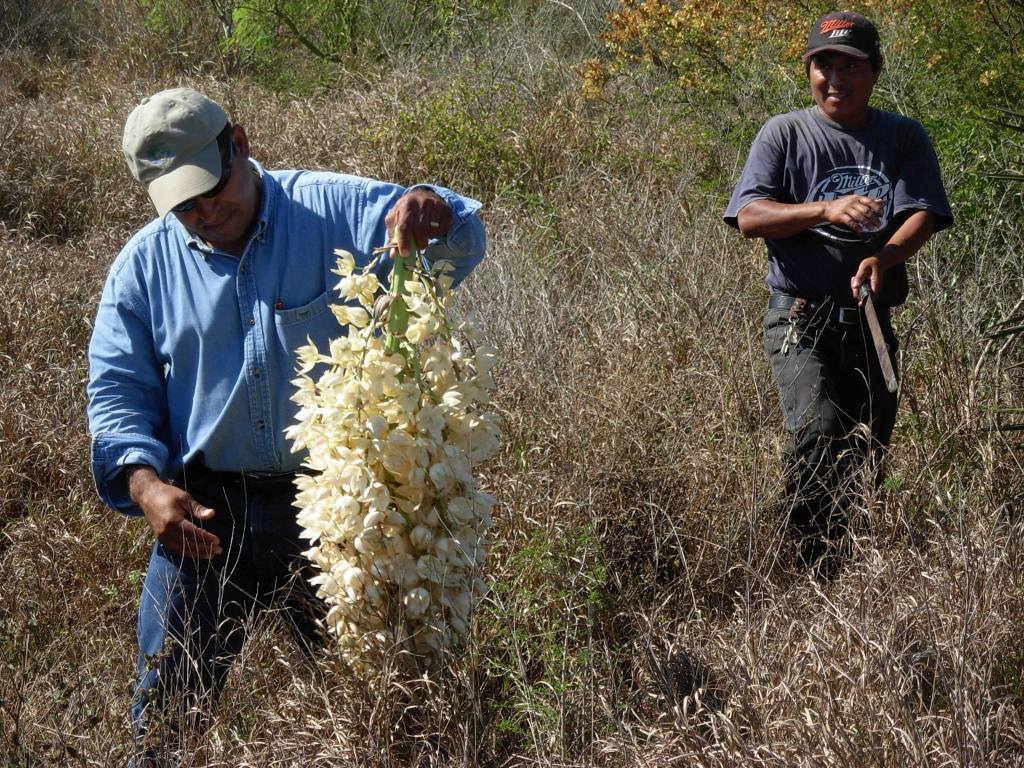
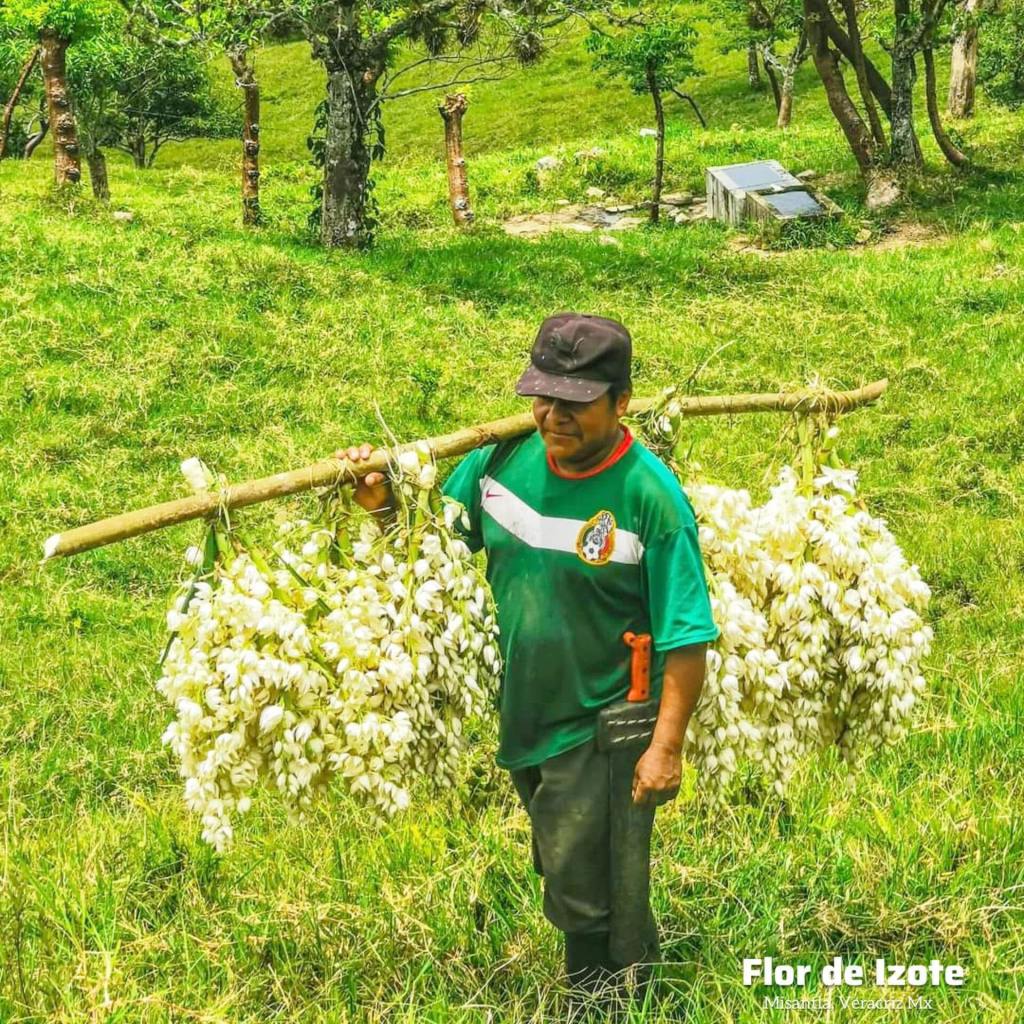
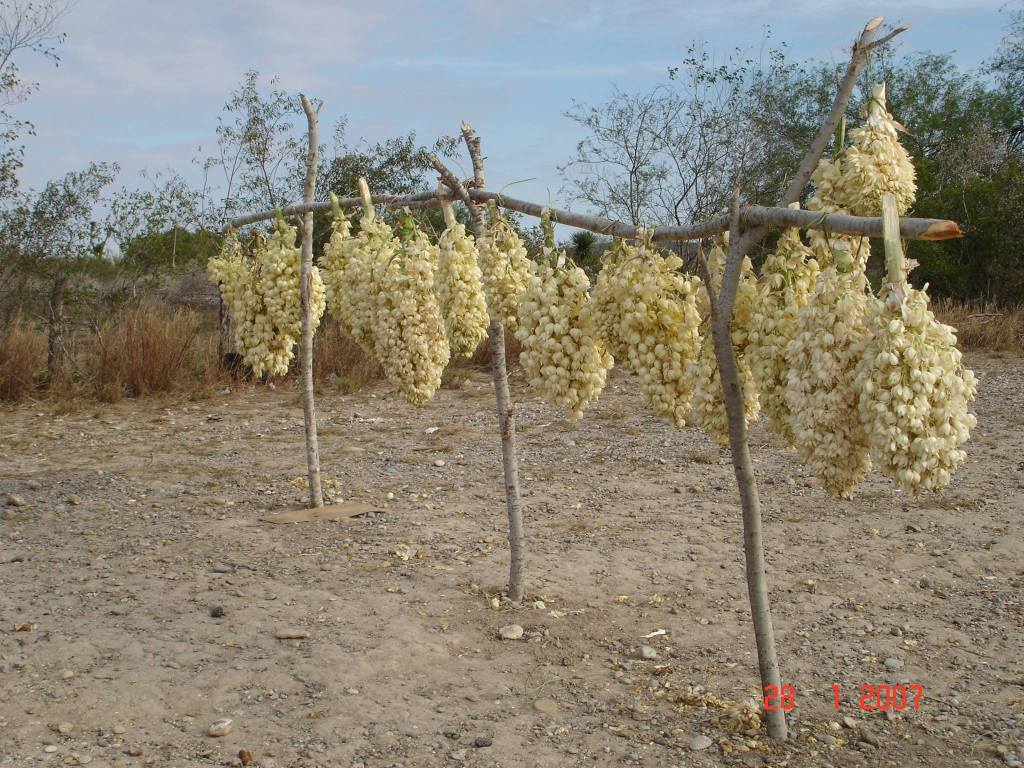
The flavour of yucca flowers varies with age and species. They should be cut while still close to opening, as mature flowers have a bitter taste.
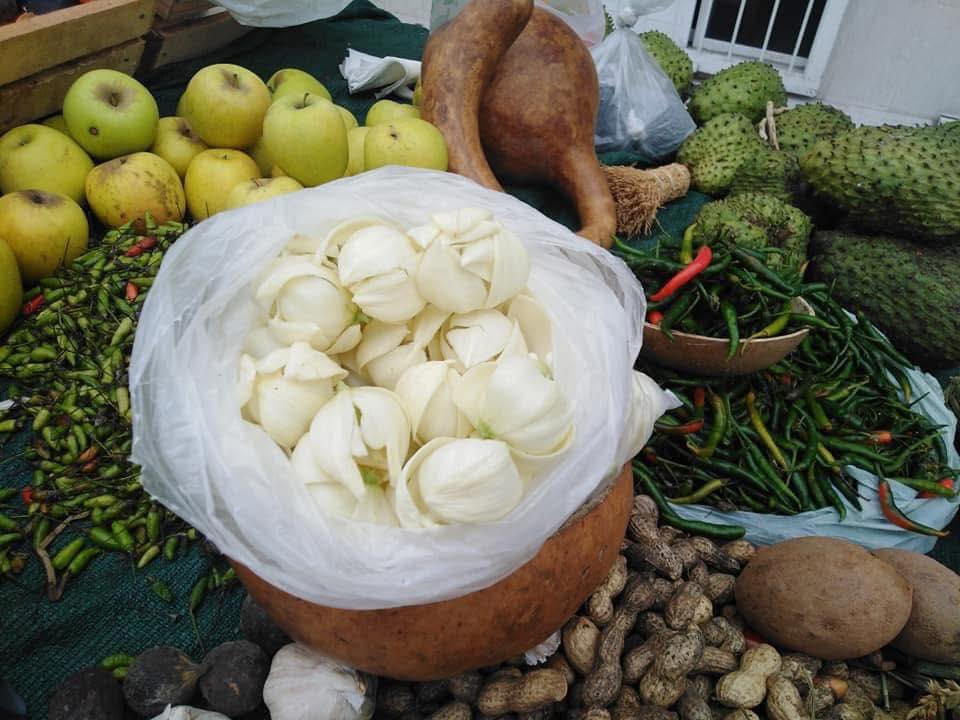
Preparation and Processing
For preparation, the freshest flowers are selected first; wilted, dusty, old, or discoloured flowers should not be used. The petals are cut, removing the heel at the base (which is bitter), the pistil is removed, and they are washed by immersing them in a container of clean water, gently agitating them, as they may contain pollinator larvae, ants, or other local insects, as well as pathogenic microorganisms (E. coli, Salmonella sp., and S. aureus), moulds, and yeasts (Nicoalu and Gostin, 2016).
The centre pistils and stamens are typically removed because they are the most bitter part.
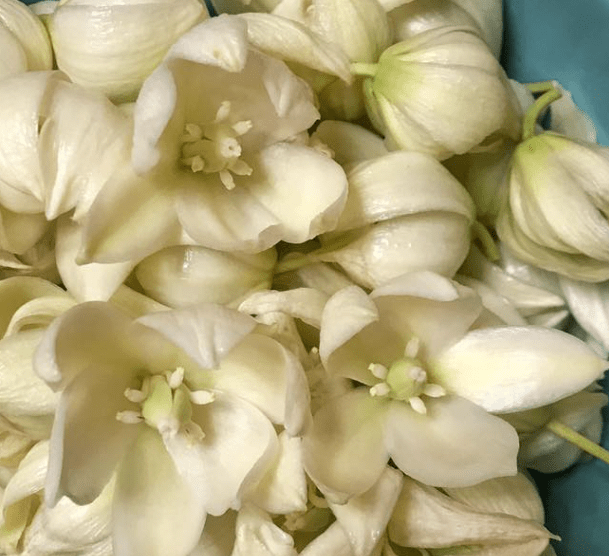
The traditional process for preparing the flowers before consumption involves cooking them and discarding the broth. This reduces or eliminates toxic substances (Sotelo et al., 2007). Consumption of raw flowers can cause stomach upset due to saponin content (1), so it is highly recommended to blanch or sauté the petals before eating them.
- WARNING : Saponins are bitter-tasting, usually toxic plant-derived secondary metabolites. They are organic chemicals that become foamy when agitated in water. Saponins have medicinal utility and are linked to reducing cholesterol, reducing cancer risks, and managing metabolism. They are considered generally non-toxic to humans, although they can cause digestive discomfort. Soaking, washing, and cooking foods can reduce their saponin content. Legumes are a primary dietary source of saponins, with significant concentrations found in soybeans (approx. 5.6g/kg), chickpeas, lentils, and various Phaseolus vulgaris beans (navy, kidney). Saponin content varies by cultivar and growing conditions, with levels often ranging between 100–500 mg/100g in pulses. Cooking, soaking, and peeling can reduce saponin levels, with studies showing 18–59% reduction in various beans after cooking
Ahmed et al. (2024) however states “Whenever possible, consuming flowers raw is ideal to obtain the maximum nutritional benefits” (1). I probably wouldn’t do this. Consider the above WARNING on saponins. If you have any GIT issue that involves bleeding (either in the stomach or the intestines) you need to avoid foods high in saponins. Jump to the final section on the medicinal uses of Flor de Izote for more on this.
- This is probably a fair statement when it comes to nutrition. Excessive processing and cooking before consumption can remove a large amount of the nutritional elements available. It can also reduce negative elements such as phytates, lectins, tannins, glucosinolates, goitrogens and oxalates. KNOW the plant before you eat it.
Phytates (Phytic Acid): Found in whole grains, seeds, legumes, and nuts; they bind to minerals like iron, zinc, and calcium, reducing their absorption. . While they can interfere with nutrient uptake, they primarily pose a danger only when consumed in high amounts alongside an already nutritionally deficient diet, such as in developing regions with poor food variety (Brouns 2021)
Lectins: carbohydrate-binding proteins found in many plants [legumes (beans, lentils, peanuts), whole grains, and nightshade vegetables (jitomate, chile, eggplant, tomate verde)], commonly labelled “anti-nutrients” because they resist digestion and can cause acute digestive issues like vomiting, diarrhea, and stomach pain, particularly when consuming undercooked beans. While they can damage the gut lining and limit nutrient absorption, proper cooking methods—such as soaking and boiling—deactivate most lectins (EFSA Scientific Community 2022)
Oxalates: Found in spinach, Swiss chard, rhubarb, beets, and nuts; they can bind to calcium, creating a risk for kidney stones and exacerbating gout in sensitive individuals. If the oxalate levels are high enough, as is the case with taro, consumption of raw plant material can cause immediate burning sensations in the mouth and throat; swelling of the lips, mouth and throat; and in extreme cases, death. This can be prevented however by cooking the taro and discarding the cooking water which contains the oxalates. (Saqib et al 2025)
For more on oxalates read……..
Quelite : Mafafa : Eating the Taro stem
Tannins: Found in tea, coffee, and wine; they can inhibit protein and iron absorption. Avoid Pairing with Iron-Rich Meals: Avoid drinking tea or coffee during or immediately after eating, especially for individuals at risk of iron deficiency (e.g., vegetarians, vegans, pregnant women). Techniques such as soaking, germination, boiling, and roasting can significantly reduce the tannin content in legumes and grains. (Chung et al 1998)
Glucosinolates/Goitrogens: Found in cruciferous vegetables (broccoli, cabbage, kale); they can interfere with thyroid function if consumed in very high amounts. (Ma et al 2018)
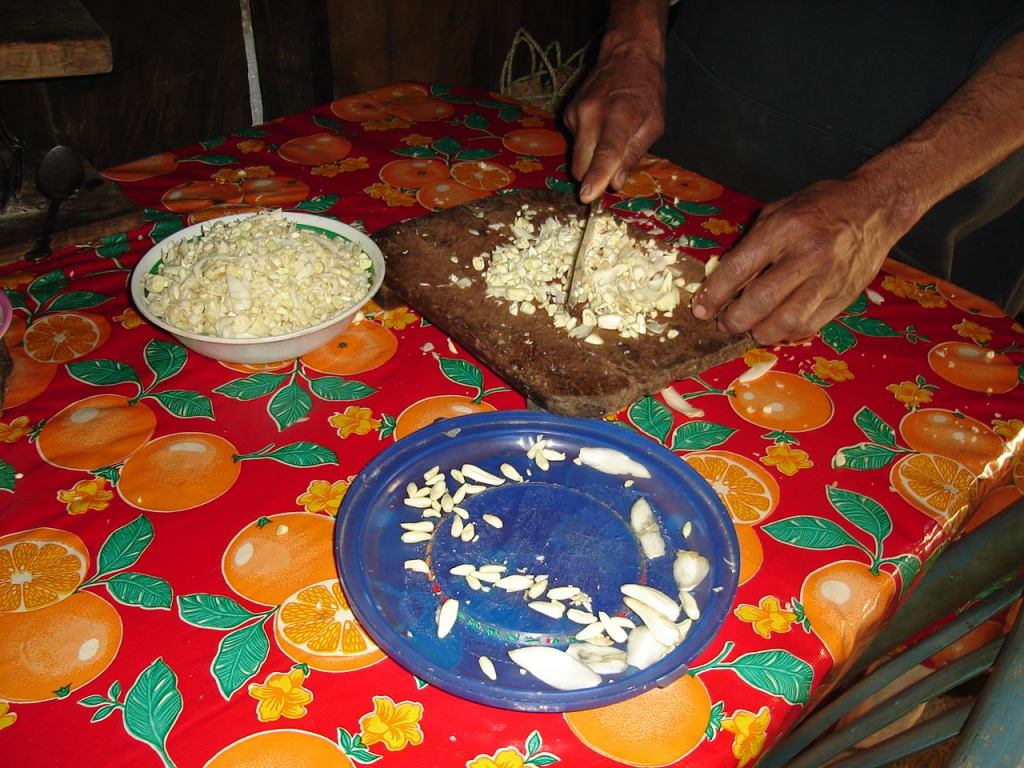
Fresh edible flowers are highly perishable and do not retain their freshness for long, so it is best to use them freshly picked. If they are not consumed immediately, they should be harvested with their stems and placed in a container with a little water, keeping them at a temperature of 5°C.
Throughout Mexico and Central America, Izote flowers are famous for their use in egg-based dishes. The petals are cooked into omelettes, scrambled eggs, frittatas, and huevos rancheros, or they are stewed in green chile sauces. Izote flowers are also popularly added to quesadillas, used in tamales, boiled and fried with chorizo for tacos, or simmered in tomato-based soups and stews.
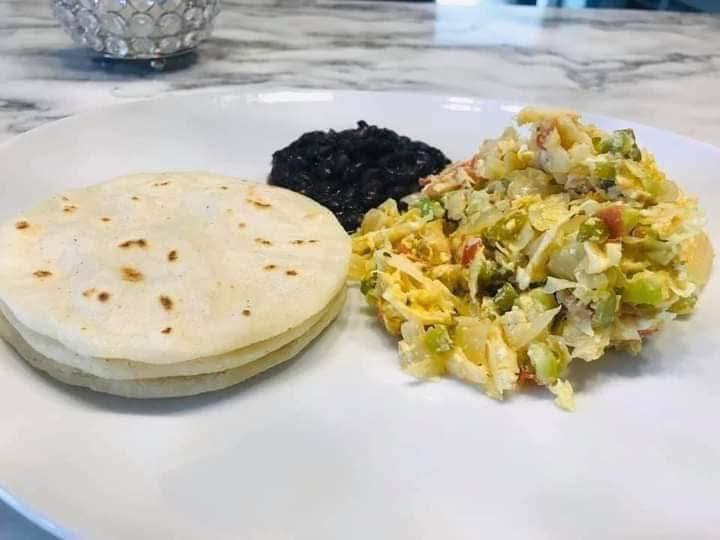
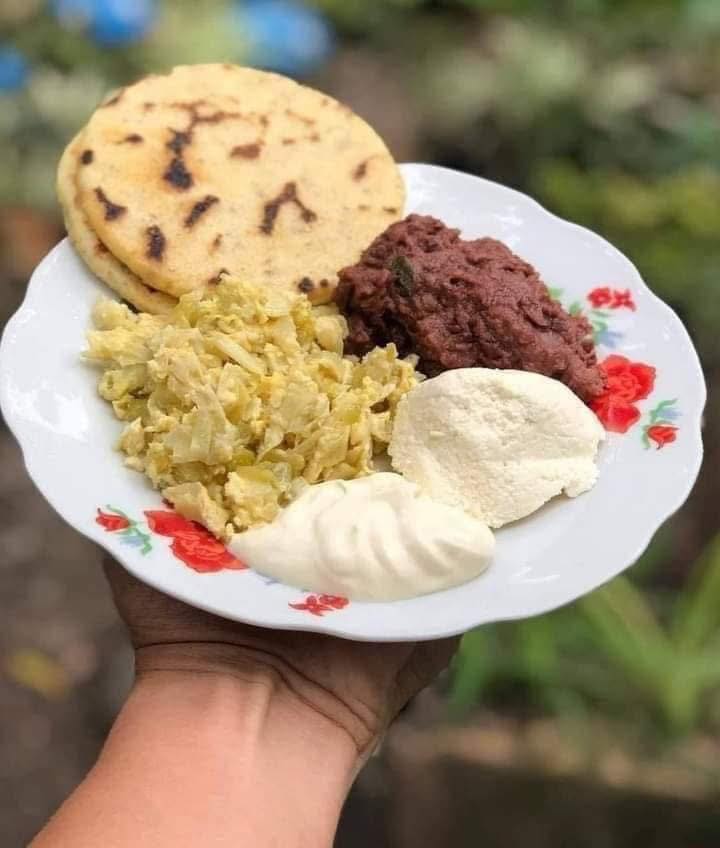
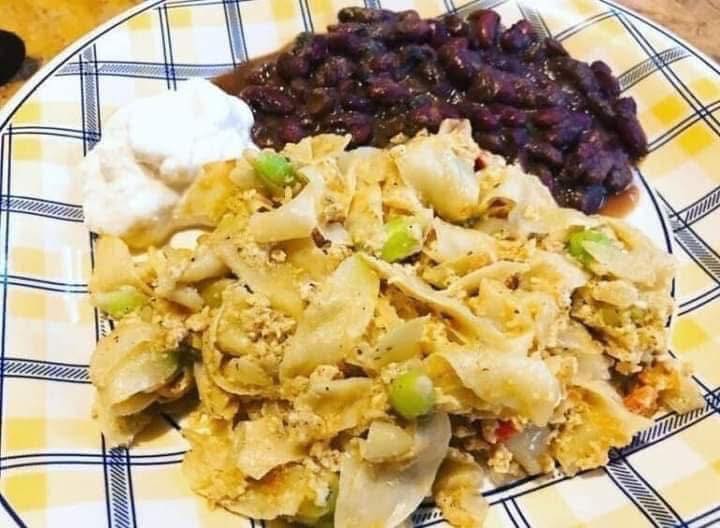
This recipe for yucca flower with chorizo is a classic of Central American cuisine, often eaten for Lent (hence one of its names, Cuaresmeña) (1). It consists of sautéing the flower (previously boiled to remove the bitterness) with chorizo, onion, garlic, and tomato, achieving an intense flavour and a firm texture. It is usually served with tortillas, fresh cheese, or eggs.
- Lent is a 40-day, solemn Christian season of fasting, prayer, and penance (from Ash Wednesday to Easter) that mimics Jesus Christ’s 40 days in the wilderness. Derived from Old English for “spring” or “lengthening,” it serves as spiritual preparation for Easter.
Flor de Izote con Chorizo
Ingredients:
- 500g of yucca flower (cleaned and without the central bud)
- 500g (1/2 pound) of chorizo (preferably pork)
- 1 chopped white onion
- 2 chopped tomatoes
- 2 chopped garlic cloves
- Salt and pepper to taste
- Vegetable oil (optional)
Method
- Wash the yucca flowers well, removing the central buds (the pistils and stamens of the flower). Blanch the flowers in water with a little salt and bay leaf for about 5 to 10 minutes to remove the bitterness. Refresh in cold water, drain well and set aside.
- In a large saucepan, fry the crumbled chorizo, allowing it to release its own fat.
- Add the chopped onion and garlic to the chorizo. Sauté until the onion is translucent. Add the chopped tomato and cook for a few minutes until it breaks down.
- Add the prepared yucca flower to the chorizo and vegetable mixture. Stir gently to combine the flavours and simmer for about 5 more minutes.
- Season and Serve: Adjust the salt and pepper. Serve hot with avocado, queso fresco, or scrambled eggs.
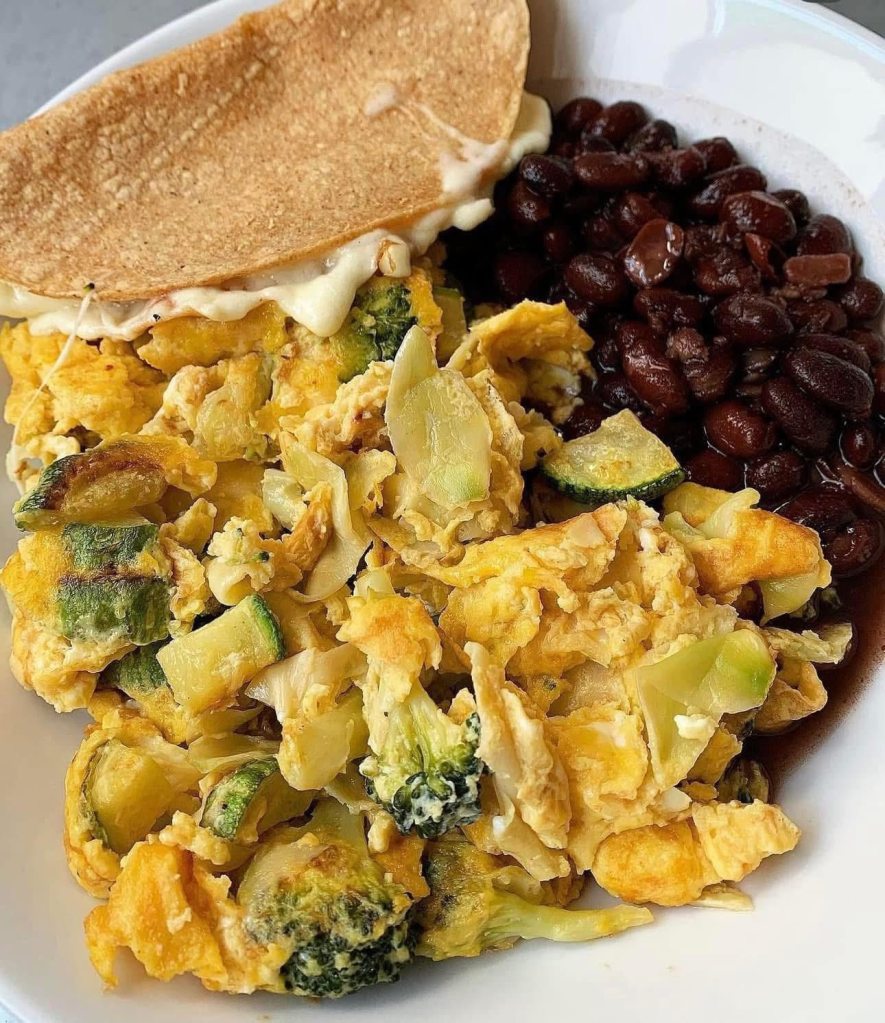
That looks absolutely delicious
Other dishes de izote
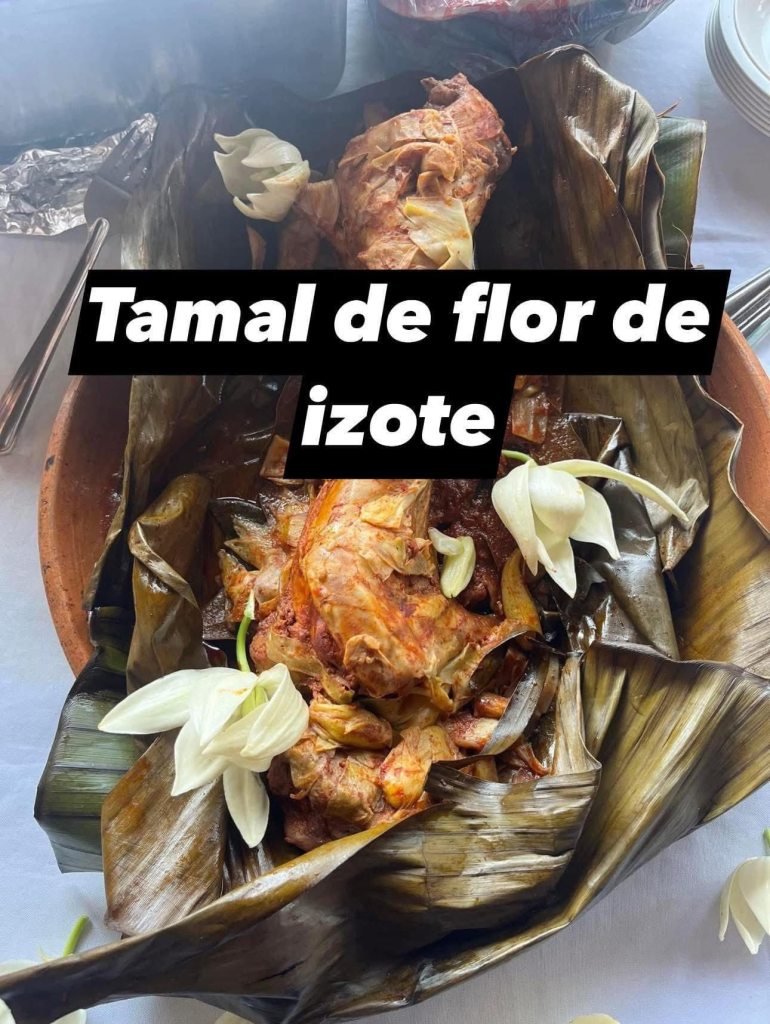
Looks simple enough. We are using hojas de platano instead of totomoxtle to wrap the tamale.
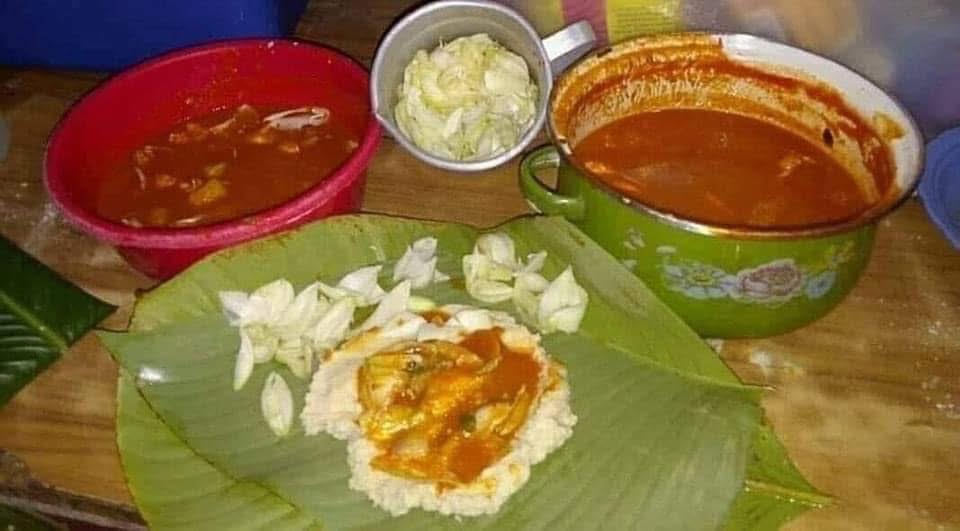
Tesmole
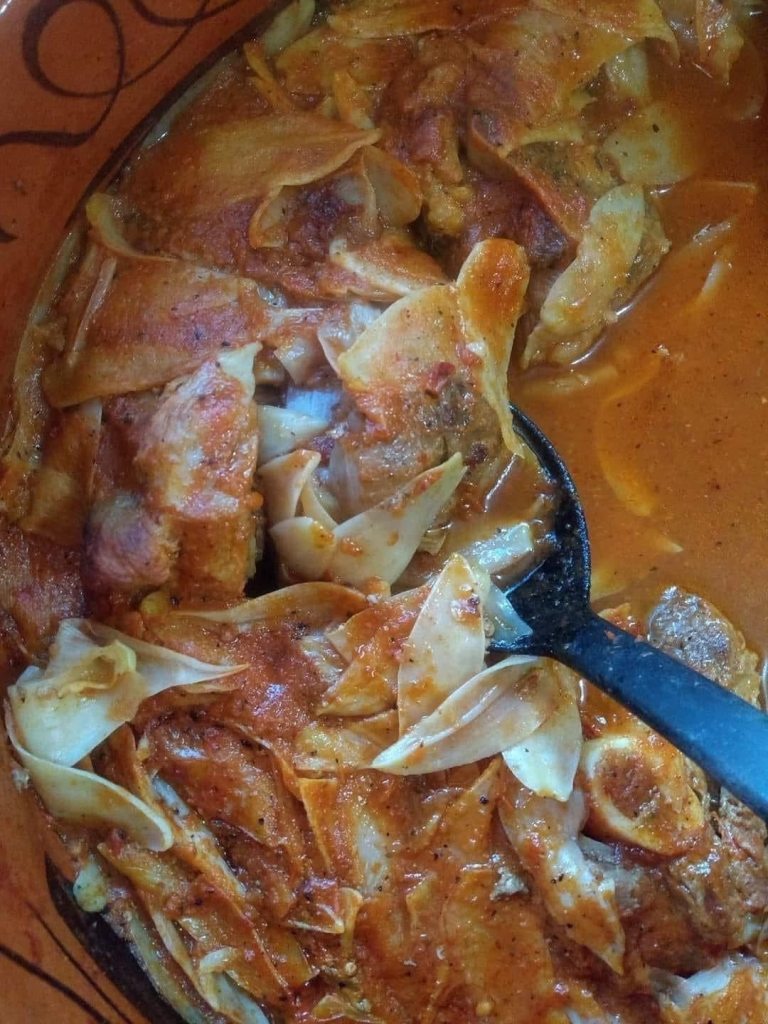
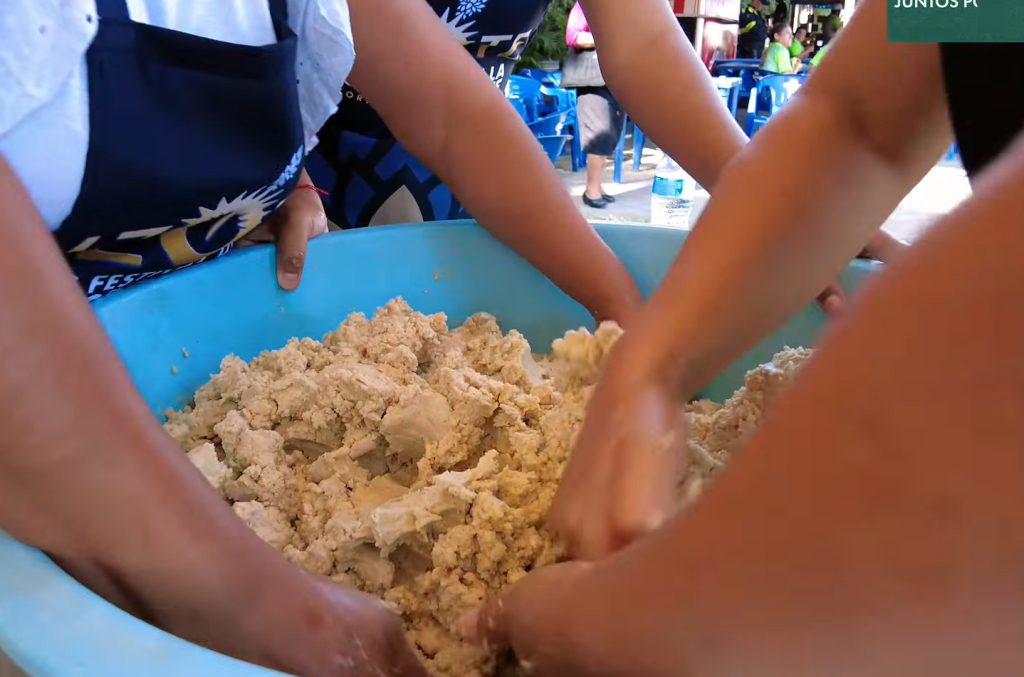
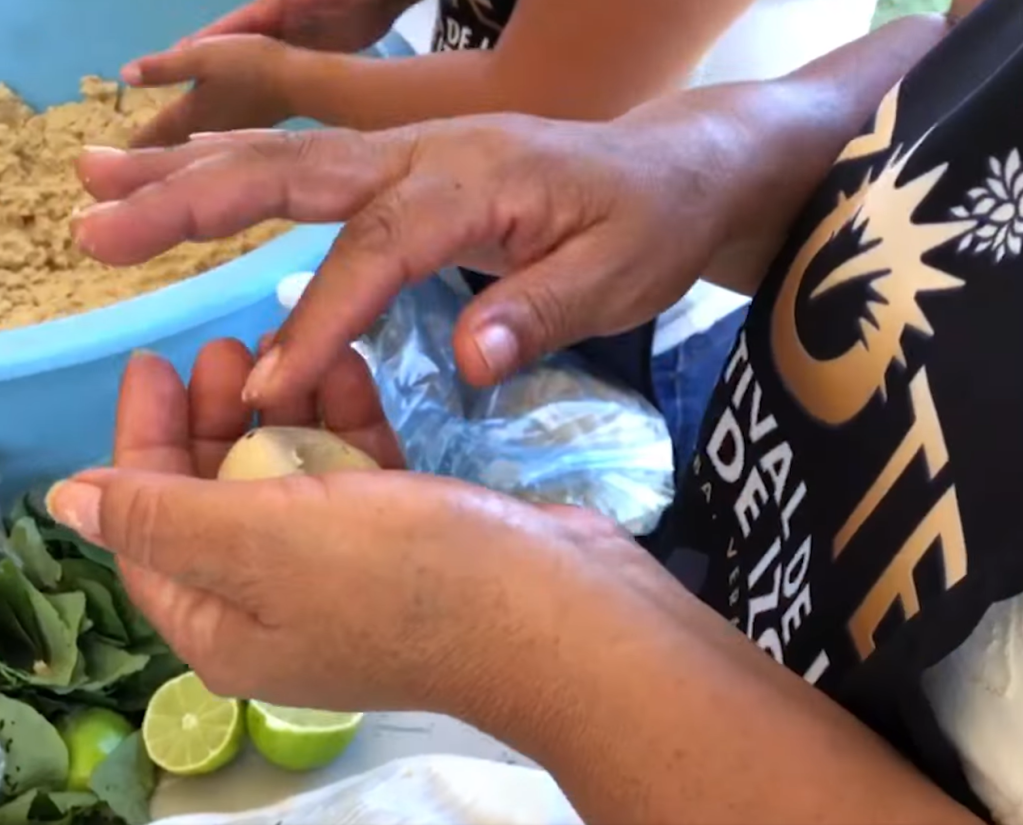
Tesmole (1) is a dish made in the central states of the country, especially Puebla, Tlaxcala, Veracruz, the State of Mexico, and Oaxaca. It is a “brothy stew” similar to a light mole made with ground guajillo and chiltepec chiles, onion, tomato, or garlic and thickened with corn masa (or sometimes beans or potatoes). The thickening of the broth can also be effected with masa dumplings called chochoyones
- Also known as texmole, tezmole : From the Nahuatl textli , meaning corn flour or dough, and mulli , the word that evolved into mole)
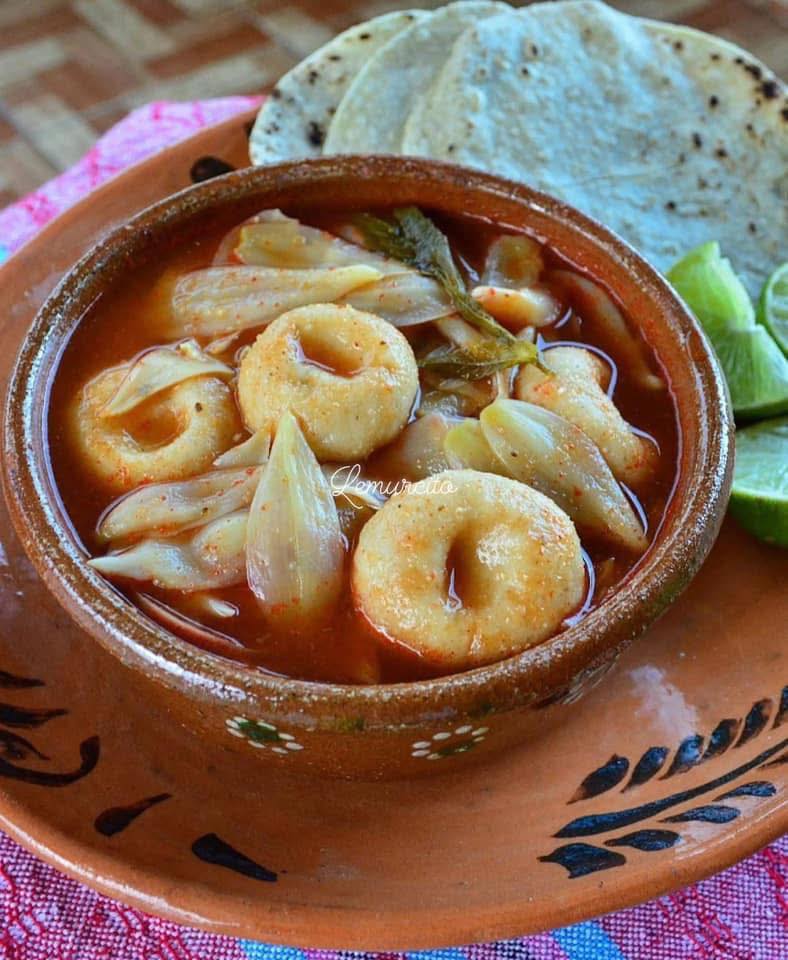
Chochoyotes (chochoyones)
- Oaxaca: chochoyones, chochoyotes, chochollones, chochollotes, and ombligos de masa (masa belly buttons).
- Puebla and Tlaxcala: testales or textales, textlales, tesclales, texclales.
- Campeche: jarochitos.
- Veracruz: ombligos (belly buttons), orejas (ears), and xoxolos.
- Yucatan: pibitos, from the mayan word pib.
- Other regions: chocholos, bolitas de masa.
These dumplings are an excellent, and very easy, addition to any broth or stew (guisado). Keep the following points in mind when making your chochoyones.
- Too soft dough: Masa dough should have a firm texture, not too dry, neither too soft or sticky.
- Fat is needed: Don’t skip the lard or oil, some fat is needed to keep the masa together. Think of those dumplings as a sort of tiny tamales cooked in broth.
- Boiling broth: If the soup where you add chochoyones is boiling vigorously, chances are the dumplings will fall apart, so make sure the broth boils gently.
- Not enough heat: On the contrary, if you don’t allow the broth to reach a boiling point and is not hot enough, the dumplings won’t cook quickly enough.
For another recipe containing chochoyones (and the herb Chepil) check out…..Ixchel and the Legend of Chepil and Mole de Olla (no Chepil in this one though)
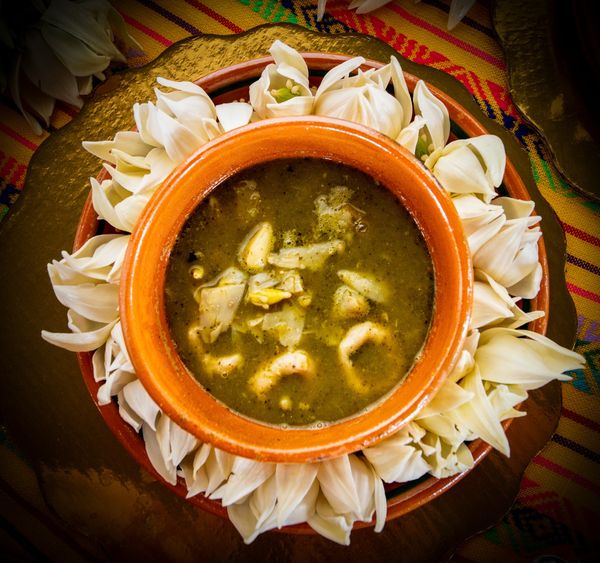
Feria de Flor de Izote
The Festival de la Flor de Izote in Córdoba, Veracruz (Mexico), is a cultural and gastronomic event aimed at promoting the traditional consumption of the izote flower in local cuisine. Beginning around June, it features cooking competitions, folklore dances, and artisan displays.

The first Festival de la Flor de Izote held in Córdoba, Veracruz, in 2022
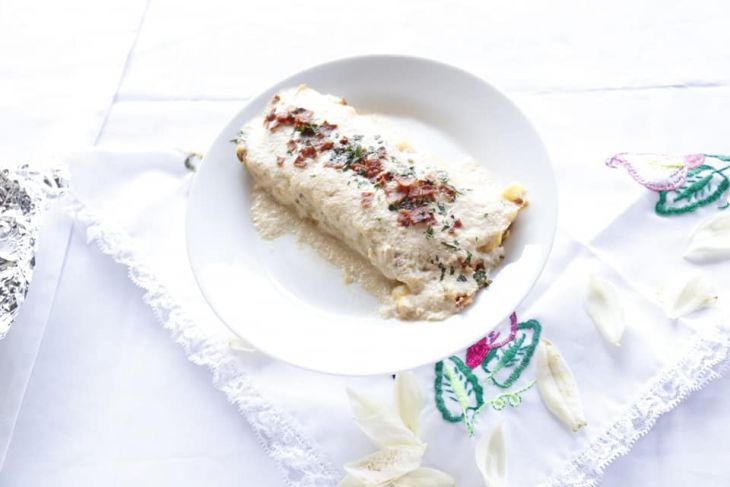
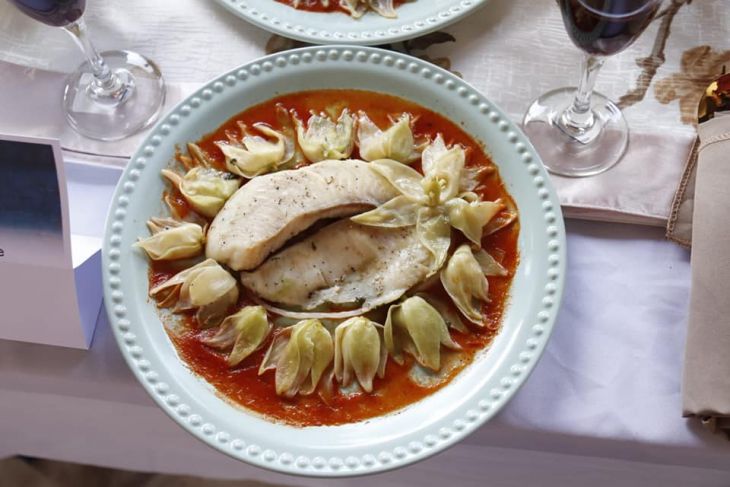
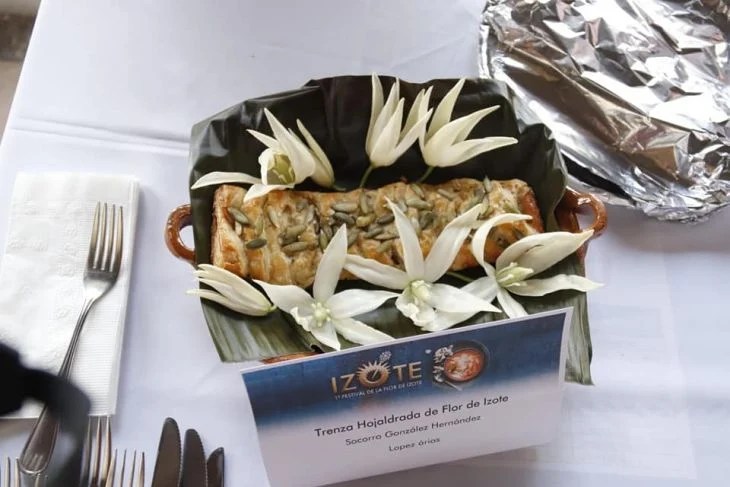
The Director of Economic Development (Desarrollo Económico), Rocío Jiménez Yunes, notes of the fiesta, “The objective of this festival is to promote the consumption of the Izote flower in the area, within our seasonal gastronomic dishes; as we all know, this flower grows in May and June, and as we all know, it is very delicious and used in a wide variety of our Cordoban dishes.”
The Third Festival de la Flor de Izote, 2024
Th same dish as above, just on an industrial scale.
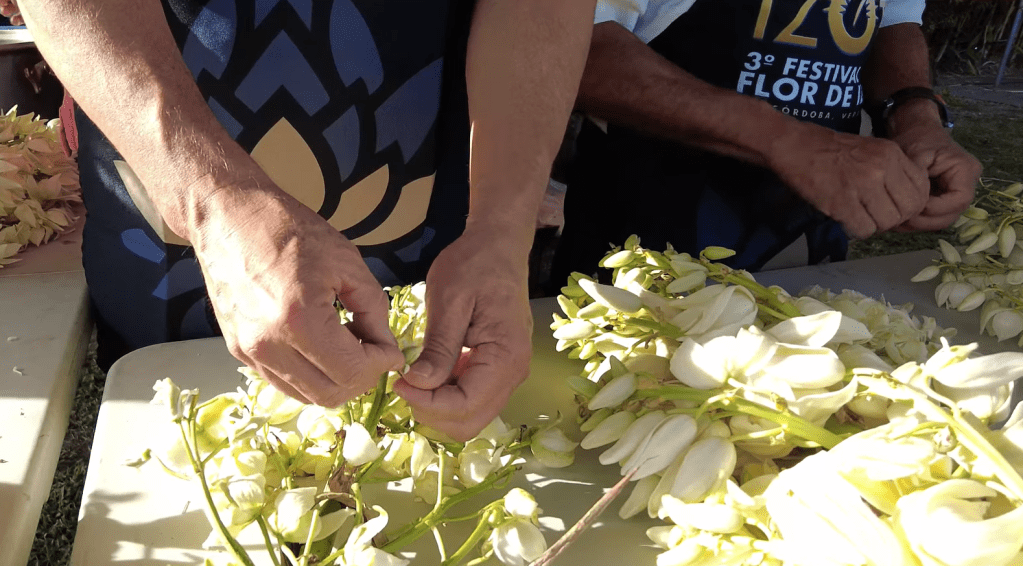
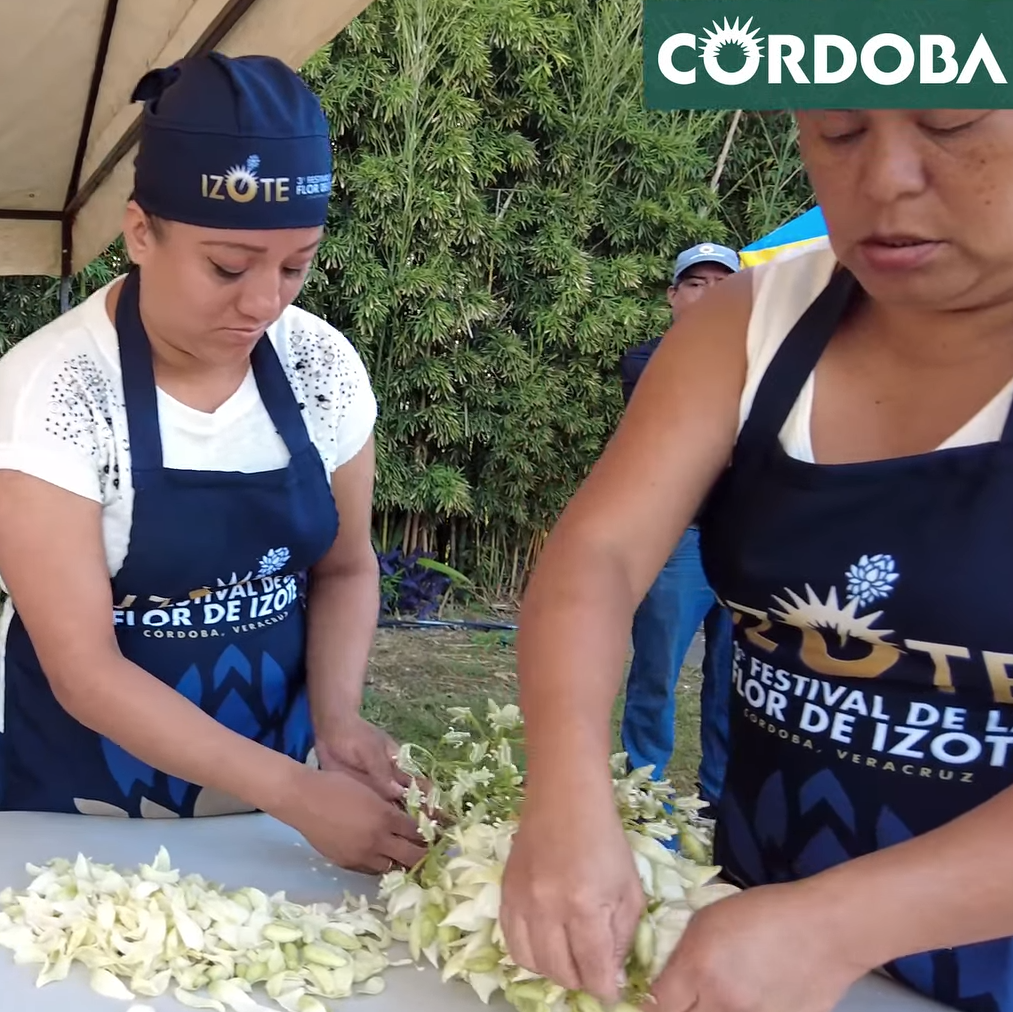
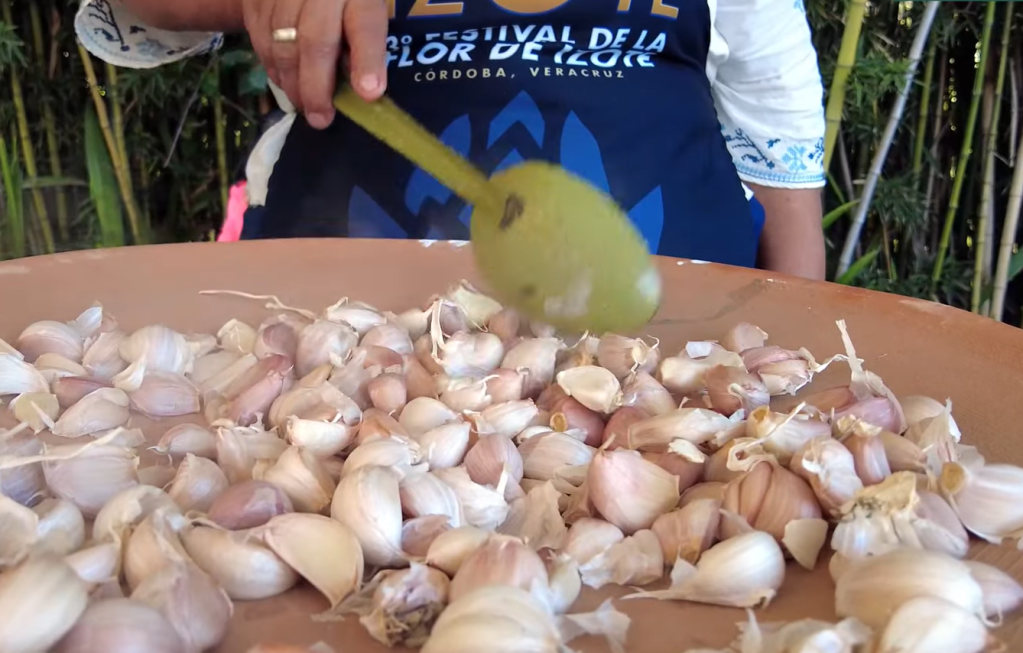
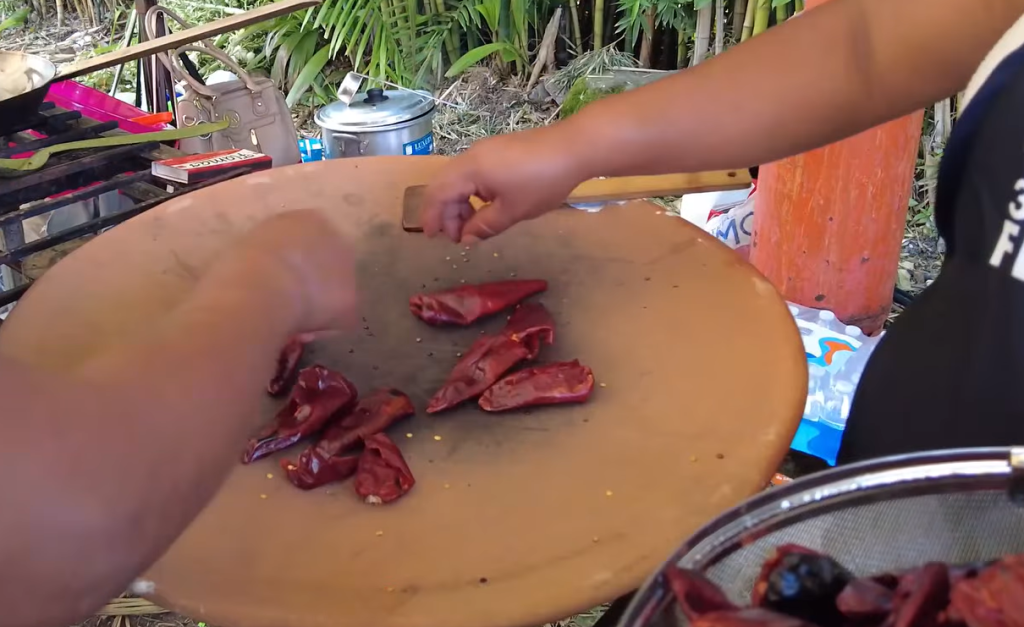
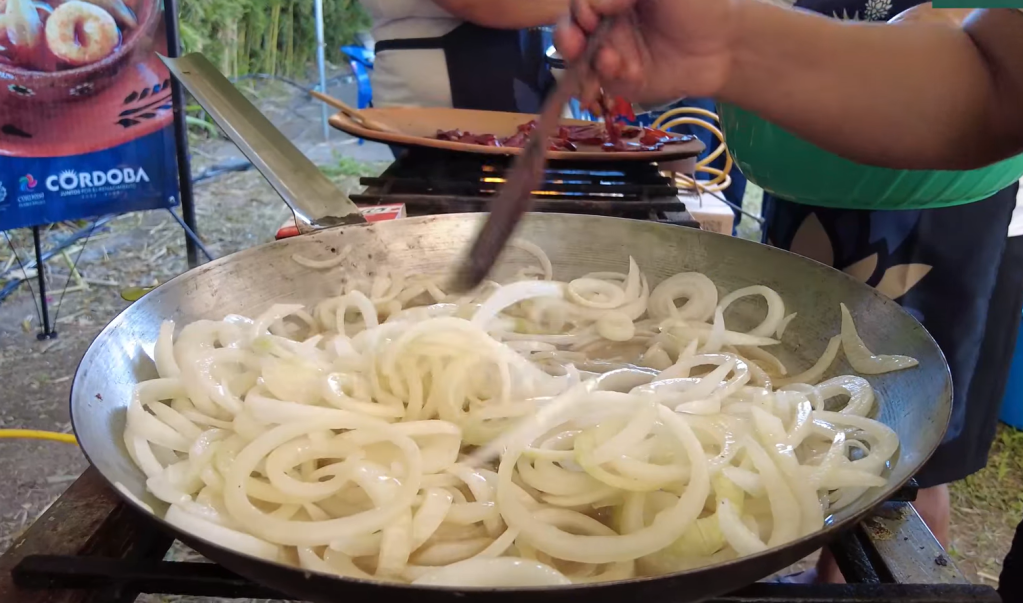
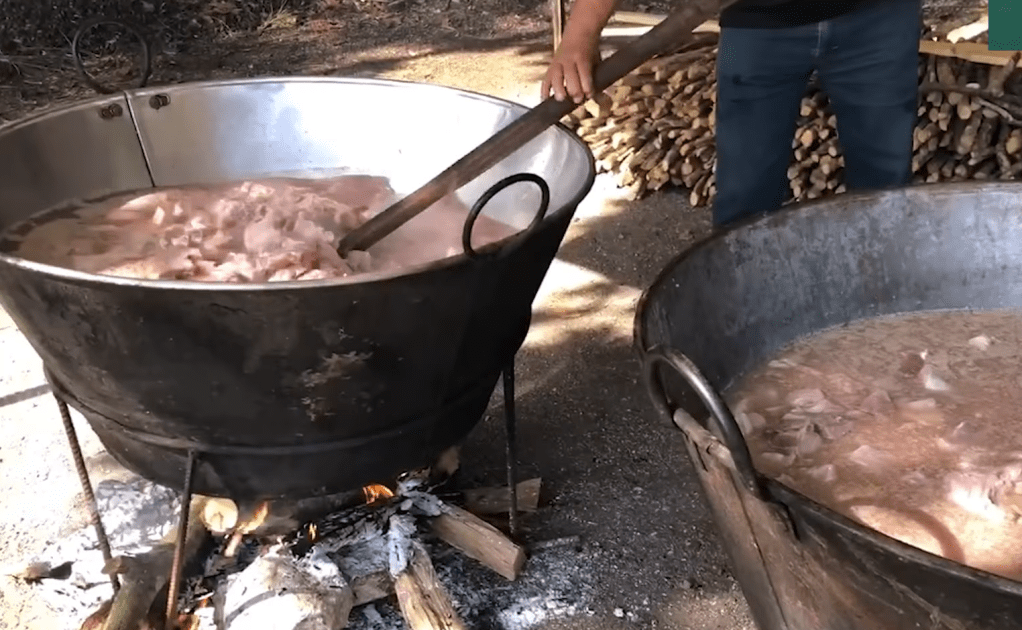
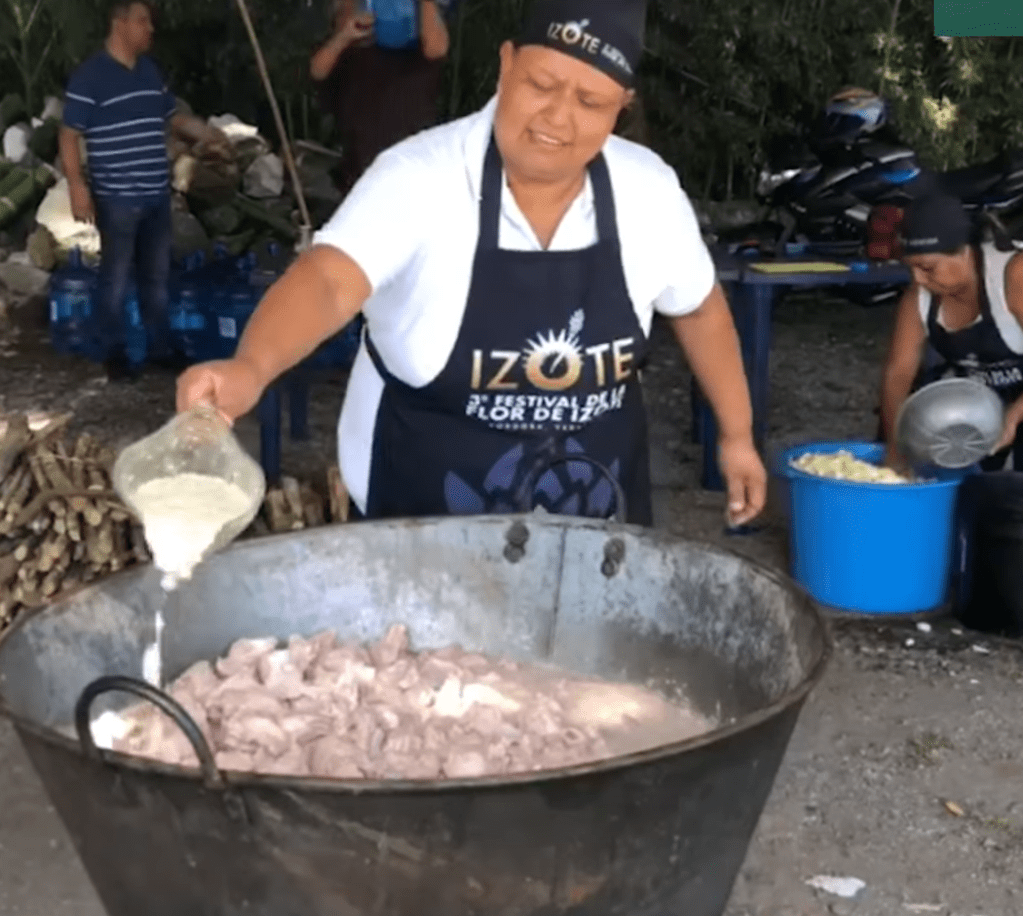
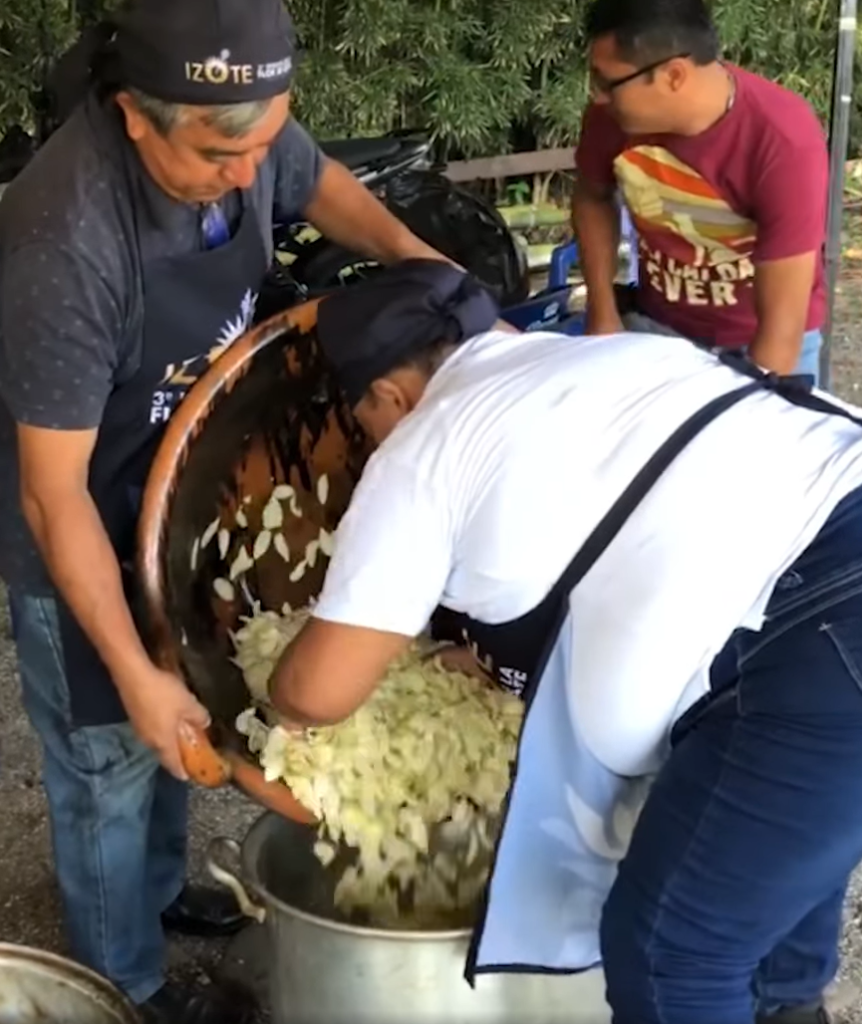
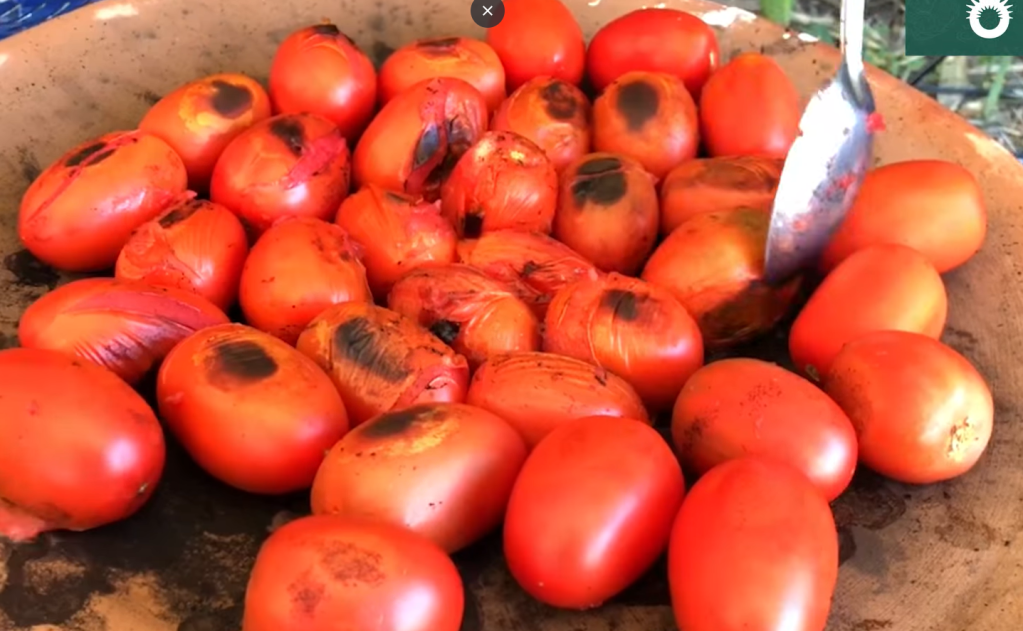
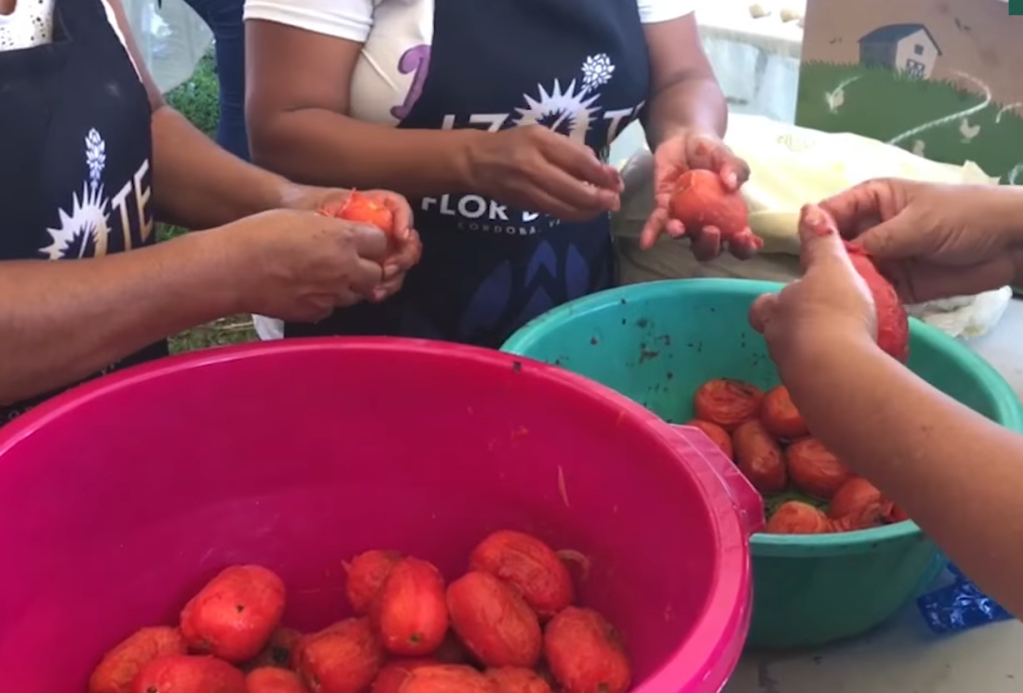
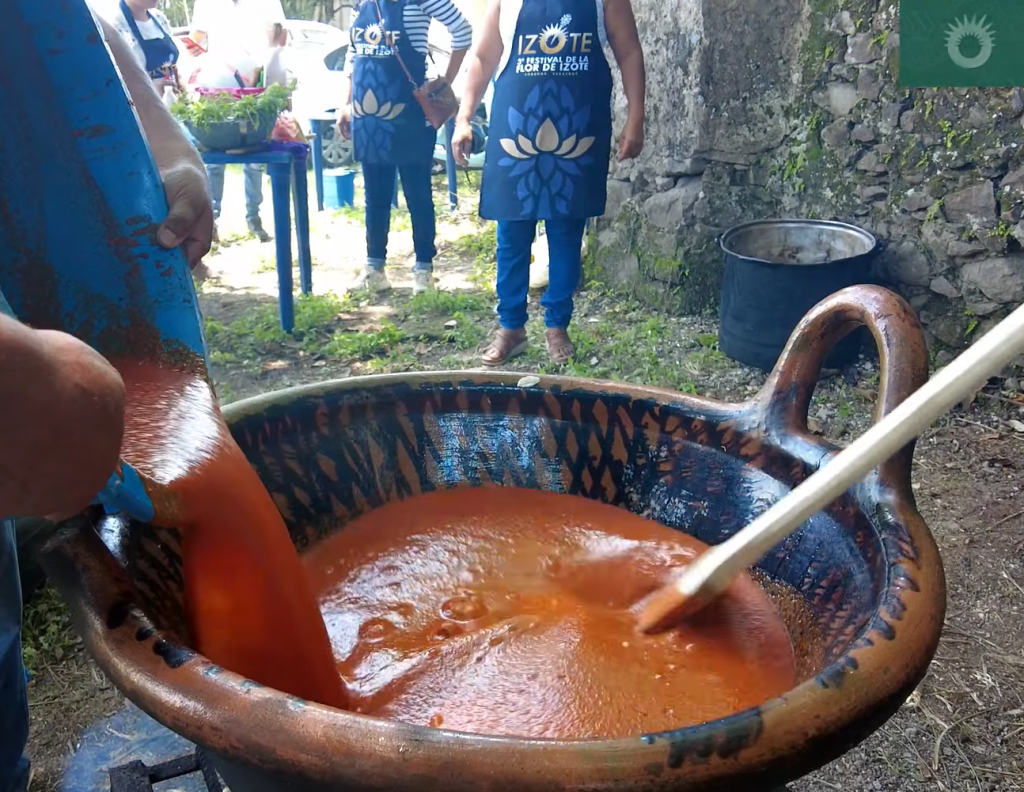
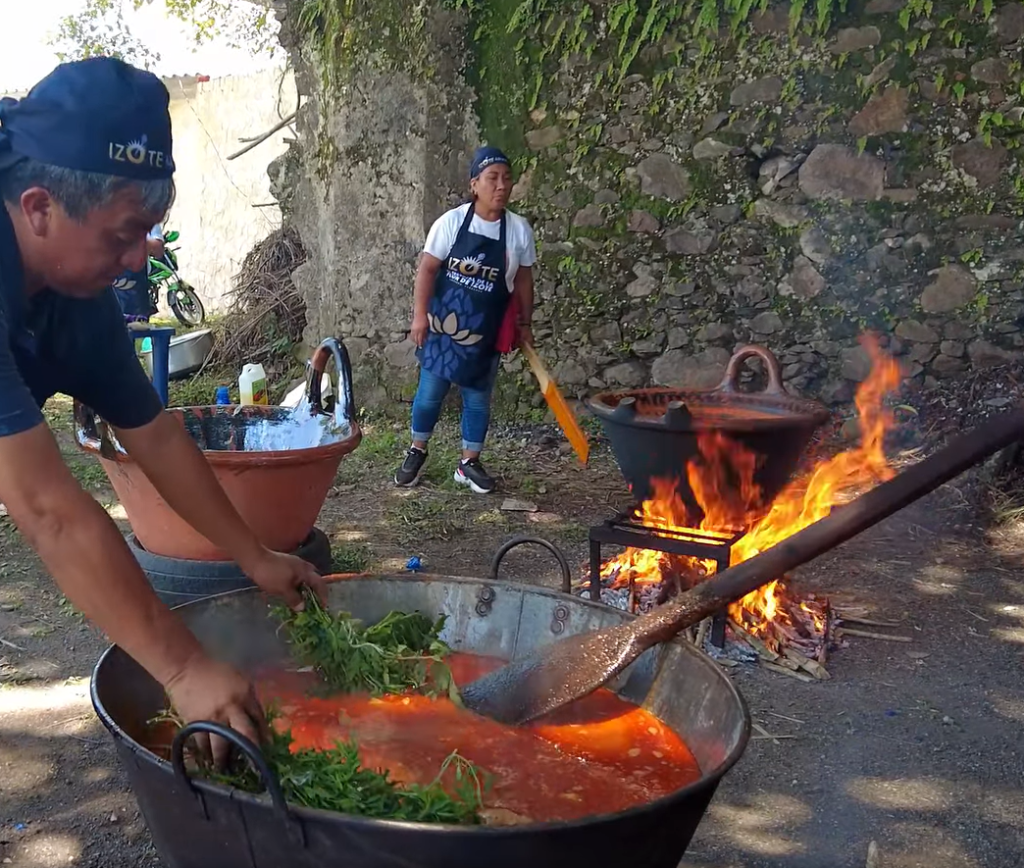
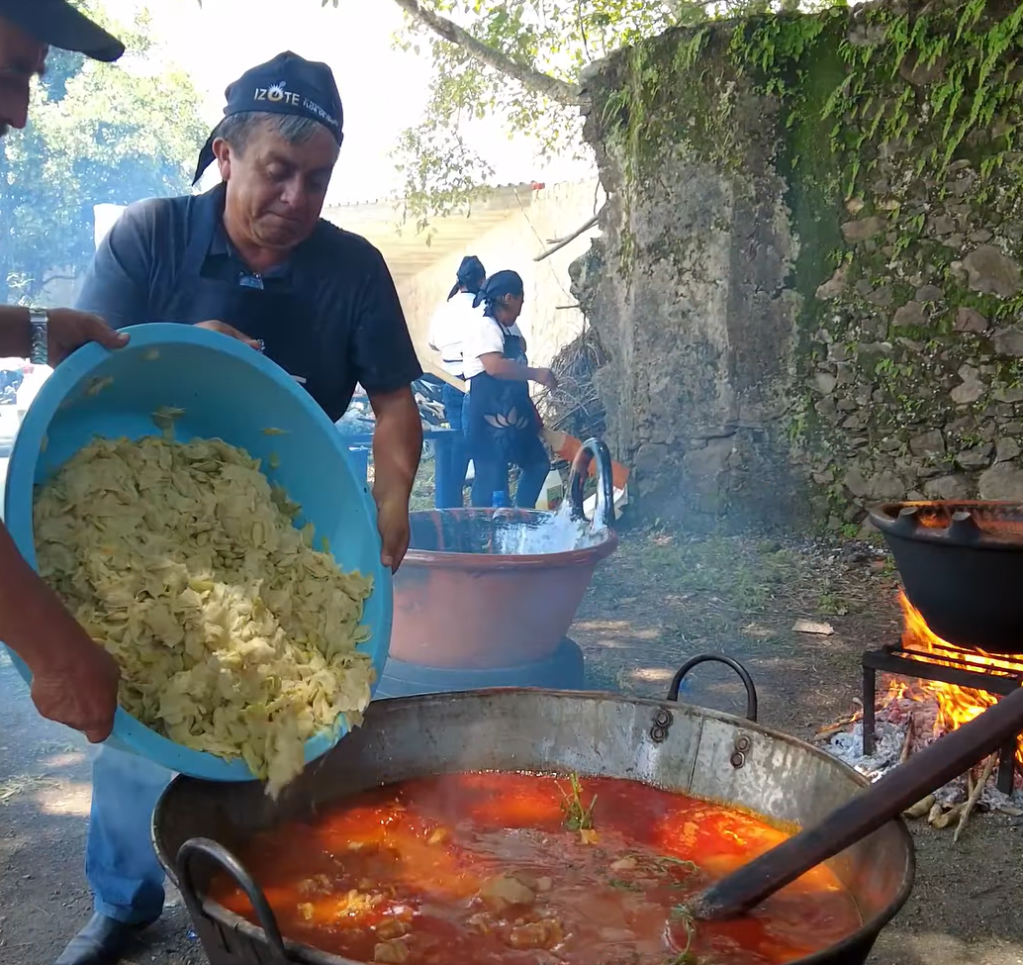
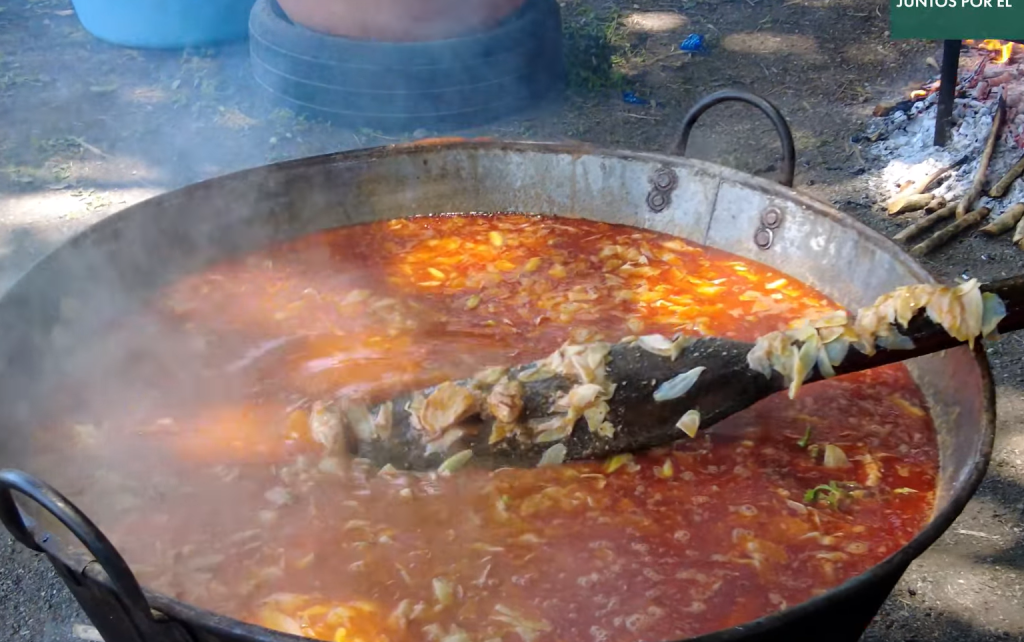
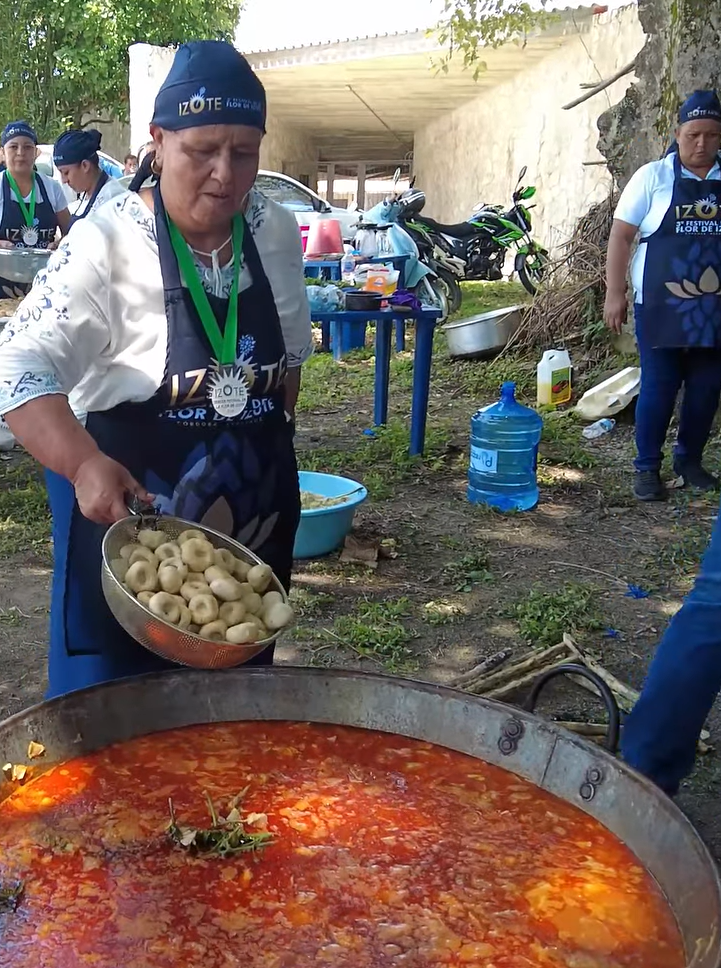
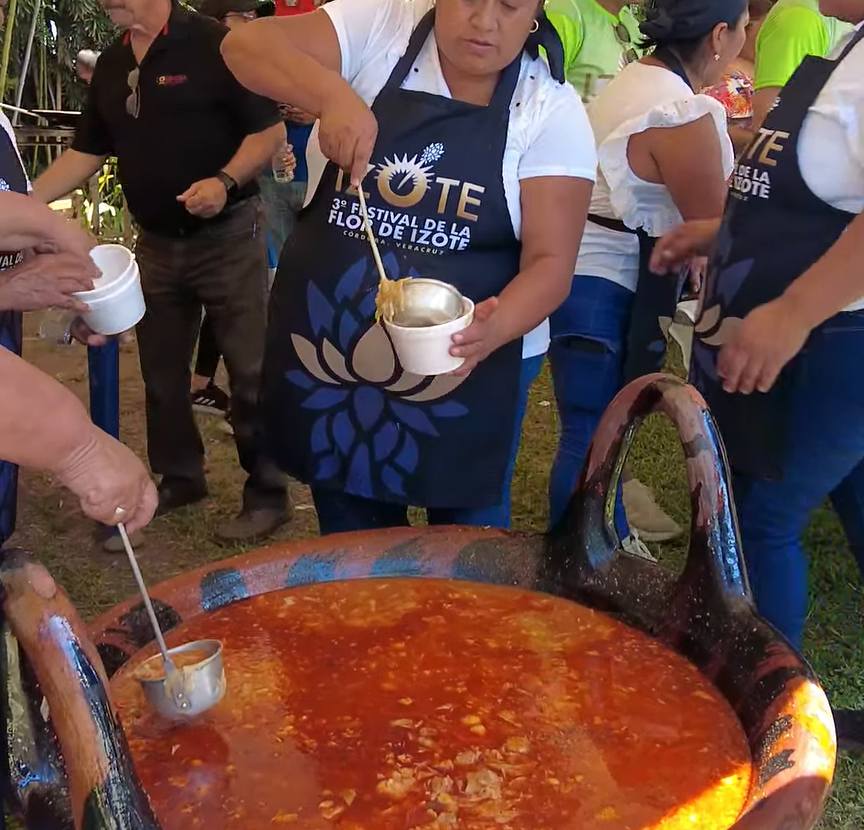
A similar dish (from the Festival) in un restaurante
The flower also makes an excellent filling for pupusas (we can’t go to El Salvador and not eat pupusas)
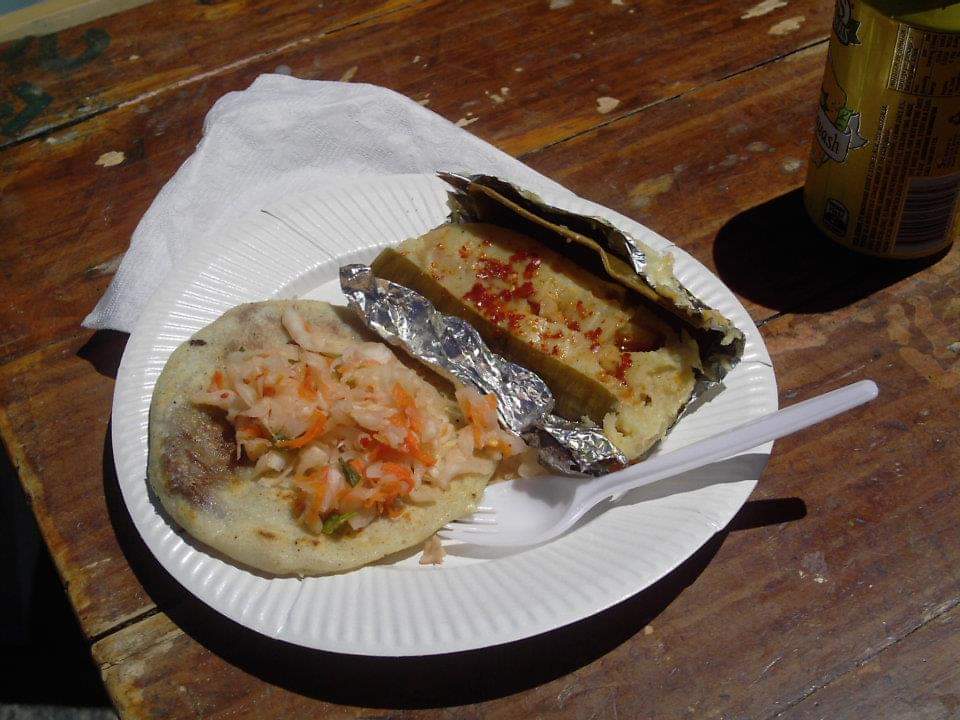
Pupusa and tamal from my local Sunday market vendor. The pupusa unfortunately doesn’t contain flor de izote (solo frijoles y queso). The tamal is a softer and wetter tamal than the Mexican ones and contains chicken, potato and a single green olive.
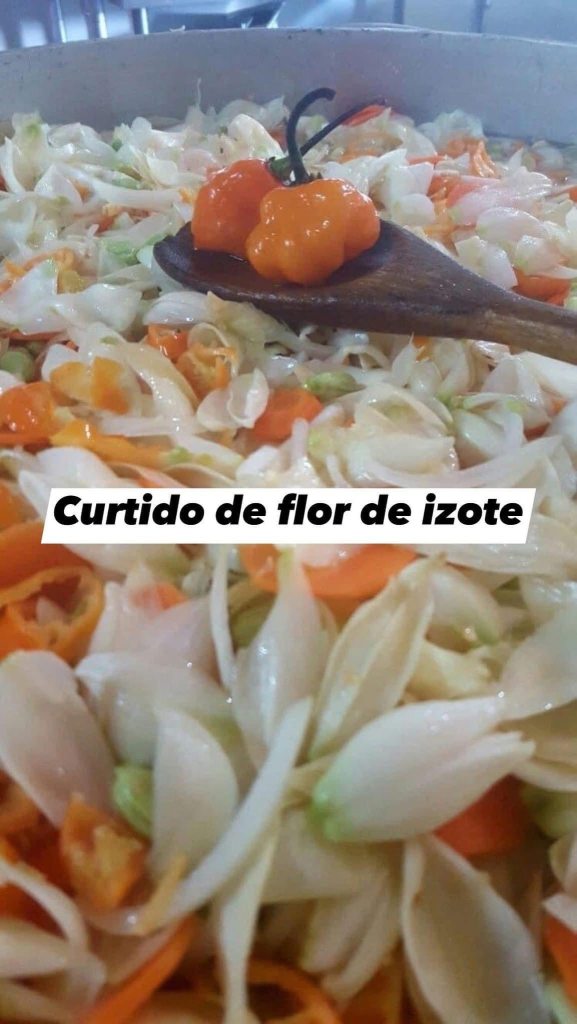
Flor de izote en curtido (Pickled yucca flowers) are prepared by boiling the cleaned flowers (without the hard stems) in salted water for 5-10 minutes, then draining and letting them cool. They are mixed with onion, capsicum (called bell pepper in America), vinegar, spices (bay leaf, peppercorns), and left to marinate in the refrigerator for at least a day to enhance the flavour.
Pickled Yucca Flowers
Ingredients:
- 500g (1 lb) yucca flowers (removed stems) and large tender flower buds.
- 1 cup of vinegar (pineapple, white or apple cider vinegar).
- 1/2 cup of water.
- 1 white or red onion, julienned.
- 2 carrots, sliced or cut into sticks.
- 1 capsicum (bell pepper) (optional), cut into strips.
- Jalapeño peppers to taste (sliced).
- 2 bay leaves and allspice to taste. (or use bay, oregano and thyme)
- Salt to taste.
Method
- Clean your flowers. Remove the petals from the yucca flower, removing the bitter centre (ovary) if desired, and wash them well.
- Boil the flowers in water with a little salt for 5 to 10 minutes until tender.
- Drain the flowers and let them cool completely.
- In a glass jar, mix the vinegar, water, salt, bay leaf, pepper, (and other herbs/spices you’re using) onion, and capsicum. Add the cooked yucca flower.
You can also boil the vinegar and herb/spice mix for 2 minutes to enhance the flavour of the vinaigrette. Pour it hot over the vegetables.
Cover the jar and refrigerate. It is recommended to let it rest for at least 24 hours for the flavours to meld.
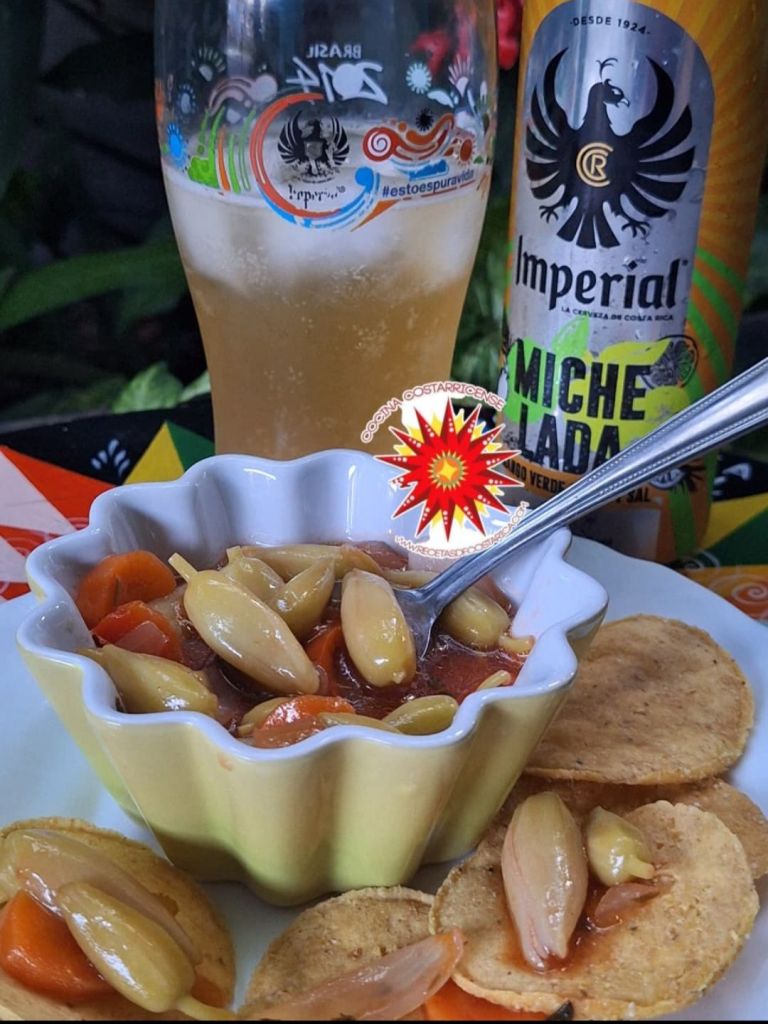
Here we have a combination of unopened flower buds and opened flowers in the pickle.
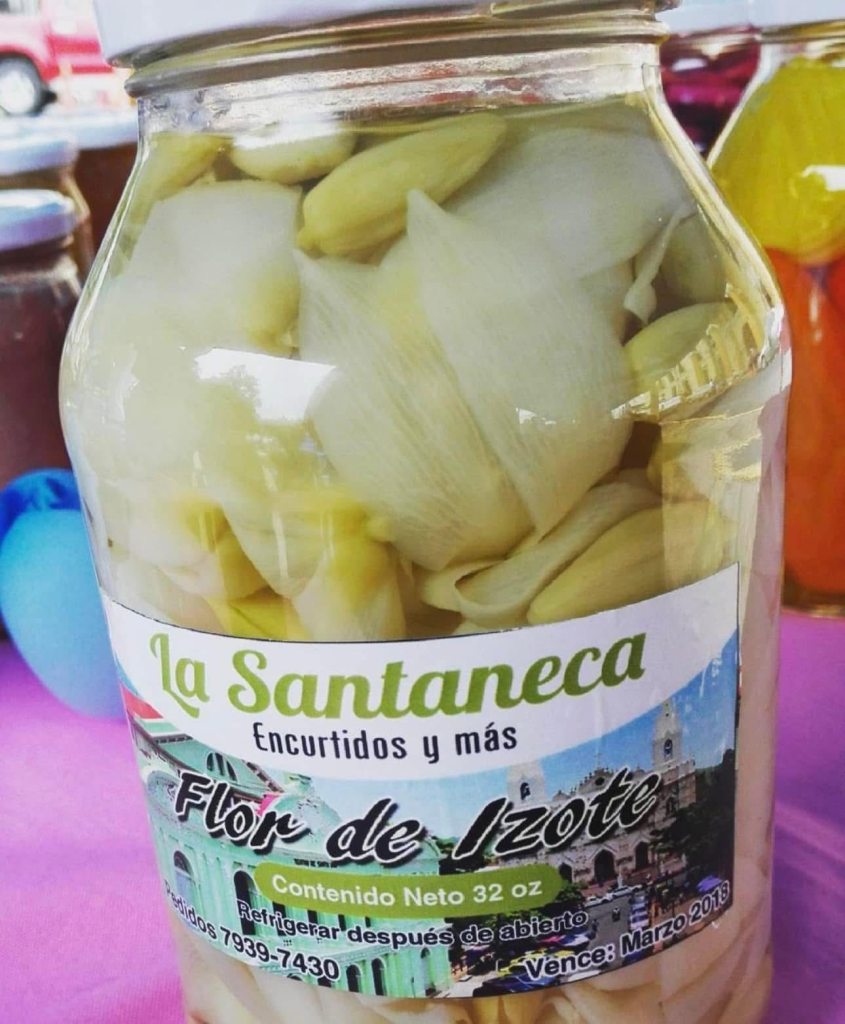
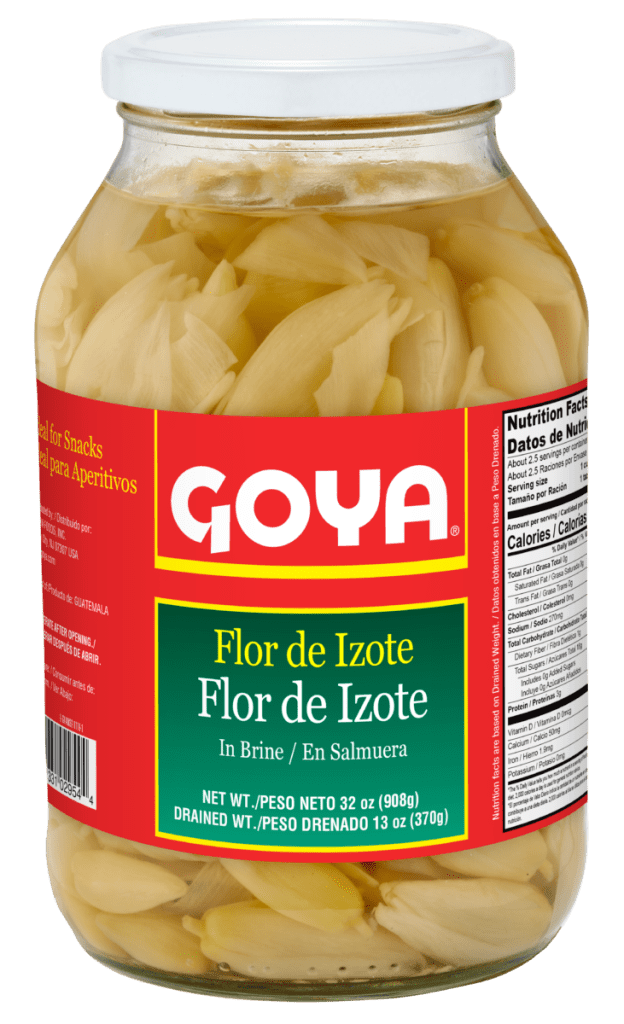
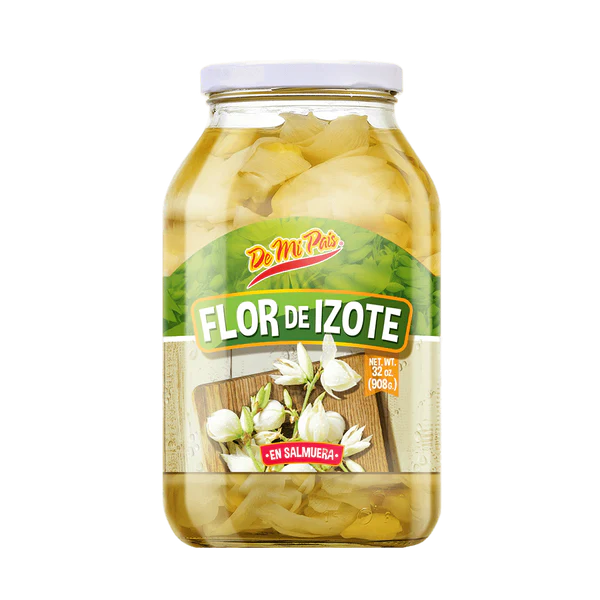
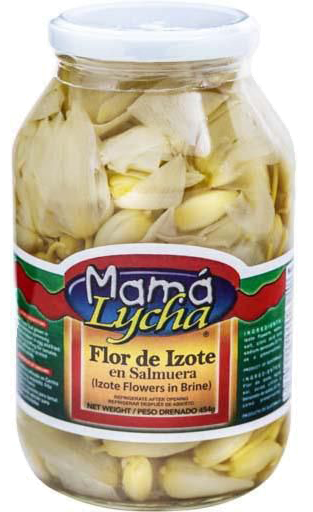
Jarred flor can be found in Latin (and some Asian) markets.
Bebidas?
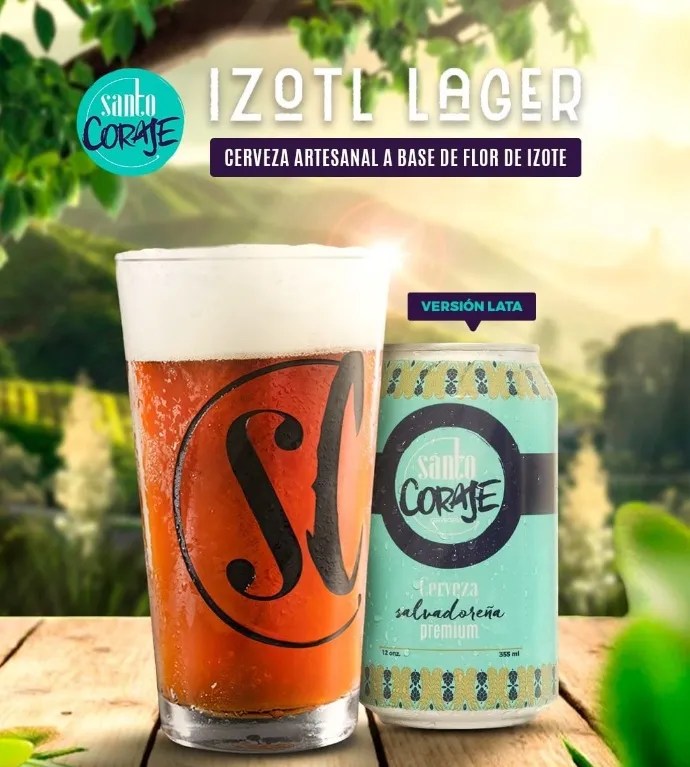
In 2017, Salvadoreña Cecilia Cruz returned home after studying Biotechnology in Berlin, Germany, when, after two years, she decided to pursue a master’s degree in beer science.
After 2 years of studying Biotechnology in Berlin, Germany, Salvadoreña Cecilia Cruz decided to pursue a master’s degree in beer science (the legend) and after returning home to El Salvador she shared what she had learned. In response the decided to create a uniquely Salvadoran beer. Izotl Lager was created “on the first try” (which is even more impressive as it has a brewing time of a month and a half. Cecelia notes that this beer is much less bitter than regular beer. It has a pleasant taste and “a subtle, plant-like note; it’s not as bitter because the flower isn’t as bitter as hops.” She entered the beer in a competition at a craft beer festival and won 1st prize in 2017.
Cecelia has recounted that she hasn’t always received positive feedback for her creation, as some people believe that the izote flower shouldn’t be used in the country’s cuisine. “One person even told me I should be arrested for using the national flower to make beer,” she recalled.
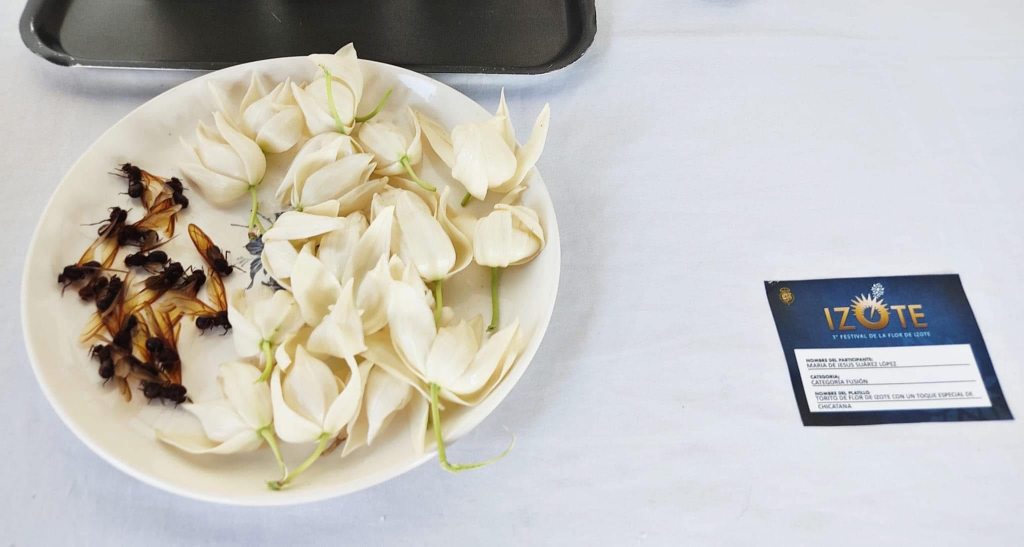
Torito is a popular, creamy alcoholic smoothie originating from Veracruz, Mexico, in the early 1900’s. Traditionally made by blending ice, condensed milk, evaporated milk, vanilla, and white rum or aguardiente it is often compared to a milkshake and features popular flavours like peanut (cacahuate), coconut, coffee, and mango.
Torito jarocho
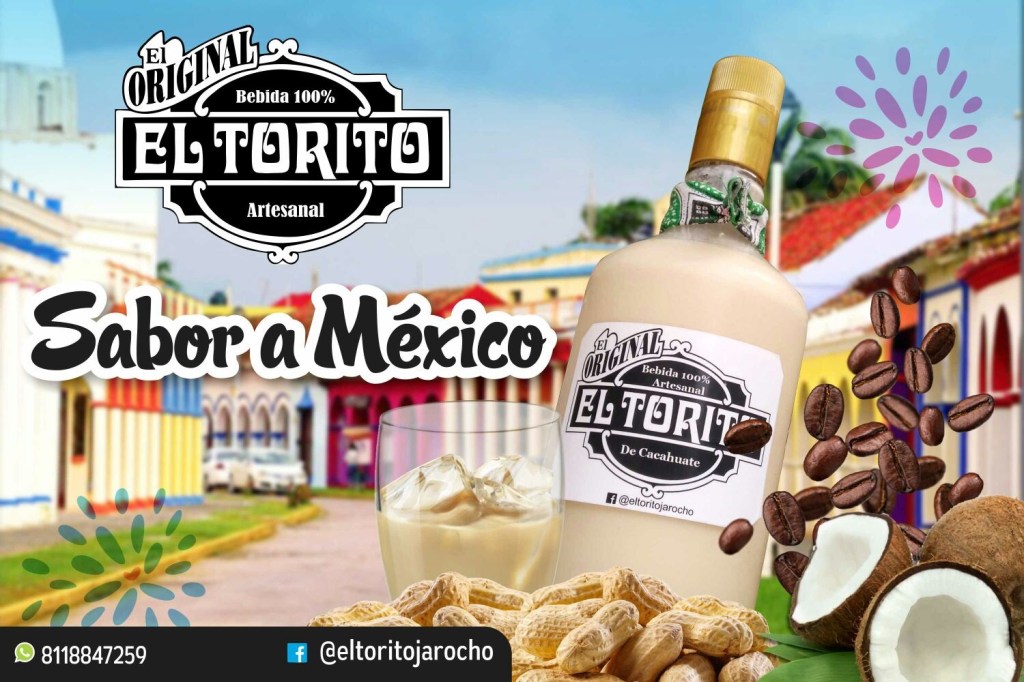
Jarocho is a person, item or style of music from the city of Veracruz, Mexico.

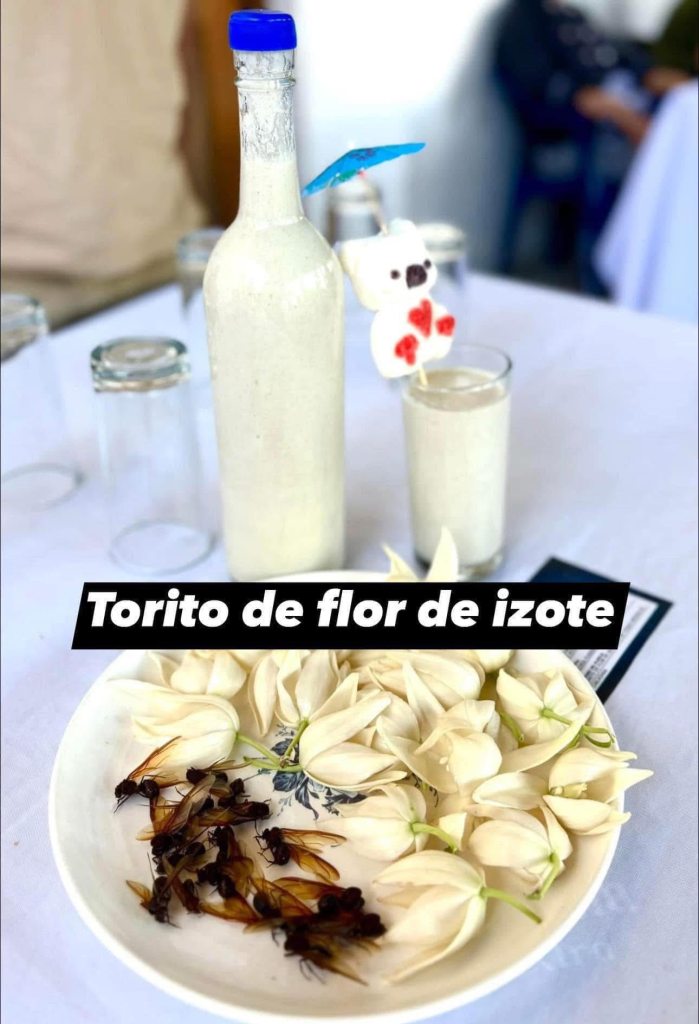
This one differs in that it contains flor de izote (and chicatanas? or are they simply a snack)
Nutritional Properties of Flor de Izote
Research conducted by Juárez-Trujillo et al. (2018) revealed that the carpel and petals of yucca flowers (Yucca elephantipes) were rich in total dietary fiber and unsaturated fatty acids (palmitic, linoleic, and oleic acids).
Other studies affirm that the flowers of Yucca spp. contain high levels of vitamin C, which helps counteract respiratory illnesses, aids in iron absorption, and, due to its antioxidant capacity, contributes to counteracting the effects of premature aging (Mora-Olivo et al., 2009).
Medicinal uses of Flor de izote
Pacheco-Hernández et al. (2024) analyzed the nutraceutical properties of the hydroalcoholic extract and phenolic compounds of the edible flowers of Yucca aloifolia (also known as “izote flower”), identifying several phenolic compounds:
1. Chlorogenic acid: with a content of approximately 16.5 mg/g dry weight.
2. Quercetin and its glycosides: as quercetin-3-glucoside, with a content of around 9.5 mg/g.
3. Ferulic acid: approximately 7.9 mg/g, which has also been linked to antioxidant properties.
In addition to its physical characteristics, yucca has been traditionally used by various cultures due to its beneficial health properties:
1. Antioxidant: It contains bioactive compounds such as flavonoids and polyphenols, which help neutralize free radicals in the body. This contributes to the reduction of oxidative stress, which is related to various chronic diseases (Culhuac et al 2023).
2. Neuroprotective: Its extracts have been shown to have a protective effect on neuronal cells, which may be beneficial for the health of the nervous system. This could help prevent neurodegenerative diseases, although more research is needed to confirm these effects in humans (Pecio et al 2022).
3. Antidiabetic: Studies suggest that it may help regulate blood sugar levels and improve insulin sensitivity. This is particularly relevant for the prevention and treatment of type 2 diabetes (Oztasan 2013).
4. Antimicrobial: Some of its compounds have antimicrobial properties that may help fight bacterial and fungal infections. This has been observed in studies analyzing the effect of yucca extracts on specific pathogens (Zúñiga-Serrano et al 2022).
5. Hepatoprotective: It has shown beneficial effects in protecting the liver, helping to prevent liver damage and improving its function. This is due to its antioxidant properties, which help reduce inflammation in the liver (Sun et al., 2017).
6. Anti-obesity: Some studies suggest it may be useful for weight control and obesity reduction by affecting fat metabolism in the body (Kucukkurt et al., 2016).
WARNING : SAPONINS
When saponins come into contact with blood, they act as surfactants (surface-active agents) that interact with cholesterol-rich cell membranes, causing significant disruption to red blood cells (erythrocytes).
Surfactants, or “surface-active agents,” are amphiphilic compounds (1) that reduce surface tension between two liquids, a liquid and a solid, or a liquid and a gas. They enable cleansing, foaming, emulsifying, and dispersing in products like detergents, soaps, cosmetics, and lubricants.
- Featuring a hydrophilic (water-loving) head and a hydrophobic (water-hating) tail
Detergents have significant effects on blood, primarily acting to break down its components, solubilize cell membranes, and denature proteins. Because blood contains high levels of fats and proteins, detergents are highly effective at breaking down blood, a process that involves cell lysis (1) and denaturation (2).
- Lysis is the disintegration or breaking down of cells through the disruption of their plasma membrane.
- Denaturation is the structural unfolding of proteins or nucleic acids caused by external stress (heat, pH changes, chemicals), leading to the loss of their biological function and native conformation. It destroys secondary, tertiary, and quaternary structures while leaving the primary amino acid sequence intact. Often irreversible, this process causes proteins to become insoluble and coagulate
Here are the primary effects of saponins on blood: (it’s not all negative)
Haemolysis (Destruction of Red Blood Cells): Saponins are well-known to cause haemolysis, where the red blood cell membranes are ruptured, releasing haemoglobin into the bloodstream. This occurs because saponins bind with cholesterol in the membrane to form insoluble complexes, leading to the formation of large pores.
Eryptosis (Suicidal Cell Death): Even at lower concentrations that do not cause immediate hemolysis, saponins trigger eryptosis—a form of suicidal cell death characterized by cell shrinkage and scrambling of the cell membrane. (Bissinger et al 2014)
Rapid Destruction in High Concentrations: At higher concentrations, the destruction of red blood cells is rapid and severe.
Anti-coagulation and Anti-platelet Activity: While some saponins cause hemolysis, other specific types of saponins (such as those in Panax notoginseng) have been found to demonstrate anti-platelet and anticoagulant activities in in vitro and in vivo models, potentially helping to prevent thrombus formation. (Olas et al 2020)
Interaction with Immunity: Saponins can trigger the release of cytokines and promote immune cell recruitment at the injection site, which is the justification as to why they are used as vaccine adjuvants. (Shen et al 2023)
Due to their potent haemolytic activity, direct intravenous application of most plant-derived saponins is restricted, though they are considered safe when consumed orally in normal diet amounts. (Shi et al 2016) except in cases of intestinal bleeding
References
- Arroyo-Rodríguez, Victor : CORRESPONDENCIA : Conservación de la diversidad de plantas en Los Tuxtlas: comentarios sobre “Diversidad florística de las selvas húmedas en paisajes antropizados” Centro de Investigaciones en Ecosistemas (CIECo), UNAM, Morelia, Michoacán, México (Retrieved 10th MAR 2026) : https://www.researchgate.net/profile/Victor-Arroyo-Rodriguez/publication/291426372_Conservacion_de_la_diversidad_de_plantas_en_Los_Tuxtlas_comentarios_sobre_Diversidad_floristica_de_las_selvas_humedas_en_paisajes_antropizados/links/56a2f62408ae1b65112cca59/Conservacion-de-la-diversidad-de-plantas-en-Los-Tuxtlas-comentarios-sobre-Diversidad-floristica-de-las-selvas-humedas-en-paisajes-antropizados.pdf
- Bissinger R, Modicano P, Alzoubi K, Honisch S, Faggio C, Abed M, Lang F. Effect of saponin on erythrocytes. Int J Hematol. 2014 Jul;100(1):51-9. doi: 10.1007/s12185-014-1605-z. Epub 2014 Jun 13. PMID: 24924952.
- Brouns F. Phytic Acid and Whole Grains for Health Controversy. Nutrients. 2021 Dec 22;14(1):25. doi: 10.3390/nu14010025. PMID: 35010899; PMCID: PMC8746346.
- Búrquez, A., Sarukan K. J. & A. L. Pedroza. 1987. Floral biology of a primary rain forest palm, Astrocaryum mexicanum Liebm, Botanical Journal of the Linnean Society, Volume 94 (4):407–419.
- Centurión, HD, Cázares, CJG, Espinosa, MJ, Poot-Matu, JE and Mijangos, CMA 2003. Food use of inflorescences in the Sierra region of the state of Tabasco. Polibotánica. No. 15 pp 89-97. Mexico
- Cheeke, P. R., Piacente, S. y Oleszek, W. (2006). Anti-inflammatory and anti-arthritic effects of Yucca schidigera: a review. Journal of Inflammation, 3(6), 1-7. https://doi.org/10.1186/1476-9255-3-6
- Chung KT, Wong TY, Wei CI, Huang YW, Lin Y. Tannins and human health: a review. Crit Rev Food Sci Nutr. 1998 Aug;38(6):421-64. doi: 10.1080/10408699891274273. PMID: 9759559..2485896
- Codex Quetzalecatzin, aka Mapa de Ecatepec-Huitziltepec, Codex Ehecatepec-Huitziltepec, or Charles Ratton Codex. Library of Congress. https://www.loc.gov/item/2017590521/
- Culhuac, E. B., Maggiolino, A., Elghandour, M. M., De Palo, P. y Salem, A. Z. M. (2023). Antioxidant and Anti-Inammatory Properties of Phytochemicals Found in the Yucca genus. Antioxidants, 12(3), 1-45. https://doi.org/10.3390/antiox12030574
- EFSA Scientific Committee, More SJ, Bampidis V, Benford D, Bragard C, Halldorsson TI, Hernández-Jerez AF, Bennekou SH, Koutsoumanis K, Lambré C, Machera K, Mennes W, Mullins E, Nielsen SS, Schrenk D, Turck D, Younes M, Aerts M, Edler L, Sand S, Wright M, Binaglia M, Bottex B, Cortiñas Abrahantes J and Schlatter J, 2022. Guidance on the use of the benchmark dose approach in risk assessment. EFSA Journal 2022;20(10):7584, 67 pp. https://doi.org/10.2903/j.efsa.2022.7584
- Hernández Medel, Nidia Patricia La Cocina Campesina de los Tuxtlas y Sus Origenes Culturales Viviendo Nuestra Ruralidad https://marviajaycome.com/wp-content/uploads/2021/08/viviendo-nuestra-ruralidad-okFinal-2.pdf
- Juarez, Num & Monribot-Villanueva, Juan & Jiménez-Fernández, Víctor & Suárez-Montaño, Rosaelena & Aguilar Colorado, Ángel & Guerrero-Analco, José & Jimenez, Maribel. (2018). Phytochemical characterization of Izote (Yucca elephantipes) flowers. Journal of Applied Botany and Food Quality. 91. 10.5073/JABFQ.2018.091.027.
- Karttunen, Frances (19920 An Analytical Dictionary of Nahuatl (Norman: University of Oklahoma Press), 96
- Kucukkurt, I., Küpeli Akkol, E., Karabag, F., Ince, S., Süntar, I., Eryavuz, A. et al. (2016). Determination of the regulatory properties of Yucca schidigera extracts on the biochemical parameters and plasma hormone levels associated with obesity. Revista Brasileira de Farmacognosia, 26(2), 246-250. https://doi.org/10.1016/j.bjp.2015.12.005
- Lemaire, Charles (1859). L’Illustration horticole, volume 6. J. Linder. p. 91
- Lyubitelev, A. y Studitsky, V. (2023). Inhibition of cancer development by natural plant polyphenols: Molecular mechanisms. International Journal of Molecular Sciences, 24(13), 10663. https://doi.org/10.3390/ijms241310663
- Ma L, Liu G, Sampson L, Willett WC, Hu FB, Sun Q. Dietary glucosinolates and risk of type 2 diabetes in 3 prospective cohort studies. Am J Clin Nutr. 2018 Apr 1;107(4):617-625. doi: 10.1093/ajcn/nqy003. PMID: 29635498; PMCID: PMC6669329.
- Melendez-Guadarrama, L., F. Trabanino & A. Caballero-Roque. 2012.Tres perspectivas en torno al uso comestible de las inflorescencias de las palmas pacay(a) y chapay(a) en Chiapas, México: enfoques paleoetnobotánico, nutricional y lingüístico. Estudios de Cultura Maya. Vol. 41(41): 175-199.
- Mora-Olivo, A., Hurtado-González, M., Gaona-García, G. y Treviño-Carreón, J. (2009). Chochas: Las flores comestibles del desierto. CienciaUAT, 4(2), 10-13. https://revistaciencia.uat.edu.mx/index.php/CienciaUAT/article/view/353
- Muñoz Zurita, Ricardo (2000). Diccionario Enciclopedico de Gastronomia Mexicana [Encyclopedic Dictionary of Mexican Gastronomy] (in Spanish) (First ed.). México: Editorial Clío. ISBN 978-970-663-094-0. OCLC 51687902. Retrieved 24 April 2025.
- Nicolau, A. I. y Gostin, A. I. (2016). Chapter 21 – Safety of Edible Flowers. Regulating Safety of Traditional and Ethnic Foods, 2016, 395-419. https://doi.org/10.1016/B978-0-12-800605-4.00021-9
- Olas, B., Urbańska, K., & Bryś, M. (2020). Saponins as Modulators of the Blood Coagulation System and Perspectives Regarding Their Use in the Prevention of Venous Thromboembolic Incidents. Molecules, 25(21), 5171. https://doi.org/10.3390/molecules25215171
- Oztasan, N. (2013). The effects of Yucca schidigera on blood glucose and lipid levels in diabetic rats. Global Journal of Biochemistry and Biotechnology, 1(1), 52-56. https://www.globalscienceresearchjournals.org/articles/the-effects-of-yucca-schidigera-on-blood-glucose-and-lipid-levels-in-diabetic-rats.pdf
- Pacheco-Hernández Y, Lozoya-Gloria E, Velásquez-Hernández FE, Ramírez-García SA, Varela-Caselis JL, Villa-Ruano N. Nutraceutical Properties of the Hydroalcoholic Extract and Phenolic Compounds from Yucca aloifolia Edible Flowers. Chem Biodivers. 2024 Sep;21(9):e202401331. doi: 10.1002/cbdv.202401331. Epub 2024 Aug 7. PMID: 39031675.
- Paarvanova, B., Tacheva, B., Savova, G., Karabaliev, M., & Georgieva, R. (2023). Hemolysis by Saponin Is Accelerated at Hypertonic Conditions. Molecules, 28(20), 7096. https://doi.org/10.3390/molecules28207096
- Pecio, Ł., Kozachok, S., Brinza, I., Boiangiu, R. S., Hritcu, L., Mircea, C. et al. (2022). Neuroprotective Effect of Yucca schidigera Roezl ex Ortgies Bark Phenolic Fractions, Yuccaol B and Gloriosaol A on Scopolamine-Induced Memory Deficits in Zebrafish. Molecules, 27(12), 3692. https://doi.org/10.3390/molecules27123692
- Pinero, D., Martínez-Ramos, M., & J. Sarukhan. 1984. A Population Model of Astrocaryum mexicanum and a Sensitivity Analysis of its Finite Rate of Increase. The Journal of Ecology, 72(3), 977.
- Sanchez, Astrid : Flor de izote, el comestible que tuvo su primer festival en Veracruz (27/06/2022) La Jornada Maya : https://www.lajornadamaya.mx/nacional/198339/flor-de-izote-el-comestible-que-tuvo-su-primer-festival-en-veracruz
- Sánchez Trinidad, Lesterloon. Flowers in Veracruz Cuisine . Popular Indigenous Cuisine. Ministry of Culture. General Directorate of Popular, Indigenous, and Urban Cultures (Mexico, 2017).
- Relación de Cempoala – University of Texas Libraries Collections. 1580-11-01. https://collections.lib.utexas.edu/catalog/utblac:f87917e2-e3c9-4eb2-a83…
- Saqib, A., Asghar, A., Saeed, F., Afzaal, M., Abbas Shah, Y., Wani, A. W., … Ndagire, C. T. (2025). Anti-nutritional and allergic components of taro: recent updates & perspectives. Food and Agricultural Immunology, 36(1). https://doi.org/10.1080/09540105.2025.2485896
- Shen L, Luo H, Fan L, Tian X, Tang A, Wu X, Dong K, Su Z. Potential Immunoregulatory Mechanism of Plant Saponins: A Review. Molecules. 2023 Dec 23;29(1):113. doi: 10.3390/molecules29010113. PMID: 38202696; PMCID: PMC10780299.
- Shi, Man-Man, et al. “Chinese Medicines with Sedative–Hypnotic Effects and Their Active Components.” Sleep Medicine Reviews, vol. 29, Oct. 2016, pp. 108–18. Crossref, https://doi.org/10.1016/j.smrv.2015.10.001.
- Sotelo, A., López, G. S. y Basurto, P. F. (2007). Content of nutrient and antinutrient in edible Flowers of wild plants in Mexico. Plant Foods for Human Nutrition, 62(3), 133-138. https://pubmed.ncbi.nlm.nih.gov/17768684/
- Sun, D., Jin, X., Shi, B., Su, J., Tong, M. y Yan, S. (2017). El extracto dietético de Yucca schidigera mejoró el rendimiento del crecimiento y la función antioxidante del hígado en pollos de engorde. Revista Italiana de Ciencia Animal, 16(4), 677-684. https://doi.org/10.1080/1828051X.2017.1302826
- Tull, Delena (2013). Edible and Useful Plants of the Southwest : Texas, New Mexico, and Arizona: including recipes, teas and spices, natural dyes, medicinal uses, poisonous plants, fibers, basketry, and industrial uses. Austin, Texas: University of Texas Press. ISBN 978-0-292-74827-9. OCLC 904364435.
- Uresti, Rocio & Ramírez de León, José & Rico, Frida & Mora-Olivo, Arturo & Lopez Diaz, Karime. (2025). Planta y flor de yucca (Yucca elephantipes).
- Zúñiga-Serrano, A., Barrios-García, H. B., Anderson, R. C., Hume, M. E., Ruiz-Albarrán, M., Bautista-Martínez, Y. et al. (2022). Antimicrobial and digestive eects of Yucca schidigera extracts related to production and environment implications of ruminant and non-ruminant animals: A review. Agriculture, 12(8), 1198. https://doi.org/10.3390/agriculture12081198
Websites / Images
- A very inaccurate illustration of kiwi anatomy. (Will McDonald aka McDanger) : Nature NOV 20 2015 : Featured Creature: Kiwi : https://www.pbs.org/wnet/nature/blog/featured-creature-kiwi/
- cal(li), house, building, https://nahuatl.wired-humanities.org/content/calli
- Cerveza de flor de izote y otros platillos elaborados con la flor nacional de El Salvador (29 de Julio de 2023) : https://www.laprensagrafica.com/salvadorenisimo/Cerveza-de-flor-de-izote-y-otros-platillos-elaborados-con-la-flor-nacional-de-El-Salvador-20230720-0073.html
- chinami(tl), an agricultural field or a chinampa, https://nahuatl.wired-humanities.org/content/chinamitl
- Chocho palm – opened flower : Por Fritz Geller-Grimm – Trabajo propio, CC BY-SA 3.0, https://commons.wikimedia.org/w/index.php?curid=5607282
- Chocho – processed flower buds : Actualidad Chiapas ; https://www.facebook.com/photo/?fbid=2077278355642684&set=pcb.2077278382309348
- Chocho palm trunk : https://www.monaconatureencyclopedia.com/astrocaryum-mexicanum-2/?lang=en
- Chocho palm unopened flower bud : Chiapas y su naturaleza : https://www.facebook.com/photo/?fbid=974092318088483&set=a.453922723438781
- Chochoyotes (chochoyones) : https://www.maricruzavalos.com/chochoyones/
- Chopping petals in preparation for sautéing : Calvin Wayne Hanselka : https://www.facebook.com/photo?fbid=1107324809278613&set=pcb.1728745320690564
- -co (locative suffix), in or at, https://nahuatl.wired-humanities.org/content/co
- Cocina campesina de los Tuxtlas y Nidia Hernández : agosto 17, 2021 : https://marviajaycome.com/cultura/cocina-campesina-de-los-tuxtlas-y-nidia-hernandez/
- Domingo de Tesmole de pollo : https://www.gob.mx/agricultura%7Cpuebla/articulos/domingo-de-tesmole-de-pollo-336701
- Ecoturismo Comunitario En La Región De Los Tuxtlas : https://www.facebook.com/lostuxtlas2019/posts/pfbid02QeyQMh6wQxSHZD2JwGwRcgQ3uYHiozHmc6WTJsKXzpXcN54i6Nw5JVEssSvqrrUZl
- Escabeche de Flor de itabo : Cocina Costarricense : https://www.facebook.com/cocinacostarricense/photos/escabeche-de-flor-de-itabo-mi-familia-disfruta-del-sabor-aut%C3%A9ntico-y-natural-de-/1203599928003191/
- Festival de la Flor de Izote : Ayuntamiento Córdoba Veracruz – https://www.facebook.com/watch/?v=451700900964301
- Flor de chocho, delicia culinaria de Los Tuxtla: Abr 11, 2022 : https://cambiodigitalnoticias.com/flor-de-chocho-delicia-culinaria-de-los-tuxtla/
- Flor de izote : Larousse Cocina: https://laroussecocina.mx/palabra/flor-de-izote/
- Flor de izote at the mercado ; https://www.eluniversal.com.mx/menu/conoce-las-flores-de-izote-y-sus-beneficios/
- Flor de Izote harvest in Vera cruz : Sierra Negra (July 23 2025) https://www.facebook.com/photo/?fbid=738038715440837&set=a.174079545170093
- Flor de izote street vendor : https://oem.com.mx/elsoldecordoba/tendencias/temporada-de-flor-de-izote-donde-la-puedes-comprar-13224509
- Harvesting Izote : Calvin Wayne Hanselka : https://www.facebook.com/photo?fbid=1107324809278613&set=pcb.172874532069056
- Iczocallan : https://aztecglyphs.wired-humanities.org/content/iczocallan-cmprg
- Iczochinanco : https://aztecglyphs.wired-humanities.org/content/iczochinanco-mdz42r
- iczo(tl), a type of yucca, https://nahuatl.wired-humanities.org/content/iczotl
- Iczotl Iyacac : https://aztecglyphs.wired-humanities.org/content/iczotl-iyacac-cq
- Milynares : Digital creator Boca del Río , Veracruz, Mexico – https://www.facebook.com/Milynaresmx
- techinami(tl), fence, https://nahuatl.wired-humanities.org/content/techinamitl
- Tepals, petals, sepals – https://www.thedailyeco.com/what-are-tepals-in-a-flower-666.html
- Texmole : Encyclopaedic Dictionary of Mexican Gastronomy GRAF. Larousse Cocina: https://laroussecocina.mx/palabra/texmole/
- Texmole (receta) – https://diccionariover.uv.mx/egvadmin/bin/view/enciclopedia/tesmole%20de%20flor%20de%20izote
- -tlan, by; among; in; to; between; in the company of; below; near; often found as a suffix on place names, https://nahuatl.wired-humanities.org/content/tlan
- Yucca gigantea Lem. (1859), Spineless Yucca; habitus; Jardín Botánico Canario Viera y Clavijo, Gran Canaria, Canary Islands, Spain. : By H. Zell – Own work, CC BY-SA 3.0, https://commons.wikimedia.org/w/index.php?curid=55485165
- “Yucca guatemalensis”. Germplasm Resources Information Network. Agricultural Research Service, United States Department of Agriculture. : https://npgsweb.ars-grin.gov/gringlobal/taxon/taxonomydetail?id=411390

