
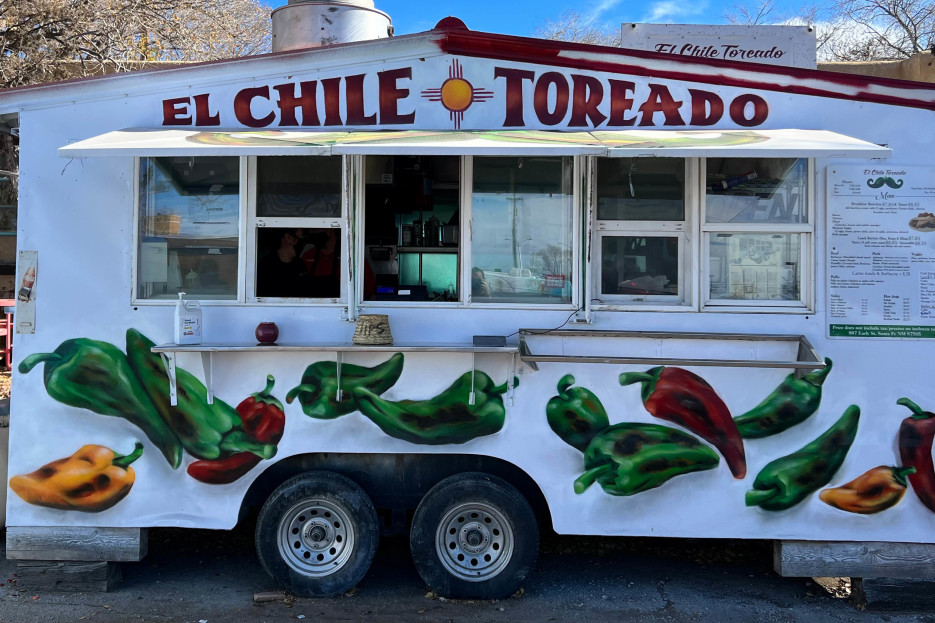
It all started as a giggle on a menu translation.
I was writing a talk that I was to deliver at the Museum on an Australians encounter with Mexico and I was reminiscing on the time I spent in Mexico in 2007 at the Hotel Catedral.

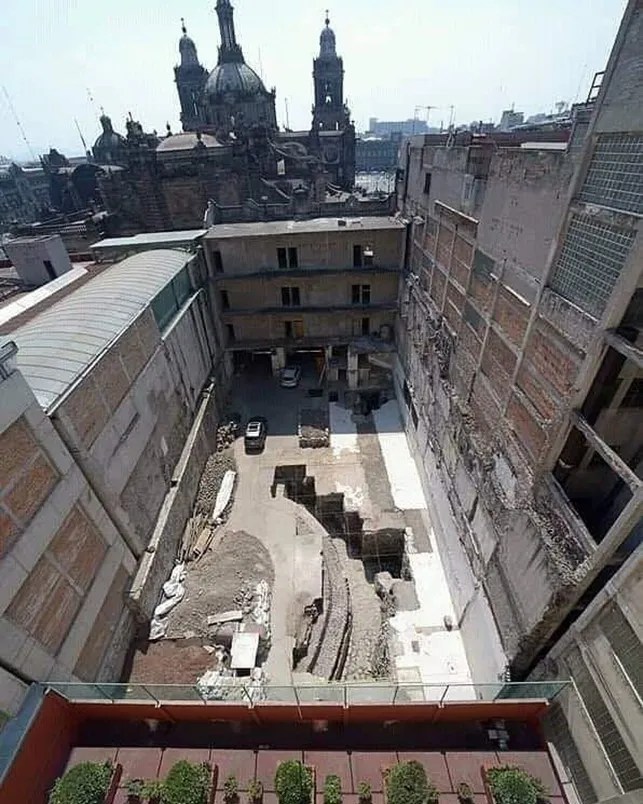
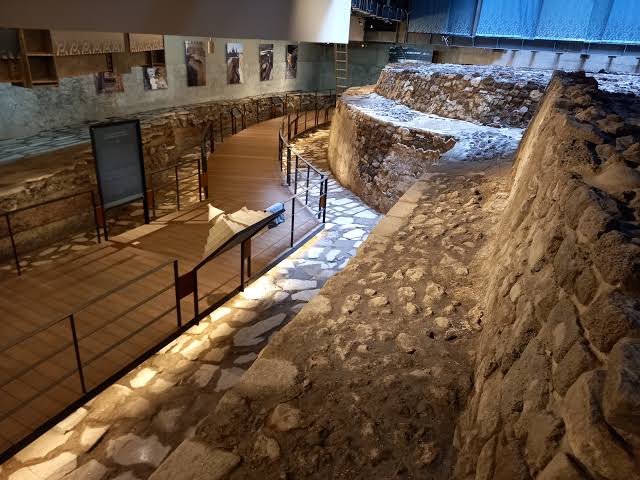
I got a good deal at the time (I don’t think I could have afforded to stay there otherwise) due to some construction going on at the hotel (during which they uncovered a temple to Ehecatl which has now been excavated and is an underground museum below the hotel. But that’s another story)

I was thinking about food and the first meal I ate in Mexico City. A well flattened chicken breast, grilled and served on a grilled nopal “paddle” bathed with a dark, un-named mole.
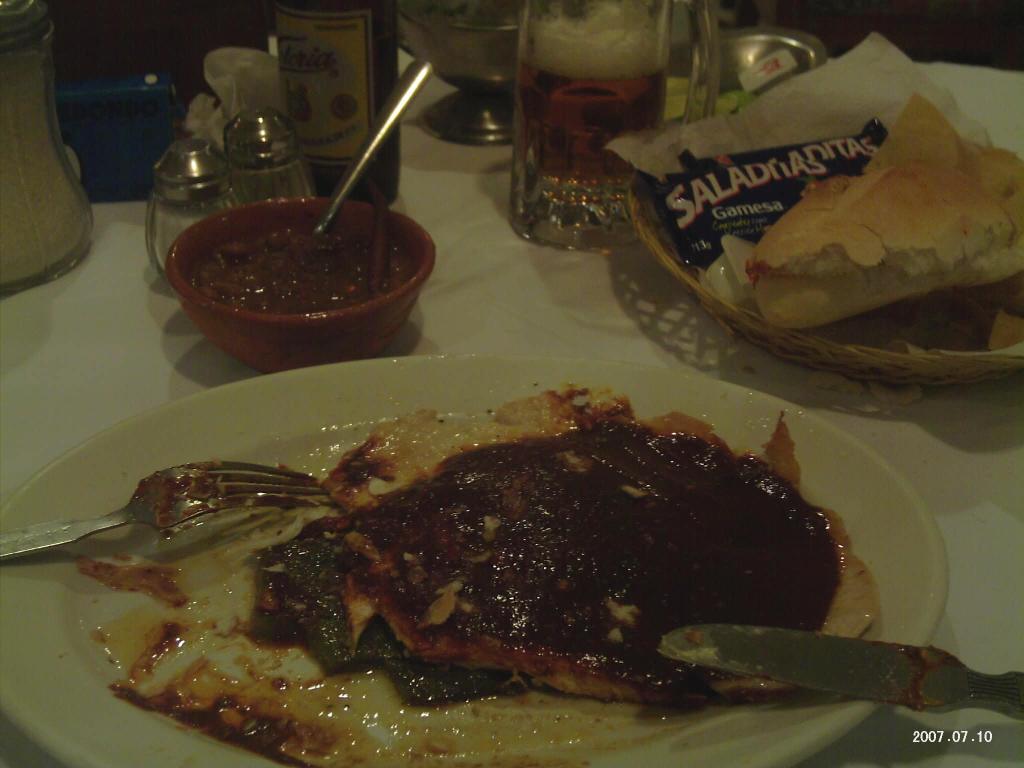
Not a great shot. Absolutely delicious.
So I decided to Google the hotel and check out todays menu
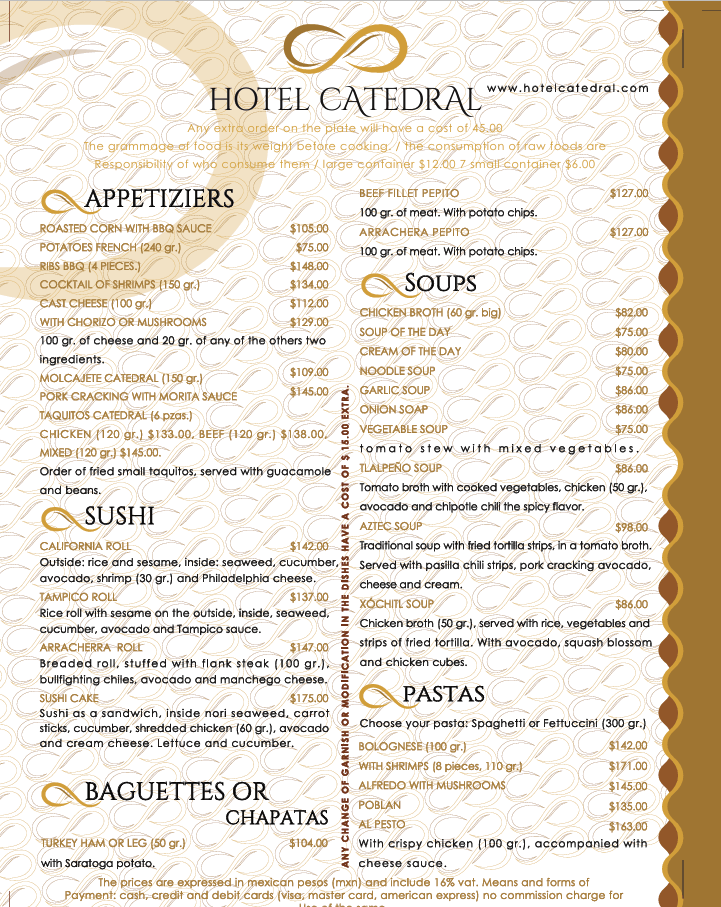
Menu translations can always be a little amusing (the Balinese are hilarious at this) because sometimes there is no real equivalent explanation in cooking terms that bridges both cultures.
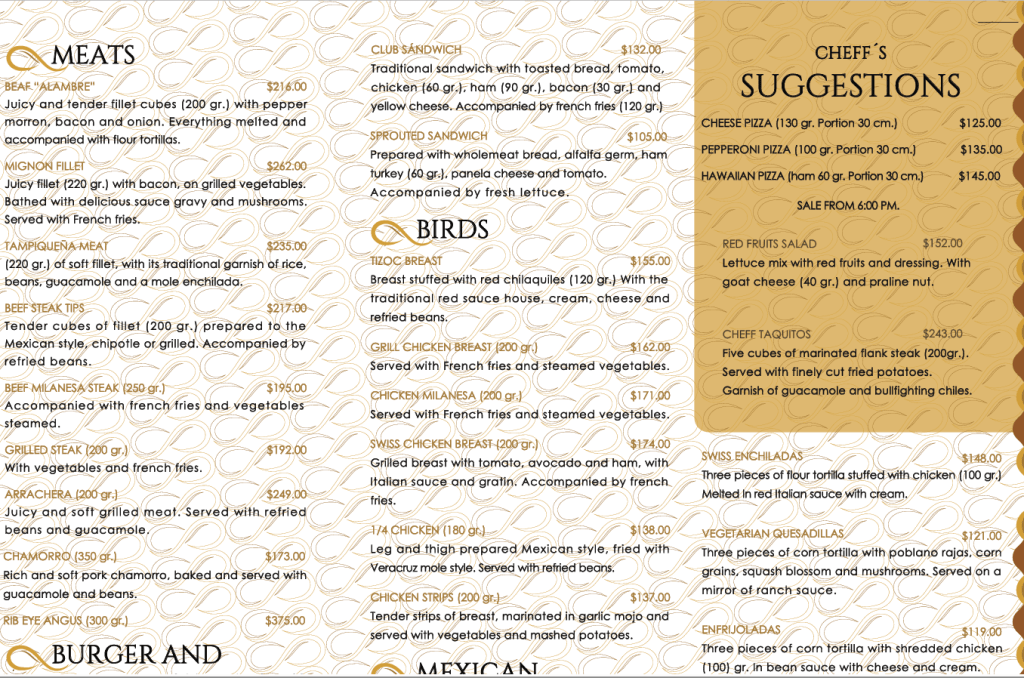
Nothing too outlandish here…..although the sushi caught my eye. Its not something you’d normally associate with Mexico (except maybe Culiacan….but that’s another story)
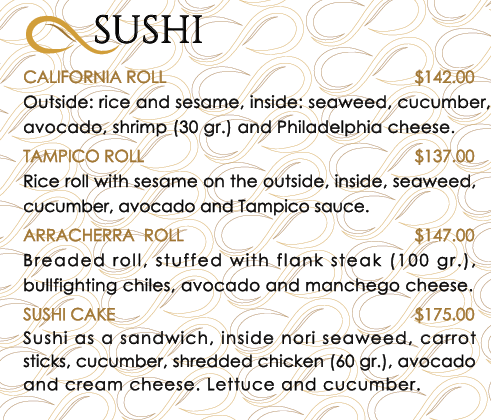
The Arrachera Roll
The arrachera roll is a staple of Sinaloan-style sushi, an audaciously Mexican fusion cuisine born in the coastal Mexican state of Sinaloa (particularly the city of Culiacán) in the early 2000s. Legend speaks of its birth. Culichi chef, Ronald Guerrero received a request from a customer in his sushi restaurant (in Sinaloa) who wanted something different so the chef in a typical “you want Mexican? I’ll give you Mexican” style got some carne asada from the taqueria across the road in an attempt to assuage his patrons palate (Cabral 2015). The Mexicans have since taken suchi and transformed it into something else.
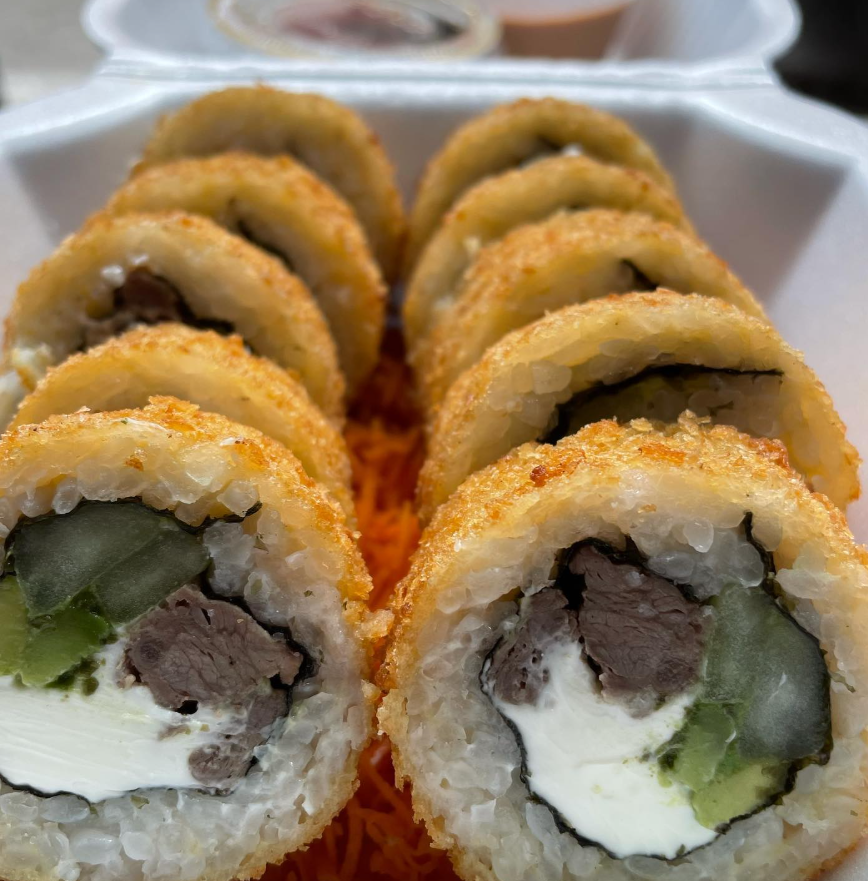
The Sushi Arrachera Roll is a dish created by the fusion of blending traditional Japanese maki (1) with Mexican carne asada (skirt steak). It typically features seasoned arrachera (2), cream cheese, and differs markedly from your typical nori roll in that it is crumbed and deep fried.
- Japanese maki (makizushi) is a traditional sushi roll consisting of vinegared rice and various fillings encased in a sheet of seaweed (nori). It is rolled tightly using a bamboo mat, then sliced into convenient, bite-sized pieces. The term maki literally translates to “roll” in Japanese.
- Arrachera usually refers to skirt steak, are quick-cooking cuts it’s typically referred to as Carne Asada
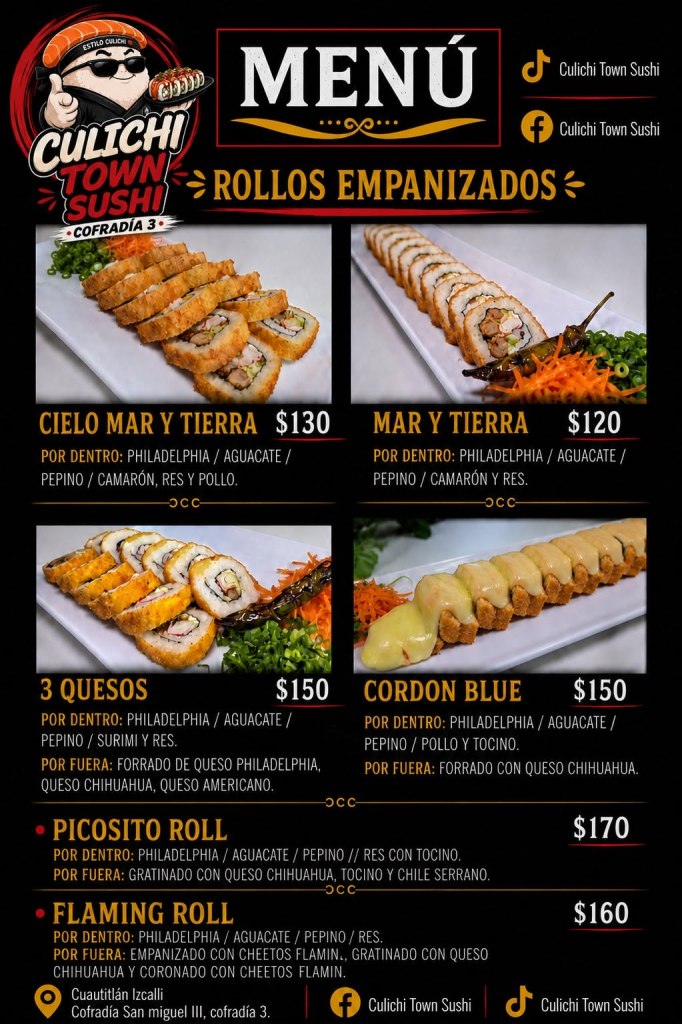
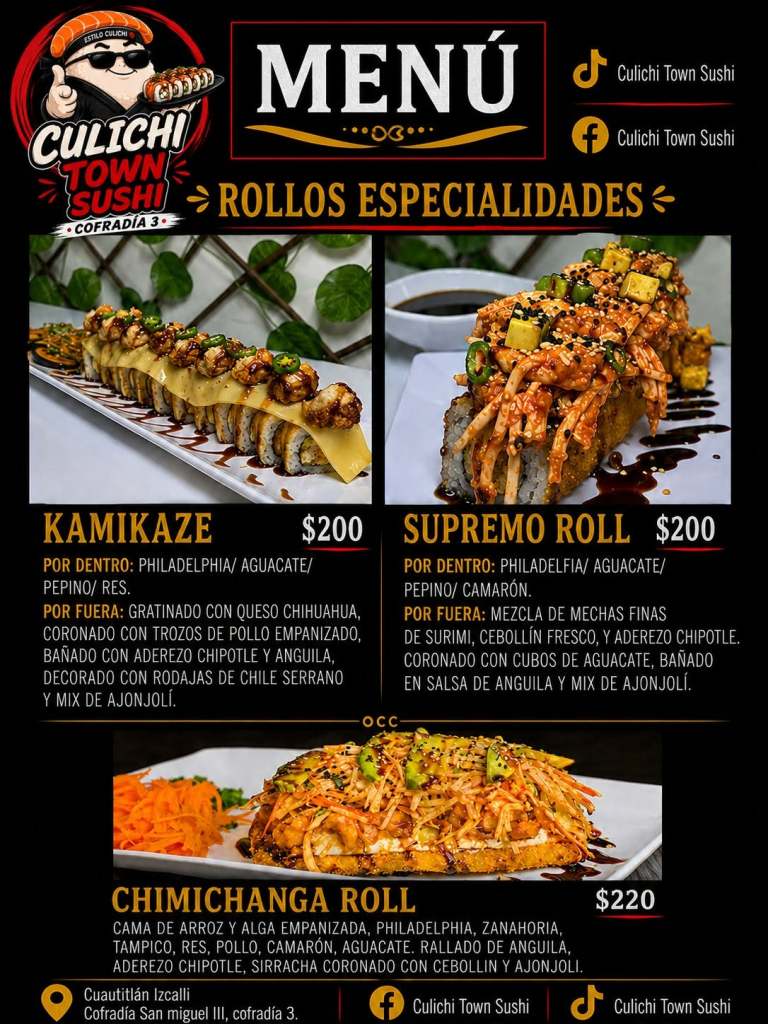
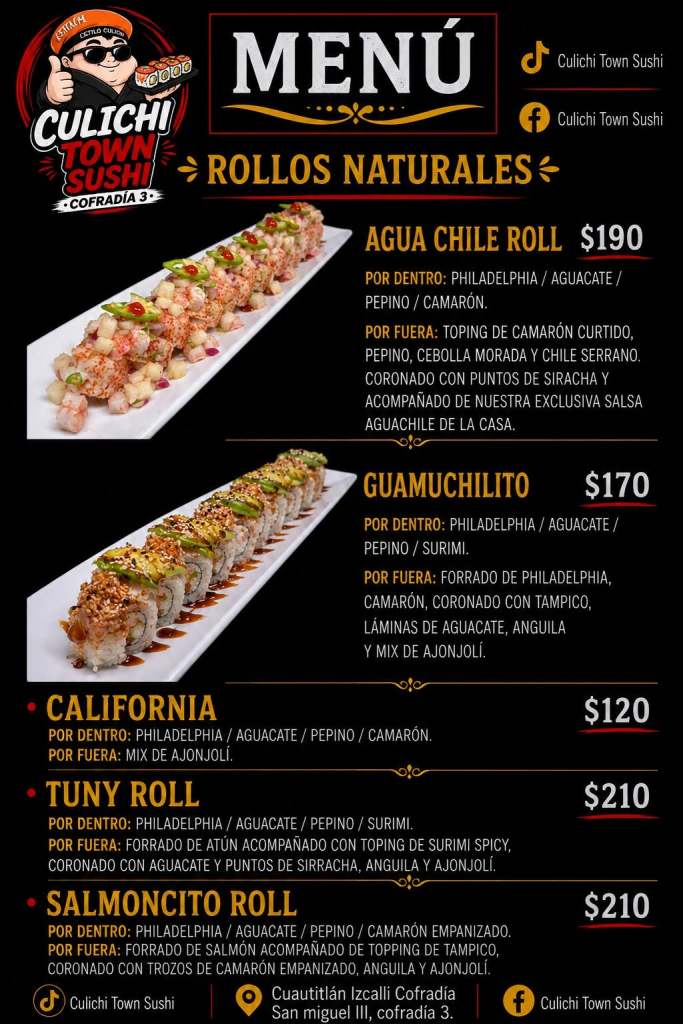
What started as a novelty swiftly became an industry phenomenon across northern Mexico and the southwestern United States. Chains like Culichi Town and Sushiitto later brought these fusion rolls to cities worldwide. I also look at Culichi Town suchi a little in Authentic Mexican Food? and “Cultural” Appropriation of Cuisines?
Anyway…side tracked a little but it was all just an intro to the dish. It was the technique that made me giggle. Or rather its translation did.

Bullfighting chiles.
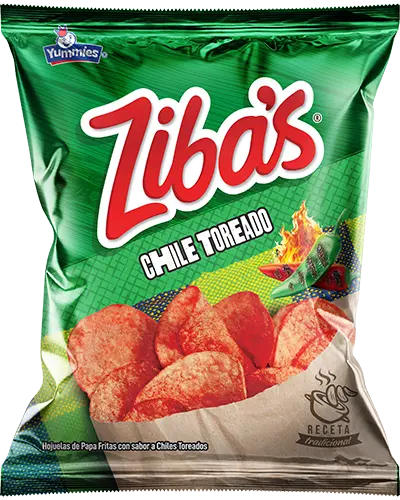
I know these as “chiles toreados”, the charred chiles often served as a side with carne asada or various tacos. I wondered what a stranger to the cuisine might wonder. It made me wonder. I knew the reference being made but did I know why?
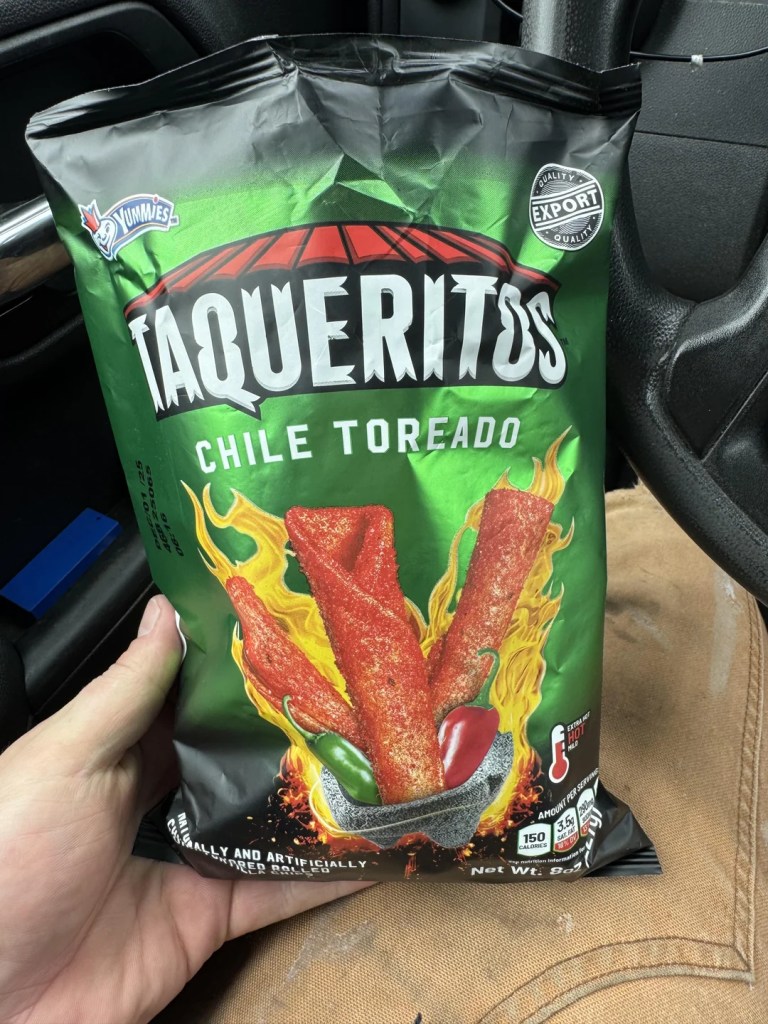
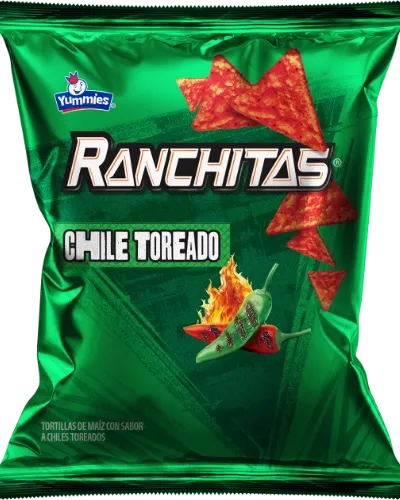
First a translation
In Spanish, “toreado” primarily means “bullfighting” as the past participle of the verb torear (to fight bulls).
For my Spanish teacher Maestra Eugenia I would now like to conjugate (in the present indicative) torear
- yo toreo
- tú toreas
- él/ella/Ud. torea
- nosotros toreamos
- vosotros toreáis
- ellos/ellas/Uds torean
Hey, I’m learning, leave me alone.
But what does bullfighting have to do with a cooked chile?
In the context of the traditional “corrida,” torear is the act of bullfighting. The word toreado can describe a bull that has been fought, or a bullfighter who has completed their performance in the ring. This leads to a couple of the explanations.
One is that “the name comes from the way the peppers are tossed and flipped constantly in the hot pan, mimicking the fast movements of a matador. The resulting blistered, bruised look of the peppers is also said to resemble a bullfighter’s battle scars.” (La Pina en la Cocina)
In Recetas Mexac, our culinary guide Edmond notes that “The name ‘toreado’ comes from the verb torear, in reference to the gesture of provoking the chilli by beating or shaking it so that it ‘gets angry’ and releases all its heat.”
Mamma Maggie notes similar (but she does note it – torrear – as being a cooking technique) “The term comes from the Spanish word torear (to bully or bullfight), referring to the forceful way the chilies are massaged to release their heat before cooking”
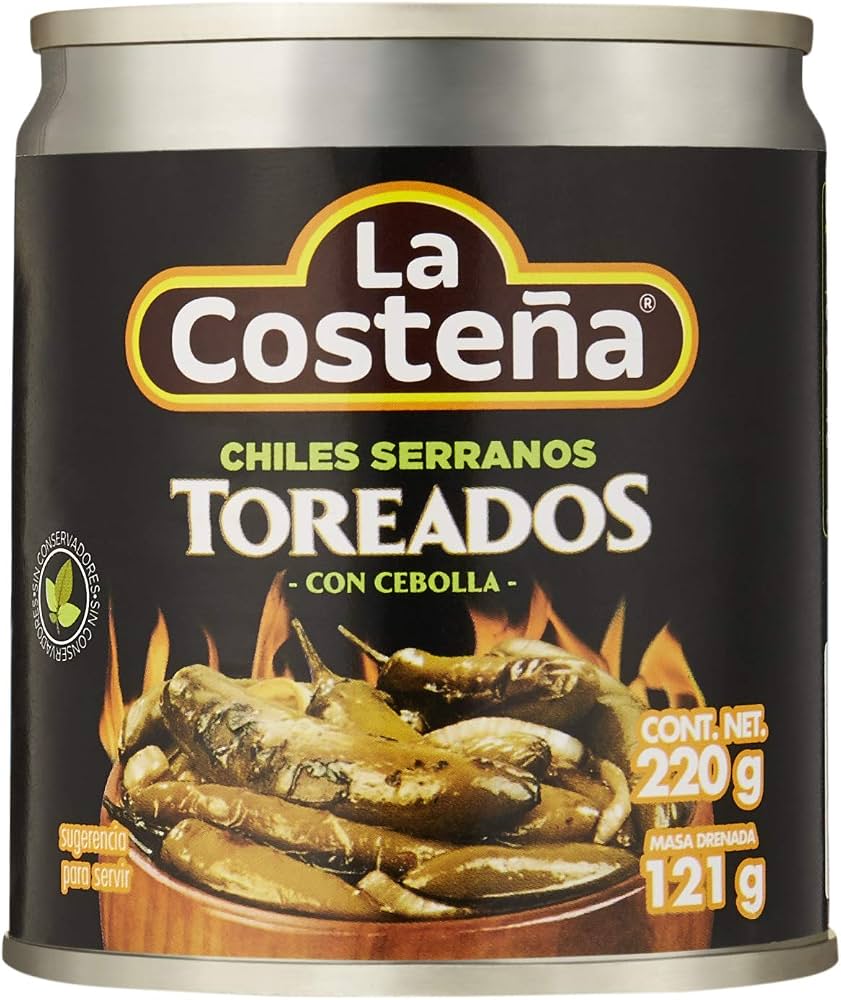
Toreado is at its heart a cooking technique that involves burning/charring in a similar manner to that of tatemar (1)
To torear your chiles follow this method
Ensure your chiles are dry. This will prevent any oil splattering when you fry them
Now it is time to torear. Angry up your chiles by rolling or pressing the whole chiles between your palms or with the flat side of a knife. You will feel them “soften”. This step is said to break up the structure of the chile (internally) and release capsaicin which will make the chile hotter (mas pica)
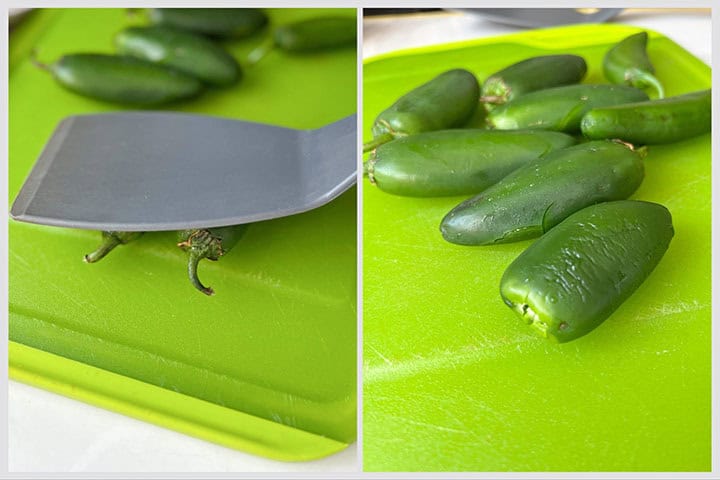
Vent your chiles by cutting a small slit (or poke a hole) into each chile so steam can escape. This prevents them from bursting. You could also cut the chile in half (lengthwise). Works well for the fatter chiles like some jalapenos.
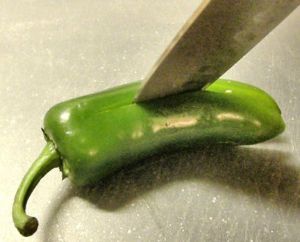
WARNING : I’ll get this in here. Charring chiles can release an irritating miasma of tear gas (only a slight exaggeration) of lung and eye irritating fumes. Have the extractor fan on and the windows open.
Add 1 tablespoon of vegetable, avocado, or canola oil to a heavy-bottomed pan over medium heat
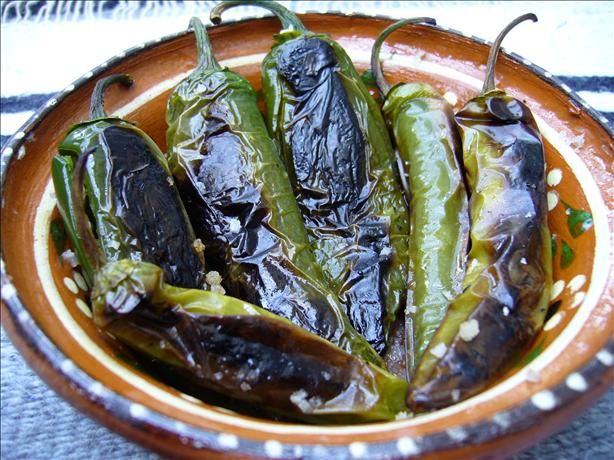
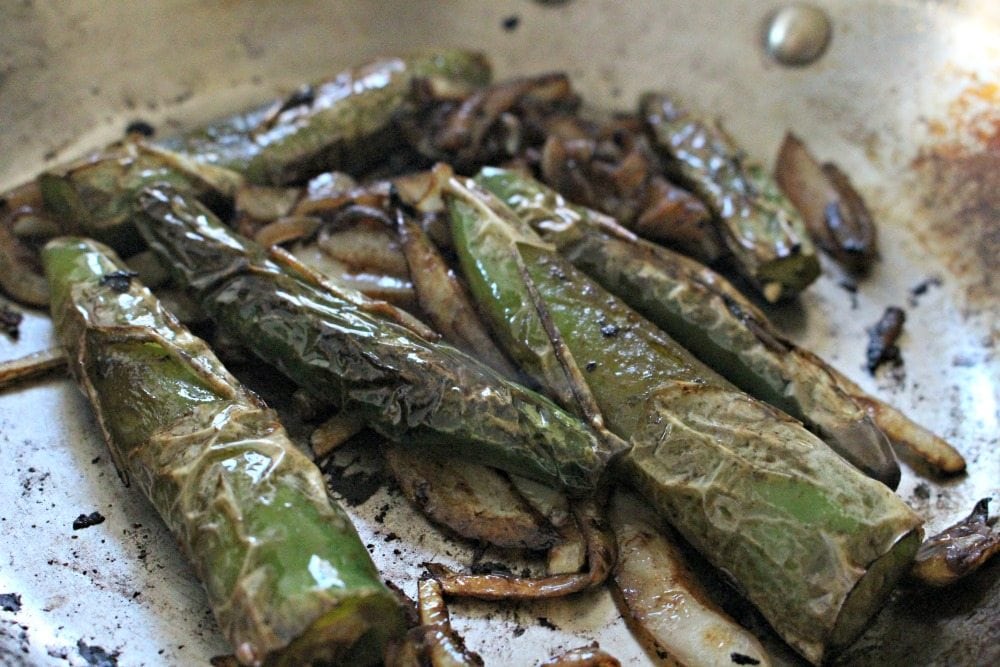
(I prefer them with stem – as a nice little handle)
Add the chiles and let the skin char before flipping. Turn them continuously until all sides are blistered, slightly browned, and soft
Cooking options. You do not need to be limited by only using an oiled pan. Pre-prepare your chiles as usual, char on the comal or even over an open flame, and then toss in a bowl with the chosen flavourings.
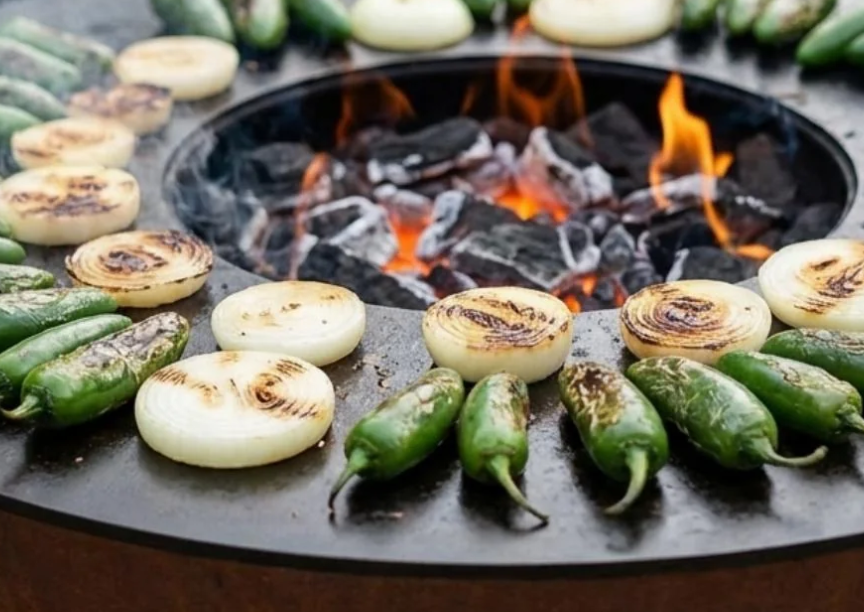
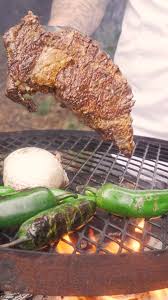
(Optional) Add Onions: Halfway through the 5-to-10 minute cooking time, toss in thinly sliced onions to cook with the chiles
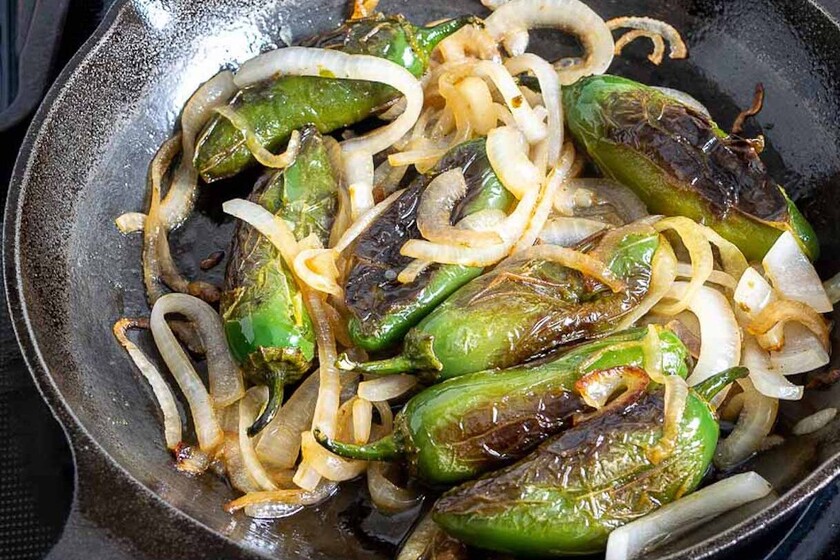
Once the chiles (and onions – if using) are perfectly blistered and soft, turn off the heat but leave the pan on the hot stove. Splash a small amount of soy sauce and/or Jugo Maggi over the hot mixture, then immediately squeeze fresh lime juice over everything. The liquid will sizzle and soak into the peppers. Sprinkle with salt to taste and toss everything together.
Serve. One reason I like to leave the stems on the chiles is to make them easier to eat. You hold it by its little handle, take a bite of your taco and then follow with a bite of your chile. It’s easier with a handle.
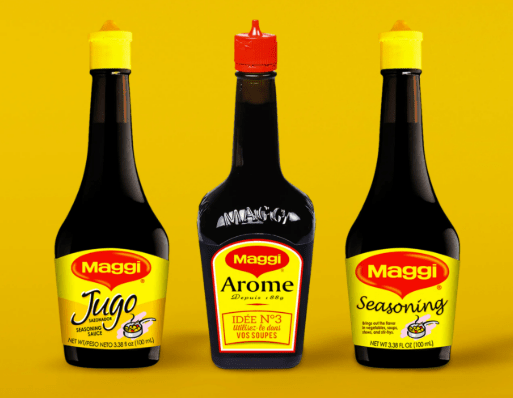
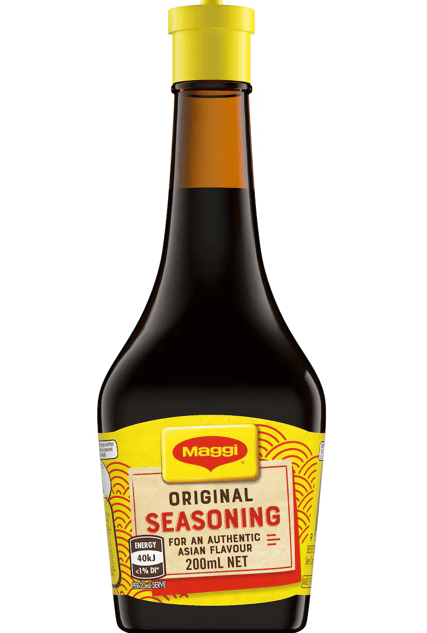
Maggi Jugo (officially Jugo Maggi or Maggi Seasoning) is a dark, highly concentrated liquid seasoning. Similar in appearance to soy sauce, it provides an intense, savoury umami flavour. If you are located in Australia, you can purchase the local version (Maggi Original Seasoning) from major retailers like Coles or [Woolworths]. For the authentic Mexican Jugo Maggi variant, check your local Latin American specialty grocer, or order online.
What chile to use?
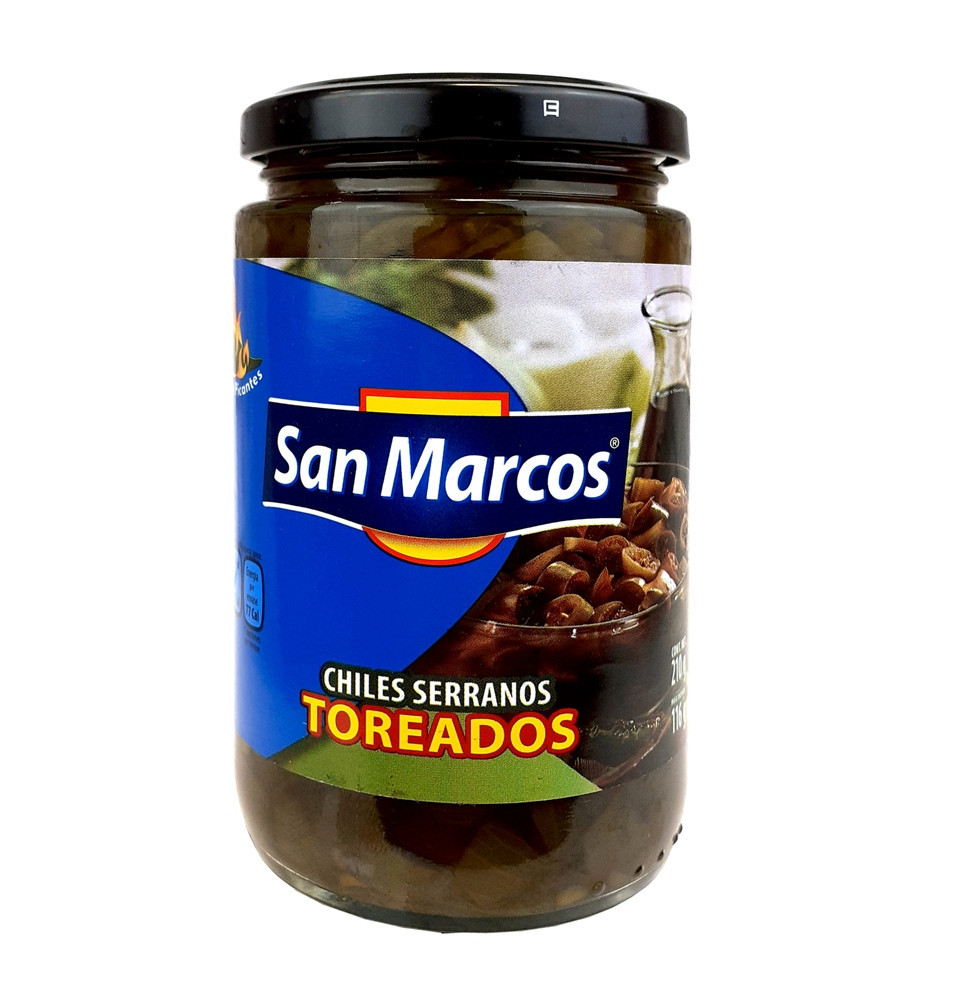
Typically recipes call for jalapeno or serrano chiles although I often see recipes with long green chiles that are neither serrano nor jalapeno. Any long(ish) green chile would suffice. I’d choose a fleshy one rather than a thin fleshed one though (chiles arbol might not be too suitable?)
You are not limited though. The chile guero (substitute with a yellow Hungarian wax pepper) makes regular appearances.
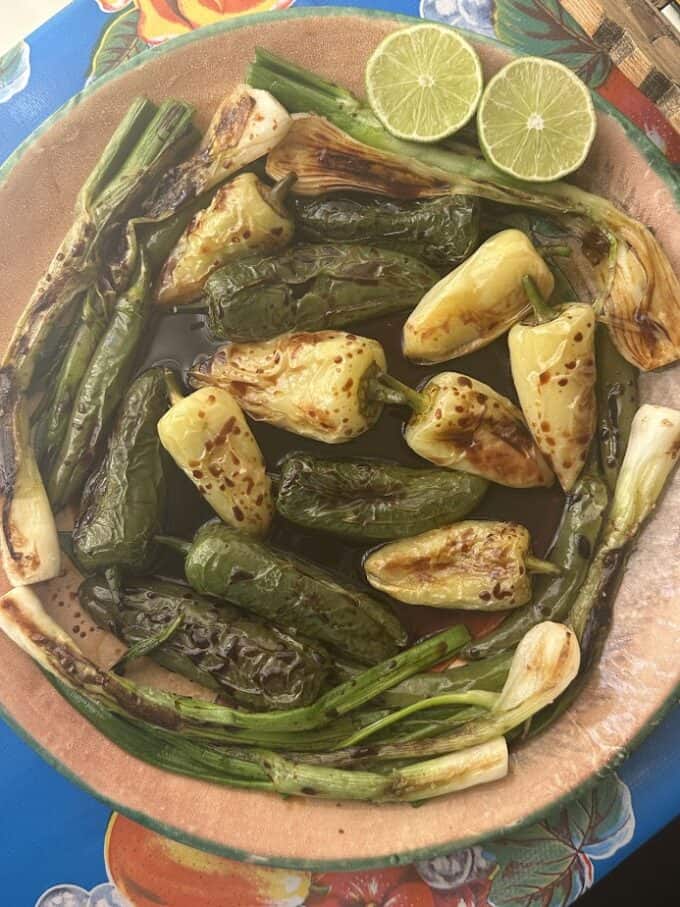
Onions. Yay or Nay?
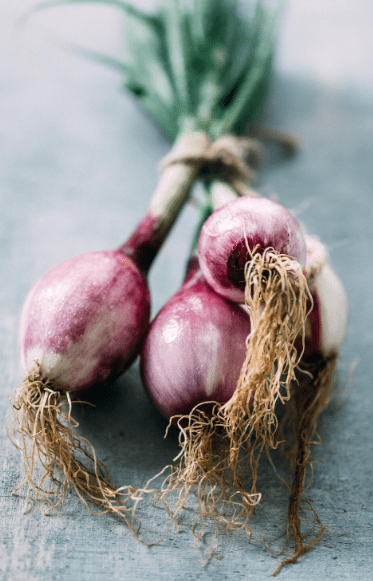
Sonia (from La pina en la cocina) offers a nicer (I think) option to adding rodajas de cebolla (sliced onions) to your chiles toreados; spring onions (1).
- Also called – scallions, green onions, salad onions, bunching onions, shallots (a common name in Australia and New Zealand and one that caused a moment during my apprenticeship as a chef when an instructor asked for shallots (he was also incorrect as he meant eschalots) and he ridiculed me for returning with a bunch of what I was taught were shallots or spring onions)
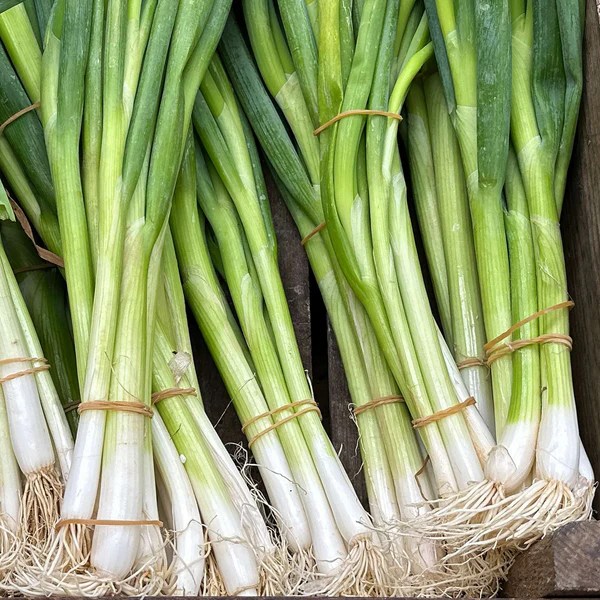
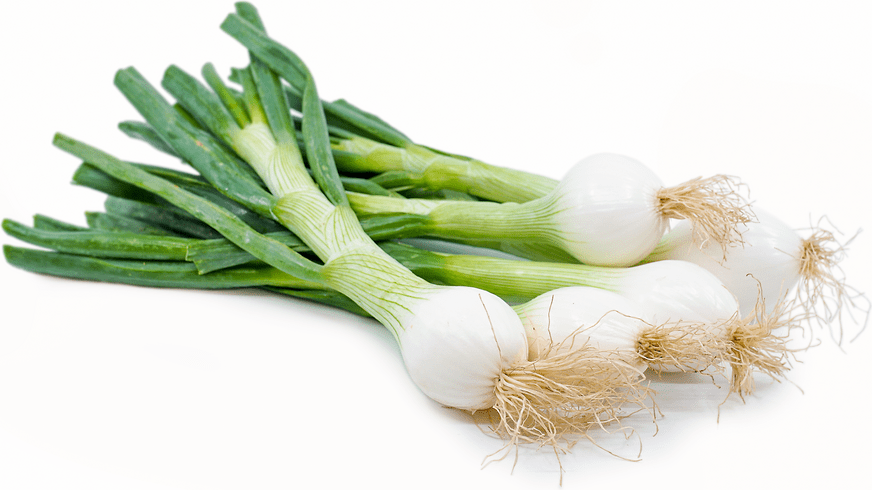
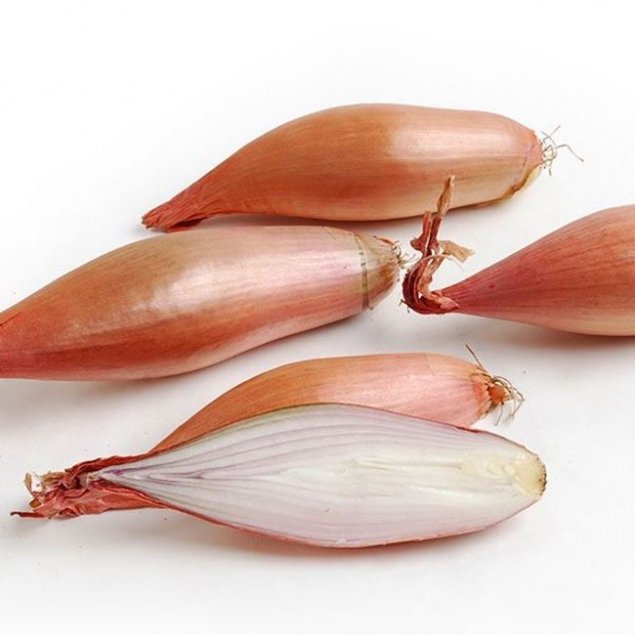
Notes on the onions above
- the onion I know as a shallot or spring onion
- these are also called spring onions. Shallots do not do this however (they do not create a bulb)
- the eschalot is a small, dry onion bulb that usually grows in clusters like garlic. They have a papery golden-brown, red, or gray skin. Their flavour is milder and sweeter than a regular onion, with a subtle hint of garlic. “eschalot” is the traditional or French-derived spelling of “shallot” which was derived from Eschaloigne the historical Old French term that gave us both “shallot” and “scallion” – From Latin ascalōnia (cēpa) (literally “onion of Ascalon”), Ascalōnia caepa or Ascalonian onion, named after the ancient Palestinian port city of Ascalon (modern-day Ashkelon, Israel).
Don’t want to use whole chiles? You’d rather have a “sauce” for hotdog, tacos and sushi (yes, sushi) well then Directo al Paladar has this for you.
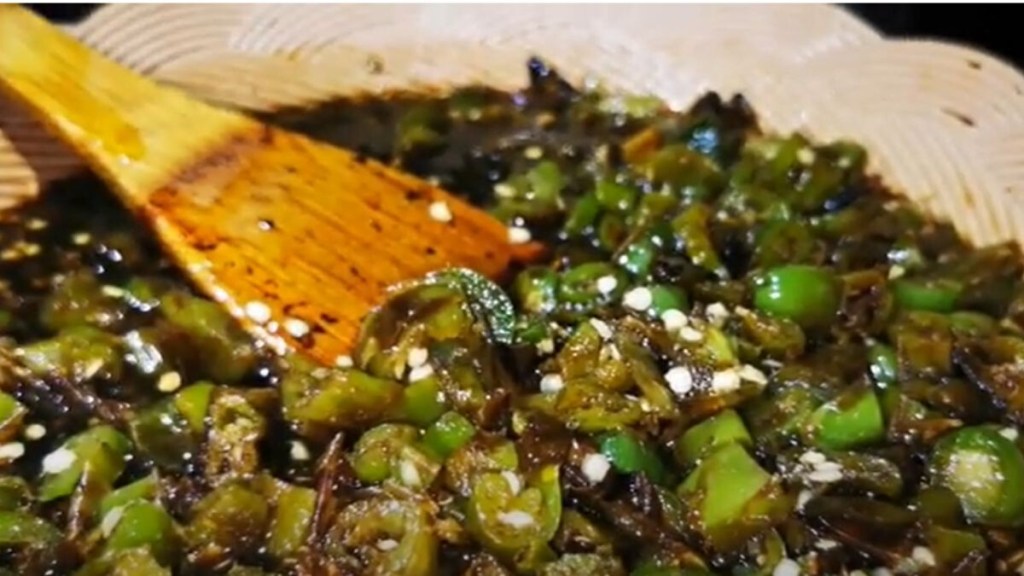
Ingredients
- 1/2 kilo of chiles serranos
- 100 ml of Worcestershire sauce
- 150 ml of Maggi
- 250 ml of orange juice
- 200 ml of lemon (limon) juice
- 1 teaspoon of olive oil
- 1 tablespoon of a mixture of salt, pepper, and ground garlic
Method
- Roast the serrano chiles on a griddle or hot skillet with olive oil until they change colour. Don’t let them burn; ideally, they should just soften.
- Let them cool for a few minutes and slice the chilies into smaller pieces. You can use gloves to avoid getting chili on your hands.
- Mix in a bowl 250 ml of orange juice, 200 ml of lemon juice, 100 ml of Worcestershire sauce and 150 ml of Maggi seasoning.
- Add the chopped serrano chiles, 1 tablespoon of olive oil, and combine with 1 tablespoon of a mixture of salt, black pepper, and minced garlic. Mix until thoroughly combined.
- Let the salsa marinate overnight for best flavour.
References
- Arrachera Roll – Sushi de Arrachera empanizado – sushi_box_dgo Durango Centro – https://www.instagram.com/p/CS2fCPFBzri/
- Chiles Toreados – La Pina en la Cocina – https://pinaenlacocina.com/chiles-toreados/
- Chiles Toreados – Latinas Que Comen – https://www.latinasquecomen.com/chiles-toreados/
- Chiles toreados: the spicy side of Mexican cooking – Edmond Bojalil – 2026 – https://recetasmexas.com/en-gb/guide/chiles-toreados
- Chiles Toreados (Mexican Blistered Peppers) – Mama Maggies Kitchen – 2021 – https://inmamamaggieskitchen.com/chiles-toreados/
- Cómo hacer salsa de chiles toreados, perfecta para hot dogs, sushi, tacos y más – Ayko Pruneda (Directo Al Paladar) : abril 2024 – https://www.directoalpaladar.com.mx/botanas-y-aperitivos/como-hacer-salsa-chiles-toreados-perfecta-para-hot-dogs-sushi-tacos
- Mexican Sushi Is a Magical Mix of Cream Cheese and Grilled Meat : Javier Cabral November 12, 2015 – https://www.vice.com/en/article/las-mexican-sushi-is-a-magical-bomb-of-cream-cheese-and-grilled-meat/

