
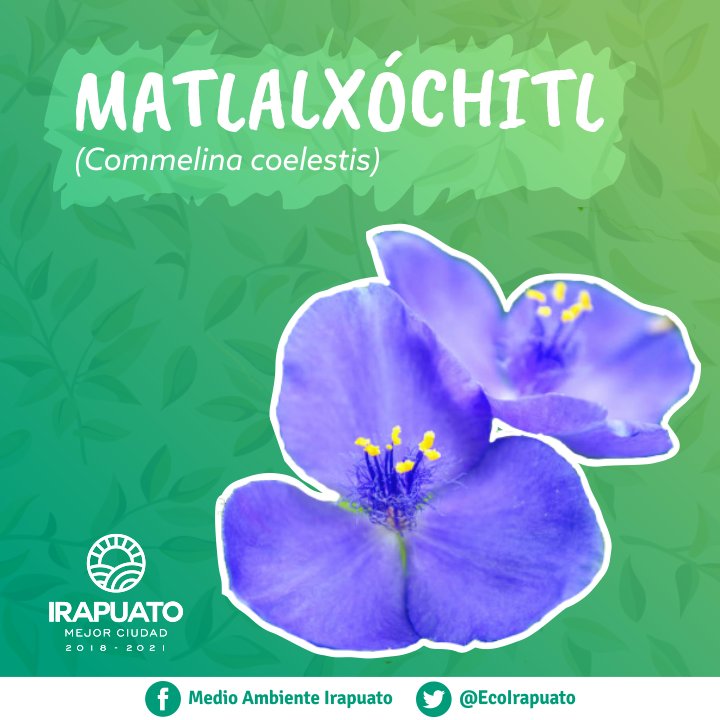
Botanical synonyms and subspecies
- Allosperma tuberosa (L.) Raf.
- Commelina acuminata Kunth
- Commelina alpestris Standl. et Steyerm.
- Commelina coelestis fo. albipetala Matuda
- Commelina coelestis Willd.
- Commelina dianthifolia Delile
- Commelina elliptica Kunth
- Commelina fasciculata Ruiz et Pav.
- Commelina graminifolia Kunth
- Commelina pallida Schltdl.
- Commelina pallida Willd.
- Commelina tuberosa L.
- Commelina tuberosa Lour.
- Commelina tuberosa Redouté
- Commelina tuberosa var. inflata M. Martens et Galeotti
- Commelina tuberosa var. nana M. Martens et Galeotti
Also called : barquito, cacamatlalin (Bye and Linares, 2013), caña de pollo, cañita, cielo azul, clavelillo, coapatli (Espejo-Serna et al 2009) (Martínez, 1979), Guia-huixi (Zapoteco) (Dupe y García, Élodie 2010), hierba del pollo, Kachaxiu (Maya), matlalli (Roquero, 2006), matlalitzic, metlalitzic, pata de gallo, quesadillas (Espinoza y Sarukhán, 1997), rosillas, texcocana (Espejo-Serna et al 2009), yerba del pollo, Yoyolxóchitl (Náhuatl) (Dupe y García, Élodie 2010), zaca-matlalín, zoyalxóchtl (Martínez, 1979)
Teresa Castelló Yturbides notes the plant is called hija de la agua or the “daughter of water”, a blue, diurnal and wild flower that brings us the rain; it is a daughter of water, it opens its corollas when it receives the first rays of the sun and dies with the afternoon. The flower opens during the day and withers at sunset, which is why it was associated with water, temporality, and the fragility of life.
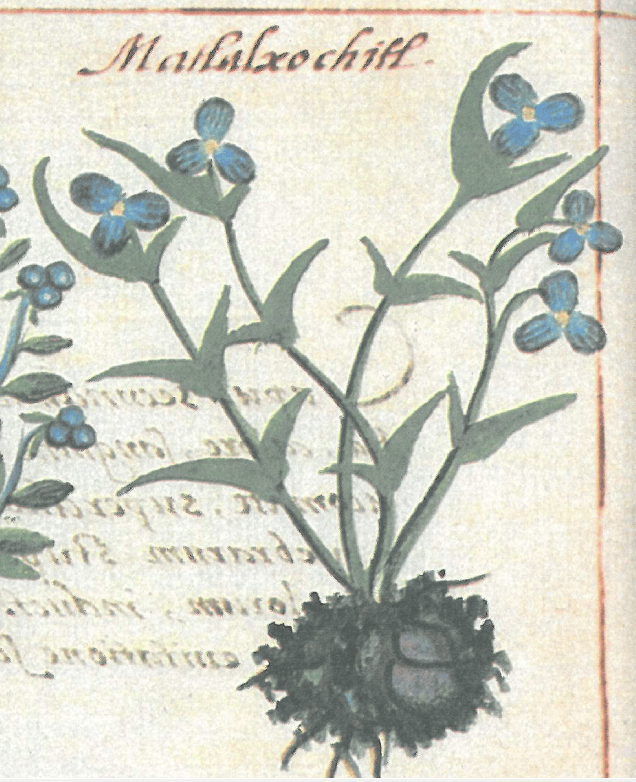
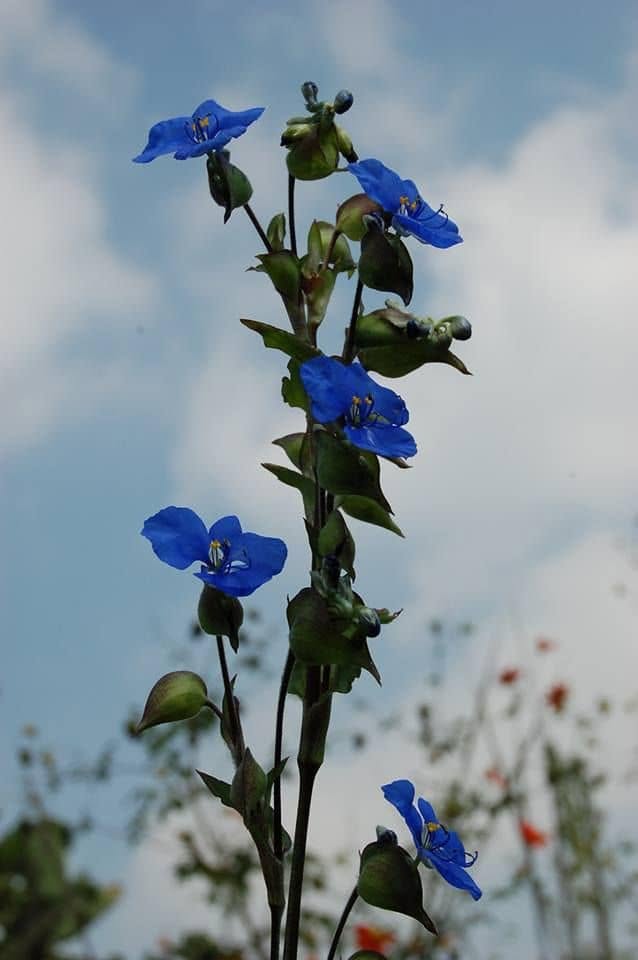
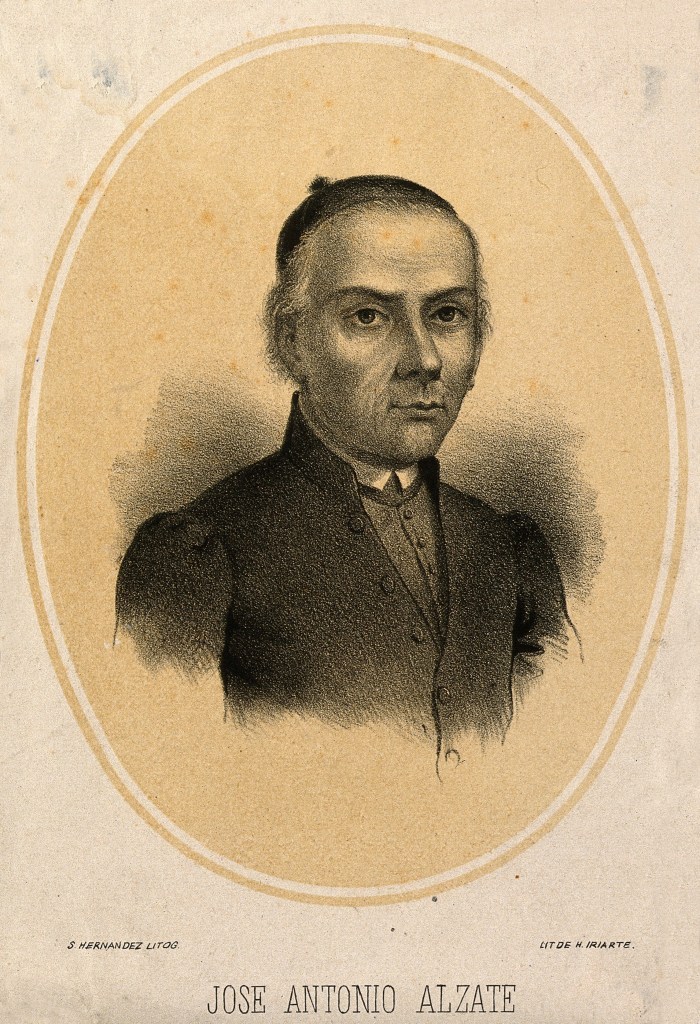
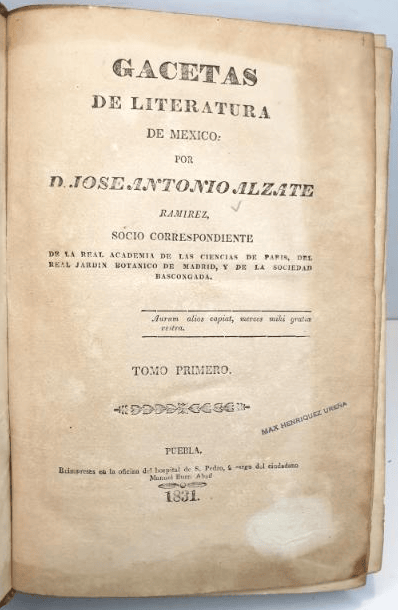
The name hierba del pollo (chicken herb) (1) was noted in the 1700’s by José Antonio de Alzate y Ramírez (2) in his Gacetas de literatura (3) where it was noted that the plant was used by cockfighting handlers (apostadores de gallos) to stop bleeding in injured birds
- he also calls it metlalitztic and also attributes other qualities to the plant; he says that if paper or canvas is dyed with this color, it can be used to determine whether a liquor is acidic or alkaline.
- José Antonio de Alzate y Ramírez (Ozumba , Mexico, November 21, 1737 – Mexico City, February 2, 1799) was a priest, scientist, historian, cartographer and journalist in the Viceroyalty of New Spain
- Gacetas de Literatura de México, Puebla (abbreviated Gaz. Lit. México, ed. 2 ) is a series of 4 volumes published in Puebla with the first issue on January 15, 1788, and the last on October 22, 1795. Representing one of the pinnacles of scientific and Enlightenment journalism in New Spain the series included texts on science, technology, physics, natural history, botany, and literary criticisms
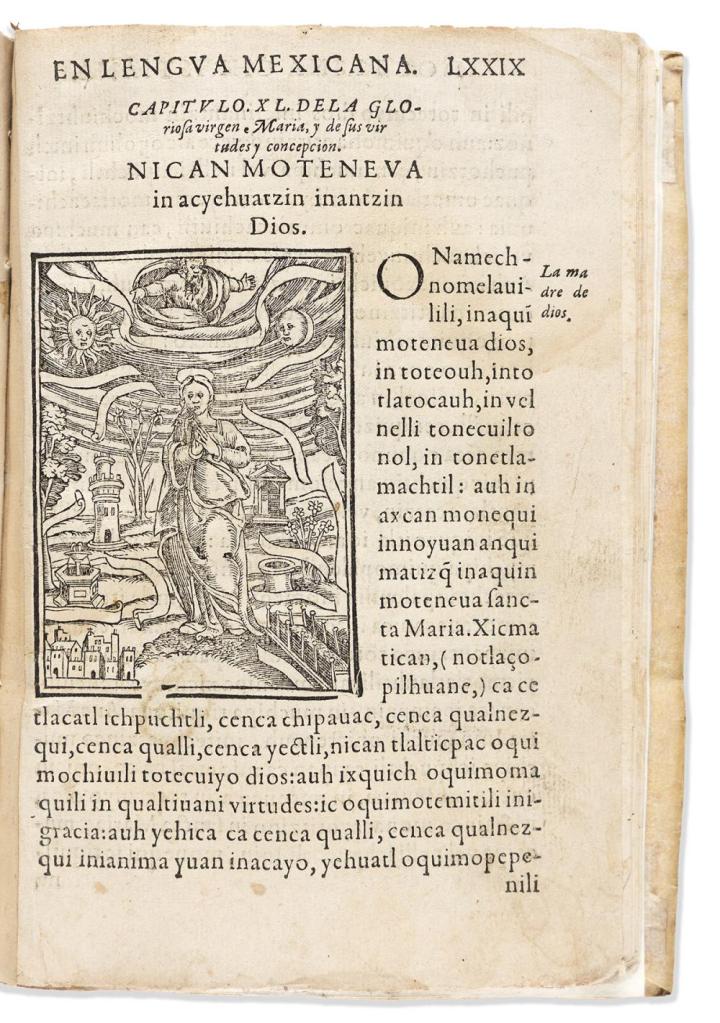
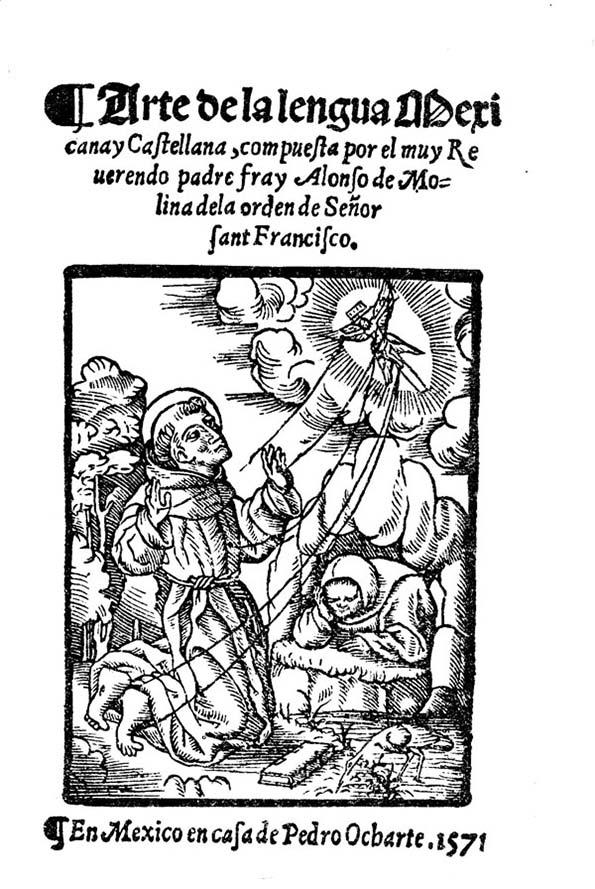
Molina, in his 1571 dictionary (1), mentions that the word comes from “Xochitl,” meaning flower, and “matlalin,” which refers to a very soft and delicate blue colour.
- Alonso de Molina (1513 or 1514 – 1579 or 1585) was a Franciscan priest. Alonso was born in Extremadura, Spain in the Province of Cáceres, and he arrived in Mexico, still a child, in 1522, during the Spanish conquest of Mexico. He grew up playing with monolingual Nahuatl-speaking children in the streets as the Aztec capital, Tenochtitlan, was being refashioned into Mexico City and so he became a fluent speaker of Nahuatl. In the 1500’s he published the first dictionary printed in the New World. Vocabulario en lengua castellana y mexicana is a bilingual dictionary of Spanish and Nahuatl by Alonso de Molina, first published in 1555 and originally entitled Aquí comiença un vocabulario en la lengua castellana y mexicana

The Matlalxochitl flower grows abundantly in the Tetzcoco region and has been named the “Texcocan flower.” (flor texocana). This is quite interesting as it is also the site of Tetzcotzinco (Texcotzingo) a garden (believed to be the Worlds first formal botanical garden – and one that all of Europe modelled their botanical gardens on). This garden was a massive undertaking as it was quite literally involved a mountain being carved into a series of terraces and baths that were fed from an aqueduct reaching over 14 kilometres into nearby mountains to obtain fresh water to supply the gardens and baths (1). This garden was created by the warrior poet “king” (Tlatoani) (2) of the Acolhua City-State of Texcoco.
- See México’s contributions to the World : The Botanical Treasures of Mexico for a little more on this
- Also architect, engineer, spiritual ascetic
Another interesting fact is that Nezahualcoyotls mother was also named after this flower.
The name Matlalcihuatzin is a classical Nahuatl name that translates to “Revered Green-Blue Woman” (1)
- It might have other meanings as matlatl (if we are not using matlal) could variously mean net, sling, hammock or even woven cloth. From māitl (“hand”) + tlatl (“strip of cloth”)
The name is a compound built from three separate elements:
- Matlal-: Derived from matlalli (a dark green-blue or turquoise color) or In Mexica culture, the green-blue color was highly sacred, closely associated with precious jade, water, and fertility.
- Cihua-: Derived from cihuatl, meaning “woman.
- “-tzin: A classical Nahuatl honorific suffix denoting deep respect, nobility, or affection (similar to adding “revered,” “lord/lady,” or “honored” to a title)
Matlalxochitl.
Principal English Translation:
a medicinal plant used for treating fever
Martín de la Cruz, Libellus de medicinalibus indorum herbis; manuscrito azteca de 1552; segun traducción latina de Juan Badiano; versión española con estudios comentarios por diversos autores (Mexico: Fondo de Cultural Económica; Instituto Mexicano del Seguro Social, 1991), 21 [10v.].
Attestations from sources in Spanish:
una planta usada para la curación de fiebre, calor
Martín de la Cruz, Libellus de medicinalibus indorum herbis; manuscrito azteca de 1552; segun traducción latina de Juan Badiano; versión española con estudios comentarios por diversos autores (Mexico: Fondo de Cultural Económica; Instituto Mexicano del Seguro Social, 1991), 21 [10v.].
Matlalxochitl, scientifically identified as Commelina coelestis (commonly known as the dayflower or hierba del pollo), is a traditional medicinal plant historically used in Mexican and Aztec herbal medicine to treat fevers and eye inflammation. (Dalma 2020)
CONACULTA-INAH notes of the plant….
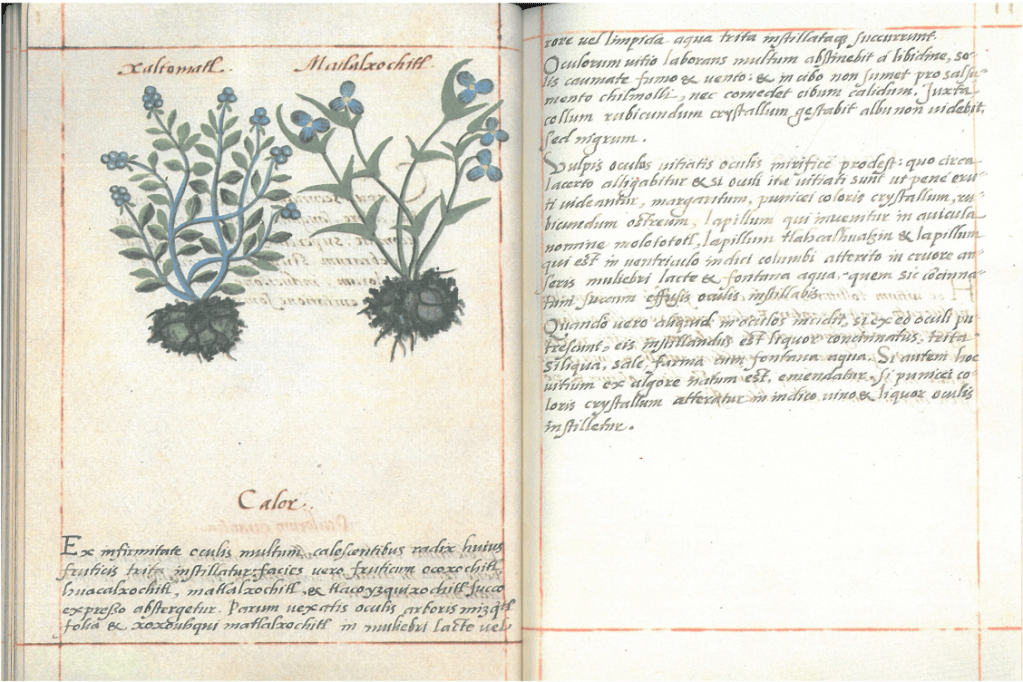
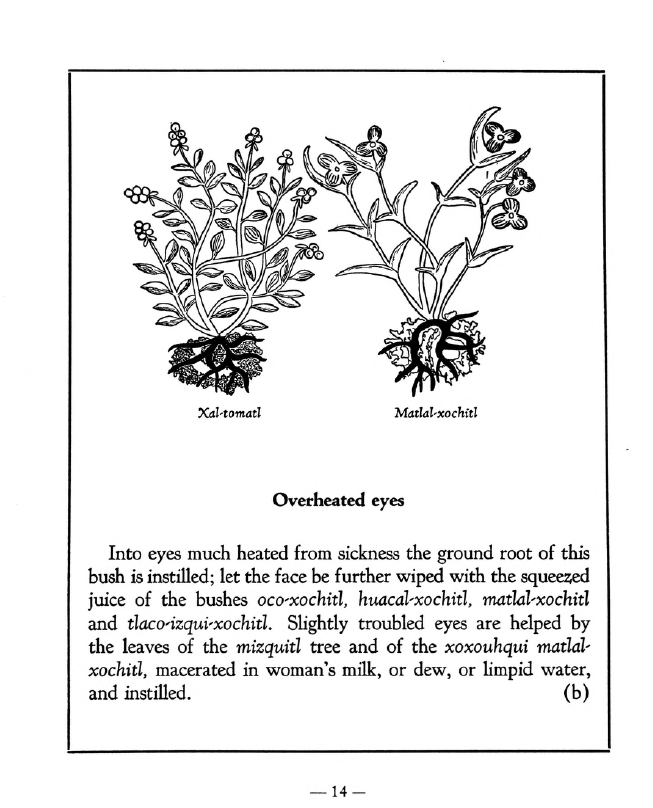
Pages 12 & 13 of the de la Cruz-Badiano Codex pertaining to the eyes.
Translation:
A) Glaucoma (probably means pterygium). Cut the tip of the growth that is born in the eye with a needle and remove it. Then apply over the blemish burnt human excrement and salt little by little. Next day place acidic herbs of ours well sunned and ground.
B) Heat (probably conjunctivitis). On eyes that are hot by disease the root of this plant is ground and distilled. The face is washed with the juices of these plants: ocoxochitl, huacalxochitl, matlalxochitl, tlacoizquixochitl. If the irritation were mild apply the leaves of mizquitl and xoxouhqui matlalxochitl well ground and in woman’s milk, or dew or very clean water. This mixture is applied to the eyes. He who suffers from the eyes should abstain from sexual desire, heat from the sun, smoke and wind. Should not ingest chilmoli (hot peppers) condiment or hot meals, should wear a red crystal around the neck and avoid looking at white things but black.
(Instituto Nacional de Antropología e Historia: CONACULTA-INAH-MEX)
Historical and Traditional Uses
- Fever Reducer: Documented in the 16th-century Libellus de Medicinalibus Indorum Herbis (Badianus Manuscript) by Martín de la Cruz as a natural febrifuge (antipiretic).
- Eye Treatments: Ground roots or crushed leaves mixed with clean water, dew, or woman’s milk were traditionally instilled into hot or painful eyes to relieve “heat of the eyes”. In some rural regions like Nayarit, crushed leaf mixtures are still utilized for traditional eye drops known as carricitos.
- Traditional practitioners have also referenced it for its purported anti-dysenteric, anti-spasmodic, and anti-tubercular properties.
Is this plant Commelina coelestis? Snijders (2016) Quotes…..
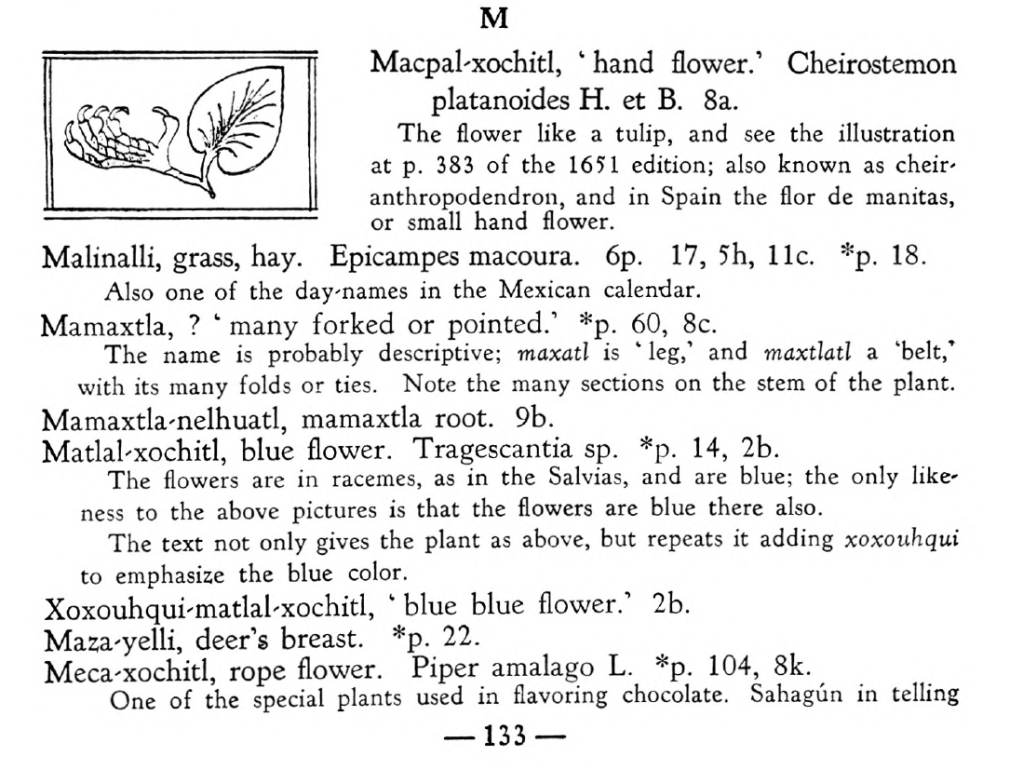
Matlalxochitl : Tradescantia sp.? : According to Gates (2000, 133) as Tragescantia sp
Doesn’t give a reference link for Gates though. He is probably referring to the Cruz-Badiano codex (see Gates, William (Bill) (check the References)
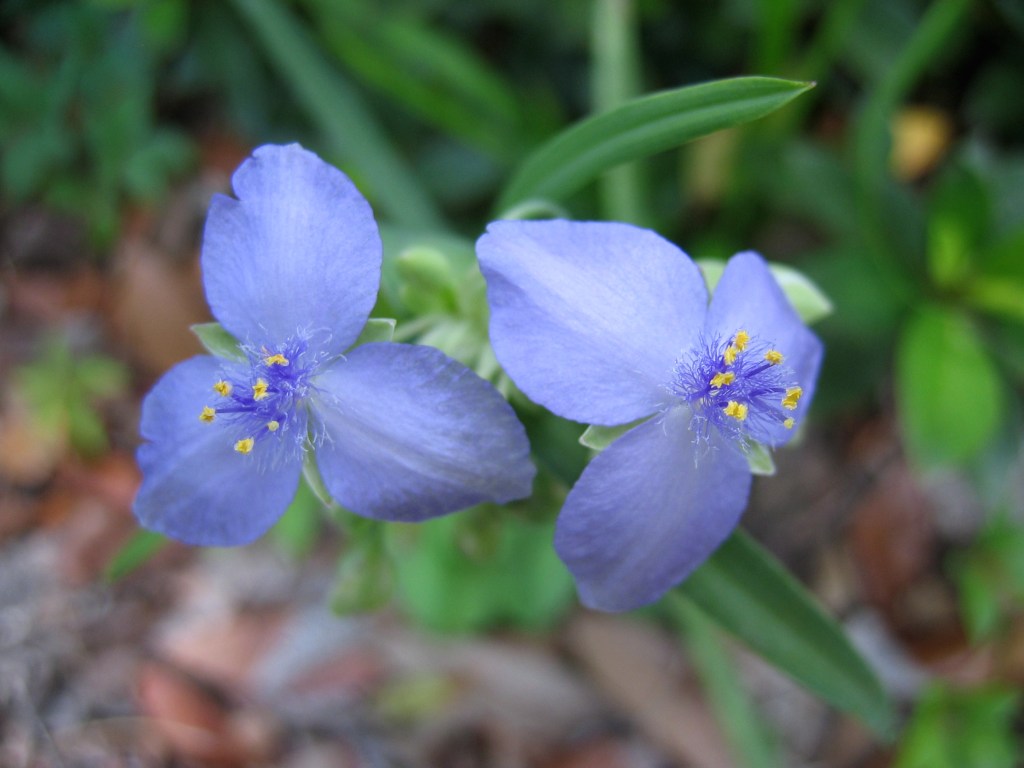
By I, Jonathan Zander, CC BY-SA 3.0, https://commons.wikimedia.org/w/index.php?curid=2319916
I can see how one might confuse a Commelina and a Tradescantia
Alejandro de Avila Blumberg (The Free Library) notes that Tradescantia is another herb called zaca-matlalin (zacatl = grass : matlalli = blue/green : Blue green grass)
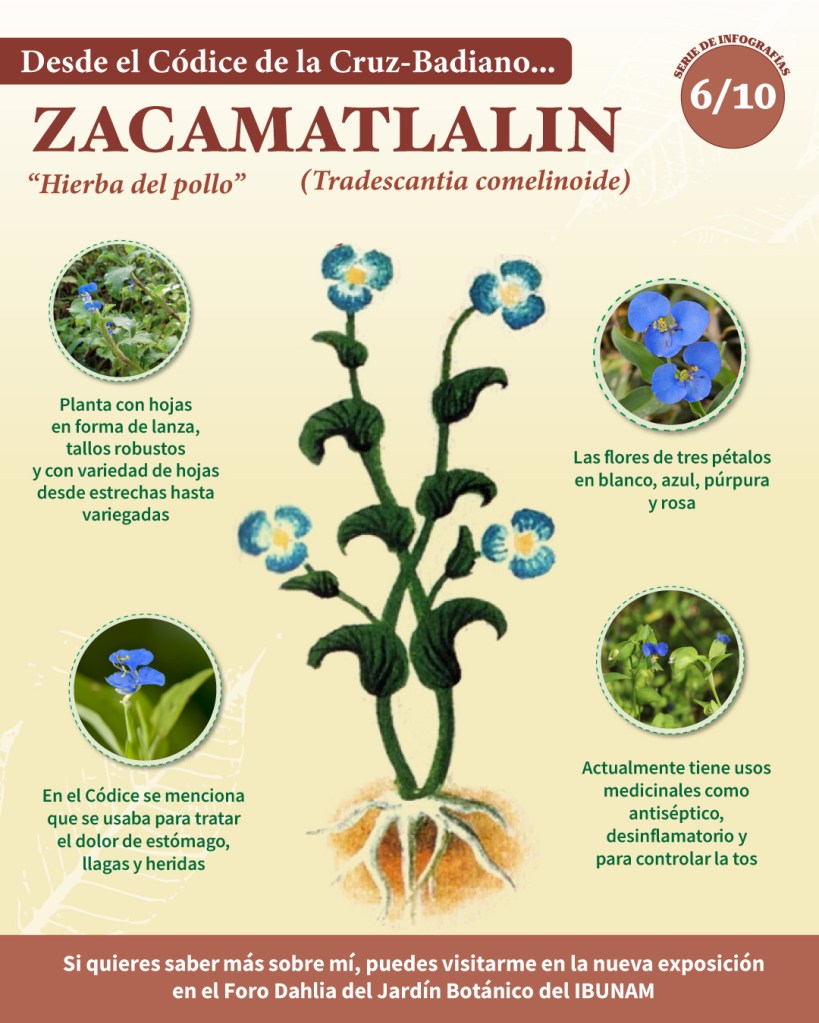
Basurto (et al 2023) notes of zacamatlalin. It was used against dyspepsia. The stem was ground and cooked in agua agria (sour water?) (1). Blumberg also reports that the plants name was Tradescantia commelinoides Schult. & Schult.f.(although he does attribute this identification to Valdés J (et al 1992). Of the Commelina species (C.erecta in particular) he attributes the plant to being used medicinally for….
- Hemorrhages, wounds – decoction taken orally or crushed leaf, poultice.
- Fever, inflammation. Diarrhea, dysentery. Heartburn – stem decoction taken orally.
- Agua agria could possibly refer to mineral rich spring water
The site Biodiversidad del Cerro de Xochitepec, Xochimilco-Tlalpan however does not agree and notes zacamatlalin as being in the Commelina species. They are not the same plant. Commelina (dayflowers) and Tradescantia (spiderworts) are closely related trailing groundcovers in the family Commelinaceae (1). The plants also share many Common Names (2) which does not help. The Reference used to identify this plant comes via iNaturalistMX where it is tentatively listed as Hierba del Pollo : Commelina tuberosa (3)
- Commelinaceae is a family of flowering plants. In less formal contexts, the group is referred to as the dayflower family or spiderwort family. It is one of five families in the order Commelinales and by far the largest of these with about 731 known species in 41 genera.
- A Note on Deer Weed : The Danger of Common Names
- This site does however note Las observaciones “Necesita ID” tienen media, ubicacion y una fecha, pero au nasi requieren un consenso de la communidad sobre una identificacion precisa. Mas informacion sobre las notas de Calidad (“Needs ID” notes include a median, location, and date, but still require community consensus on precise identification. Learn more about quality notes.)
COAPATLI, ZACAMATLALÍN, or QUESADILLA (Commelina tuberosa)
This is a perennial herbaceous plant of the flowering plant family that is native to Mexico but cultivated worldwide as an ornamental plant.
Common names: Barquito, Hierba del Pollo, Pajilla, Pata de Gallo, Quesadilla, Quesadillita, Rosilla, and Texcocana; in Nahuatl as Coapatli, Matlalxóchitl, Matlalitzic, Yoyolxóchitl, Zacamatlalín, and Zoyalxóchitl; in Maya as Bakhaxiu and Kachaxiu; and in Zapotec as Guia-huixi.
It is characterized by its special leaves (spathes) that surround or from which the flowers emerge. These flowers are shaped like a folded tortilla or “quesadilla” (hence one of its common names) and are spotted with purple with free margins. Its petals are bright blue and of equal size. It has tuberous roots and its lower flower heads bear four to ten flowers. In nature, it is found in humid fields, open woodlands, or pine and oak forests. This plant can reach a height of 30 to 60 cm. Its leaves are alternate, simple, and lanceolate, measuring 7 x 2 cm. Its flowers are 1.5 to 2 cm across, with three bright blue petals and six filaments of the same colour. It flowers between July and September.
On Cerro de Xochitepec, it is relatively abundant and can be frequently observed from the slopes, the higher elevations, and the valleys, mainly reported between June and September.
The leaves and stem are believed to have properties that soothe the acute pains of women in childbirth.
Biodiversidad del Cerro de Xochitepec, Xochimilco-Tlalpan also notes the potential danger this plant is currently in.
The Cerro de Xochitepec, or Cerro de la Cruz, is a large area of over 300 hectares within the Conservation Land of Mexico City, located on the border of the Xochimilco and Tlalpan boroughs. It is part of the hilly area of the Sierra del Ajusco, which in turn forms part of the Ajusco-Chichinautzin Biological Corridor. Unfortunately, it has been isolated and threatened for many years, mainly by the Mexico-Cuernavaca highway, the Heroico Colegio Militar (Military College), and the uncontrolled urban growth of the surrounding towns and communities: San Andrés Totoltepec and San Pedro Mártir in the Tlalpan borough, and Santiago Tepalcatlalpan, Santa Cruz Xochitepec, Ampliación Tepepan, and Santa María Tepepan in the Xochimilco borough. Therefore, if we don’t care for and protect it for its conservation, Xochitepec Hill is destined to shrink and disappear, losing the environmental, social, and cultural services it currently provides
Are they the same plant?
No
Can they be used similarly?
Yes
Probably

Medicinal uses
Studies have been conducted on the use of C.coelestis in the treatment of diarrhoea
Extracts used in the sturdy : In a 1000-ml round bottom flask fitted with a reflux condenser, 100 g of dried powdered plant was mixed with 400 ml of solvent (hexane, chloroform, methanol or water). It was refluxed for 4 h, cooled to room temperature and filtered. The extract was dried under vacuum in a rotatory evaporator and then dried in a vacuum oven at 50°C for 12 h.
Results obtained in the evaluation of the hexane, chloroform, methanol and water extracts of the three plants at doses of 50 and 100 mg/kg (in mice with diarrhoea induced by castor oil) showed that the methanol extract of C. coelestis (MECC) reduced significantly the diarrhoeic (1) spectrum (as did the methanol extract of A. repens (MEAR), and the water extract of A. repens). Diarrhoea was reduced between 30 to 70%. This is diarrhoea caused by overstimulated peristalsis (2) caused by the castor oil (3) and not bacterial intrusion.
- Diarrhoeic is an adjective that means relating to, suffering from, or characterized by diarrhoea
- Peristalsis is the automatic, wave-like contraction and relaxation of muscles that pushes food, waste, and other substances through your gastrointestinal system. Rings of smooth muscle in the GIT walls alternately squeeze (contract) behind the contents and loosen (relax) ahead of them. This coordinated movement creates a continuous forward push, much like squeezing toothpaste from the bottom of a tube.
- Castor oil causes diarrhea because its active breakdown product, ricinoleic acid, stimulates intestinal muscle contractions and stops the gut from absorbing normal amounts of water and electrolytes. Ricinoleic acid binds to specific receptors on the muscle cells in your intestinal walls. This triggers strong, rapid contractions (peristalsis) that push waste through your digestive tract very quickly. It also actively prompts the intestines to secrete more fluid and liquid into the gut and reduces the intestine’s ability to absorb fluid and essential electrolytes like sodium and potassium. The combination of rapid muscle squeezing and excess fluid remaining inside the digestive tract leads to watery, urgent bowel movements.
The medicine of colour
The colour of la flor de hierba de pollo (chickenweed flowers) is due to the accumulation of water-soluble pigments called anthocyanins many of which have medicinal uses. (Roquero, 1995). Recent studies have also reported terpenes in Commelina undalata, Commelina benghalensis, and Commelina communis (Yang et al., 2007, p. 621), as well as eleven flavonoid glycosides (isoquercitrin, isorhamnetin-3-O-rutinoside, isorhamnetin-3-ObD-glucoside, glucoluteolin, chrysoriol-7-ObD-glucoside, orientin, vitexin, isoorientin, isovitexin, swertisin, and flavocommelin) (Shibano et al., 2008, pp. 349-350).
Anthocyanins (ACNs) are natural bioactive water-soluble phenolic compounds, which represent one of the principal families of natural pigments (orange, red, violet, and blue colours). They are natural bioactive compounds with many pharmacological effects: antioxidant, antiinflammatory, prevention of age-related chronic diseases: cardiovascular disease (CVD), cancers, neurodegenerative, and eye-related diseases. ACNs also have antiviral properties. Recent in vitro studies have shown that they can inhibit the replication of viruses such as herpes simplex, parainfluenza virus, syncytial virus, HIV, rotavirus, and adenovirus. ACNs are being used in the food industry to replace synthetic colorants (Salehi et al 2020)
Isoquercitrin is a plant flavonoid glycoside with powerful antioxidant, anti-inflammatory, and chemoprotective medicinal actions (Song et al 2025)
Isorhamnetin-3-O-rutinoside is a flavonoid glycoside found in various plants that exhibits antioxidant, anti-inflammatory, and enzyme-inhibitory medicinal activities. (Shibano et al 2008)
Glucoluteolin is widely recognized for its ability to suppress chronic and acute inflammation. Antioxidant and cytoprotective activity – It acts as a shield against cellular aging and toxic exposure by neutralizing free radicals. Metabolic and anti-diabetic benefits – The compound helps optimize how the body manages energy and sugars. Improves Insulin Sensitivity: It regulates glucose metabolism, paving the way for healthier blood sugar baselines. Cardioprotective – Glucoluteolin supports long-term heart and blood vessel health. (Caporali et al 2022)
Orientin is one of the flavonoid glycosides with diverse biological properties such as antioxidant, antiaging, antiviral, antibacterial, anti-inflammation, vasodilatation and cardioprotective, radiation protective, neuroprotective, antidepressant-like, anti-adipogenesis (anti-obesity), anti-cancer) , and antinociceptive effects (Raza Ishaq et al 2025) (Lam et al 2016)
Vitexin has received increasing attention because of its wide range of pharmacological effects, including anticancer, antioxidant, anti-inflammatory, anti-Alzheimer’s disease (AD), blood pressure-lowering, and anti-hypoxia/ischemic injury. (Yan et al 2025)
Swertisin is a natural C-glucosyl flavone compound found in medicinal plants like Enicostemma littorale and Ziziphi Spinosae Semen that acts as a potent antidiabetic, anti-inflammatory, and neuroprotective agent. (Bhardwaj et al 2021)
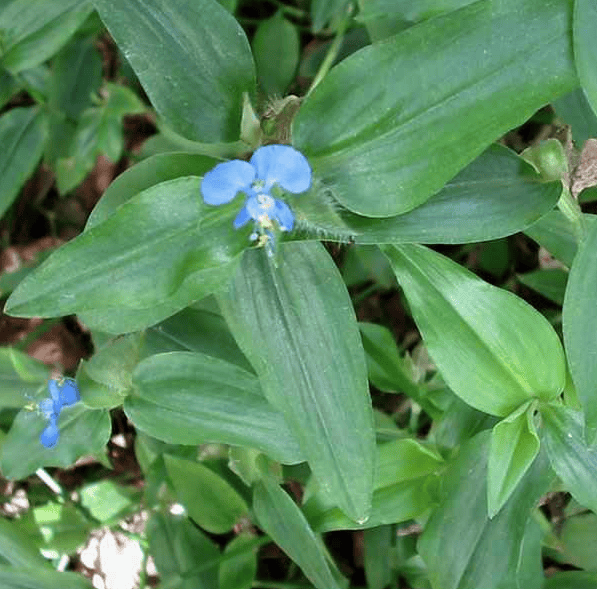
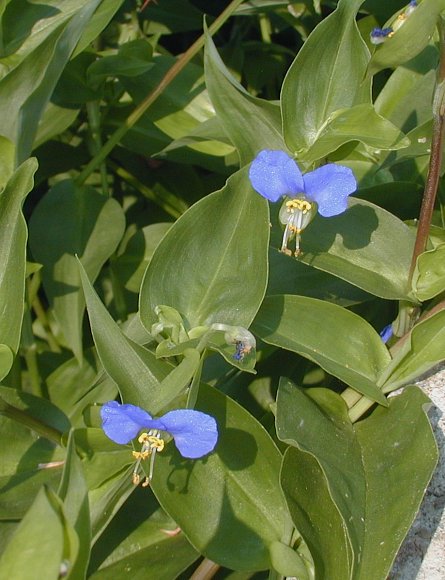
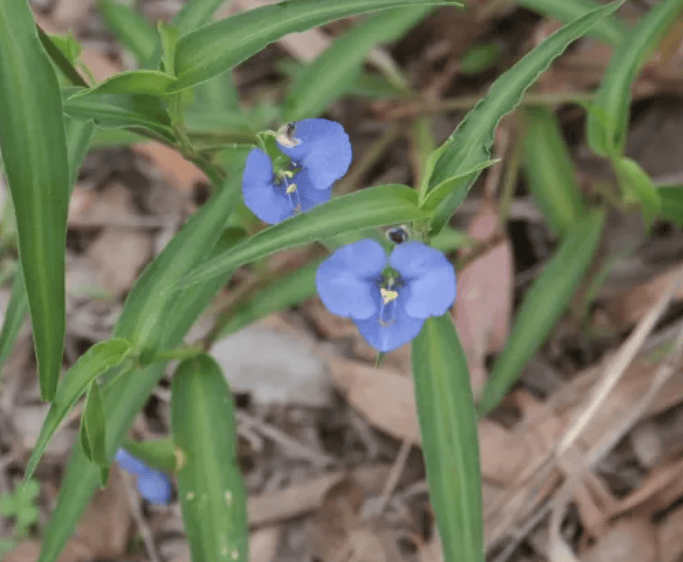
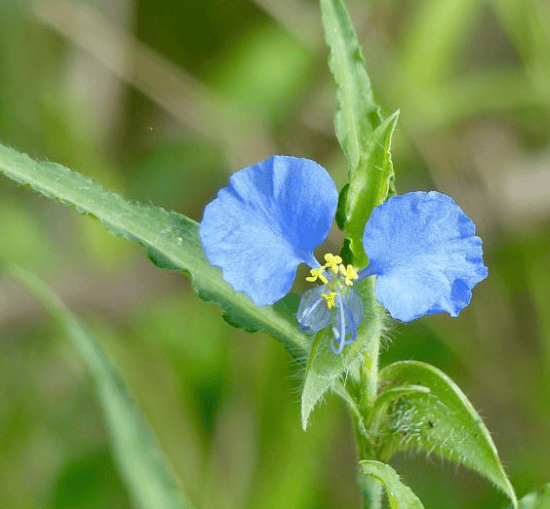
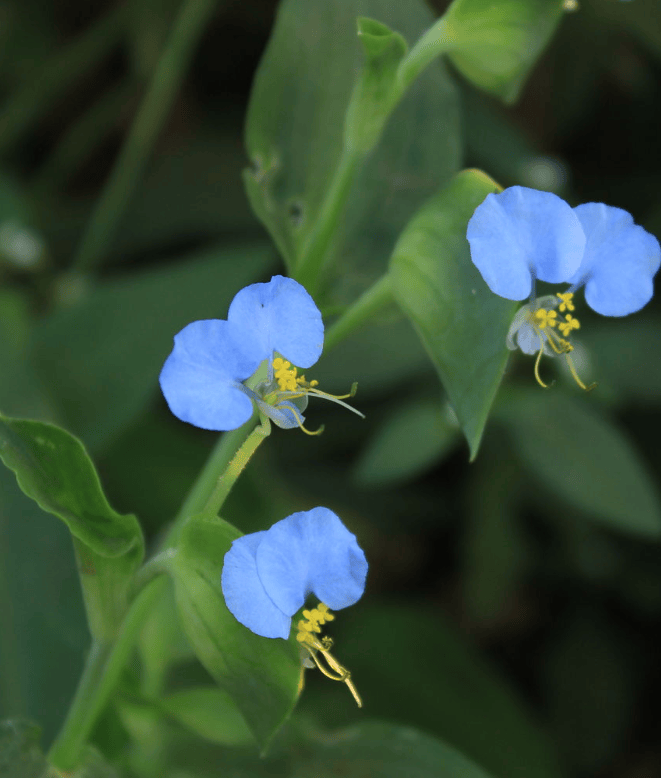
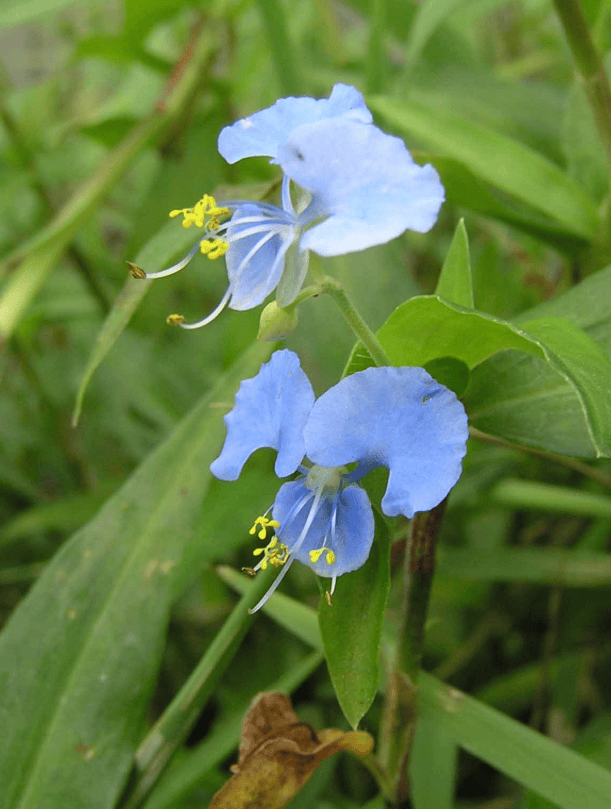
C.coelestis seems to be the least utilised (medicinally speaking) when it comes to this plant. Other species such as C. benghalensis; C. communis; and C. diffusa seem to be utilized more (medicinally speaking) and even as a food plant
Various others of the Commelina species are utilised globally for their medicinal utility. Some of these species and uses include
The aerial parts of Commelina are very mucilaginous, and are therefore generally used for poulticing wounds and skin infections such as boils and ulcers, and also as a maturative. Internally, the fresh juice from the plants is taken for diarrhoea.
In Peninsular Malaysia, the Philippines and India, C. benghalensis is considered refrigerant and astringent, and is used for strangury.
In China, Indo-China and Taiwan, C. communis is more commonly used for these purposes.
In Vietnam, C. communis is applied externally for arthritis.
In Indo-China, the sap of the crushed plant is also put on inflamed eyes, while in Africa the sap of C. benghalensis or C. diffusa is used for this purpose.
In India and China, C. communis is also used to combat vertigo, fever and bilious disorders, and in Vietnam, India and China as an antidote for snake poisons.
In Korea and China, C. communis is considered to have hypoglycaemic effects and is therefore applied in diabetes.
In East Africa, the sap of C. benghalensis is applied for sore throat and burns, and also for thrush in children.
In Indonesia, the crushed leaves and stems of C. diffusa are taken in decoction for irregular menstruation, for abortion and to help expel the placenta after birth.
In Thailand, C. benghalensis and C. diffusa are applied for abscesses and fever.
In Vietnam, the plant is used for colds, a sore throat and nosebleed.
n Nigeria and the West Indies, the leaves are taken as an aperient and a decoction is used in fever or for severe menstruation.
In Jamaica, they are also taken in decoction to relieve urinary burning and leucorrhoea.(1)
- leucorrhoea, also spelled leukorrhea, is the flow of a whitish, yellowish, or greenish discharge from the vagina that may be normal or that may be a sign of infection. Such discharges may originate from the vagina, ovaries, fallopian tubes, or, most commonly, the cervix.
Other listed uses include……
Commelina benghalensis
- India – Jaundice, headache, constipation, leprosy, fever, snakebite, mouth thrush, insanity, epilepsy, mental illness, emollient
- China – Diuretic, febrifuge, antiepilepsy, antifungal for mouth thrush, antipyretic and anti-inflammatory
- Pakistan – Leprosy, laxative, and inflammation
- Zanzibar – flower juice is used for eye problems
- East Africa – plant sap used for ophthalmia, sore throat, and burns
Commelina communis L.
- Korea – leaves are used to treat diabetes mellitus
- China – Wind-heat type common cold, sore throat, fever, dropsy, diuretic, acute tonsillitis, urinary infections, dysentery, acute intestinal enteritis, and obesity
Commelina diffusa
- Asia, Africa, and America – Abscess, boils, malaria, insect, snake, and bug bites, edema, laryngitis, sore throats, acute tonsillitis, otitis media
- Africa, America, and some parts of Asia – leaves are crushed and applied topically – Urinary tract infections, respiratory tract infections, diarrhea, enteritis, and hemorrhoid
- China – leaves are crushed and applied topically – Abscesses, wounds, and painful joints along with dermatitis, burns, snake bites, or insect stings in, Urinary tract infections, swellings, inflammation, diarrhoea
- China – stem juice is used to treat llaryngitis and sore throats acute tonsillitis, pharyngitis, otitis media, and nose bleeding
- Nepal – Hemorrhoids, an irritated uterus, laryngitis, leprosy, malaria, mumps, otitis media, painful menses, pharyngitis, rheumatoid arthritis, sore throats, snake bites, tonsillitis, and tumours
Commelina nudiflora L
- Sirraleon (sic) – leaves are used – Swelling of the groin, for dressing wounds after circumcision
Commelina erecta L
- Tropical America and Brazil – stems and leaves are used – sore throat, eye infections and inflammations, wound healing, and dermatological problems, but also in women’s infertility, diabetes, rheumatism, hypertension, and diarrhoea
Commelina latifolia
- Ethiopia – The fresh leaves of C. latifolia crushed and the wound area is covered with crushed leaves to prevent wound-induced pain and inflammation
Commelina Africana
- Democratic Republic of the Congo – a maceration of the leaves is used for dermatitis, itchy skin rashes, burns, skin aging, stings
The website Los colores de la tierra gives information on using this flower as a natural dye (further instructions below) and they bring up an interesting point.
Oxygen, like other oxidizing agents, decolorizes anthocyanins due to oxidative degradation, which is pH-dependent (Marcano, 2018). This is quite interesting and backs up the work of José Antonio de Alzate y Ramírez who notes that paper that has been stained blue with the dye from these flowers can be used as litmus paper and be used to determine the acidy or alkalinity of a liquid.
The word litmus comes from early 14th-century Middle English (litmose), with two leading etymological theories pointing to Scandinavian or Dutch roots.
Old Norse – litmosi – litr (color/dye) + mosi (moss)
Middle Dutch – lijkmoes – lac (red resin/dye) or leken (to leak/drip) + moes (pulp)
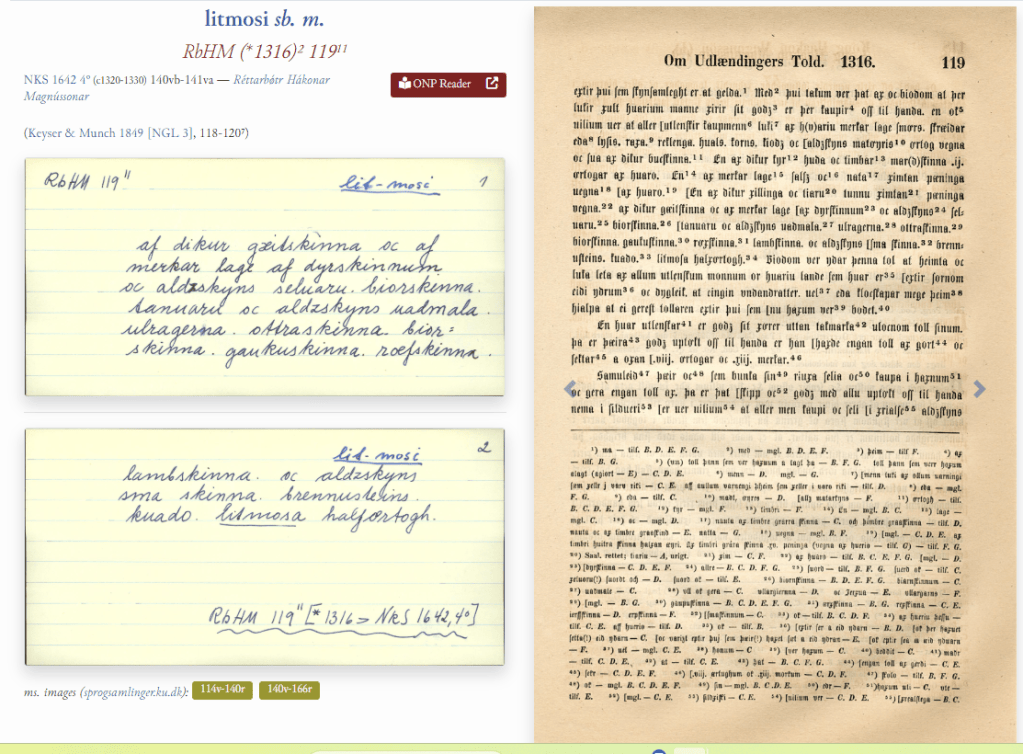
Litmus translates (roughly) to “dye-moss” or “leak-moss,” reflecting the extraction of blue pigments from lichens (which were historically confused with or categorized alongside mosses). The word is attested only in one Medieval source, a Norwegian law codex from 1316 in a chapter on customs and excise duties on pelts and furs (see image above)
Litmus paper is cost-effective and portable chemistry lab apparatus to test acidity and alkalinity that requires only a little amount of solution. It is essential to determine the pH of the substances. Litmus paper comprises of various categories: Red litmus paper, Blue litmus paper, and Neutral litmus paper which is purple in nature as it consists of dyes used in both red and blue litmus paper. Generally blue litmus paper converts into red litmus paper when the blue litmus paper comes across an acidic material. Similarly when the red litmus paper turns comes in contact with a basic or alkaline material it turns into blue litmus paper. Neutral litmus paper will change its colour to either blue or red on the basis of solution which is being tested if its acidic or alkaline.
Though the litmus test is a quick response test and is used in chemistry to determine whether a material is acidic or alkaline it cannot provide the level of acidity or alkalinity of a solution.
Quantities of flower to use for dyeing
300g of fresh petals per 100g of natural fibre.
Procedure
Thaw 300 g of petals and strain them, squeezing to extract all the dye (do not add water or heat). Once the dye liquid is obtained, soak the previously mordanted fibre (1) in it and leave for 7 days, or longer for a more intense colour. Stir occasionally and keep refrigerated at all times. Rinse and dry in the shade. Due to the chemical components of Commelina coelestis, it is very important not to heat the dye at any time, as heat will neutralize the intense blue colour, turning it into a colourless brown.
- A mordanted fabric is a textile treated with a metallic salt fixative that allows natural dyes and botanical prints to bond permanently to the fibers
Note: The results showed that cellulosic fibers absorb blue dye better than protein fibers. Wool without mordant and wool mordanted with alum absorbed the least amount of dye; however, samples previously mordanted with tequesquite (1), copper, ferrous iron, and tin achieved better fixation. Silk mordanted with alum absorbed the dye, but shifted it toward purple. Rabbit fur without mordant absorbed the least amount of dye. Turkey feathers mordanted with sodium carbonate and alum fixed the blue dye excellently. It may be necessary to mordant protein fibres in this way for better results. If there is not enough flower dye, it can be dissolved in cold, purified water, resulting in a lighter colour.
The Mordanting Process (via Farm & Folk Natural Dye Tutorials)
- Scour: Wash fabric thoroughly in hot water and neutral soap to remove oils.
- Pre-treat (for plant fibres): Soak cellulose fabrics like cotton or linen in a tannin bath.
- Apply Mordant: Submerge the textile in a warm metallic salt solution (like alum) for about an hour.
- Cure/Cool: Let the fabric cool and set in the bath, then rinse and dry
Falcon (2019) writes of a light blue pigment, “the colour of the sky,” that was prepared by mixing a white earth with the colorant extracted from the matlalxochitl petals and that it was known as texotli or xoxohuic. She goes on to note that the Nahuatl column of the Florentine Codex tells us that texotlalli is a blue colouring that was produced in the region of Michoacán, and it was mixed with the earth known as xicaltetl to paint both earthen vessels and gourds. In contrast, Hernández describes texotli and xicaltetl as two different types of earths:
Another particularly Mesoamerican thing is in relationship to the translation of colours themselves: a large proportion of the languages did not originally distinguish green from blue, or had them quite tied together. A proportion still don’t use such distinction. In particular, Nahuatl has a bit of this in the family of words related to xoxoktik, green-blue: texoktik is a little more blue than green, matlallin/matlalxochitl is a darker shade (usually somewhat bluer), and xiwitl is a lighter shade (Weimann & Heinrich 1998).
Jamoncillo de leche con matlalxóchitl is a traditional, Mexican milk fudge tinted with a natural blue or purple dye extracted from the matlalxóchitl plant
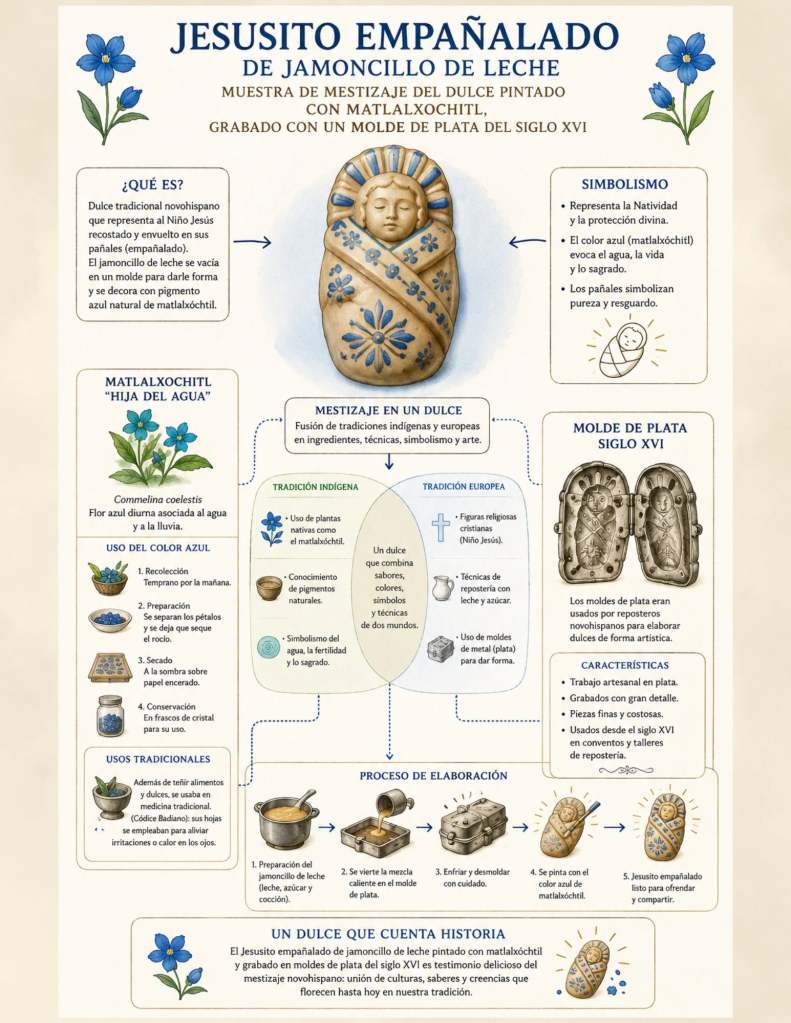
Guirola (2010) writes of “lesser-known plants, such as Matlaxoxhitl”, which, according to Castello Yturbide (1996) was “discovered in Mexico by some Augustinian nuns whose order had become renowned around 1837 for their particular candies and sweets.” They were accustomed to colouring the sweets lilac by adding to the paste the juice of Matlaxoxhitl petals crushed with water and strained lemon juice, and they used the same method to decorate the granulated sugar”.
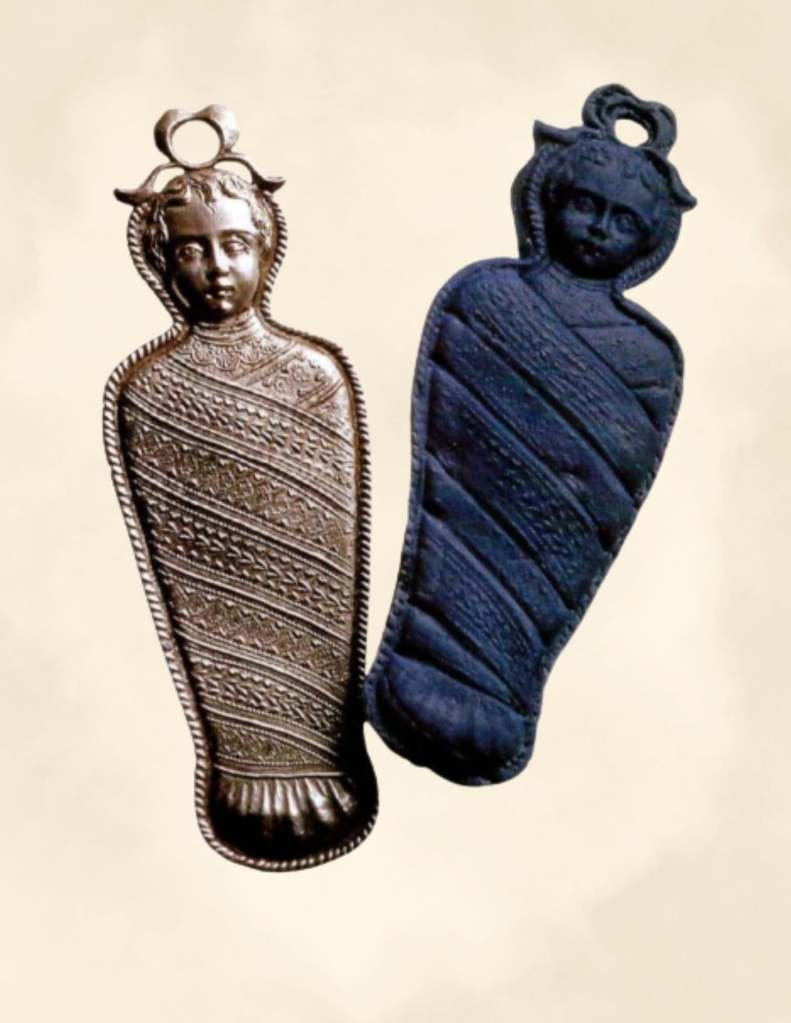
Malinalcalli Pigmentos Naturales Antiguos y Prehispánicos
Guirola continues “This plant also produced a blue hue, which was used to color lozenges and freshly made milk fudge (alkaline) in small silver containers. They crushed many petals with a little clear water, and once strained, mixed it with the fudge, with which they made sweets engraved with openwork wooden molds. The flowers were cultivated in pots within the nuns’ own cloisters, where they tended them. It was surely the indigenous women who taught the nuns how to use this dye of pre-Hispanic origin, thus achieving a perfect combination in the use of these resources.”
A modern mould can be seen in the image above.
Culinary use.
I have found little with regards to the culinary uses of this plant.
A medicinal site quotes
“In Indonesia and Indo-China, the young tops of C. benghalensis and C. diffusa are steamed and eaten as a vegetable, while in China and India, mainly C. communis is eaten. The leaves and starchy roots of C. benghalensis are considered a famine food in India and Africa.“
Fray Bernardino de Sahagún relates that in the festivities celebrated by the Nahuas in the fifteenth month called panquetzaliztli , which corresponds to November, the old men and women drank a pulque (1) that they called matlaloctli , which means blue pulque, because they dyed it that colour.
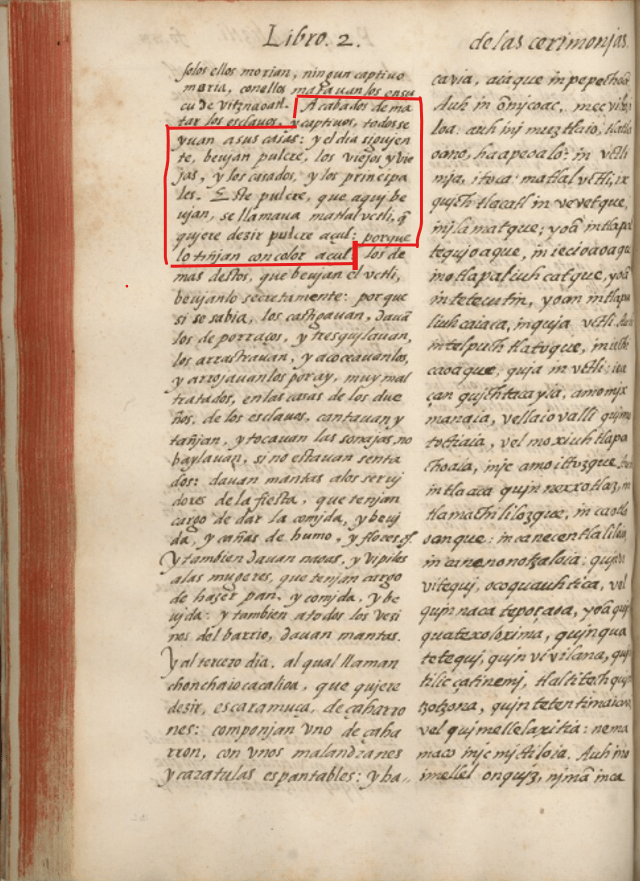
Acabados de matar los esclavos y los captivos, todos se iban a sus casas, y el día siguiente bebían pulcre los viejos y viejas, y los casados y los principales. Este pulcre que aquí bebían se llamaba matlaluctli, que quiere decir “pulcre azul”, porque lo tiñían con color azul.
Once they had finished killing the slaves and the captives, everyone would go home; and the next day, the older men and women, along with the married men and the nobles, would drink pulque. This pulque that they drank on this occasion was called matlaloctli, which means “blue pulque,” because they would dye it with a blue color
Panquetzaliztli was a festival celebrated over the 20 days of the fifteenth 20-day month (of 18) and was a major winter festival in the Aztec (Mexica) solar calendar, translating to the “Raising of Flags”. During Panquetzaliztli, warriors, merchants, and Aztec lords offered captives to represent the battle between Coyolxauhqui, the 400 Huitznáhua, and Huitzilopochtli. This marked the winter solstice and the symbolic rebirth of the sun, the moment when the newborn sun defeats the moon.
Key aspects of the celebration included,
- Dedication to Huitzilopochtli: the “Blue Hummingbird on the Left , the patron god of war and the sun (possibly why the pulque is stained blue?)
- Participants carried and displayed ritual paper banners (pantli) symbolizing bravery and sacrifice.
- Amaranth Effigies: Statues of Huitzilopochtli were moulded from amaranth seeds and agave nectar, then ritually broken and eaten. See Amaranth and the Tzoalli Heresy
- Trees and garden plants were adorned with bark-paper flags to thank them for the year’s harvest.
Matlacuey (1) is a contemporary artisanal pulquería and experimental mixology bar located in Puebla and Tlaxcala, Mexico, specializing in traditional and creative fermented agave drinks.
- Named after the sacred Matlalcueye volcano (La Malinche)
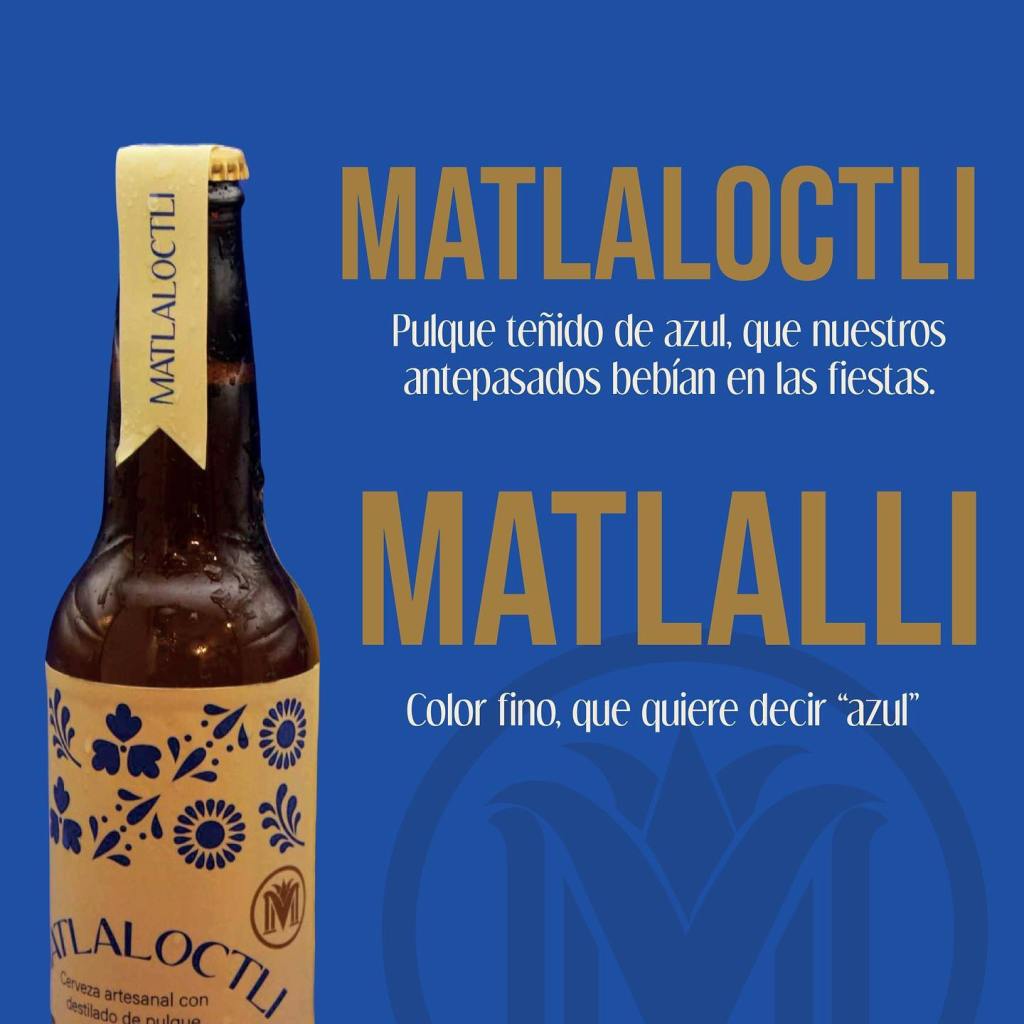
El destilado de pulque que ocupamos para fabricarla se deja reposar en barricas de roble blanco de 1 a 1 año y medio, lo que lo convierte en un destilado “añejo”.
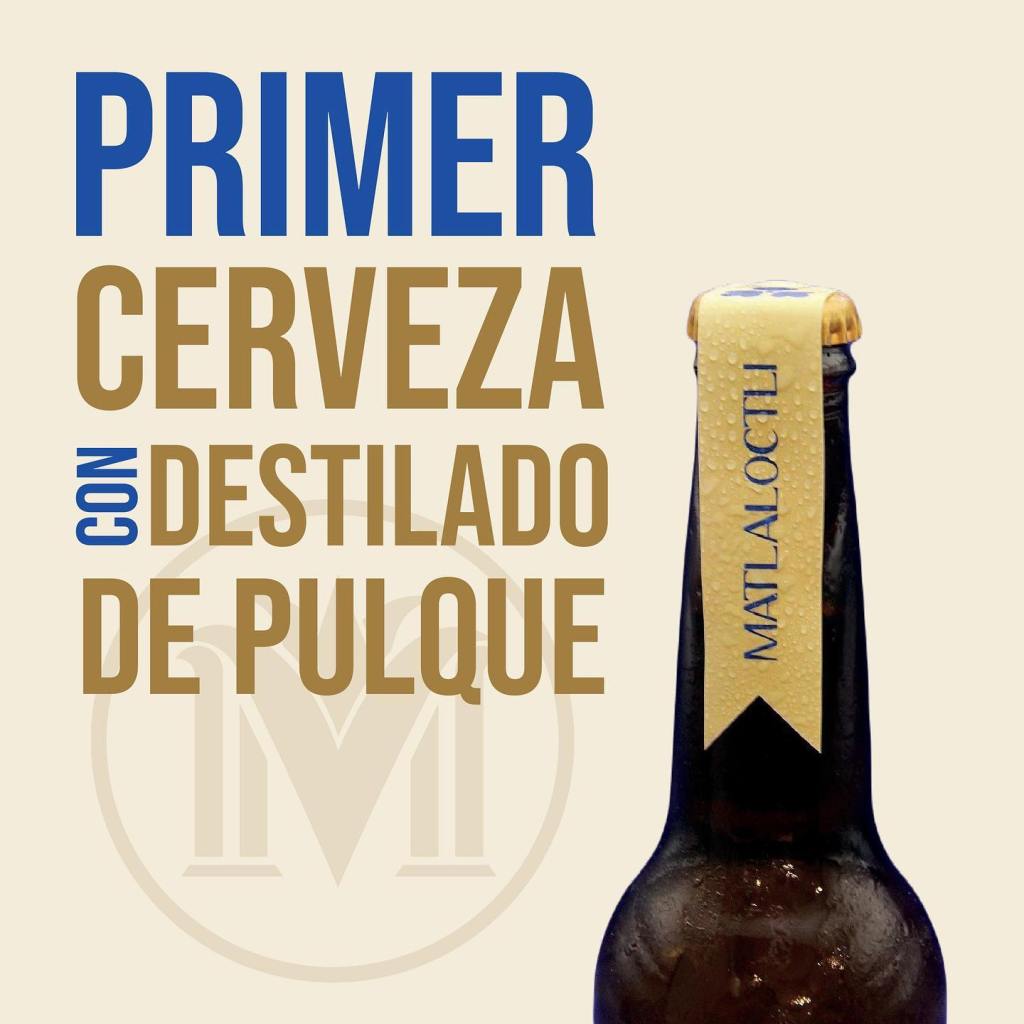
The pulque distillate we use to make it is aged in white oak barrels for 1 to 1.5 years, making it an “aged” spirit.
Modern craft pulquerías in regions like Tlaxcala occasionally recreate blue curados (1) using natural ingredients like borage flowers (flor de borraja)
- Literally “cured” – these are flavored/mixed pulques. Curados are generally made when the pulque is getting a little older (this might be only a couple of days). The pulque is mixed with any number of ingredients (the list is only limited by your imagination) to “cure” it of its odour.
Borage flower-infused pulque is a unique combination within the culture of pulquerías in Mexico. Borage flower has a subtle and refreshing taste reminiscent of cucumber, with slightly sweet notes at the end. When mixed with pulque, it is said to add freshness, lightening the traditionally viscous consistency of the base beverage.
Borage : Borrago
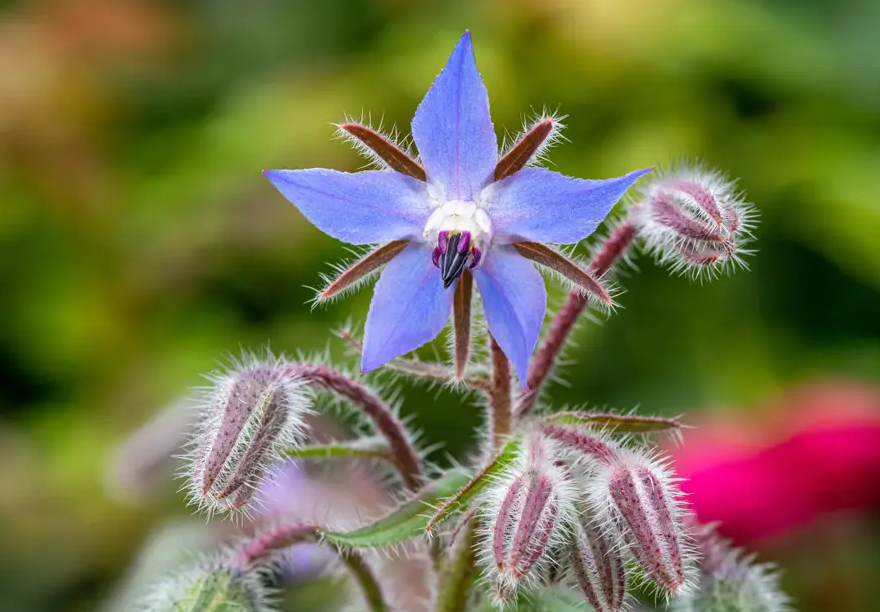
Borage is used as either a fresh vegetable or a dried herb. As fresh borage has a cucumber-like taste, it is often used in salads or as a garnish. Traditionally, borage was cultivated for culinary and medicinal uses, although today, commercial cultivation is mainly as an oilseed.
If you have access to natural pulque and fresh borage you can prepare pulque azul following this artisanal method:
Ingredients
1 liter of white or natural pulque (of good quality)
1 cup of fresh borage flowers (well washed and disinfected)
2 to 3 tablespoons of agave syrup or honey
Optional: A small slice of cucumber to accentuate the freshness of the flower.
Method
Macerate the flowers: In a clean bowl or molcajete, gently crush the borage flowers with the honey to release their oils, fragrance, and characteristic bluish or violet hue.
Mix with the pulque: Add the macerated flower paste directly to a pitcher of natural pulque. Stir gently with a wooden spoon.
Resting (do not omit this crucial step): Do not drink it immediately or use a blender, as this breaks down the pulque’s consistency and can cause stomach upset. **SEE NOTES**
Cover and let it rest in the refrigerator for at least 1 to 2 hours. This time allows the flavors to meld perfectly through a slight secondary fermentation. Serving: You can strain it if you prefer a completely clear texture, or serve it straight so the star-shaped flowers embellish the drink.
**NOTES**
This statement is potentially controversial as others will note that blending pulque in a blender does not inherently cause stomach upset. Mechanical blending using standard kitchen blades does not alter the chemical structure or turn the liquid toxic. However, if you experienced a stomachache after drinking blended pulque, the cause is likely related to one of the following factors
- You are a “Pulque Virgin : “If you do not drink pulque regularly, your stomach may react to its intense, living ecosystem. Pulque is a raw, unpasteurized beverage packed with wild yeasts and live probiotics like Lactobacillus and Leuconostoc. Introducing a massive wave of active, unfamiliar microorganisms to your gut can cause temporary bloating, gas, cramps, or a laxative effect while your microbiome adjusts (Gómez-Pliego et al 2025)
- High Fructose and Sugar Load : When making pulque curado, people frequently blend the sap with high-fructose fruits (like mango, guava, or strawberries) and condensed milk or sugar. Blending fruit breaks down its structural fiber, causing your body to absorb the sugars much more rapidly. A sudden, heavy influx of fructose and sugar into the digestive tract can trigger osmotic diarrhea, cramping, and severe bloating. Stick to low-FODMAP (1) fruits or use less added sugar when blending your curado.
- FODMAPs are a group of specific short-chain carbohydrates and sugar alcohols that are poorly absorbed in the small intestine and can cause digestive distress. . The acronym stands for Fermentable Oligosaccharides, Disaccharides, Monosaccharides, and Polyols.
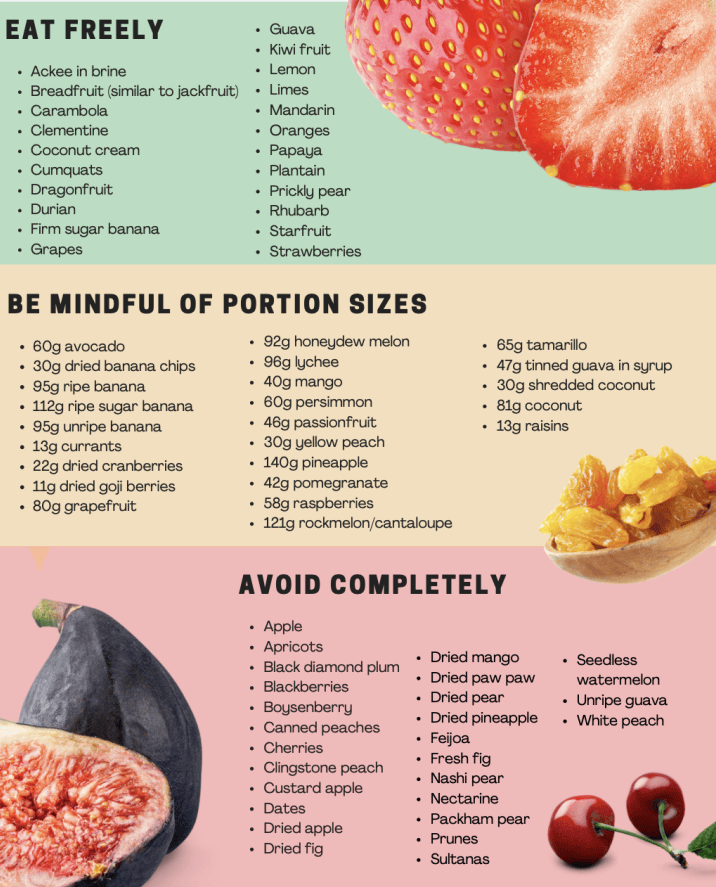
FODMAPs are a group of sugars that are not completely digested or absorbed in our intestines. When FODMAPs reach the small intestine, they move slowly, attracting water. When they pass into the large intestine, FODMAPs are fermented by gut bacteria, producing gas as a result. The extra gas and water cause the intestinal wall to stretch and expand. People with a highly sensitive gut can have an issue with this ‘stretching’ of the intestinal wall as it can cause exaggerated sensations of pain and discomfort. A low-FODMAP diet reduces certain kinds of carbohydrates that are hard for people to digest. It’s often prescribed as an elimination diet to identify food triggers in those who have functional gastrointestinal disorders, such as Irritable Bowel Syndrome (IBS).
Anything can be used to flavour curados. In 2025 I drank un pulque flavoured with the Mexican peanut candy called Mazapan. It was not as pleasant as I hoped. The best pulque I drank on that holiday was apio (celery) in a tajin rimmed glass.
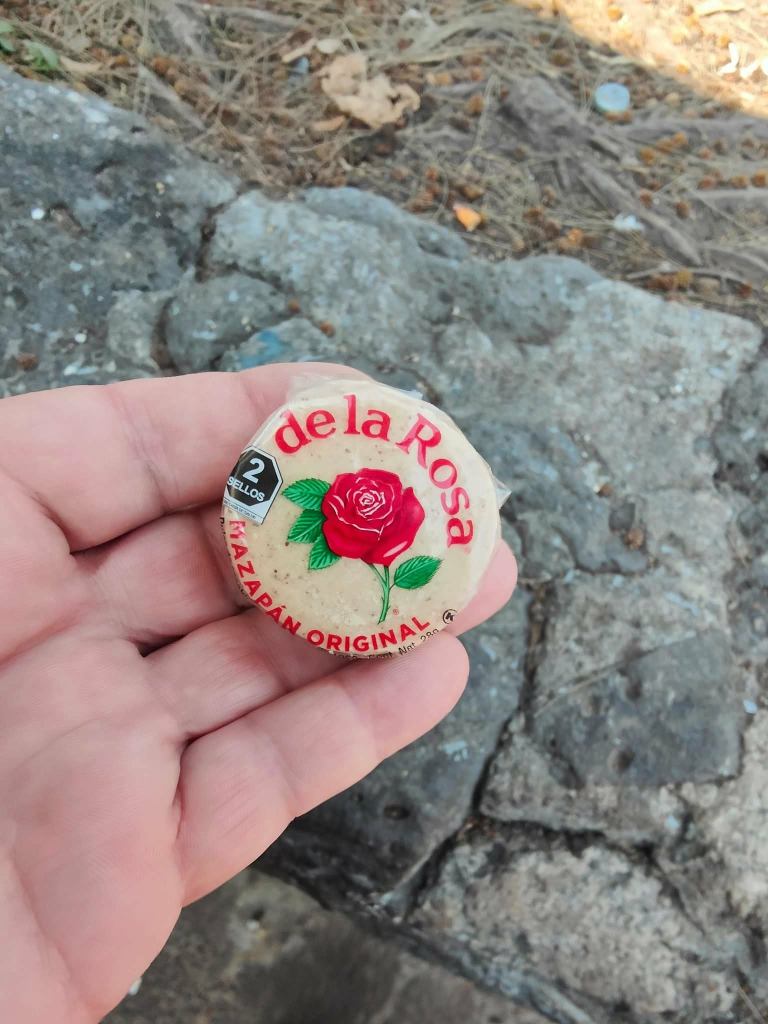
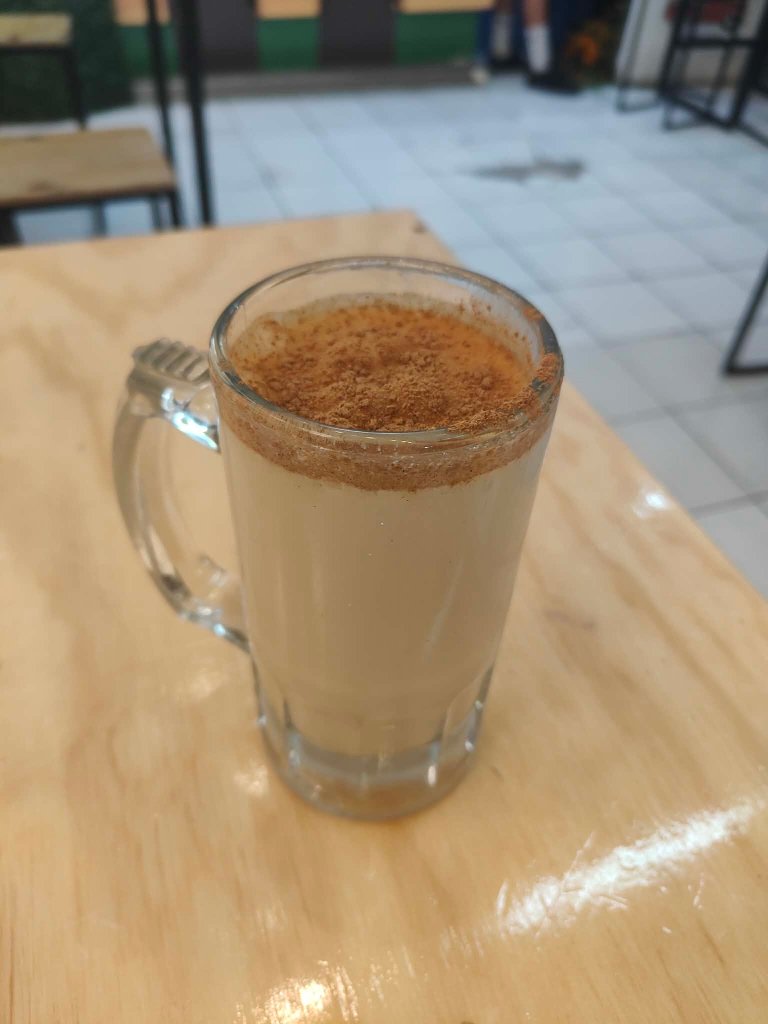
- Rapid Consumption : blending aerates the drink and can mask pulque’s naturally thick, viscous, and sour profile, it becomes much easier to drink quickly. Chugging a dense, nutrient-heavy, actively fermenting liquid fills the stomach with too much volume at once, skipping the necessary mixing with digestive enzymes in your saliva and potentially causing an immediate ache
- Continued Fermentation (Gas Build-up) : Pulque never stops fermenting. When you blend it, you introduce oxygen and warmth, which can temporarily kick the wild yeasts into overdrive. If you blend it and leave it in a closed container, or drink it as it actively off-gasses, the trapped carbon dioxide can cause instant abdominal pressure and bloating. There is also the belief that it continues to cook (ferment) in the stomach and you can continue becoming drunker long after you’ve stopped drinking

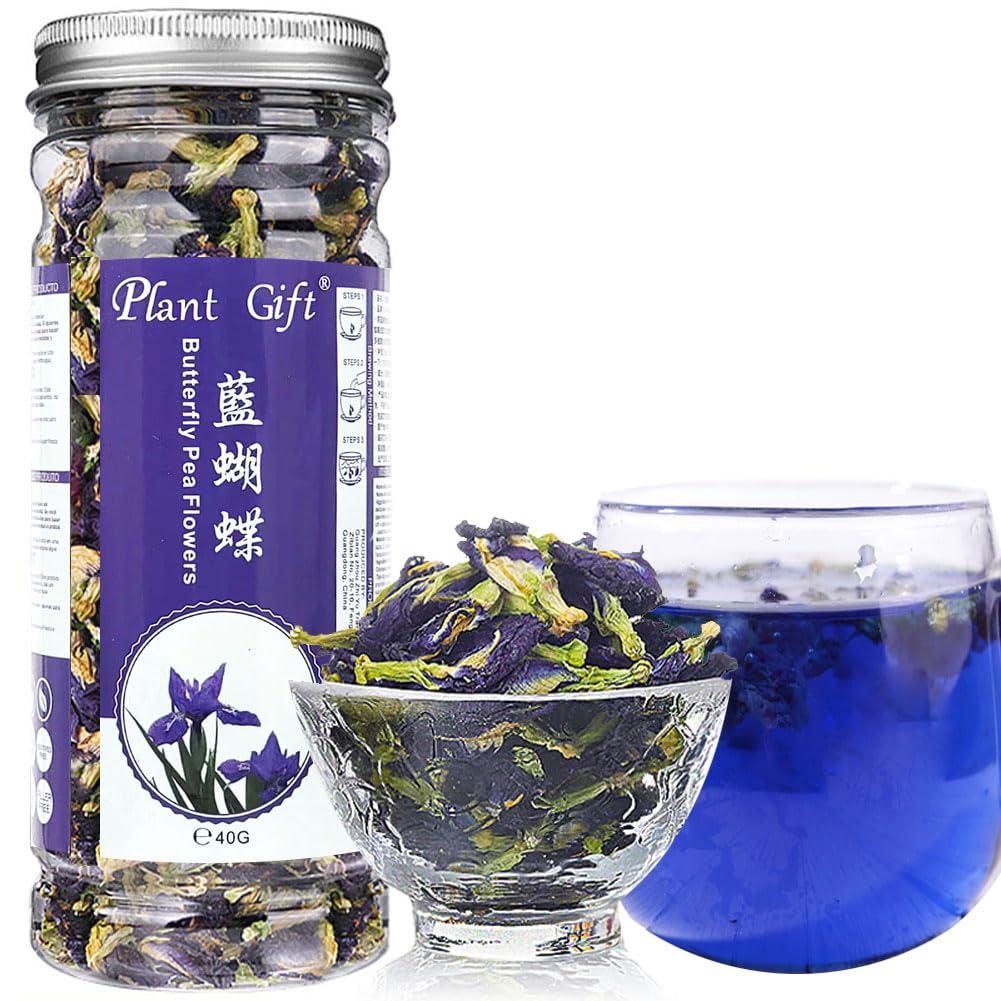
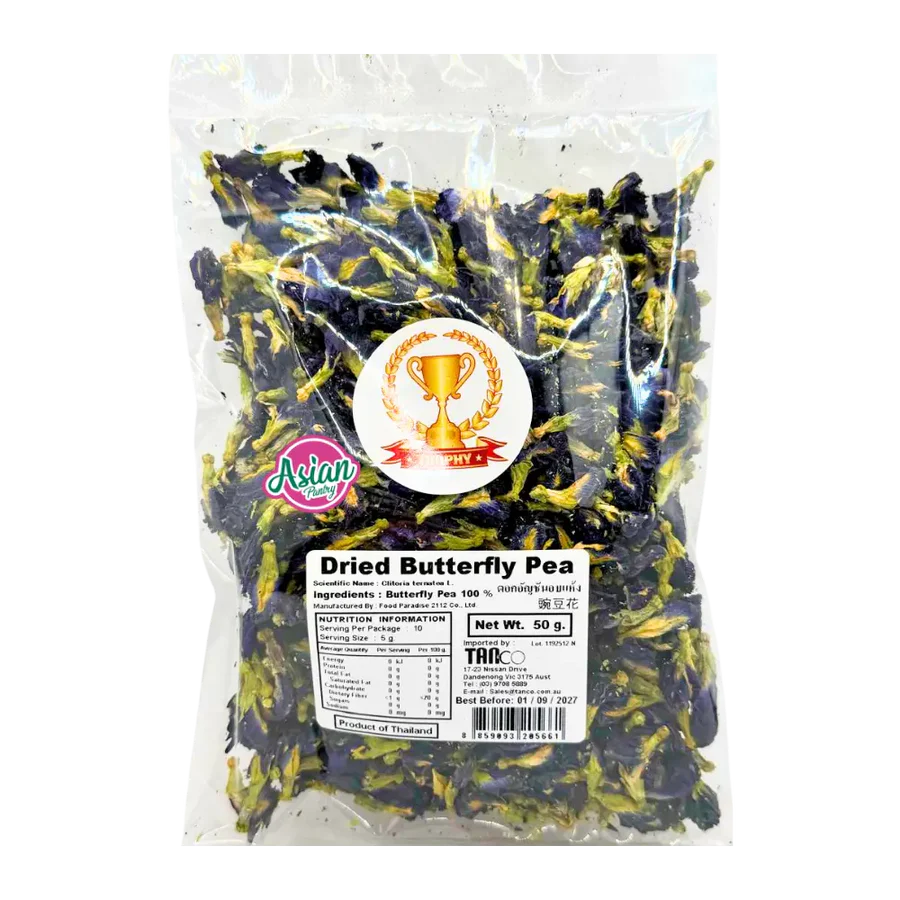
Now, if you cant get your hands on matlalxochitl (or Borage) then you could try another vivid blue flower for similar purposes. This plant is the Butterfly pea (1).
- also called the blue pea, the Darwin pea or Asian pigeon wings
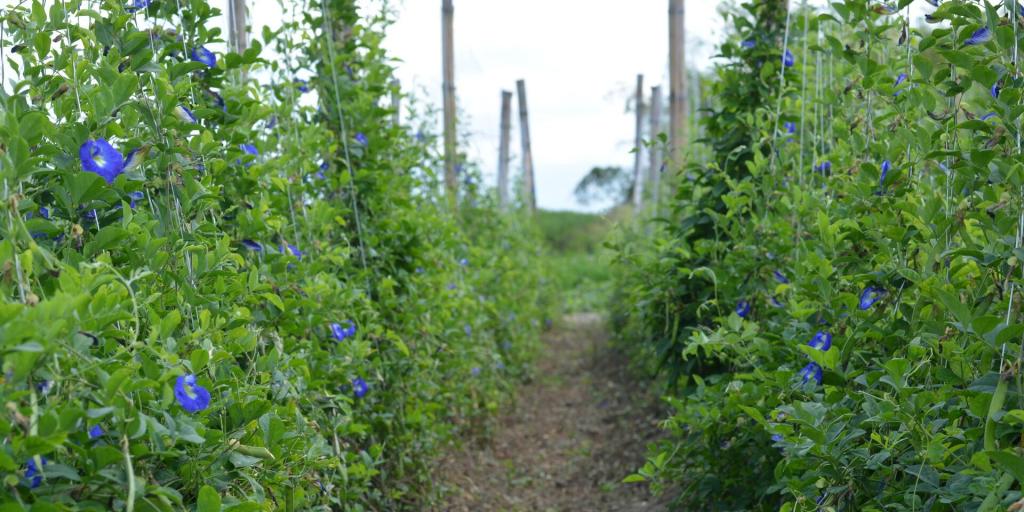
Clitoria ternatea, or the butterfly pea, is a legume originating in Africa, but is now widespread through much of Asia and tropical regions in Australia.
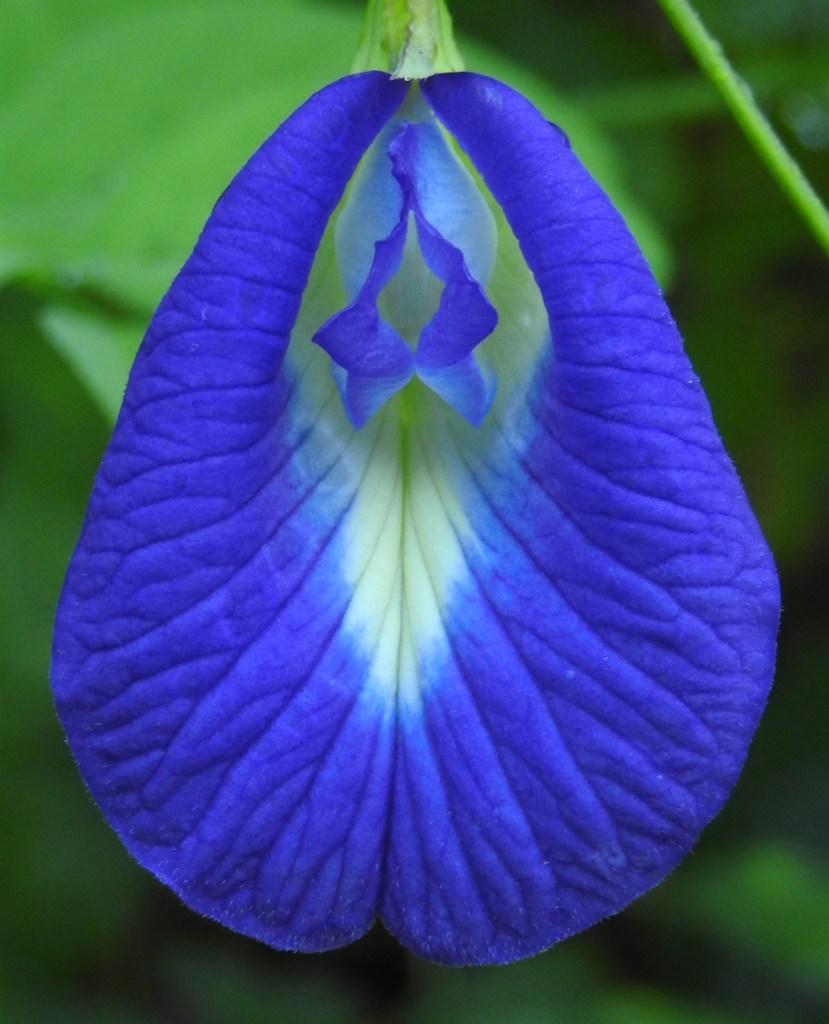
The plant genus name Clitoria comes from the Neo-Latin (1) word clitoris, named because the distinctive shape and prominent petals of the blossoms resemble human female external genitalia (and much like Testicula bifora there will be no comparison pictures) (1). The specific name ternatea refers directly to the Indonesian island of Ternate in the Maluku Islands, where the specimen originated.
- Neo-Latin is the style of written Latin used in original literary, scientific, and scholarly works from the Renaissance humanist movement onward (14th to 16th Centuries)
- Bifora. Another Cilantro Substitute?
1678: Polish naturalist Jakób Breyne first referenced the plant as Flos clitoridis ternatensibus (Ternatean (1) flower of the clitoris).
- The Sultanate of Ternate, previously known as the Kingdom of Gapi,[ is one of the oldest Muslim kingdoms in Indonesia besides the sultanates of Tidore, Jailolo, and Bacan. The Ternate kingdom was established by Momole Cico, the first leader of Ternate, with the title Baab Mashur Malamo, traditionally in 1257. It reached its Golden Age during the reign of Sultan Baabullah (1570–1583) and encompassed most of the eastern part of Indonesia and a part of southern Philippines. Ternate was a major producer of cloves and a regional power from the 15th to 17th centuries. The dynasty founded by Cico continues to the present, as does the Sultanate itself, although it no longer holds any political power
18th Century: Swedish botanist Carl Linnaeus formally adopted Clitoria as the official genus name under binomial nomenclature.
19th Century: Several prominent botanists criticized the explicit name and proposed alternatives like Vexillaria, but the original name remained valid
You might not be able to make matlaloctli but you could try this
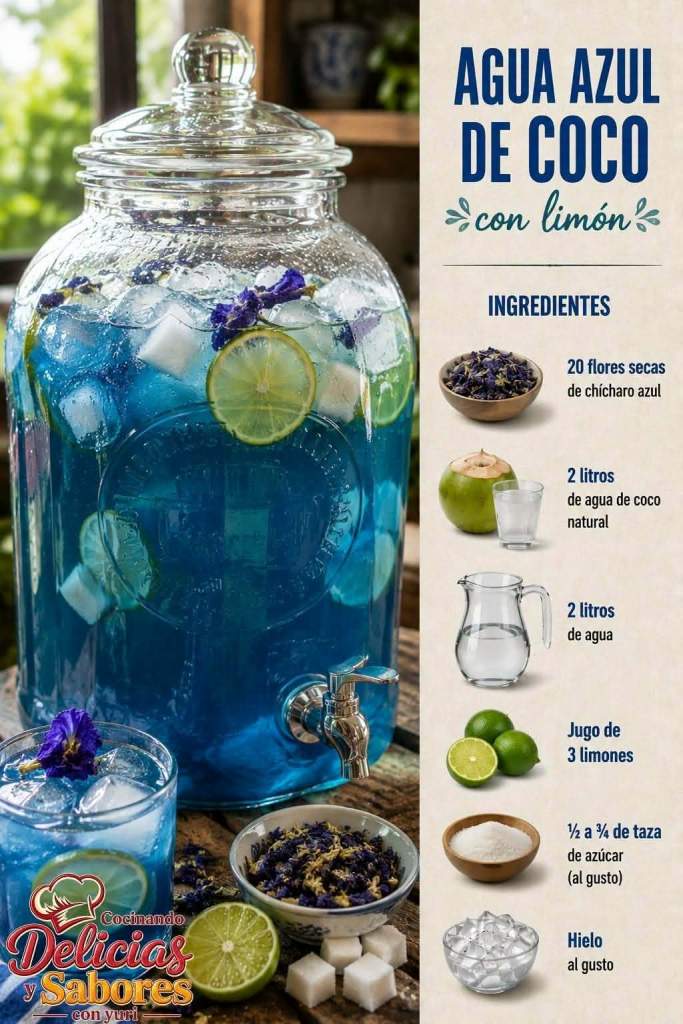
Blue Coconut Water
Ingredients
- 20 dried blue pea flowers
- 2 litres of natural coconut water
- 2 litres of water
- Juice of 3 lemons
- ½ to ¾ cup of sugar, to taste
- Ice, (as needed)
Method
- Boil 1 litre of water (1000ml = 33.81floz) and add the dried blue pea flowers. Let it steep for 5–10 minutes until it turns a deep blue colour. Strain and let it cool.
- In a large pitcher or glass jar, add the cooled infusion, the 2 litres of coconut water, and the remaining litre of water.
- Add the sugar and mix well until dissolved.
- Add the juice of the 3 lemons and mix. The lemon may slightly change the blue to a deeper violet/blue hue.
- Add ice to taste, mix gently, and serve chilled.
TIP
For a more intense blue colour, prepare the infusion with a few more flowers and avoid boiling them for too long.
References
- Álvarez-Ríos, Gonzalo & Casas, Alejandro & Pérez-Volkow, Lucía & Figueredo-Urbina, Carmen & Páramo, Juan De Dios & Vallejo, Mariana. (2022). Pulque and pulquerías of Mexico City: a traditional fermented beverage and spaces of biocultural conservation. Journal of Ethnic Foods. 9. 1-11. 10.1186/s42779-022-00155-2
- Basurto Peña F., García Rivas I., Carrión Santos L., Orozco Almanza MS 2023. Uso actual de las plantas del Libellus de Medicinalibus Indorum Herbis o Códice de la Cruz-Badiano en México (Current use of plants from the Libellus de Medicinalibus Indorum Herbis or Códice de la Cruz-Badiano in Mexico). Anales del Jardín Botánico de Madrid 80: e135. https://doi.org/10.3989/ajbm.548
- Bhardwaj G, Vakani M, Srivastava A, Patel D, Pappachan A, Murumkar P, Shah H, Shah R, Gupta S. Swertisin, a novel SGLT2 inhibitor, with improved glucose homeostasis for effective diabetes therapy. Arch Biochem Biophys. 2021 Oct 15;710:108995. doi: 10.1016/j.abb.2021.108995. Epub 2021 Jul 18. PMID: 34289381
- Brylak A. Blue Waters and Yellow Waters in Nahua Thought: A Metaphor of Tenochca Identity and Toltec Legitimacy. Latin American Antiquity. Published online 2026:1-15. doi:10.1017/laq.2025.10123
- Bye, R. and Linares, E. (2013). Cruz-Badiano Codex: Pre-Hispanic Medicine. Mexican Archaeology, Part One, 50, 7-91
- Caporali S, De Stefano A, Calabrese C, Giovannelli A, Pieri M, Savini I, Tesauro M, Bernardini S, Minieri M, Terrinoni A. Anti-Inflammatory and Active Biological Properties of the Plant-Derived Bioactive Compounds Luteolin and Luteolin 7-Glucoside. Nutrients. 2022 Mar 9;14(6):1155. doi: 10.3390/nu14061155. PMID: 35334812; PMCID: PMC8949538.
- Castello Yturbide, Teresa (1996) “Las huellas de una flor. El pulque azul” Revisa arqueologica Mexicana
- Dagne, Abebe & Yihunie, Wubetu & Nibret, Getinet & Tegegne, Bantayehu. (2024). The Genus Commelina: Focus on Distribution, Morphology, Traditional Medicinal Uses, Phytochemistry, and Ethno-pharmacological Activities: An Updated Literature Review. Heliyon. 10. e30945. 10.1016/j.heliyon.2024.e30945.
- Dalma, J. (2020). Pre-Hispanic Ophthalmology. Latin American Journal of Clinical Sciences and Medical Technology. May 2:49-56. https://doi.org/10.34141/LJCS1364000 – https://www.lajclinsci.com/vD-7-7
- Dehouve, Danièle. (2003) .Nombrar los colores en náhuatl (siglos XVIXX). In El color en el arte Mexicano ,edited by Georges Roque, pp. 51–95. IIE-UNAM, Mexico City.
- Dupe y García, Élodie. (2010). Les couleurs dans les pratiques et les representations des nahuas du Mexique central .PhD dissertation, École Pratique des Hautes Etudes, Université Paris, Paris
- Espejo-Serna, A., López-Ferrari, A.R., and Ceja-Romero, J. (2009). Commelinaceae. Flora of the Bajío and Adjacent Regions. Fascicle 162. Metropolitan Herbarium. Metropolitan Autonomous University Iztapalapa. Department of Biology. https://libros.inecol.mx/index.php/FB/index
- Espinoza, F. and Sarukhán, J. (1997). Manual of Weeds of the Valley of Mexico. Keys, Descriptions, and Illustrations. National Autonomous University of Mexico, Fondo de Cultura Económica.
- Falcon, Tatiana. (2019). The Study of Color in the Colombino Codex:: An Experimental Approach. 10.2307/j.ctvgs09xv.14.
- Gates, William (Bill) : The de la Cruz-Badiano Aztec Herbal of 1552 (also known by its Latin title, Libellus de medicinalibus Indorum herbis) Maya Society (1939, Baltimore); Dover Publications (2000, Mineola, N.Y.)
- Gómez-Pliego, Raquel & Espinosa, Judith & Temis-Cortina, Jair. (2025). Pulque: More than an Alcoholic Beverage -History, Native Microbiota, Fermentation Process and Its Potential Health Benefits. 10.5772/intechopen.1013536.
- Guirola, Cristina (2010) Tintes naturales su uso en Mesoamerica desde la epoca prehispanica : Asociacion FLAAR Mesoamerica : Marzo 2010
- Lam KY, Ling AP, Koh RY, Wong YP, Say YH. A Review on Medicinal Properties of Orientin. Adv Pharmacol Sci. 2016;2016:4104595. doi: 10.1155/2016/4104595. Epub 2016 May 19. PMID: 27298620; PMCID: PMC4889806.
- Marcano, D. (2018). Introducción a la Química de los Colorantes. Colección Divulgación Científica y Tecnológica. Academia de Ciencias Físicas, Matemáticas y Naturales
- Martínez, M. (1979). Catalog of common and scientific names of Mexican plants. Fondo de Cultura Económica.
- Raza Ishaq, A., A. S. El-Nashar, H., M. Al-Qaaneh, A., Asfandyar, Bashir, A., & Younis, T. (2025). Orientin: a natural glycoside with versatile pharmacological activities. Natural Product Research, 39(24), 7180–7202. https://doi.org/10.1080/14786419.2024.2436119
- Roquero, A. (2006). Tintes y tintoreros de América. Catálogo de materias primas y registro etnográfico de México, Centro América, Andes Centrales y Selva Amazónica. Ministerio de Cultura, Secretaría General Técnica
- Roquero, A. (2006). Dyes and dyers of America. Catalog of raw materials and ethnographic record of Mexico, Central America, Central Andes, and the Amazon Rainforest. Ministry of Culture, General Technical Secretariat.
- Salehi B, Sharifi-Rad J, Cappellini F, Reiner Ž, Zorzan D, Imran M, Sener B, Kilic M, El-Shazly M, Fahmy NM, Al-Sayed E, Martorell M, Tonelli C, Petroni K, Docea AO, Calina D, Maroyi A. The Therapeutic Potential of Anthocyanins: Current Approaches Based on Their Molecular Mechanism of Action. Front Pharmacol. 2020 Aug 26;11:1300. doi: 10.3389/fphar.2020.01300. PMID: 32982731; PMCID: PMC7479177.
- Shibano M, Kakutani K, Taniguchi M, Yasuda M, Baba K. Antioxidant constituents in the dayflower (Commelina communis L.) and their alpha-glucosidase-inhibitory activity. J Nat Med. 2008 Jul;62(3):349-53. doi: 10.1007/s11418-008-0244-1. Epub 2008 Apr 15. PMID: 18409066.
- Snijders, L. (2016, October 25). The Mesoamerican codex re-entangled : production, use, and re-use of precolonial documents. Archaeological Studies Leiden University. Leiden University Press. Retrieved from https://hdl.handle.net/1887/43705
- Song B, Niu W, Sun H, Hao M, Xie R, Lv J, Tong C, Jin C. Isoquercitrin: From natural source to clinical candidate – Synthesis, pharmacology, and metabolic safety. Fitoterapia. 2025 Sep;185:106766. doi: 10.1016/j.fitote.2025.106766. Epub 2025 Jul 28. PMID: 40738454
- Ullah A, Munir S, Badshah SL, Khan N, Ghani L, Poulson BG, Emwas AH, Jaremko M. Important Flavonoids and Their Role as a Therapeutic Agent. Molecules. 2020 Nov 11;25(22):5243. doi: 10.3390/molecules25225243. PMID: 33187049; PMCID: PMC7697716.
- Valdés J., Flores H. & Ochoterena H. 1992. Botany in the Codex de la Cruz. In Kumate J., Pineda M., Viesca C., Sanfilippo J., de la Peña I., Valdés J., Flores H., Ochoterena H. & Lozoya J. Current studies on the Libellus de Medicinalibus Indorum Herbis 129-180. Ministry of Health, Mexico City
- Yan W, Cheng J, Xu B. Dietary Flavonoids Vitexin and Isovitexin: New Insights into Their Functional Roles in Human Health and Disease Prevention. Int J Mol Sci. 2025 Jul 21;26(14):6997. doi: 10.3390/ijms26146997. PMID: 40725244; PMCID: PMC12296012.
- Yang, Q. Ye, G. y Zhao, W. (2007). Chemical Constituents of Commelina communis Linn. Biochemical Systematics and Ecology, 35, 621-623. https://www.researchgate.net/publication/247039290_Chemical_Constituents_of_Commelina_communis_Linn
- Zavala R., M A., Perez S., perez C., Perez R.M., Vargas Antidiarrhoeal activity of Waltheria americana, Commelina coelestis and Alternanthera repens. J. Ethnopharmacol. 1998;61:41–47. doi: 10.1016/s0378-8741(98)00014-2
Websites
- Cocinando Delicias y Sabores Con Yuri’s Post – https://www.facebook.com/story.php?story_fbid=1071723298937695&id=100083001048862&post_id=100083001048862_1071723298937695&rdid=E9KMU5hdbQVNv7Q0#
- Commelina coelestis Willd. Hierba de pollo – http://www.conabio.gob.mx/malezasdemexico/commelinaceae/commelina-coelestis/fichas/ficha.htm
- Digital Florentine Codex/Códice Florentino Digital, edited by Kim N. Richter, Alicia Maria Houtrouw, Kevin Terraciano, Jeanette Peterson, Diana Magaloni, and Lisa Sousa, bk. 2, fol. 88v. Los Angeles: Getty Research Institute, 2023. https://florentinecodex.getty.edu/en/book/2/folio/88v . Accessed 1 September
- Hierba del pollo – https://www.loscoloresdelatierramexico.com/copia-de-dalia
- Hierba del pollo : Nombre científico: Commelina tuberosa : Galería Herbolaria de México y el Mundo. Dr. Mario Rojas Alba – https://tlahui.com/herbolaria/xihuitl_completo.php?fotoplanta=Hierba%20del%20pollo
- Litmus (litmosi) (Image) – ONP: Dictionary of Old Norse Prose – https://onp.ku.dk/onp/onp.php?c408777
- Los colores de la tierra – https://www.loscoloresdelatierramexico.com/
- matlaloctli (blue pulque) and mâcuîloctli (quintuple pulque?) https://gdn.iib.unam.mx/diccionario/matlaloctli
- matlalxochitl. : https://nahuatl.wired-humanities.org/content/matlalxochitl
- Matlalxóchitl, hija del agua : Teresa Castelló Yturbide : https://arqueologiamexicana.mx/mexico-antiguo/matlalxochitl-hija-del-agua
- Mordanting : Farm & Folk Natural Dye Tutorials – https://www.farmandfolk.com/blog/2020/7/5/natural-dye-series-post-2-mordanting-cellulose-fabrics
- Plant Resources of South-East Asia : Commelina (PROSEA Medicinal plants) : https://plantuse.plantnet.org/en/Commelina_(PROSEA_Medicinal_plants)
- Pulquipedia – https://www.facebook.com/Pulquipedia/photos/a.276904239041634/645162708882450/?locale=es_LA
- Tetzcoco Prehispánico – https://www.facebook.com/100057679561777/photos/matlalxochitl-flor-texcocanaimagen-a-foto-tomada-en-el-cerro-de-tetzcotzinco-200/812474932294753/
- The Free Library – Yerba del Coyote, veneno del perro: la evidencia lexica para identificar plantas en el Codice de la Cruz Badiano. https://www.thefreelibrary.com/Yerba+del+Coyote%2C+veneno+del+perro%3A+la+evidencia+lexica+para…-a0298411179
- Zacamatlalin : Biodiversidad del Cerro de Xochitepec, Xochimilco-Tlalpan : https://www.facebook.com/biodiversidadxochitepec2021/posts/pfbid02VX3tXgteFDnz34BEy6a9PpNMuU2TLRL7cyNfZuYzgBYzsY4CknqpFspUJZ4o85W3l
Images
- Alzate y Ramírez, José Antonio de, 1737-1799. Por https://wellcomeimages.org/indexplus/image/V0000142.htmlWellcome Collection gallery (2018-03-30): https://wellcomecollection.org/works/tmr9fajv CC-BY-4.0, CC BY 2.0, https://commons.wikimedia.org/w/index.php?curid=31229354
- Clitoria ternata (image) – https://levypreserve.org/plant-listings/clitoria-ternatea/
- Clitoria ternata vines (image) – https://alliancebioversityciat.org/stories/clitoria-ternatea-little-blue-jewel-fodder-crops
- Commelina benghalensis L. – (Photo: Sheldon Navie) – https://keyserver.lucidcentral.org/weeds/data/media/Html/commelina_benghalensis.htm
- Commelina communis – https://www.illinoiswildflowers.info/weeds/plants/asia_dayflower.htm
- Commelina diffusa – Paten Park Native Nursery – https://ppnn.org.au/plant-info/commelina-diffusa/
- Commelina erecta L – https://www.gardenia.net/plant/commelina-erecta
- Commelina nudiflora L – 竹節草 Commelina nudiflora -香港濕地公園 Hong Kong Wetland Park- (9200926276) – https://commons.wikimedia.org/wiki/File:%E7%AB%B9%E7%AF%80%E8%8D%89_Commelina_nudiflora_-%E9%A6%99%E6%B8%AF%E6%BF%95%E5%9C%B0%E5%85%AC%E5%9C%92_Hong_Kong_Wetland_Park-_%289200926276%29.jpg
- Fray Alonso de Molina – Hisn-ashar, CC BY-SA 4.0 https://creativecommons.org/licenses/by-sa/4.0, via Wikimedia Commons
- Jesusito Empanalado – Sara Pineda Colores – https://www.facebook.com/photo?fbid=997156849761536&set=pcb.1486043602991073
- matlalxochitl. In the de la Cruz-Badiano codex : Reproduced with permission from Instituto Nacional de Antropología e Historia: CONACULTA-INAH-MEX)


