
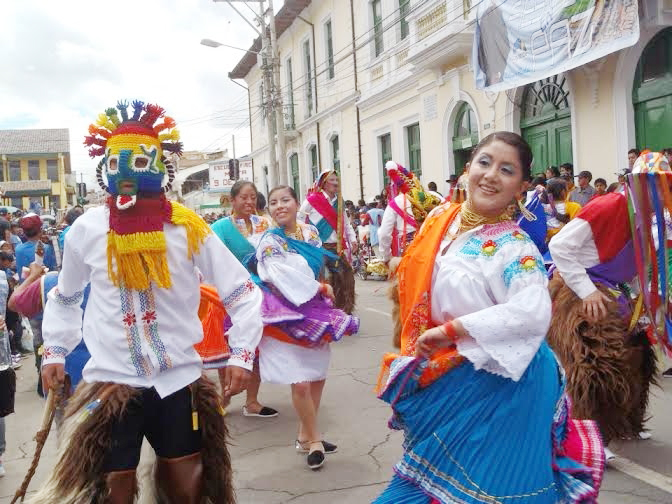
Cover Image via El Universo 2014
I have been in my new residence for nearly five years now and I am still yet to unpack every box transferred in the move. During an exploration of some of these boxes last week (I was looking for a particular book) I rediscovered a mask that I had long forgotten about. I found it, like most of my other “treasures” in a second hand store years ago and had picked it up for only a few dollars. Initially I had thought it to be African in design. It had been packed away and forgotten. Now that I had Google Image Search at hand (yes I’ve had the mask for a long time) I decided to see what I could find out.
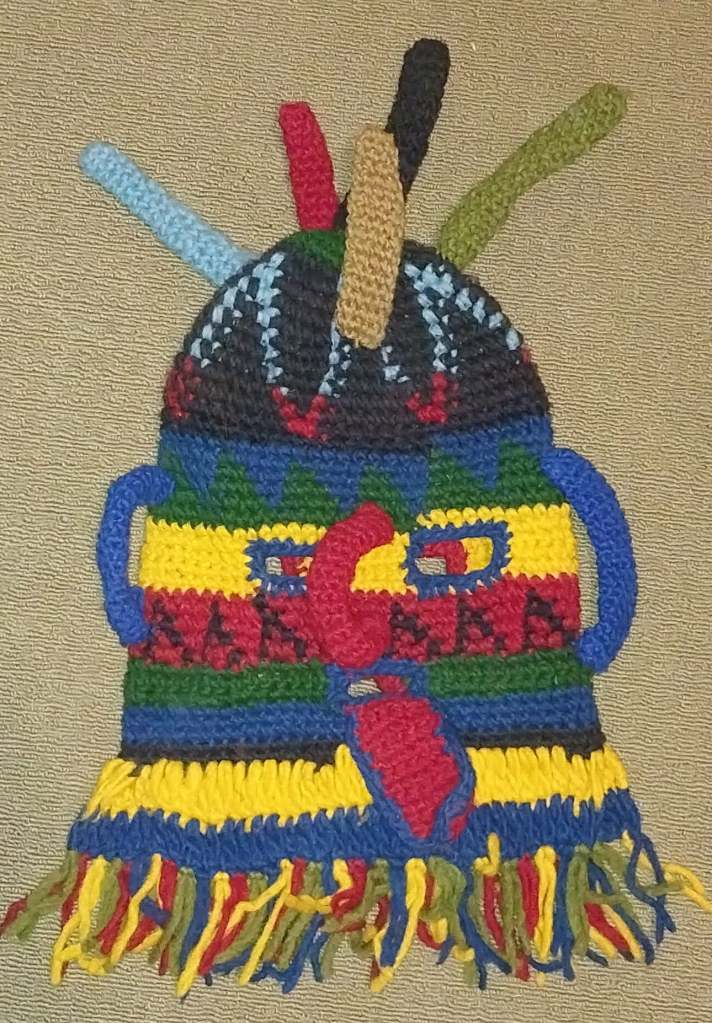
Front (?) and Back (?) of mask (There’ll be no sneaking up on me)
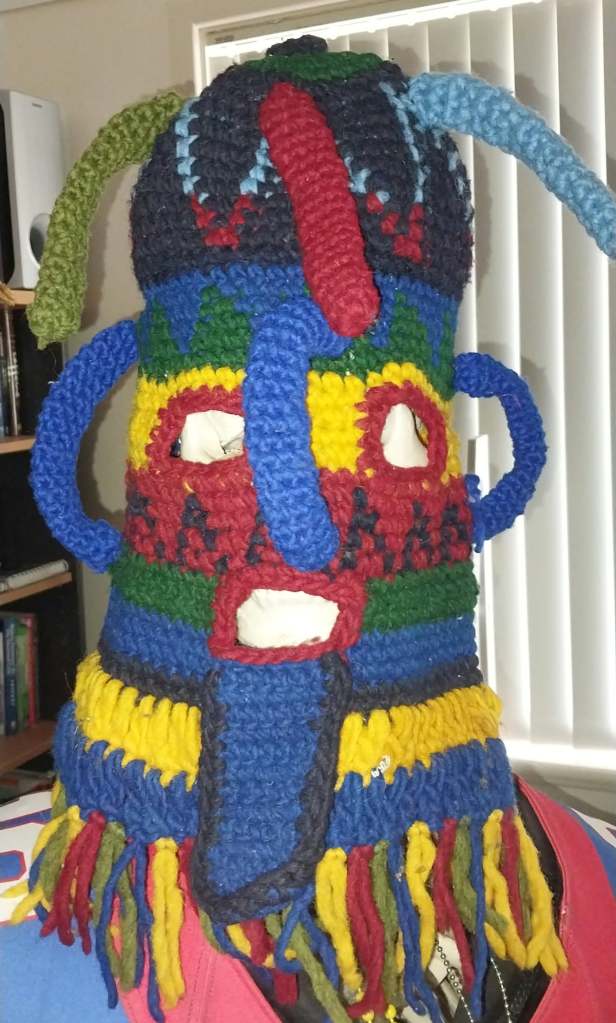
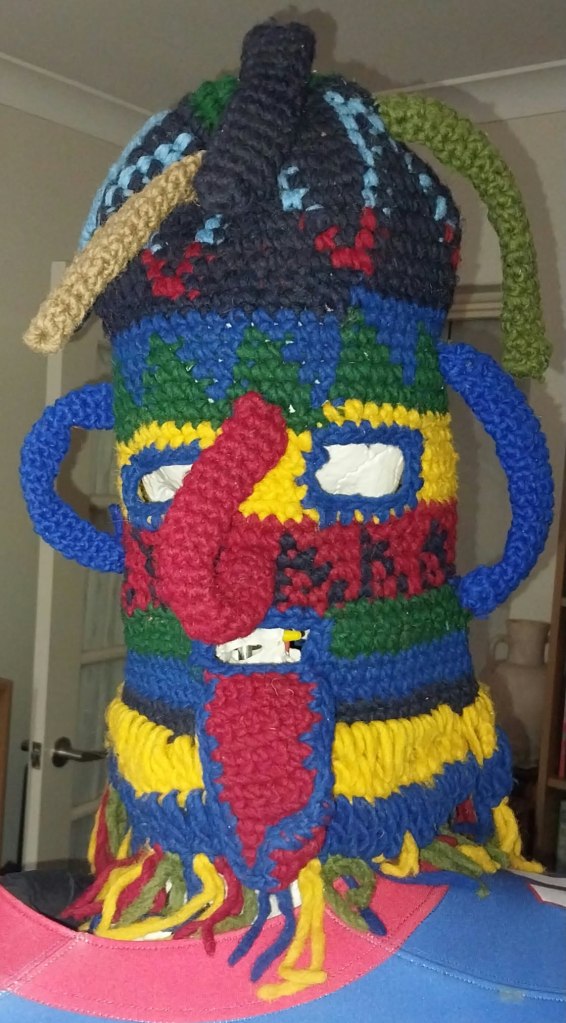
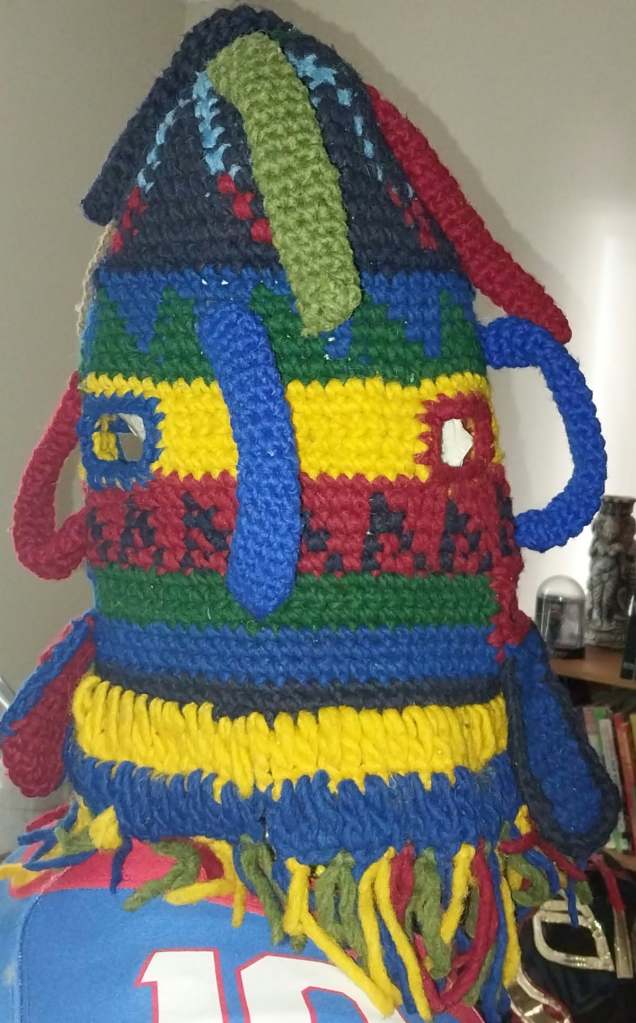
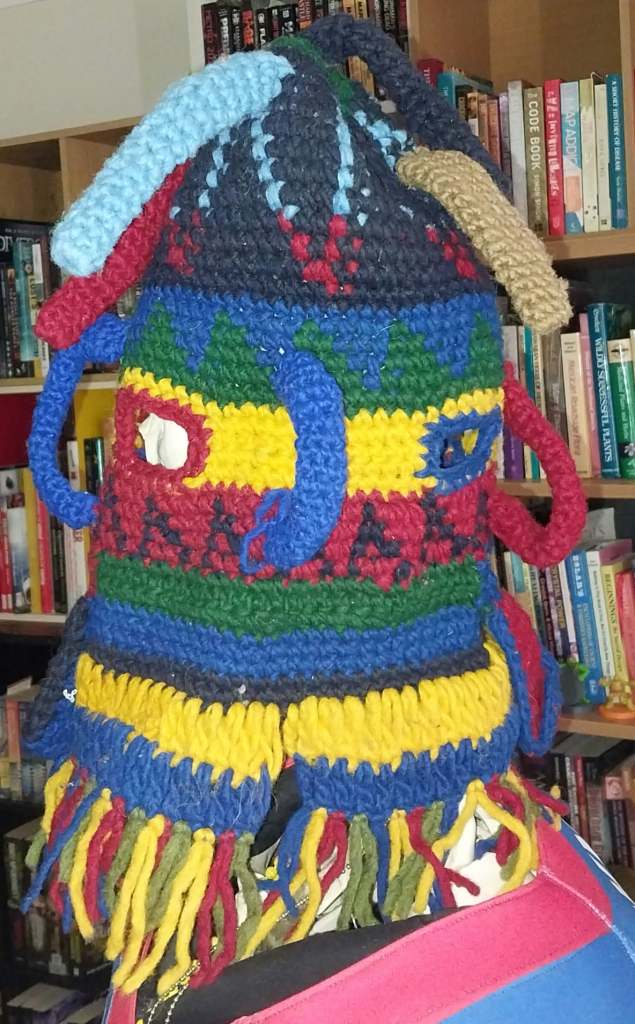
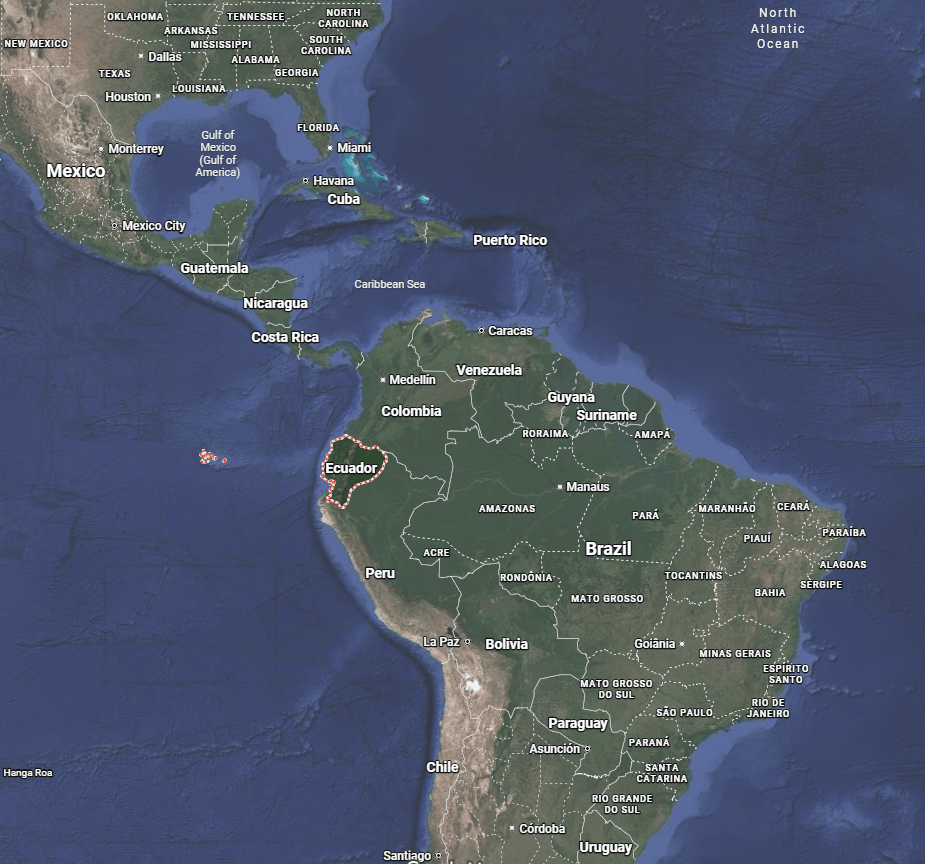
To my surprise, and a pleasant one at that, I discovered the mask to be American in nature.
To reiterate
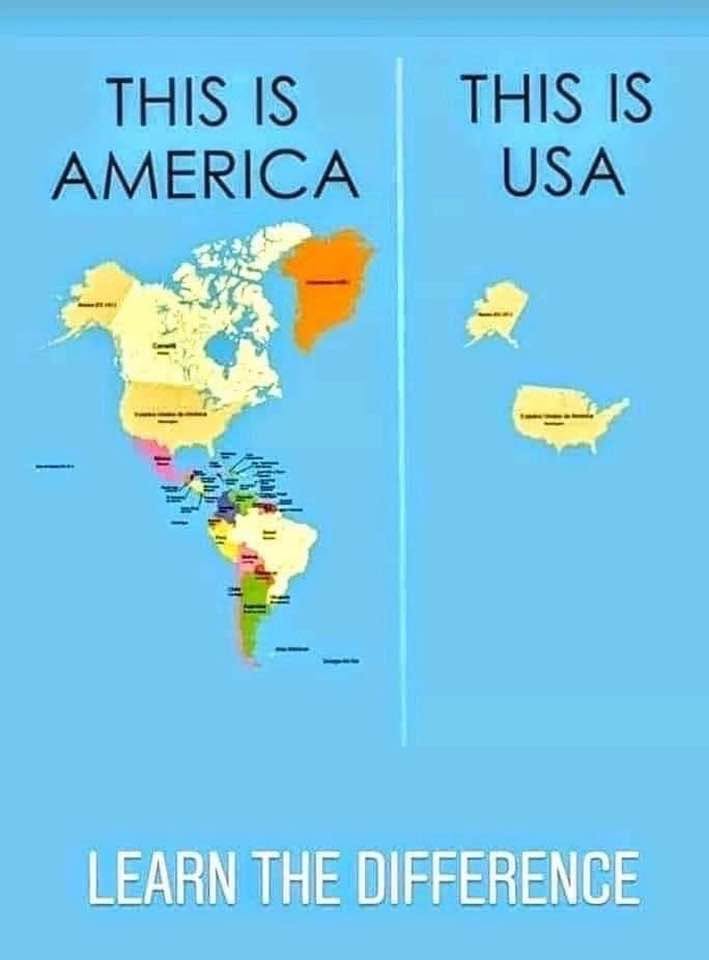
I was also given an identity. Aya Huma.
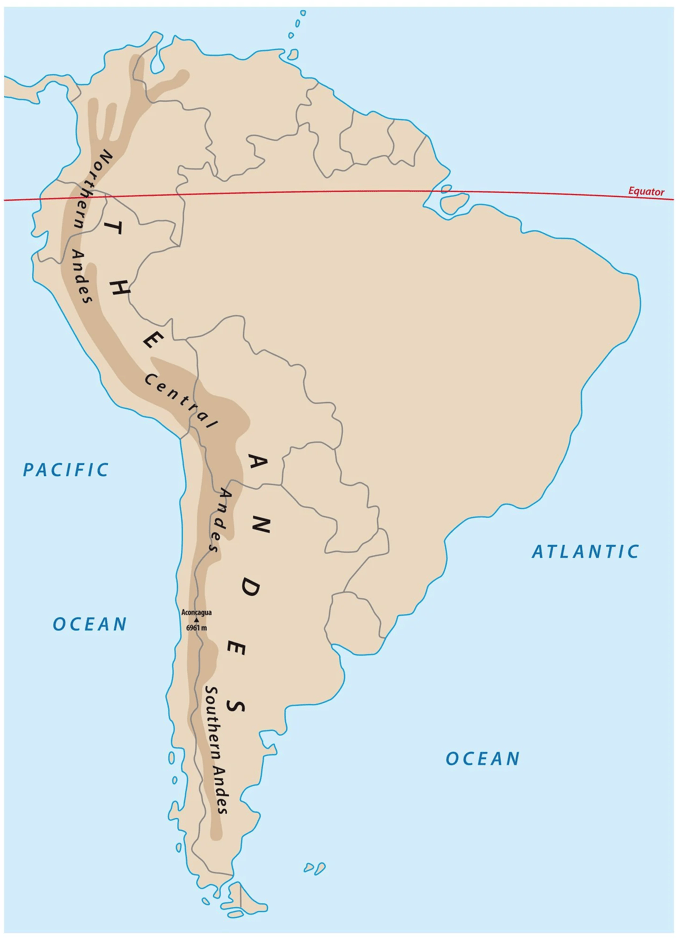
The Aya Huma mask, also known as Diablo Huma, is a traditional, double-faced ceremonial headpiece from the Kichwa indigenous culture of the Ecuadorian Andes. “Aya Huma” translates to “spirit head” (1) in Kichwa (2), and represents a powerful community leader, warrior, and protector spirit
- (aya = spirit/energy, uma = head)
- Kichwa is an official language in Ecuador. It belongs to the Quechuan language family. Quechua is a large family of indigenous languages spoken across the Andes in Peru, Bolivia, Ecuador, and Chile. Kichwa (also spelled Quichua) is the specific name for the varieties of Quechua spoken mainly in Ecuador and parts of Colombia. Locals often call it Mishki Shimi, which translates to “sweet tongue” (or sweet language) because of its gentle and polite tone
Duality of Life
The mask features two faces—one looking forward and one looking backward—symbolizing life’s dualities like day and night, good and evil, and past and future. The double face also ensures the wearer cannot be surprised by evil spirits from behind.
The name Diablo Huma (“devil head”) was said to be given later by Spanish colonial missionaries who misunderstood the indigenous celebrations.
The Australia Ecuador Friendship Association helps clear this up a little
He is not a “devil”; he is a spiritual figure representing the powerful side of the Universe (Pacha). He is responsible for maintaining the order of the Universe. He dances with strong, energetic movements. He is both a warrior and a dancer. His mask has two sides: he can look both forward and backward. He reminds people to be strong, honest, and joyful.
Or is it the “Devil”?
Costales (et al 1996) notes that in the Caranqui (1) language Diablo Huma is known as K-Ay which means “spirit of the water” and refers to two concepts:
- the vital energy principle
- and that of an initiated person.
Its origin lies in Caranqui mythology, which narrates an initiatory journey. Colloquially in Ecuador, it is described as a being who has bathed for three days in a waterfall to make a pact with the devil and acquire his power and skill in combat for the encounters they must have. To avoid referring to the “devil” in the word, it is often called aya huma, which means head of spirit. However, this would change its original meaning, which links it to Cañari (2) mythology, and the initiation rites related to the Catequil cult (3), from which it originates.
- The Caranquis, also known as Caras or Imbayas, is the name given to an ancient culture that inhabited the northern highlands of present-day Ecuador. Studies (Bray 1992) (Ugalde & Narváez 2017) show that this culture encompassed the southern part of Carchi province, the entirety of Imbabura province, and all of northern Pichincha province, including the present-day towns of Cayambe and Tabacundo
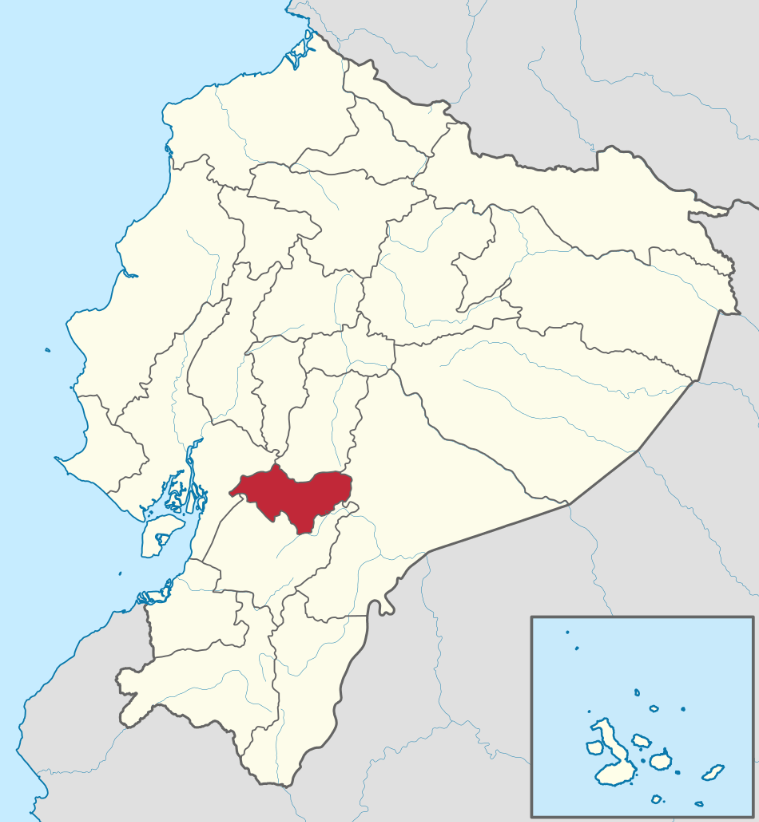
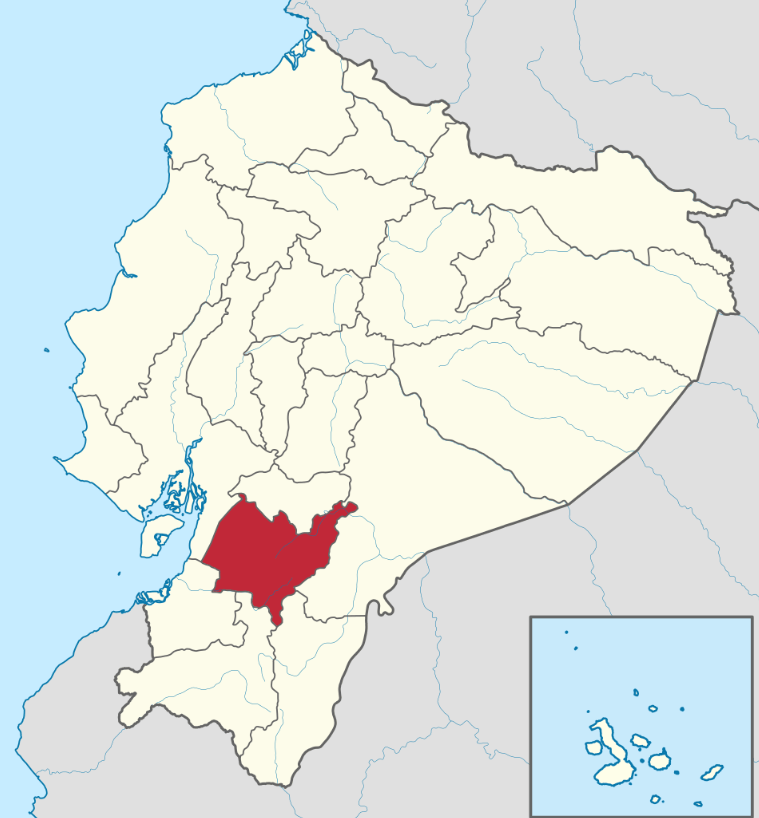
- The Cañari (in Kichwa: Kañari) are an indigenous ethnic group traditionally inhabiting the territory of the modern provinces of Azuay and Cañar in Ecuador. They are descended from the independent pre-Columbian tribal confederation of the same name. The historic people are particularly noted for their resistance against the Inca Empire.
- Catequil (also known as Jatiquillá, Catequilla, Cataquillay, Apocatequil, Apu Catequil) is an aquatic god who cares for the animals of the land. It was believed that he released them into the water at night when the moon was young, in order to impart courage and wealth to those who encountered them in a spiritual bath. For this reason, he was considered a deity associated with courage and fortune. During this ritual, an initiation rite was performed in which the initiate sought to acquire this courage and fortune to become the leader of the community.
Catequilla
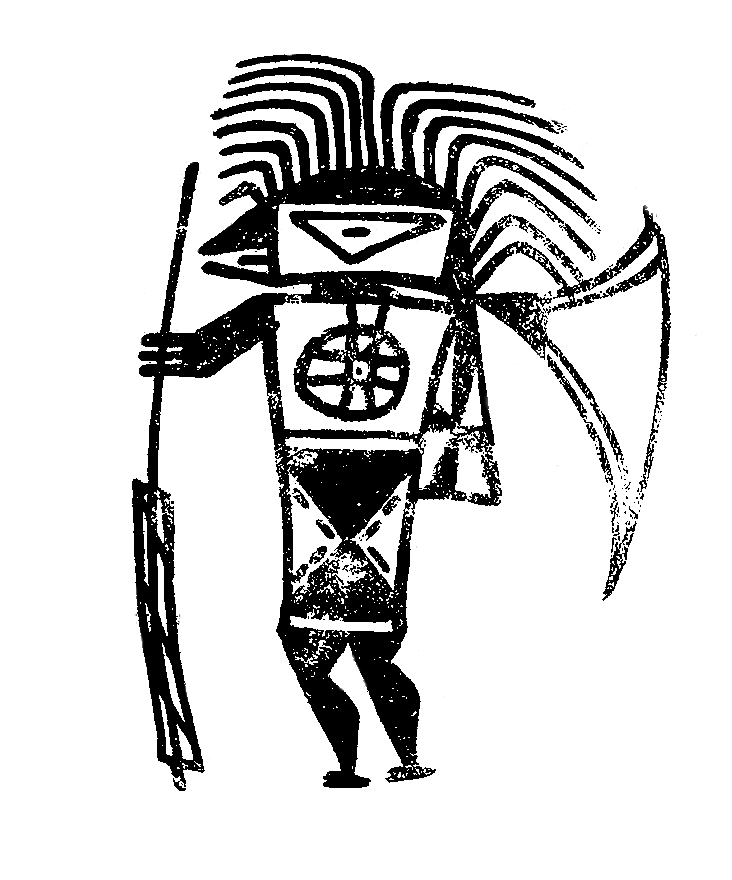
Catequil (the god of thunder and lightning) was dual-natured and strongly tied to both mountain peaks and sacred waters, the transition ceremonies for choosing shamans and community leaders involved distinct ritual practices. (Topic & Topic n.d.)
Shamanic initiates or leaders entering the cult were subjected to gruelling aquatic tests to prove their willpower and spiritual resilience. Initiates were submerged in freezing natural springs overnight. Historical documentation from early Augustinian missionaries notes that the primary way the deity “selected” his priests was by luring them into deep lakes or pools and subsequently half-drowning them. Surviving these near-death aquatic experiences served as a definitive sign that the initiate was chosen by the deity. (Topic, J. n.d.)
The Aya Huma mask is prominently worn during the annual Inti Raymi festival (1) on June 24 to celebrate agricultural fertility and thank Pachamama (3) for the harvest
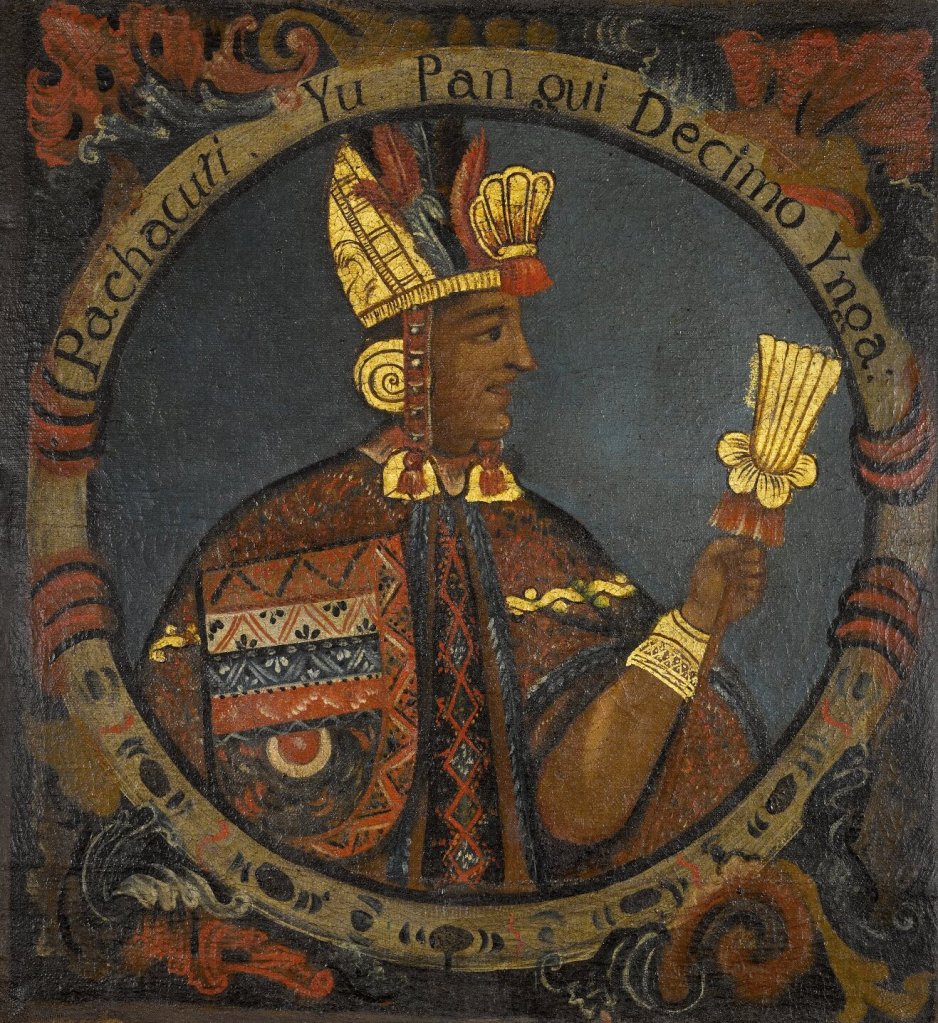
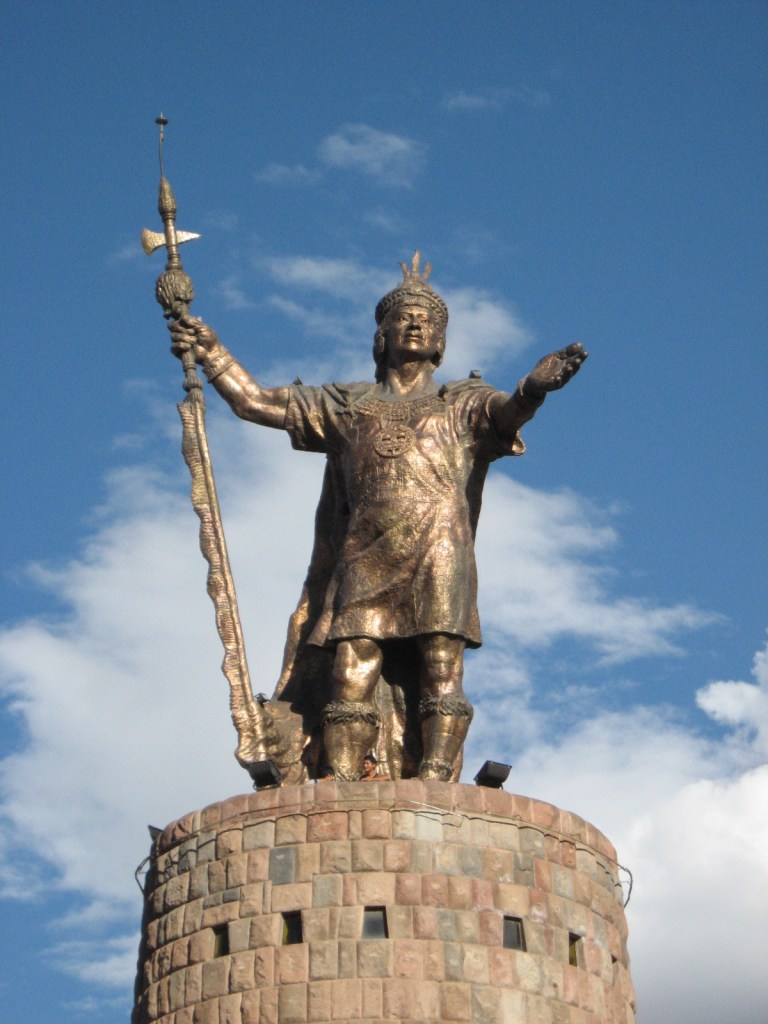
- Inti Raymi means “Festival of the Sun” in Quechua. It thanked the sun for life-giving energy and prayed for a good harvest. The Inca emperor Pachacutec (2) created it around 1430 AD. Spanish colonizers banned it in the 16th century, but people revived it as a theatrical re-enactment in 1944
- Pachacútec, also called Pachacuti Inca Yupanqui, was the ninth Sapa Inca (from Quechua: sapa inka; lit. ’the only emperor’) of the Chiefdom of Cusco, which he transformed into the Inca Empire (Tawantinsuyu).
- In various myths, Pachamama is described as the wife of Pachacámac and mother of Mama Quilla (the goddess of the moon) and Inti (the god of the sun). She is attributed with the role of mother of the world, from whom the material and spiritual sustenance of human beings comes (Manosalva y Guillermo 2018)
Pachacútec
Pachamama
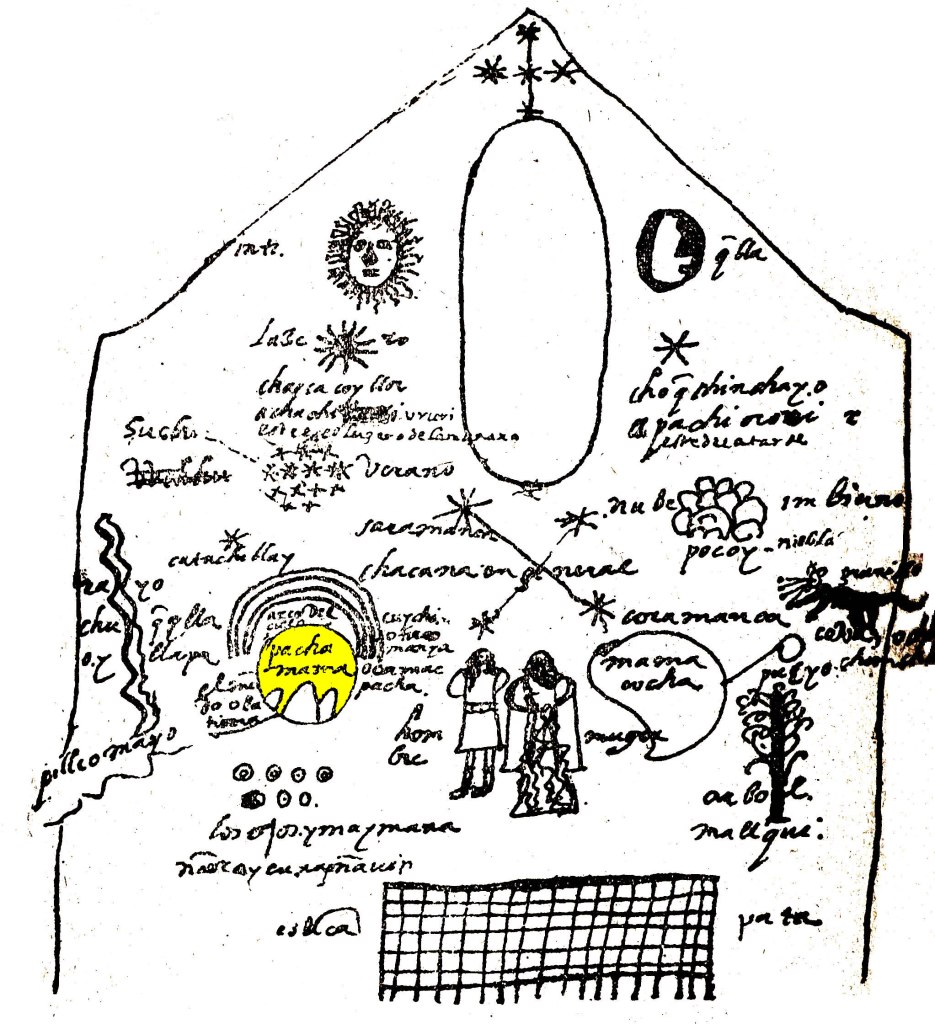
Pachamama or Mama Pacha is the Andean deity representing space-time) and is revered by the peoples of the Andes. In Inca mythology and religion, she is a “mother goddess” type deity, representing the universal energy that connects everything, linked to space, time, the universe, totality, life, fertility, and nature (Salazar 2023. She is considered an omnipresent deity with creative power, capable of sustaining life in the cosmos. Pachamama is an ancient and primordial goddess who does not need temples or specific places of worship, although she likes springs, simply because she is everywhere and at all times (Tapia 2020)
Solstitial Confusion
Drake (2017) notes “For people living along the equator, Inti Raymi is the day that shadows disappear even while standing in the full sun; in North America, we call it the Summer Solstice (1) and celebrate it as the longest day of the year. But for South Americans living along the Equator, the summer solstice is a day to thank the Pachamama or Madre Tierra, to celebrate the circular nature of life in the Andes where the sowing of fields or the harvesting of crops can take place year round rather than in a single season.”
- Solstice literally means “sun stands still”. The word originates from the Latin “solstitium”. Sol = “sun” : sistere = “to stand still,” “stop,” or “to cause to stand” = “the point at which the sun seems to stand still”. The Romans used solstitium because the sun’s path at noon reaches a northern or southern limit in the sky and appears to pause or “stand still” before reversing direction.
Ah, the insularity and confidence of the Estadounidense
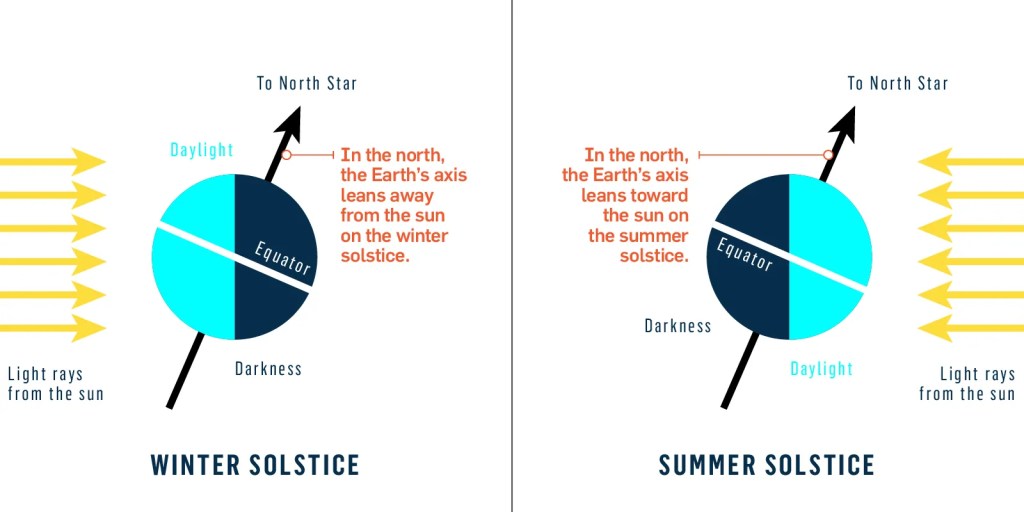
A solstice is an astronomical event when the Earth’s tilt places the Sun at its greatest distance north or south of the equator, creating the year’s longest and shortest days.
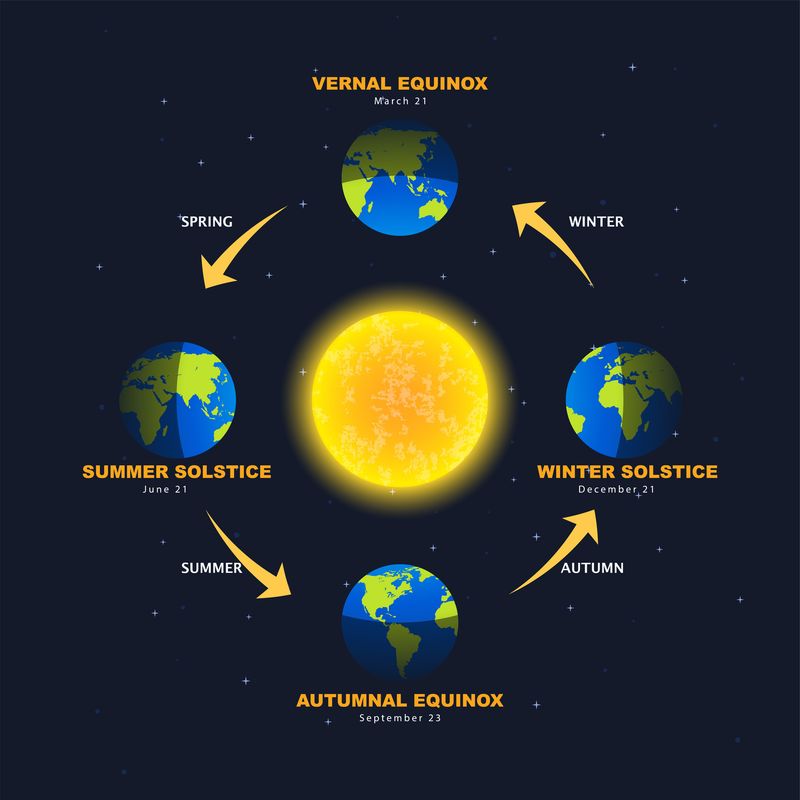
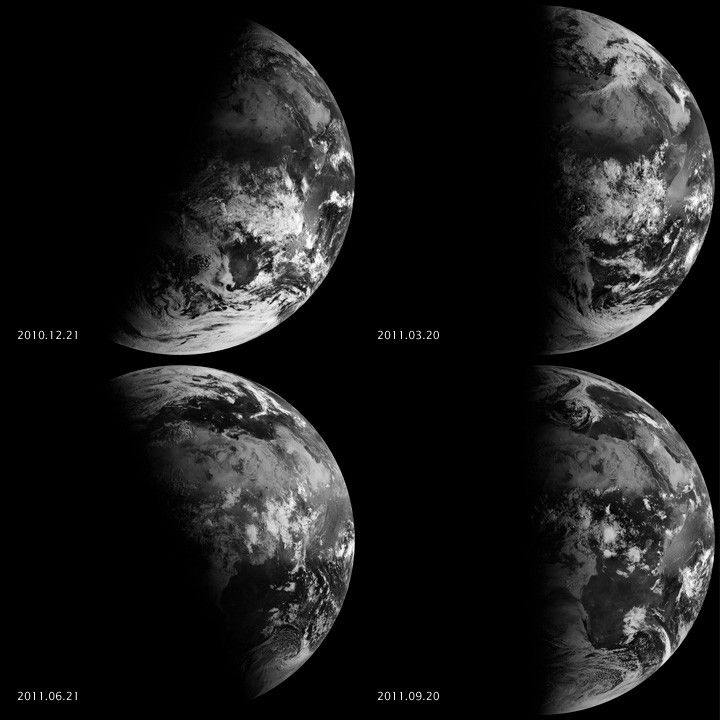
An equinox is defined as the time when the plane of Earth’s equator passes through the geometric centre of the Sun’s disk. The word is derived from the Latin aequinoctium, from aequa (equal) and nox (night). On the day of an equinox, daytime and nighttime are of approximately equal duration all over the planet.
Second Face, the Museum of Cultural Masks, helps clear this up this. “In Ecuador and Peru, the winter solstice is sometimes still celebrated by honouring the Incan sun god, Inti. Some mistakenly consider this a summer solstice ceremony, apparently forgetting that, except in Colombia and the northern tip of Ecuador, the Andes are south of the Equator.”
Inti Raymi takes place annually on June 24 and recreates the Incan ceremonies of the period.
Among the regalia worn during the celebration is the Aya Huma mask and suit, sometimes known as Diablo Umo. The Aya Huma carries a whip to drive away evil spirits during the ceremony (1). His mask is double-sided so that he cannot be surprised by evil spirits from behind. The rather symmetrical ears and noses represent the four cardinal points. Although traditionally representing a protector spirit, Catholic zealots among the colonizers branded the masquerader satanic, whence comes the name Diablo Umo (Devil Head).
- The Aya Huma carries a whip, called an acial, to drive away evil spirits, clear negative energy, and maintain cosmic and communal order during these celebrations. The mask wearing dancer uses the whip during their energetic circular dances to ward off bad spirits and cleanse negative energies for the coming year. During these large communal gatherings or dances, the Aya Huma uses the whip to disperse overly crowded areas or correct anyone who misbehaves.
The Symbolism of Aya Huma
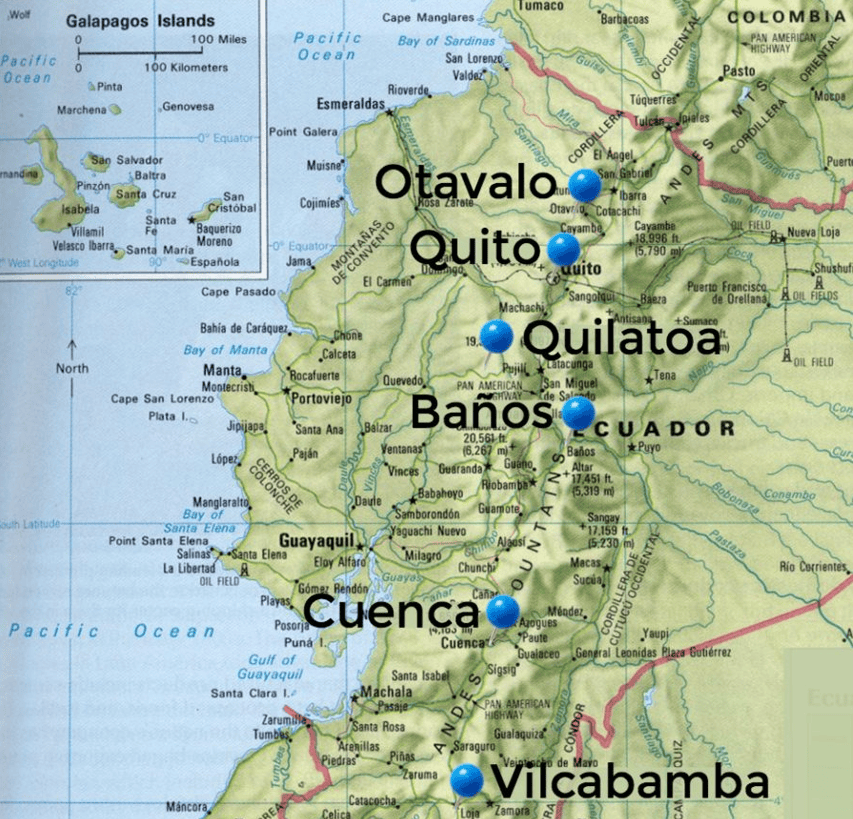
In 2013 Elizabeth Brasfield (and her daughter) whilst on a trip to Ecuador stayed at the Hostal Aya Huma in Peguche (located just outside of Otavalo) (1). At the hostel they encountered some information on the Aya Huma masks which I have reproduced here. Check out their adventure on Elizabeths Blog (Link in References)
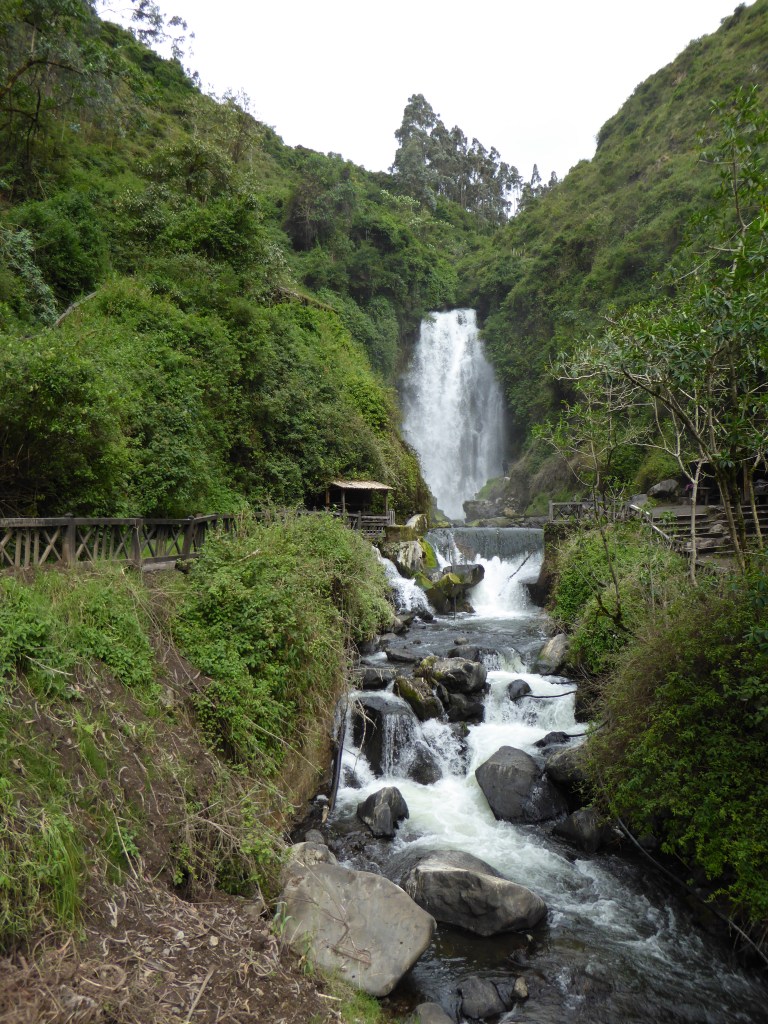
- Also the location of the Cascada de peguche (Peguche waterfall) an 18-meter sacred waterfall in a protected eucalyptus forest. The waterfall is a deeply spiritual Kichwa ceremonial site where traditional purification baths and dances take place, especially ahead of the annual Inti Raymi
- The Mask – The two faces are symbolic of the past and the future, good and bad, day and night and opposites in life. By counting the “hair” of the masks made from tubular strips of material, it is possible to determine whether it is feminine or masculine; twelve hairs for a feminine mask and ten hairs for a masculine mask. The rainbow colors represent the months of the year as well as wisdom.
- Two Ears and Two Noses – They represent the four cardinal points.
- The Tongues – This means that oral communication is used.
- A Whip – This shows AYA HUMA’s eagerness to protect the people and drive away the evil spirits.
Socially and culturally Aya Huma is a mystical and popular character that doesn’t get tired, remains resolute and demonstrates courage in an impish way; leading and enlivening the main ceremonies, festivals, rituals and dances of their people.
During the festival of Inti Raimy (festival of the sun) Aya Huma plays a vital part in the ceremonies in giving thanks to the sun god (Inti Raymi) for the maize harvest. The Inti Raimy (sic) festival commences on 22 June with a ritual bath in waterfalls, rivers and springs at midnight, with the aim of driving out the negative energies and receiving new energy for the coming year.
Copied in full from printed information at Hostal Aya Huma, Peguche, Ecuador, August 12, 2013
David Sasaki adds another string to the bow that is the legend of the Aya Huma.
“Dancing is another important part of the Aya Huma’s identity. The dance of this spirit is vigorous. According to legend, a widowed man began to fall asleep when he heard the clamor of dancing in his courtyard. The dancers made the floor shake and the sound of flutes seemed to come from everywhere. The man saw that the dancers had two faces with messy hair, big ears and big noses. They were there just a few minutes, and as quickly as they arrived, they disappeared. The man was so impressed by what he saw that he decided to dress and act like them. People said he never tired from dancing for days and nights. One day, he disappeared from the community. The elders say he was taken by the Ayas whom he tried so hard to imitate.“
Arte Urbano : Street Art
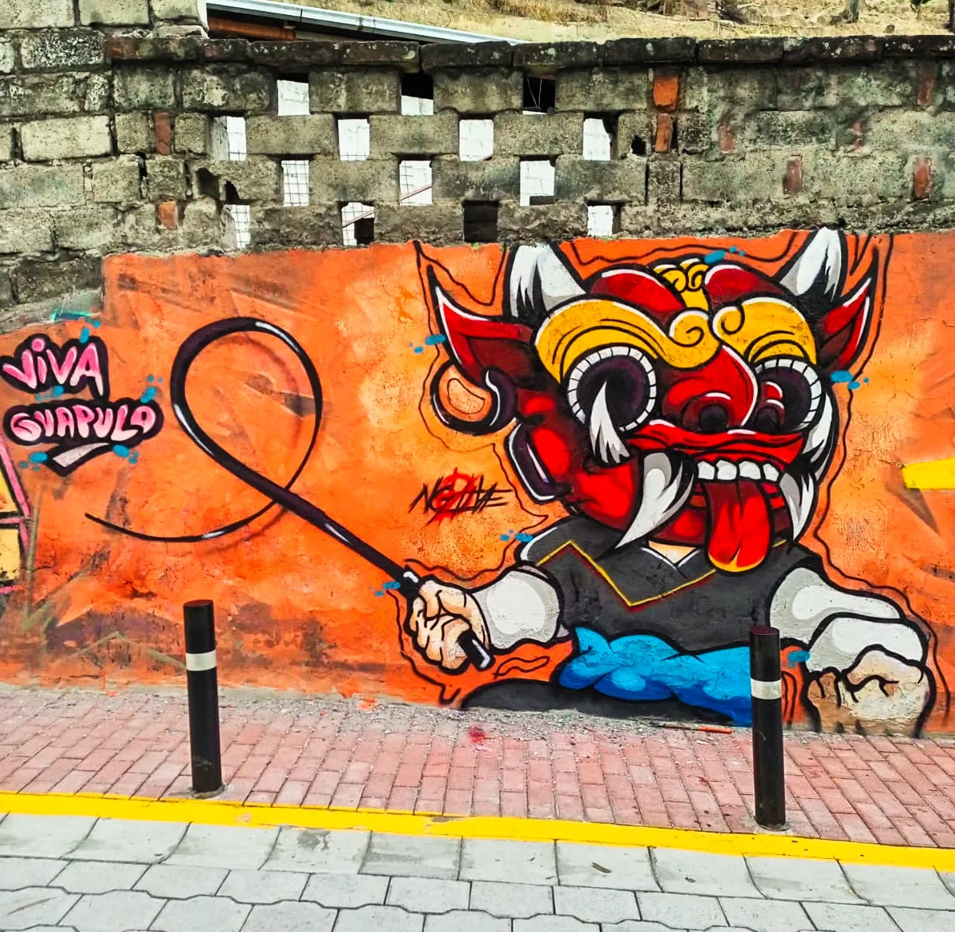
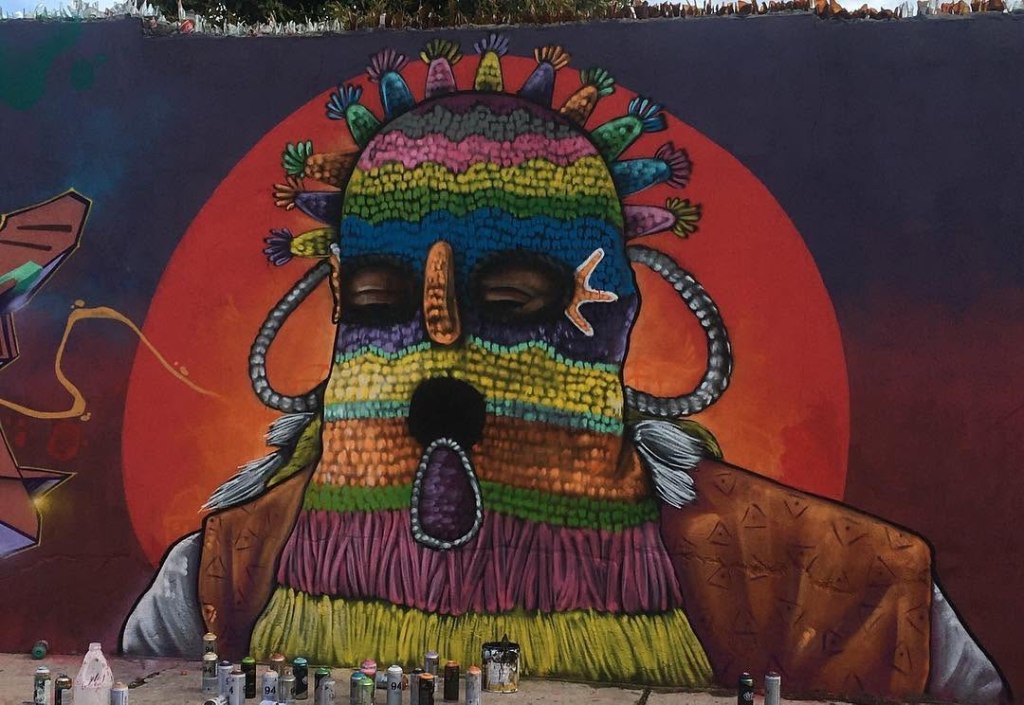
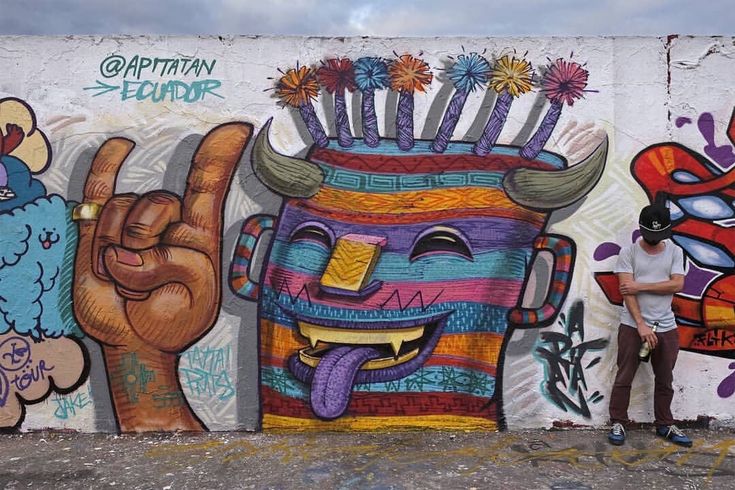
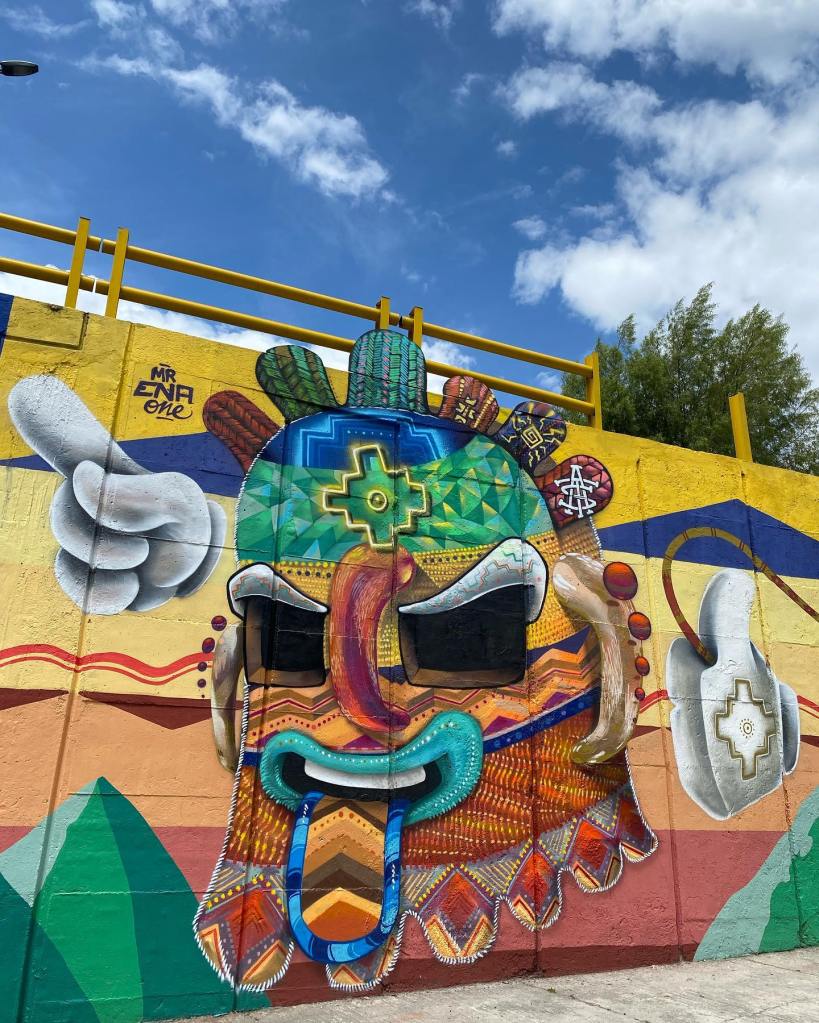
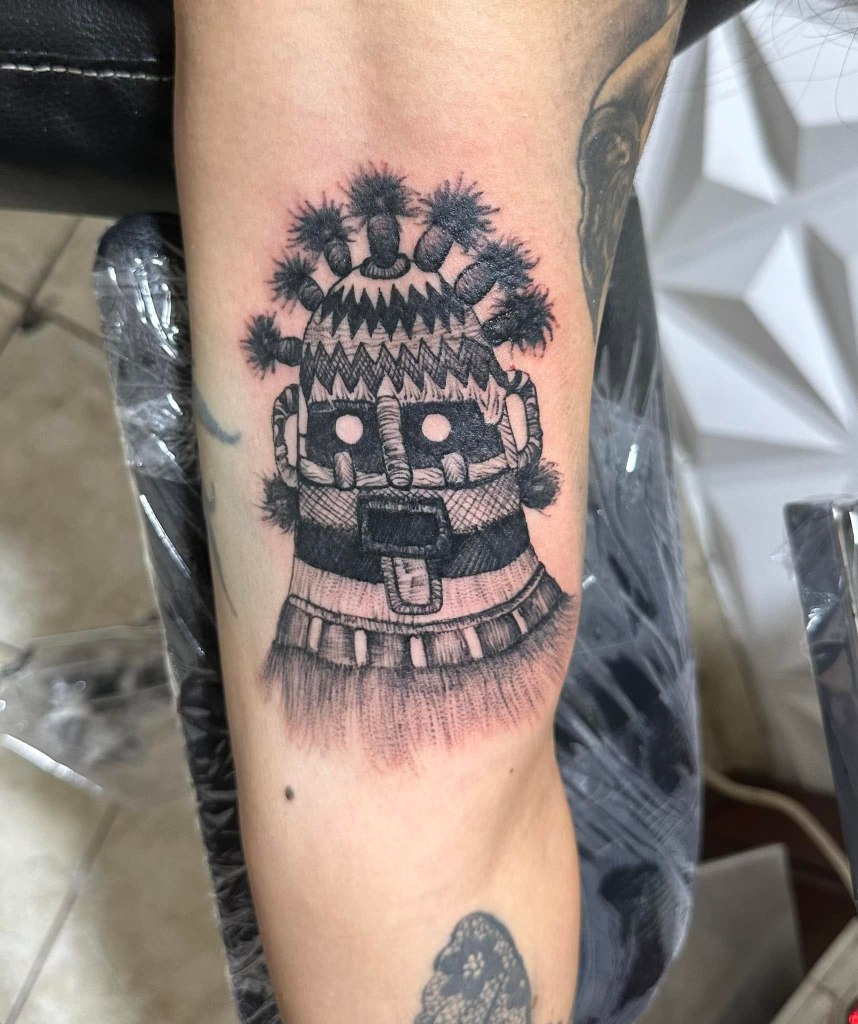
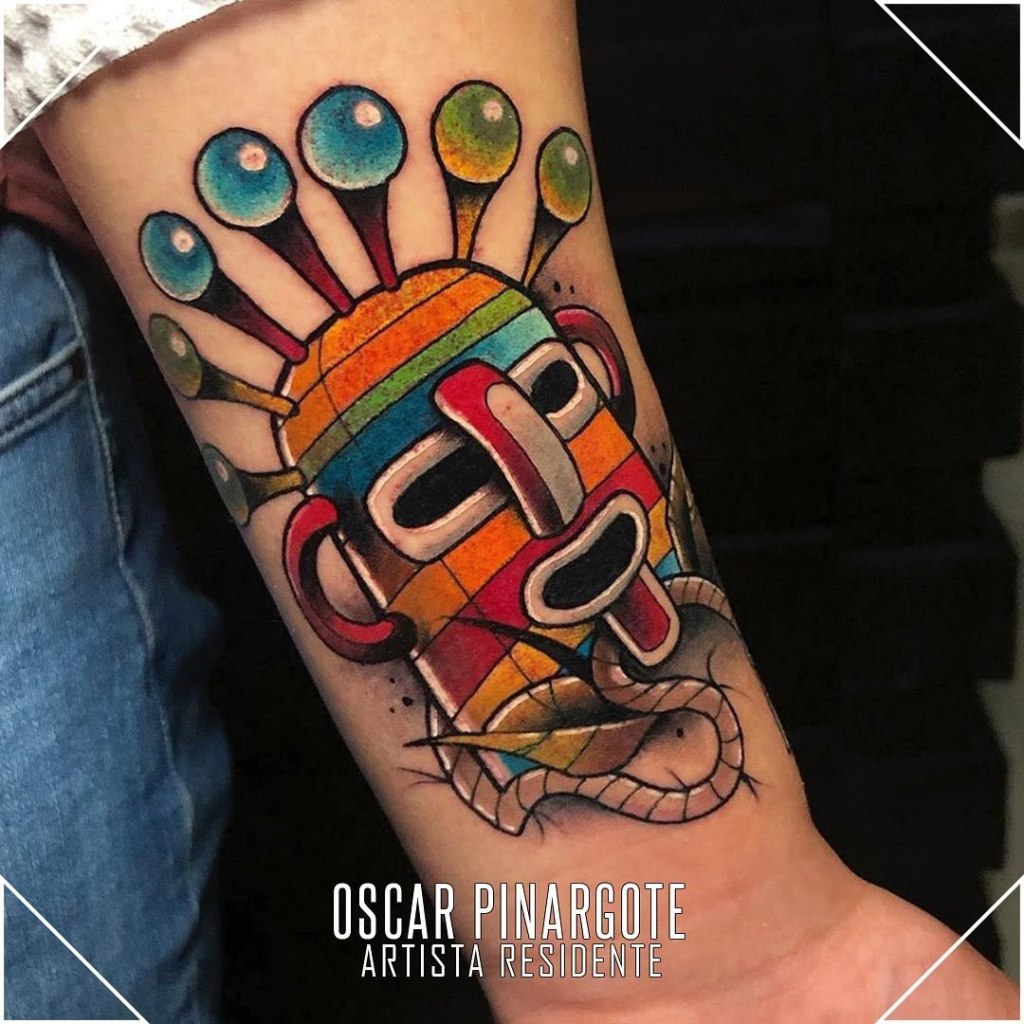
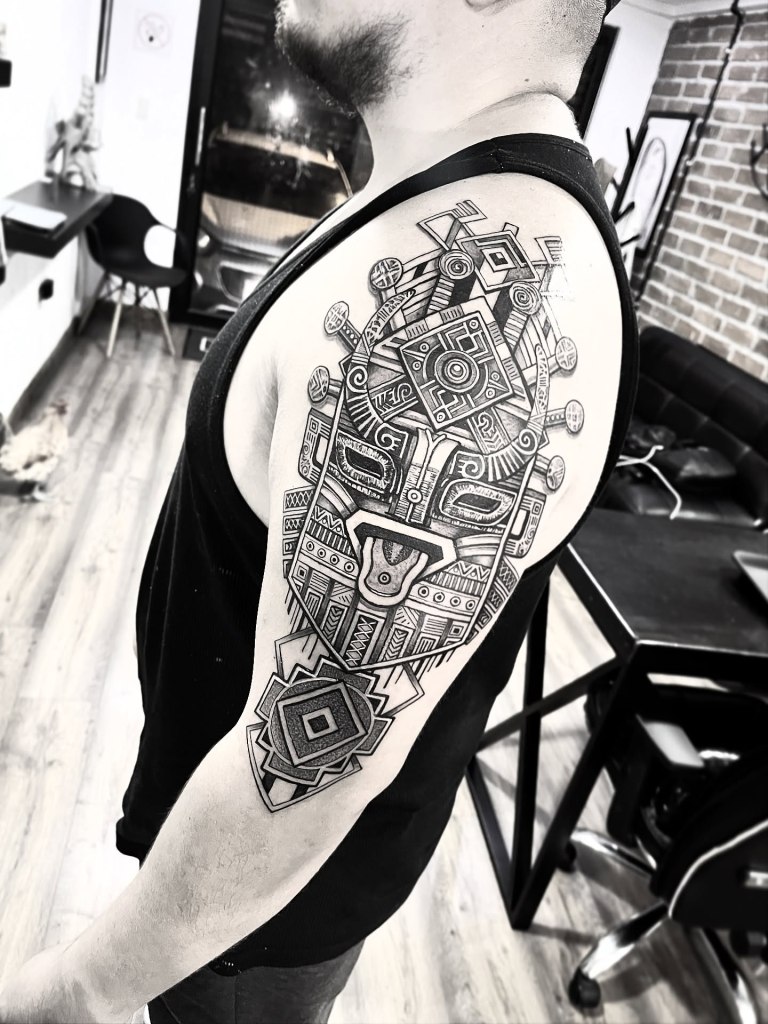
Tatuajes (a very very small selection of arte as found online – see References for links)
References
- Bray, Tamara. (1992). Archaeological survey in northern highland Ecuador: Inca imperialism and the País Caranqui. World Archaeology. 24. 218-233. 10.1080/00438243.1992.9980204.
- Costales, Piedad Peñaherrera de; Samaniego, Alfredo Costales; Peñaherrera, Jaime Costales (1996). Quitu-Cara Myths. Abya Yala Publishing House. ISBN 978-9978-04-423-0
- Drake, Angie (2017) (updated 2025) The Faces of Inti Raymi https://notyouraverageamerican.com/faces-inti-raymi/
- Manosalva, Mesa & Guillermo, Edgar (2018). “Cosmovisiones y prácticas ancestrales de los pastos para construir la paz regional”. Tendencias. 19 (1): 215–240. doi:10.22267/rtend.181901.95. ISSN 0124-8693.
- Salazar, Adriana Rodríguez (2023-05-08). “La Pachamama: la Madre Tierra”. Meer (in Spanish). Retrieved 2025-11-14.
- Tapia, Javier (2020). Mitología Inca: El pilar del mundo. Plutón Ediciones X Sl. ISBN 978-84-18211-10-2.
- Topic, J. (no date) “Final Reflections: Catequil as One Wak’a among Many.”
- Topic, John, and Theresa L. Topic. “Catequil: The Archaeology, Ethnohistory, and Ethnography of a Major Provincial Huaca.,” n.d.
- Ugalde, M. F., & Landázuri Narváez, C. (2017). Sociedades heterárquicas en el Ecuador preincaico: estudio diacrónico de la organización política caranqui. Revista Española de Antropología Americana, 46, 197-218. https://doi.org/10.5209/REAA.58294
Images
- Cascada de Peguche Ecuador : https://commons.wikimedia.org/wiki/File:Cascada_de_Peguche_Ecuador675.jpg
- Catequil, representing the covered moon, with an eight-pointed star on his chest symbolizing the upright sun. : Por Calderonbarco – Trabajo propio, CC0, https://commons.wikimedia.org/w/index.php?curid=150318915
- Ecuadorian Andes Map : International Travelers : Ecuador Travel Guide : https://intentionaltravelers.com/ecuador-highlights/
- Location of Azuay in Ecuador. : By TUBS – This vector image includes elements that have been taken or adapted from this file:, GFDL 1.2, https://commons.wikimedia.org/w/index.php?curid=17369137
- Location of Cañar in Ecuador : By TUBS – This vector image includes elements that have been taken or adapted from this file:, GFDL 1.2, https://commons.wikimedia.org/w/index.php?curid=17369244
- Pachacuti, mid-18th-century painting, anonymous. : By Online Collection of Brooklyn Museum; Photo: Brooklyn Museum, 1995.29.10_PS6.jpg, Public Domain, https://commons.wikimedia.org/w/index.php?curid=148459836
- Pachacuti Monument on the Sun Avenue in Cusco : By Sasha India – Cusco, Peru, CC BY 2.0, https://commons.wikimedia.org/w/index.php?curid=105044546
- Pachamama – Representation of Pachamama in the cosmology, illustrated by Juan de Santa Cruz Pachacuti Yamqui Salcamaygua (1613), after a picture in the Sun Temple Qurikancha in Cusco – By Juan Santa Cruz Pachacuti – (Orig.:) Santa Cruz Pachacuti Yamqui Salcamayhua, Juan de (1613). Relación de las antigüedades deste Reyno del Piru. (Secund.:) Marcos Jimenez de la Espada (ed., 1879). Tres relaciones de antiguedades peruanas. – Madrid, Imprenta y fundicion de M.Tello. p. 257., Public Domain, https://commons.wikimedia.org/w/index.php?curid=31765970
- (Cover Image) Personajes folclóricos: El diabluma : https://www.eluniverso.com/vida-estilo/2014/07/30/nota/3294306/personajes-folcloricos-diabluma/
- Seeing Equinoxes and Solstices from Space – https://science.nasa.gov/earth/earth-observatory/seeing-equinoxes-and-solstices-from-space-52248/
- Solstices – https://www.popsci.com/five-questions-about-winter-solstice-answered/
- Understanding Solstices & Equinoxes – https://www.tribuneindia.com/news/exam-mentor/suns-path-understanding-solstices-equinoxes/
Arte Urbano : Street Art
- Apitatan, “The laughter of Aya Huma” in Berlin, 2018 : Anouche Yuruten
- AYA HUMA : Cabeza de espíritu, cabeza de diablo, un ser de leyendas : enaoink Quito, Ecuador
- “AYA HUMA” Fiestas de Guápulo : negative_ng : Guápulo, Pichincha, Ecuador : https://www.instagram.com/p/CwxffKNL98k/?img_index=3
- Diablo Huma. Ecuador – 2018 : JOMAG : https://www.facebook.com/Jomag.art/photos/diablo-huma-ecuador-2018-streetart-galery-art-artcontemporain-graffiti-ecuador-a/891225734395591/
Tatuajes : Tattoos
- Legado Tattoo : https://www.facebook.com/legadotattoouio/photos/diablo-huma-por-nuestro-artista-residente-oscar_pinargote_93-cotiza-tus-citas-co/2729475653839875/
- Máscara Aya Huma Para @robroortiz : don_choto_tattoo : https://www.instagram.com/p/DO7HotEkWvc/
- Suerte13tattoos : https://www.facebook.com/photo/?fbid=917014117104747&set=a.475702114569285
Websites
- Australia Ecuador Friendship Association : https://www.facebook.com/theAEFA/posts/danza-ecuador-aya-umathe-aya-uma-or-diablo-huma-is-a-central-spiritual-figure-in/1339421171562816/
- David Sasaki : What’s Happening in Cotacachi Ecuador : https://www.facebook.com/groups/412464632195298/user/100001058221103
- Inti Raymi : https://notyouraverageamerican.com/faces-inti-raymi/
- Solstice (Summer) : https://notyouraverageamerican.com/faces-inti-raymi/
- Solstice (Winter) : Second Face, the Museum of Cultural Masks : https://www.maskmuseum.org/mask/diablo-umo-1/
- The Symbolism of AYA HUMA : (Elizabeth Brasfield)
- : https://ecuadorx2.wordpress.com/2013/08/12/the-story-of-aya-huma/


