
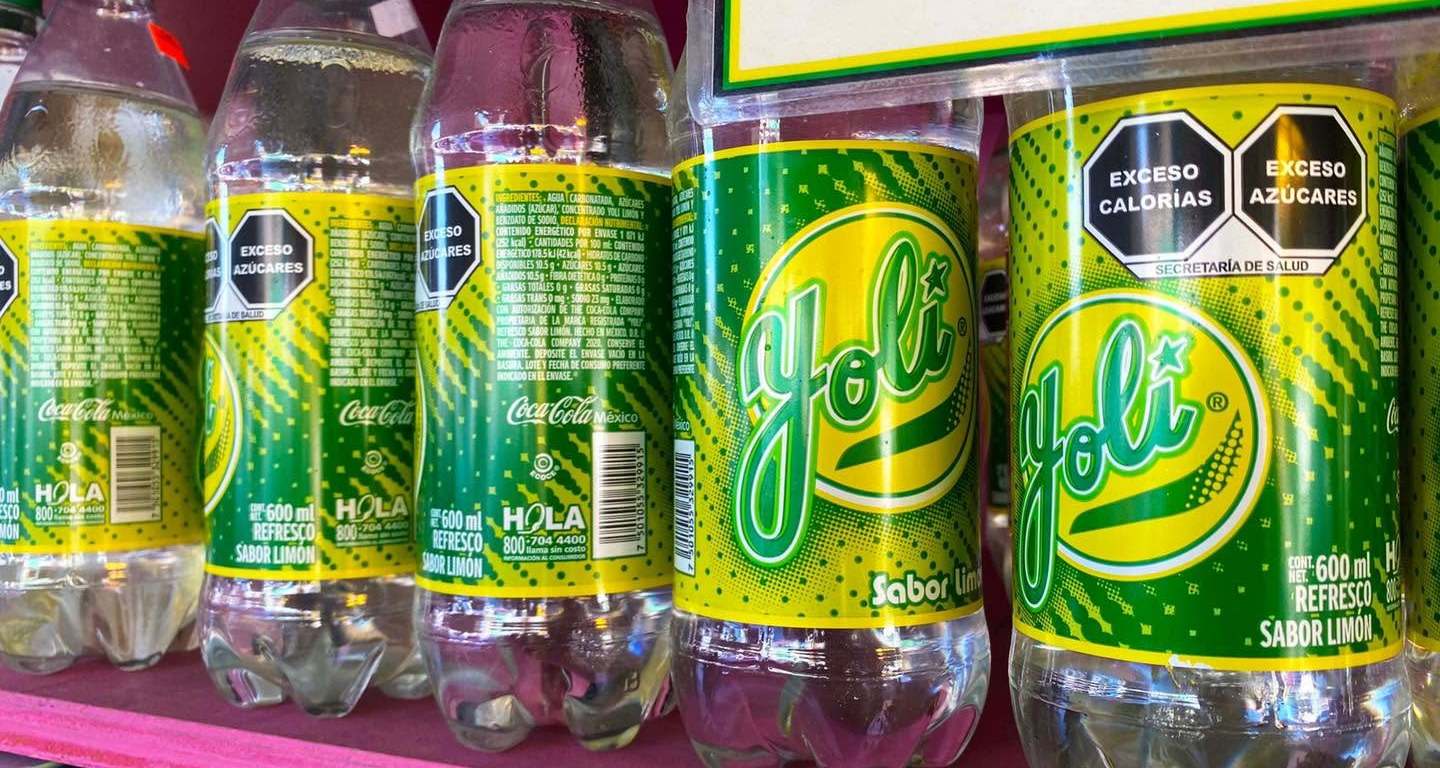
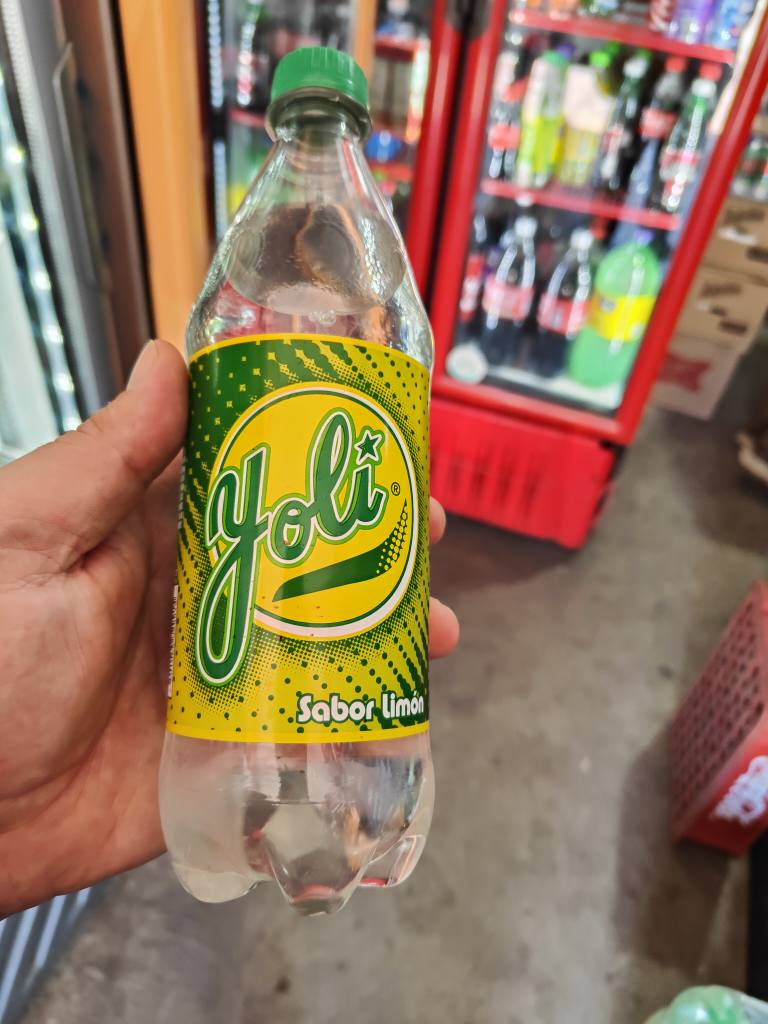
In 2025 I visited Tetipac in Guerrero to visit the childhood stomping grounds of a friend whose family has deep roots in the region. Aside from jumiles one of the things he wanted me to try was a refresco from his childhood, and one unique to the region, called Yoli.
The drink was a variety of “lemonade” that proved to be very refreshing particularly as both of us were quite winded after chasing after his mother through the mountains and over rivers on a tour of his familys farmland and a visit to the ruins of a Hacienda in the area that historically processed sugar cane. For references sake we are in our 50’s and mama Gloria is in her 80’s. This gritty grandmother left us shamefully puffing in her wake. The mountain folk of Guerrero are a different breed that’s for sure
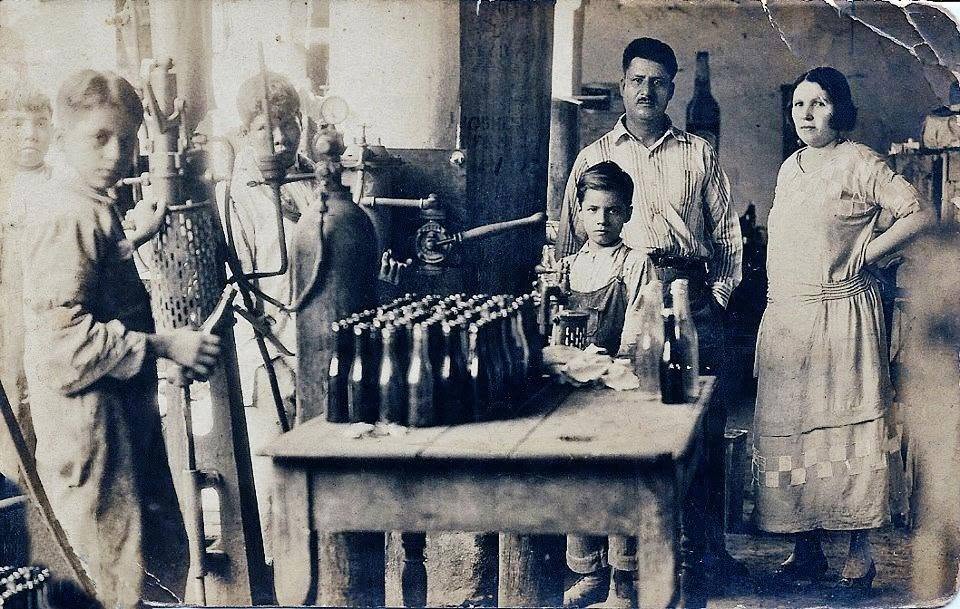
The history of this drink begins in Taxco in 1918 with Don Manuel Castrejón (1) an illiterate (although quite successful) businessman with a history of soap making and trade, as well as being a mine owner. (2)
- I have also seen him called Rafael Castrejón Gómez in one article
- Don Manuel Castrejón owned two mines, one named La Pompeya de oro (a gold mine) and another called Campo Morado
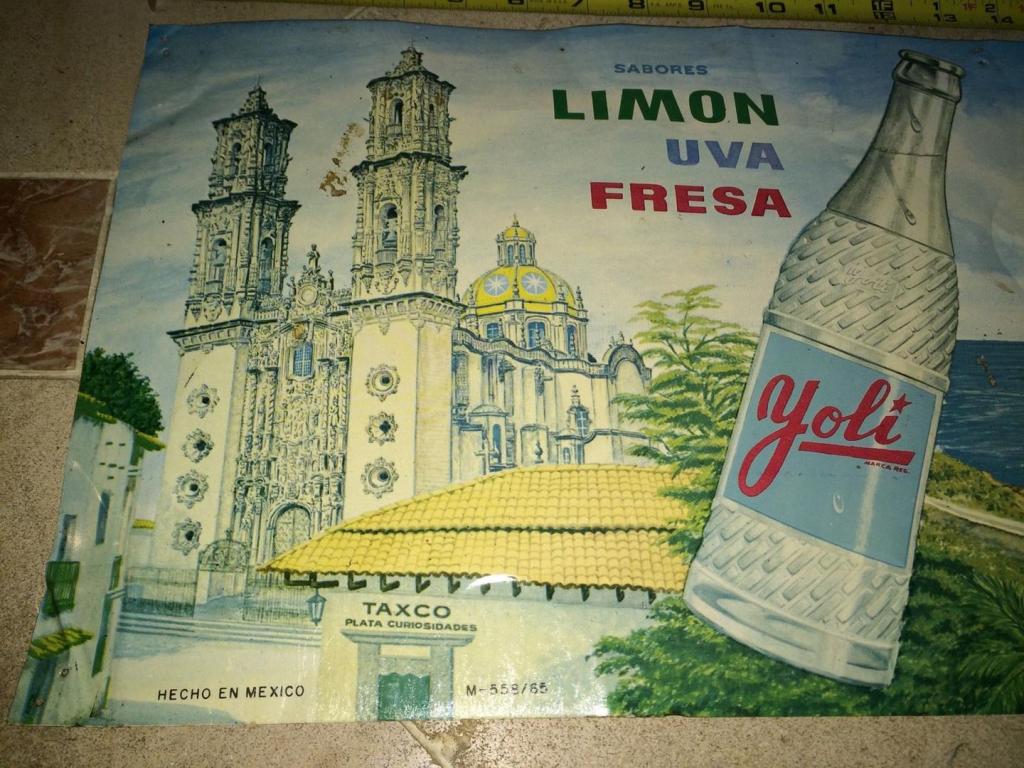
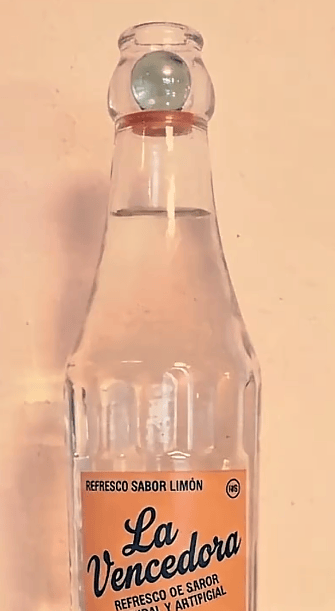
The drinks first incarnation was as “La Vencedora” (1) and by 1925 had become popular locally and was being sold outside the community in the city of Iguala.
- La vencedora translates from Spanish to English as “the female winner,” “the victor,” or “the triumphant one”.
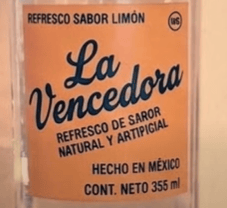
Manuel Castrejón and his wife, Mrs. Conchita Diez, had two children Jaime and Yolanda Castrejon Diez and in 1933 Manuel changed the name of the drink to “Yoli” in honour of his daughter, a name that persists to this day
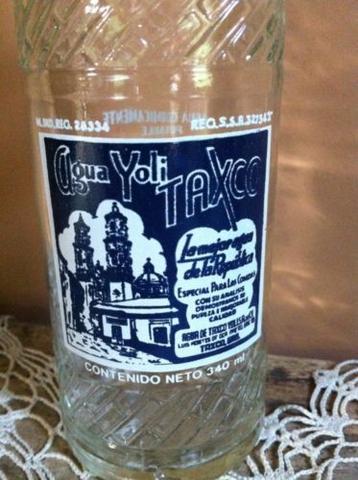
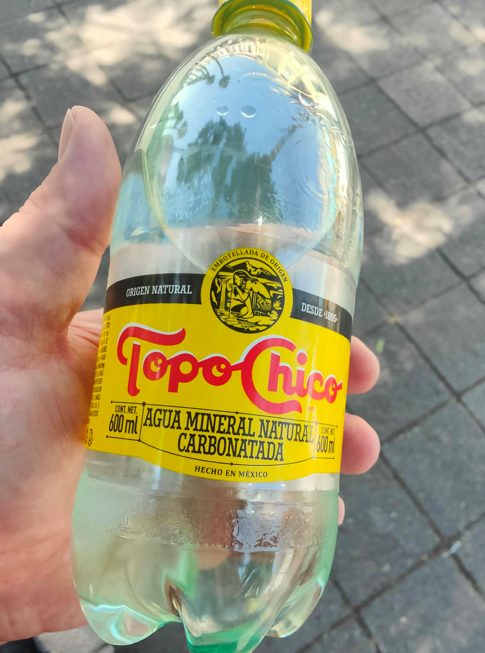
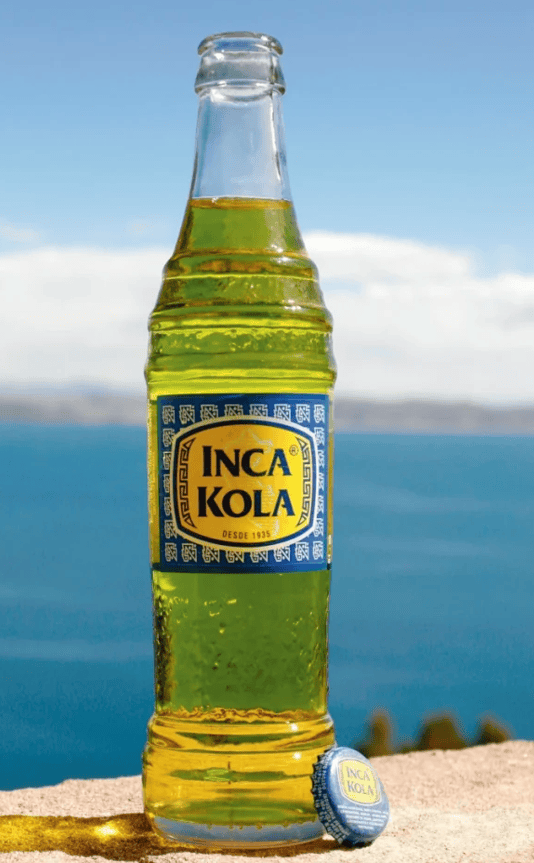
In 1938 Don Manuel sold the first franchise to Coca Cola and with this Yoli was able to branch further afield.(Mexico Desconocido 2021). Coca-Cola often acquires popular local beverage brands to expand its portfolio and adapt to regional tastes, and Yoli in Guerrero fits that pattern. Coca-Cola’s strategy is to buy trusted local drinks, like it did with Inca Kola in Peru and Topo Chico in Mexico so as to dominate markets and diversify beyond cola.
In 1950 the first production plant was created in Acapulco
In 1970, the Acapulco production plant was relocated to new facilities at what became known as the Cuauhtémoc Plant (Planta Cuauhtémoc)
In 1981, a second production plant was inaugurated in Acapulco, located in the town of El Cayaco. Today, this plant is the only one in the city and is the cornerstone of the Cayaco Industrial Complex, which houses five Grupo Yoli work centres.
In 1988, Grupo Yoli jointly invested with other Coca-Cola System bottlers in Promotora Industrial Azucarera, SA de CV
In 1990, Grupo Yoli invested in infrastructure to integrate the PET bottle injection and blow molding process into its production chain. Today, this infrastructure produces more than 97% of the PET bottles (1) that Grupo Yoli requires.
- PET is an acronym that stands for polyethylene terephthalate. Polyethylene terephthalate is a type of polyester derived from organic chemical units of ethylene glycol and terephthalic acid. Invented in the 1940s for fibre textiles, it was commercialized for carbonated beverage and liquid packaging in the 1970s. The plastic is highly transparent like glass but impact-resistant and shatterproof. It is food-safe and free of harmful bisphenol A (BPA) or phthalates. BPA can contaminate food, beverage, air, and soil. It accumulates in several human tissues and organs and is potentially harmful to human health through different molecular mechanisms (Cimmino et al 2020)
By the end of the first decade of the 2000s, Grupo Yoli was recognized by SEMARNAT (1) as the first production chain certified with the Clean Industry (de Industria Limpia) distinction.
- SEMARNAT (Secretaría de Medio Ambiente y Recursos Naturales) is the federal cabinet-level Secretariat of Environment and Natural Resources responsible for Mexico’s environmental policy, natural resources, and ecological conservation
In 2006, Grupo Yoli co-invested with other Coca-Cola System bottlers in the acquisition of Jugos del Valle.(1)
- Founded in 1947 by Luis Cetto in Mexico, and originally starting with grape juice, Jugos del Valle (marketed as Del Valle) is a major Mexican brand of fruit juices, nectars, and beverages. Since 2007, it has been fully owned by the Coca-Cola Company and bottlers like Coca-Cola FEMSA
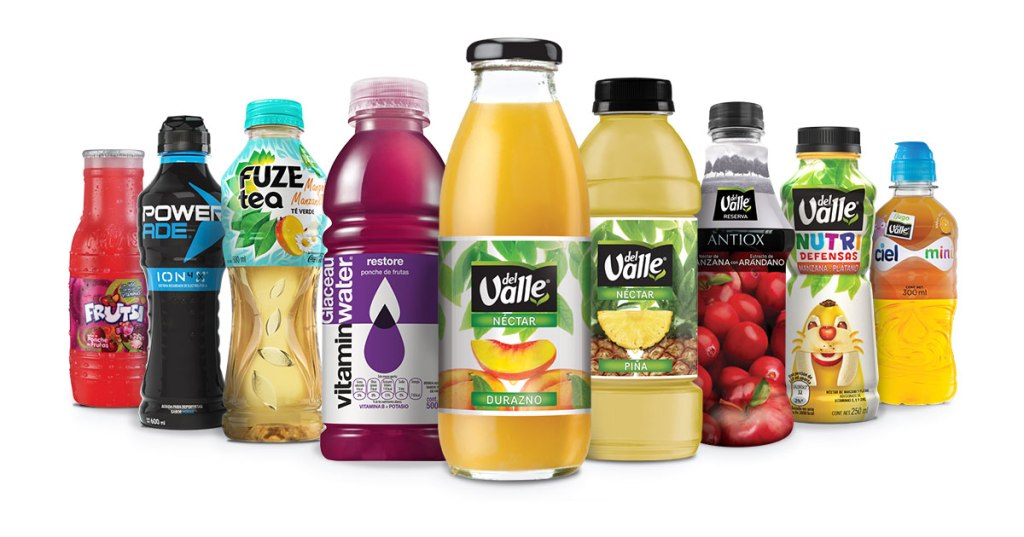
Yoli became available in the Toluca and Cuernavaca markets in December 2008.
In 2013, Grupo Yoli was acquired entirely by The Coca-Cola Company and formally joined the Fomento Económico Mexicano, S.A.B. de C.V. (FEMSA) Coca-Cola based in Mexico City. This meant that the factories that made Yoli could now also bottle other “famous” drinks like Coca-Cola and Fanta. This also helped Yoli soda become available in even more places outside of Guerrero.
This move created controversy. Joel Calixto (1) in a 2021 article (2) writes of the very valid concerns of a multi national company like Coca Cola abusing their power and depleting the water rights of the local inhabitants by using billions of litres of potable water (3) that should be available to the locals and further compounding this problem by pumping production waste water back into local basins and aquifers and thereby polluting the environment. This has not gone down well. In 2015 Coca-Cola suspended its services in Chilpancingo de los Bravo (4), the Capitol of the State of Guerrero after an increase in violent events, including attacks and robberies of its delivery trucks and, after two workers of the company were forcibly removed from the offices and held by members of the Frente Unido de Normales Públicas del Estado de Guerrero (United Front of Public Teachers of the State of Guerrero) (FUNPEG) (5) (6). In March of 2018 Coca-Cola FEMSA reported that since January of the same year, the members of the Coca-Cola FEMSA Distribution Centre in Ciudad Altamirano began to receive constant threats and aggressions from organized crime, as well as damage to the company’s facilities and that due to the constant threats and aggressions against its employees, it decided to suspend activities in the region indefinitely and cease operations in Ciudad Altamirano, Guerrero. The closure of the distribution centre affected the supply of products in the areas of Cutzamala, Coyuca, Ajuchitlán, Tlapehuala, Tlalchapa and Pungarabato (7).
- a Guerrerense from Tres Palos and Ixcateopan de Cuauhtémoc
- Towards Cautious Representation in Diaspora: Reflections on Water Wars, Coca-Cola, and Corporate Capitalism in Guerrero Mexico (see References for the link)
- enough water to supply the entire population of Guerrero for an entire year
- usually just called “Chilpancingo”
- these were also related to the protest against the disappearance of the 43 ‘normalistas’ of Ayotzinapa, in events that took place on September 26 in the municipality of Iguala
- Coca-Cola suspende su servicio en la capital del estado de Guerrero por el aumento de la violencia : Published 2015-02-21 : (Coca-Cola suspends service in Guerrero state capital as violence escalates) – https://www.notimerica.com/politica/noticia-mexico-coca-cola-suspende-servicio-capital-estado-guerrero-aumento-violencia-20150221032436.html
- Coca-Cola FEMSA cierra operaciones en Altamirano, Guerrero : Laura Reyes : Fri 23 March 2018 (Coca-Cola FEMSA closes operations in Altamirano, Guerrero) – https://expansion.mx/empresas/2018/03/23/coca-cola-femsa-cierra-operaciones-en-altamirano-guerrero
The tragedy of Ayotzinapa
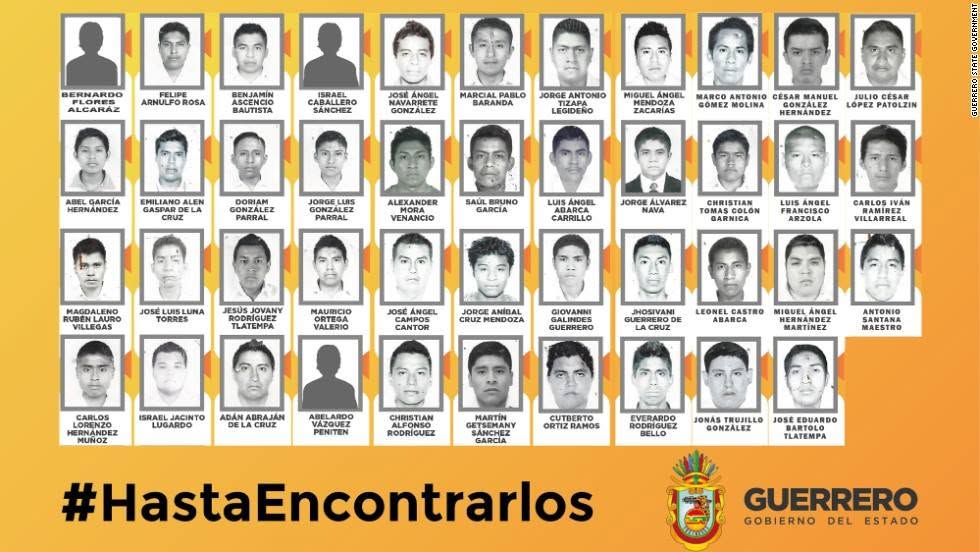
On September 26, 2014, forty-three student teachers from Ayotzinapa were forcibly disappeared following a violent attack by municipal police in Iguala, Mexico. Students took control of several buses to travel to a protest. The 43 were part of a larger group of trainee teachers from Ayotzinapa who travelled to the nearby town of Iguala to protest against what they saw as discriminatory hiring practices for teachers. Municipal police opened fire on the buses, killing six people and wounding many others. Police officers detained the surviving students and handed them over to the Guerreros Unidos drug cartel (1). Independent panels and international investigators found that local police, state officials, and the military colluded to cover up the crime. The government of President Enrique Peña Nieto, which was in power from 2012 until December 2018, refused to let the soldiers be questioned by anyone but government prosecutors, which raised suspicions among the relatives that there was a cover-up. In 2021 Mexican President Andrés Manuel López Obrador confirmed that the military had been implicated in the 2014 disappearance of 43 students in the southern state of Guerrero that rocked the country and in 2026 Mexican President Claudia Sheinbaum stated that the case remains an open wound for the country as families and activists continue to demand definitive answers and justice.
- Guerreros Unidos (“United Warriors” in Spanish, while also referencing its home state of Guerrero) emerged from the remnants of the criminal empire once controlled by the infamous drug lord Arturo Beltrán Leyva, known as “The Boss of Bosses” and a former associate of Joaquín “El Chapo” Guzmán. The organization’s origins can be traced to a highly violent enforcement group established by Beltrán Leyva in 2005 to maintain dominance in Guerrero. Responsibility for building this faction was entrusted to brothers Alberto and Mario Pineda Villa, who had demonstrated their effectiveness in coordinating cocaine shipments from Colombia and Venezuela through the port city of Acapulco. The family’s influence extended into local politics, as their sister was married to the mayor of Iguala. In 2009, the Pineda Villa brothers were killed, reportedly after being accused of plotting against Beltrán Leyva. Later that same year, Beltrán Leyva was himself killed during a military operation. Leadership of this faction subsequently passed to Cleotilde Toribio Rentería, and later to the feared enforcer Mario Casarrubias Salgado, better known by the alias “Sapo Guapo” (“Handsome Toad”). Under Sapo Guapo’s command, the organization expanded rapidly, strengthening its influence across the region. This growth was accompanied by a brutal struggle against rival criminal groups, particularly Los Rojos. The conflict reached a notorious point on December 14, 2012, when Los Rojos leader Crisóforo Rogelio Maldonado Jiménez, recovering from injuries in a Mexico City hospital, was reportedly assassinated by a gunman posing as a doctor who entered the intensive care unit. Sapo Guapo was arrested on April 29, 2014, but his removal did little to disrupt the organization. He was quickly succeeded by his brother, Sidronio Casarrubias Salgado, who allegedly believed that a group of protesting students in Iguala were members of the rival Los Rojos cartel. Acting on this assumption, he reportedly ordered their killing as a means of defending the group’s territorial control.
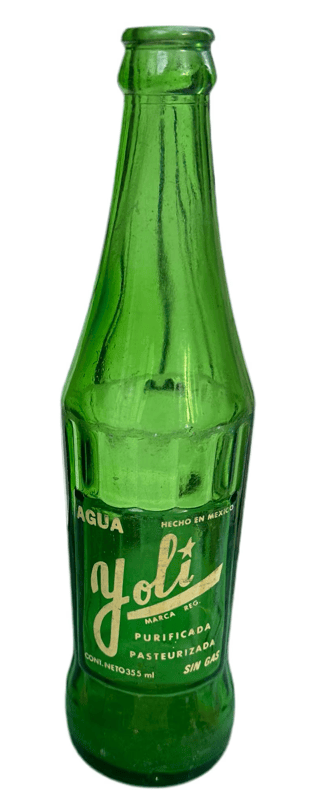
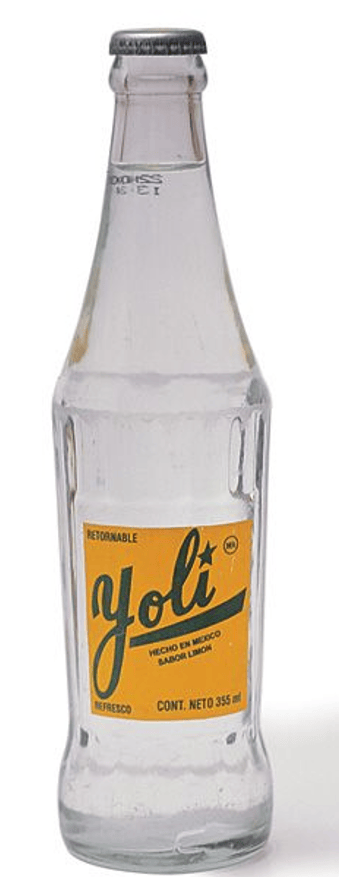
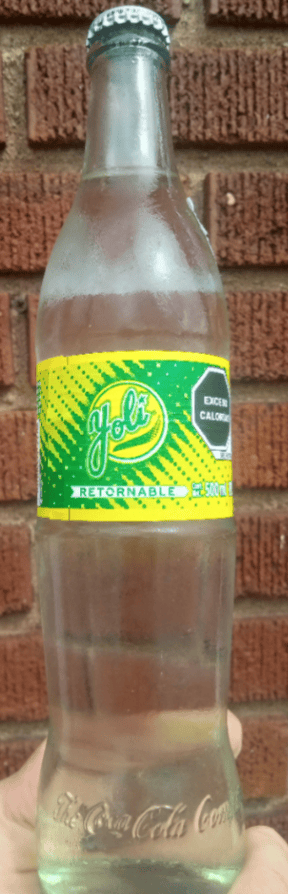
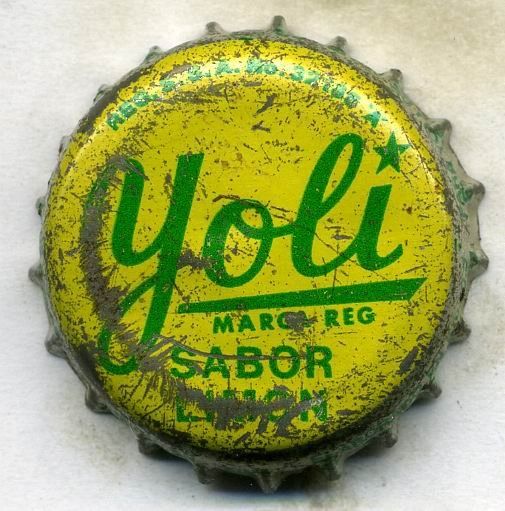
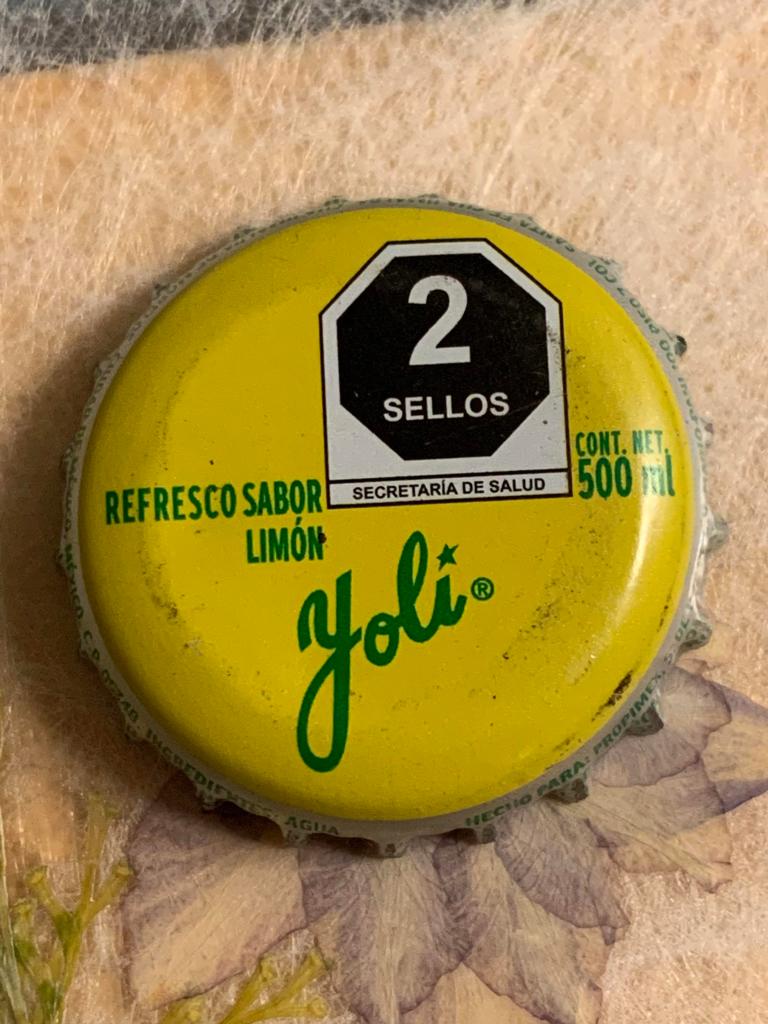
Early glass bottles were sealed using a glass marble and pitch/tar. (1) To open it, drinkers had to push or shake the bottle so gas pressure would shoot the marble inward. This explosive opening method inspired the popular Mexican saying “se le botó la canica” (2)
- an adhesive known at the time as mucílago
- “Did he lose his marbles” often translated as “the marble popped out”
The Diccionario del Español de México makes note of this dicho (1) under the definition of canica.
- colorful folk wisdom expressions that reflect cultural values, humor, and life lessons
Canica
- Bolita maciza de vidrio, madera o piedra, con que juegan los niños, tirándola con la presión que hacen el pulgar y el índice para golpear a otra. Según sus tipos, hay ágatas, ponches, tréboles, agüitas, etc; cuiria, cuica: jugar canicas. A solid ball of glass, wood, or stone, used by children to play marbles, which they propel by pressing their thumb and forefinger to hit another ball. Depending on the type, there are agates, punch marbles, clover marbles, water marbles, etc.; cuiria, cuica: to play marbles
- Botársele a alguien la canica (Popular) Enloquecer, perder noción de la realidad: “Se le botó la canica y salió desnudo a la calle”. To lose one’s marbles (Colloquial) To go crazy, to lose touch with reality: “He lost his marbles and went out into the street naked.”
- Llevarse la canica a alguien (Popular) Morirse: “Estaba tan enfermo que se lo llevó la canica” To have one’s marble taken away (Colloquial) To die: “He was so sick that he died (his marble was taken away.)”
- Del año de la canica (Popular) De mucho tiempo atrás: “Hay casas que tienen muebles del año de la canica” From way back (Colloquial) From a long time ago: “There are houses that have furniture from way back (the year of the marbles)”
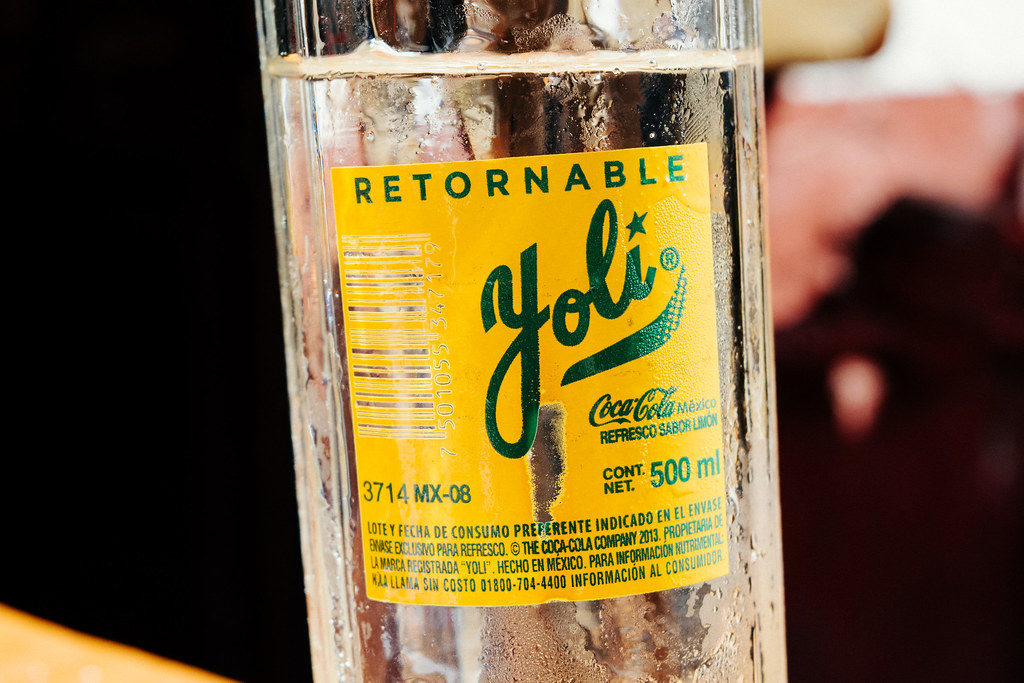
There is no official or widely documented historical date for when Yoli first transitioned to aluminum cans (sic) (1), as cans only became a mainstream format for the brand long after it was acquired by The Coca-Cola Company in 2013. The “Can Museum” however has images of canned Yoli (Yoli en lata) preceding this.
- Fucking estadounidenses. It is aluminium
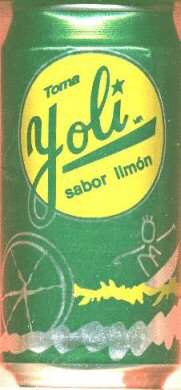
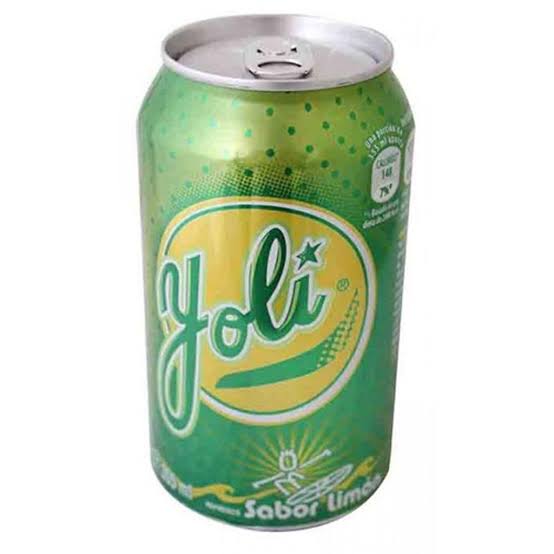
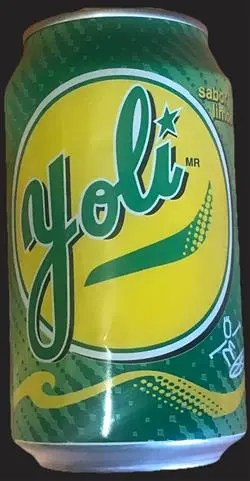
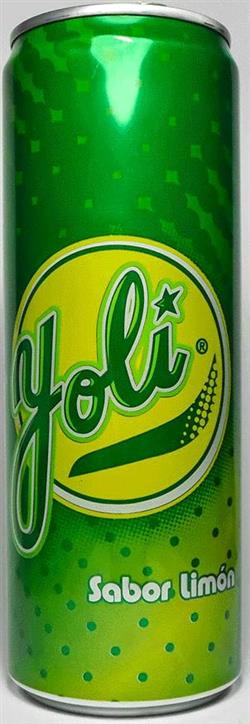
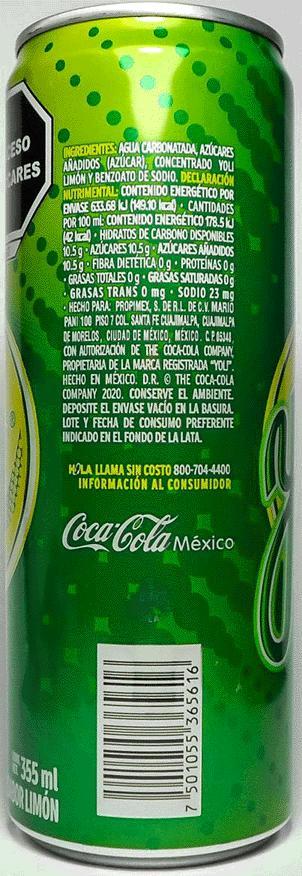
Irregardless of the controversy that may surround the drink, it is loved, and I have to say I enjoyed it immensely.
References
- “Agua de Taxco”, la otra bebida originaria de Guerrero que nació con la Yoli : https://oem.com.mx/elsoldeacapulco/local/agua-de-taxco-la-otra-bebida-originaria-de-guerrero-que-nacio-con-la-yoli-coca-cola-refresco-tienda-fiesta-acapulco-17003676
- Canica : Diccionario del Español de México : https://dem.colmex.mx/ver/canica
- Cimmino I, Fiory F, Perruolo G, Miele C, Beguinot F, Formisano P, Oriente F. Potential Mechanisms of Bisphenol A (BPA) Contributing to Human Disease. Int J Mol Sci. 2020 Aug 11;21(16):5761. doi: 10.3390/ijms21165761. PMID: 32796699; PMCID: PMC7460848.
- Historia de la YOLI : Francisco Helguera Sanches : (Family photo image) https://www.facebook.com/photo.php?fbid=1037806329581661&set=gm.598019873634757&type=3&ref=embed_post
- La historia del refresco YOLI de Acapulco. : octubre 26, 2017 : Acapulco Habla : https://acapulcohabla-mex.blogspot.com/2017/10/la-historia-del-refresco-yoli-de.html
- La historia de Yoli, el refresco que creó la frase ‘se le botó la canica’ que ahora es ‘primo’ de la Coca : https://www.elfinanciero.com.mx/food-and-drink/2026/02/01/la-historia-de-yoli-el-refresco-que-creo-la-frase-se-le-boto-la-canica-que-ahora-es-primo-de-la-coca/
- Mexico marks 12 years since Ayotzinapa’s 43 students disappeared : Sep 27 2026 : Al Jazeera English – https://www.youtube.com/shorts/SRbo0S1PjfU
- Mexico missing students: Knowns and unknowns : Vanessa Buschschlüter : 25 August 2022 – https://www.bbc.com/news/world-latin-america-35539727
- Mexico’s new generation of cartels : Jan Martínez Ahrens : NOV 11, 2014 – https://english.elpais.com/elpais/2014/11/11/inenglish/1415718450_950964.html
- Mexican president confirms witness implicated soldiers in kidnapping of 43 college students : Jan. 22, 2021 – https://www.nbcnews.com/news/latino/mexican-president-confirms-witness-implicated-soldiers-kidnapping-43-college-students-n1255298
- Nine years after 43 Mexican students vanished, parents still seek answers : Arturo Conde : Sept. 26, 2023 – https://www.nbcnews.com/news/latino/nine-years-43-mexican-students-vanished-parents-still-seek-answers-rcna117172
- Por un refresco: Así nació la frase ‘se le botó la canica’ : https://www.elfinanciero.com.mx/food-and-drink/2026/02/04/refresco-yoli-cual-es-el-origen-de-la-frase-se-le-boto-la-canica/
- The entrepreneur who made soaps, created the soda Yoli and named it after his daughter : By México Desconocido, Entrepreneur.com Sep 16, 2021 – https://www.ctpost.com/business/article/The-entrepreneur-who-made-soaps-created-the-soda-16462593.php
- Towards Cautious Representation in Diaspora: Reflections on Water Wars, Coca-Cola, and Corporate Capitalism in Guerrero Mexico : https://xicanatiahui.weebly.com/blog/towards-cautious-representation-in-diasporareflections-on-water-wars-coca-cola-and-corporate-capitalism-in-guerrero-mexico
Images
- Yoli, From Mexico. – https://www.reddit.com/r/Soda/comments/1m5l890/yoli_from_mexico/
- YOLI-Lemon soda-355mL-Mexico-2024 – https://canmuseum.com/Detail.aspx?CanID=148194
- YOLI-Lemon soda-355mL-Mexico-200? –https://canmuseum.com/Detail.aspx?CanID=161003
- YOLI-Lemon soda-355mL-Mexico-1994 – https://canmuseum.com/Detail.aspx?CanID=8119
- Yoli (Cap 2) – https://www.reddit.com/r/Soda/comments/pk43kg/yoli_lemonlime_soda_to_go_with_my_tacos_at_this/
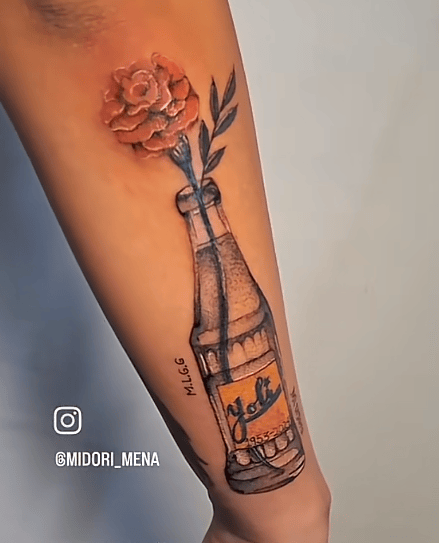
- Yoli Tattoo : https://www.tiktok.com/@midorimenaa.tattoo/video/7347782151380667654

