
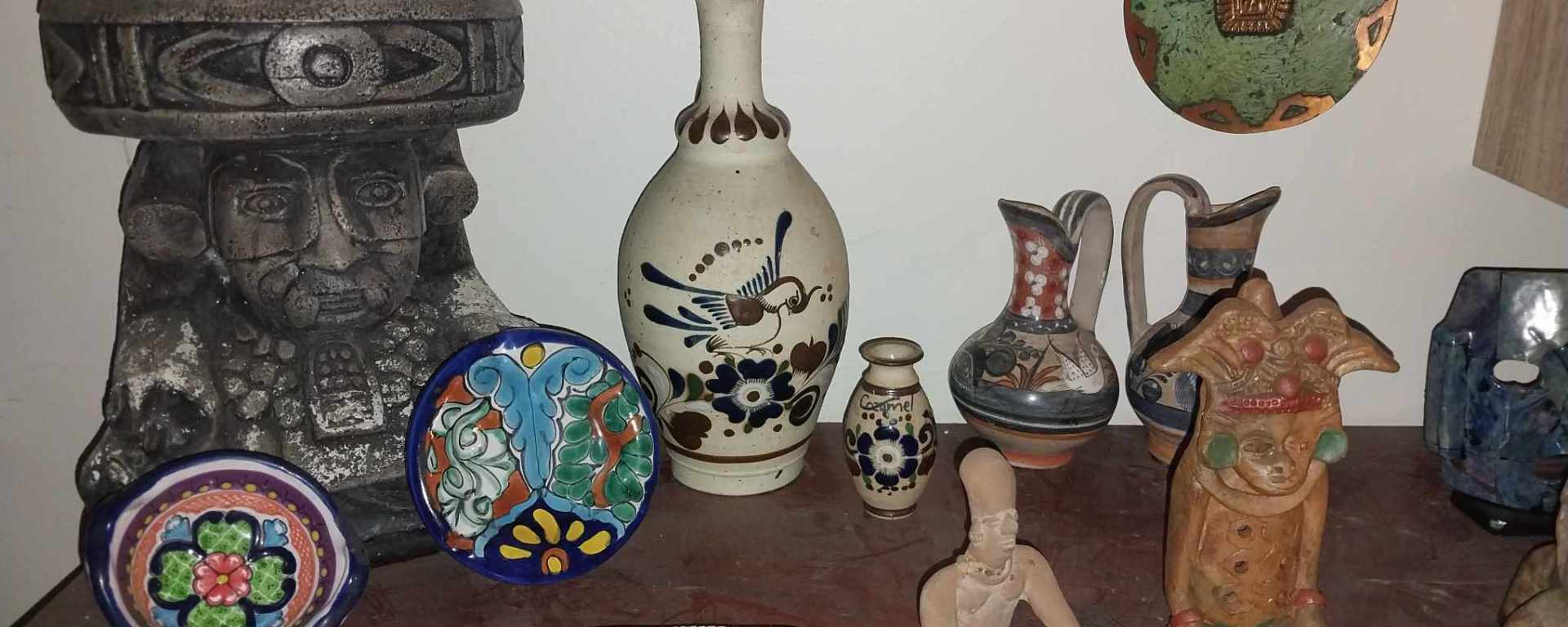
The first piece of Mexican ceramics that entered my collection is the statue of Xochipilli as shown below. I carried this (and several other pieces) in my hand luggage from Mexico City to Los Angeles and then on to Sydney and Perth Western Australia. 40 hours by plane and not a single piece broken.
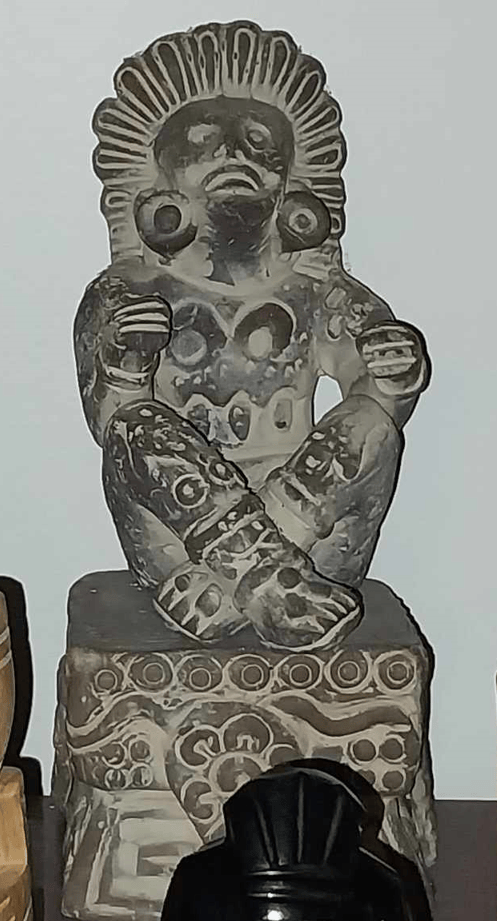
I picked this piece up at Mercado de Artesanías de la Ciudadela in Mexico City. A fairly crude piece I’d have to admit but it is one of my favourites.
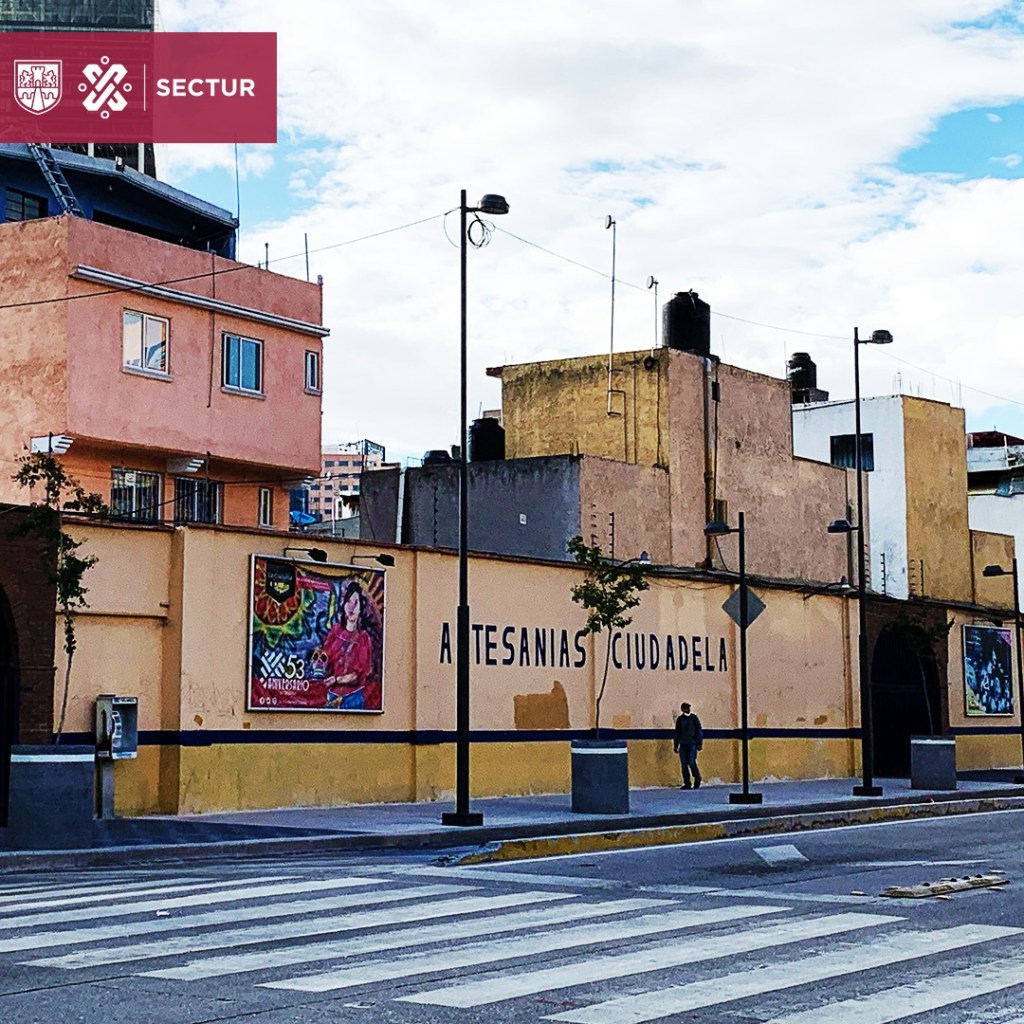
Not much chop from the outside….but….enter through one of las puertas….
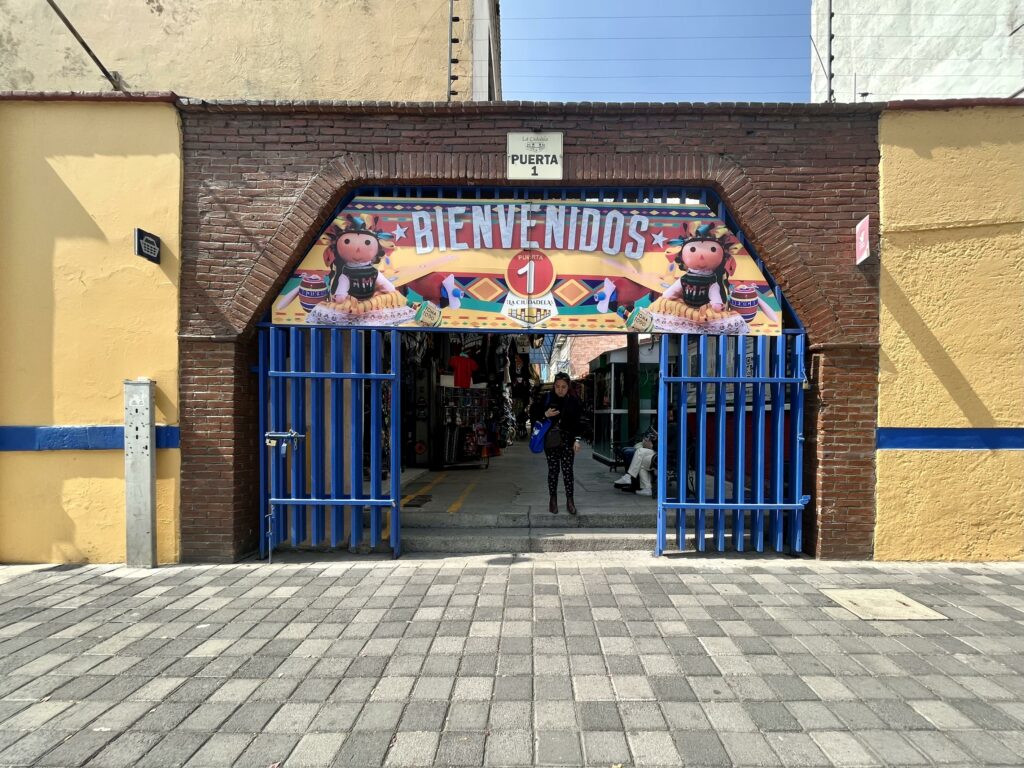
…and you’re in a very different place.
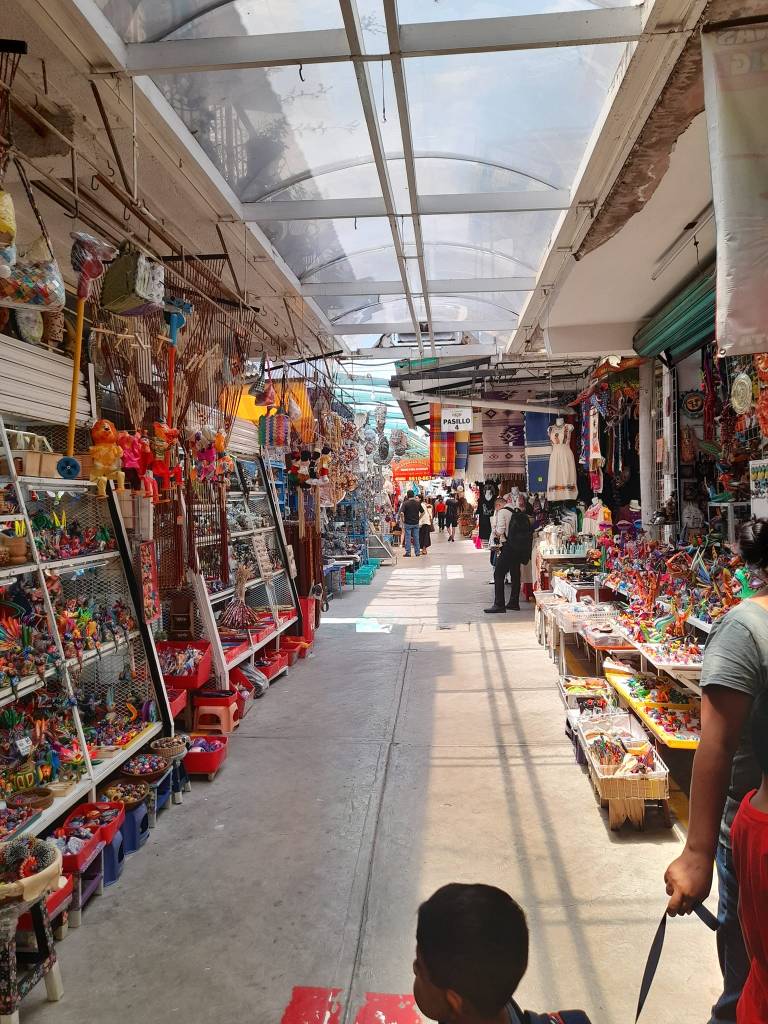
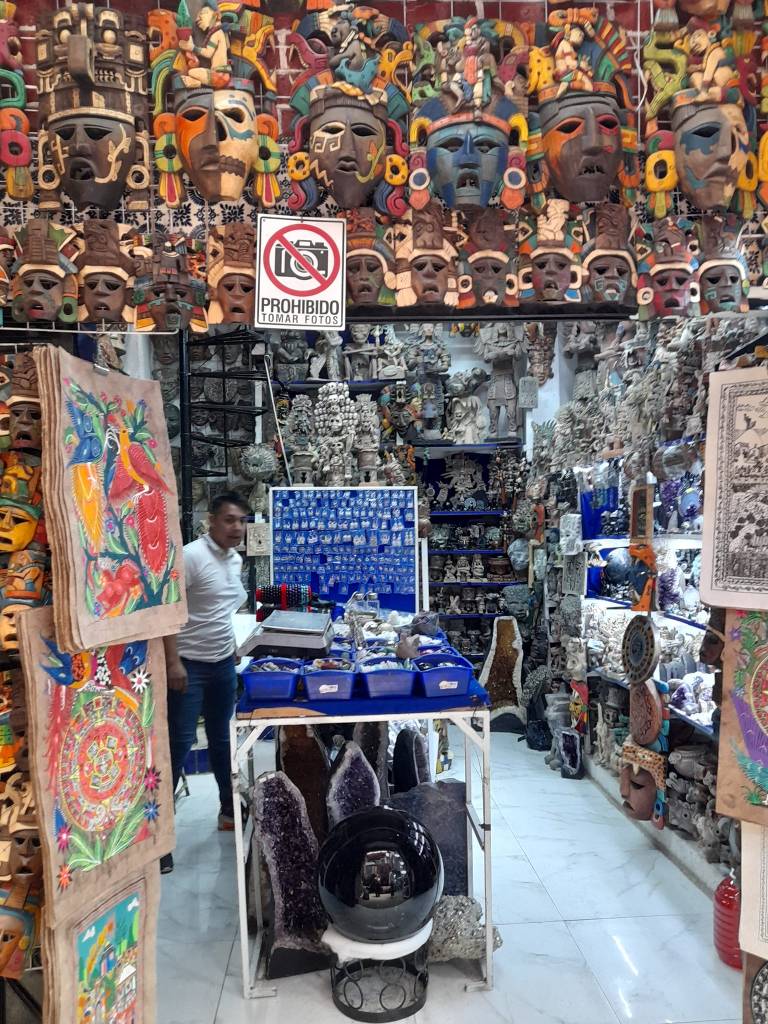
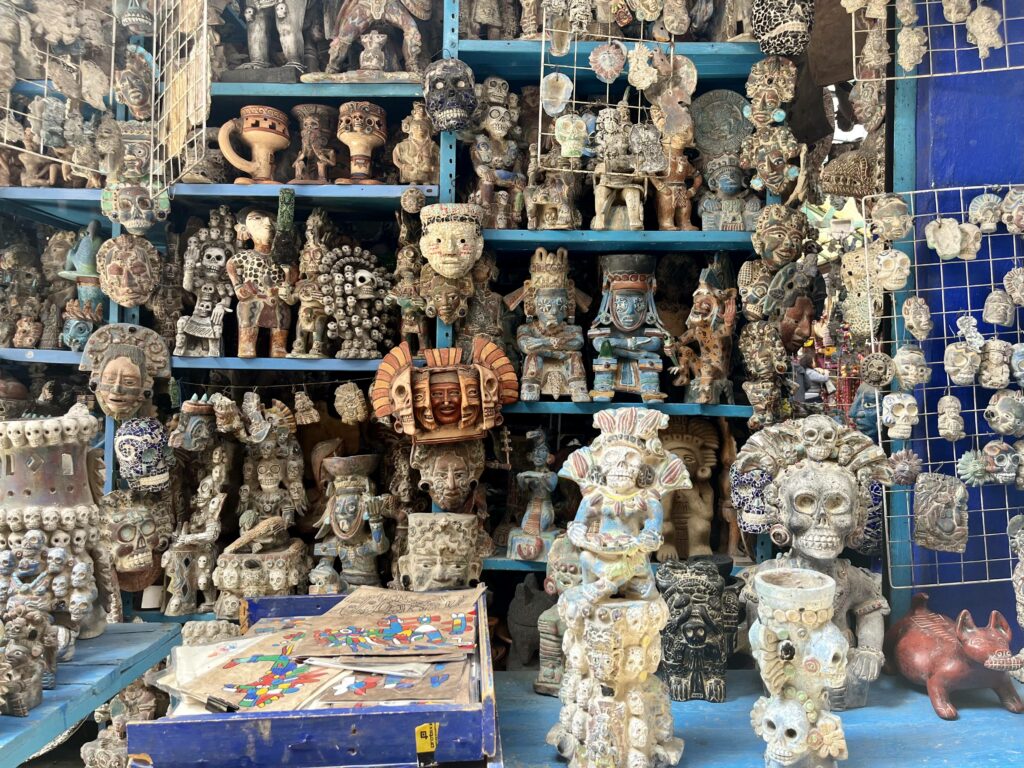
All of the following pieces (noted as being mine) have been found in Australia (Western Australia more specifically). These pieces have been found at garage sales, thrift stores and Facebook Marketplace (and one or two from eBay). It fascinates me to find artifacts like these far from their places of origin.
Who made the piece? (sometimes I can determine this).
Who bought the piece originally? (many of the pieces I have have reached me third or fourth hand and some of the people I got them from didn’t even know the pieces were Mexican)
How did it get from Mexico to Australia?
What is the story of this delicate object I hold in my hands?
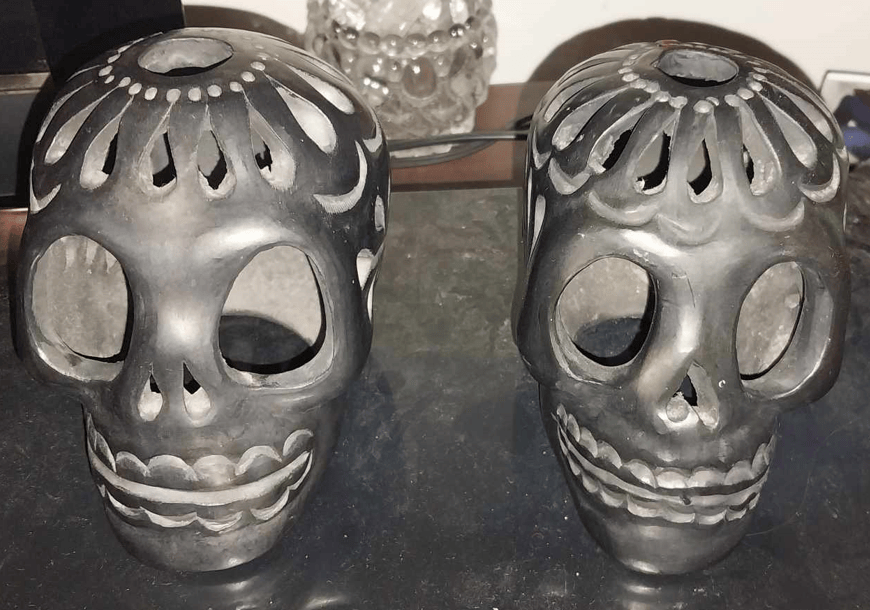
I have really been quite lucky with some of my finds. The two Oaxacan barro negro (black clay) skulls shown above cost me $10 a piece. It has been pointed out to me by a Mexican amigo that you couldn’t even buy the pieces at this price in Oaxaca. Cesar deemed it to be quite the bargain.
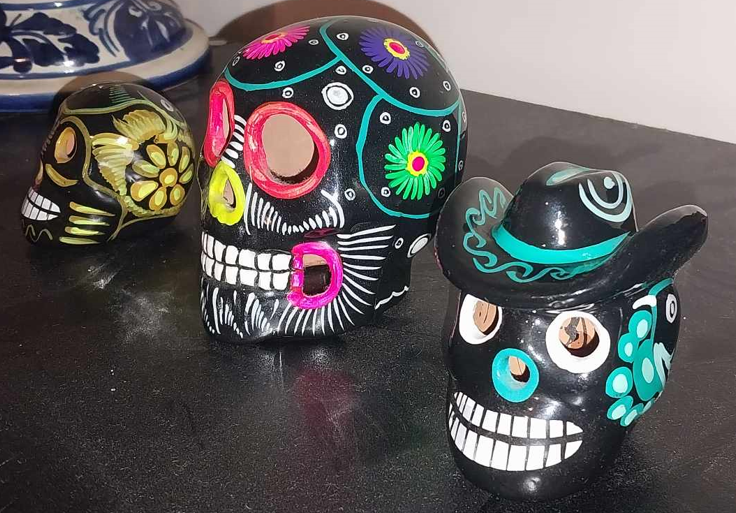
These are all pieces in my collection.
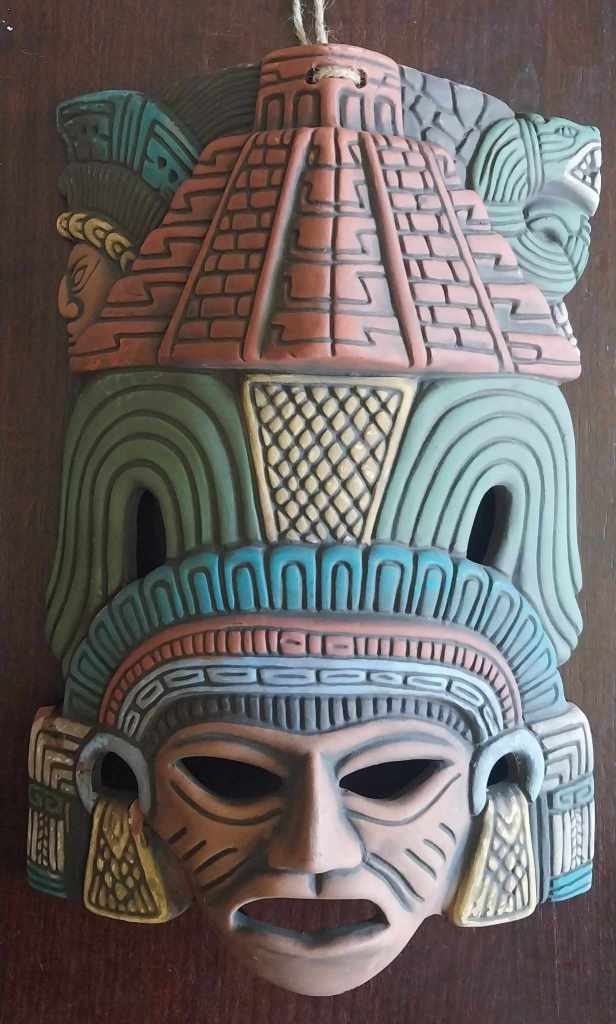
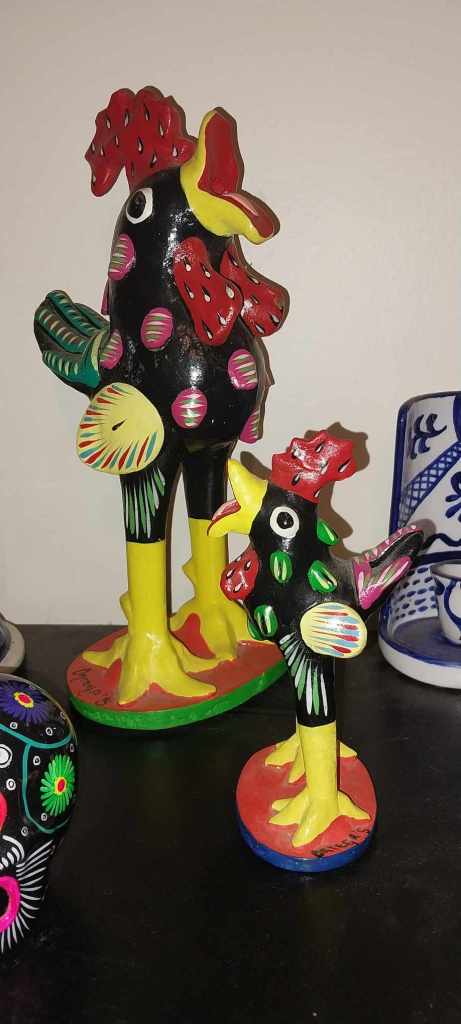
Masks are of particular interest to me. My mask collection consists primarily of wooden masks (from a number of cultures – I have written on this previously in Mascaras Mexicanas : Mi Colección). I have over the last couple of years obtained a number of ceramic masks.
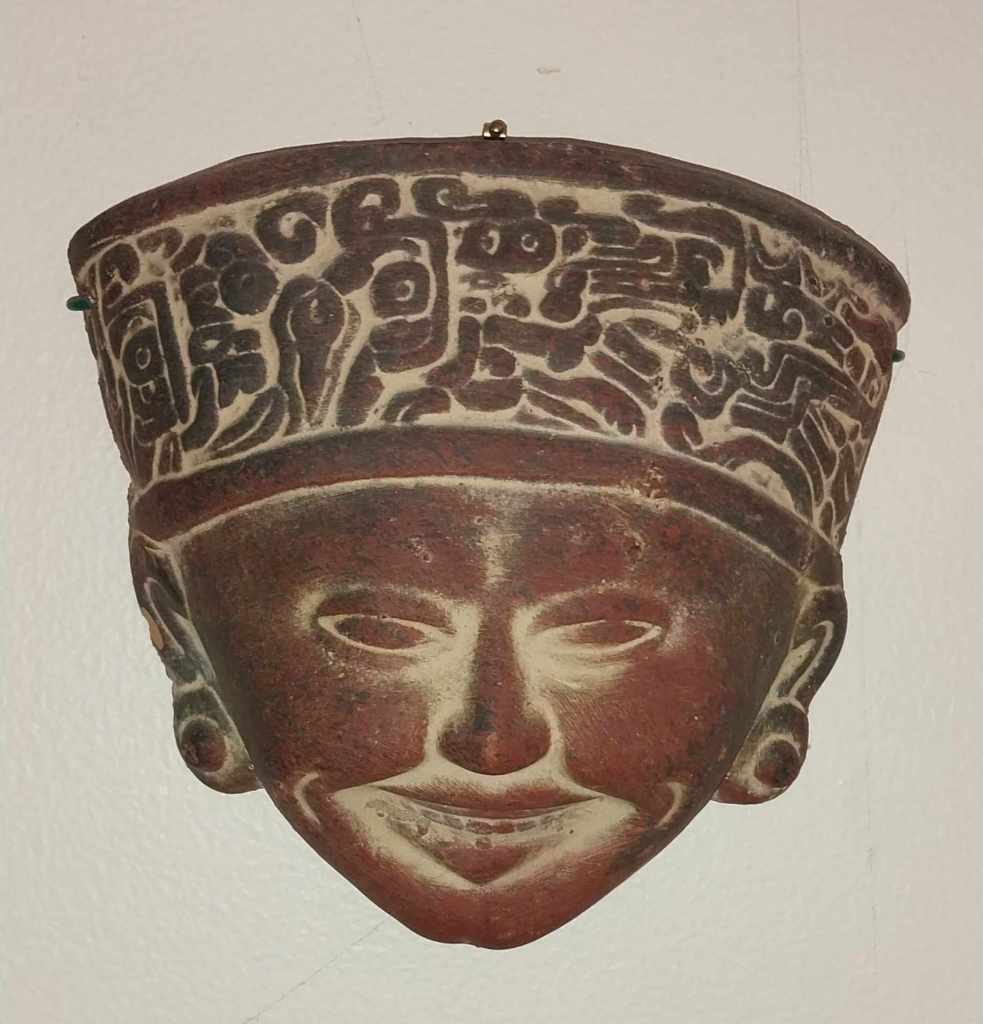
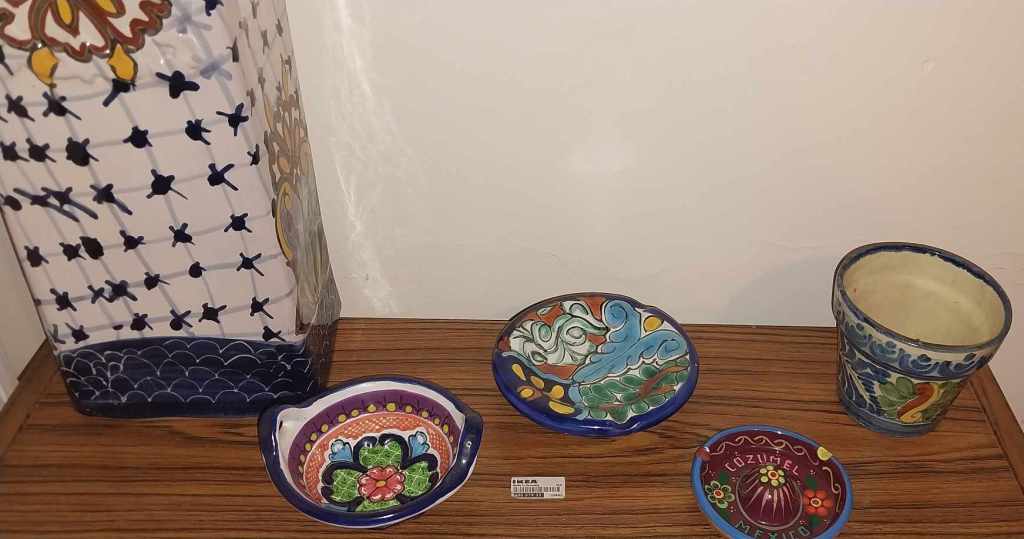
Mexican Tonalá pottery is pottery made in the city of Tonalá, a location renowned for the fine quality of its clay.
Tonala
Tonalá is a municipality in the Central Region of the state of Jalisco, Mexico.
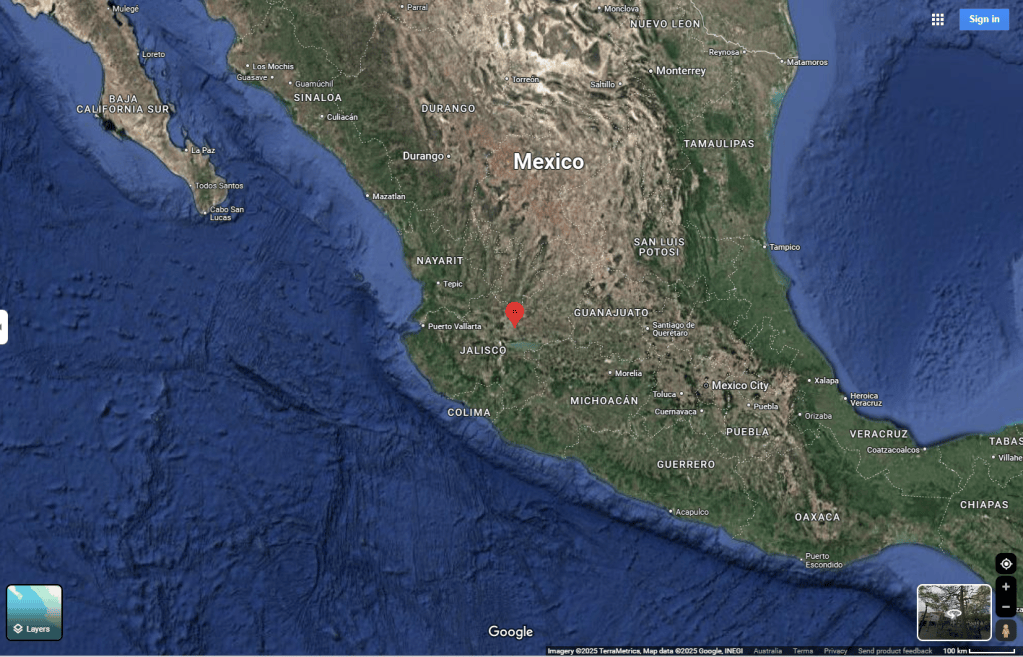
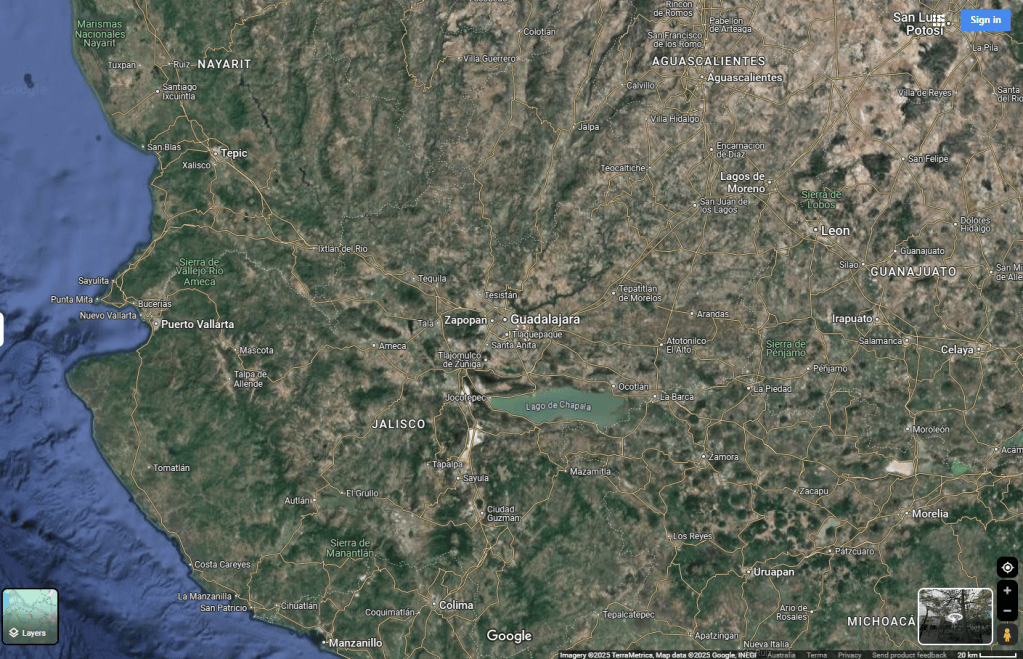
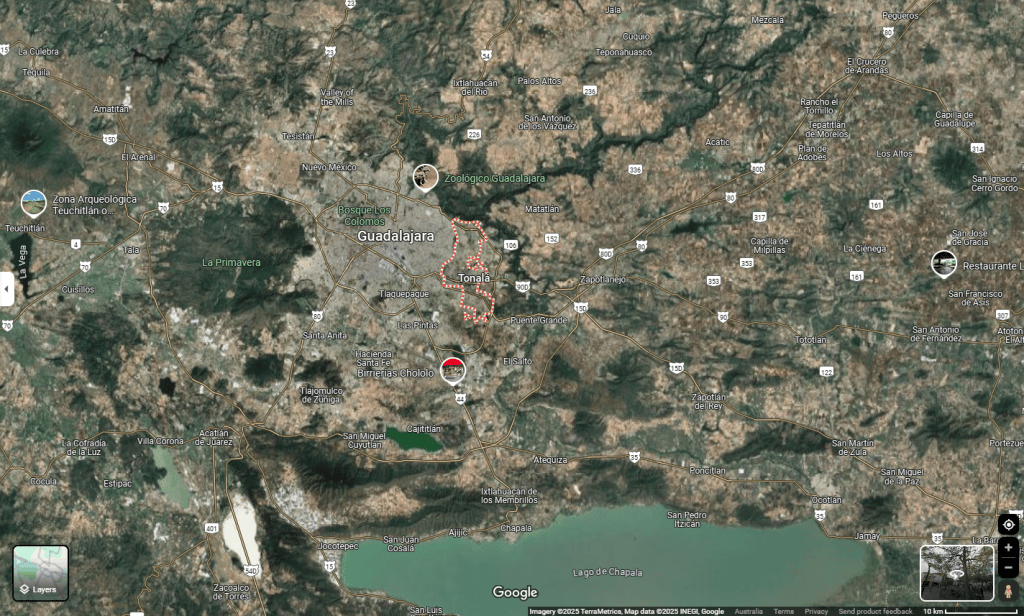
Tonalá is a city where everything revolves around a tradition of ceramics. Because of its rich clay deposits, it is said that the city smells of “pura tierra mojada,” or pure wet dirt.
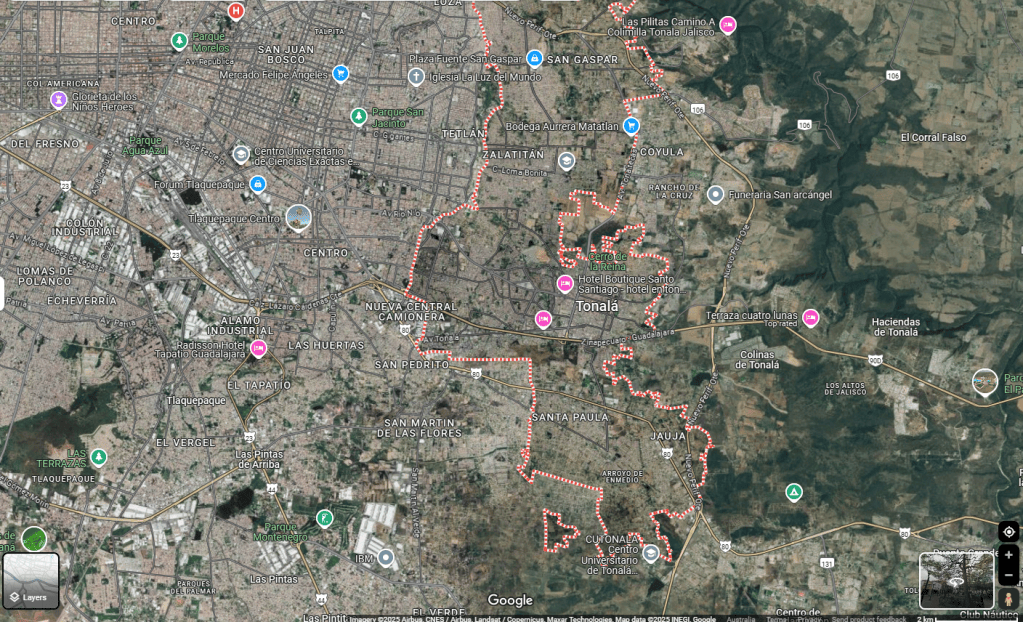
Tonala has been a center of pottery making since Pre-Hispanic times. Now part of the Guadalajara metropolitan area, it is a “working village” where you’ll come across hundreds of craft workshops producing blown glass, forged iron, papier-mâché and rustic wooden furniture, as well as clay work in a variety of techniques.
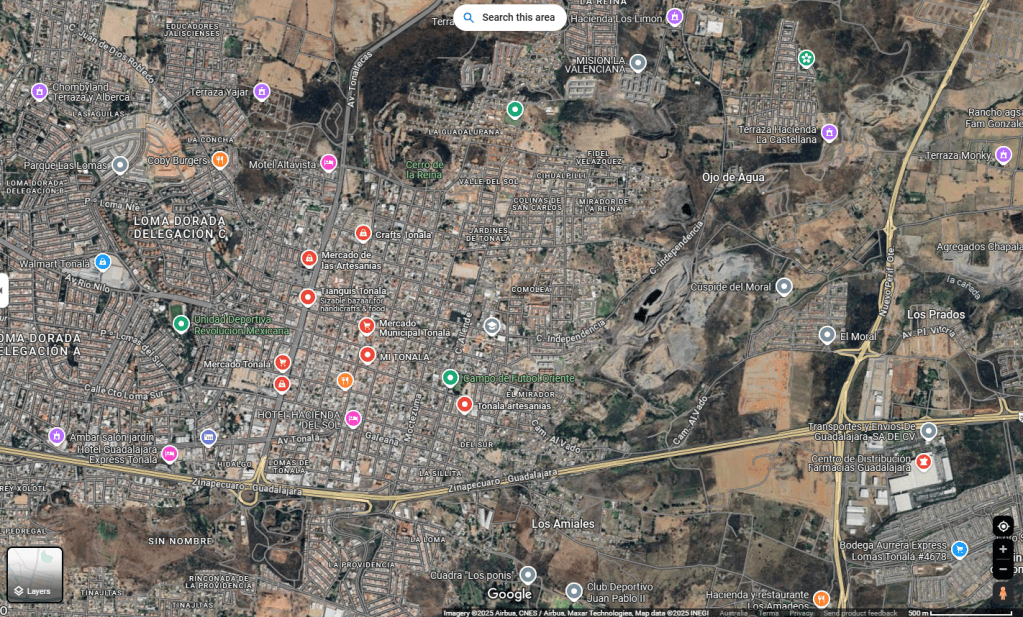
During colonial times, the production of pottery incorporated decoration techniques brought by the Augustinian missionaries in the 17th century. The missionaries introduced the potters wheel and lacquer that began to be used along with the original burnishing methods. Tonalá ceramics became an important part of the decoration of wealthy houses in Spain, for their fragrance, colour and design. They were considered luxury objects brought from the Americas.
The Tonalá tradition became known as “Tonalá ware” “Polished ornamental ware” or “Guadalajara polychrome.”
In the 1950s and 1960s, Jorge Wilmot and Ken Edwards introduced more modern high-fire ceramics to the Guadalajara area, starting in Tonalá. These are wares fired at over 1000C which vitrifies the clay, creating a nonporous surface, and eliminates the need for lead-based glazes
Before the Spaniards arrived on these lands, the Toluquilla, Zalatitán, Coyula, Tateposco, Tlaquepaque, Tapechi (Tepetitlán), and Tequepexpan, formed with Tonalá a kingdom, ruled by a woman named Cihualpilli Tzapotzinco.
Coat of Arms.
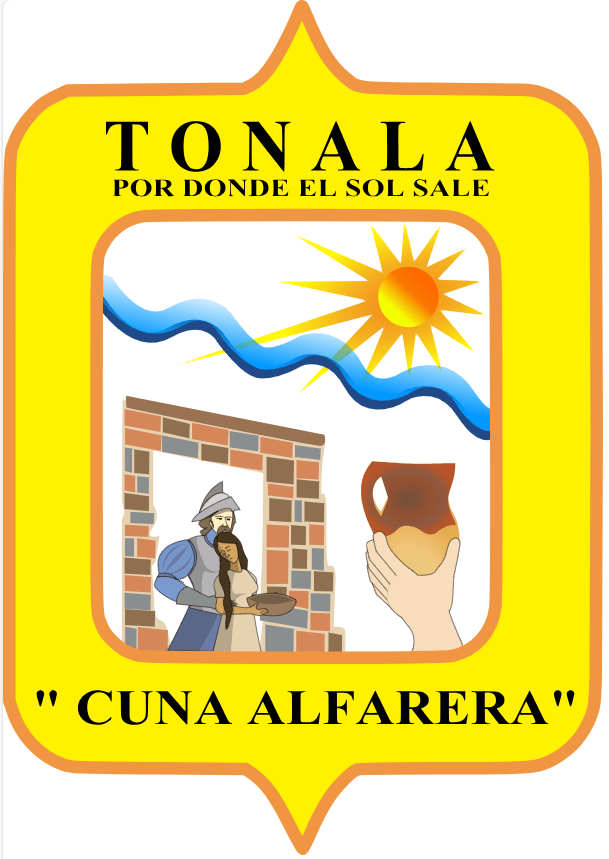
The elements that the coat of arms displays allude to the historical and cultural heritage that distinguishes this municipality at a local and regional level.
At the top of the shield characteristic geographical elements of this municipality are represented, these being the Sun and the Santiago River (or Rio Grande).
- The sun is an allegory to the etymology of the name of the municipality, as “Tonalá” comes from the Nahuatl word Tonallan, which is interpreted as “place where the sun rises”.
The figures of the indigenous and the Spanish symbolize the emergence of the mestizaje (1) that gives rise to the Tonaláde today.
- Mixture of different cultures , which gives rise to a new one
The stone arch represents the evangelizing enterprise of the Franciscans Fray Antonio de Segovia and Fray Juan Badaíno; and which was later continued by the Augustinian religious.
The hand carrying a clay jar is an allegory to the pottery tradition of this municipality that dates back to before the conquest, as it was already known as the pottery cradle.
On the yellow border, two inscriptions stand out, at the top: TONALÁ POR DONDE EL SOL RISE (Tonalá, Where the Sun Rises); and at the tip of the coat-of-arms: CUNA ALFARERA (Cradle of Pottery).
Tonalá was founded by Zapotec Indians, who over time mixed with other tribes, including the Toltecs and Nahuas
Upon the arrival of the Spanish in 1530 the region was inhabited by the Tonalteca (1) and its primary city, Tonallán, was ruled by a woman named Cihualpilli Tzapotzinco. She was a young brave woman from Tecuexe origin, a woman of her word, a woman of peace and strength; she kept serenity, ruling wisely over her people, from Toltec and Zapotec origins. Tonalláns tributaries (and allies) included the dominions of Tlaquepaque, Tololotlán, Coyolán, Mexquitán, Tzalatitán, Atemajac, Tetlán, Tateposco, Tlaxomulco, Cuescomutlán and Tlaquillaquilla, Cuescomutlán.
- a kingdom comprised of several neighboring towns with the capital being Tonallán (Tonalá)
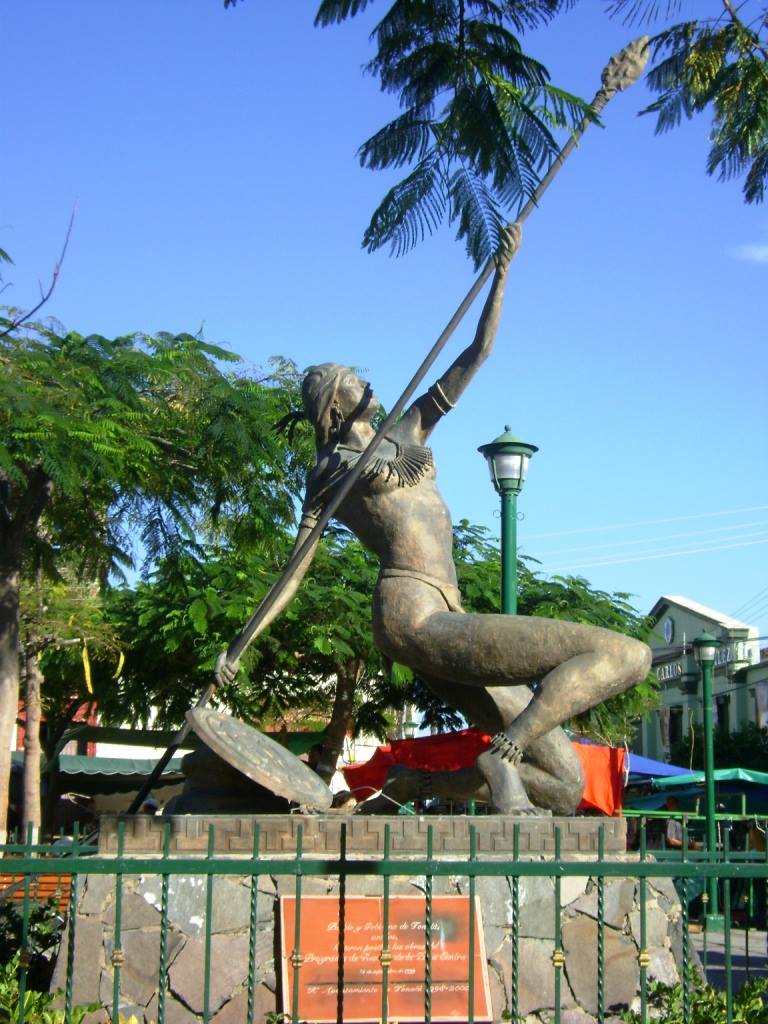
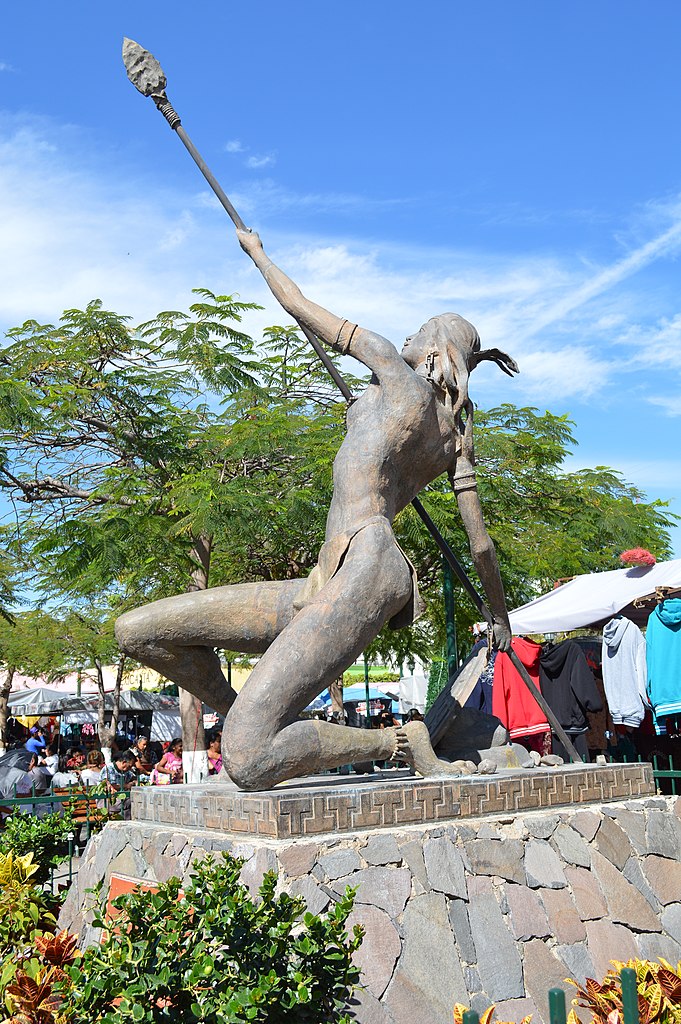
In March 1530, Nuño de Guzmán and his followers arrived in the region, entering San Martín de las Flores, formerly known as Tlaxicoltzingo.
Nuño Beltrán de Guzmán (October 31, 1490 – October 26, 1558) was a Spanish conquistador.
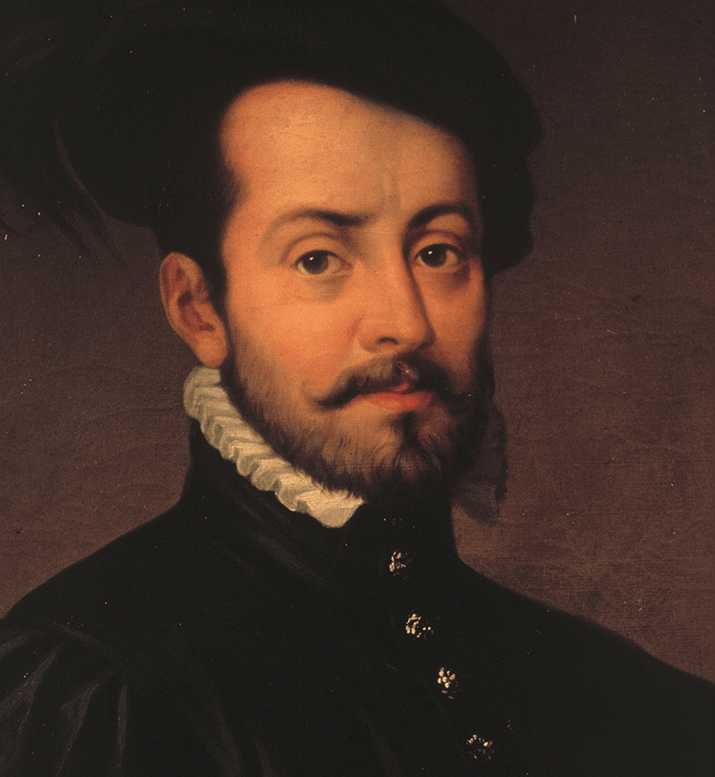
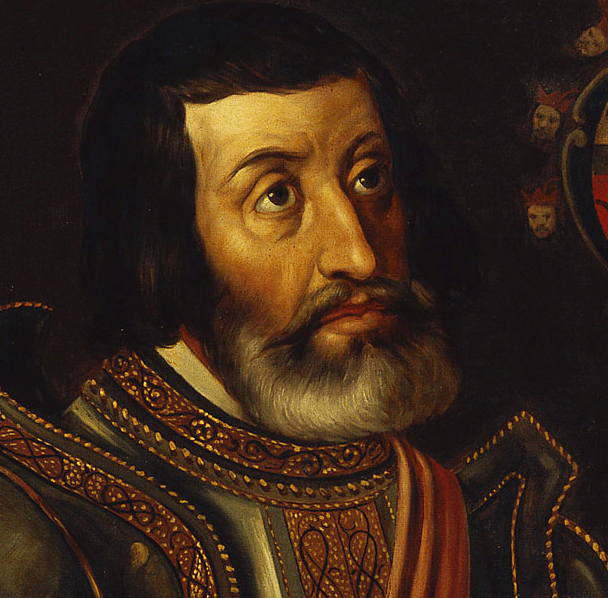
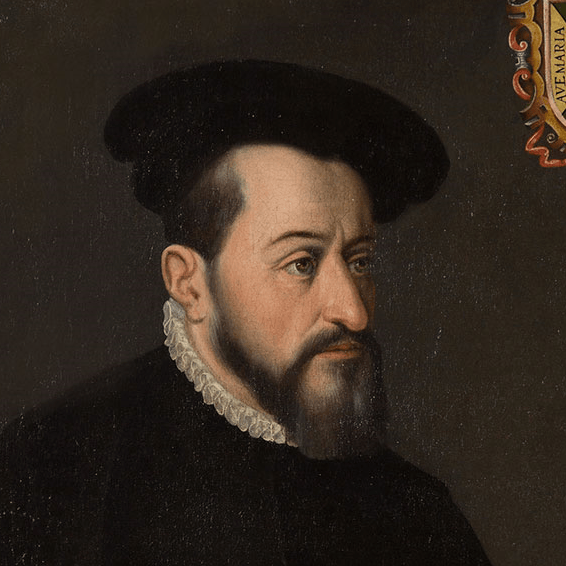
Various depictions of Nuño de Guzmán
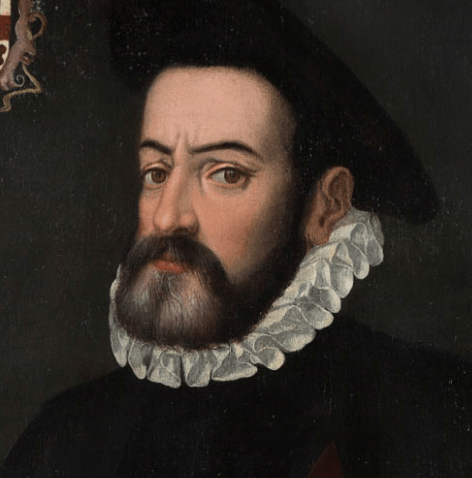
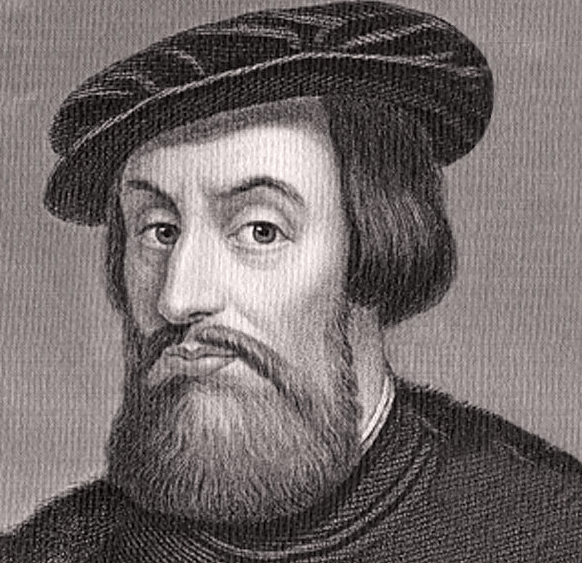
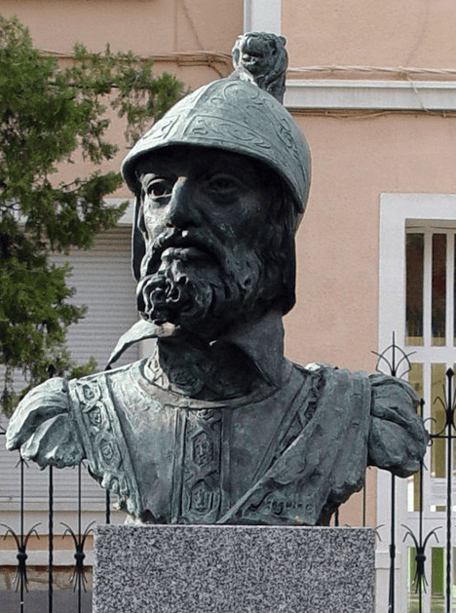
Oddly enough though Wikipedia states “There are no portraits of him except in codices” (1)
- No source given : https://es.wikipedia.org/wiki/Nu%C3%B1o_de_Guzm%C3%A1n
So heres one from a codex
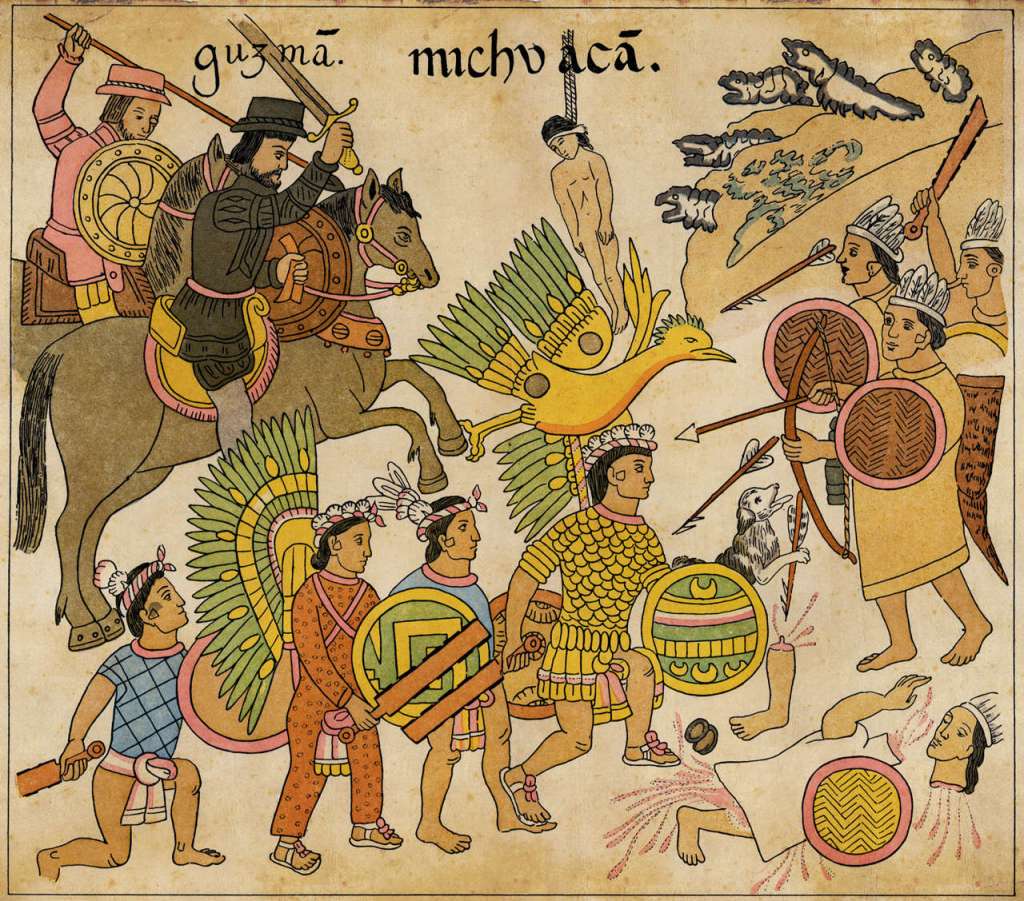
A descendant of nobility, Guzmán arrived in the New World in 1527 with the title of governor of Pánuco. (1) He was named president of the Real Audiencia de Nueva España, (Royal Audience of New Spain), a position he held for only one year (2) due to his excesses and cruelty towards the American Indians. His greed for wealth led him to undertake a long expedition through western Mexico. His tactics were as follows: besiege the indigenous villages, seize their corn and other crops, raze and burn the towns, and torture the native chieftain in order to obtain information about their wealth and that of other indigenous kingdoms; wealth that often existed only in his own imagination. His journey through the current states of Jalisco , Zacatecas , Nayarit and Michoacán was characterized by the looting and devastation of indigenous communities, as well as the murder of the last Purépecha king. The “king” or cazonci of the Michoacans, Tangáxoan Tzíntzicha , received him in peace, gave him gifts of gold and silver (3), gave him warriors and provisions, but Nuño Beltrán de Guzmán responded to his hospitality by having him tortured and executed.
Nuño Beltrán de Guzmán is described as being a “great tyrant” by Fray Bartolomé de las Casas and “perhaps the most perverse man of all who had set foot in New Spain” (Vincente Riva Palacio 1880)
- The presence of Nuño Beltrán de Guzmán was part of a policy of the Crown to reduce the power of Hernán Cortés.
- Other sources say he presided from April 1528 to 1530
- this undoubtedly being a huge mistake
Upon learning of the Spaniards’ approach, the indigenous population divided into two factions. Queen Cihualpilli and some nobles advocated for a peaceful reception, acknowledging the Spaniards’ superior power, while others prepared to resist. The proponents of peace sent a delegation of nobles and leaders from various towns to meet Guzmán.
The Spaniards were not a peaceable people and much like the Purépechan ruler Tangáxoan, Queen Cihualpilli of Tonallán would soon find the greed of the Spaniards to be insatiable.
Cihualpilli opted for diplomacy, dispatching emissaries bearing gifts to meet the approaching conquistadors. She and other representatives including Coyotl, Chitacotl, Tonatl, Xonatic, Cuauhuntin, and Oceotl from Tlaquepaque; Coyopitzantli from Tetlán; Timoac and Oxatl from Tzalatitán; Ipac from Atemaxac; and Tzacamitl from Ichcatlán presented Guzmán with gifts such as chickens, eggs, honey, avocados, onions, and fruits, expressing their willingness to welcome the Spaniards peacefully.
Dissenting voices rose from other regions of the Tonalteca and these demanded opposition. Cihualpillis meeting with Guzman was secretly surrounded by dissenters (1) who rained arrows upon the conquistadors upon their arrival. The dissenters were quickly slain by the Spaniards. To avert further bloodshed Cihualpilli surrendered to the Spanish offering herself up to them as an example. She was baptised into the Christian faith and was given the name Juana Bautista Danza (2).
- led by Tlaquitehuitli of Tetlán and indigenous nobles Cuautipizahuac and Catipamatac
- The name “Danza” was chosen in a raffle that included alternatives like Petra and Micaela, commemorating a dance she organized in honour of the Spaniards
Historically, the most important ceramic center has been Tonalá, but distinctively unique wares also come from the nearby towns, Santa Cruz de las Huertas and Tlaquepaque. In many instances, they say it is nearly impossible to say whether a piece comes from Tonalá or its neighbour.
Tlaquepaque
The name Tlaquepaque derives from Nahuatl (a family of indigenous languages of the Americas that dates back to the seventh century) and means “place above clay land” (1). The area is famous for its pottery and blown glass.
- other etymologies note that Tlaquepaque is from the name Tlacapan, which roughly translates to “men who make clay utensils with their hands”.
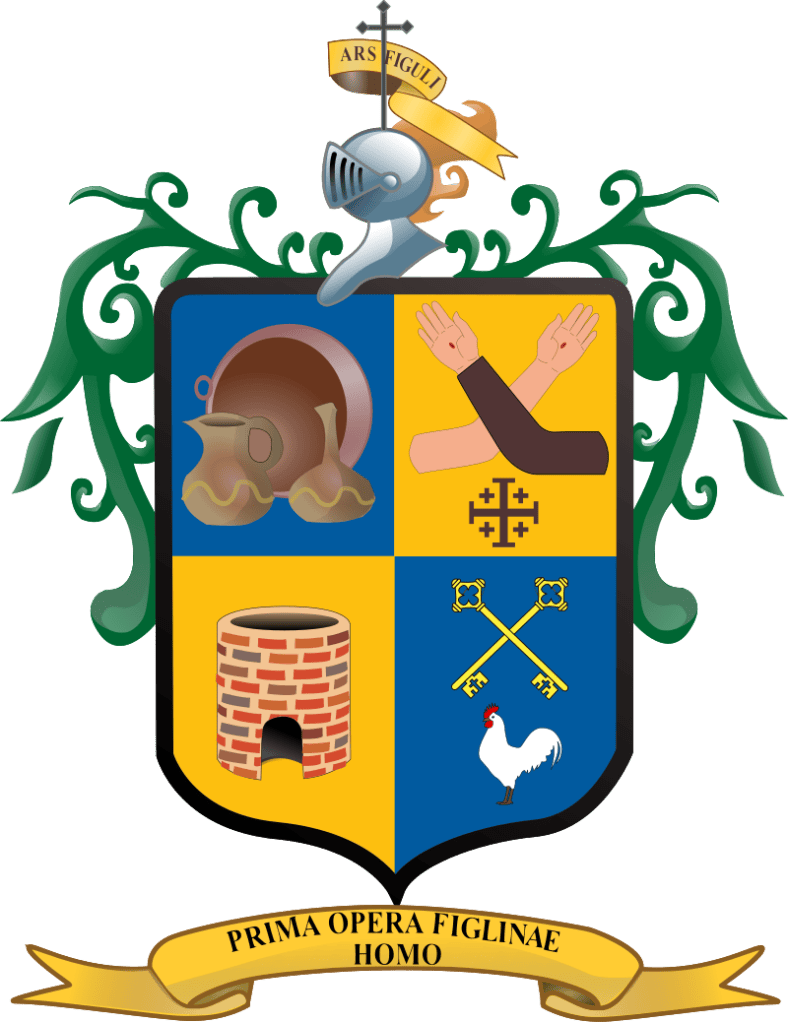
The Coat of Arms of Tlaquepaque is a Spanish-shaped shield with two blue and gold fields interspersed with a helmet on the head. In one quarter is the pottery of the Tlaquepaque artisans, the other quarter has the order of Saint Francis of Asissi, in the lower left quarter a well and the lower right quarter has the keys of Saint Peter with a rooster
The best clay in Jalisco is found in the Tonalá and Tlaquepaque areas, especially that in the El Rosario community. This clay is so fine, that the resulting works are similar to porcelain. The ceramics industry of Tlaquepaque is based on seven different types of clay that are in the area.
Tonalá is known for its “barro de olor” (lit. aromatic clay) because the pieces made from it transmit its smell and flavour to water containers, especially the bruñido pieces. his craft is also known as “smelling clay” because it “smells like wet earth.” When it comes into direct contact with water, it gives off a peculiar aroma known as petrichor. Water stored in this kind of vessel takes on a flavour from the clay, which is actually desired by many people.
Traditional ceramics styles include “bruñido”, “bandera”, “canelo”, “petate” and “betus”.
Canelo
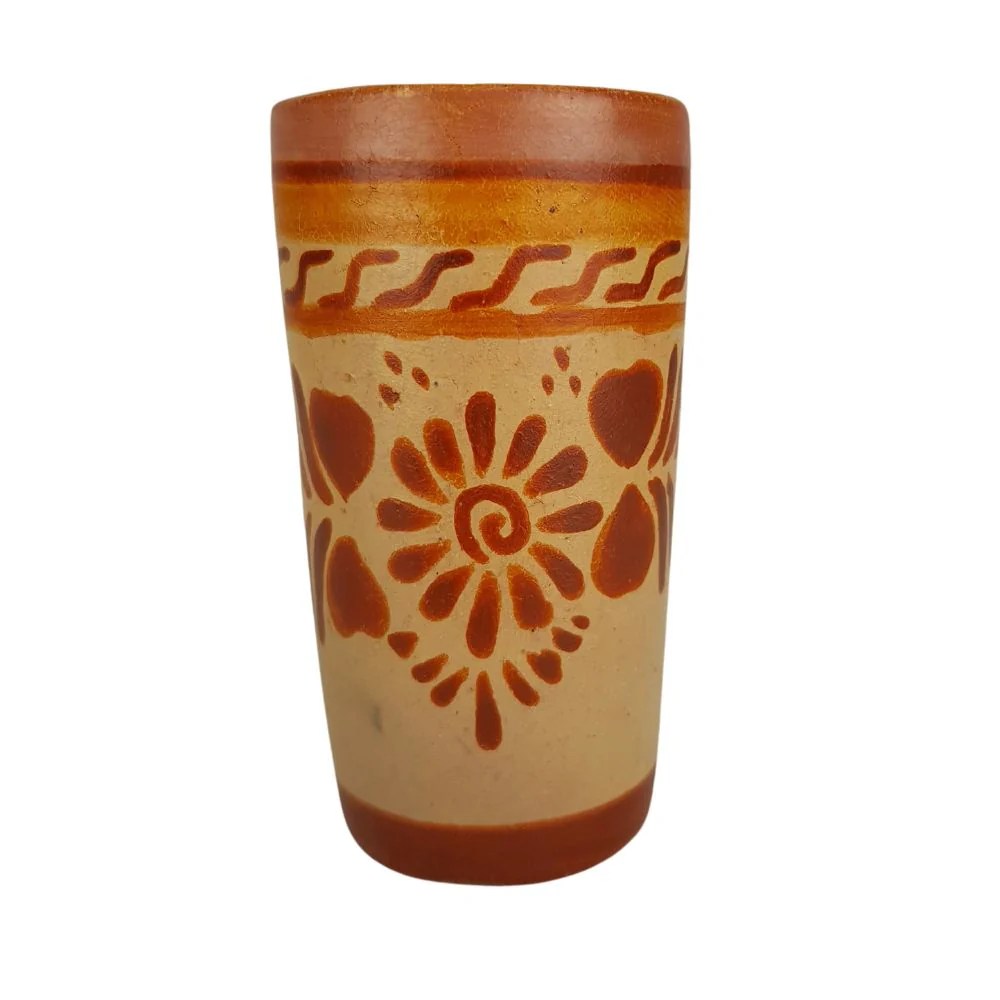
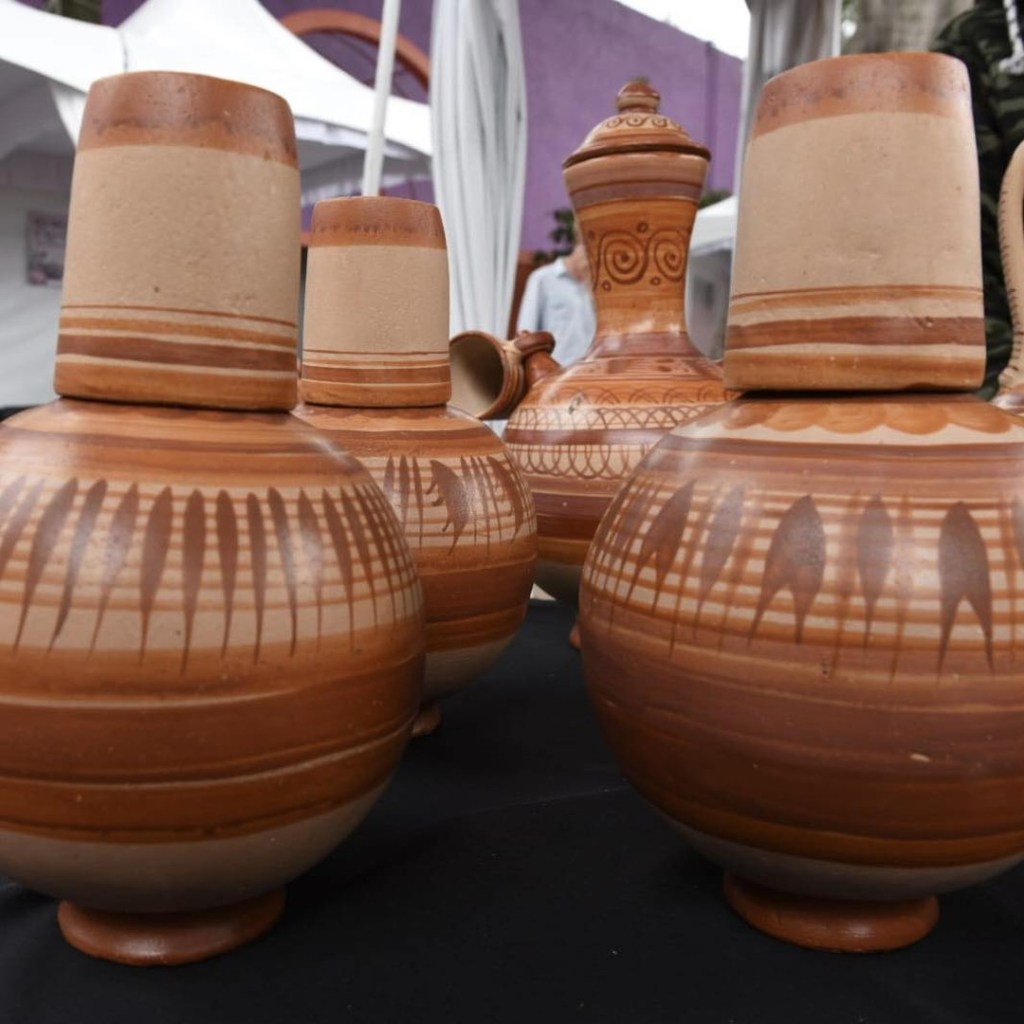
Canelo is named for the colour the fired clay turns out, which is various shades of cinnamon (canela in Spanish). It is popular and used mainly for water jugs because it is good for keeping liquid cool.
Brunido
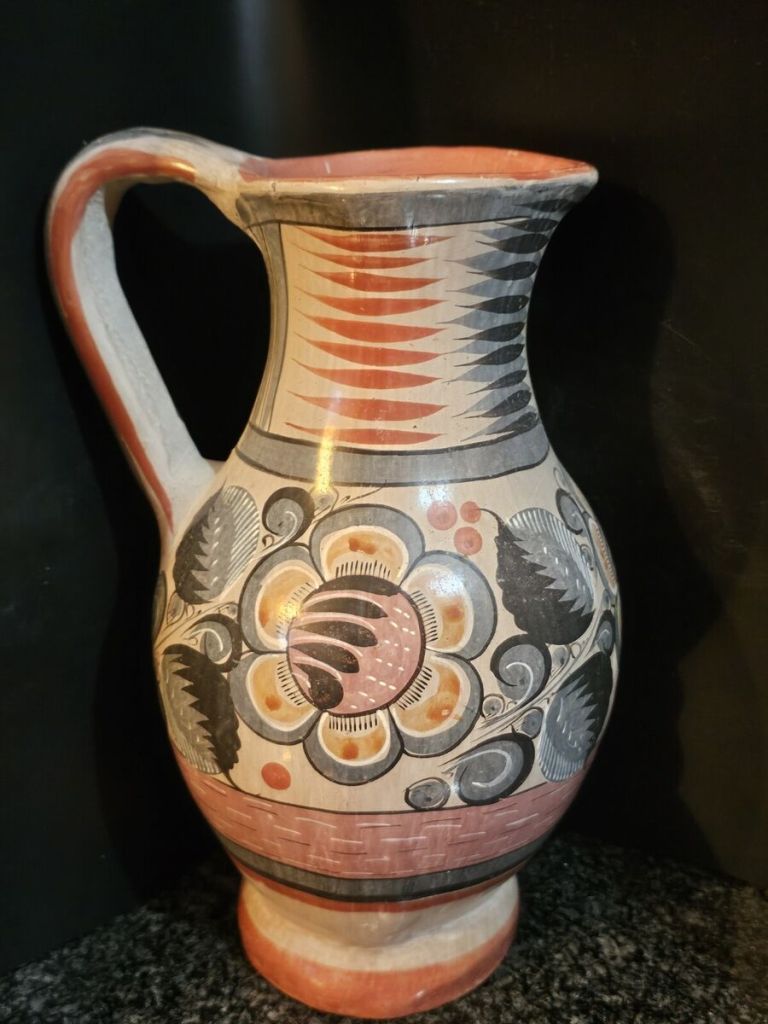
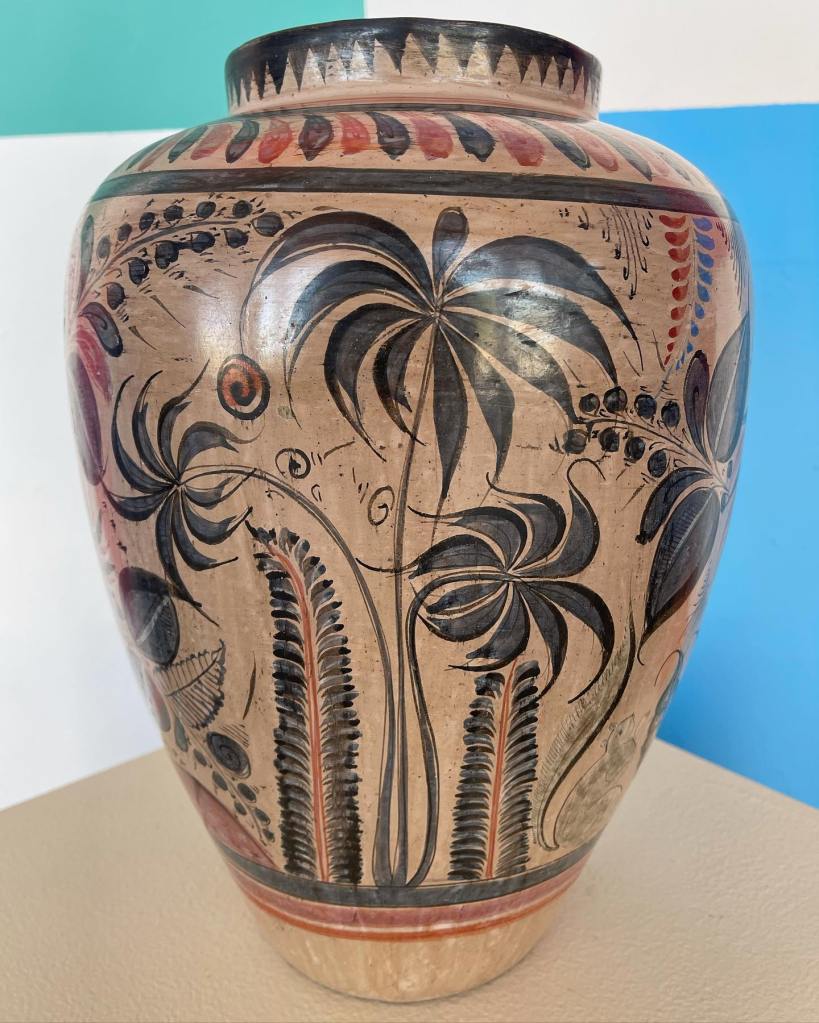
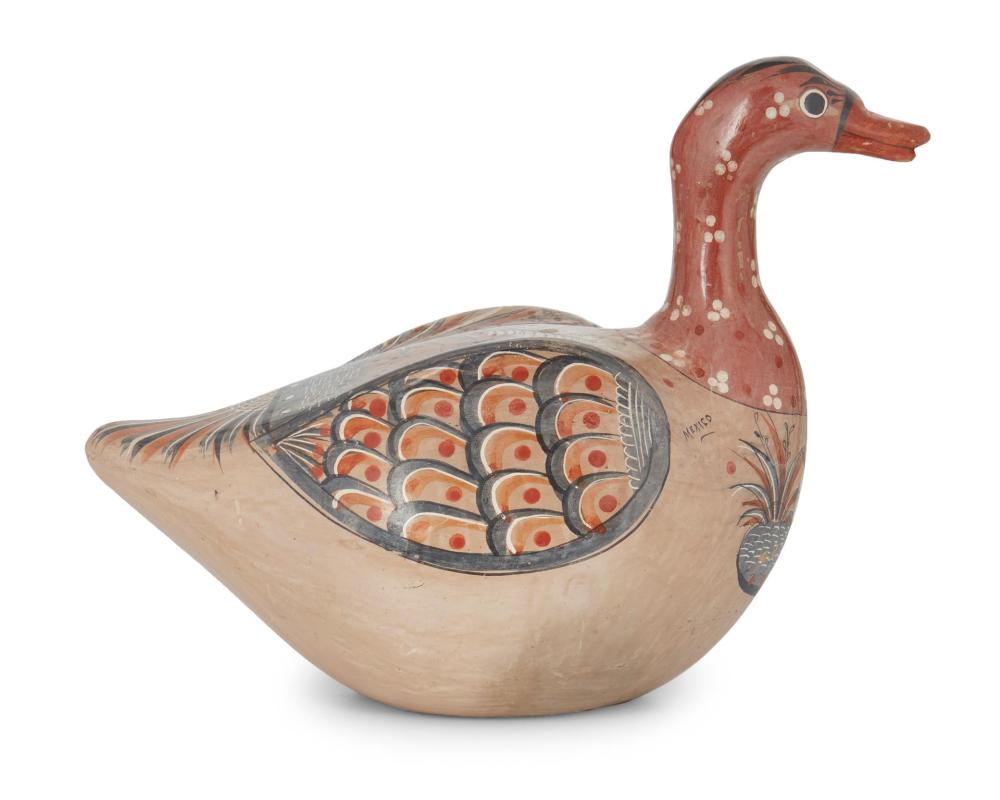
The best known of the styles is bruñido, which translates to burnished.
The name comes from the fact that these pieces are not glazed, but rather they are given a slip and then polished with a stone or pyrite
Bandera
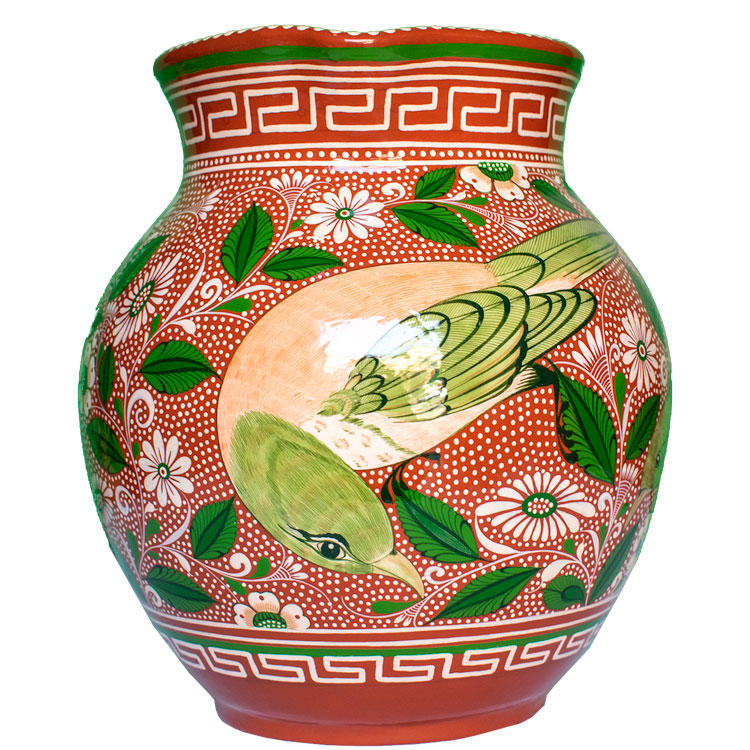
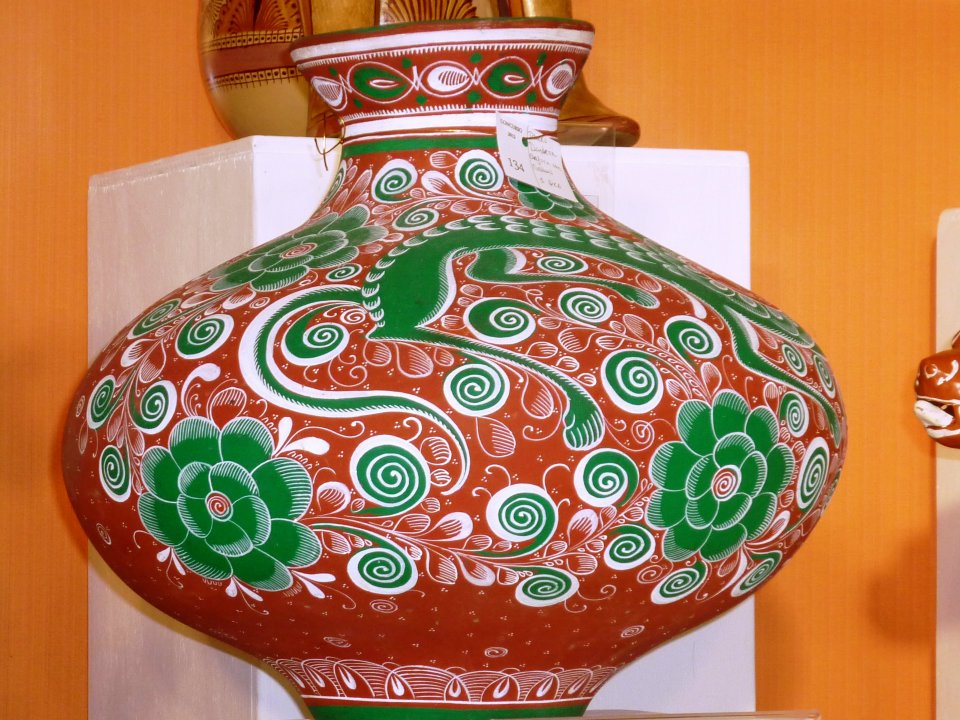
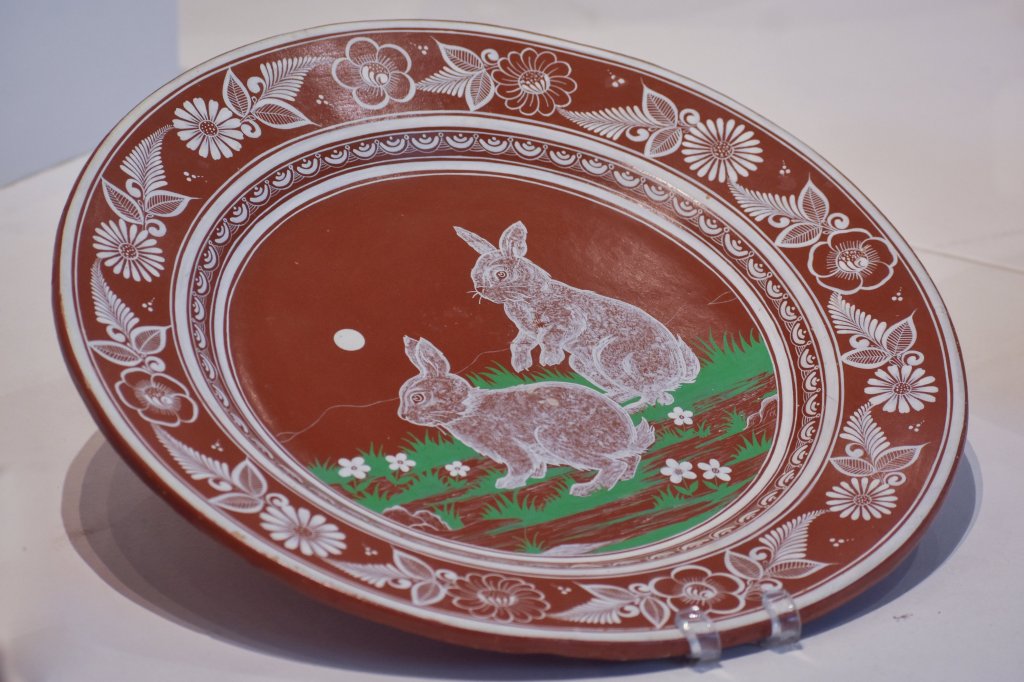
Bandera, which means “flag” in Spanish, is so named because it has the green-red-and-white colours of the Mexican flag. Red is commonly used as the background colour, while the green and white are used for the decorative details. Like, bruñido, it is also an unglazed burnished ware. For unknown reasons, this style of pottery is very rare
Petatillo
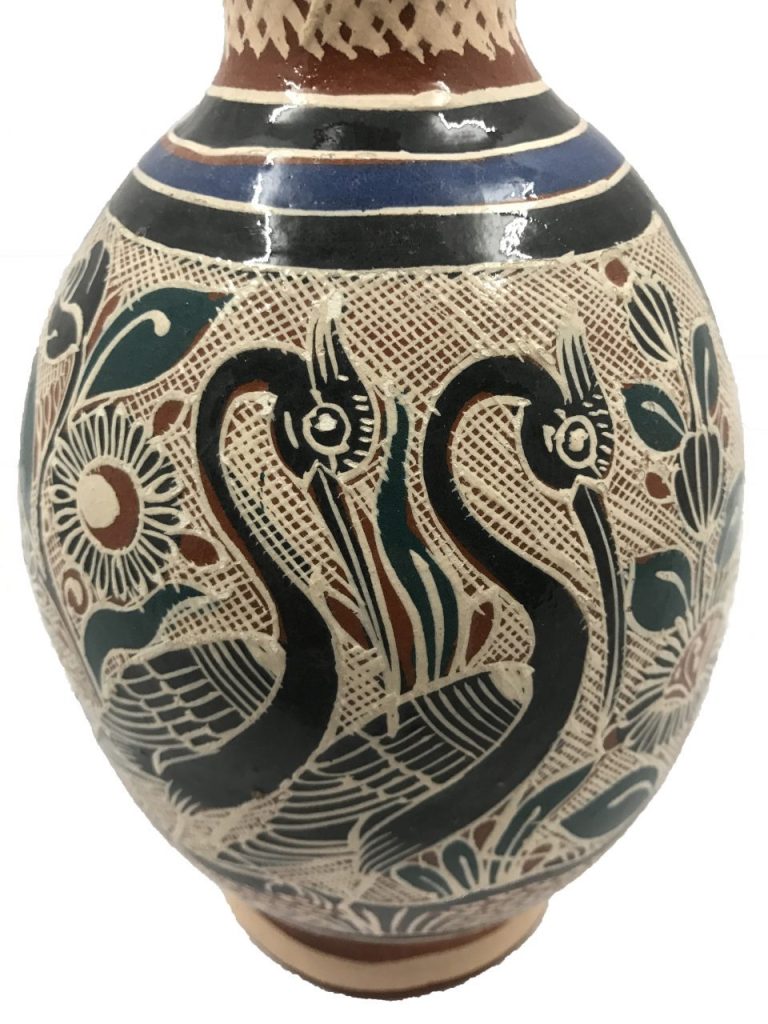
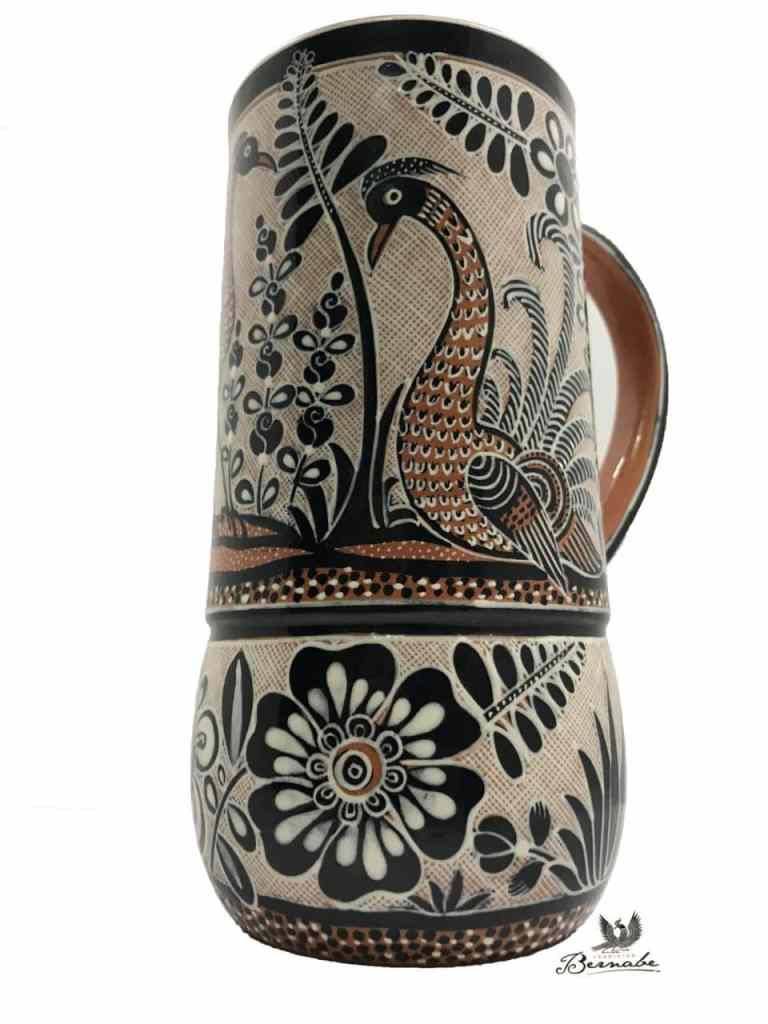
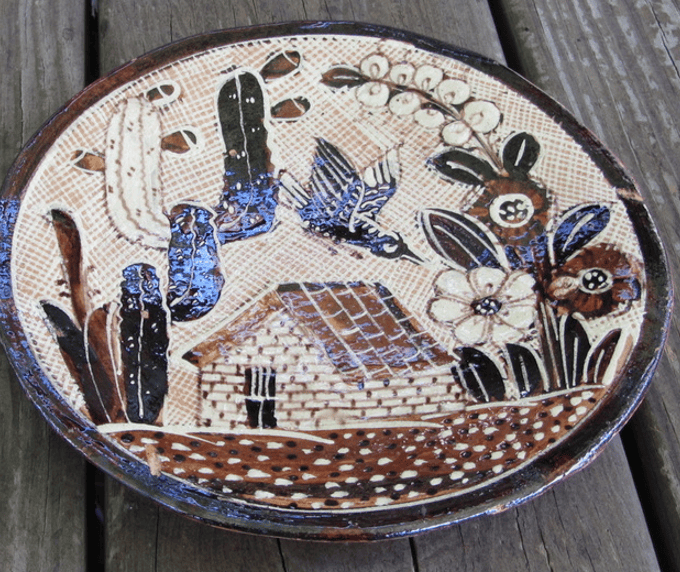
Petate or petalillo pottery is distinguished by having a light yellow background filled with crosshatching, which looks like a woven palm mat, called a petate. The tighter the crosshatching is, the finer the piece. This type of pottery is used to make mugs for hot chocolate, platters, large bowls and some animal and human figures. This ware is painted before firing at 900C for five or six hours, glazed, and then fired again. The resulting ceramic resists temperatures of up to 3000C. The work involved in the decoration makes this one of the more expensive types of Mexican ceramic
Betus
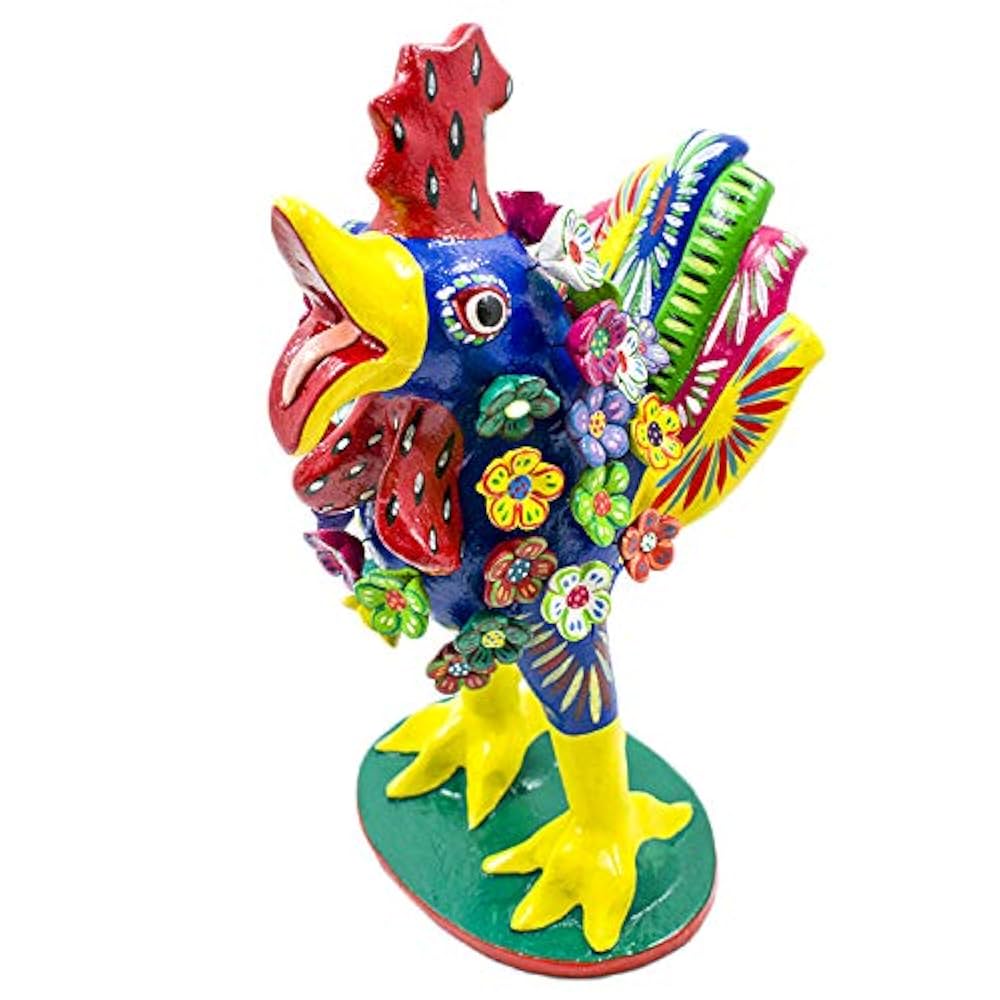
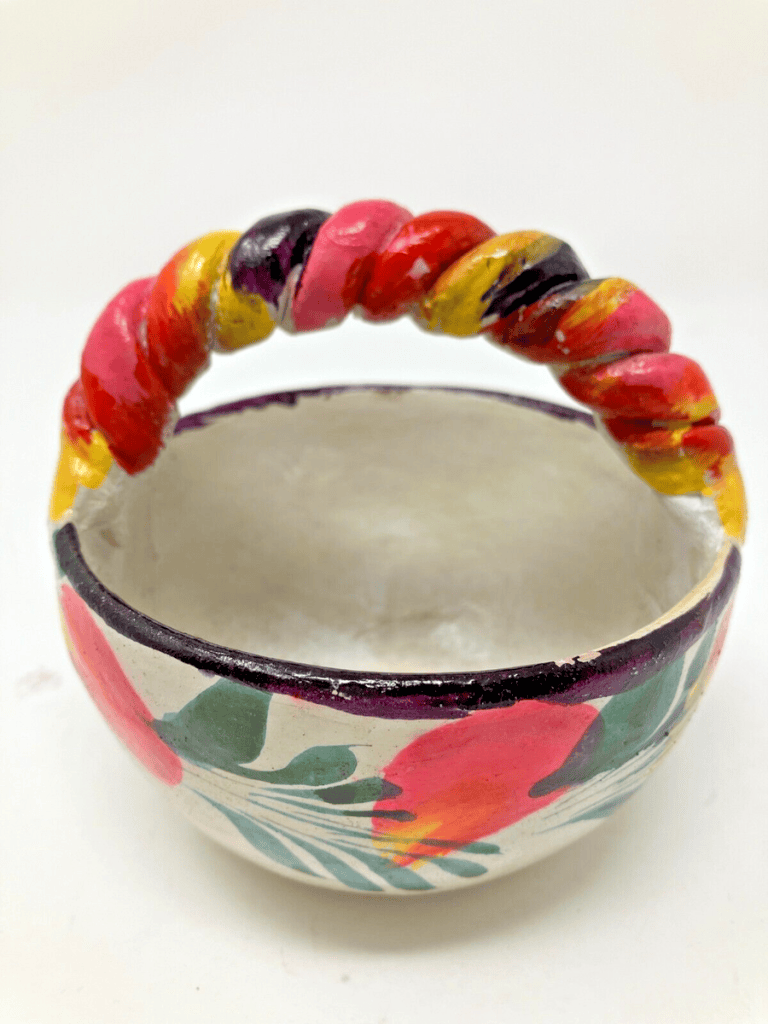
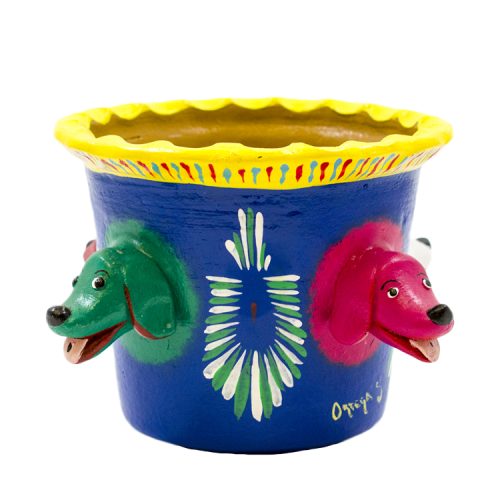
Betus pottery is characterized by vibrant colors that give the ceramics a whimsical look. This style derives its name from the betus oil the clayware is immersed in before it is fired. The oil (aceite de betus), which is made of a resin extracted from pine trees, gives the painted pottery a brilliant sheen. This pottery has a bone coloured crystalline finish which is comparable to Japanese ceramics. The village of Santa Cruz de las Huertas, Jalisco is the only village that makes barro betus which is one of the seven traditional ceramic techniques that Tonalá has become famous for.
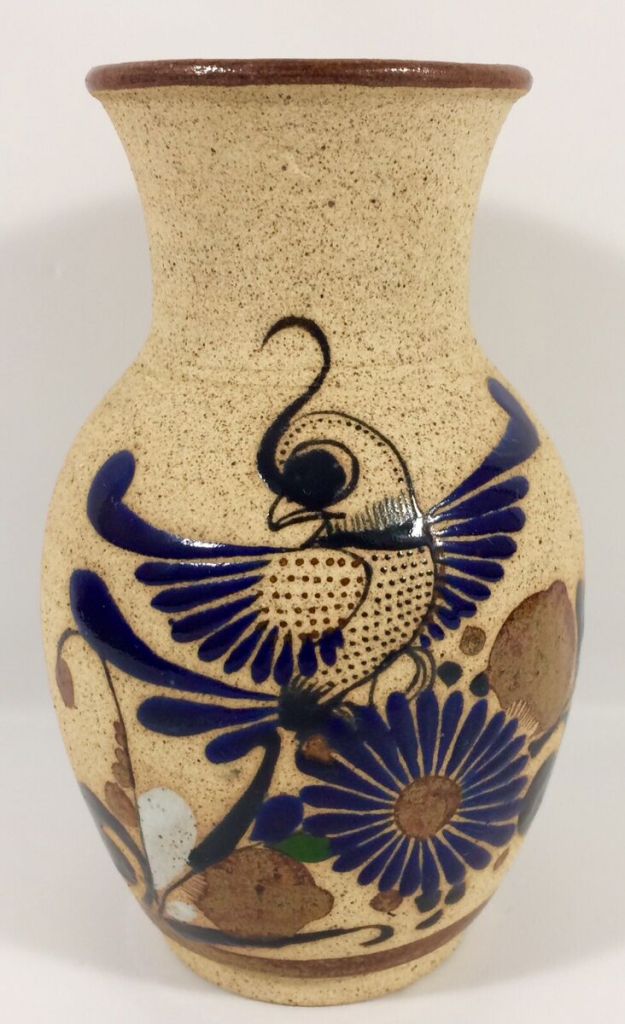
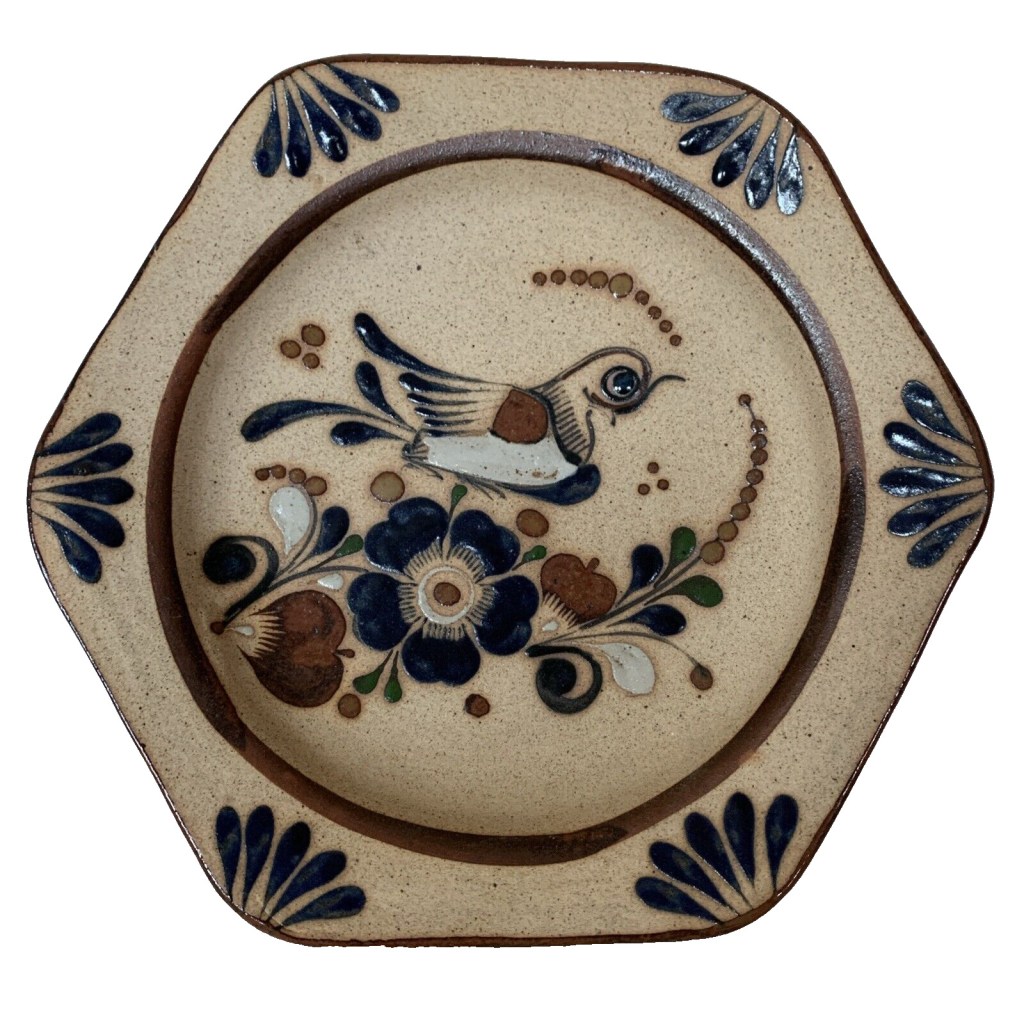
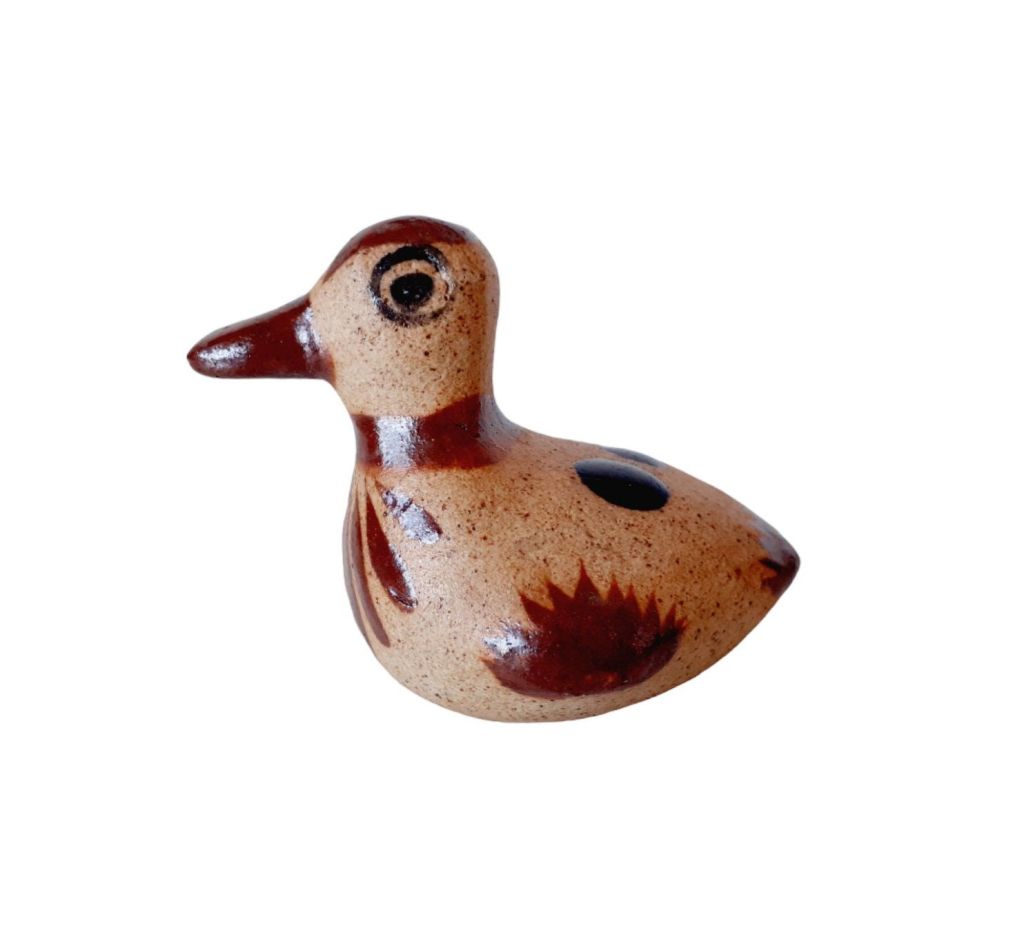
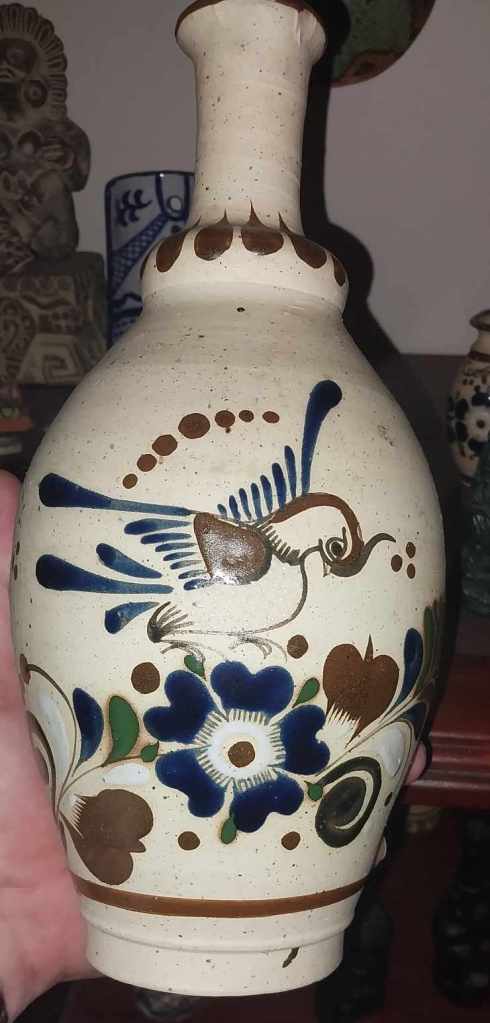
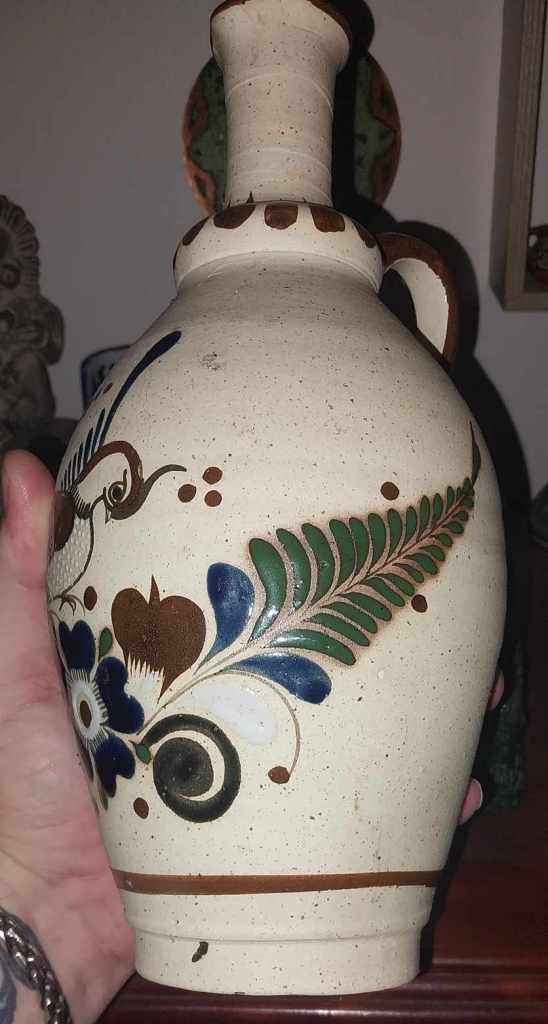
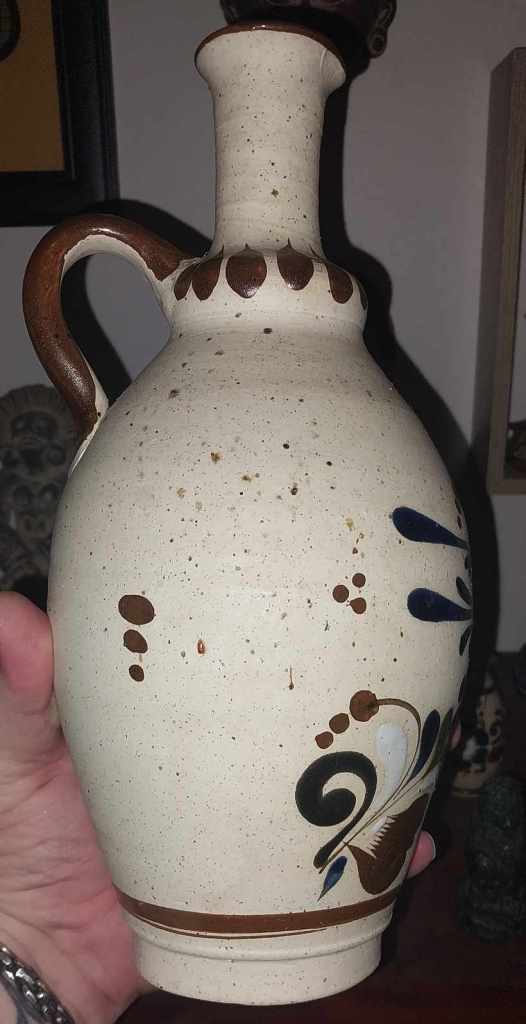
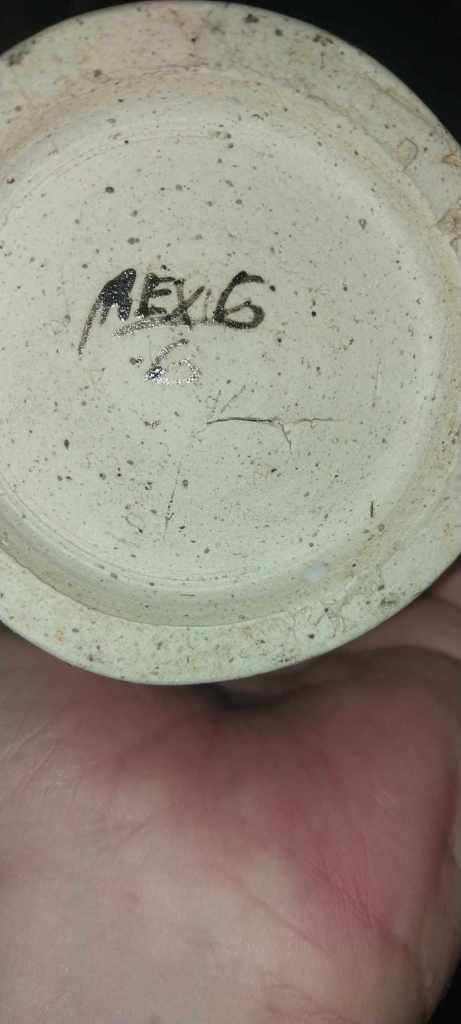
Another style (which did not come up in my research of the styles listed above) is that of “sandstone”. The pottery is rough with a gritty/grainy texture but has smooth sections where it has been glazed. Vessels are glazed on the inside so they are able to hold water.
Sandstone
Búcaros
The clay of Tonalá near the west coast of Mexico, is a material prized for its beauty as well as other perceived qualities. When baked into enormous, ornate búcaros—covered jars—it can be used as a humidifier.
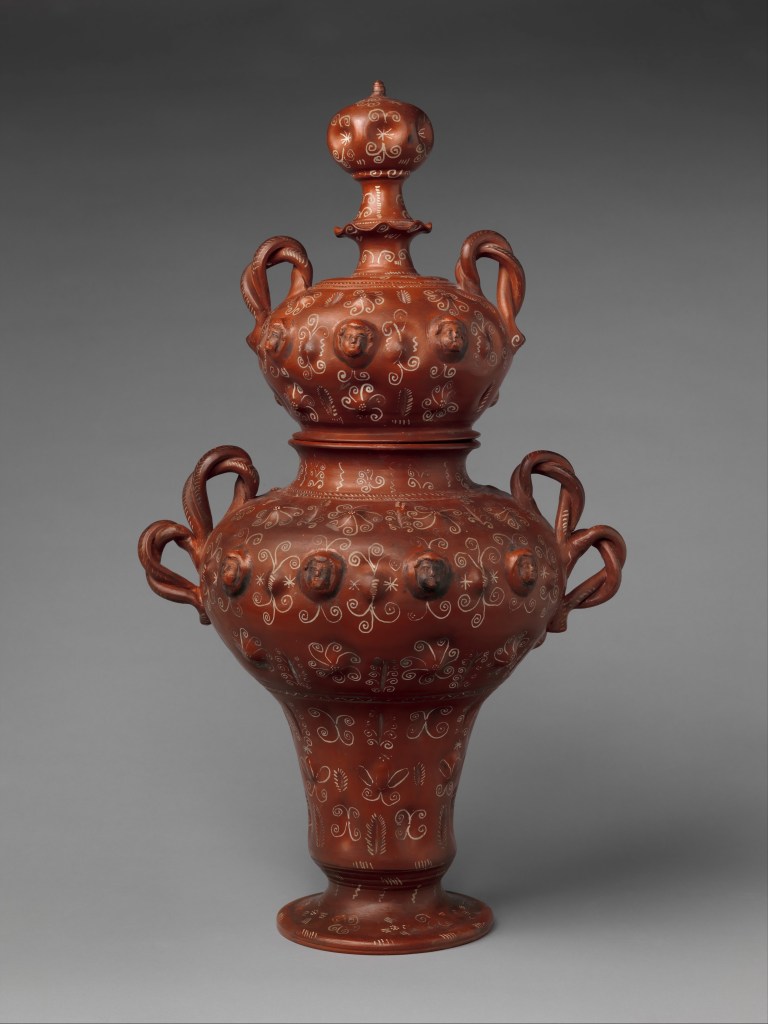
The Spanish term búcaro was originally employed to refer to Portuguese red ware ceramics (púcaros), also produced in various Spanish towns, renowned for cooling and scenting water, as well as being a refreshing remedy in Galenic medicine.
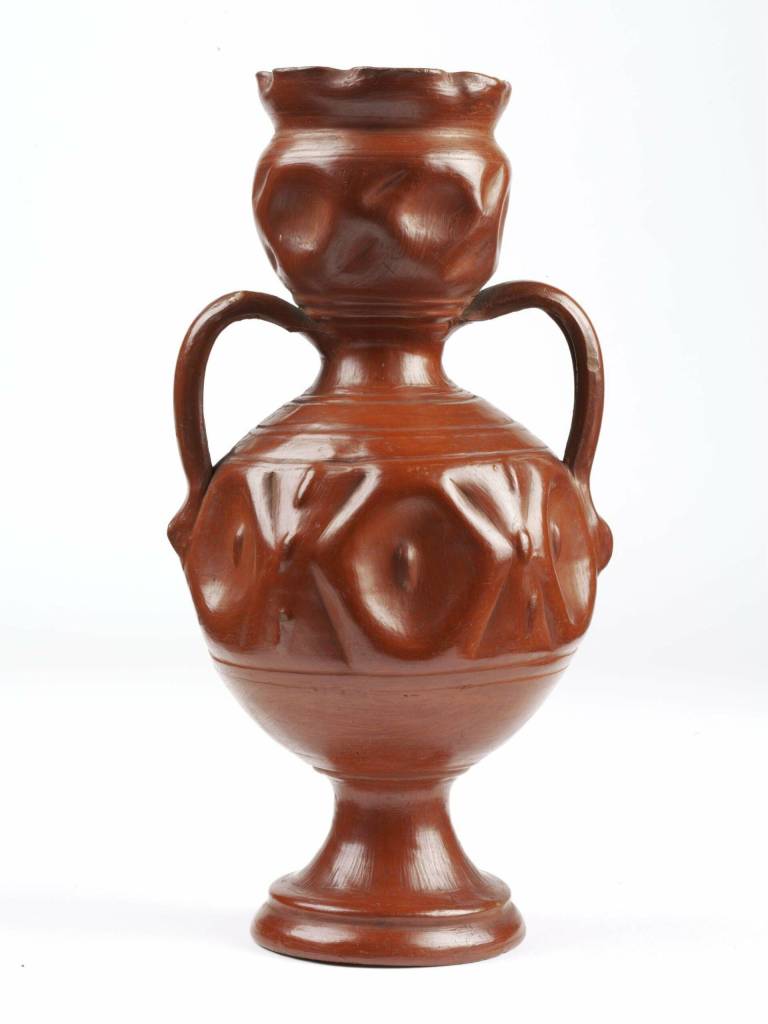
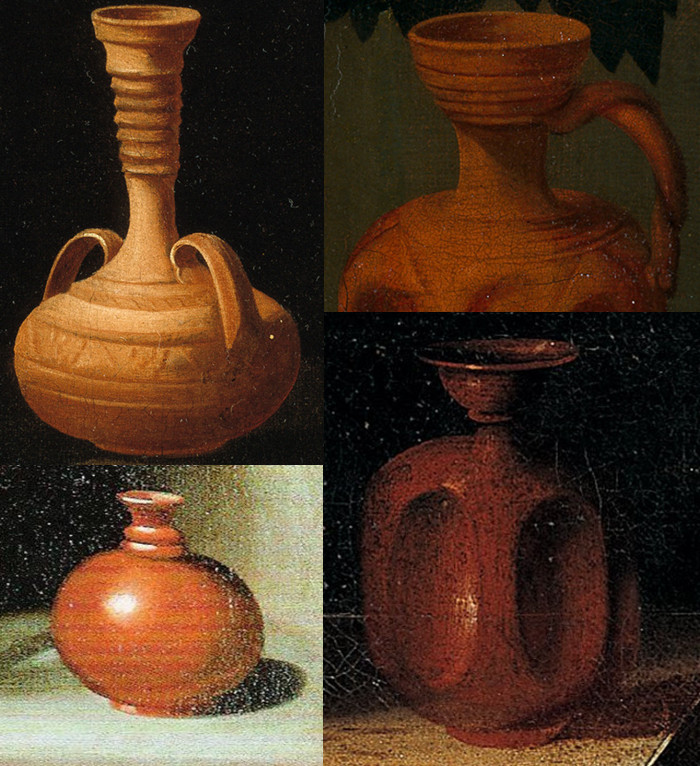
The bright red extremely low fired clay was mined uniquely in Guadalajara, Mexico.
The búcaros were very cleverly designed to increase their function. The larger water storage vessels were typically dimpled which increased the jars’ surface area. This aided evaporation through the thin walls of the unglazed clay, encouraging the water to cool, and release the clay’s aroma. It also helped to cool and humidify the hot and dry air in the surrounding room.
The pots’ glossy exterior was achieved by a process known as burnishing. A thin layer of watered-down clay, known as ‘slip’, would have been applied to the exterior. Then, using stones, the slip would be thoroughly polished, creating a high shine.
A large number of búcaros were exported from Mexico for well-to-do Spanish but as they were made of ceramics not all of them survived the ocean voyage and those that survived the journey (from North America to Europe) were used as seventeenth century versions of the contemporary humidifiers that infuse rooms with the pleasant aromas of essential oils. You fill the tall clay vessels with water. Over the course of the day, evaporating water would cool the room and suffuse it with the calming, wholesome smell of clay.
The term bucarophagy refers to a specific phenomenon that gained high popularity in the Iberian peninsula during the seventeenth century. It became a practice of the Spanish upper classes to eat small fragments of the búcaros, which had been broken on the journey from Mexico to Spain. The shards of the broken pots were either eaten whole or, more often, ground down into a powder and mixed with water. There were other regions that produced búcaros and despite collecting jars from other regions that produced them—like Chile, and Portugal—people believed the jars from Tonalá were special.
Once cooked and ingested, búcaro clay decreased the iron level in the blood, caused paleness (of complexion)(1), and interrupted menstruation. Women who worked as prostitutes took Tonalá and Estremoz (2) clay to control birth. The búcaros from Tonalá (Guadalajara) were considered the best for avoiding pregnancy (Serena 2009) (Cañizares-Esguerra 2021).
- supposedly due to the anaemia it caused.
- A municipality in Portugal located in the Alentejo region (south-central and southern Portugal) which also produced búcaros (or I should say púcaros)
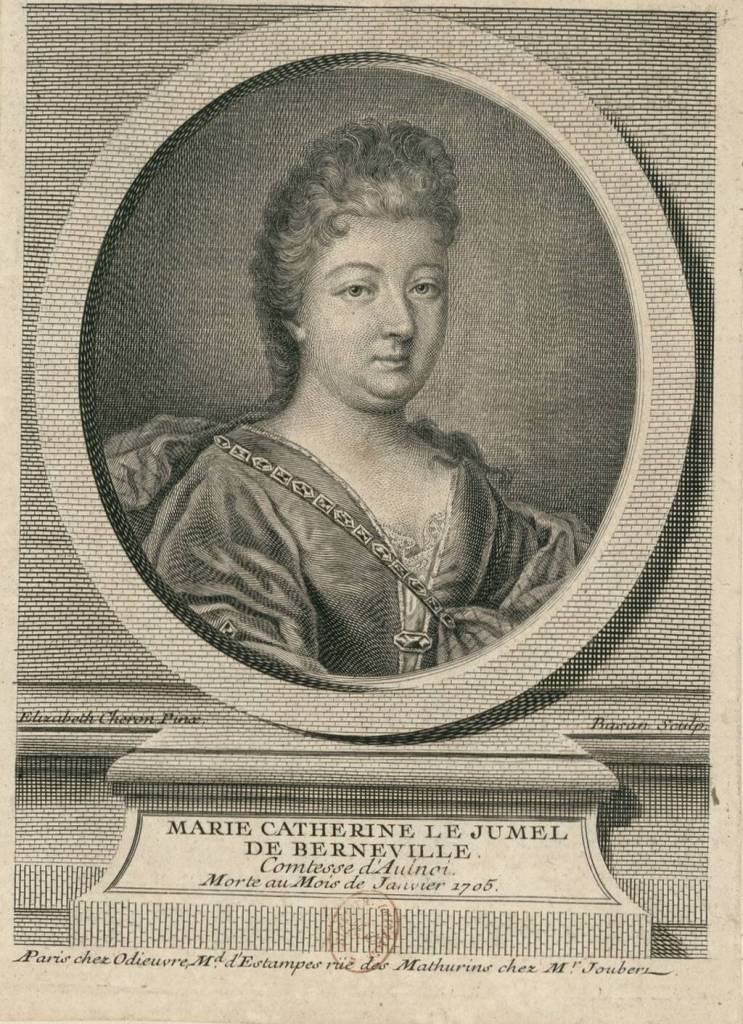
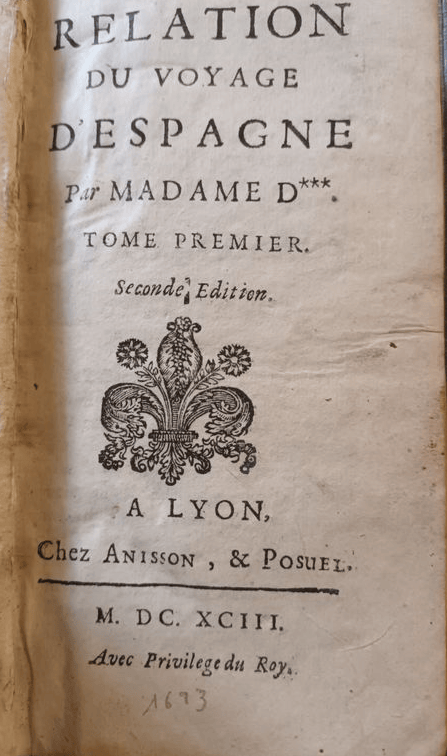
Marie-Catherine d’Aulnoy travelled to Madrid in 1679 and noted in her Relation du voyage d’Espagne (1691) the habit of Spanish noblewomen eating this clay from Tonala
“[women] have a great passion for this earth, which usually causes them an obstruction; the stomach and the belly inflate and become hard as stone, and they are as yellow as quinces (1). I wanted to taste that so much esteemed and so little estimable food; I would prefer to eat sandstone. If one wants to please them, he should donate them some búcaros, which they call barros, and often their confessors do not impose on them any other penitence than to spend a day without eating them”.
- I have seen other sources note the colour as being “as yellow as saffron”
The Countess goes on to say that the búcaros clay has “a great number of properties that are good against poison and cure an abundance of diseases.” And then, this is her final point: “I have a great cup made of it, which holds a pint. It spoils wine that is put into it, but it makes water excellent”
She however was not overly taken by the habit of eating the clay and stated (the clay) “is so much esteemed beyond its worth. But I declare I would prefer to eat sandstone”
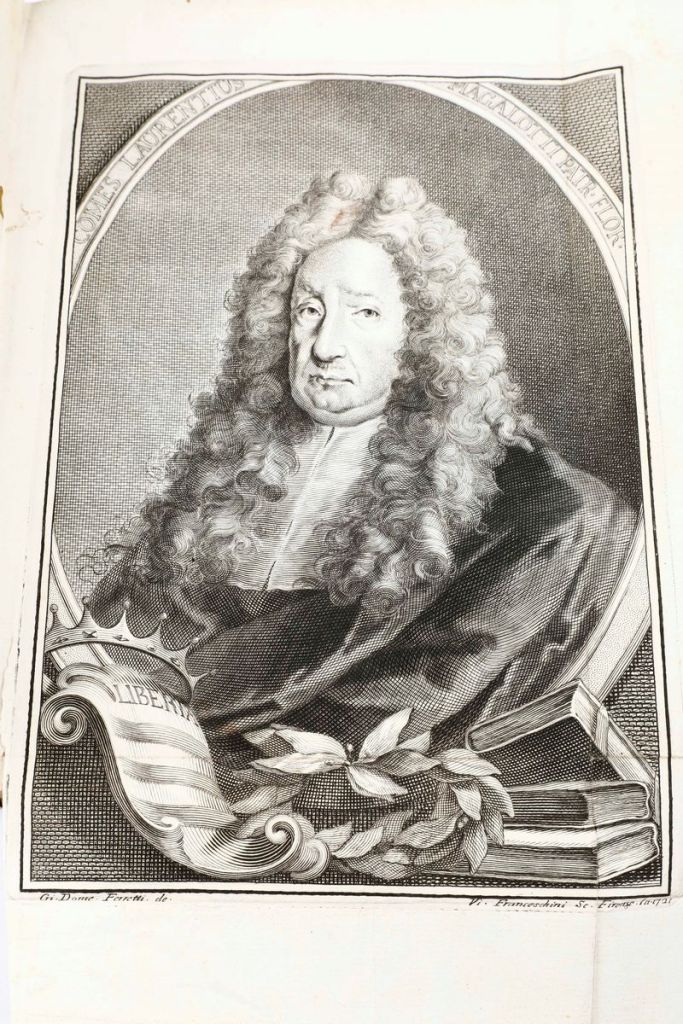
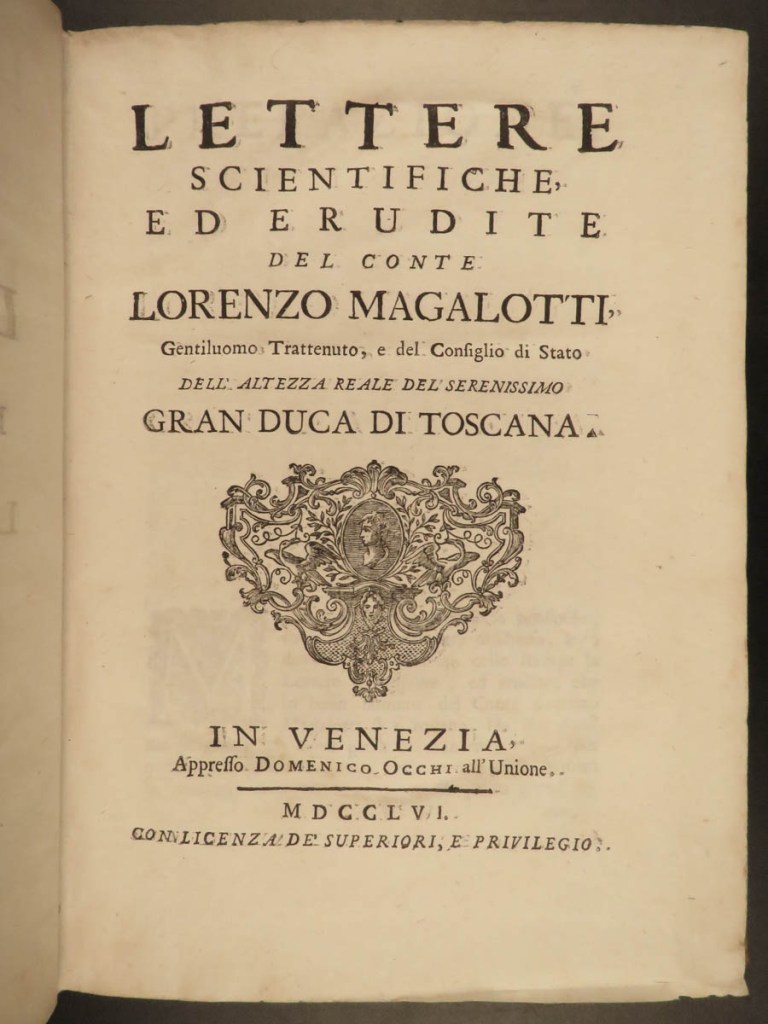
In 1675 Count Lorenzo Magalotti stated of búcaros use as a water containing vessel “The earth contains certain veins of clays, odiferous by their nature. The best of all are found in America… …vases and vessels have the property of imparting to the water poured in to them the subtle and sweet aroma with which they are impregnated”.
Lorenzo Magalotti (1) also had the opportunity to observe the Spanish custom of eating the broken búcaros; stating that the búcaros from Guadalajara were the tastiest, Magalotti mentioned the preparation of a scented water through a process of distillation of búcaro fragments (at times added with musk), the addition of powdered búcaros to freezing water in order to obtain a sorbet-like preparation (which could have been enriched with sugar, musk, or floral infusions), the sucking of búcaro fragments, and the preparation of candies with sugar, musk and ambergris; finely ground búcaros were also added to any kind of food.
- Lorenzo Magalotti (24 October 1637 – 2 March 1712) was an Italian philosopher, author, diplomat and poet.
I have also seen several references to the ingestion of búcaro fragments having a psychoactive effect, i.e. “In those years, people ate búcaros for their medicinal properties and hallucinogenic effects”.
‘The ingestion of clay would lead to a state of dreaminess and visions, good for meditation. […] When eaten, what was sought were effects similar to soft drugs, as we would say today, and as the name they were given implies: “inebriating” (emborrachativas)’ (Serena, 2009)
I have several pieces of sandstone in my collection.
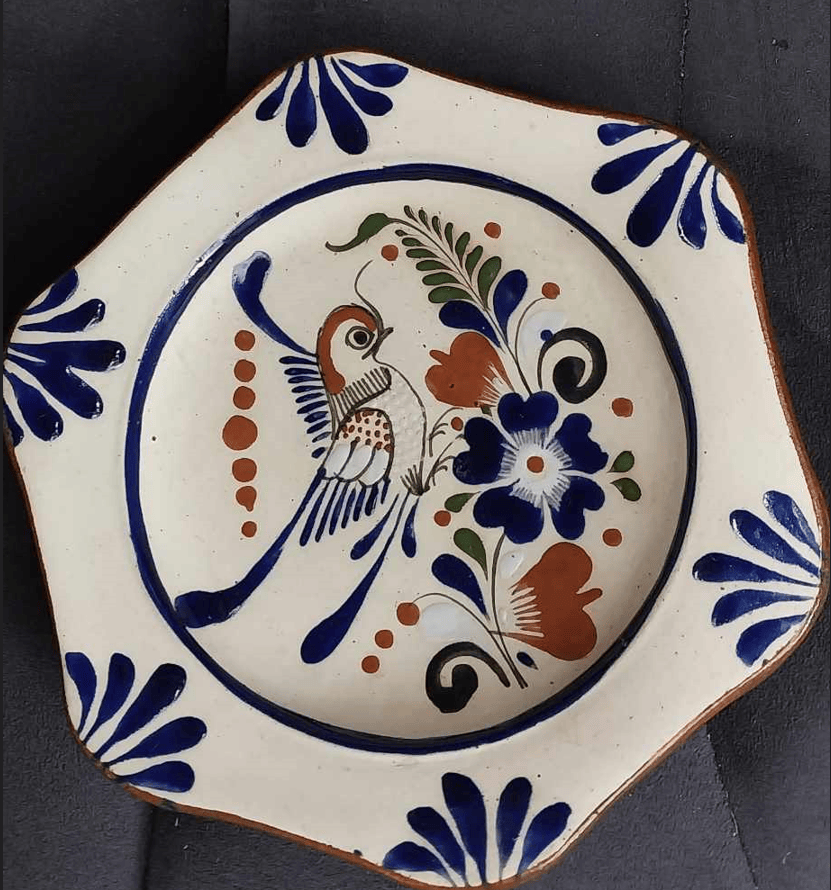
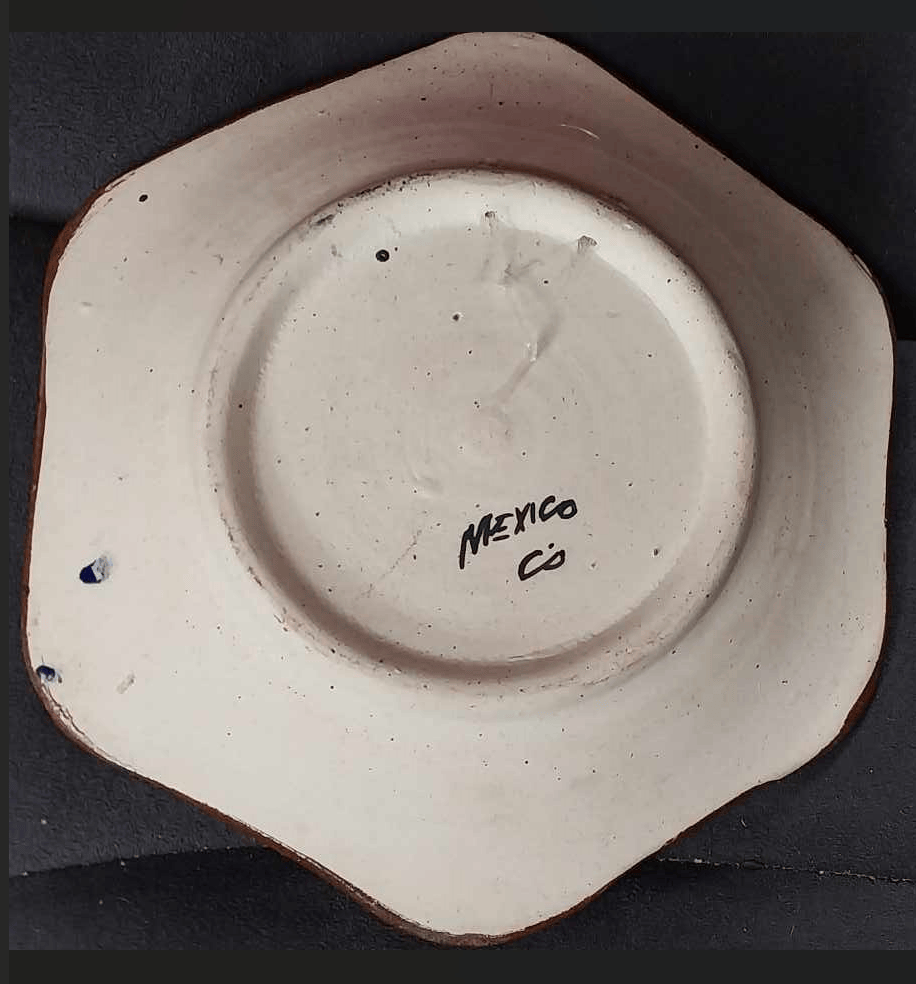
The flor de Tonalá (Tonalá flower) first appeared in pottery design in the early 1900s. Its distinctive shape is comprised of an oval centre with rounded petals that form a scalloped design. It has been said that this symbol “is what most represents Tonalá ceramics.”
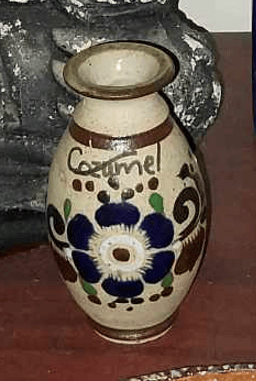
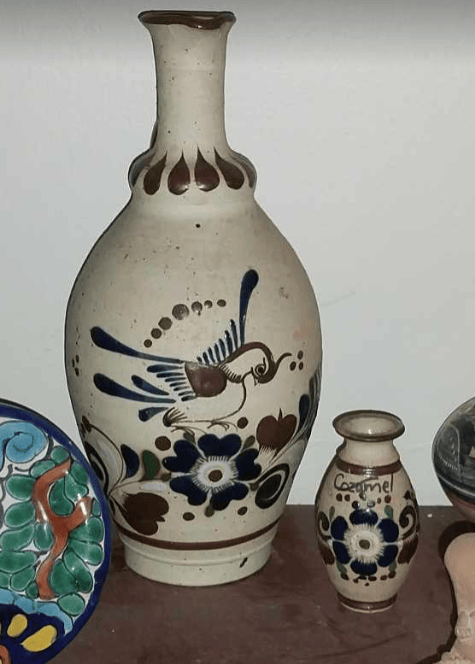
Brunido style
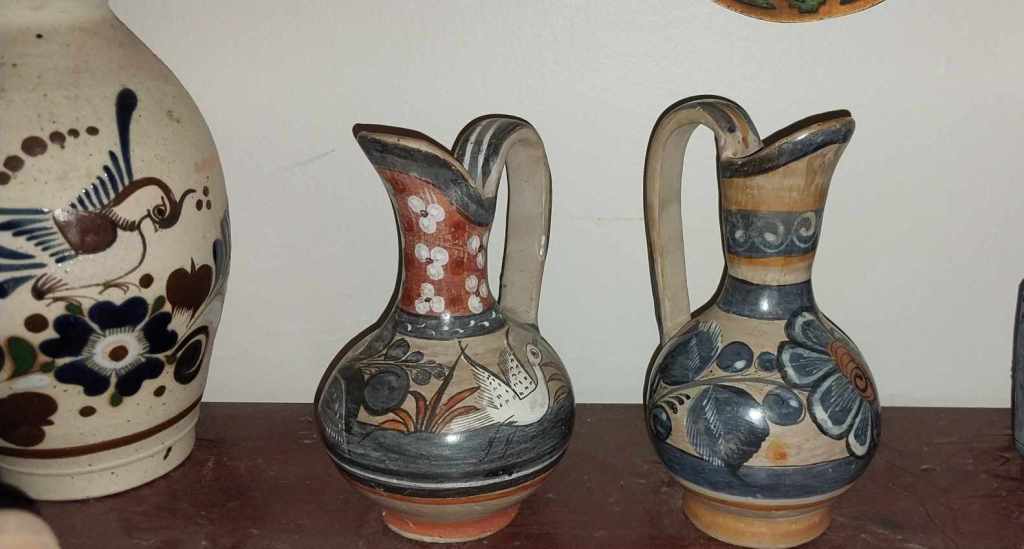
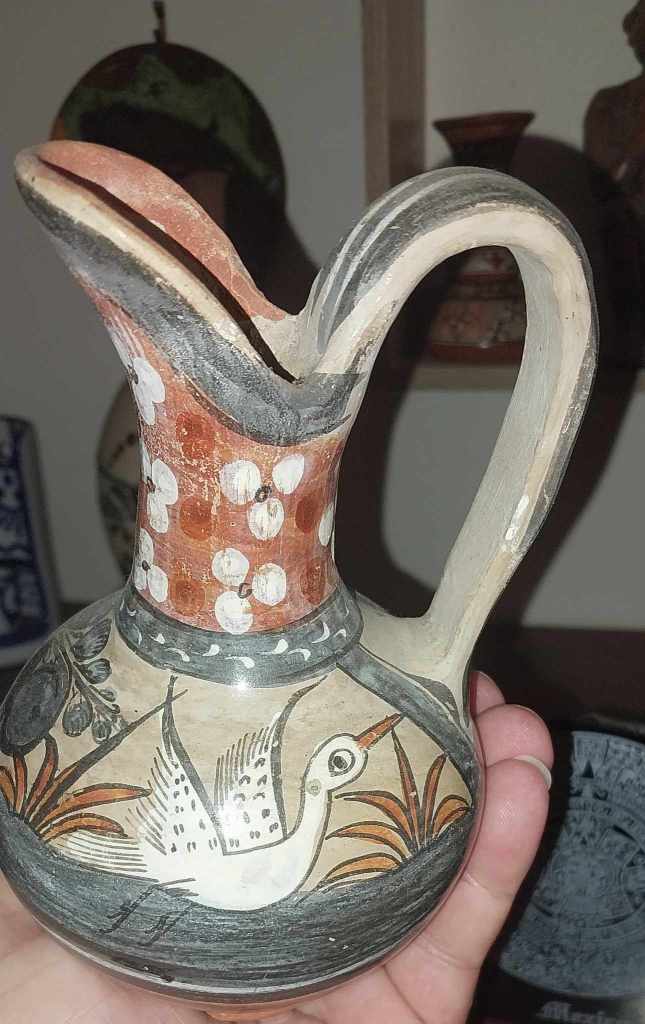
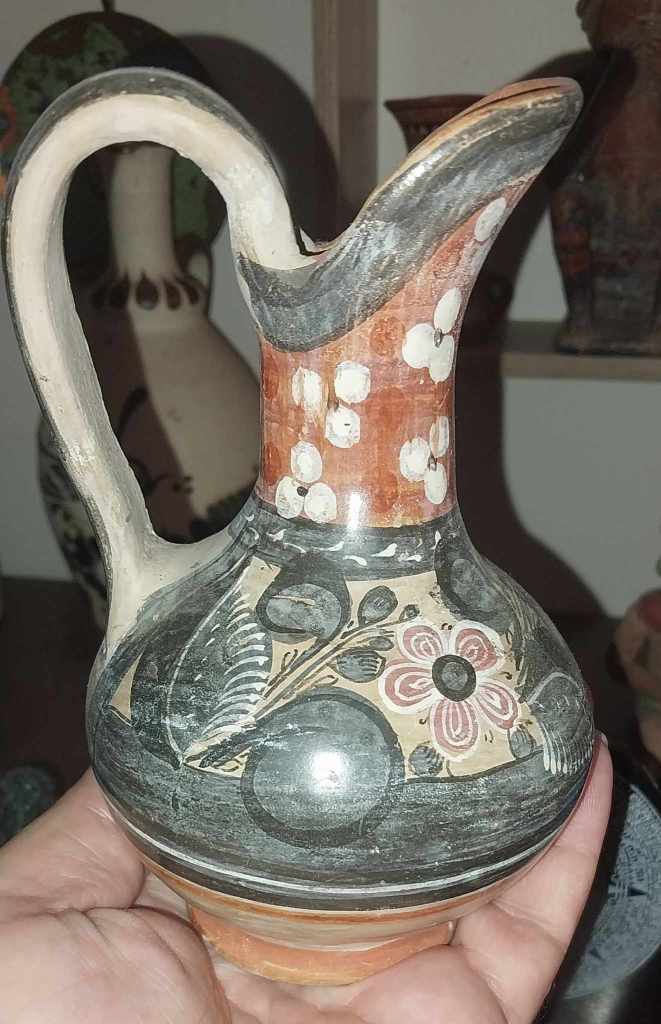
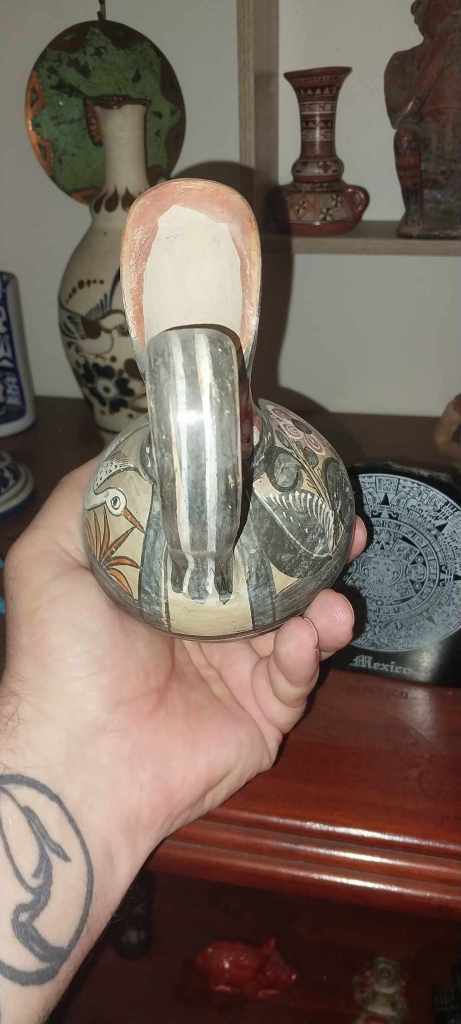
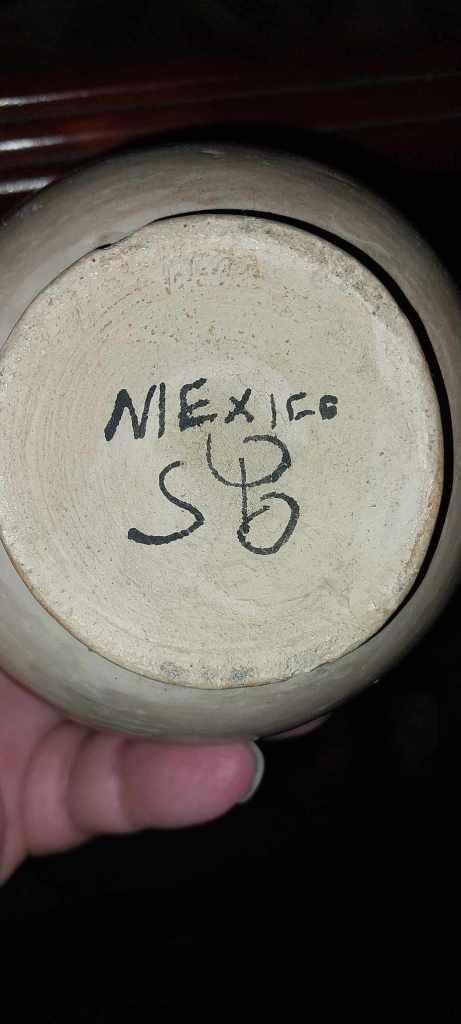
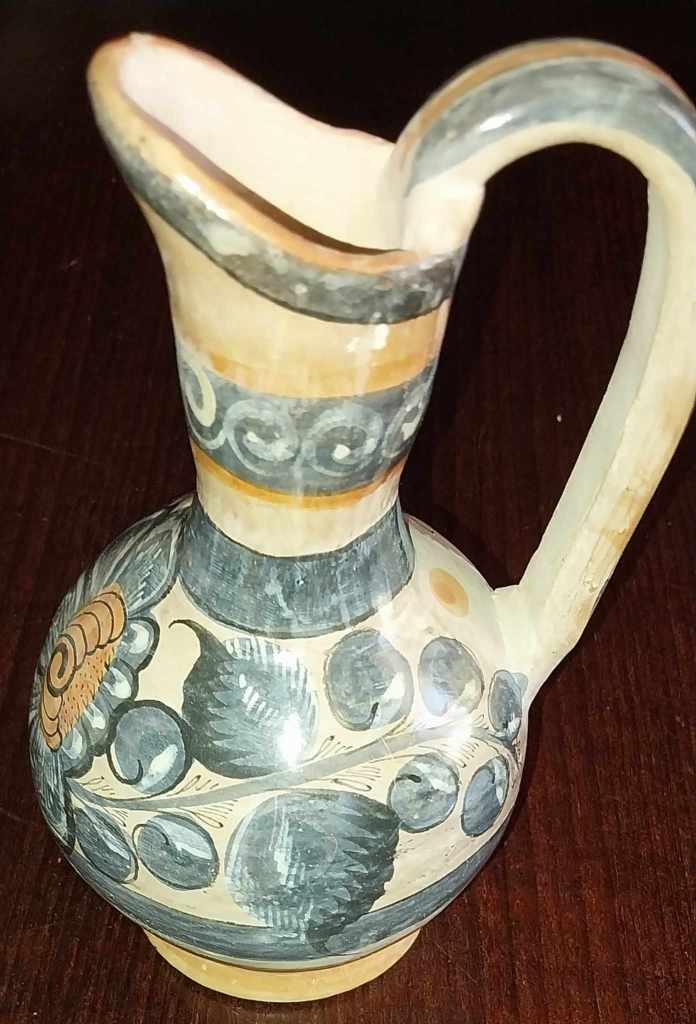
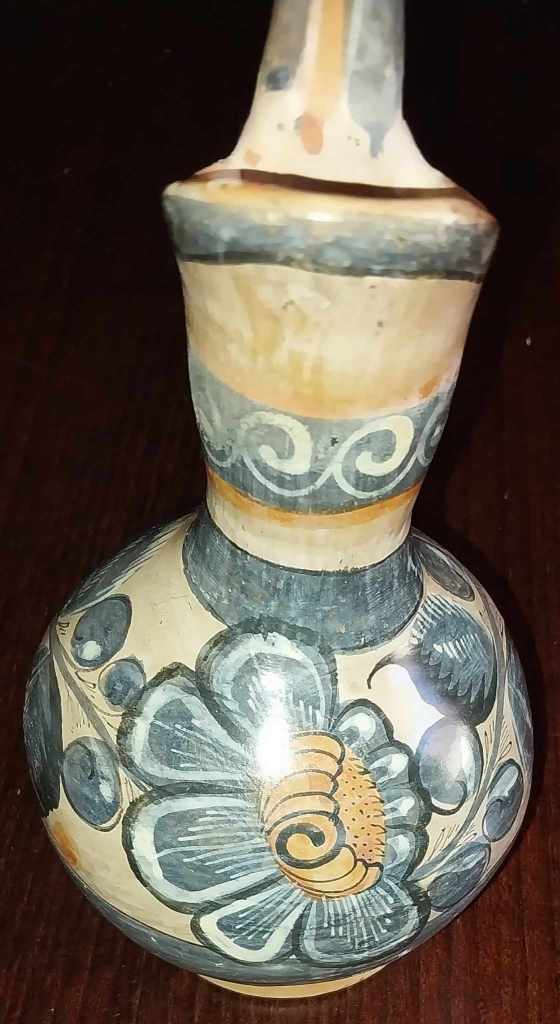
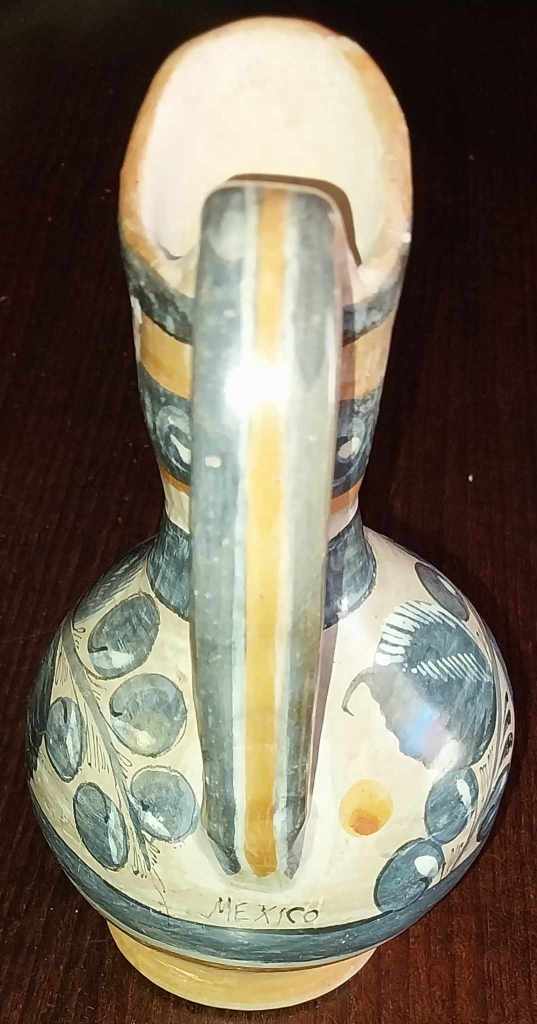
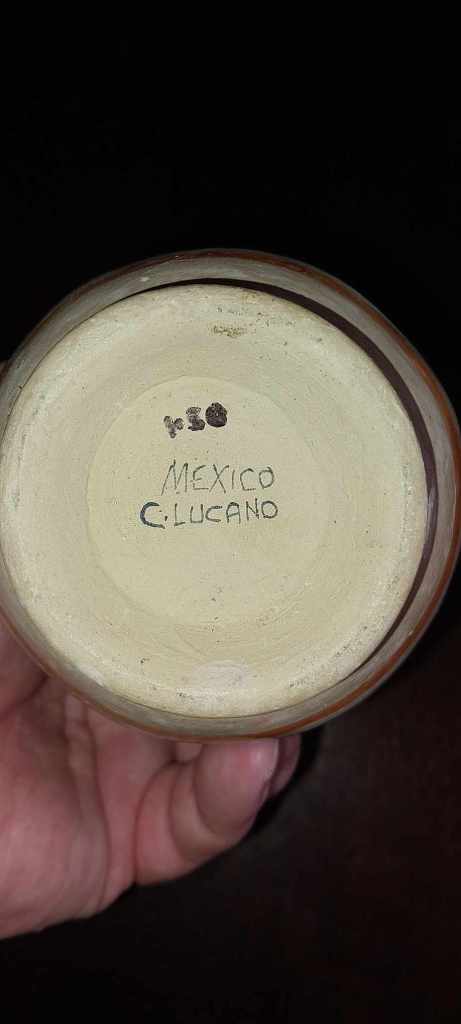
The Lucano family of Tonalá, Mexico (near Guadalajara) has been producing ceramics since 1906. They created many of their own stylized patterns and motifs which have become signatures of their firm. The family still owns and operates a ceramics gallery.
Candlestick holder
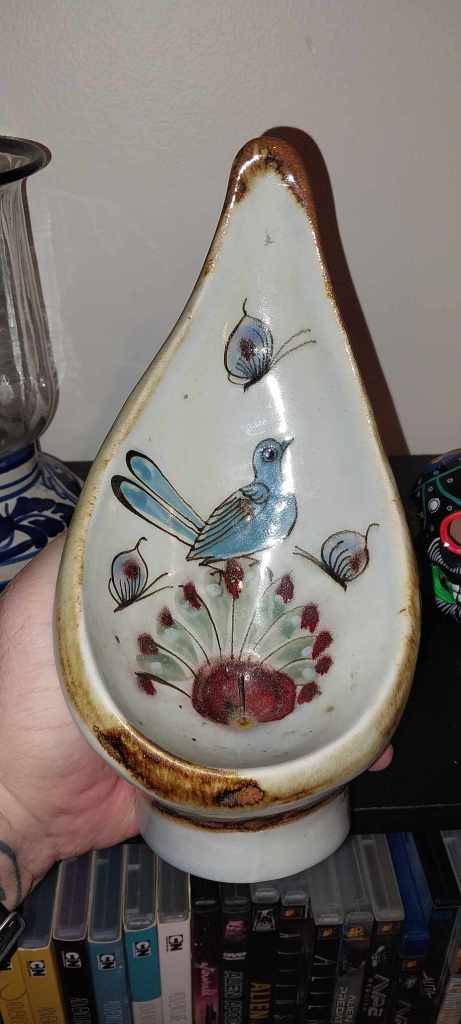
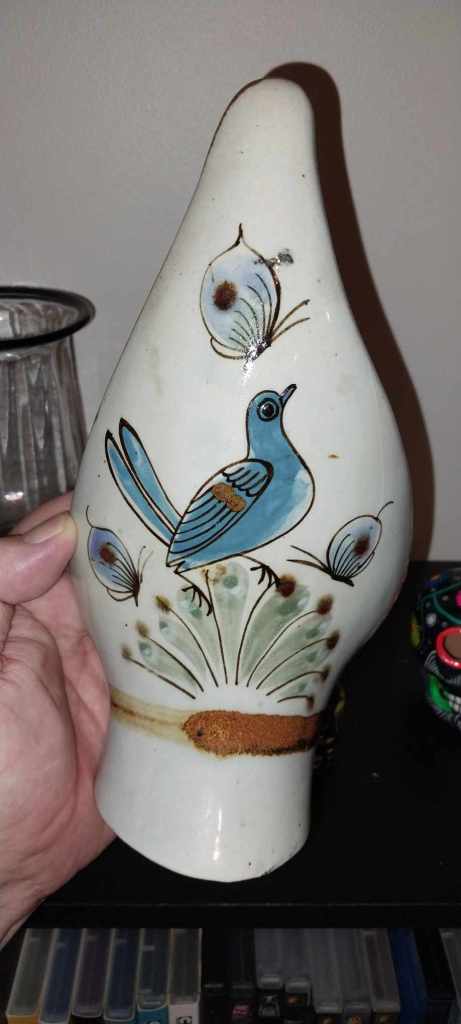
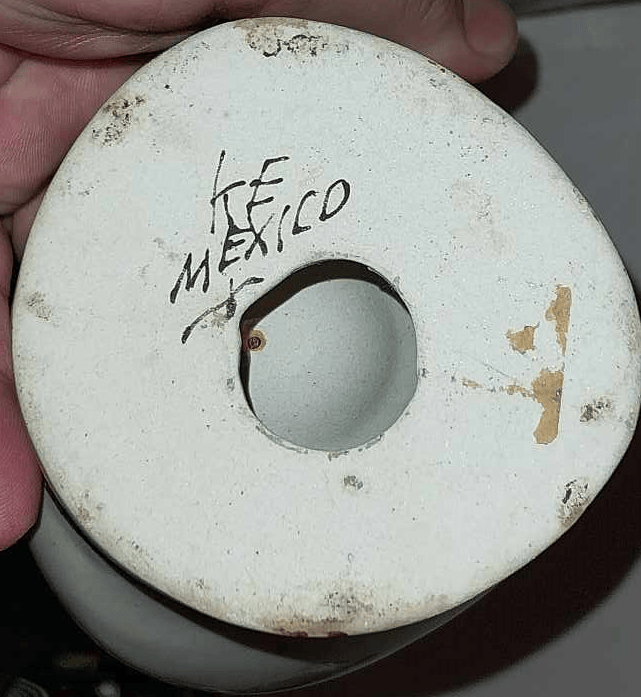
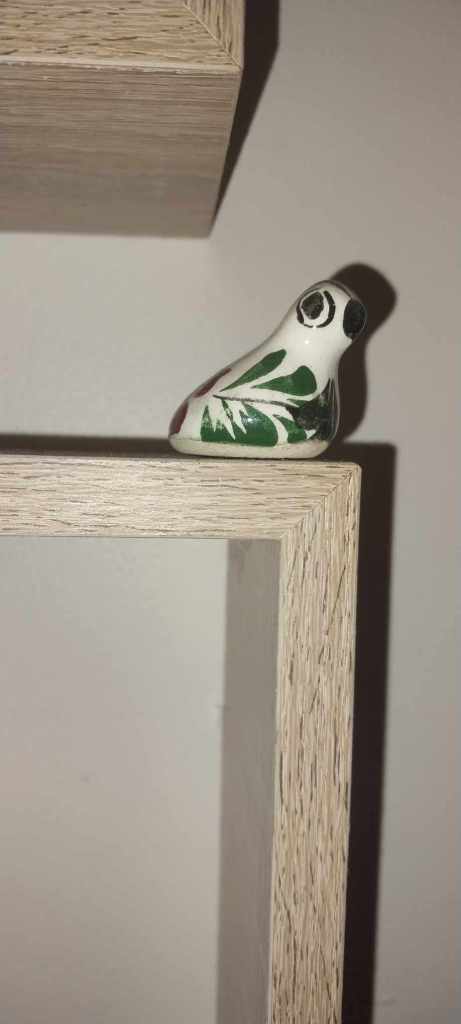
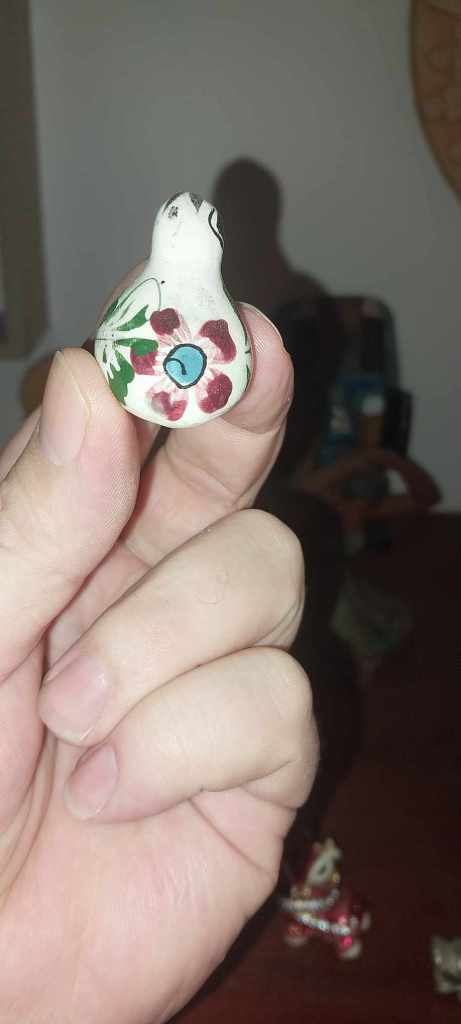
Other arte con barro in my collection
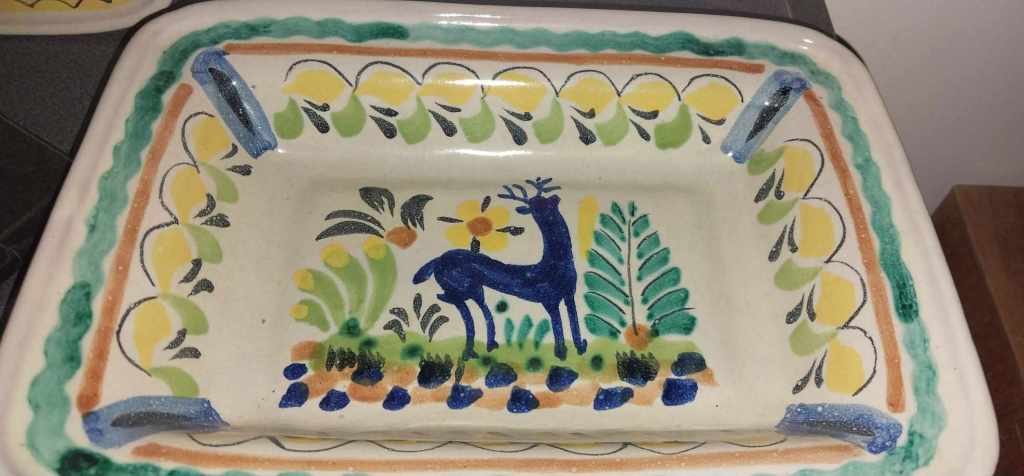
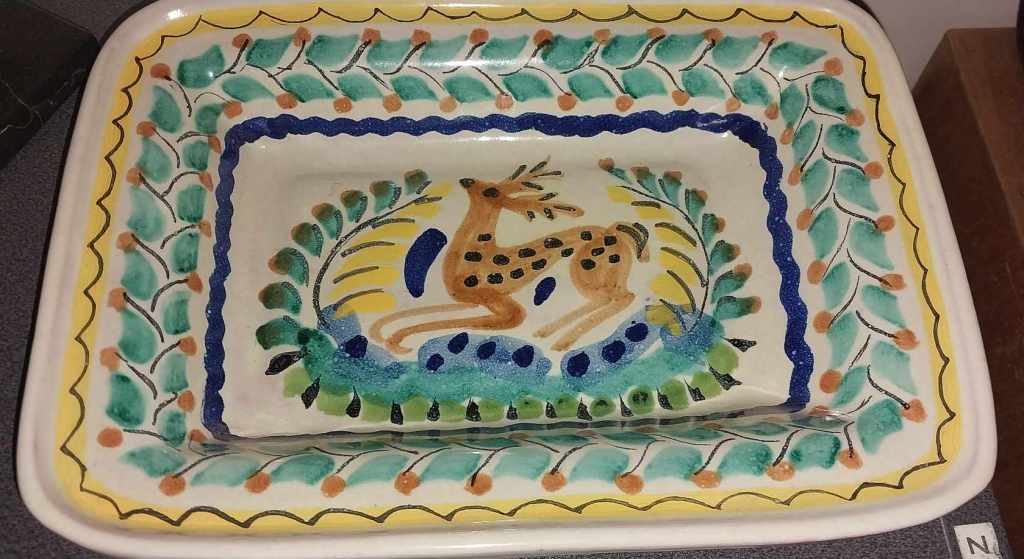
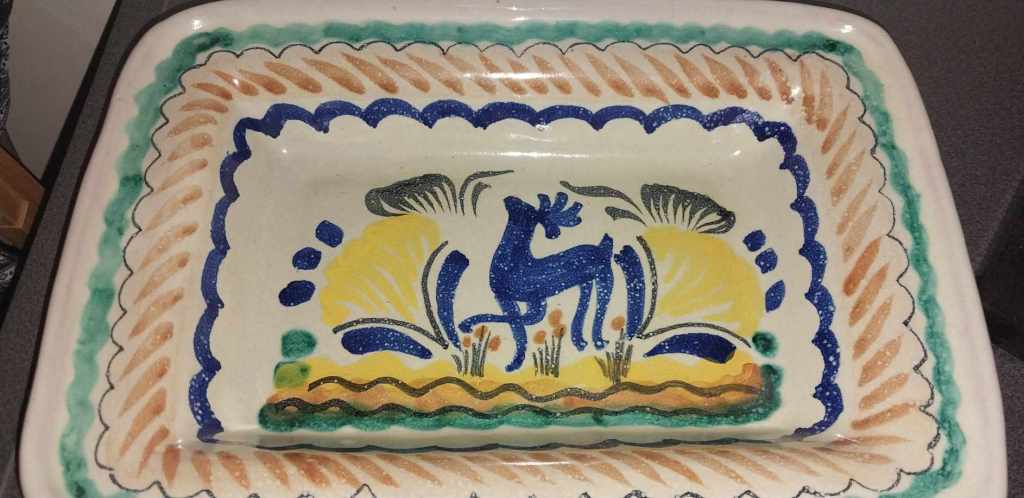
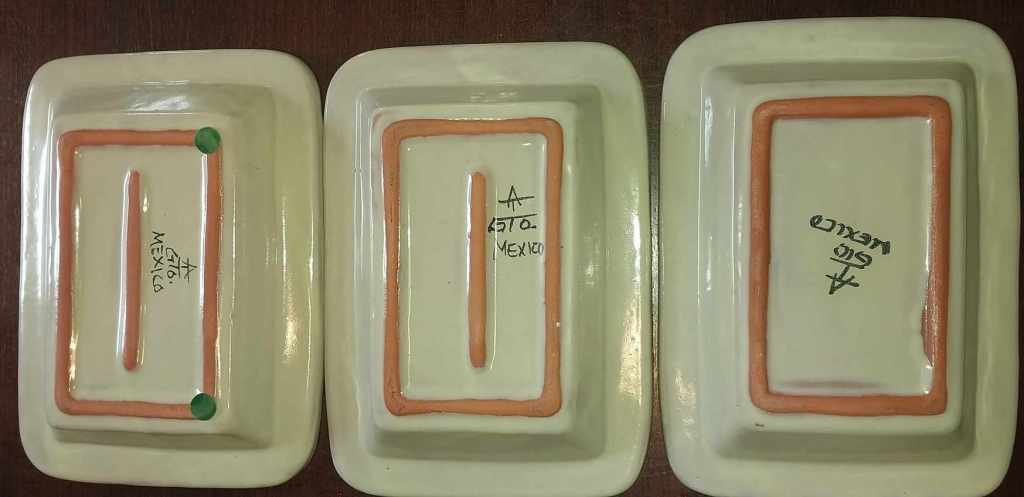
Glazed ceramics from Guanajuato
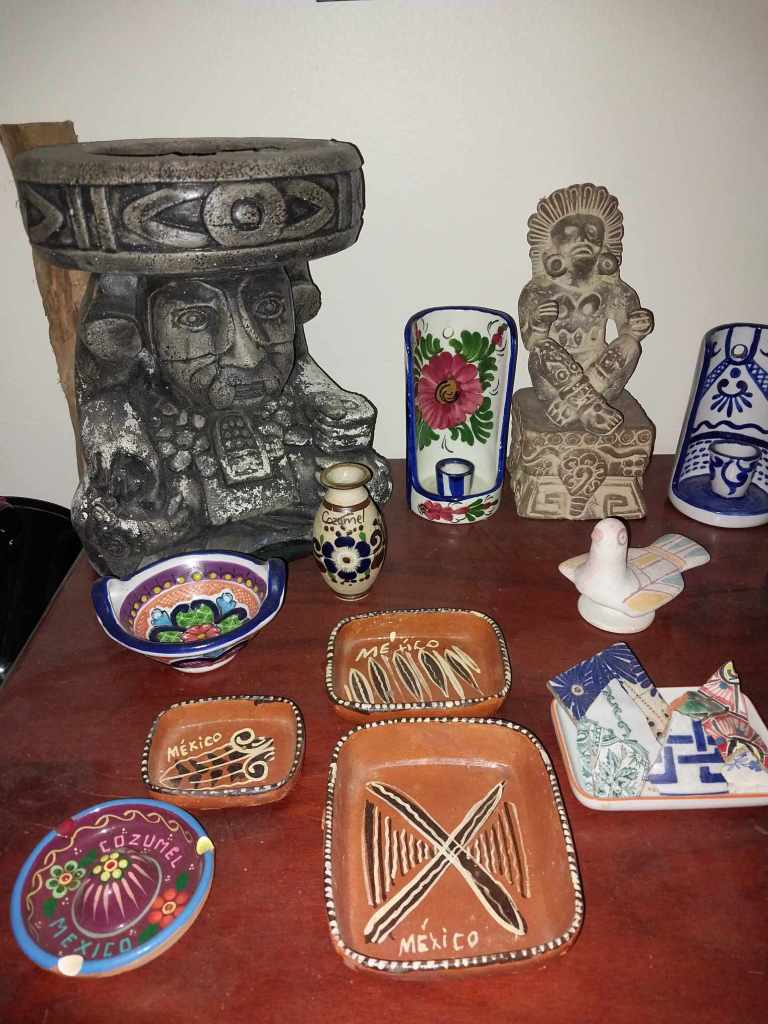
Tlaquepaque pottery?
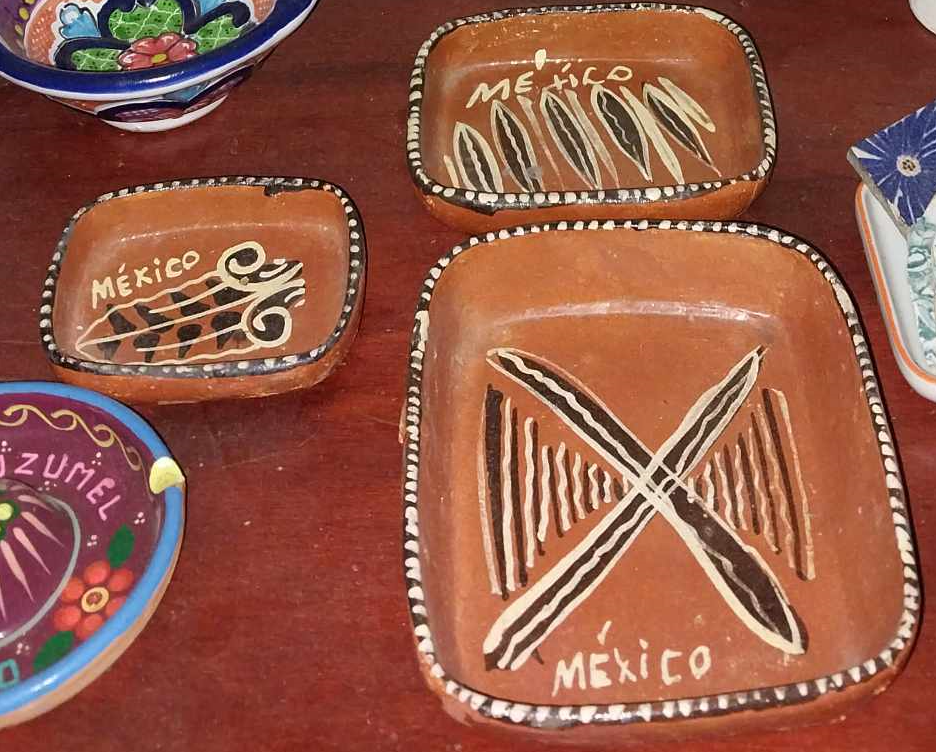
Examples of Tlaquepaque pottery (similar to my trays above)
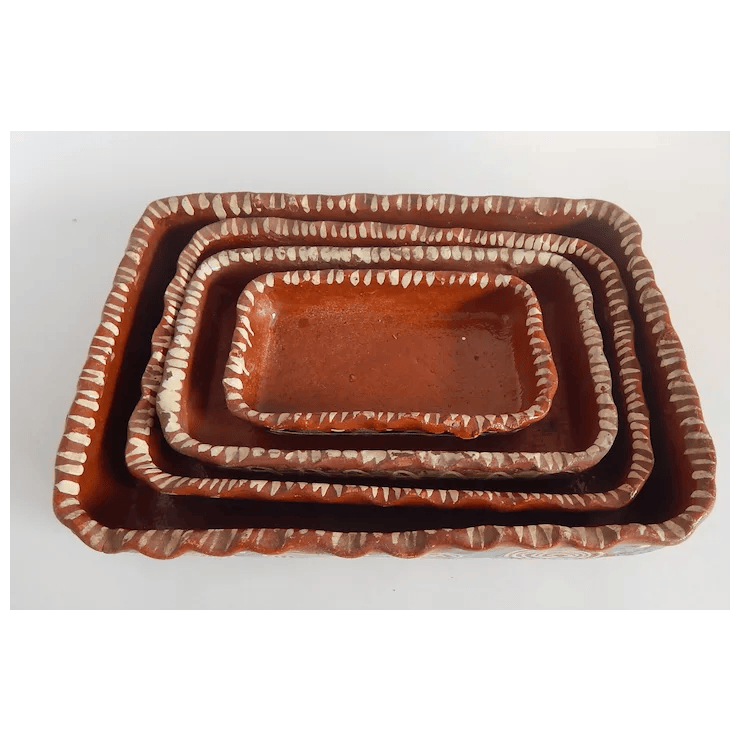
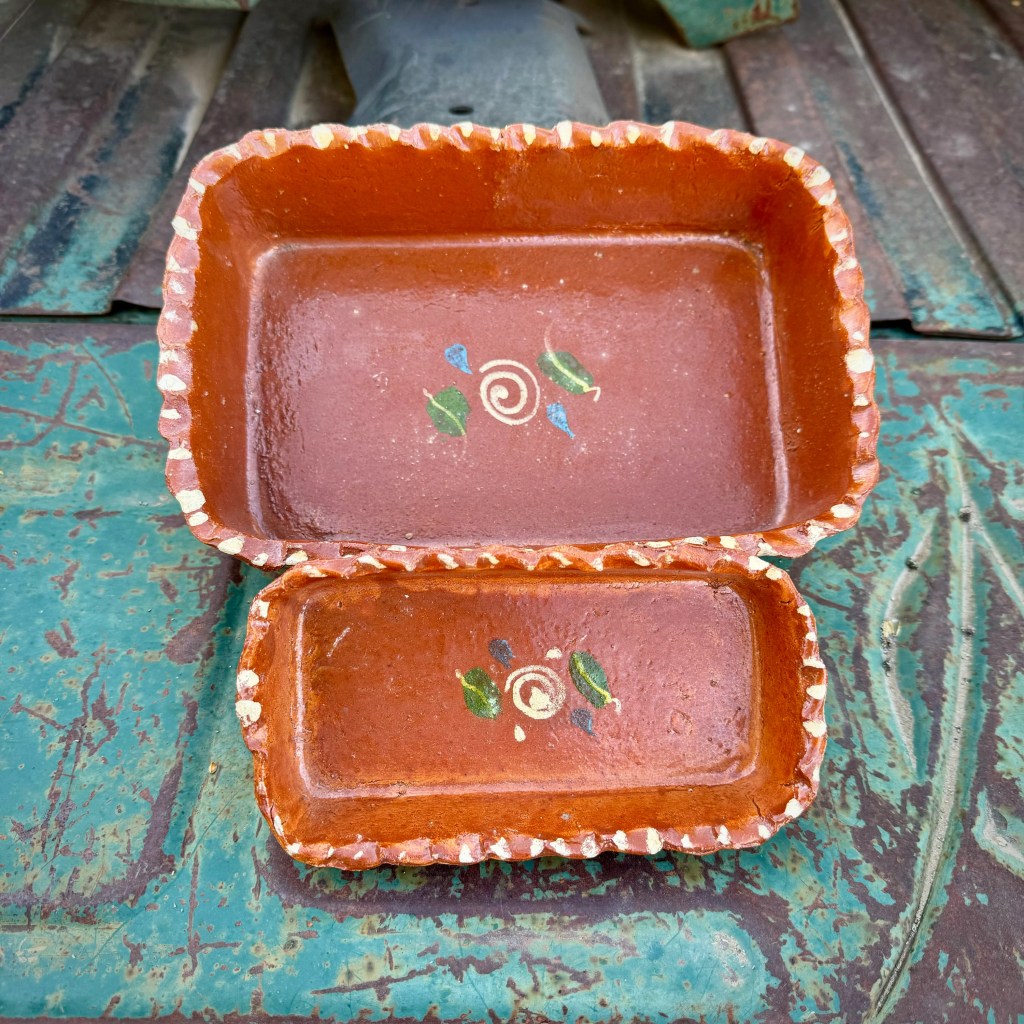
Other bits and pieces found along the way. Talavera pottery requires its own story to be told.
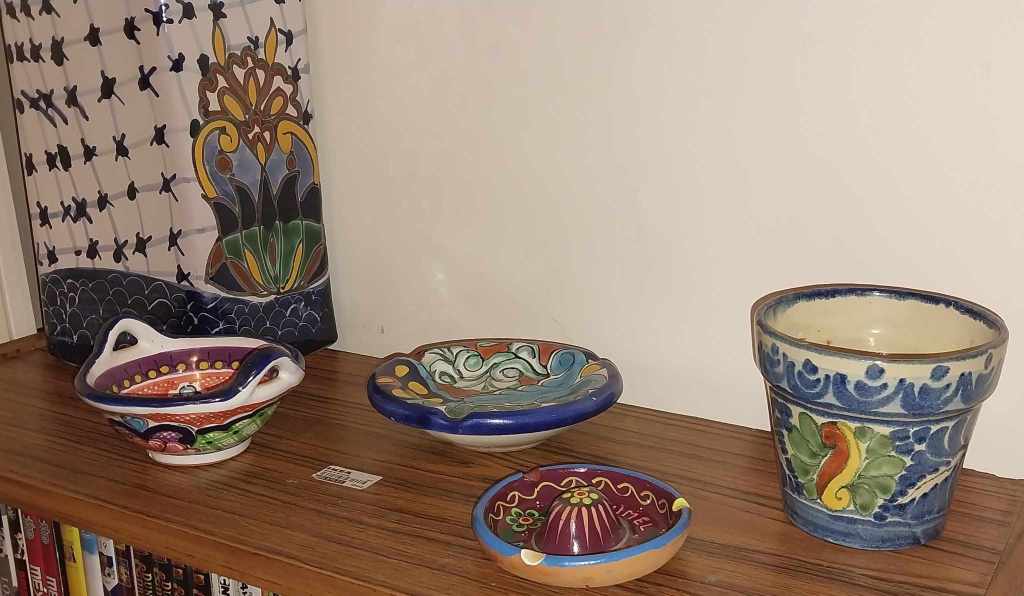
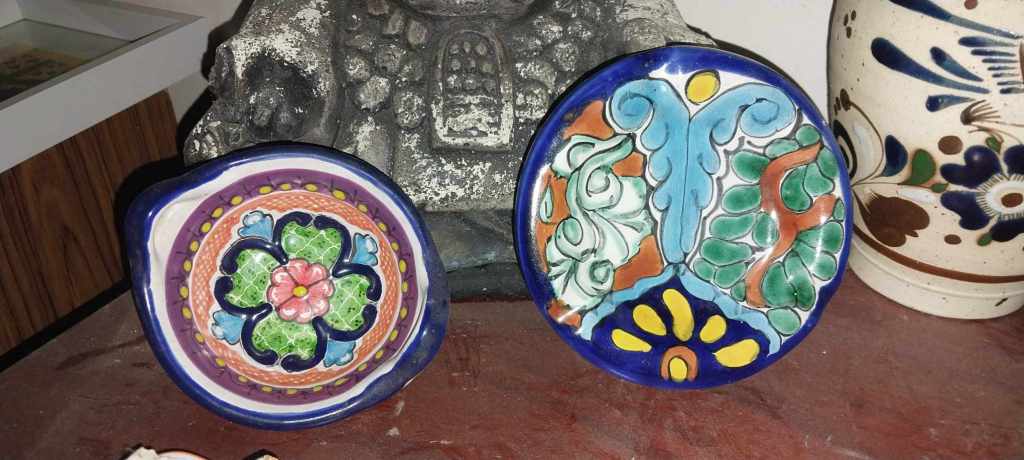
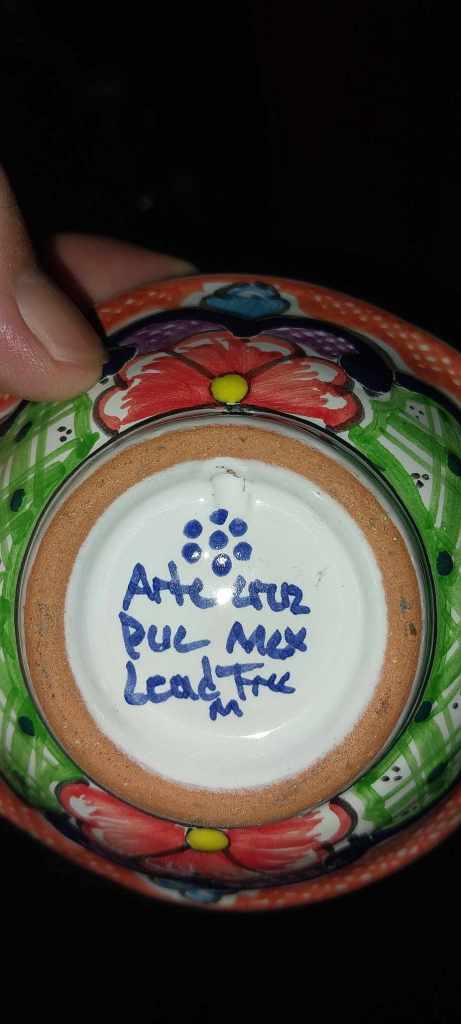
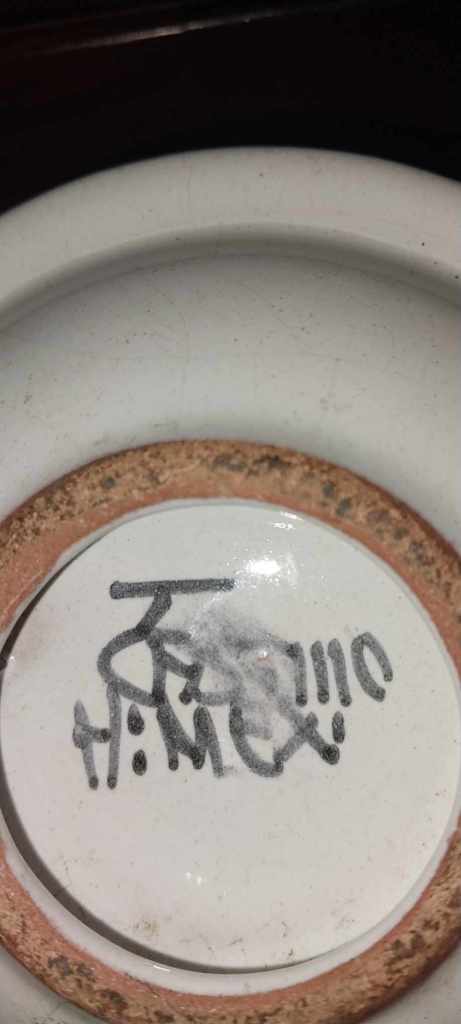
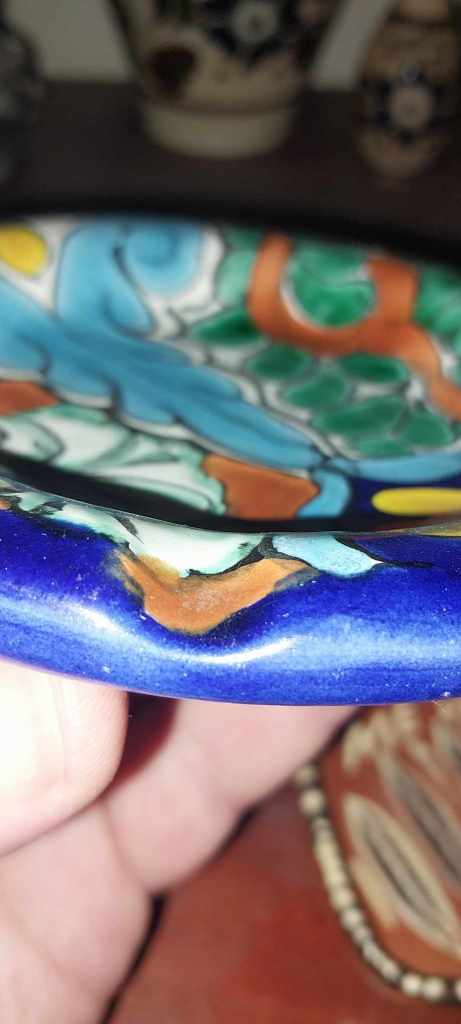
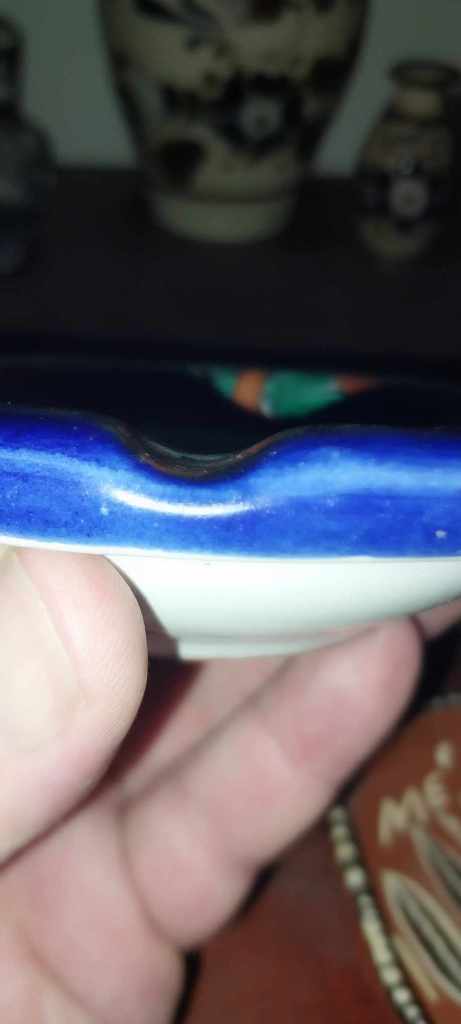
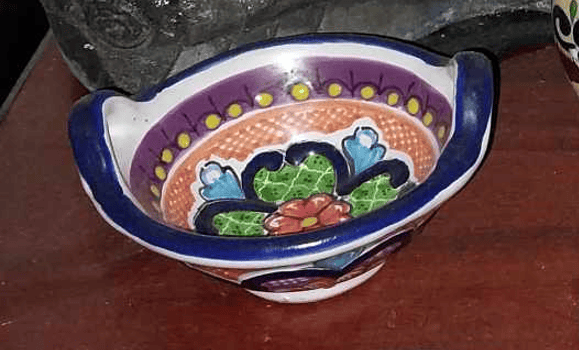
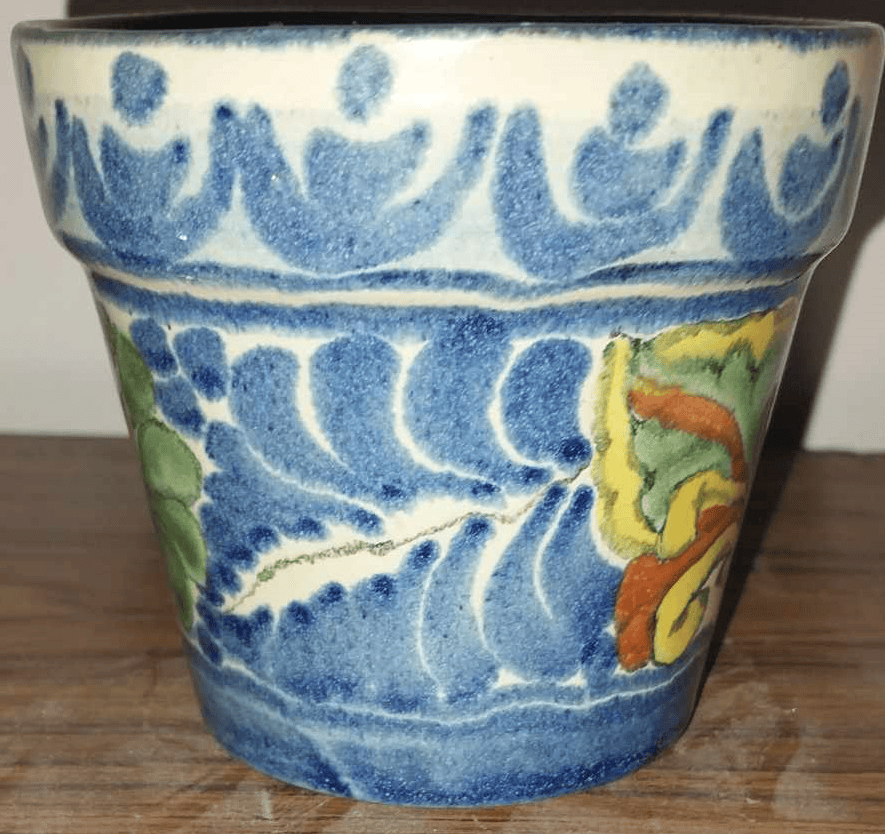
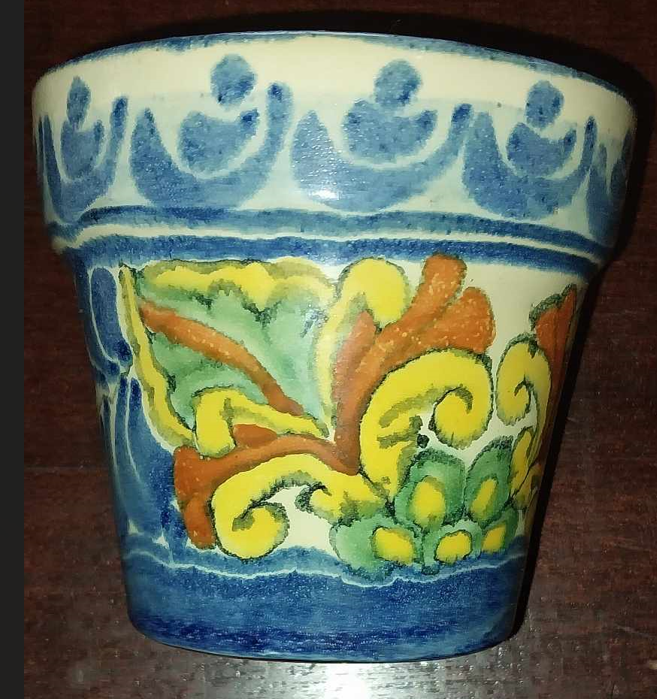
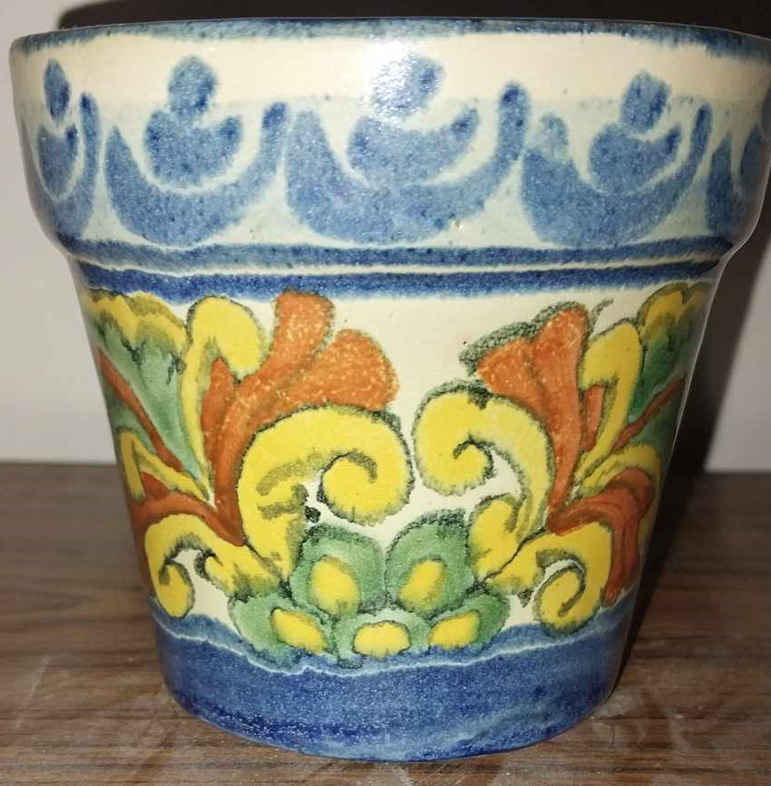
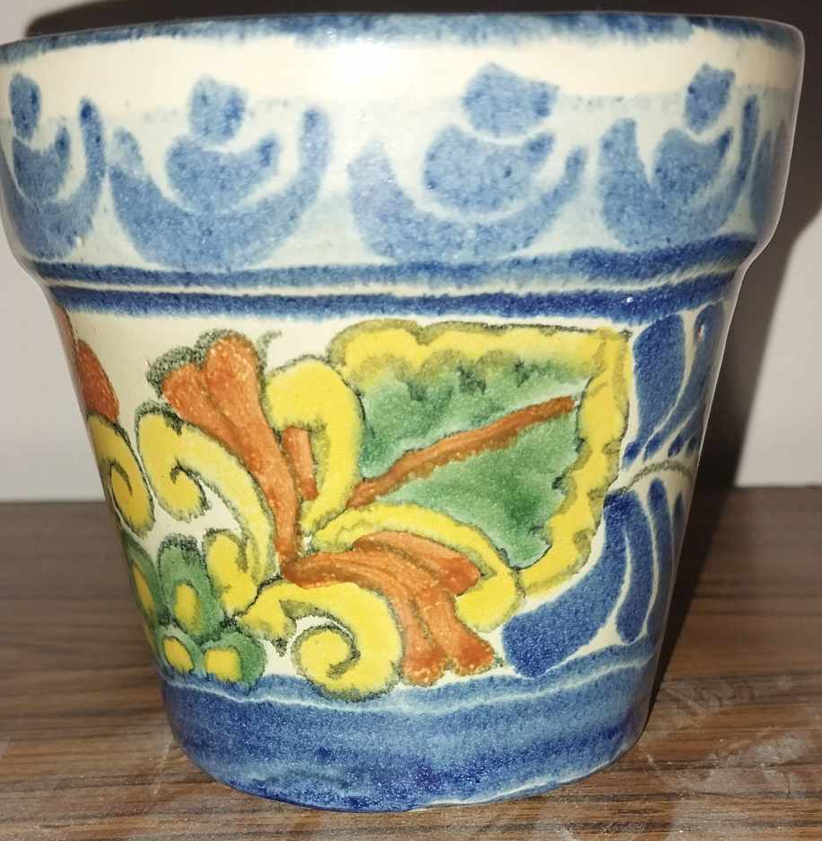
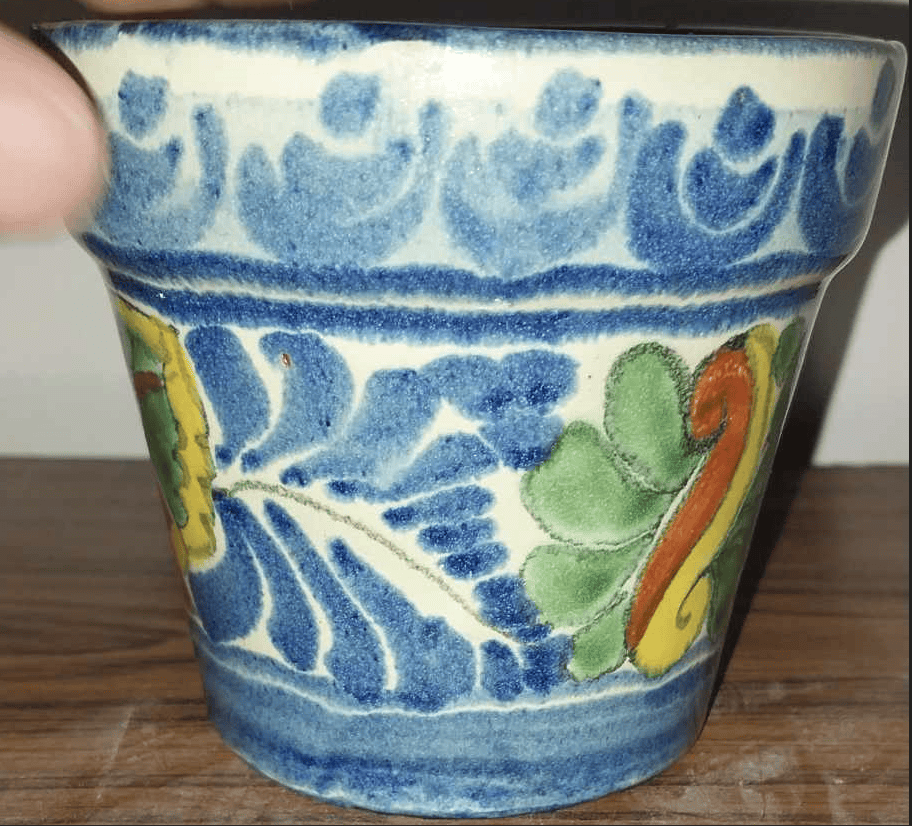
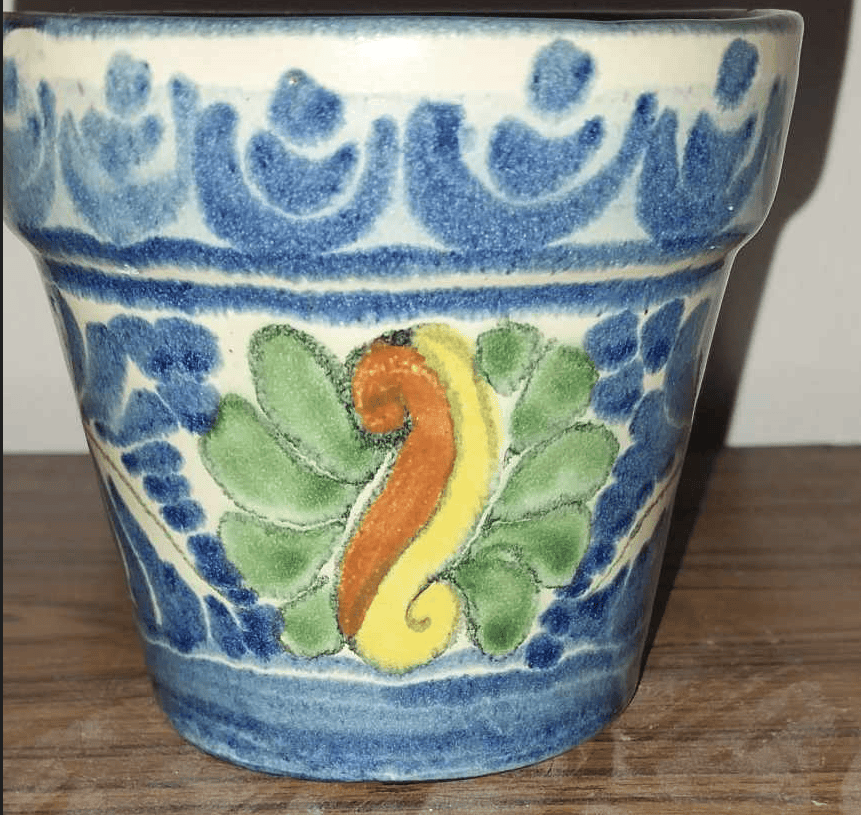
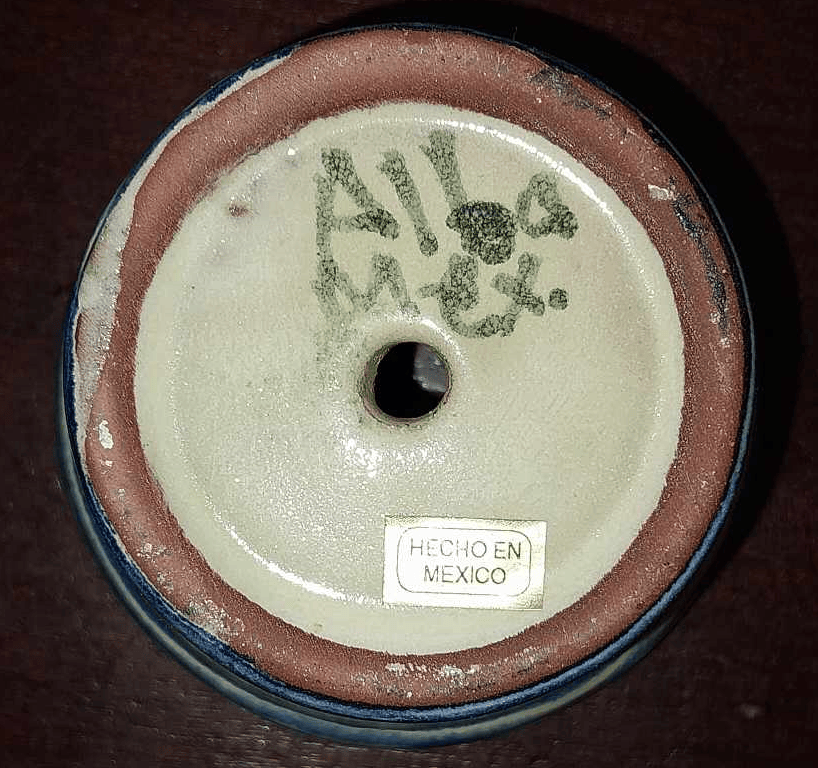
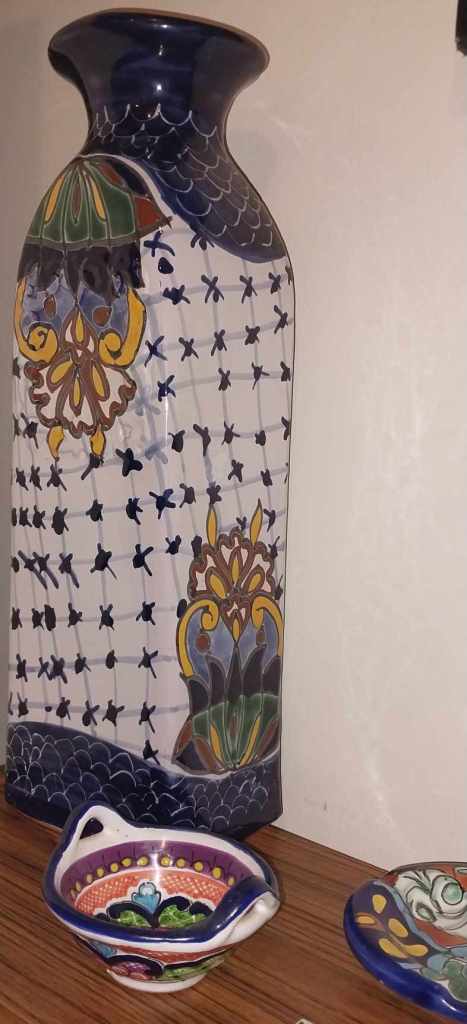
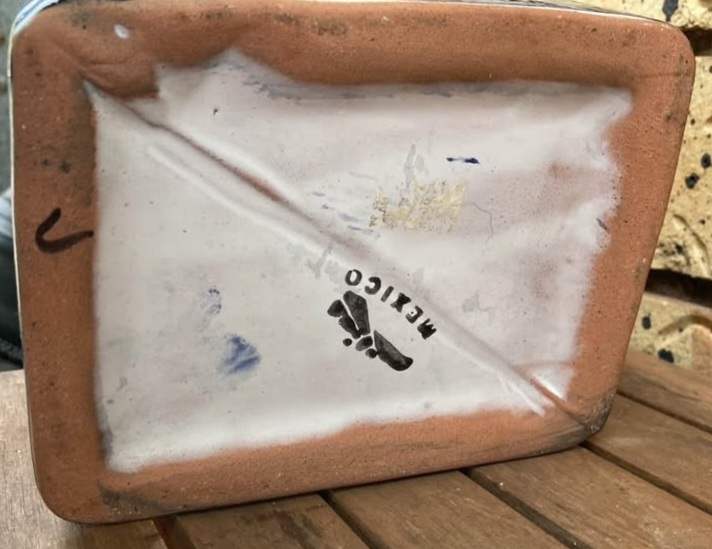
I know I haven’t Posted much in the way of herb stuff lately so I hope I haven’t put anyone off (so to speak). I am at this stage going through some difficult times and quite honestly it is the art and my memories of my trip to Mexico during October and November of 2025 that is holding me together. Art is truly a balm for the soul and, naturopathically speaking this is very important for your health as often the soul is not considered when treating a person. This treatment of the soul is a vital aspect of curanderismo and it is always very close to me when assessing my own well being.
Bear with me. Things are improving
References
- Cañizares-Esguerra, J. (2021). CLAY VESSELS 91-. Mark Thurner and Juan Pimentel, Eds. New World Objects of Knowledge: A Cabinet of Curiosities (University of London Press, 2021) 91-95.
- Domenici, Davide. “Tasting Clay, Testing Clay. Medicinal Earths, Bucarophagy and Experiential Knowledge in Lorenzo Legati’s Museo Cospiano (1677).” Cromohs: Cyber Review of Modern Historiography, vol. 22, annual 2019, pp. 1+. Gale Academic OneFile, link.gale.com/apps/doc/A628946883/AONE?u=anon~f305cdde&sid=googleScholar&xid=4b3dcf3d. Accessed 30 Jan. 2025.
- D’aulnoy, Marie-Catherine (1699) Relation du voyage d’Espagne (Paris: Éditions de Paris) II, 273.
- Garcia Rodriguez ML, Álvarez Garcia B (2019) Origen y distribución de arcillas utilizadas en la fabricación de búcaros: bucarophagy in early modern times. Physis Terrae 1(1):57–71. ISSN: 2184-626X
- Gomes, C.S.F., Rautureau, M., Gomes, J.H.C., Silva, E.A.F. (2021). Interactions of Clay and Clay Minerals with the Human Health. In: Gomes, C., Rautureau, M. (eds) Minerals latu sensu and Human Health. Springer, Cham. https://doi.org/10.1007/978-3-030-65706-2_7
- Haggar, Reginald (1960) The Concise Encyclopedia of Continental Pottery and Porcelain. Hawthorn Books/New York.
- Magalotti, Lorenzo (1825?) Varie operette, Lettera quinta, 334-37.
- Pierce and Pleguezuelo, eds. (2003) Cerámica y Cultura. Gavin, University of New Mexico Press/Albuquerque.
- Rovira B, Gaitán F (2010) Los búcaros: de las Indias para el mundo. Canto Rodado 5:39–
- Serena, Natacha. El vicio del barro. Madrid: Ediciones el Viso, 2009.
- Voss, B. L. (2008). The Archaeology of Ethnogenesis: Race and Sexuality in Colonial San Francisco. University Press of Florida. https://doi.org/10.2307/j.ctvx1hsg6
Websites
- Barro de olor – https://siker.com.mx/good-news/barro-canelo-de-tonala-por-la-denominacion-de-origen/#:~:text=El%20barro%20canelo%20o%20tambi%C3%A9n,de%20la%20identidad%20del%20mexicano.
- Bucaros 1 – By derivative works mixed by: Latemplanza – Bodegón_de_recipientes_(Zurbarán).jpg and othes (look: Original upload log)and, Public Domain, https://commons.wikimedia.org/w/index.php?curid=46647375
- Ceramics of Jalisco – https://en.wikipedia.org/wiki/Ceramics_of_Jalisco
- Cihualpilli Tzapotzinco – https://hotelhaciendadelsol.com/web/index.php/en/prehispanic-culture/
- Coat of Arms of Tonalá – https://www.jalisco.gob.mx/es/jalisco/municipios/tonala
- El bucaro de Tonala – https://flacso.edu.ec/laglobal/es/gabinete/artificialia-es/el-bucaro-de-tonala/
- Let the eat clay : Mexican bucaros ceramics – https://www.vam.ac.uk/articles/let-them-eat-clay-mexican-bucaros-ceramics
- Museo Regional de la Ceramica, Tlaquepaque – https://en.wikipedia.org/wiki/Museo_Regional_de_la_Ceramica,_Tlaquepaque
- Nuño de Guzmán and Tonallán – https://www.jalisco.gob.mx/es/jalisco/municipios/tonala
- The Ceramics of Tonalá: Legacy of a Thousand Years – https://fac.coloradocollege.edu/exhibits/the-ceramics-of-tonala-legacy-of-a-thousand-years/
- Tlaquepaque – https://danperezphotography.com/2021/03/01/the-magic-town-of-tlaquepaque-mexico/
- Tlaquepaque – https://en.wikipedia.org/wiki/Tlaquepaque
- Tonalá History – https://mitonala.com/history/
- Tonalá pottery – https://www.1stdibs.com/buy/mexican-tonala/

