



Quelite : Nurite
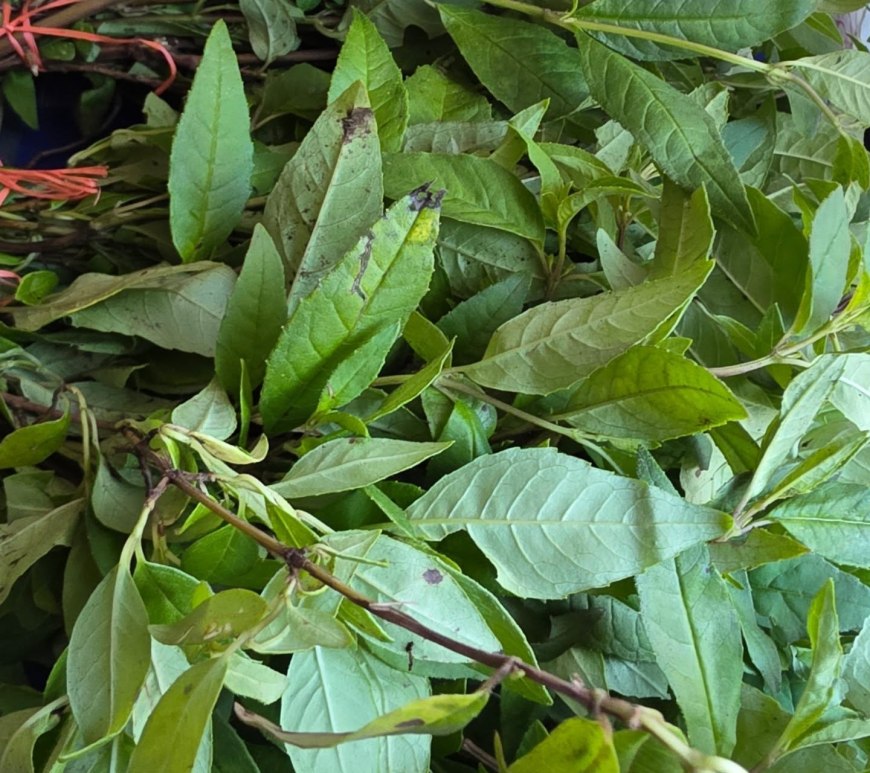
Nurite According to Martinez-Gordillo et al. (2013), Mexico has 14 species of Clinopodium, of which 10 species are endemic: C. amissum (Epling et Játiva) Harley C. ganderi (Epling) Govaerts C. hintoniorum (B.L. Turner) Govaerts C. jaliscanum (McVaugh et R. Schmid) Govaerts C. macrostemum (Moc. Et Sessé ex Benth.) Kuntze C. maderense (Henr.) Govaerts C. mexicanum (Benth.) Govaerts C. micromerioides (Hemsl.) Govaerts C. palmeri (A. Gray) … Continue reading Quelite : Nurite

Peñón de los Baños
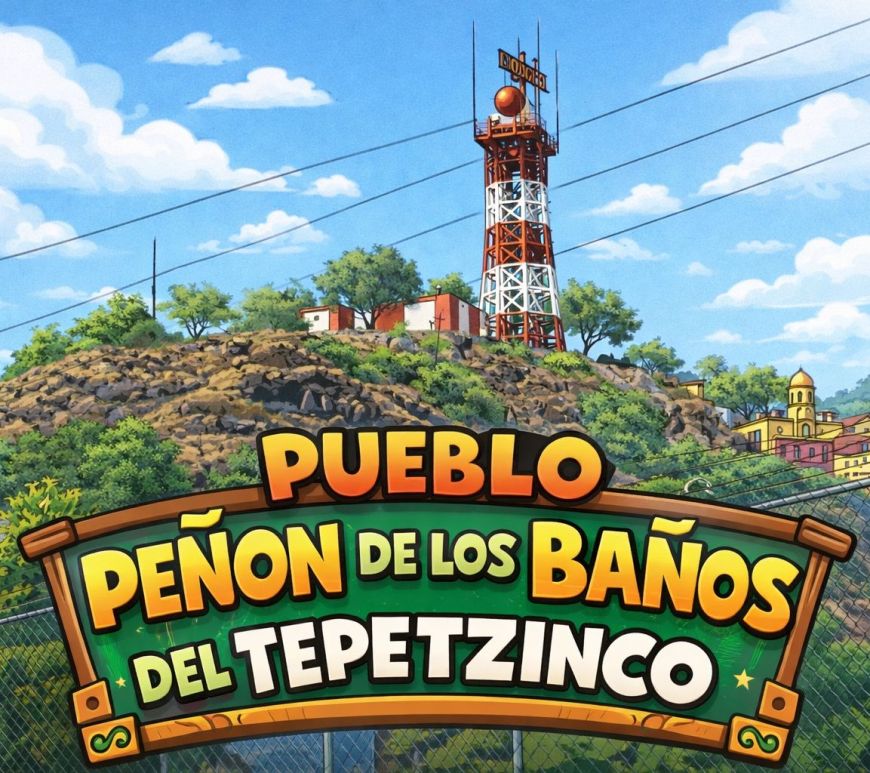
Peñón de los Baños is a rock formation located northeast of the Venustiano Carranza borough (1) in Mexico City and is one of the two original towns of the district. Boroughs (Spanish: demarcaciones territoriales, lit. ’territorial demarcations’) are the subdivisions of Mexico City. As of 2026, there are 16 boroughs in Mexico City, officially known as alcaldías. Each borough functions as its own municipality within the … Continue reading Peñón de los Baños
Cooking Technique : Toreado
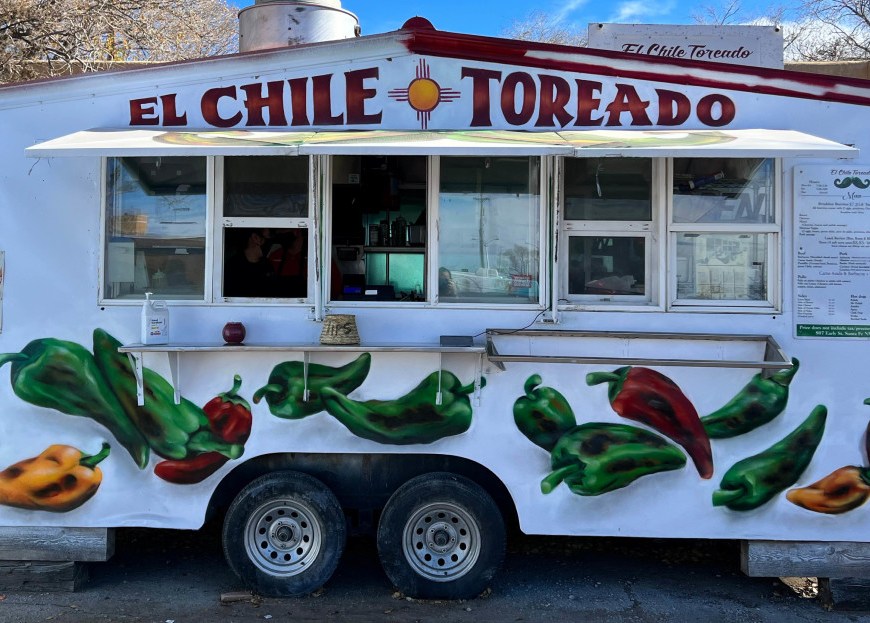
It all started as a giggle on a menu translation. I was writing a talk that I was to deliver at the Museum on an Australians encounter with Mexico and I was reminiscing on the time I spent in Mexico in 2007 at the Hotel Catedral. I got a good deal at the time (I don’t think I could have afforded to stay there otherwise) … Continue reading Cooking Technique : Toreado
Sidetrack : Chichihuachi
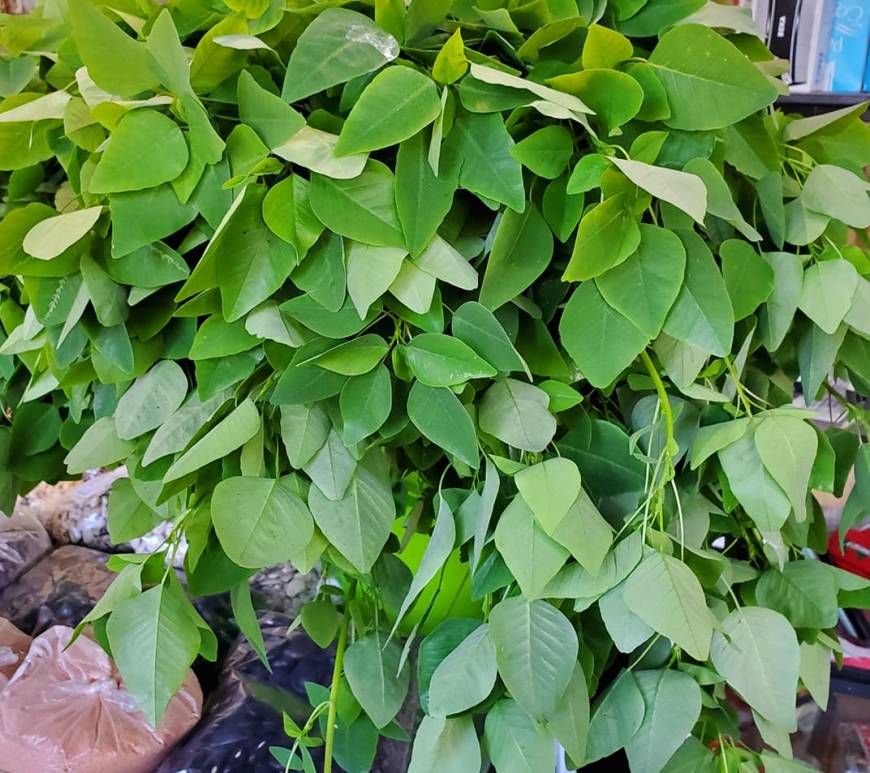
Chichihuachi is a herb introduced to me by a denizen of the town of Tetipac lodged in the mountains of Guerrero between Ixtapan de la Sal and Taxco. This herb was explained to be a variety of papalo (Porophyllum macrocephalum) and that it had a very short season of growth and use. No Latin name was offered up for it and my searches have yet … Continue reading Sidetrack : Chichihuachi
Sidetrack : Flor de Izote
The writing system used by the Aztec at the time the Spanish arrived was not the same as the one we use today, the one I’m using now. Instead of using an alphabetic, syllabic text they essentially drew comic books. I do not mean to disparage them in any way by saying this and, when we eventually get to my exploration of botanical terminology and … Continue reading Sidetrack : Flor de Izote
Flor de Izote
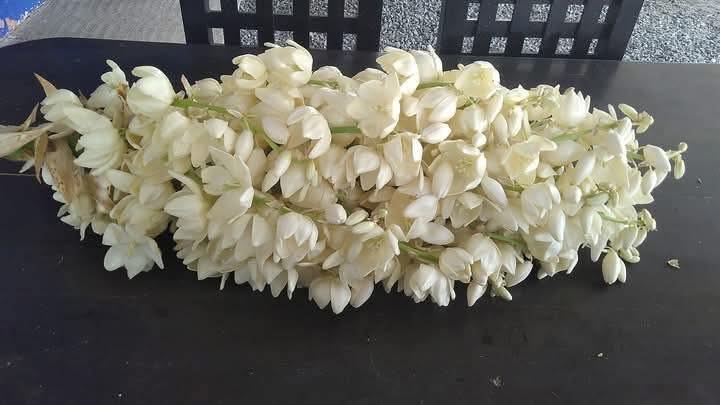
Flor de izote is the name for the edible flowers of the Yucca plant. Also called : Flor de Itabo, Lamaparas de Dios, Daguillo, Yucca flower, Cuaresmeña, Chocha, Palm flower, Pito flower, and Guayas. Izote derives from the Nahuatl word izotl (iczotl) which is the name for a species of yuca (Yuca aloifolia) According to the Nahuatl dictionary….. iczotl. Principal English Translation: a type of … Continue reading Flor de Izote
Tenochtitlan. The City on the Lake
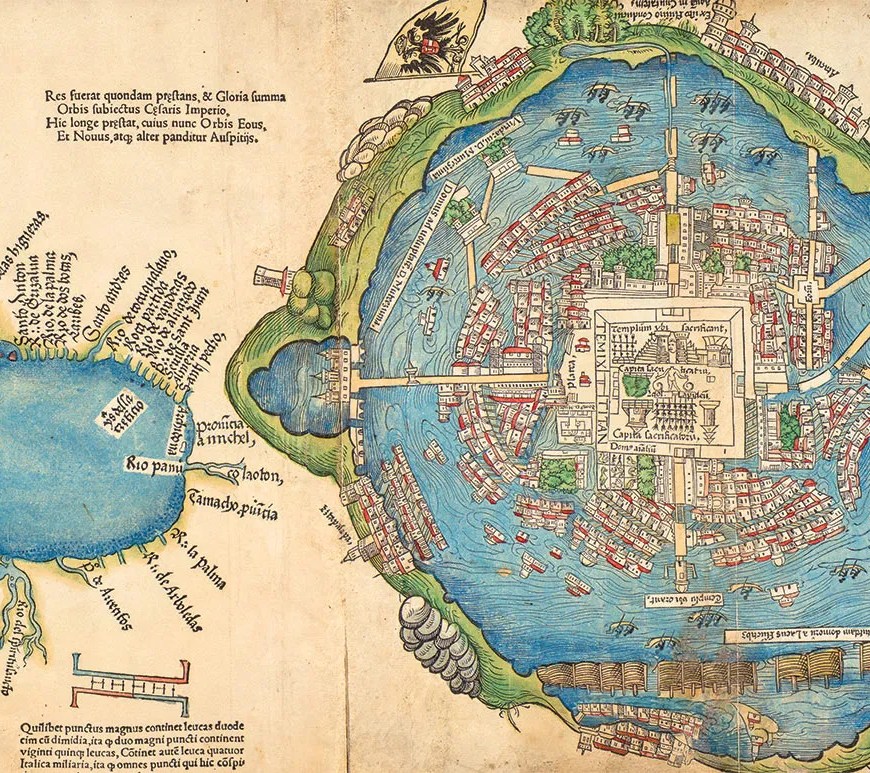
This city would have possessed a beauty like no other. I am not at all surprised that some conquistadors felt as though they were experiencing a fantastical dream. When Hernán Cortés arrived in 1519, he was awestruck. In letters to the Spanish king, he compared Tenochtitlan favourably to Venice and declared it more beautiful than any city in Spain. His soldiers wandered the markets and … Continue reading Tenochtitlan. The City on the Lake
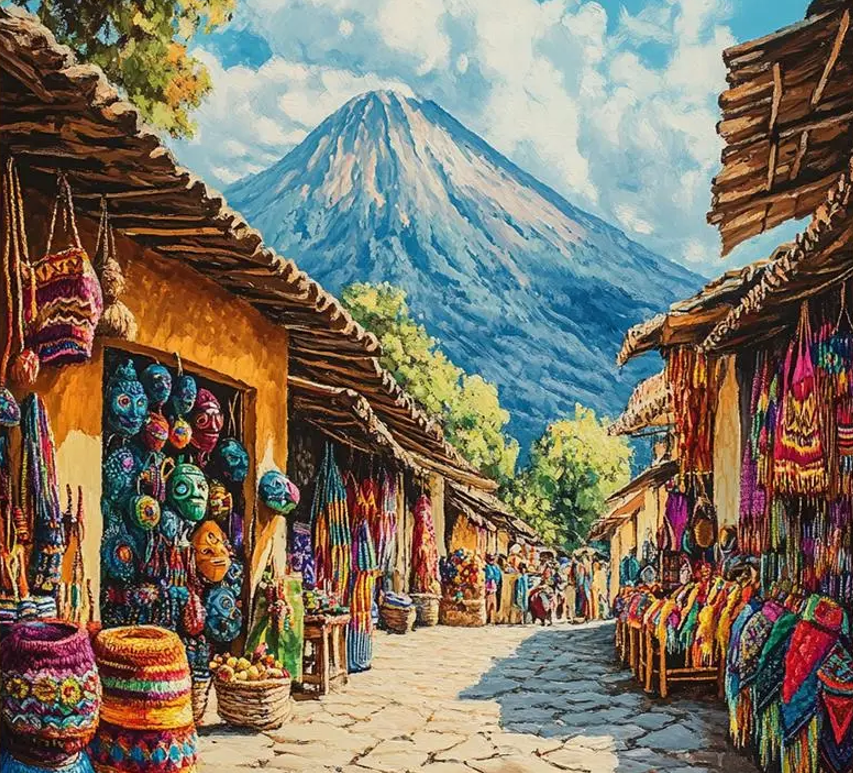
Mis Máscaras : Máscara Guatemalteco
I have a small (but growing) collection of masks and I am ever on the lookout for new additions, particularly from Mexico. I find it fascinating thinking of the journey the mask made to end up in Australia and into my hands. For some reason (maybe clumsiness?) I prefer wooden masks over the clay/ceramic ones. I like the feel of wood, the story it tells … Continue reading Mis Máscaras : Máscara Guatemalteco
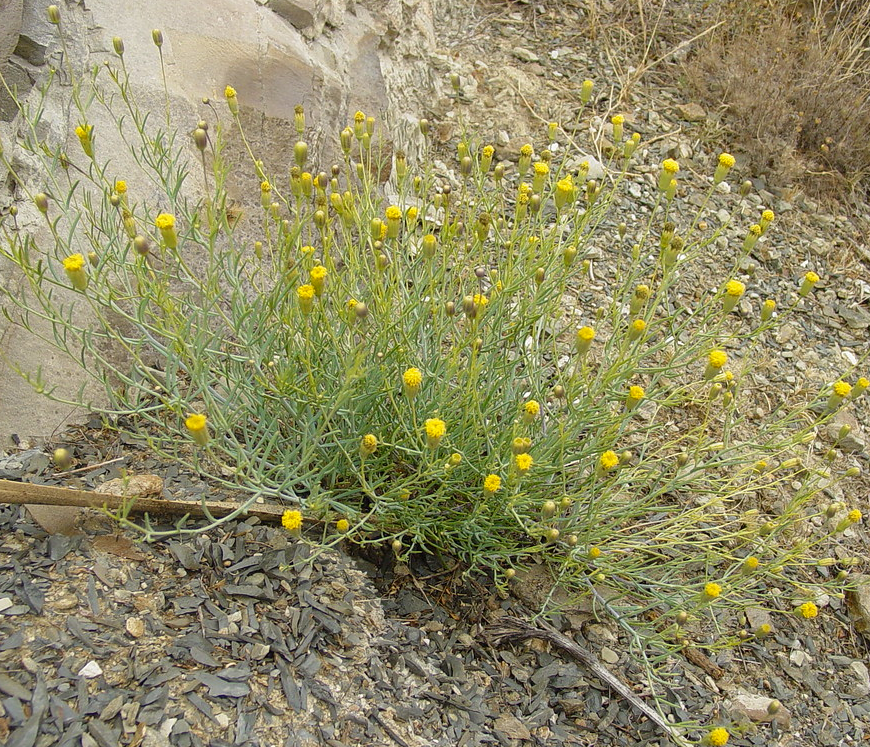
Trans-Pecos Poreleaf
Quelite : Porophyllum scoparium delves into this herb from a Mexican point of view (1). Here we look at it from the other side of the Rio Bravo (the Rio Grande if you’re standing on its northern banks). I go into greater detail of its culinary and its medicinal usage. This plant is very interesting is that it is being used in a clinical environment … Continue reading Trans-Pecos Poreleaf
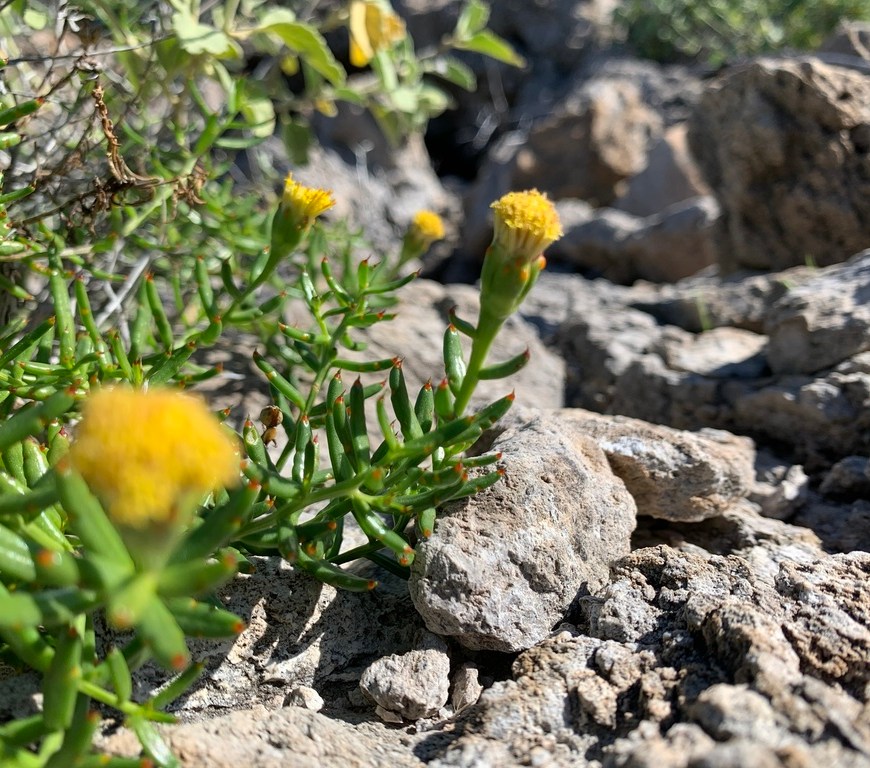
Papalo Adjacent. The Bajacalias.
Bajacalia Bajacalia is a genus of three species of perennial flowering plants in the family Asteraceae (1), native primarily to the Baja California peninsula in northwestern Mexico. The genus name derives from “Baja California,” reflecting the restricted range of its species in that region.(Loockerman et al 2003) the “daisy” Family. Papalo (Porophyllum) is in the same Family Geographic distribution of Bajacalia : Gulf coast of … Continue reading Papalo Adjacent. The Bajacalias.

